What Are Advantages of HDPE Geomembrane for Mining?
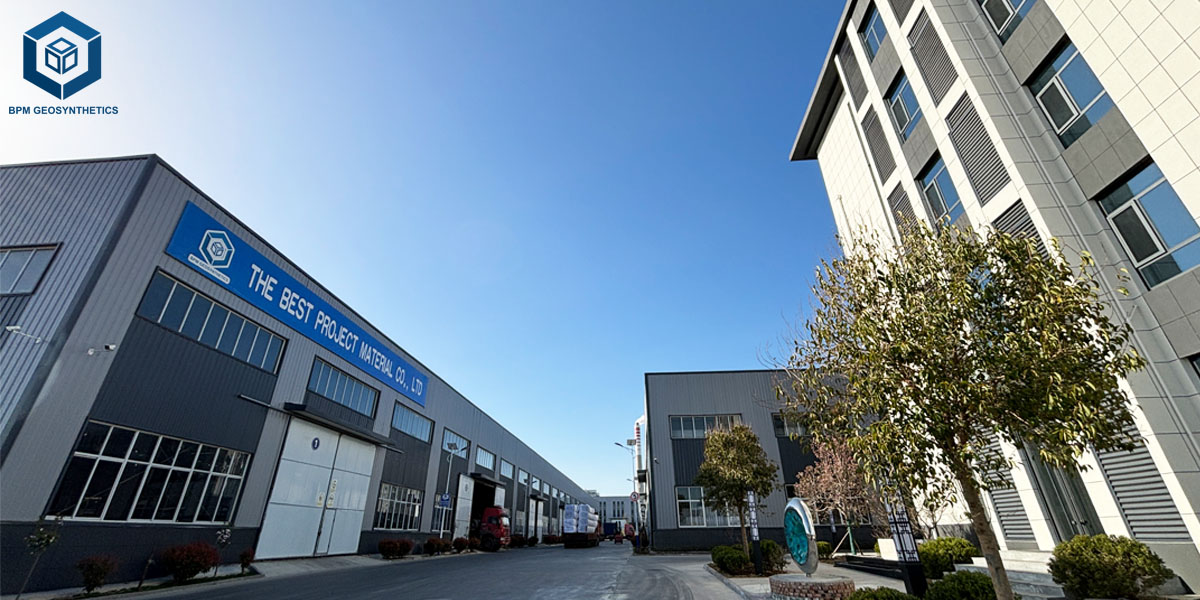
Over the previous decade, HDPE geomembrane have end up an increasing number of famous in the mining industry. Our The Best Project Material Co., Ltd.(BPM Geosynthetics)company geomembrane have been hooked up in a number of mining initiatives round the world. With 20 years of journey in geotechnical engineering, we supply clients with terrific merchandise and expert mining set up experience.
High-Density Polyethylene (HDPE) liners have come to be the gold preferred for containment options in mining operations worldwide. These impermeable geomembrane furnish quintessential environmental safety whilst presenting most excellent overall performance in difficult mining conditions. From heap leach pads to tailings storage facilities, HDPE liner serve as dependable boundaries towards contaminant migration.
In the world of civil engineering, construction, and environmental management, HDPE geomembranes are making a significant impact. Short for High-Density Polyethylene, HDPE geomembrane liner is synthetic liners that provide a range of benefits in various applications. In this blog post, we’ll explore the key advantages of HDPE geomembrane sheet and how they can contribute to more sustainable and efficient projects.
1. What is HDPE Geomembrane for Mining?
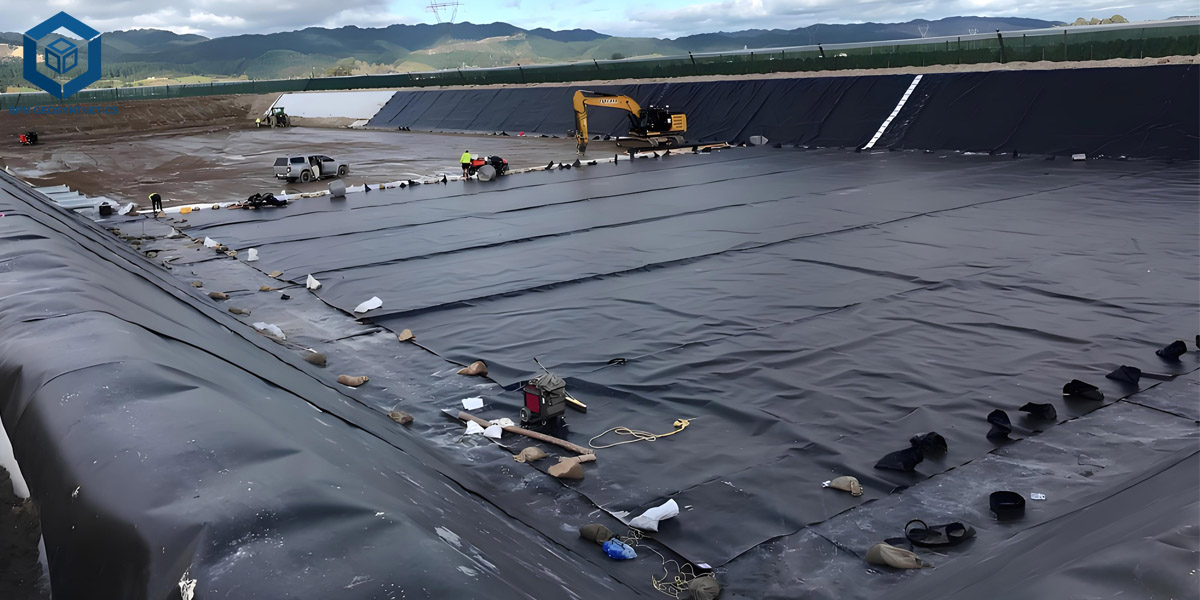
As we all know, hdpe membrane is the most commonly used waterproof material. It uses polyethylene virgin resin as raw material, adds carbon black, anti-aging agent and anti-ultraviolet absorber, etc. It is produced by 3-layer co-extrusion blow molding process or calendering process technology using geomembrane equipment. hdpe geomembrana is often used in aquaculture projects, garden projects, salt ponds and mining projects. Especially in mining washing ponds, heap leaching fields, dissolution ponds, sedimentation ponds and tailings low-sinking and anti-seepage projects.
2. HDPE Geomembrane for Mining:Exceptional Chemical Resistance for Harsh Mining Environments
In the geotechnical substances market, more than a few high density polyethylene geomembrane picks exist, along with HDPE geomembrane, LDPE geomembrane, LLDPE geomembrane, PVC geomembrane, and EPDM geomembrane materials. Among these, HDPE Geomembranes are broadly diagnosed for their high-quality chemical resistance, making them the desired preference for mining containment structures uncovered to aggressive chemical agents.
2.1 Why Chemical Resistance Matters in Mining?
Mining operations often contain direct contact with noticeably corrosive and reactive chemicals, which can rapidly deteriorate traditional lining materials. Typical chemical exposures include:
- Sulfuric acid in copper leaching – Used in hydrometallurgical processes, this sturdy acid can hastily erode concrete and clay liners, ensuing in extreme containment loss.
- Cyanide options in gold extraction – Although necessary for dissolving gold, cyanide is enormously toxic and reactive, requiring geomembranes that can forestall any leakage or molecular permeation.
- Heavy metal-laden manner water – Wastewater from ore processing frequently includes dissolved metals such as lead, zinc, and nickel, which can corrode and weaken unprotected liners.
- Hydrocarbon byproducts – Oils, fuels, and natural residues from mining gear can degrade polymer chains in low-grade liners, lowering carrier life.
Traditional substances such as clay or concrete have a tendency to crack, soften, or dissolve when uncovered to these chemicals, main to leachate leakage and expensive environmental remediation. This is the place hdpe geo membrane grant a giant advantage.
2.2 HDPE Geomembrane for Mining's Superior Chemical Performance
Geomembrane in HDPE show off excellent balance and sturdiness when uncovered to a huge range of chemical agents. They are engineered to face up to degradation in environments containing:
- Wide pH vary (acidic and alkaline solutions) – HDPE stays secure throughout pH values from 1 to 14, keeping tensile energy even underneath intense acidity or alkalinity.
- Organic solvents and hydrocarbons – The dense molecular shape of HDPE prevents swelling and softening when in contact with fuels, oils, and different hydrocarbon-based fluids.
- Oxidizing retailers – Additives and antioxidants inside HDPE formulations beautify resistance to oxidative breakdown, making sure long-term fabric integrity.
- Saline environments – Geo membrane sheet do no longer soak up salts or lose flexibility, making them appropriate for brine ponds and desalination projects.
Extensive laboratory checking out and discipline monitoring affirm HDPE’s strong chemical stability. Even after extended immersion, HDPE geomembrane liner continues dimensional balance and mechanical electricity below publicity to:
- 98% sulfuric acid, displaying minimal mass trade or embrittlement.
- 50% sodium hydroxide, with no seen floor degradation.
- Various steel ion solutions, preserving impermeability and tensile overall performance over years of use.
Case Study: HDPE Geomembrane for Mining Heap Leach Pad Performance
At a BPM Geosynthetics assignment in a Chilean copper mine, hdpe geomembrane sheet had been set up for heap leach pad containment. After 5 years of non-stop exposure to acidic leachate with pH 1.5, inspection outcomes confirmed zero hdpe impermeable liner degradation, cracking, or blistering. The hdpe liner sheet maintained its full containment performance, validating HDPE’s unmatched chemical sturdiness and discipline reliability in one of the world’s most harsh mining environments.
3. HDPE Geomembrane for Mining: Superior Impermeability for Environmental Protection
One of the defining traits of hdpe membrane sheet is their excellent impermeability, which performs a fundamental position in stopping groundwater illness and minimizing environmental affect in mining operations. Whether used in tailings ponds, heap leach pads, or wastewater reservoirs, hdpe landfill liner act as a dependable hydraulic barrier, making sure entire isolation of manner fluids from surrounding ecosystems.
3.1 The Science Behind HDPE's Impermeability
The impermeability of HDPE is the end result of its excessive molecular density, crystalline structure, and exactly managed manufacturing process. Together, these aspects supply membrane hdpe an unparalleled capacity to withstand liquid and vapor transmission.
3.1.1 HDPE Geomembrane Usually Achieve:
- Hydraulic conductivity <1×10⁻¹³ cm/sec – This ultra-low permeability stage ability polyethylene geomembrane features as an nearly ideal liquid barrier. Even beneath sustained hydraulic pressure, water or leachate molecules can't bypass thru its dense polymer matrix. Such overall performance a ways exceeds the containment necessities for mining and waste administration applications.
- Water vapor transmission <0.3 g/m²/day – The low vapor transmission charge ensures minimal moisture diffusion via the liner, even in excessive temperature conditions. This function is vital in arid mining environments the place evaporation manipulate and chemical attention balance are critical.
- Molecular density that prevents fluid migration – The tightly packed molecular chains of BPM geomembrane limit free quantity inside the polymer, stopping any seepage or diffusion of aggressive fluids such as acids, salts, or hydrocarbons. This property ensures long-term containment integrity, even underneath extended chemical and thermal stress.
3.1.2 Comparison with Alternative Materials
To absolutely admire HDPE’s impermeability, it is beneficial to evaluate it with different typically used lining substances in mining:
Material | Permeability (cm/sec) | Mining Suitability | Performance Summary |
HDPE | <1×10⁻¹³ | Excellent | Provides superior impermeability, outstanding chemical resistance, and long service life; ideal for heap leach pads, evaporation ponds, and tailings dams. |
PVC | 1×10⁻¹⁰ | Good | Offers reasonable flexibility and ease of installation but lower chemical and UV resistance compared to HDPE, making it less durable for long-term mining projects. |
Clay | 1×10⁻⁷ | Poor | Natural clay layers provide limited seepage control and can crack or shrink under dry conditions, leading to leaks and contamination risks. |
Concrete | 1×10⁻⁶ | Unsuitable | Although strong structurally, concrete is highly porous and susceptible to chemical attack, making it ineffective for hazardous fluid containment. |
This evaluation actually demonstrates that geomembrane in hdpe outperform all traditional selections in each impermeability and long-term reliability. Their superior geomembrane material residences make certain mining operations hold environmental compliance, decrease leachate loss, and guide sustainable aid management.
4. HDPE Geomembrane for Mining: Unmatched Durability and Long Service Life
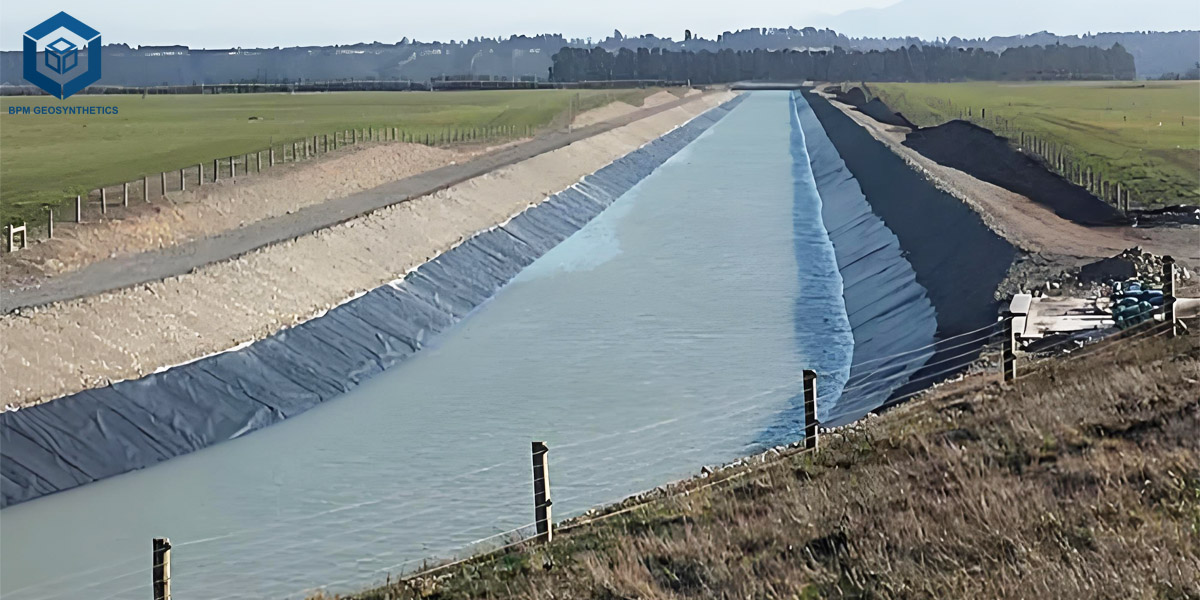
Durability is one of the defining traits that make hdpe lining for ponds the desired lining answer for mining containment structures worldwide. Engineered for intense environments, hdpe smooth geomembrane hold their mechanical integrity and impermeability over a long time of publicity to mechanical stress, UV radiation, and harsh climate conditions.
4.1 Physical Properties Ensuring Longevity
The long-term overall performance of high density polyethylene hdpe liners is rooted in their gold standard bodily and mechanical strength, carried out thru unique resin system and superior extrusion manufacturing. Key overall performance parameters include:
- Tensile strength: 25–35 MPa – High tensile energy permits geomembrane hdpe to stand up to big stress throughout set up and operational loading. Even beneath uneven subgrade agreement or heavy overburden, smooth geomembrane continues dimensional balance besides tearing or elongation.
- Puncture resistance: 400–800 N – The hdpe geomembrane’s dense molecular shape and thickness preferences supply incredible resistance to puncture from sharp rocks or equipment, making sure that containment overall performance stays uncompromised in rugged mining environments.
- Tear resistance: 150–300 N – Excellent tear propagation resistance prevents small mechanical damages from increasing into large failures. This property is mainly essential throughout subject handling, welding, and backfilling operations.
These blended mechanical strengths make hdpe liner material rather dependable for long-term containment structures beneath heavy mechanical loads.
4.2 UV and Weather Resistance
Mining tasks frequently function below extreme photo voltaic radiation, fluctuating temperatures, and seasonal local weather extremes. hdpe lining for ponds is specifically formulated to stand up to such prerequisites except embrittlement or floor degradation.
Properly Engineered HDPE Geomembrane Incorporate:
- 2–3% carbon black content material – This optimized attention efficiently absorbs UV radiation and disperses thermal energy, stopping photo-oxidative injury and extending the liner’s out of doors provider life.
- UV stabilizers (HALS – Hindered Amine Light Stabilizers) – These superior components shield the polymer chains from oxidation, retaining flexibility and tensile energy even after years of exposure.
As a result, HDPE geomembranes can reliably endure:
- Continuous UV publicity – Proven to hold mechanical overall performance for over a decade in direct sunlight.
- Temperature extremes (-60°C to +80°C) – Suitable for use in both desolate tract warmth and subarctic cold, except loss of elasticity or cracking.
- Freeze–thaw cycles – Repeated enlargement and contraction do now not have an effect on liner integrity, making sure steadiness in cold-region mining sites.
4.3 Field Performance Data
Extensive international discipline records verify the lengthy carrier lifestyles and best sturdiness of BPM high density polyethylene hdpe liners throughout various mining applications:
Installation | Years in Service | Condition | Performance Summary |
Australian Gold Mine Tailings | 15 | Minimal degradation | Liner remains intact and flexible after prolonged UV and chemical exposure. |
Canadian Oil Sands Pond | 12 | Fully functional | Maintains impermeability and structural strength under heavy hydrocarbon contact. |
Zambian Copper Leach Pad | 10 | No leaks detected | Continuous chemical exposure at low pH with zero recorded containment failures. |
These real-world outcomes reveal that HDPE Geomembranes persistently supply 20+ years of dependable carrier life, considerably lowering preservation fees and making sure full environmental compliance for the duration of the mining operation cycle.
5. HDPE Geomembrane for Mining: Cost-Effectiveness Over Project Lifecycle
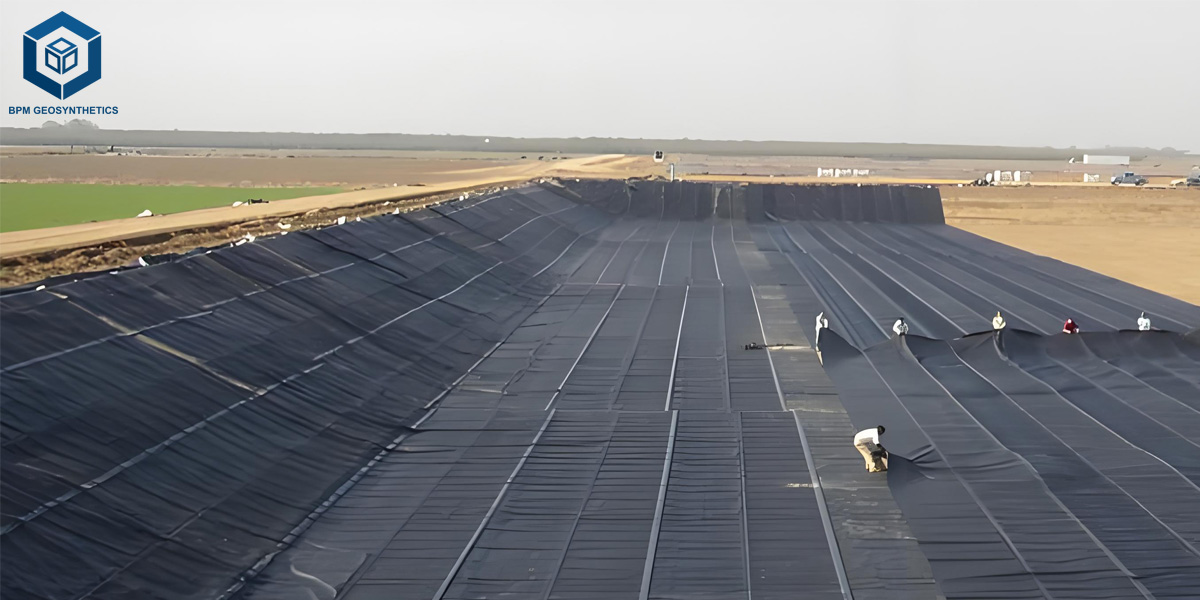
In large-scale mining operations, long-term overall performance and complete price of possession are a ways greater integral than preliminary cloth prices. Although hdpe pond liner may additionally current a greater upfront funding in contrast to lower-grade alternatives, their tremendous durability, low maintenance, and lengthy carrier existence end result in the lowest lifecycle value of any containment material. This makes polyethylene pond liners an economically sound preference for each operators and environmental regulators.
5.1 Initial Cost vs. Long-Term Value
- 50–100 12 months provider practicable – Engineered for longevity, hdpe liner pond can operate reliably for a number of decades, relying on assignment stipulations and set up quality. In managed environments such as lined ponds or capped landfills, provider existence can prolong past a hundred years. This eliminates the want for time-honored liner replacement, considerably lowering material and labor expenses over time.
- Minimal preservation necessities – Once installed, HDPE dam liners require without a doubt no maintenance. Their chemical and UV resistance decrease degradation, whilst their puncture and tear electricity stop mechanical failure. Routine visible inspections are usually ample to make certain non-stop performance, main to decreased operational downtime and inspection expenses.
- Elimination of remediation expenses – Containment failure in mining web sites can end result in extreme environmental damage, cleanup expenses, and manufacturing delays. By keeping long-term impermeability and chemical stability, hdpe membrane sheet really put off the chance of leakage-related remediation costs. This preventive gain interprets into tremendous monetary financial savings and regulatory compliance protection during the project’s lifecycle.
Overall, when evaluated on a full cost-per-year-of-service basis, hdpe geomembrane pond liner consistently outperform typical substances such as PVC, clay, or concrete. The end result is a cost-effective, sustainable, and dependable containment answer that helps secure and environmentally accountable mining operations.
6. What Properties Does HDPE Geomembrane for Mining Need to Have?
6.1 Chemical Resistance
Chemicals present in mining environments (kerosene, diesel, acid, naphtha, jet fuel, brine, crude oil and gasoline.), we need to choose HDPE membrane materials that can withstand exposure to these substances. HDPE plastic liner have excellent chemical corrosion resistance, which can ensure that we will not degrade or damage due to exposure to these chemicals. Mining geomembranes help to control salt water in evaporation ponds, increase salt collection rates and reduce precipitation. Our mining geomembrane liner can resist chemical corrosion from high concentrations of salt for a long time, have very low permeability, and have strong UV resistance.
6.2 UV Resistance
If your mining project involves outdoor applications, choose dam liner geomembrane that are UV-resistant. This feature prevents degradation caused by prolonged exposure to sunlight.
6.3 Anti-seepage performance
Mining geomembranes are exposed to the elements and must both protect the environment and prevent solution loss so your precious metals and profits are not washed away. Evaluate the ideal level of impermeability required for your mining application. Black geomembrane is typically low permeable, but it is important to ensure it meets specific permeability requirements to prevent fluid migration and protect the environment.
6.4 Thickness
For mining projects, the minimum thickness of waterproofing geomembrane is 1.5mm, and geotextile should be used for protection. We generally consider that mining projects need to have tensile strength and elongation, as well as puncture resistance and tear resistance. Customers need to choose 2mm HDPE geomembrane. Because the technical indicators of 2mm geomembrane are higher than those of 1.5mm geomembrane.
7. HDPE Geomembrane for Mining: GM13 100% Virgin Material Standard
In mining projects, due to the large number of chemical substances, high environmental acid and alkali resistance quality indicators are required. Engineering projects generally require suppliers to meet the GM13 standard. And have any specific mining industry certification. The geomembranes produced by our BPM have passed the TRI and SGS testing agencies. At the same time, we are also a member of the IGS geotechnical materials industry.
Conclusion
As a HDPE Geomembrane export manufacturer for 20 years, The Best Project Material Co., Ltd.(BPM Geosynthetics)factory has 4 lines of smooth HDPE Geomembrane equipment and 2 line of rough surface HDPE Geomembrane equipment. We can produce HDPE Geomembranes with widths from 2 meters to 10 meters. We can produce HDPE Geomembrane thicknesses from 0.2mm to 3mm. Because our HDPE Geomembranes need to be shipped in containers and shipped to customers, most customers ask us to produce widths of 5.8mm or 7 meters or 8 meters. If you have other widths, we can also produce them. If you need a width of 3 meters, it may produce some waste of raw materials. The price of a 3-meter wide HDPE Geomembrane may be higher than the price of a normal width (5.8m to 10m) HDPE Geomembrane.