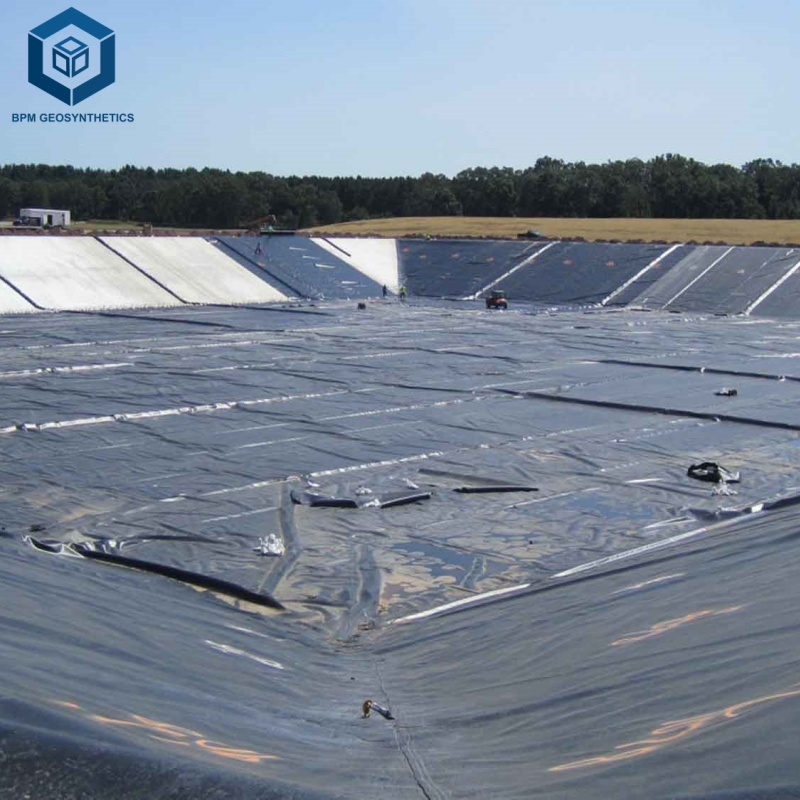
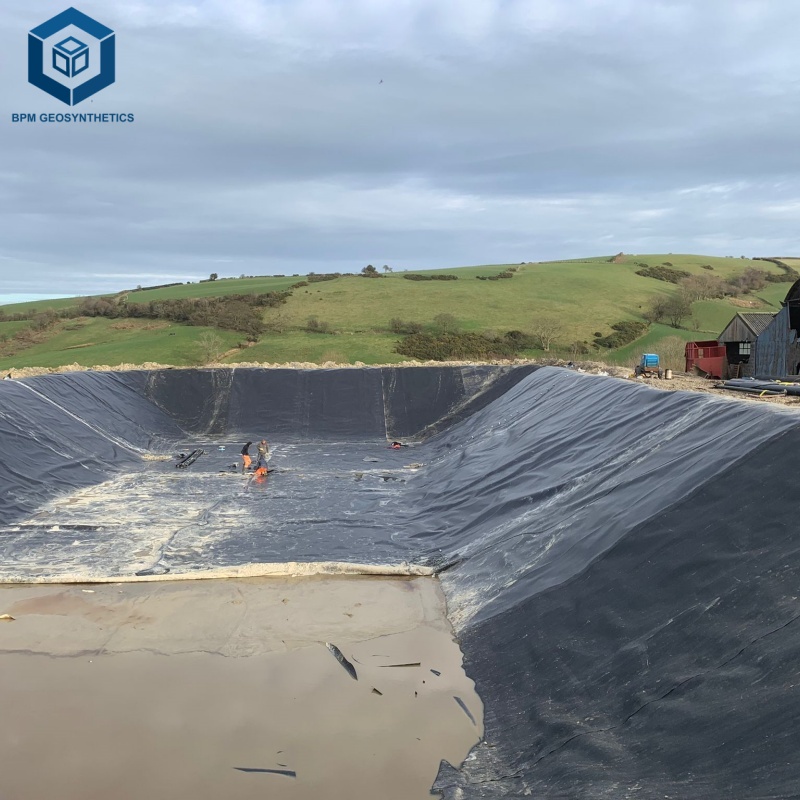
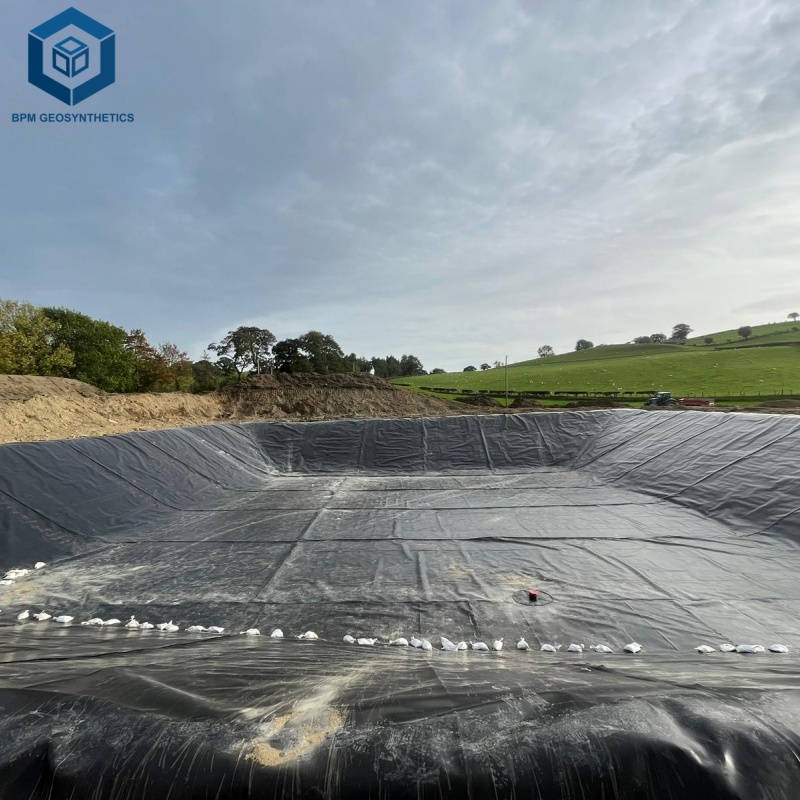
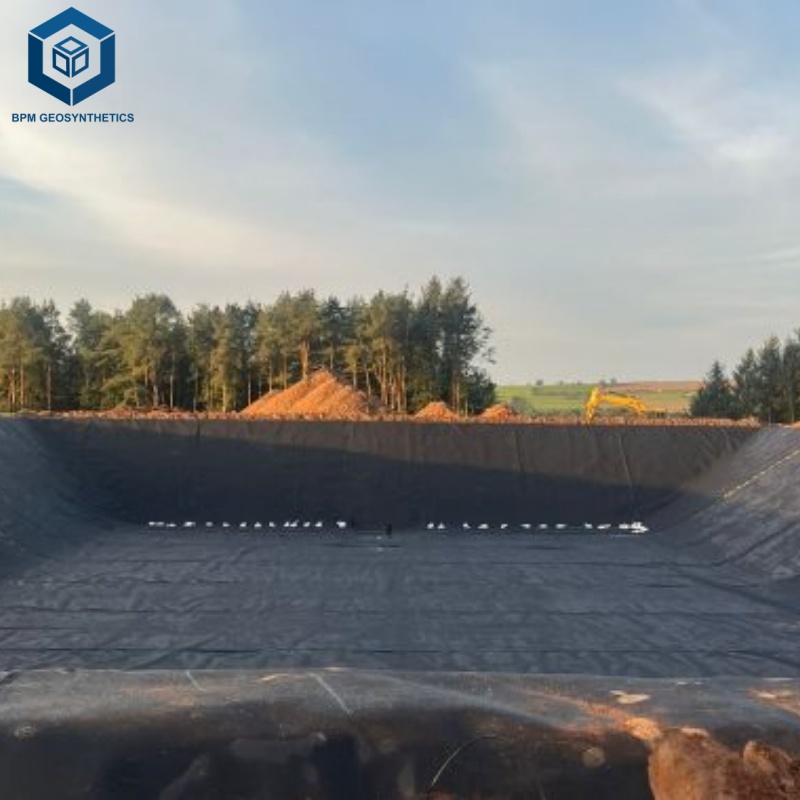
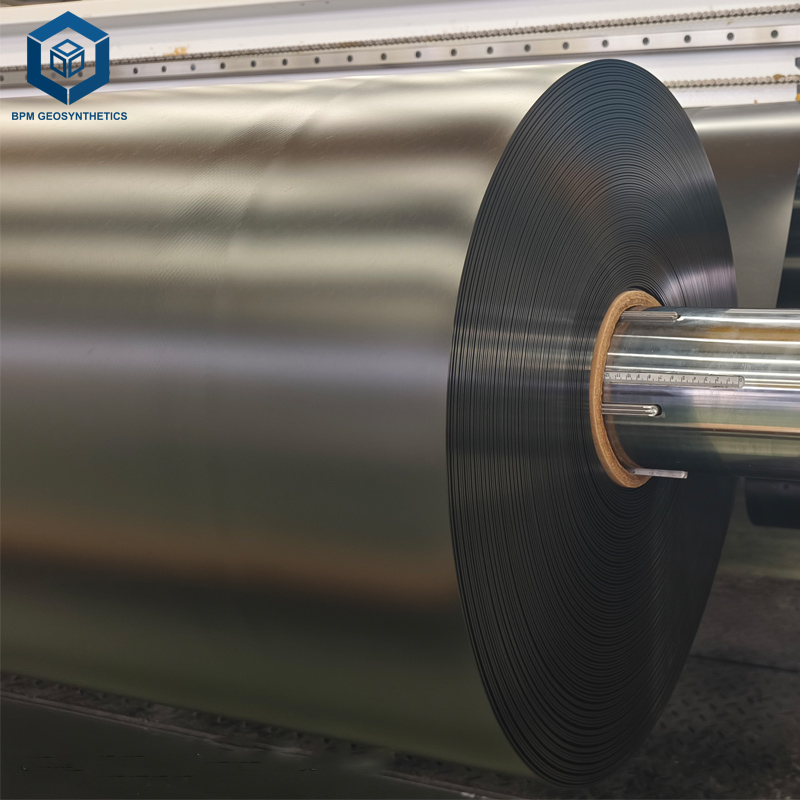
Geomembrana
With high durability, strong impermeability, and resistance to chemicals and UV, Geomembrana effectively prevent leakage, reduce environmental risks, and lower maintenance costs for safer, more efficient projects.
- Outstanding Impermeability – Prevents leakage and protects soil and groundwater
- High Strength & Durability – Resists punctures, tears, and harsh site conditions
- Excellent Chemical & UV Resistance – Ensures long service life in aggressive environments
- Cost-Effective Solution – Reduces maintenance and replacement expenses
- Easy Installation – Saves time and labor costs on-site
- Wide Application Range – Ideal for landfills, ponds, mining, canals, and reservoirs
- Environmental Protection – Minimizes contamination risks and supports sustainable projects
Geomembrana – High Performance Containment Solutions for Modern Engineering
Geomembrana is a product in the line of advanced impermeable geosynthetic liners. They have been produced for a very reliable containment, environmental protection, and long-term durability. They can be used on a very wide range of civil, environmental, and industrial work. Geomembrana products are made out of first-grade polymers, which give the geomembranas superior chemical, UV, puncture, and weather condition resistance capabilities.
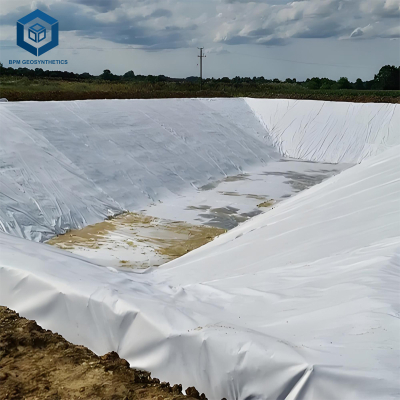
You will find geomembranas in various environmental protection systems like landfills, mining sites, irrigation, fish farming, water supply, and other projects. Geomembrana liner is the critical protective element in terms of leakage prevention, limiting pollution, reducing maintenance costs, etc. As a result, safety, efficiency, and more sustainable solutions go hand in hand.
1. Features and Benefits of Geomembrana
1.1 Waterproofing Properties (High Permeability Resistance)
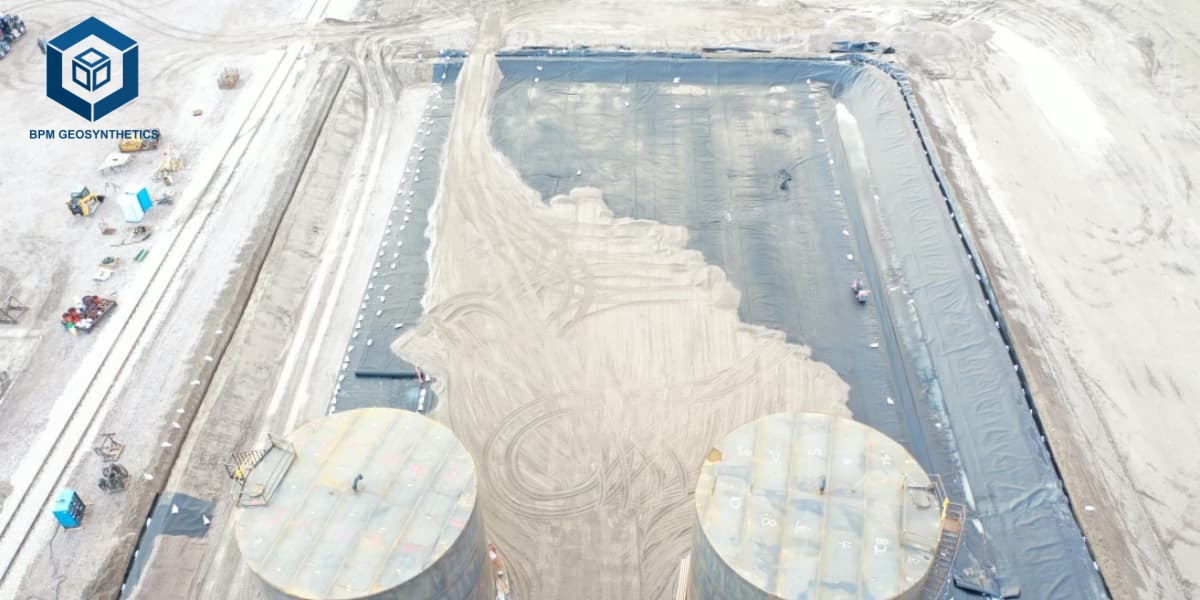
All Geomembranas provide the lowest permeability levels, effectively blocking the migration of gases and liquids, even at high pressures. Such superior waterproofing protects in sensitive situations like landfill liners, wastewater storage tanks, and water bodies for irrigation with sealed covers, thereby minimising the environmental hazard and the changes in containment system leaks resulting in the loss in system integrity over time.
The dependable impermeability of the geo membrana liner also lessens the need for expensive repairs and replacements, making these products a viable solution for the long term.
1.2 Mechanical Soundness
Geomembrana products are equipped with very high-performance mechanical characteristics, among which are a great level of tensile strength and elongation, which makes for resistance to the immediate tearing on stretching the geomembrana in hdpe. Due to their puncture and tear resistance, geomembrane sheet can also be used in the toughest environments such as mining pads, areas of construction, or existing landfills.
The durability of the geomembrane means that it can not only withstand the mechanical strain of handling during installation but also its performance will not deteriorate over time.
1.3 Excellent Resistance to Chemicals
Geomembranas do not react or change structurally when exposed to different chemical products such as acids, alkalis, oil, and other hazardous substances. So, in fact, by using these nonreactive liners, we have an answer to the problem of industrial wastes, mining wastes, and materials being stored producing the chemical reactions that could create potential hazards.
In addition, their chemical resistance will also guarantee the physical properties of the liner will be maintained to a high level for a long period.
1.4 Resistance to UV and Weathering Effects
Certainly, by the addition of carbon black and excellent stabilizers, geomembrana becomes as far as possible withering resistant to sunlight and other weathering.
Therefore, the hdpe geomembrane sheet material is able to retain its flexibility, strength, and impermeability, even after being exposed to long hours of sunlight, hot temperature changes, or just freezing. HDPE membrane are weather resistant and very physical suitable material for making reservoirs, ponds, and landfill covers which have been withstanding outdoor conditions quite some time without the need for replacement.
1.5 Extended Life Cycle
A set of conditions being met, normally hdpe geomembrane liner should be able to supply a 20–50+ years of reliable performance. Their robustness not only helps the reducing the maintenance component but also increases the overall durability element, so by not needing frequent changes, they allow the project manager to save thousands of dollars.
Along with their chemical resistance, UV protection, and mechanical features, their extended life cycle can keep a project safe, compliant, and able to run for a very long time without incurring additional costs.
1.6 Flexible and Easy Installation
Due to the high level of their adaptability, it is just a matter of time before they get installed in no time and quite efficiently even on uneven surfaces or a very complicated terrain. By using advanced thermal fusion methods, it is possible to weld them together to produce the strongest and most leak-proof seams.
Their flexibility along with the comfort of installation spells shorter timelines, thus less money spent on labor, and it makes them a good choice not only for very large industrial projects but also lesser demanded ones from the civil engineering perspective.
2. Types of Geomembrana
2.1 HDPE Geomembrana (High-Density Polyethylene)
HDPE geomembranas represent the largest share of the geomembrane market because they are not only extremely strong but also very durable and resistant to chemicals. These geomembranas are capable of providing long-term containment solutions even in the most harsh environments. HDPE geomembranas also have very low permeability which is an important feature.
2.1.1 Key Features
Very high tensile capacity and great resistance to tearing - even in heavy-duty scenarios.
Extremely resistant to a wide range of chemicals including acids, alkalis, and industrial solutions.
Minimal permeability, thus making the containment of liquids and gases very effective.
2.1.2 Applications
- Municipal and industrial landfills
- Mining tailings and heap leach pads
- Wastewater treatment ponds and reservoirs
2.2 LLDPE Geomembrana (Linear Low-Density Polyethylene)
LLDPE geomembranas offer outstanding flexibility and elongation abilities which is a flexible property that allows the liner to adapt when settlement occurs or when the surface shape is irregular.
2.2.1 Key Features
More than HDPE in elongation power hence much better adaptation to terrain irregularities.
Retains strong chemical and UV resistance capabilities for a long time.
Is able to tolerate slight earth movements without cracking or tearing.
2.2.2 Applications
- Tailings and evaporation ponds in mining projects
- Embankments and levees requiring flexible containment
- Wastewater storage systems with irregular or shifting foundations
2.3 PVC Geomembrana (Polyvinyl Chloride)
PVC geomembranas are very thin and lightweight, highly bendable and easy to deploy, which makes them a very sensible option for correspondingly scaled containment tasks.
2.3.1 Key Features
Great flexibility allows for easy handling and installation.
Need be could be strengthened by the use of polyester scrim.
Fair chemical resistance for holding non-aggressive liquids.
2.3.2 Applications
- Decorative ponds, fountains, and artificial lakes
- Irrigation and water containment systems
- Small reservoirs or temporary water storage
2.4 EPDM Geomembrana (Ethylene Propylene Diene Monomer)
Due to their high elasticity combined with great UV stability and weathering resistance, EPDM geomembranas are perfect as geo barriers for areas exposed to outdoors and for use over a long time.
2.4.1 Key Features
Incredible elasticity gives the ability to expand and contract as the temperature changes.
Extremely resistant to UV rays, ozone and very harsh climates.
Sturdy and long-lasting for outdoor water containment applications.
2.4.2 Applications
- Landscaping ponds and water features
- Reservoirs and retention ponds
- Roofing and green roof waterproofing systems
2.5 Textured Geomembrana
Textured geomembranas are characterized by having a surface with a geometric design that helps to raise the level of friction
and hence lead to better slope stability while also reducing the traction risk that is_left a concern for steep or sloped installations.
2.5.1 Key Features
Textured surface provides additional bracing ensuring higher stability on inclined areas.
It can come in any of the HDPE, LLDPE, or PVC base materials granting the user the freedom to choose.
Has the same resistance and capability features as the base geomembrana, including chemical, UV, and mechanical properties.
2.5.2 Applications
- Steep landfill caps and embankments
- Reservoir slopes and dam liners
- Areas requiring secure, non-sliding containment solutions
3. Benefits for Customers - BPM Geosynthetics Geomembrana
3.1 Prevents Leakage and Environmental Contamination
A geomembrane acts as an impermeable layer preventing leaks of liquids, hazardous materials, and gases from entering the surrounding soil or water. This is an essential safeguard for landfills, chemical storages, wastewater ponds, and mining sites in order to protect the environment and meet the standards of regulators. Also, by avoiding contamination geomembranas enable the safety of local ecosystems and minimize the chance of legal or cleanup costs.
3.2 Reduces Long-Term Maintenance and Repair Costs
Due to their high durability, chemical resistance, and UV stability, geomembranas require minimal maintenance throughout their service life. This significantly reduces the costs associated with repair, replacement, or frequent inspections. Projects benefit from lower lifecycle expenses while maintaining reliable containment, which is especially valuable in large-scale or remote installations where maintenance can be challenging and expensive.
3.3 Enhances Structural Stability and Project Safety
Geomembranas contribute to the structural integrity of containment systems by providing reinforcement and preventing soil or slope erosion. Their high tensile strength and adaptability to ground movements reduce the risk of liner damage or failure. As a result, projects such as landfills, reservoirs, and embankments remain safe, stable, and secure even under harsh conditions or heavy loading.
3.4 Improves Water Conservation Efficiency
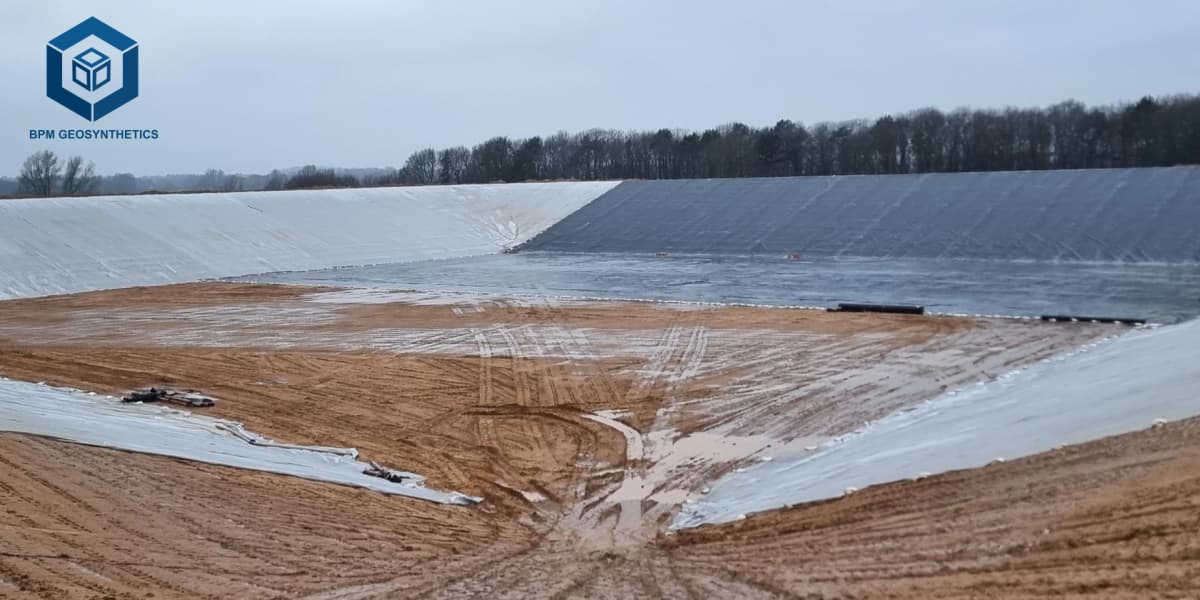
By creating an impermeable layer, impermeable geomembrane prevent water loss through seepage in reservoirs, irrigation ponds, and canals. This ensures that stored water is preserved for agricultural, industrial, or municipal use, increasing overall water-use efficiency. For aquaculture and agricultural projects, this benefit directly translates into higher productivity and resource savings.
3.5 Provides Reliable Performance in Extreme Conditions
HDPE liner sheet is engineered to withstand a wide range of environmental stressors, including UV radiation, temperature fluctuations, chemical exposure, and heavy mechanical loads. This ensures that they continue to perform reliably in challenging climates, industrial sites, and remote areas. Customers can trust that their containment systems will remain intact and effective over decades, even in the most demanding conditions.
4. Geomembrana Installation and Quality Assurance
4.1 Advanced Installation Techniques
Geomembranas are installed using precise and reliable welding methods to ensure strong, leak-proof seams and overall system integrity. The most common techniques include:
4.1.1 Hot Wedge Welding
This method uses a heated wedge to fuse overlapping geomembrane sheets, creating a continuous, impermeable seam. Hot wedge welding is ideal for long, straight seams and ensures consistent seam strength under heavy loads.
4.1.2 Extrusion Welding
Extrusion welding involves extruding molten polymer into the seam to bond overlapping sheets together. This technique is particularly useful for complex joints, repairs, or areas with irregular surfaces, providing flexibility and robust seam strength.
4.2 Rigorous Quality Control
Ensuring the long-term performance of geomembranas requires strict quality assurance protocols at every stage of installation. Key measures include:
4.2.1 Seam Integrity Testing
All welded seams are carefully tested using air pressure or vacuum testing to verify that the liner is fully sealed and free from leaks. This step ensures the containment system will perform as designed under operational conditions.
4.2.2 Thickness and Material Verification
Each geomembrane sheet is inspected to confirm that it meets the specified thickness and material composition. This ensures the liner has the necessary mechanical strength, chemical resistance, and impermeability for its intended application.
4.2.3 On-Site Inspection and Certification
Professional technicians conduct thorough on-site inspections throughout the installation process. Completed projects are certified to meet industry standards, ensuring compliance with environmental regulations and project specifications.
4.3 Benefits of Proper Installation
Proper installation guarantees that the geomembrana will achieve its full lifespan and performance potential. When installed according to best practices:
- Seams remain leak-proof even under heavy stress
- Risk of premature failure or damage is minimized
- Maintenance requirements and operational costs are reduced
- The overall containment system delivers reliable, long-term protection
5. Choose Our BPM Geomembrana Solutions
5.1 Premium Raw Materials with Certified Quality
Our geomembranas are manufactured from high-grade polymers such as HDPE, LLDPE, PVC, and EPDM, sourced from certified suppliers. Each batch undergoes rigorous testing to ensure consistent quality, mechanical strength, and chemical resistance. Using premium materials guarantees long-lasting performance, reliability, and compliance with international containment standards.
5.2 Advanced Manufacturing Technology
We employ state-of-the-art production processes, including extrusion, calendaring, and lamination, to create geomembranas that meet the highest engineering standards. Advanced technology ensures precise thickness control, uniform texture, and superior seamability, resulting in products that deliver exceptional performance across a wide range of applications.
5.3 Custom Thickness and Sizes
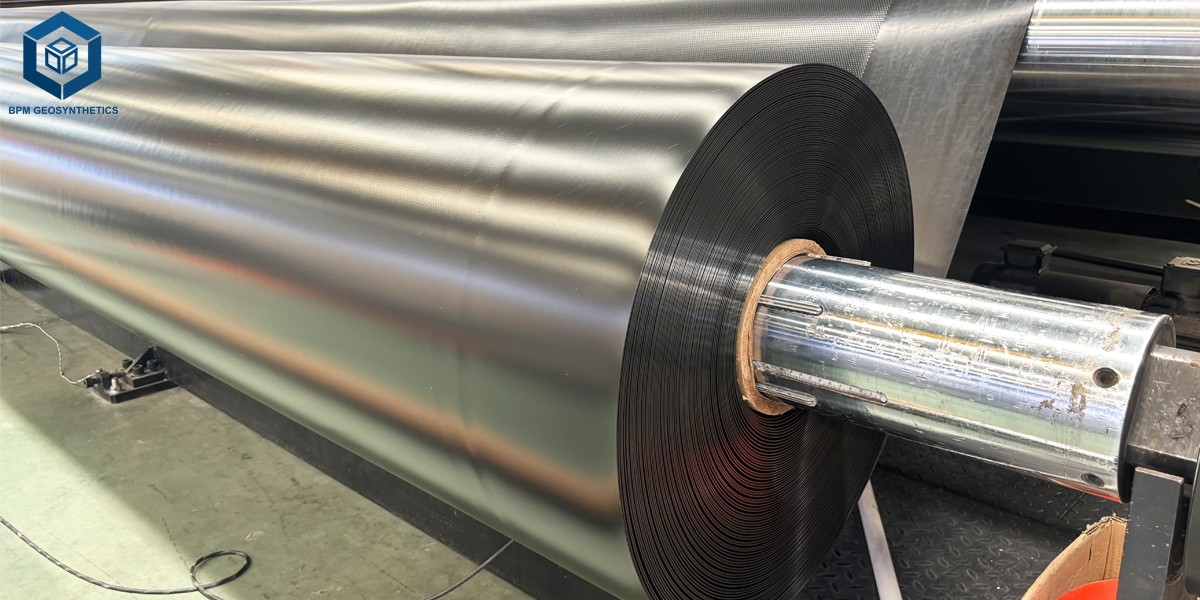
BPM geomembranas are available in a wide range of thicknesses, from 0.2 mm up to 3.0 mm or more, and can be manufactured in rolls of custom widths and lengths. This flexibility allows projects of any scale—large landfills, reservoirs, or small decorative ponds—to receive tailored solutions that perfectly match site requirements.
5.4 Compliance with International Standards
Our products meet or exceed industry standards such as ASTM, GRI-GM13, and other international specifications, ensuring high performance, safety, and reliability. Compliance with these standards provides customers with confidence that their containment systems will remain effective under diverse environmental and operational conditions.
5.5 Competitive Pricing with Global Supply Capability
We offer competitive pricing without compromising quality, making our geomembranas a cost-effective solution for projects of all sizes. With a robust global supply network, we can deliver materials efficiently to any location, supporting timely project completion and reducing logistical challenges.
5.6 Professional Technical Support and Installation Guidance
Our experienced team provides expert technical support throughout the project lifecycle. From initial material selection to installation guidance and on-site troubleshooting, we ensure customers have the knowledge and assistance needed for successful geomembrana performance and long-term reliability.
6. Geomembrana FAQ
Q1. What are the main applications?
A1: Applications include landfill liners, tailings and evaporation ponds, reservoirs, irrigation canals, fish ponds, slope stabilization, and civil engineering projects like tunnels and road subgrades.
Q2. How are they installed?
A2: Geomembranas are welded using hot wedge or extrusion welding, with seam testing via vacuum or air pressure to ensure leak-proof installation. Proper installation ensures long-term performance.
Q3. How long do they last?
A3: With proper installation, geomembranas can last 20–50+ years, depending on material type, environmental exposure, and mechanical stress.
Q4. Can they be customized?
A4: Yes. Thickness ranges from 0.2 mm to 3.0 mm+, custom roll sizes are available, and textured surfaces can be added for slope stability.
Q5. Can they be repaired?
A5: Yes. Minor punctures or damages can be repaired on-site using patching, extrusion welding, or hot wedge welding.
Conclusion
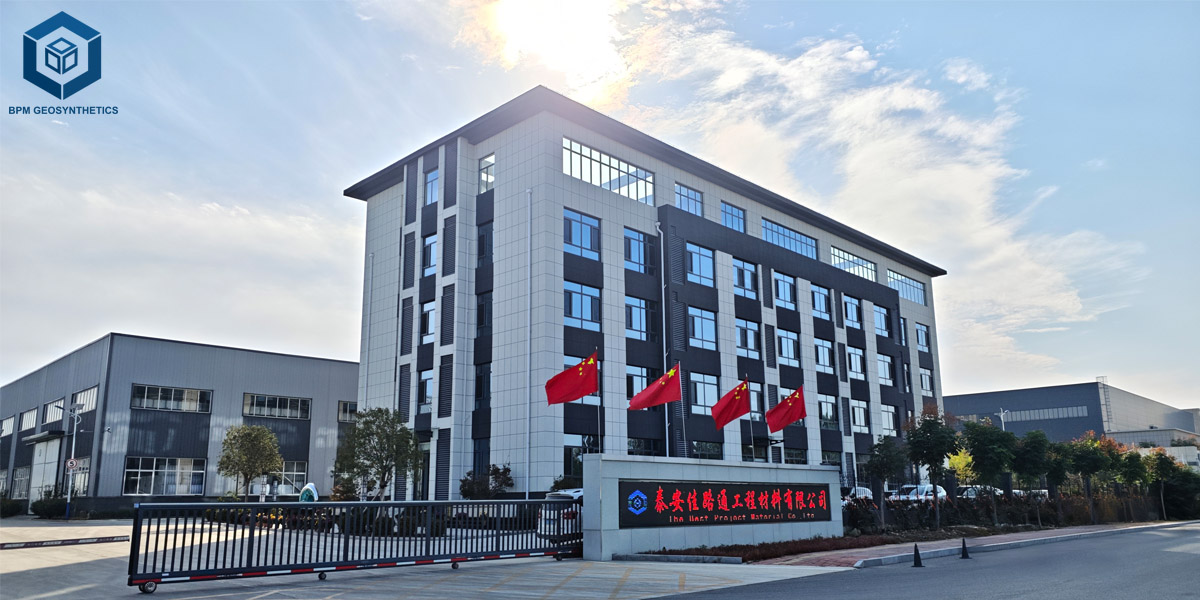
The Best Project Material Co., Ltd.(BPM Geosynthetics)Geomembrana is an essential solution for modern containment and environmental protection challenges. With its unmatched impermeability, durability, and versatility, it provides a cost-effective and sustainable approach to managing water, waste, and hazardous materials across industries.
Contact us today to discuss your project and get a tailored geomembrana solution that ensures long-term safety and efficiency.