How Much Does Geotextile Cost?
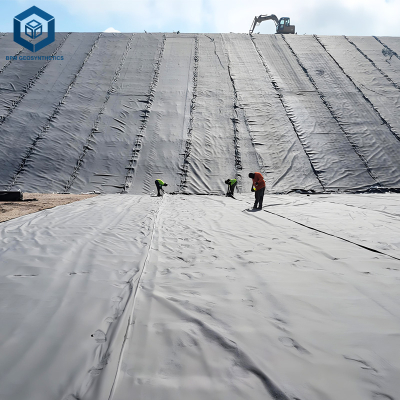
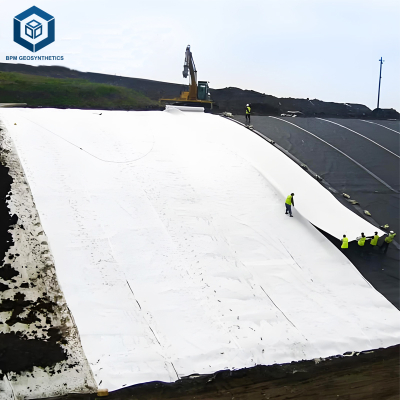
Geotextile are an essential component of many civil engineering and construction projects, yet they are often overlooked beneath the surface. These versatile geotextile play a vital role in applications ranging from road construction to erosion control and environmental protection. It is a new type of building material for geotechnical and civil engineering applications. In addition to having good stretch, puncture resistance and other effects It also has good vertical and horizontal drainage performance and high acid and alkali resistance, aging resistance and other effects. Geotextile fabric is widely used for separation, filtration, drainage, protection functions in civil engineering projects.and geotextile also has a wide pore size range, tortuous void distribution, good permeability and filtration performance.
For contractors, project managers, and procurement specialists, one of the most pressing questions is deceptively simple: how much does a geotextile cost actually cost? The answer, however, is far from straightforward. Prices fluctuate dramatically based on material composition, weight, roll dimensions, order volume, and market conditions. This article provides a comprehensive examination of geotextile cost , breaking down the factors that influence cost and offering practical guidance for informed purchasing decisions.
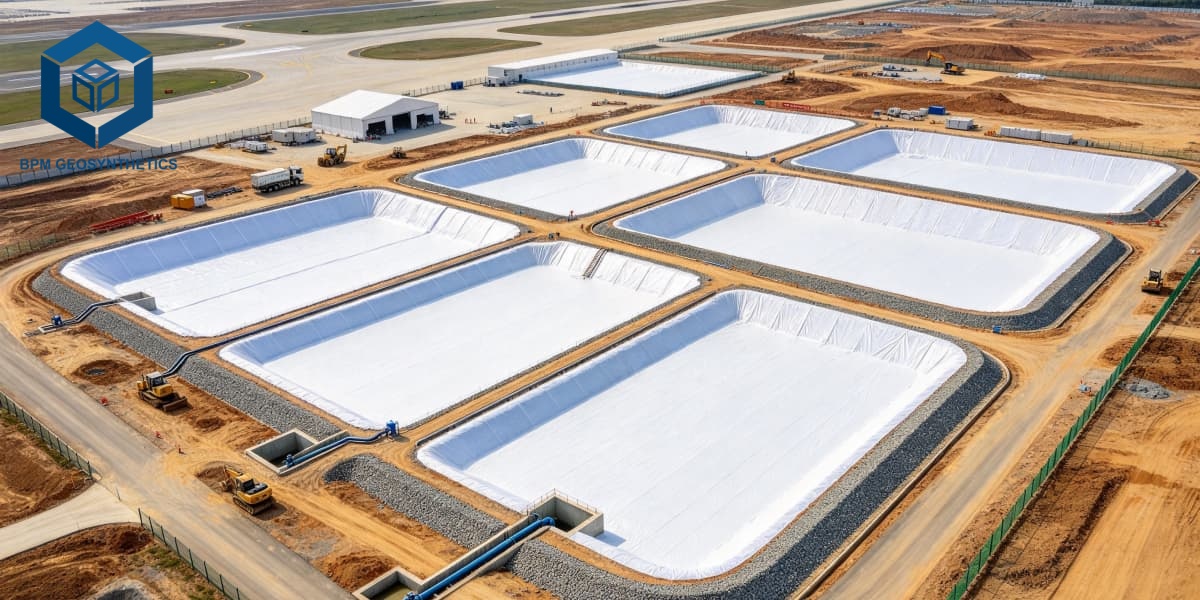
1. Understanding Geotextile Cost Rolls: Types and Applications
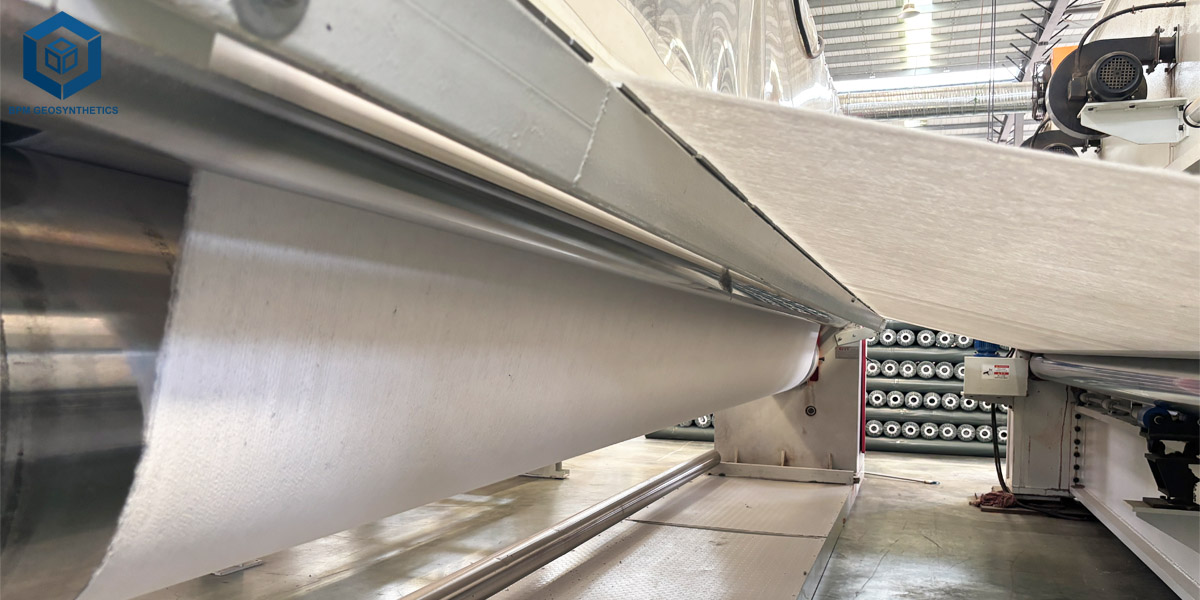
Before delving into pricing, it is essential to understand what geotextile fabric cost is and how they differ. Geotextiles are permeable fabrics typically made from polypropylene (PP) or polyester (PET), manufactured through either woven or non-woven processes. Woven geotextiles are produced by interlacing yarns, creating materials with high tensile strength suited for reinforcement applications. Nonwoven geotextiles, by contrast, are made by bonding fibers together through needle-punching or heat-setting, resulting in fabrics with excellent filtration and drainage characteristics.
These geo textile materials are supplied in rolls of varying dimensions. Common roll widths range from 1 meter to 8 meters, while roll lengths typically span from 50 meters to 200 meters. The weight of the fabric, measured in grams per square meter (GSM), is perhaps the single most important specification affecting both performance and price. Fabric geotextile weights commonly range from 100 GSM for lightweight separation applications to 1000 GSM for heavy-duty reinforcement projects.
2. The Geotextile Cost Range: A Complex Picture
Geotextile cost exhibit remarkable variation across the market. At the most basic level, unit prices for non-woven geotextiles range from approximately $0.07 per square meter for lightweight 100 GSM material purchased in large volumes, to well over $1.50 per square meter for heavy-weight, high-performance products. This enormous range reflects the diversity of products available and the many factors that influence pricing.
3. Key Factors Influencing Geotextile Cost
3.1 Material Composition and Manufacturing Process
The choice between polypropylene and polyester, as well as woven versus non-woven construction, fundamentally shapes the cost structure. Polypropylene geotextiles are generally more economical, with non-woven PP fabrics available at prices starting around $0.10 to $0.23 per square meter in bulk quantities. Polyester geotextiles, particularly those made from continuous filament fibers, often command higher prices due to superior strength and durability characteristics.
The manufacturing process also plays a significant role. Needle-punched non-woven fabrics, while versatile and widely used, may be priced differently from heat-bonded or spunbonded alternatives. The table below from industry data illustrates how weight correlates with price for PP non-woven geotextiles:
Weight (GSM) | Price Range (per sqm) | Typical Application |
100 | $0.10 - $0.15 | Light separation |
200 | $0.16 - $0.25 | Road construction |
300 | $0.20 - $0.40 | Slope protection |
500 | $0.30 - $0.70 | Heavy filtration |
800 | $0.70 - $1.20 | Reinforcement |
3.2 Weight and Thickness Specifications
The weight of geotextile fabric, expressed in GSM, is directly proportional to its cost. Heavier geotextile filter fabric require more raw material and more extensive processing, driving prices upward. A 100 GSM geo fabric cost may cost as little as $0.07 per square meter at volume, while a 500 GSM product could command $0.50 or more. This relationship is not merely linear; specialized high-performance geofabric at the upper end of the weight spectrum often carry premium pricing reflecting advanced engineering and quality control.
3.3 Roll Dimensions and Customization
Standard roll dimensions offer the most competitive pricing, while custom widths and lengths incur additional costs. Geotextile filter fabric cost widths typically range from 1 meter to 8 meters, with 4-meter and 6-meter widths being common for large-scale projects. Longer rolls reduce installation labor costs by minimizing seams but may require special handling equipment. Custom-cut rolls or those with specific length requirements often carry a price premium of 10% to 20% over standard sizes.
3.4 Order Volume and Minimum Order Quantities
The single most significant factor affecting unit price is order volume. Geotextile suppliers consistently offer tiered pricing structures that reward larger purchases. One representative pricing schedule shows dramatic reductions as order size increases:
100-499 square meters: $0.23 per square meter
500-999 square meters: $0.11 per square meter
1,000+ square meters: $0.07 per square meter
For complete rolls, minimum order quantities (MOQs) vary widely. Some suppliers require MOQs as low as 1 square meter for sample quantities, while others set thresholds at 1,000, 5,000, or even 10,000 square meters for their best pricing. Understanding these volume thresholds is essential for procurement planning, as consolidating orders across multiple project phases can yield substantial savings.
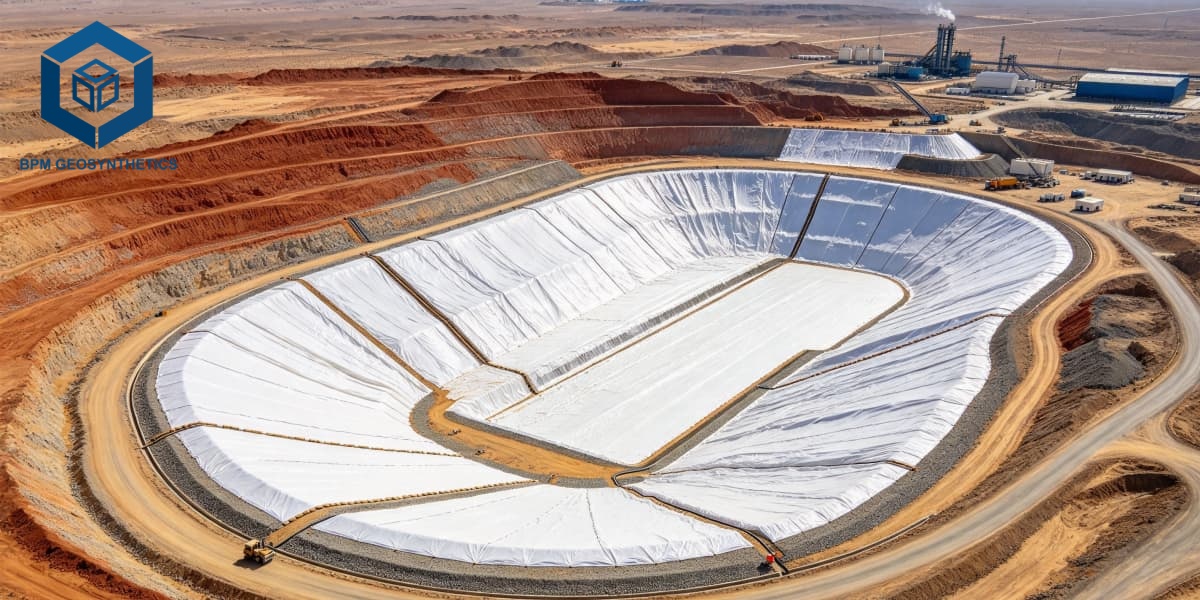
4. Comparative Geotextile Cost Analysis by Product Type
4.1 Non Woven Geotextiles
Nonwoven geotextile represent the most common category, used extensively in road construction, drainage systems, and filtration applications. Current market pricing reveals the following patterns:
Product Type | GSM | Price Range (per sqm) | MOQ |
PP Non-Woven | 100-200 | $0.10 - $0.25 | 500 sqm |
PP Non-Woven | 300-500 | $0.20 - $0.70 | 1,000 sqm |
PET Non-Woven | 150-250 | $0.23 - $0.25 | 5,000 sqm |
Filament PET | 100-800 | $0.20 - $0.70 | 2,000 sqm |
4.2 Woven Geotextiles
Woven geotextiles, prized for their high tensile strength in reinforcement applications, occupy a different price tier. High-strength PET/PP woven geotextiles range from $1.20 to $2.20 per square meter depending on order volume, with prices decreasing at quantities exceeding 5,000 square meters. For specialized applications such as retaining walls, woven geotextiles may command prices of $13.90 to $15.00 per unit for certain configurations.
5. Complete Geotextile Cost
When purchasing complete rolls, buyers should expect to pay the following approximate prices:
- Lightweight rolls (100-200 GSM): $150 to $500 per roll, depending on dimensions
- Medium-weight rolls (300-500 GSM): $500 to $1,200 per roll
- Heavyweight rolls (600-1000 GSM): $1,200 to $2,500+ per roll
These figures vary significantly based on roll dimensions. A 12.5' x 360' roll of TerraTex N04 geotextile, for example, is priced at $1,271.34, while a smaller 3' x 120' roll of the same material costs $155.24.
6. Regional and Market Variations in Geotextile Cost
Geotextile cost per square meter varies considerably by region and market channel. Chinese manufacturers, who dominate global production, offer highly competitive pricing for bulk orders, with per-square-meter rates frequently below $0.20 for standard products. North American and European suppliers typically charge higher prices but may offer advantages in quality assurance, certification, and delivery speed.
The distribution channel also affects final cost. Factory-direct purchases eliminate middleman markups but may require larger minimum orders and longer lead times. Distributors and retailers provide convenience and smaller quantities but at higher unit prices. Online B2B platforms like Alibaba and Made-in-China have increased price transparency, allowing buyers to compare offers from multiple suppliers, though quality verification remains essential.
7. Hidden Geotextile Cost and Total Cost of Ownership
The quoted price per roll or per square meter represents only a portion of the true cost. Prudent procurement professionals must consider additional factors:
7.1 Shipping and Logistics:
Geotextile cost s are bulky and heavy, making transportation a significant cost component. A single 12.5' x 360' roll can weigh several hundred pounds, requiring specialized handling.
7.2 Customs and Duties:
For international purchases, import duties, tariffs, and customs clearance fees can add 5% to 25% to the landed cost.
7.3 Installation Costs:
Labor for deploying and seaming geo textile material varies by project complexity. Lighter rolls are easier to handle, potentially reducing installation expenses.
7.4 Performance and Durability:
A lower-priced geo fabric material that fails prematurely due to UV degradation or inadequate strength may prove far more expensive in the long run. Products with UV stabilization and documented performance characteristics justify their premium pricing through extended service life.
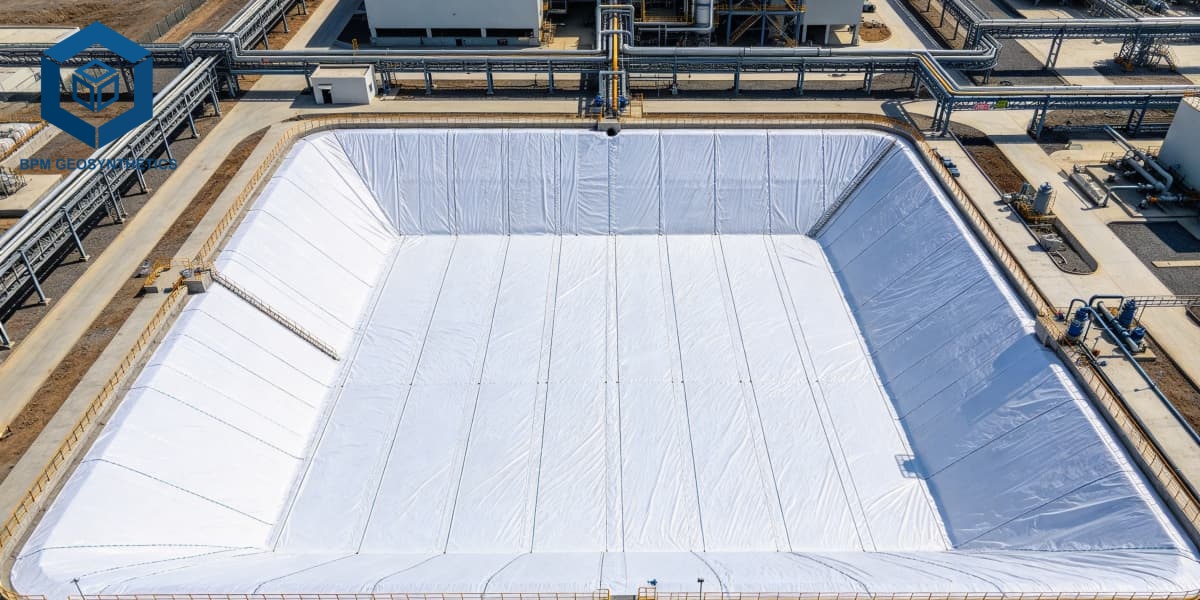
8. Strategies for Geotextile Cost Optimization
8.1 Volume Consolidation and Strategic Sourcing
The most effective strategy for reducing geotextile costs is volume consolidation. By combining requirements across multiple project phases or sites, buyers can achieve the higher order tiers that trigger significant price reductions. As demonstrated in pricing schedules, moving from 1,000 to 10,000 square meters can reduce unit costs by 50% or more.
8.2 Specification Optimization
Over-specification is a common and costly mistake. Selecting a 500 GSM geotextile when a 200 GSM product would suffice represents unnecessary expenditure. Engaging geotechnical engineers to precisely define performance requirements can yield substantial savings without compromising project integrity.
8.3 Supplier Relationship Management
Establishing long-term relationships with reliable suppliers often yields benefits beyond initial pricing, including priority allocation during shortages, flexible payment terms, and technical support. Suppliers with high buyer retention rates and positive review scores—such as those maintaining 30% or higher reorder rates—typically deliver consistent value.
Conclusion
The question "How Much Does Geotextile Cost?" defies a single answer, as prices span from approximately $150 for lightweight, small-dimension rolls to well over $2,000 for heavy-duty, large-format products. The per-square-meter rate, which better enables comparison across configurations, ranges from as low as $0.07 for bulk purchases of lightweight material to over $1.50 for specialized high-performance fabrics.
Informed purchasing requires understanding the complex interplay of material type, weight, roll dimensions, order volume, and market conditions. By strategically consolidating orders, optimizing specifications to match actual project requirements, and cultivating reliable supplier relationships, procurement professionals can achieve significant cost savings while ensuring project success. The Geotextile cost is not merely a commodity purchase; it is an investment in the long-term performance and durability of civil infrastructure.
For your geotextile sourcing needs, The Best Project Material Co., Ltd. (BPM Geosynthetics) offers a wide range of PP and PET geotextile solutions for civil engineering, mining, environmental protection, drainage, and infrastructure projects. With advanced production lines, strict quality control, and customized manufacturing options, BPM supports bulk procurement and project-specific requirements. Contact BPM Geosynthetics to discuss your specifications, request competitive quotations, and find the right geotextile solution for your project.