The 7 Best Geocell for Parking Lots Reviewed
Introduction
Selecting the right foundation stabilization system is critical to ensuring the longevity, safety, and structural integrity of modern parking lots. Whether designing a high-traffic commercial hub, a residential driveway, or a temporary event facility, subgrade weakness and unconfined aggregate often lead to costly rutting, potholes, and drainage failures. Geocell cellular confinement technology addresses these challenges by delivering superior load distribution and long-term soil stabilization. This guide reviews the 7 best geocell for parking lots applications to help engineers, contractors, and property owners choose the optimal material based on traffic loads, site conditions, and project budgets.
1. What is Geocell for Parking Lots?
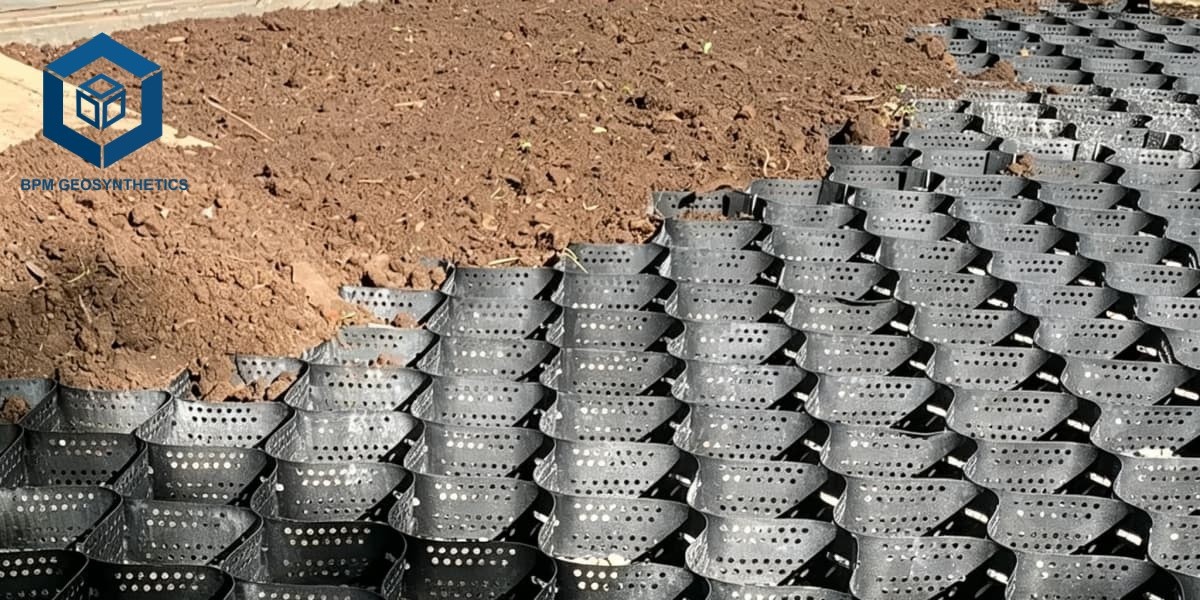
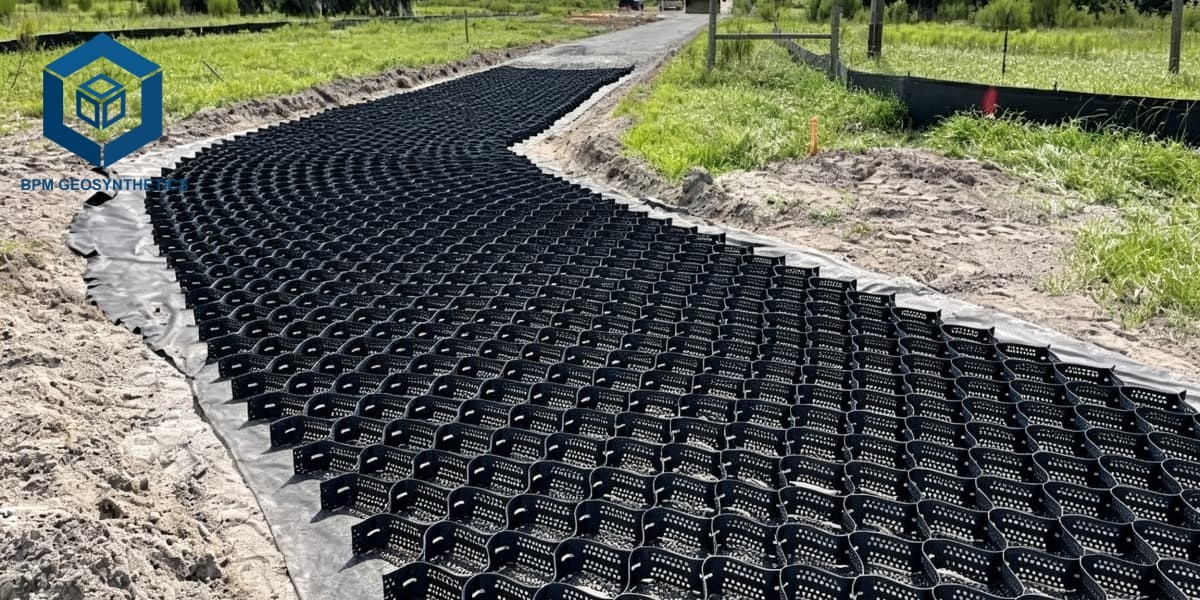
Geocells (also known as cellular confinement systems) have emerged as a key solution for stabilizing parking lot foundations, particularly for sites with low subgrade bearing capacity, heavy vehicle loads, or drainage challenges. This three-dimensional cellular structure confines infill materials—such as crushed stone, sand, or native soil—preventing lateral displacement and distributing loads over a wider area. Compared to traditional rigid pavement solutions, geocells offer significant advantages in terms of load-bearing support, permeability, and cost-effectiveness, making them an ideal choice for parking lot construction. Parking lot surfaces must withstand repeated heavy loads and the impact of vehicle braking, while also enduring long-term exposure to the elements. Without reliable subgrade reinforcement, unpaved or partially paved parking areas quickly develop issues such as ruts, potholes, uneven settlement, and muddy, waterlogged patches. As a three-dimensional cellular confinement system, geo geocell securely lock in infill materials—such as gravel, crushed stone, or sand—thereby significantly enhancing load-bearing capacity, inhibiting lateral soil displacement, and extending the pavement's service life. We have tested and evaluated seven mainstream geocell products suitable for parking lot projects to assist engineers, contractors, and property owners in selecting the most appropriate solution.
2. The 7 Best Geocell for Parking Lots Reviewed
2.1 High Density Polyethylene (HDPE) Perforated Geocell – Heavy‑Duty Commercial Parking
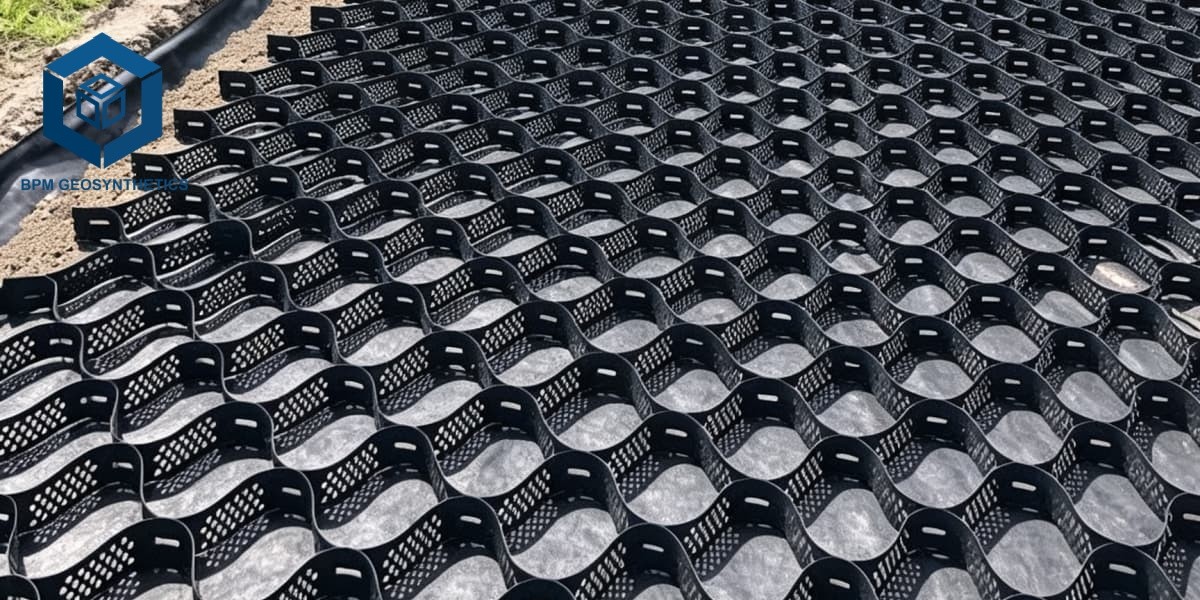
This HDPE geocell is the top pick for commercial parking lots with frequent heavy trucks and SUV traffic. Made from virgin HDPE resin, it features perforated panel design for fast drainage. Its panel tensile strength reaches 20 kN/m, with excellent resistance against UV ageing and low-temperature cracking. The honeycomb structure restricts lateral spreading of gravel infill, cutting subgrade settlement by over 60%. Geocell erosion control works well for large supermarket parking lots, logistics yard parking zones and public community parking areas.
- Pros: Outstanding load bearing, strong anti-UV performance, good drainage.
- Cons: Higher unit cost than non-perforated models.
2.2 Textured HDPE Geocell – Light‑Medium Private Parking
Designed for residential private parking and small community car parks with only passenger cars, textured surface enhances friction between geocell panels and infill aggregates. HDPE geocell prevents aggregate sliding under frequent start-stop of private vehicles. The material adopts anti-oxidation formula to resist oxidation from sunlight. It is lightweight for fast on-site cutting and installation, lowering labour time.
- Pros: Easy installation, cost-effective for light traffic, stable aggregate locking.
- Cons: Not suitable for regular heavy truck loading.
2.3 Woven Polyester (PET) Geocell – Sloped Parking Lots
For parking lots built on gentle slopes, polyester woven geocell shows unique advantages. High tensile modulus and low elongation prevent stretching and deformation on inclined subgrade. It can stop gravel from sliding down slopes and stabilize the foundation of hillside parking bays. It is widely adopted in scenic area parking lots and mountain community parking projects.
- Pros: Low elongation, great slope stabilization, flexible for uneven ground.
- Cons: Requires proper cover to reduce long-term direct UV exposure.
2.4 Non-Perforated HDPE Geocell – Muddy Subgrade Parking
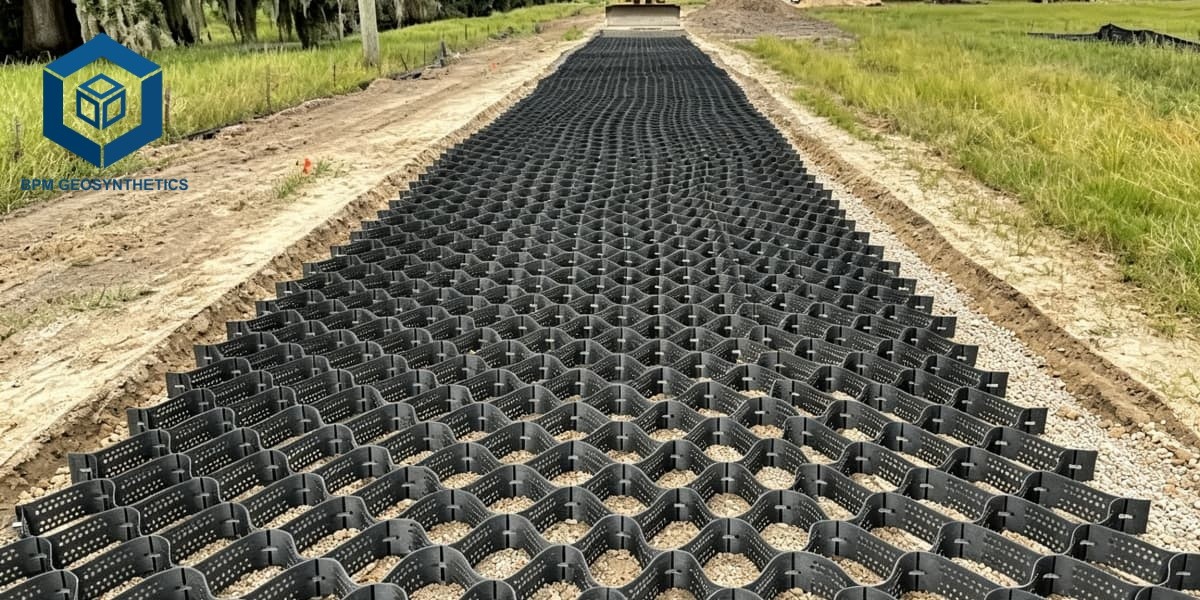
If your project site has soft, muddy soil with poor drainage control requirements, non-perforated HDPE geocell is the choice. It confines infill materials tightly and separates the pavement layer from weak underlying soil, stopping mud pumping under vehicle wheel loads. It is commonly used for temporary parking lots and farm vehicle parking zones.
- Pros: Excellent soil separation, stops mud mixing into aggregate layer.
- Cons: Drainage performance is weaker than perforated types.
2.5 Nano-Modified HDPE Geocell – Extreme Climate Parking
Nano-modified HDPE geocell is engineered for harsh environments, such as parking lots in hot high-UV tropical zones or cold regions with freeze-thaw cycles. Nano additives improve material toughness and ageing resistance. It maintains mechanical properties after decades of outdoor exposure, suitable for long-term public parking infrastructure with strict design lifespan requirements.
- Pros: Resists freeze-thaw damage and strong UV radiation, long service life.
- Cons: Premium price for special modified raw material.
2.6 Ultrasonic Welded Geocell – Fast Construction Projects
Most geocell uses extrusion welding, while this model adopts ultrasonic welding for cell seams. Weld strength is more consistent, and panels can expand and lay flat quickly on site without easy tearing during installation. Geocell material fits rush parking renovation projects and temporary event parking areas.
- Pros: Stable weld joints, rapid deployment, less breakage during installation.
- Cons: Less product choices for ultra-high strength specifications.
2.7 Recycled HDPE Geocell – Low-Budget Temporary Parking
Made from qualified recycled HDPE, this geo cell meets basic stabilization needs for short-term temporary parking, construction site staff parking and seasonal parking areas. It delivers basic confinement performance at a much lower budget. Note it is not recommended for permanent heavy-load parking projects.
- Pros: Low cost, eco-friendly recycled material.
- Cons: Lower UV resistance, shorter design life, only for temporary use.
3. Buying Guide of Geocell for Parking Lots
Selecting the optimal geocell system requires balancing structural load requirements, environmental conditions, and budget constraints. To ensure long-term performance and prevent premature pavement failure, evaluate the following key factors before purchasing:
3.1 Assess Traffic Load & Expected Vehicle Weight
- Light to Medium Traffic (Passenger Cars & SUVs): For residential, small retail, or employee parking areas, standard or textured HDPE geocells with moderate tensile strength are usually sufficient and cost-effective.
- Heavy-Duty & Commercial Traffic (Logistics, Delivery Trucks, Buses): High-load zones require heavy-duty, virgin geocell HDPE featuring panel tensile strength of ≥ 20 kN/m. Virgin resin ensures superior stress-crack resistance under repetitive heavy axle impacts.
3.2 Match Site & Subgrade Soil Conditions
- Soft & Muddy Soils: If the underlying subgrade has low bearing capacity or high water content, choose non-perforated plastic geocell to establish a strong separation layer that prevents mud from pumping up into the aggregate base.
- Sloped & Hilly Terrain: For parking bays constructed on gentle slopes or inclined bases, select woven polyester (PET) geocells. Their low elongation under stress prevents down-slope aggregate displacement and lateral deformation over time.
3.3 Evaluate Environmental & Drainage Requirements
- Perforation for Water Runoff: Choose perforated geocells for flat commercial lots to allow rapid lateral and vertical drainage, reducing hydrostatic pressure and surface runoff.
- UV & Thermal Resistance: For projects in regions with intense sunlight or freeze-thaw cycles, specify geocells containing carbon black antioxidants or nano-modified HDPE additives to prevent premature degradation, cracking, and loss of elasticity.
3.4 Verify Factory Testing & Certification Reports
Before placing an order, always request certified laboratory test reports (e.g., ISO, SGS, or Intertek) verifying critical physical properties:
- Seam Weld Strength: Ensures the ultrasonic welded joint won't split during compaction or heavy rolling.
- Oxidation Induction Time (OIT) / Anti-UV Aging: Confirms long-term material integrity exposed to UV and weather.
- Environmental Stress Crack Resistance (ESCR): Protects against chemical exposure and subgrade stresses.
3.5 Prioritize Infill Selection & Proper Compaction
A geocell's confinement system relies heavily on the quality of its infill:
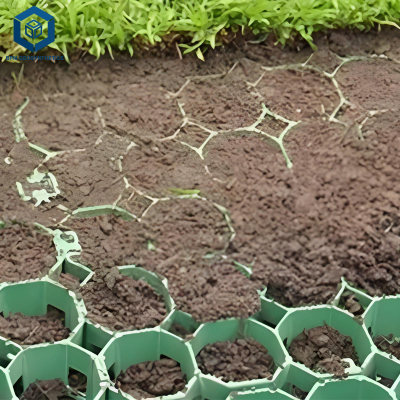
- Infill Type: Angular crushed stone or gravel (10 mm to 20 mm) provides maximum interlock friction and load transfer. Clean sand or native soil can be used for light-duty or green parking lots (with grass turf).
- Compaction Practice: Overfill the geocell cells by 25 mm to 50 mm above the rim prior to compaction to protect the cell edges from direct equipment tires and allow proper settling.
4. Summary
For permanent commercial parking areas accommodating heavy vehicles, perforated virgin HDPE geocells remain the most reliable solution. For light-traffic residential projects, textured HDPE geocells offer a balance between performance and cost-effectiveness. Low-elongation PET geocells are better suited for parking area foundations on slopes. It is essential to select the appropriate geocell specifications based on the project's design loads and site soil conditions to prevent premature pavement failure.
Selecting the right geocell specification based on design loads, subgrade conditions, and drainage needs is essential to preventing pavement failure—whether using perforated virgin HDPE for heavy commercial traffic, textured HDPE for light residential parking, or PET geocells for sloped terrain. For high-performance geosynthetic solutions, The Best Project Material Co., Ltd. (BPM Geosynthetics) stands out as a trusted global manufacturer with over 20 years of expertise. Backed by ISO certifications and rigorous third-party testing (SGS, Intertek, and BV), BPM Geosynthetics provides premium, cost-effective geocells with superior load-bearing capacity and long-term durability. Partner with BPM Geosynthetics to build a rock-solid, long-lasting foundation for your next parking lot project.