Plastic Geocell
Plastic geocell is an modern three-d honeycomb shape made of high-density polyethylene (HDPE) or different long lasting plastics. They intention to stabilize and enhance soil, making it an best preference for more than a few civil engineering purposes such as street construction, slope stability, and erosion control.
-Load distribution:
Effectively distribute the load over a large vicinity and decrease soil deformation to the biggest extent possible.
-Erosion control:
By limiting the filling fabric and advertising stability, it helps stop soil erosion.
- Environment protection:
Support vegetation increase and beautify the environmental sustainability of building projects.
-Multi practical application:
Suitable for roads, maintaining walls, and inexperienced roofs, it has a broad vary of functions in engineering.
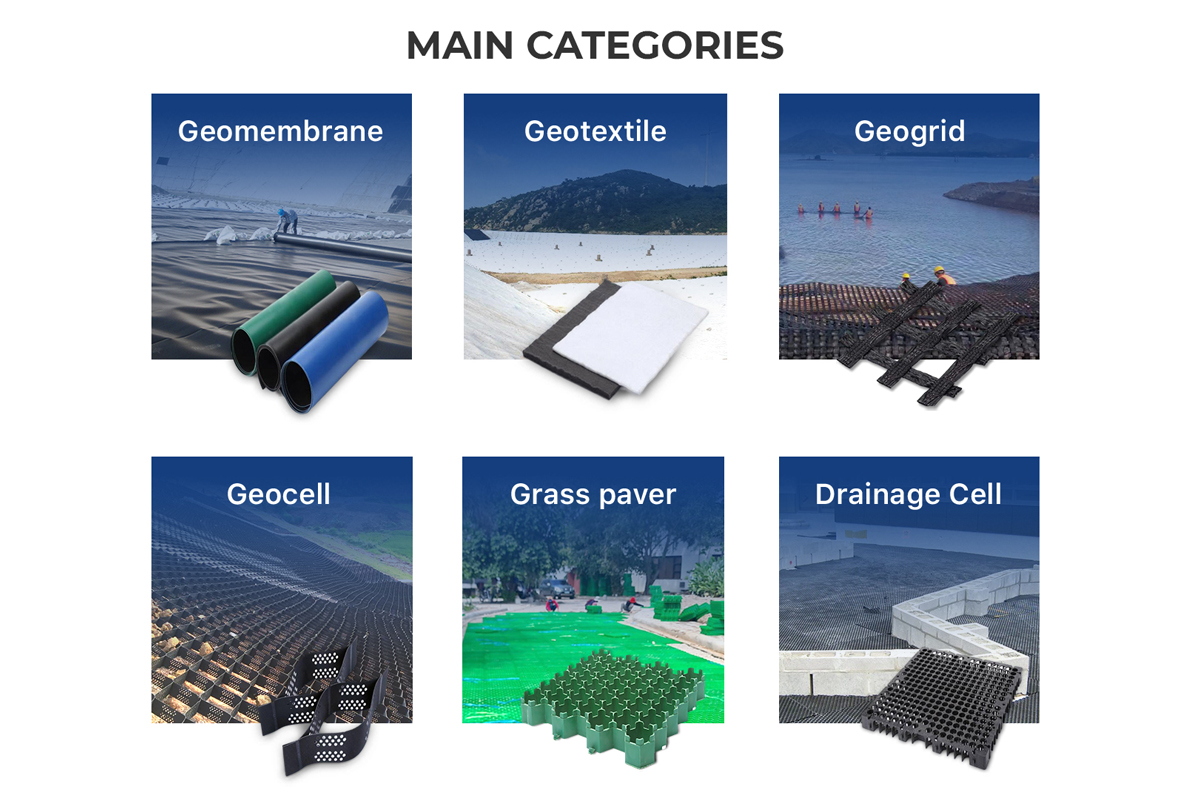
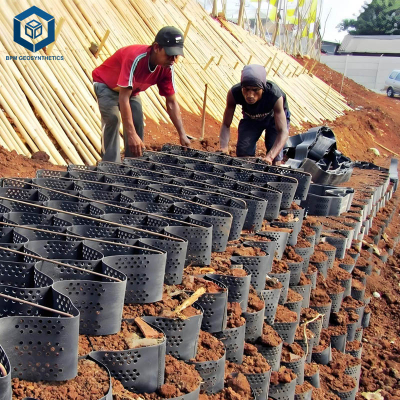
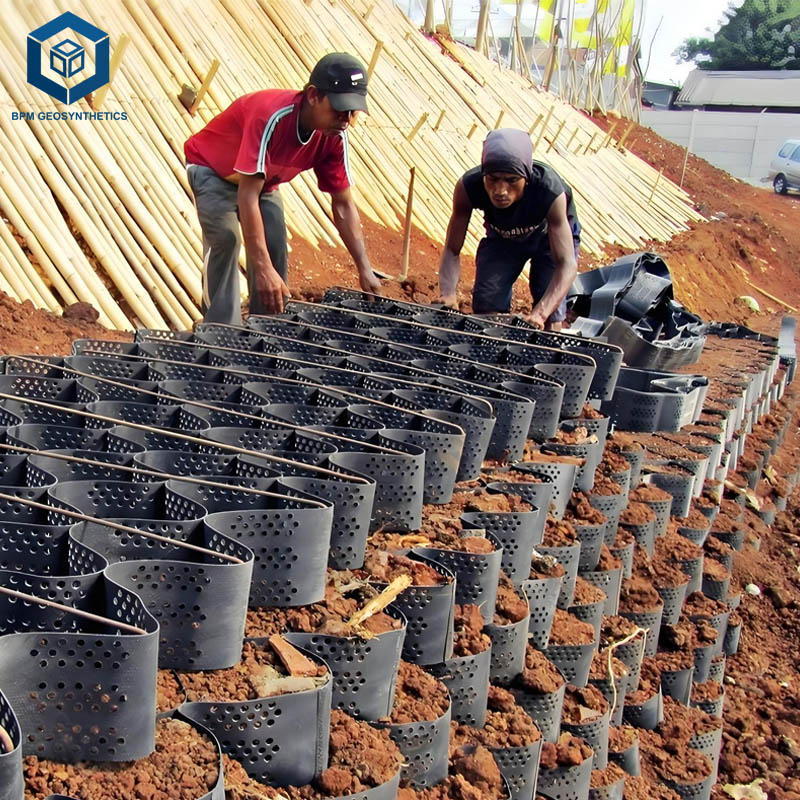
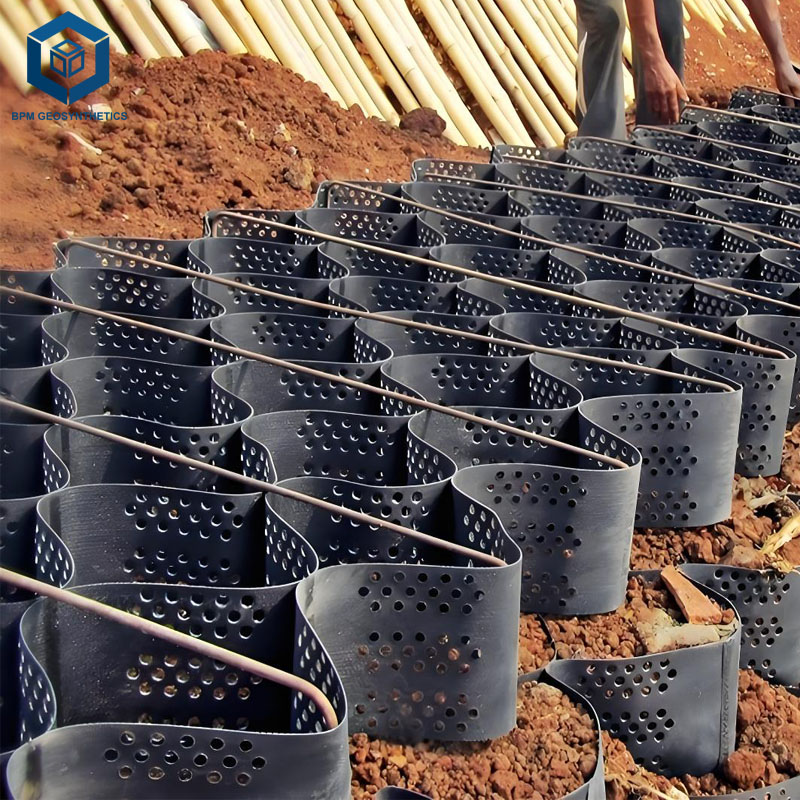
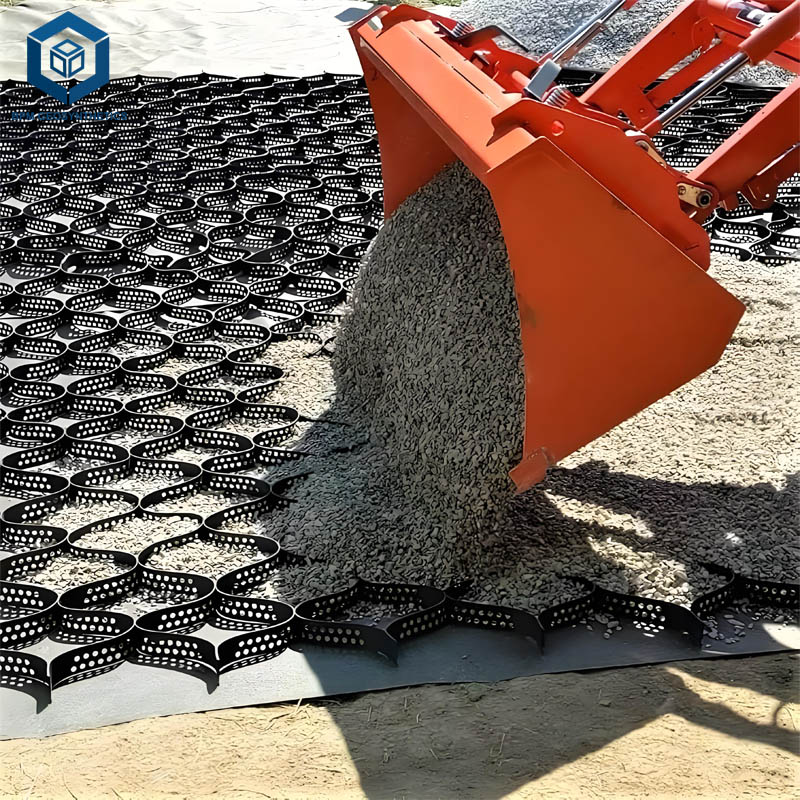
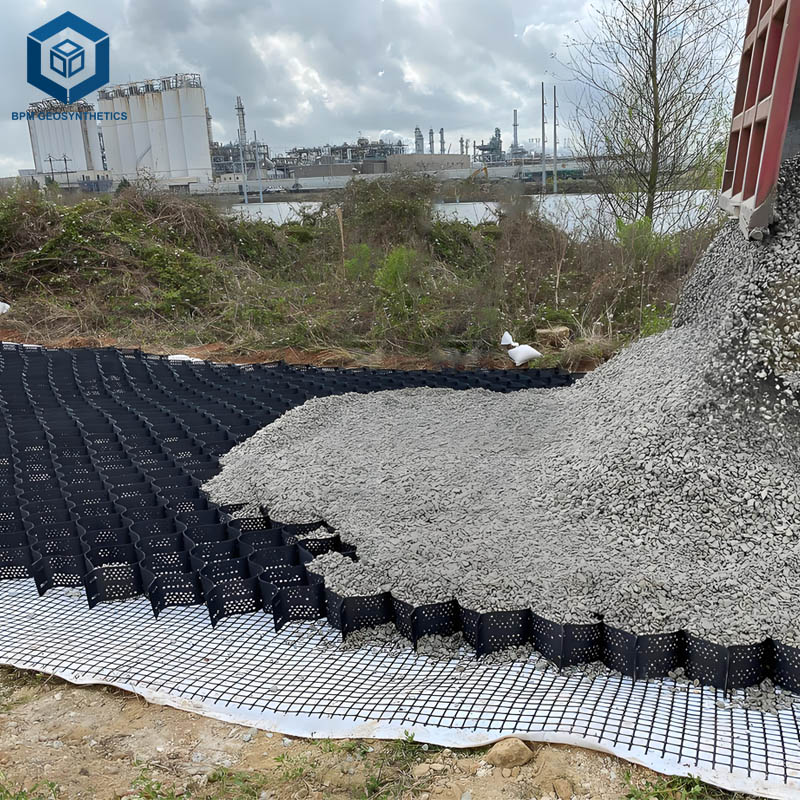
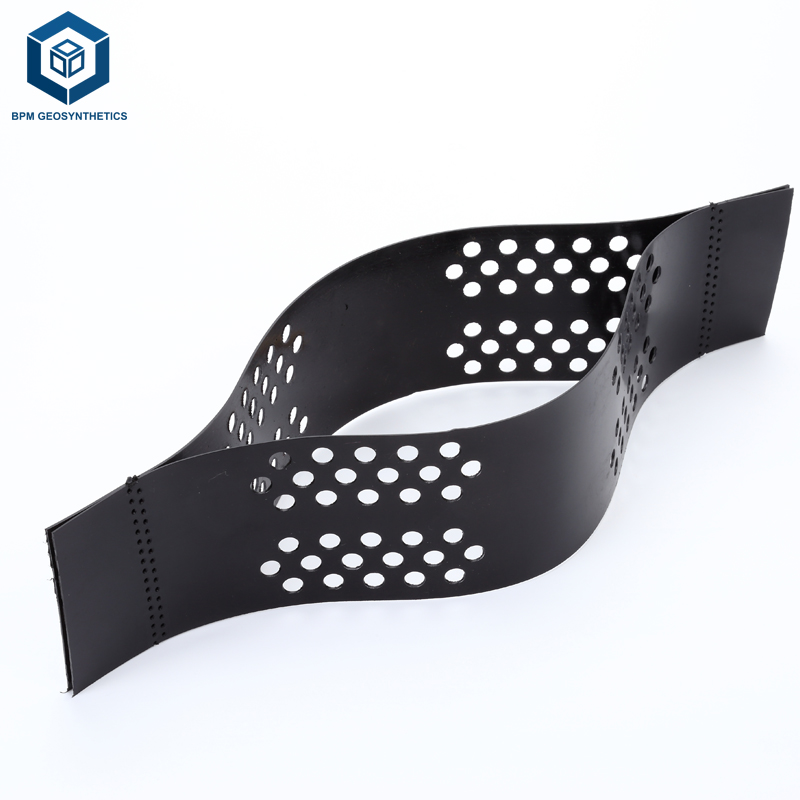
Plastic geocell is a three-d honeycomb confinement gadget made of high-density polyethylene (HDPE) or different long lasting plastic materials. Plastic geocells are designed to stabilize and fortify soil, and are extensively used in civil engineering and development projects. When expanding, they shape a honeycomb shape that restricts and helps filling substances such as soil, gravel, or concrete, enhances load-bearing capacity, and prevents lateral movement.
These plastic geocells are specifically high quality in functions such as street construction, as they enhance the structural integrity of roadbeds and decrease pavement cracking. In slope stability, plastic geocells assist stop erosion and similarly beautify soil steadiness through fixing the soil and promotion vegetation growth. Its light-weight sketch simplifies transportation and installation, making it an in your price range and environment friendly answer for a range of projects.
Plastic geocells can additionally deliver strong resistance against ultraviolet radiation, chemicals, and environmental pressure, making sure sturdiness and toughness beneath harsh conditions. Their versatility permits for a broad vary of applications, which include army tunnels, landfill stabilization, and inexperienced roof systems. By offering fantastic soil reinforcement and erosion control, plastic geocells make a contribution to sustainable constructing practices and universal resilience of infrastructure projects.
Parameter
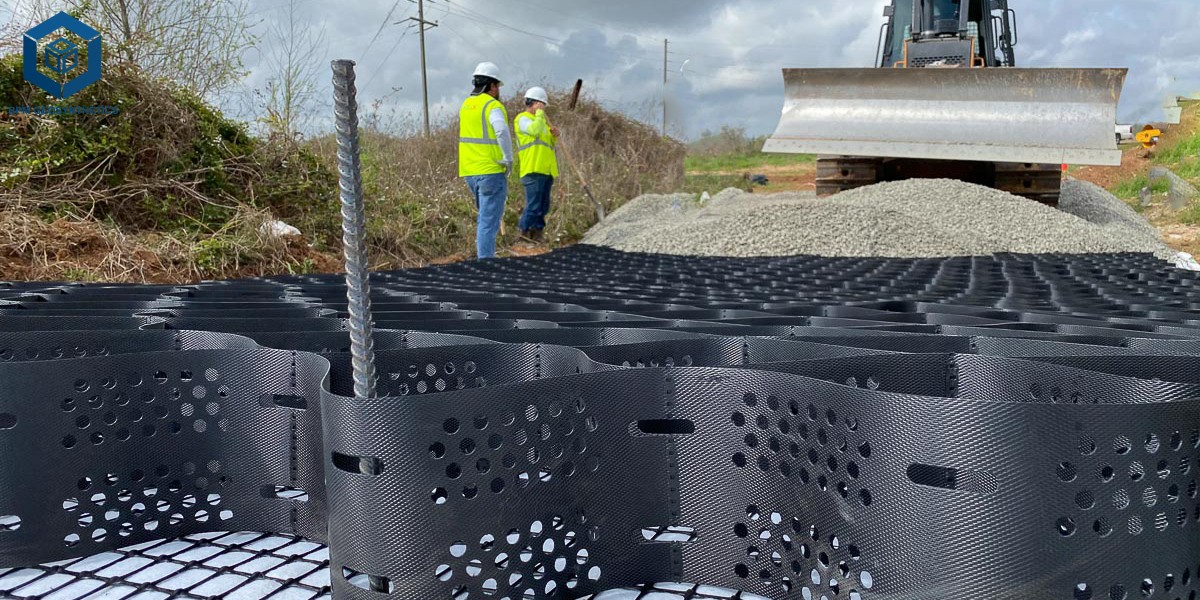
Properties | Unit | Product type | |||
Smooth and Not Perforated | Smooth and Perforated | Textured and Not Perforated | Textured and Perforated | ||
Height | mm | 50≤H≤250 | |||
Welding Distance | mm | 330≤A≤1000 | |||
Thickness | mm | 1.0~1.4 | 1.5~1.7 | ||
Tensile Strength of Welding Points | N/cm | ≥100 | |||
Tensile Strength of Connection of Cells | N/cm | ≥120 | |||
Tensile Strength at Yield of Each Sheet | MPa | ≥20 | |||
Plastic Geocell Features
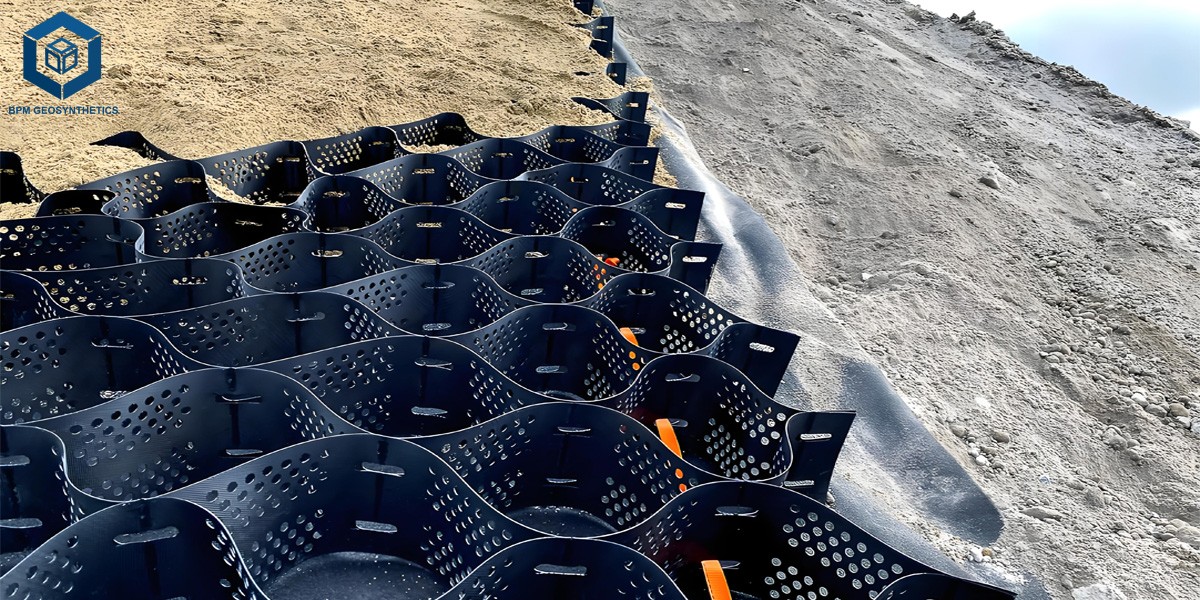
1. Durable materials:
Plastic geocells are manufactured from high-density polyethylene (HDPE) and equivalent polymer materials. These materials resist ultraviolet exposure, chemical corrosion and environmental degradation to deliver long-term service life.
2. Lightweight design:
The low-weight structure of plastic geocells simplifies transportation and on-site installation. It cuts labor expenses and enables rapid deployment across multiple geotechnical projects.
3. Scalable structure:
Plastic geocells expand to form stable three-dimensional honeycomb structures. They are widely adopted for soil stabilization and ground reinforcement works.
4. Payload distribution:
The honeycomb geometry spreads applied loads across a wider surface area. This reduces pressure on subsoil layers and prevents ground deformation and structural failure.
5. Erosion manipulate capability:
Plastic geocells confine infill materials effectively. They stabilize topsoil and mitigate surface erosion on slopes, drainage channels and earth embankments.
6. Environmental benefits:
They promote vegetation boom by using supplying a supportive medium for plant roots, which contributes to ecological restoration and sustainability.
7. Economically environment friendly solution:
Deploying plastic geocells reduces requirements for extensive excavation and extra fill materials, lowering overall project expenditure.
8. Multi purposeful application:
This product fits numerous engineering scenarios such as road construction, retaining walls, military access roads and green roofs. It serves as a flexible option for civil engineers and construction contractors.
These traits spotlight the effectiveness and versatility of Plastic geocells in modern-day building and civil engineering projects.
Applications of Plastic Geocell
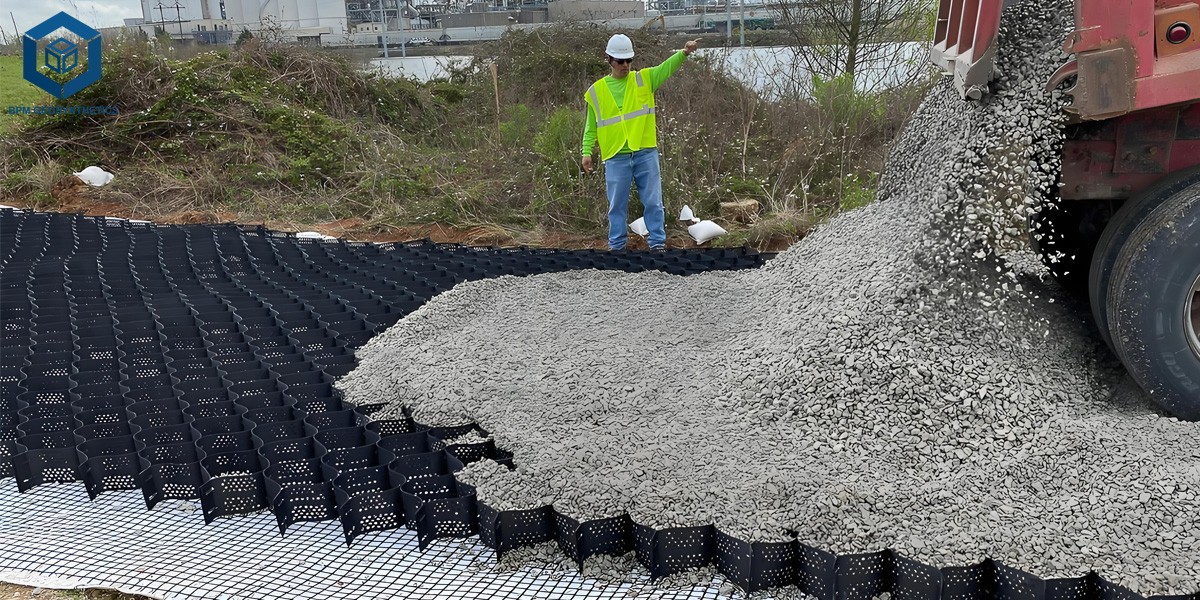
Road construction: Plastic geocells are extensively used to give a boost to roadbeds and enhance the structural integrity of roads. They decorate load distribution, decrease avenue cracking, and lengthen the provider lifestyles of the street surface.
Slope stability: In functions the place slopes are susceptible to erosion or instability, Plastic geocells hinder soil and aggregates, forestall landslides, and promote vegetation increase to enhance stability.
Erosion control: Plastic geocells can correctly manage erosion of riverbanks, coastlines, and waterways. They stabilize the soil and minimize sediment loss via containing filling materials.
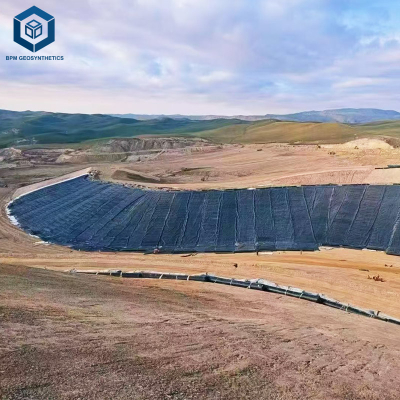
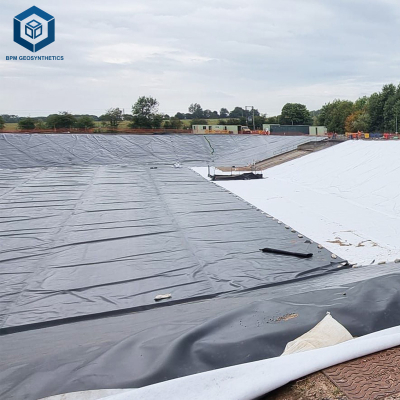
Application of landfill site: Plastic geocells support liner systems and improve sealing performance within landfill projects. They help regulate leachate movement and maintain structural integrity for waste containment facilities.
Green roof system: For green roof builds, plastic geocells form a lightweight supporting layer to hold soil and vegetation. They boost drainage capacity and deliver stable anchoring for plant root systems.
Military and Temporary Channels: Plastic geocells are an perfect desire for constructing brief roads all through navy operations or emergency situations, which can shortly and successfully decorate mobility in difficult terrains.
Retaining wall: Plastic geocells are deployed to build retaining walls. They offer reliable structural support and effectively resist lateral soil pressure.
Fill and stabilize projects: In a range of civil engineering projects, Plastic geocells are used to fill soil, gravel, or other substances to supply steadiness and decrease agreement in the building area.
These purposes display the versatility and effectiveness of Plastic geocells in enhancing the steadiness and sustainability of infrastructure initiatives in exceptional fields.
FAQ
Q1: What is plastic geocell made of?
A: It is made of UV-resistant HDPE, resistant to chemicals and environmental degradation.
Q2: What sizes of plastic geocell do you supply?
A: Available heights 50–250 mm, with customizable welding distance and sheet thickness.
Q3: What can fill plastic geocells?
A: Infill options include soil, gravel, crushed stone and concrete for different projects.
Q4: Where can plastic geocells be used?
A: Slope protection, road base, retaining walls, landfills, green roofs and temporary military roads.
Q5: Perforated or non-perforated geocell, which to pick?
A: Perforated for drainage and vegetation; non-perforated for sealing and landfill projects.
Q6: How does plastic geocell cut project cost?
A: Lightweight for easy transport, reducing excavation and extra fill material consumption.
Q7: Is HDPE geocell eco-friendly?
A: Yes, it supports vegetation growth and reduces the use of natural stone aggregates.
Q8: What is the service life of plastic geocell?
A: UV-stabilized HDPE ensures long service life, subject to site environment and loads.
Q9: Do you provide installation guidance?
A: Yes, we offer technical advice and model selection support for your geotechnical projects.
Q10: Can I get plastic geocell samples?
A: Samples are available. Contact our sales team to confirm specs and shipping details.