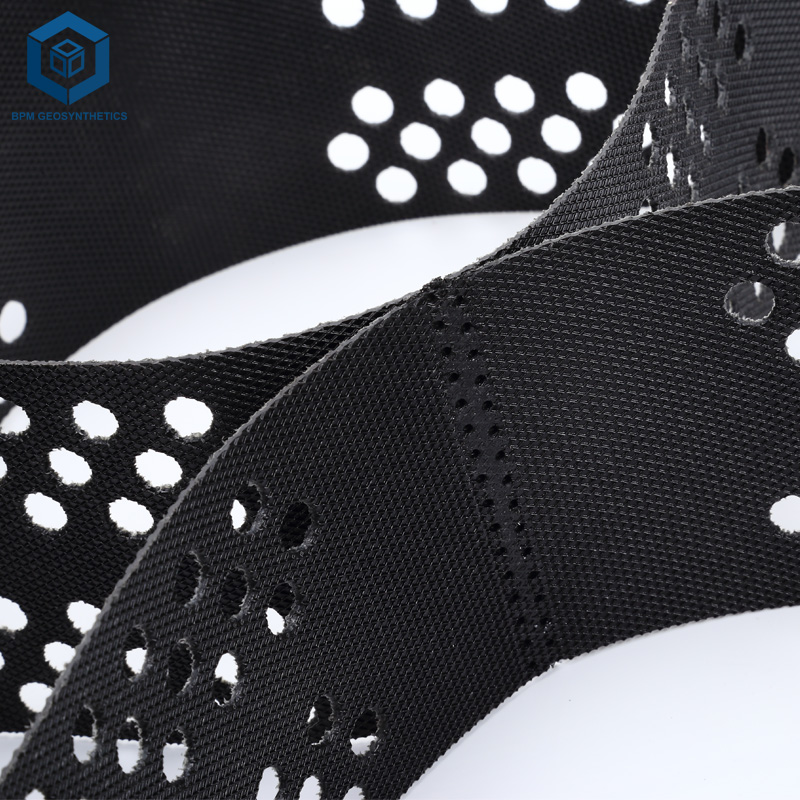
HDPE Geocell
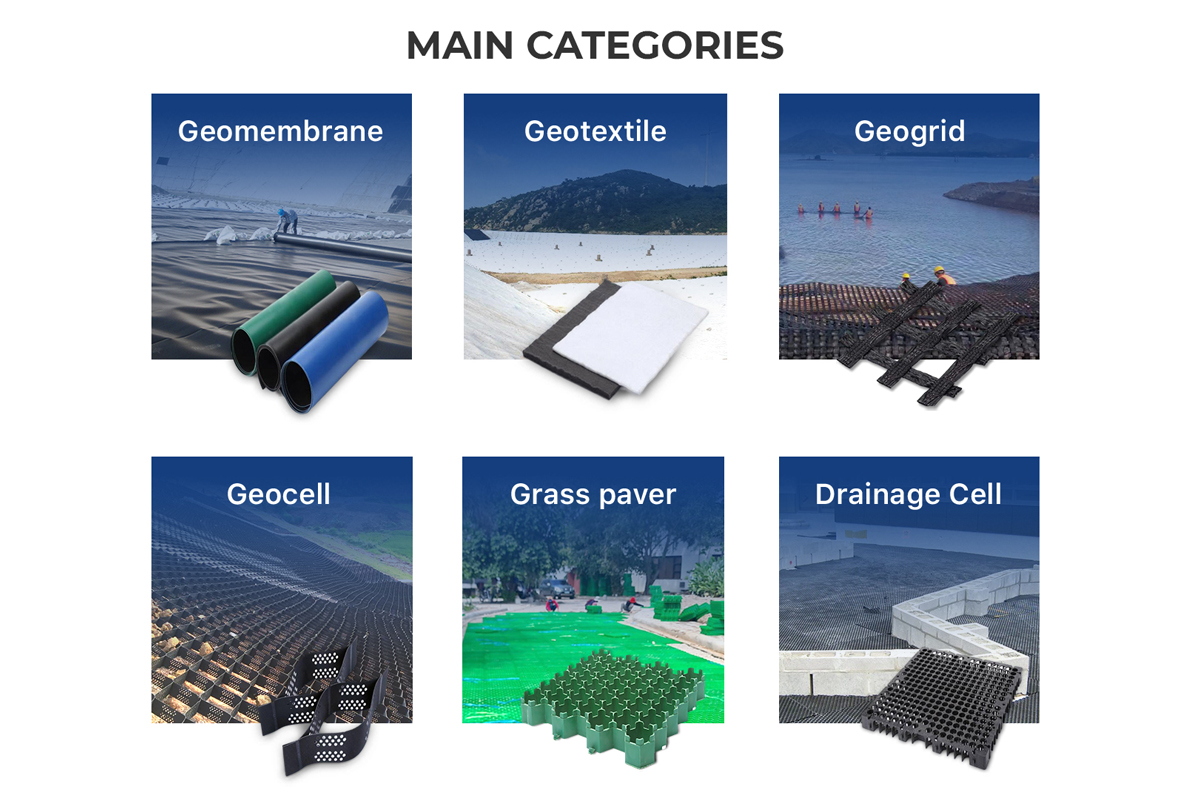
HDPE geocell is a third-dimensional honeycomb shape made of high-density polyethylene, designed to beautify soil and enhance ground stability. These multifunctional constructions are tremendously used in a volume of civil engineering applications, which consists of avenue construction, slope stability, and erosion control. By confining soil or aggregates indoors their units, HDPE geocells beautify bearing performance and quit soil erosion.
-Enhanced load distribution:HDPE geocell correctly distribute lots over a massive area, lowering the stress on the underlying soil and stopping deformation.
-Erosion control:Honeycomb layout helps stabilize soil and minimize erosion of slopes, channels, and embankments.
-Durability:These HDPE geocells are made of high-density polyethylene, which can face up to ultraviolet radiation, chemicals, and environmental pressure, making positive long-term performance.
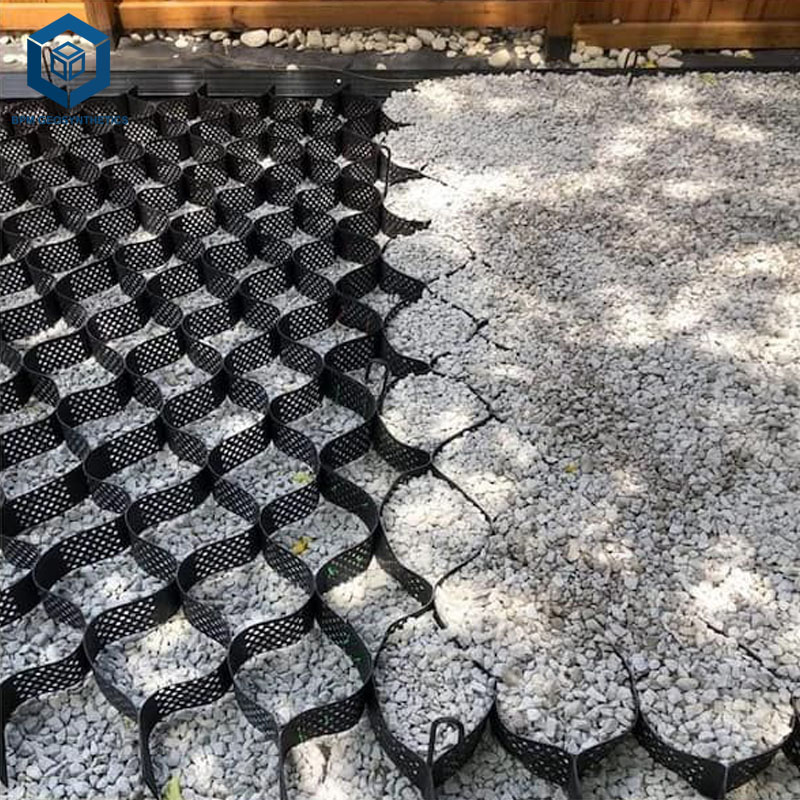
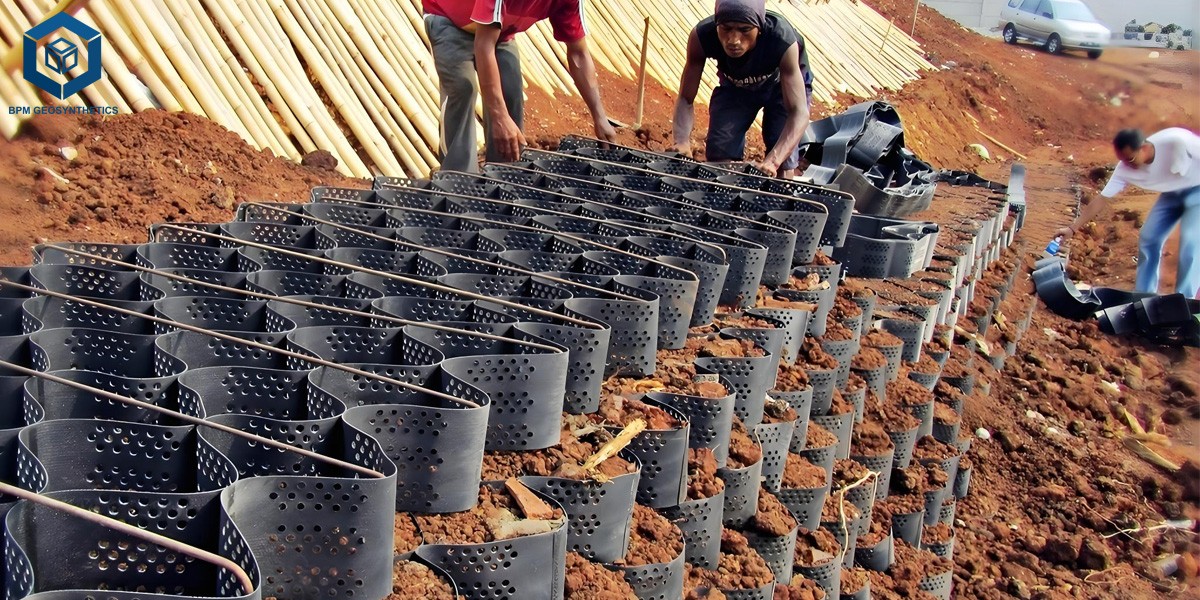
HDPE geocell is a three-d expandable honeycomb shape made of high-density polyethylene, designed to furnish tremendous soil steadiness and reinforcement in a number applications. These HDPE geocells are set up by means of increasing them into a honeycomb pattern, which can be stuffed with soil, gravel, or different substances to structure a sturdy and steady surface. The special format of HDPE geocell limits the filling material, prevents lateral movement, and improves bearing capacity, making it an perfect desire for avenue construction, slope stability, and erosion control.
One of the primary blessings of HDPE geocell is its durability; They are in a position to face up to ultraviolet radiation, chemicals, and environmental pressure, making sure long-lasting overall performance even underneath harsh conditions. The light-weight traits of HDPE geocells simplify transportation and installation, lowering labor fees and mission time. In addition, their capability to promote vegetation increase and forestall soil erosion makes them an environmentally friendly preference for sustainable constructing practices. Overall, HDPE geocells grant a ordinary and advantageous answer for enhancing the balance and lifespan of a variety of infrastructure projects.
Parameter
Properties | Unit | Product type | |||
Smooth and Not Perforated | Smooth and Perforated | Textured and Not Perforated | Textured and Perforated | ||
Height | mm | 50≤H≤250 | |||
Welding Distance | mm | 330≤A≤1000 | |||
Thickness | mm | 1.0~1.4 | 1.5~1.7 | ||
Tensile Strength of Welding Points | N/cm | ≥100 | |||
Tensile Strength of Connection of Cells | N/cm | ≥120 | |||
Tensile Strength at Yield of Each Sheet | MPa | ≥20 | |||
HDPE Geocell Features
Superior Weathering Resistance: Crafted from premium HDPE material, plastic geocells withstand long-term UV exposure, chemical corrosion and outdoor aging. They maintain stable structural performance even in harsh and changing environments.
Easy On-site Installation: Featuring a lightweight and foldable design, HDPE geocells greatly simplify transportation and on-site construction. They save manual labor and shorten overall project schedules.
Three-dimensional Confinement Effect: When fully expanded, geocells form a rigid honeycomb restraint system. This unique structure locks infill materials tightly and delivers reliable soil stabilization and ground reinforcement.
Uniform Pressure Dispersion: The honeycomb structure evenly disperses upper loads over a wider foundation area. It effectively reduces subsoil pressure, avoids uneven settlement and protects the ground structure.
Powerful Anti-erosion Performance: By restraining soil, gravel and filler materials, HDPE geocells fix surface soil firmly. They significantly reduce water runoff and prevent slope and embankment erosion.
Eco-friendly Construction Value: Geocell structures provide stable growth conditions for vegetation roots. They restore surface ecology, increase green coverage and support environmentally friendly engineering construction.
Cost-saving Engineering Solution: Adopting HDPE geocells minimizes excessive earthwork and extra filling materials. It lowers construction investment while ensuring long-term engineering stability.
Wide Engineering Adaptability: Flexible and multi-functional, HDPE geocells fit diverse projects including road foundation reinforcement, retaining wall stabilization, temporary military roads and green roof systems.
These comprehensive advantages make HDPE geocells a practical, cost-effective and eco-friendly solution for modern civil and geotechnical engineering.
Applications of HDPE Geocell
1. Road construction:
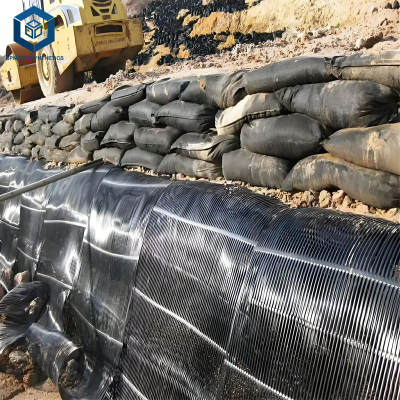
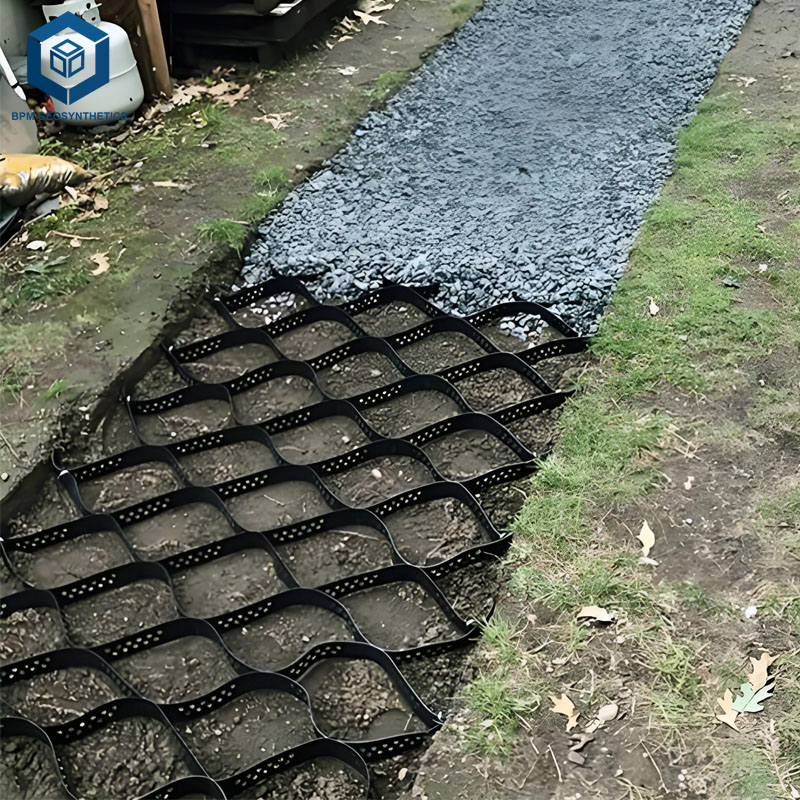
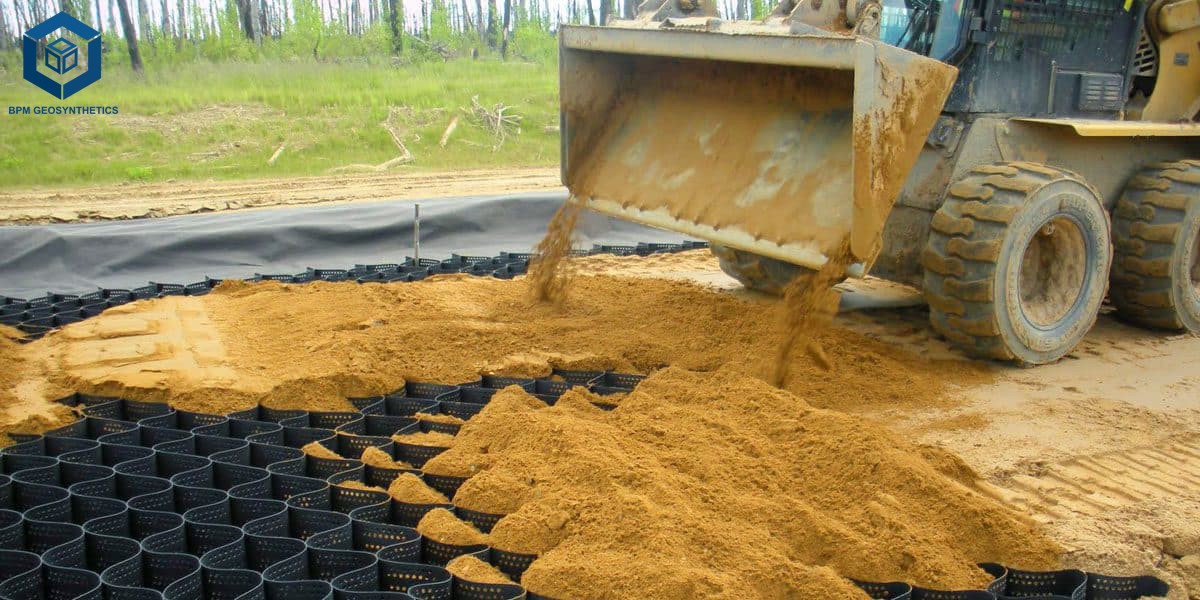
HDPE geocells are widely used in road engineering to reinforce roadbeds, enhance load distribution, and minimize pavement cracks. They provide a safe foundation, improving the durability and service life of roads.
2. Slope stability:
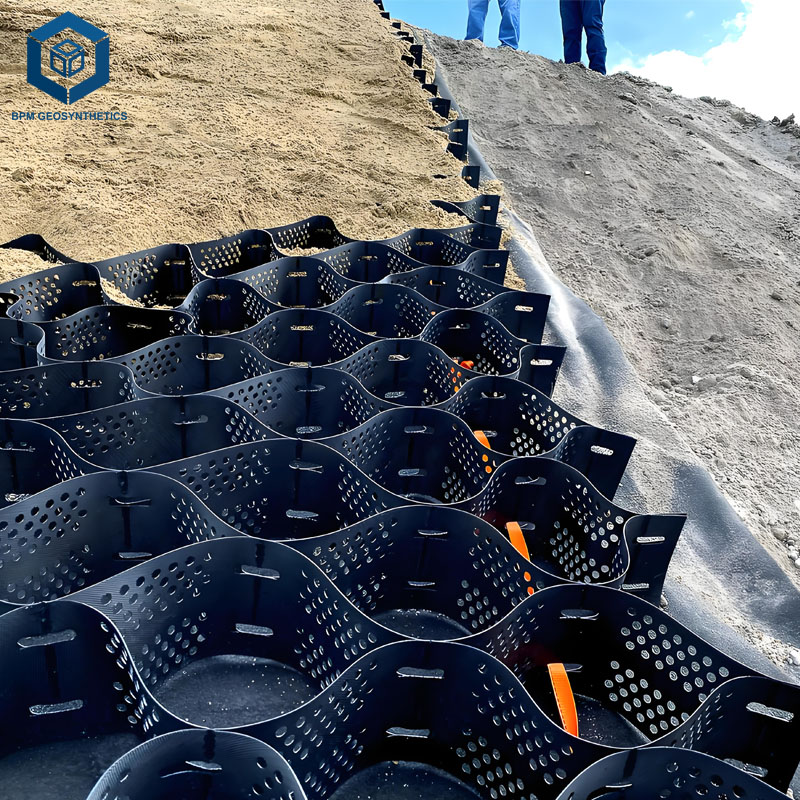
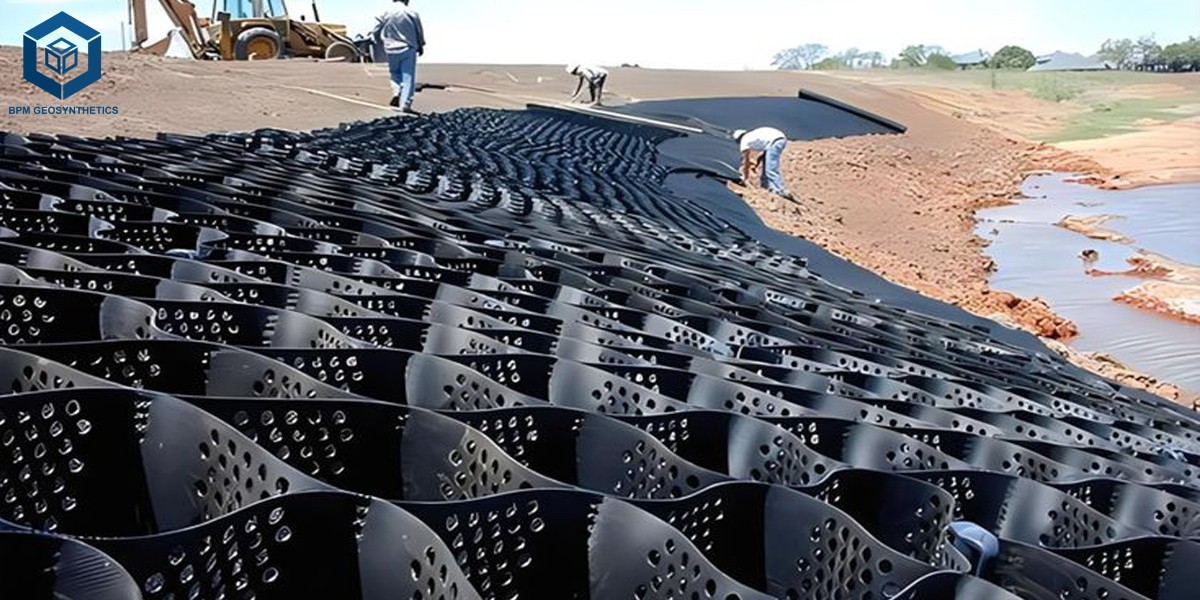
In slopes and embankments, HDPE geocells prevent soil erosion and landslides by using restricted soil or aggregates. This stability promotes the increase of vegetation and reduces the need for protection.
3. Erosion control:
HDPE geocells have high quality in controlling erosion in riverbanks, waterways, and coastal areas. By stabilizing the soil, they can prevent erosion and sediment loss related to water.
4. Application of landfill sites:
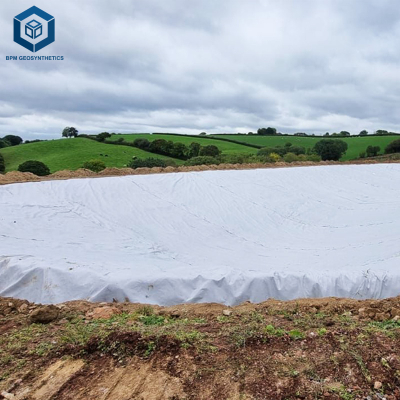
HDPE geocells are used in landfills to aid in lining structures and decorative sealing. They help control leachate and provide structural integrity for waste sealing systems.
5. Green roof system:
In inexperienced roof applications, HDPE geocells create a lightweight and supportive layer for soil and vegetation. They beautify drainage and root stability, promoting healthy plant growth.
6. Military and temporary roads:
HDPE geocells are very suitable for establishing short road entrances during offshore operations or emergency situations. They can quickly establish and reinforce fragile soils, ensuring mobility in difficult terrains.
7. Retaining wall:
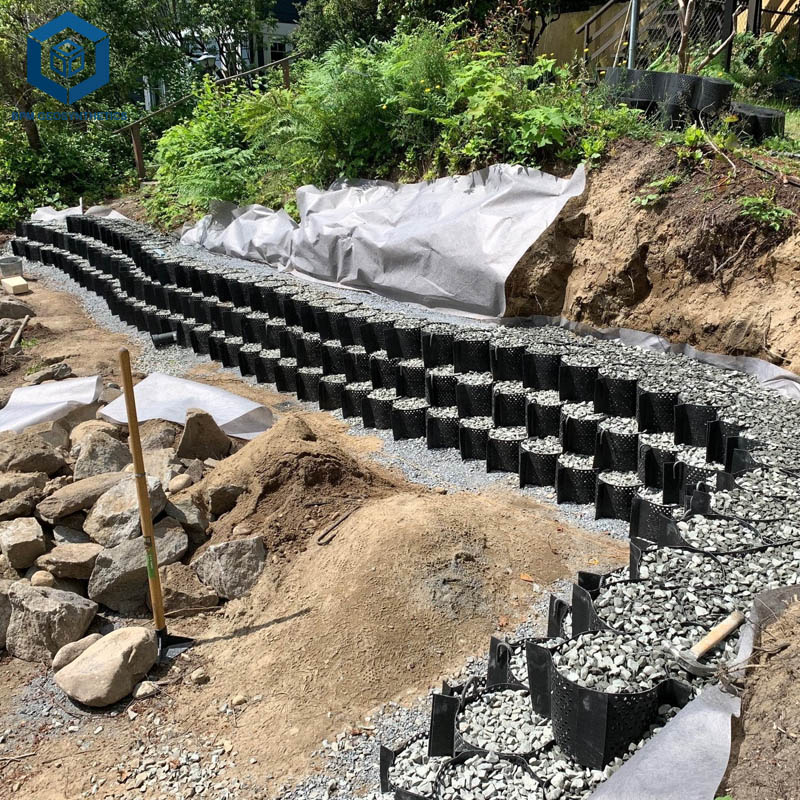
HDPE geocells can be used to assemble protective walls, provide structural guidance, and improve load distribution. They help to effectively control lateral soil pressure.
8 Filling and stabilization:
In many civil engineering projects, HDPE geocells serve as a medium for filling soil, gravel, or different materials, providing stability and reducing shrinkage in the development area.
These uses demonstrate the multifunctionality and effectiveness of HDPE geocells in various fields, making them valuable assets in modern engineering and development practices.
FAQ
Q1: Is HDPE geocell suitable for soft road subgrade?
A: Yes, it greatly improves bearing capacity and prevents road settlement on soft soil.
Q2: What materials are best for road geocell filling?
A: Gravel, crushed stone and aggregate are the most suitable for road base reinforcement.
Q3: Can geocell extend road service life?
A: Yes, it disperses traffic load and reduces pavement cracking and deformation.
Q4: What geocell height is ideal for road construction?
A: 50–250mm adjustable height to fit light, medium and heavy traffic roads.
Q5: Textured or smooth geocell for road projects?
A: Textured for stronger anti-slip effect; smooth type for cost-effective temporary roads.
Q6: Do I need geotextile under road geocell?
A: Yes, it separates soil and filler to ensure long-term road stability.
Q7: Can HDPE geocell reduce road maintenance?
A: It avoids aggregate displacement, effectively lowering later road repair costs.
Q8: What welding distance is better for road reinforcement?
A: Short welding distance provides tighter confinement for heavy-load roadbeds.
Q9: Is geocell fast to install for temporary roads?
A: Yes, lightweight and expandable design allows quick on-site construction.
Q10: What certifications do your road-grade geocells have?
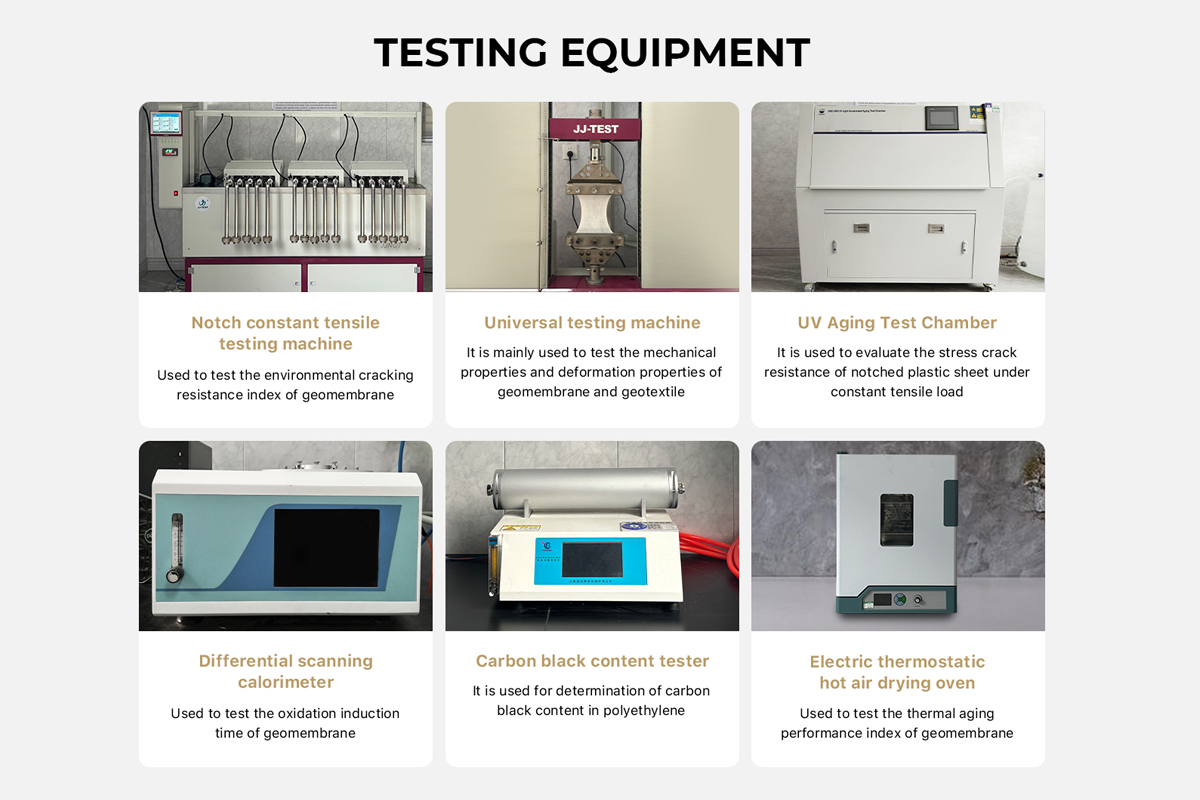
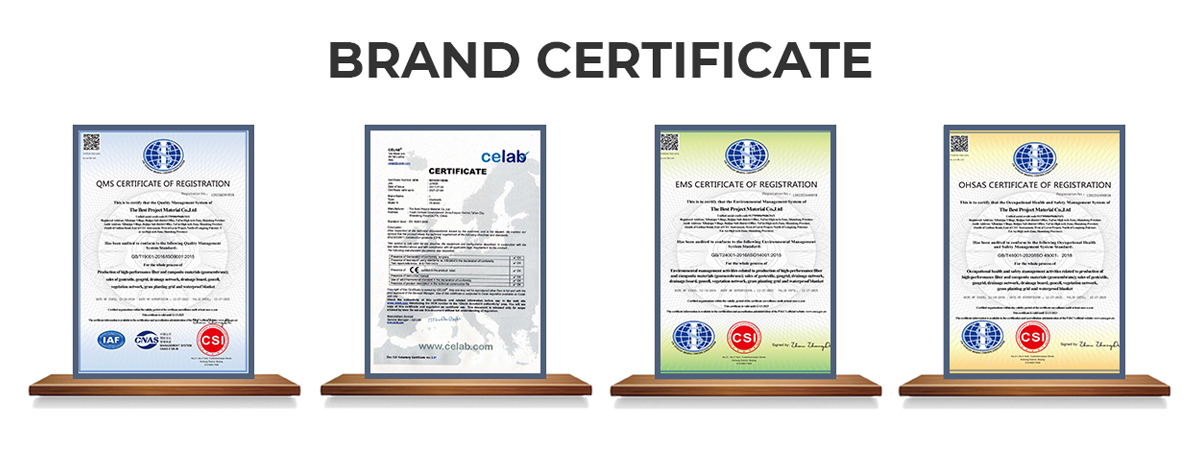
A: Our HDPE geocells support ISO, CE and complete factory test reports.