Composite geomembrane vs separate layers system
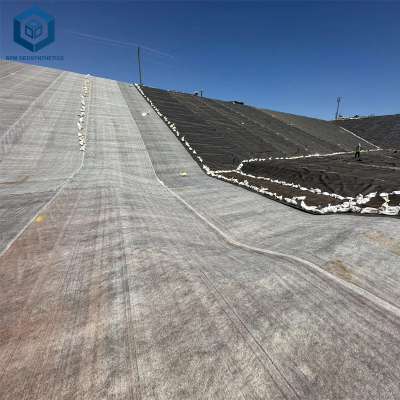
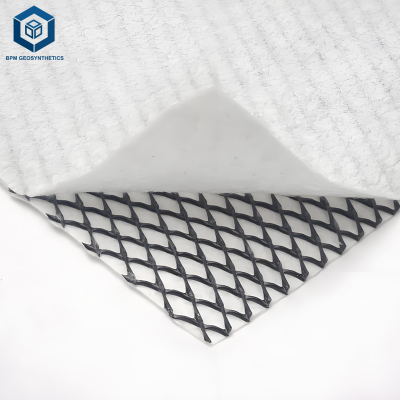
The composite geomembrane vs separate layers system comparison refers to two engineering approaches used in geosynthetic liner systems. Composite geomembranes integrate geomembrane and geotextile layers into a single factory-bonded product, while separate layer systems install geomembranes and geotextiles independently during field construction.
Technical Parameters and Specifications
| Parameter | Composite Geomembrane | Separate Layers System | Test Standard |
|---|---|---|---|
| Main Components | Geomembrane + Geotextile composite | Independent geomembrane and geotextile | Industry Standard |
| Geomembrane Thickness | 0.3 – 1.5 mm | 1.0 – 3.0 mm | ASTM D5199 |
| Geotextile Weight | 100 – 400 g/m² | 200 – 800 g/m² | ASTM D5261 |
| Bond Strength | ≥6 N/cm | Field installed layers | ASTM D2724 |
| Permeability | ≤1 × 10⁻¹³ cm/s | ≤1 × 10⁻¹³ cm/s | ASTM D5887 |
| Tensile Strength | 8 – 25 kN/m | 20 – 40 MPa (geomembrane) | ASTM D4595 |
| Roll Width | 4 – 6 m | 5 – 8 m | Production Standard |
Structure and Material Composition
Understanding the composite geomembrane vs separate layers system requires analyzing the structural design of each solution.
Geomembrane barrier layer – HDPE or LDPE sheet providing impermeability.
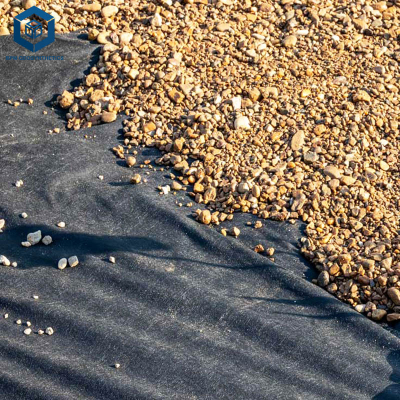
Geotextile protection layer – Needle-punched fabric protecting the liner from puncture.
Composite bonding interface – Factory laminated structure in composite geomembranes.
Independent layer configuration – Separate installation of materials in layered systems.
Polymer additives – Stabilizers, antioxidants, and carbon black improving durability.
Manufacturing Process
The manufacturing method is a major distinction in the composite geomembrane vs separate layers system.
Composite Geomembrane Manufacturing
Polymer resin preparation for geomembrane extrusion.
Needle-punched geotextile production.
Hot-melt lamination bonding geotextile and geomembrane.
Cooling and structural stabilization.
Mechanical testing for bonding strength.
Rolling and packaging for transport.
Separate Layers System Manufacturing
Geomembrane sheet extrusion.
Independent geotextile manufacturing.
Transportation to site as separate rolls.
Field installation and layering.
Welding and anchoring during construction.
Industry Comparison
| Material System | Installation Complexity | Cost Efficiency | Typical Applications |
|---|---|---|---|
| Composite Geomembrane | Lower installation complexity | Moderate cost | Agricultural ponds, canals |
| Separate Layers System | Higher installation flexibility | Higher cost but stronger protection | Landfills, mining containment |
| Geosynthetic Clay Liner | Moderate installation | Specialized cost | Environmental barriers |
| Concrete Lining | High construction complexity | High cost | Infrastructure channels |
Application Scenarios
The composite geomembrane vs separate layers system selection depends on project scale, environmental regulations, and installation conditions.
Irrigation canals and reservoirs
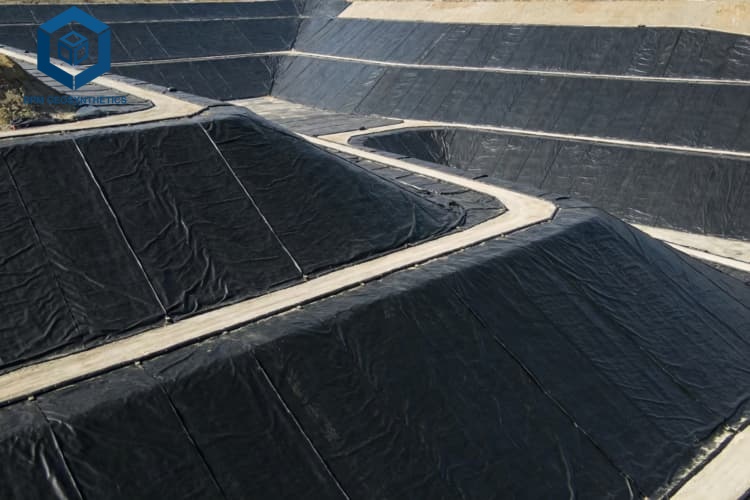
Municipal landfill liner systems
Mining tailings storage facilities
Wastewater treatment ponds
Agricultural water storage
Hydraulic engineering projects
Typical users include EPC contractors, environmental engineering firms, infrastructure developers, and international geosynthetics distributors.
Key Engineering Pain Points and Solutions
1. Complex Field Installation
Solution: Composite geomembranes reduce on-site layering work and speed up installation.
2. Liner Puncture Risk
Solution: Separate geotextile protection layers increase mechanical protection.
3. Construction Time Pressure
Solution: Factory-laminated composite liners reduce labor requirements.
4. High Environmental Compliance Requirements
Solution: Separate layer systems allow customized liner thickness and protection layers.
Risk Warnings and Prevention
Incorrect bonding strength may cause delamination in composite materials.
Poor subgrade preparation may damage geomembrane liners.
Improper welding techniques may compromise containment systems.
Incorrect layer sequence may reduce drainage efficiency.
Engineering teams should conduct material compatibility testing before project installation.
Procurement and Selection Guide
Define the containment or waterproofing requirements.
Evaluate soil conditions and puncture risk.
Determine required geomembrane thickness.
Select geotextile protection weight if using separate layers.
Analyze installation schedule and labor resources.
Review manufacturer production capacity and certifications.
Request laboratory test reports and engineering references.
Engineering Case Example
In an irrigation canal rehabilitation project covering approximately 60,000 square meters, engineers selected composite geomembrane liners with integrated geotextile protection. The system significantly reduced installation time compared with traditional separate layer systems while maintaining reliable water containment performance for agricultural irrigation infrastructure.
FAQ – Frequently Asked Questions
1. What is the main composite geomembrane vs separate layers system difference?
Composite geomembranes combine materials in one product, while separate layers install geomembrane and geotextile independently.
2. Which system is easier to install?
Composite geomembranes generally require fewer installation steps.
3. Which system offers better liner protection?
Separate layers often provide stronger protection due to thicker geotextile options.
4. Are composite geomembranes waterproof?
Yes, they contain geomembrane layers that provide impermeable barriers.
5. What industries use these systems?
Environmental engineering, agriculture, mining, and water infrastructure projects.
6. Can both systems be used in landfills?
Separate layer systems are more common in high-risk containment projects.
7. What is the typical lifespan?
Both systems can perform for decades when properly installed underground.
8. Do composite liners reduce construction costs?
They can reduce labor costs and shorten installation schedules.
9. Who typically selects the liner system?
Engineering consultants and project designers determine the appropriate solution.
10. Are laboratory tests required?
Yes, mechanical and hydraulic testing is essential for quality verification.
Request Technical Documentation or Project Samples
Engineering contractors, distributors, and procurement managers can request detailed product specifications, laboratory reports, and project samples for evaluation. Technical teams can provide project-specific recommendations and formal quotations upon request.
Author Expertise (E-E-A-T)
This technical guide was prepared by professionals with more than 10 years of experience in geosynthetics engineering materials, including geomembranes, geotextiles, and composite liners. The content reflects engineering practices widely used in environmental containment, hydraulic engineering, and infrastructure construction projects worldwide.