Geomembrane in HDPE
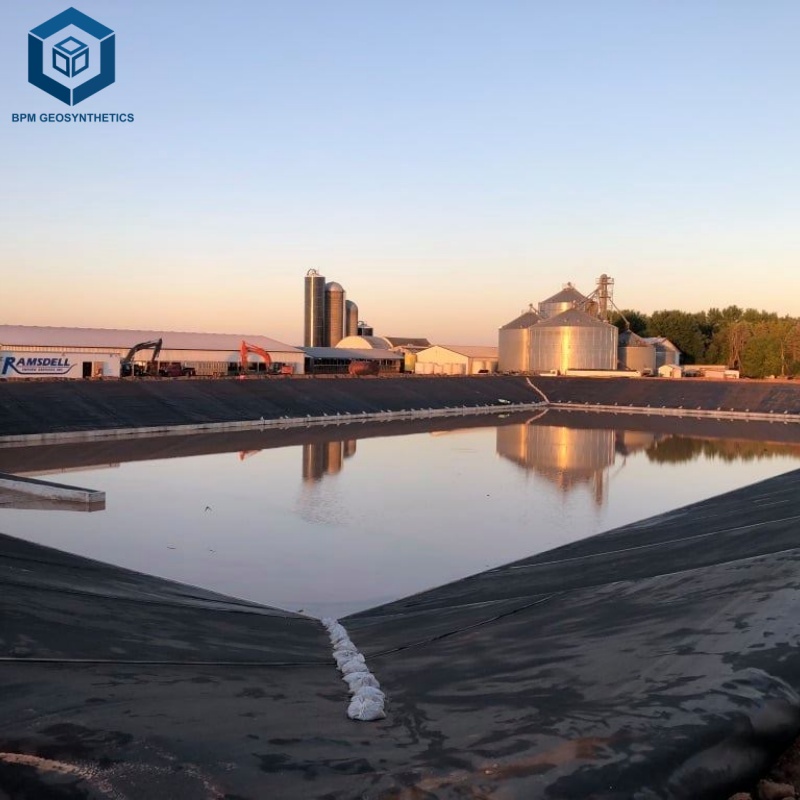
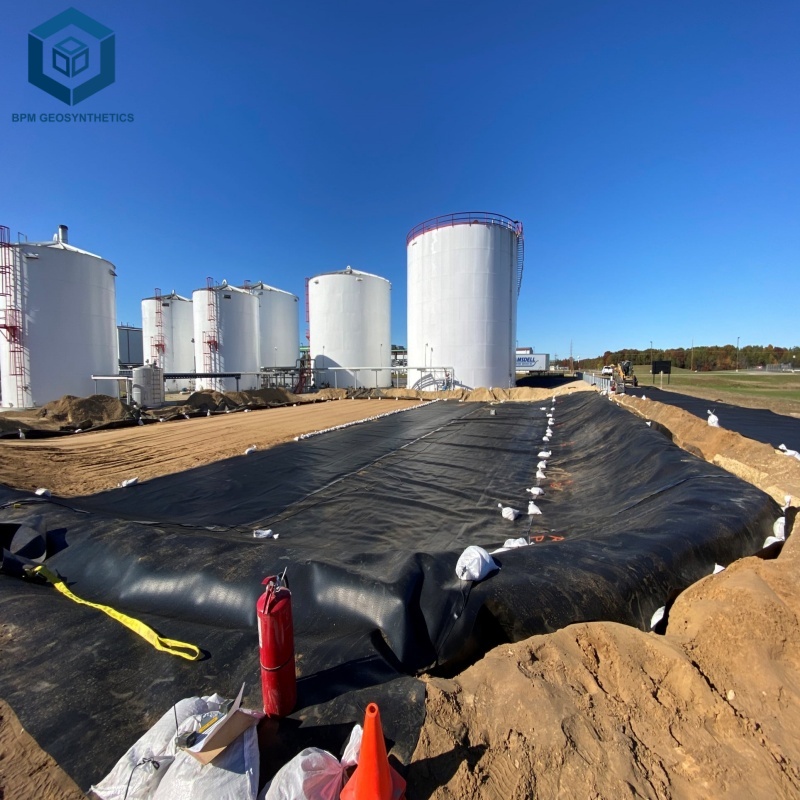
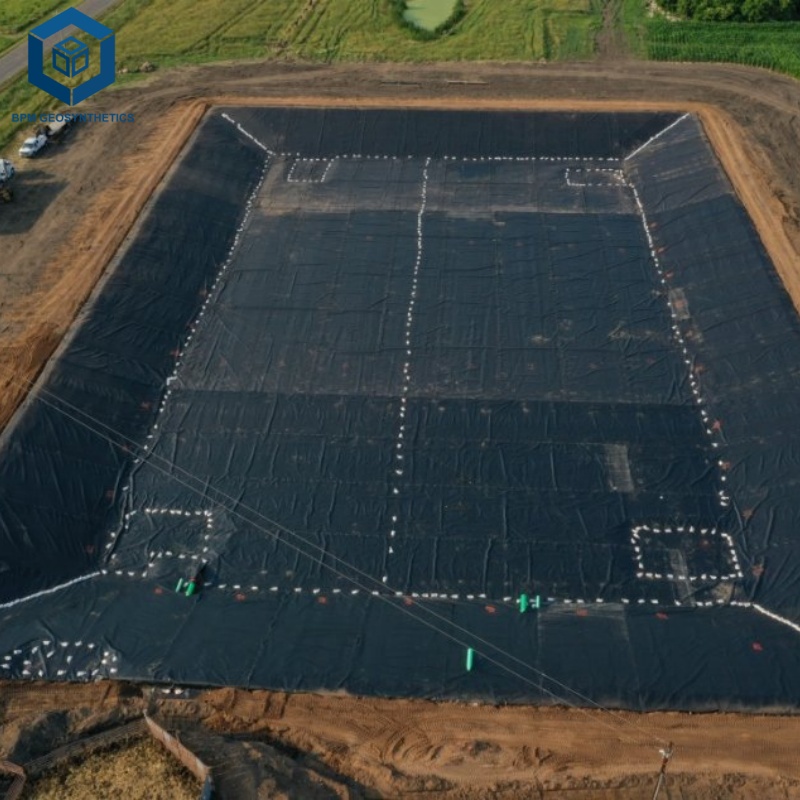
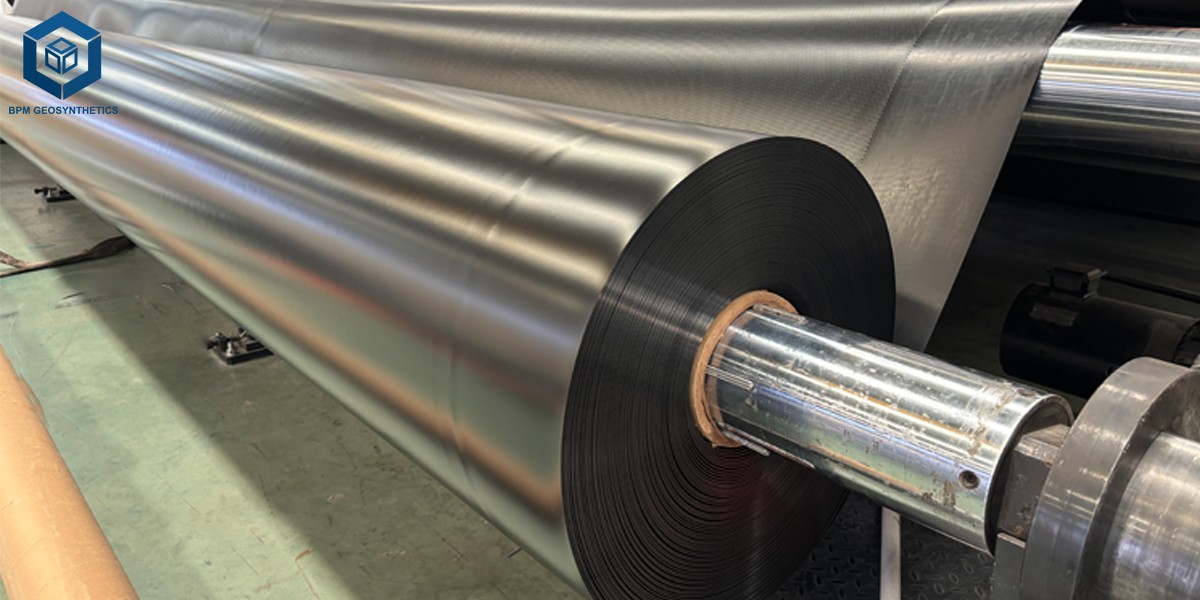
Geomembrane in HDPE is a durable, high-strength synthetic liner designed for superior containment and anti-seepage performance. It is widely used in environmental, civil, and industrial projects where reliable waterproofing is required.
- High density polyethylene material for excellent durability
- Outstanding resistance to UV, chemicals, and aging
- Strong anti-seepage and waterproof performance
- High tensile strength and puncture resistance
- Long service life with low maintenance cost
- Suitable for harsh outdoor and underground conditions
Geomembrane in HDPE provides a cost-effective and long-lasting solution for reliable containment and environmental protection.
Geomembrane in HDPE (High-Density Polyethylene Geomembrane) is a high-performance synthetic liner offering excellent waterproofing, anti-seepage and chemical resistance. It finds its major applications in environmental protection, water conservation, mining, agriculture, and industrial containment systems.
Thanks to its tightly packed molecular layout and outstanding durability, HDPE geomembrane is recognized globally as one of the most reliable and cost-effective solutions for long-term sealing of ground and containment of fluids.
1. Major Benefits of Geomembrane in HDPE
1.1 Superior Prevention of Leakage
Geomembrane in HDPE offers an extremely low rate of permeability and work as a physical barrier to block the passage of water, chemicals and even hazardous liquids. Its closely packed molecules make a continuous impermeable barrier which provides reliable containment against long term hydrostatic pressure. Therefore it is very well capable in critical waterproofing projects like landfill liners, reservoirs, and industrial storage ponds that require strict leakage control.
1.2 Extended Service Duration (20–50 Years)
HDPE geomembrane is capable of resisting highly damaging UV radiation, oxidation, and natural aging so that it can retain its performance for decades. Its physical and mechanical properties last with very little degradation whether it is exposed to the air or buried in the ground. Having such a long service life will greatly lower the possibility of replacements and offer strong value to longer-term projects.
1.3 Great Tensile Strength & Puncture Resistance
HDPE membrane has been developed for challenging engineering applications, providing very high tensile strength and puncture resistance. It is capable of supporting the weight of the earth, being able to handle soil settlement, and mechanical stresses caused by construction work and operation of equipment. Thanks to this robustness, it will maintain its structure well even when dealing with irregular ground or being exposed to very high-impact environments such as mining and landfill sites.
1.4 Excellent Chemical & Corrosion Resistance
HDPE is a material that is almost unconquerable when it comes to chemicals including acids, alkalis, salts, and industrial effluents. Even in highly aggressive chemical environments, high density polyethylene geomembrane does not degrade and its performance does not diminish. Hence it is a perfect candidate for mining, chemical storage, wastewater systems and other locations where corrosion is likely to happen.
1.5 Affordable & Fast Installation
Polyethylene geomembrane can be welded by melting the surfaces and joining them together in a continuous line of strong and leak-proof seams. Also, its lightweight nature greatly facilitates the transportation and handling during installation, thereby the work can be done quickly with less people. Combining this with its long life and low maintenance requirement, it presents a highly economical product solution for large construction projects.
2. Geomembrane in HDPE Product Specifications
Below is a more detailed specification table for better technical understanding and project selection:
| Item | Specification | Description |
|---|---|---|
| Material | High-Density Polyethylene (HDPE) | Virgin resin with high strength and durability |
| Thickness Range | 0.2 mm – 3.0 mm | Custom thickness available based on project requirements |
| Surface Type | Smooth / Single Textured / Double Textured | Smooth for general waterproofing, textured for slope stability |
| Width | Up to 10 meters | Large width reduces welding joints and installation cost |
| Length | Customizable roll length | Designed to reduce onsite waste and improve efficiency |
| Color Options | Black (standard) / Green / White / Custom | UV-resistant pigments available for special environments |
| Density | ≥ 0.94 g/cm³ | Ensures strong impermeability and structural stability |
| Tensile Strength | High tensile performance | Suitable for heavy load and engineering applications |
| Elongation at Break | Excellent flexibility | Adapts to ground settlement and deformation |
| Permeability | Extremely low (nearly impermeable) | Provides reliable anti-seepage protection |
| UV Resistance | Strong UV stabilized formula | Suitable for long-term exposed applications |
| Chemical Resistance | Excellent | Resistant to acids, alkalis, salts, and industrial waste |
| Service Life | 20–50 years | Depends on installation and environmental conditions |
| Welding Method | Hot wedge / extrusion welding | Ensures strong, continuous seam bonding |
| Quality Standard | ISO certified production system | Complies with international engineering standards |
| Packaging | Rolled with protective film | Prevents damage during transportation |
| Application Standard | ASTM / GRI-GM13 compliant (optional) | Meets global geomembrane engineering requirements |
3. Why Get Our Geomembrane in HDPE?
3.1 Direct Supply from Factory with Competitive Prices
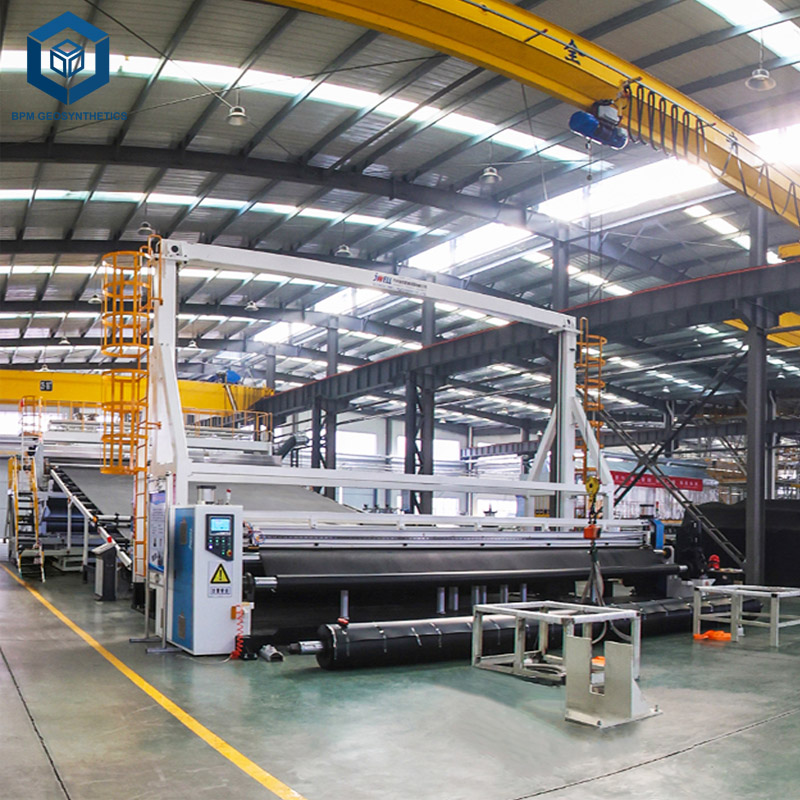
We provide BPM geomembrane to our customers directly from the factory and therefore there are no middlemen to increase the price . This is one of the reasons why we have very competitive prices, however quality stays very stable. Customers have savings that allow them to do bigger projects without worrying about performance.
3.2 High Level Quality Control with ISO-Certified Systems
Production batches are carefully controlled to meet the requirements of an ISO-certified quality management system. Tests for thickness, strength, impermeability, and other parameters are carried out at different stages including after final roll production and raw material selection. This sustained quality makes it more confident for the intended application.
3.3 Customized Thickness, Width, and Surface Options Available
We provide full customization options to meet different engineering requirements. Clients can choose from various thickness ranges, surface textures (smooth, single textured, double textured), and roll widths. This flexibility ensures the material perfectly matches project conditions such as slope stability, drainage, or containment needs.
3.4 Export-Grade Quality for Global Engineering Projects
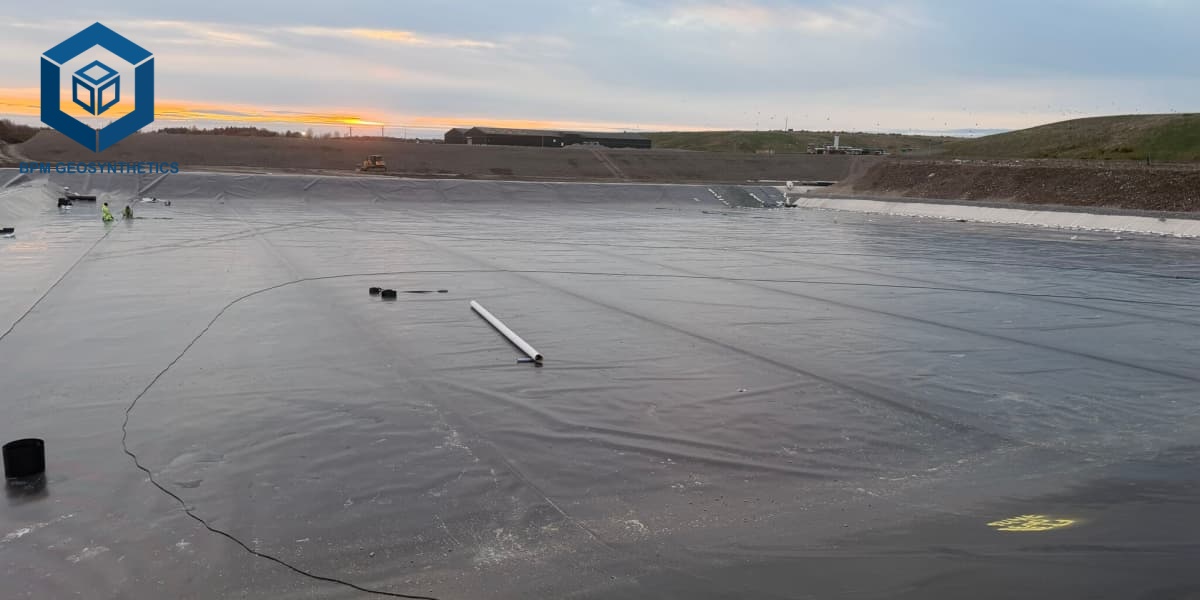
Our geomembrana in hdpe is manufactured to meet international standards and is widely used in global projects. It is suitable for landfill systems, mining operations, water reservoirs, and environmental protection projects across different climates and regions. Export packaging and logistics are optimized for safe international delivery.
3.5 Technical Support for Installation and Welding Guidance
We provide professional technical support including installation recommendations, welding methods, and on-site application guidance. Proper installation is essential for long-term performance, and our team helps ensure correct seam welding, anchoring, and deployment procedures to minimize leakage risks.
3.6 Proven Performance in Large-Scale International Projects
Our geomembrane sheets has been successfully applied in large-scale infrastructure projects worldwide, including landfill lining systems, mining containment areas, and water storage facilities. Its proven durability and stability under real engineering conditions demonstrate its reliability for demanding applications.
4. Geomembrane in HDPE Applications & Case Study
4.1 Landfill Lining Systems
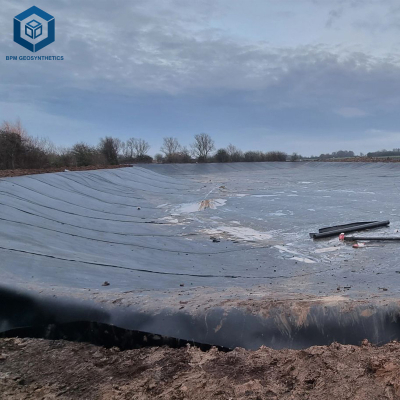
HDPE geo membrane is a popular choice in modern municipal and industrial landfill projects as the main anti-seepage barrier. It prevents to a great extent leachate from escaping into soil and groundwater outside the landfill, thereby keeping the work in line with environmental protection requirements.
4.2 Mining Tailings Storage Facilities
Mining companies often rely on hdpe geomembrane sheets for lining tailings ponds and heap leach pads. This material, being highly resistant to chemicals, can also withstand exposure to mining waste over long periods.
4.3 Water Reservoirs & Irrigation Systems
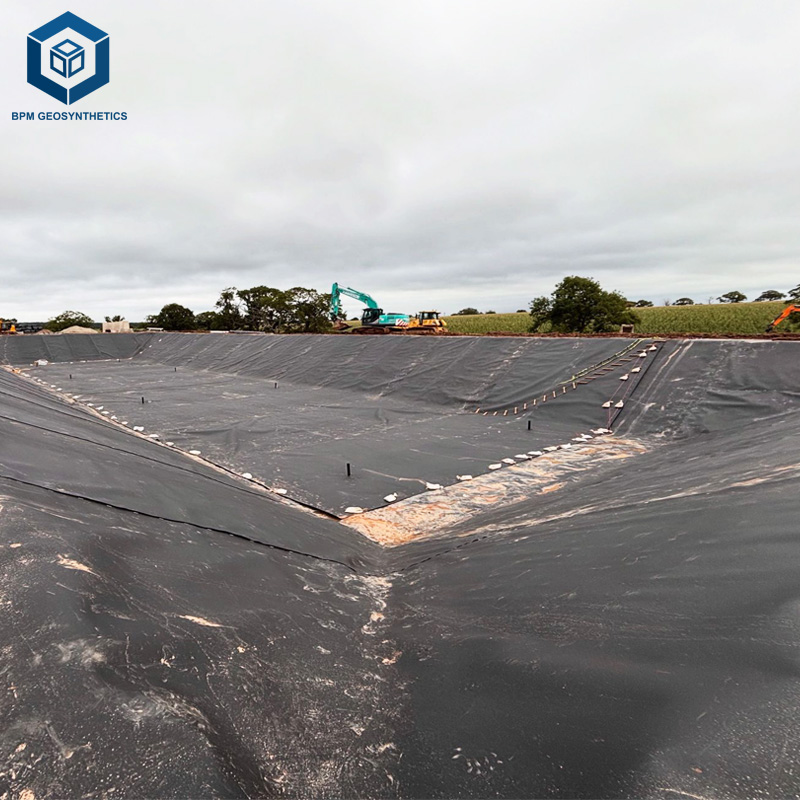
Frequently implied in lining reservoirs, canals, and irrigation ponds, HDPE liner reduces water loss due to seepage. This can dramatically improve water storage capacity, especially in dry areas where water is scarce.
4.4 Aquaculture Ponds (Fish & Shrimp Farming)
Aquaculture producers rely on geomembrane liner in building ponds to separate water from soil and thus protect fish/shrimp from harmful contaminants. Doing so enhances water quality and output yields in aquaculture operations.
4.5 Industrial Wastewater Treatment Systems
Besides being used in wastewater treatment lagoons and chemical storage tanks, hdpe impermeable liner assures containment of hazardous liquids even though posing zero risk to the environment.
5. Geomembrane in HDPE for Mining Project Case Study – Tailings Pond Seepage Control Solution
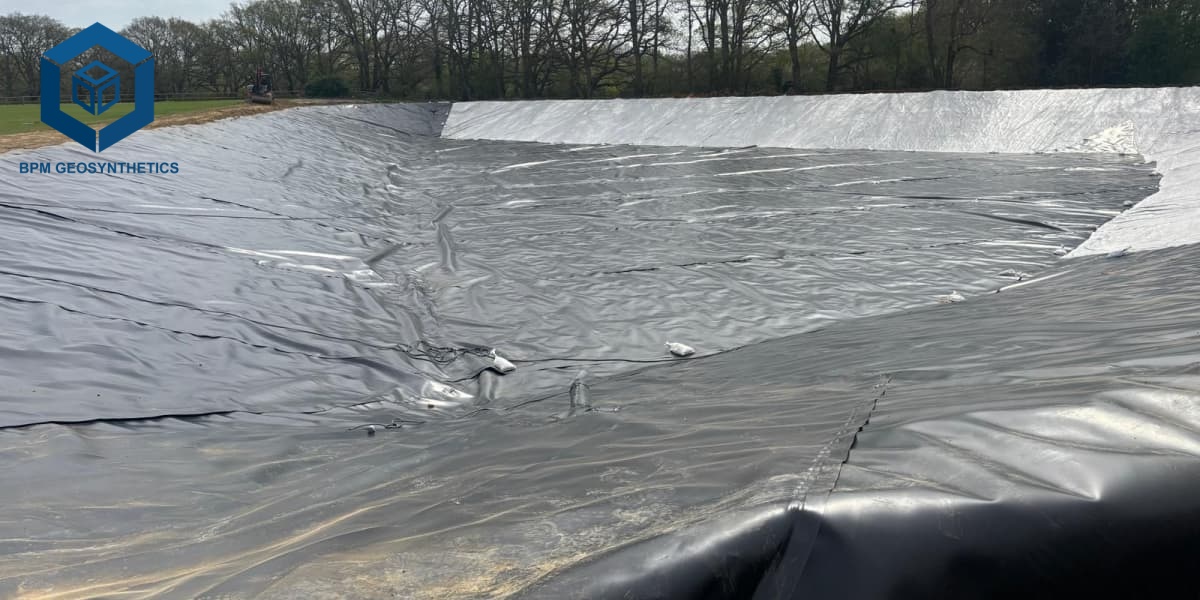
This case shows the ability of hdpe membrane sheet to offer a secure and effective solution in mining activities characterized by the highest containment risks.
5.1 Project Background
A major mining company, which runs a copper mine, encountered serious challenges related to the leakage of its tailings storage impoundment. The existing clay liner system had deteriorated exposing to fallibility that led to leakage and environmentally non-compliant situations. The problem of groundwater pollution also caused regulators to clamor for more stringent measures.
5.1.1 Problem Identified
- Very high seepage amount from tailings impoundment base
- Clay liner vulnerability to cracking (due to settlement/weathering)
- Potential contamination of environment with heavy metals from tailings
- Continuously rising costs for maintenance and environmental penalties
5.2 HDPE Geomembrane Solution
Among the different lining systems, the project decided on the implementation of high-density polyethylene geomembrane liner (HDPE). Installation of a 1.5 mm thick, double-textured HDPE geomembrane helped improve the sealing property and stability of the slope.
5.2.1 Key implementation steps included:
- Leveling and compacting of the subgrade
- Deploying a cushion of protective geotextile
- Welding and positioning of the HDPE sheets
- Carrying out seam tests non-destructively
- Covering with soil to ensure stability over time
5.3 Project Results
- Decrease in seepage volume by more than 95%
- Complete removal of groundwater pollution risk
- Much better stability of tailings pond embankments
- Significantly lighter schedule for maintenance and repair
- Containment system’s operational life span is now longer
By carrying out the HDPE geomembrane system, the mine tailings facility was converted into a safe and compliant structure which also embodies environmental security. The mining corporation not only obtained permission from regulators but also boosted overall operational efficiency.
6. FAQ – Geomembrane in HDPE
Q1. What thickness of HDPE geomembrane should I choose?
The suitable thickness depends on project requirements and load conditions.
- 0.2–0.75 mm: light-duty waterproofing, small ponds, aquaculture
- 1.0–1.5 mm: standard landfill, water storage, general engineering
- 2.0–3.0 mm: heavy-duty mining, chemical containment, high-stress environments
In general, higher thickness provides better puncture resistance and longer service life.
Q2. What is the difference between smooth and textured HDPE geomembrane?
Smooth HDPE geomembrane is typically used for flat surfaces such as ponds, tanks, and reservoirs. Textured HDPE geomembrane (single or double sided) provides higher friction, making it suitable for slopes and steep embankments where anti-slip performance is required.
Q3. How long does HDPE geomembrane last?
When properly installed and protected from direct exposure, HDPE geomembrane can last between 20 to 50 years. Its lifespan depends on UV exposure, environmental conditions, installation quality, and whether it is covered by soil or protective layers.
Q4. How is HDPE geomembrane installed?
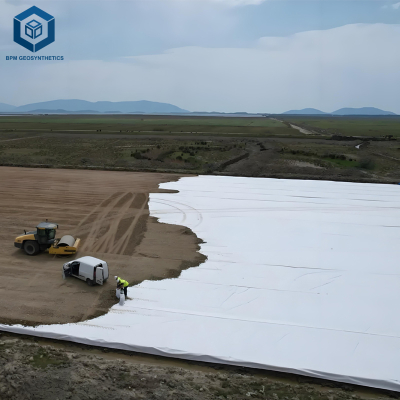
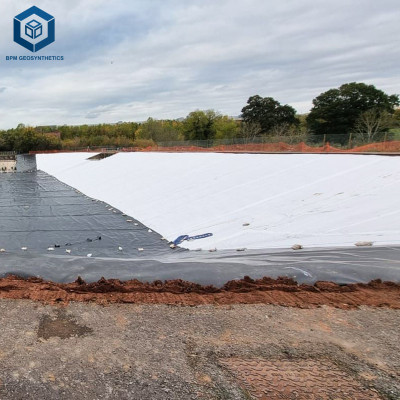
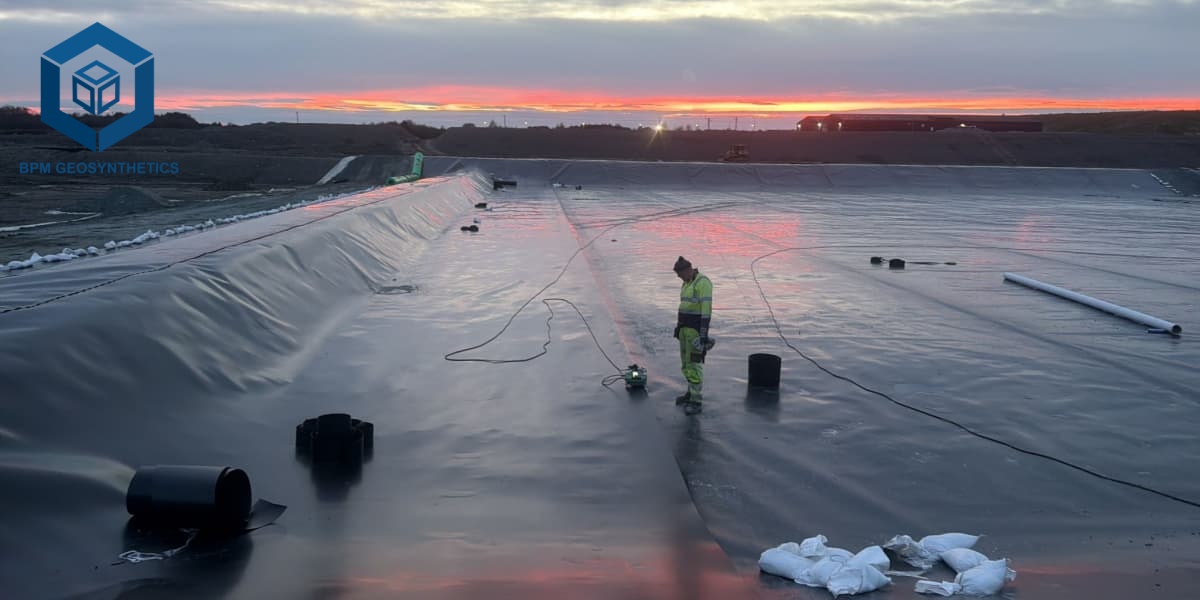
Installation generally includes surface preparation, geotextile placement (if required), geomembrane rolling and alignment, thermal welding of seams, quality testing of weld joints, and final covering with protective materials such as soil or sand.
Q5. Can HDPE geomembrane be repaired if damaged?
Yes. Localized damage such as punctures or seam defects can be repaired using patching methods and extrusion welding. Proper repair techniques restore full waterproof performance and ensure long-term system integrity.
Q6. What is the difference between HDPE geomembrane and PVC liner?
HDPE geomembrane offers higher strength, better chemical resistance, and a significantly longer service life compared to PVC liners. PVC is more flexible but generally less durable, making HDPE the preferred choice for long-term and heavy-duty engineering projects.
Q7. How do I choose a reliable HDPE geomembrane supplier?
A reliable supplier should provide stable product quality, ISO-certified manufacturing, export experience, customization options, and technical support for installation. Proven performance in large engineering projects is also an important indicator of product reliability.
Conclusion – Reliable Long-Term Containment Solution
Geomembrane in HDPE is one of the most trusted and widely used materials for modern containment and waterproofing systems. It delivers outstanding performance in preventing leakage, protecting soil and water resources, and ensuring long-term structural stability.
Whether for environmental protection, mining operations, or water storage projects, HDPE geomembrane provides a durable, safe, and cost-efficient solution.
Choose high-quality The Best Project Material Co., Ltd.(BPM Geosynthetics) HDPE Geomembrane to reduce project risk, lower maintenance costs, and ensure long-term engineering reliability.