HDPE Liner Material
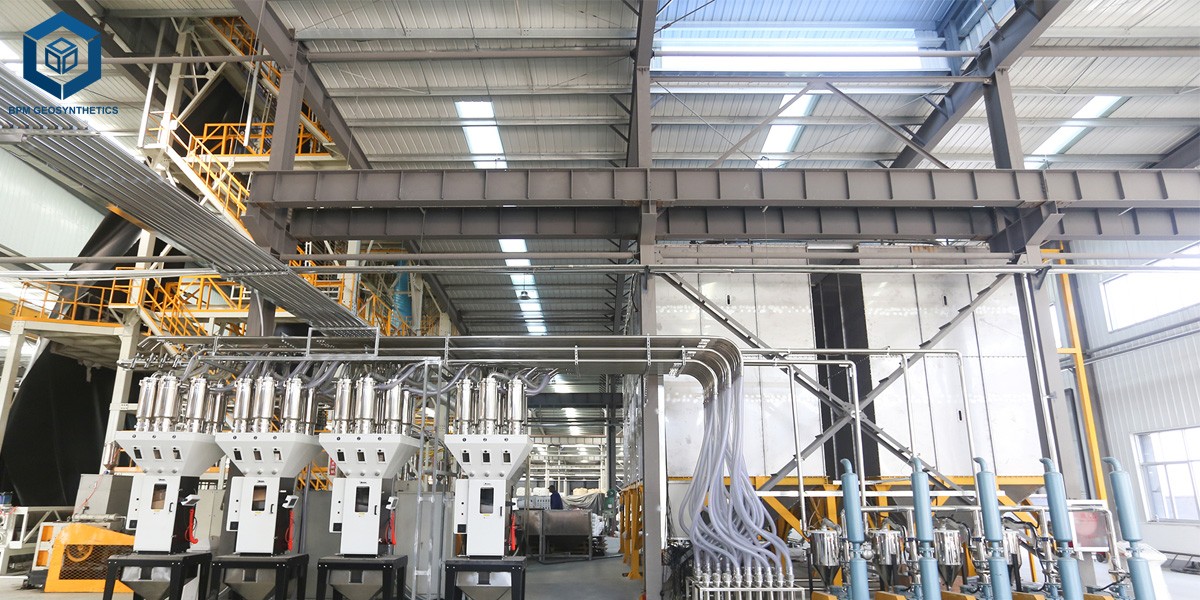
Manufacturing Process
The performance of HDPE liner material is directly linked to a controlled, engineering-grade manufacturing process.
Raw Material Selection: Certified virgin or controlled recycled resin
Compound Mixing: Automated gravimetric dosing of additives
Extrusion: Flat-die or blown-film extrusion lines
Calendering: Thickness calibration and surface finishing
Cooling: Gradual cooling to reduce internal stress
Surface Texturing: Optional textured finish for slope stability
Quality Inspection: Mechanical, thermal, and visual testing
Roll Packaging: Traceable labeling and protective wrapping
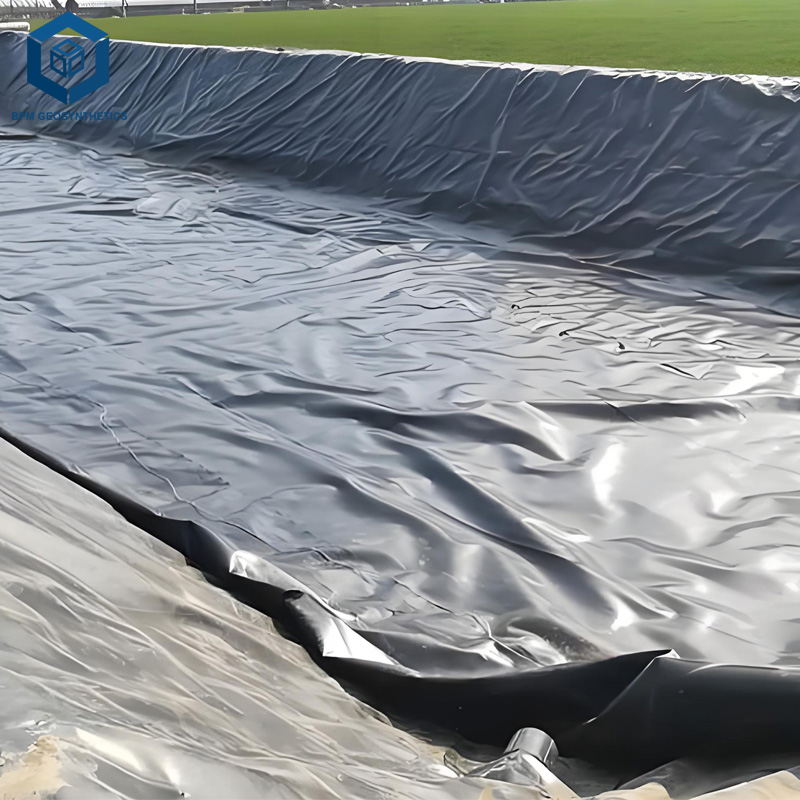
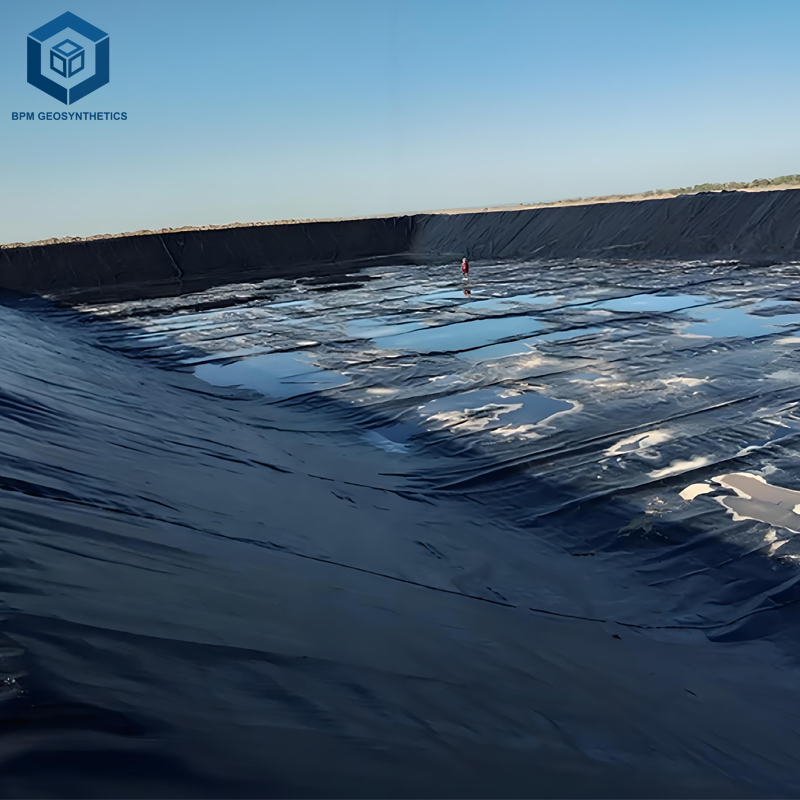
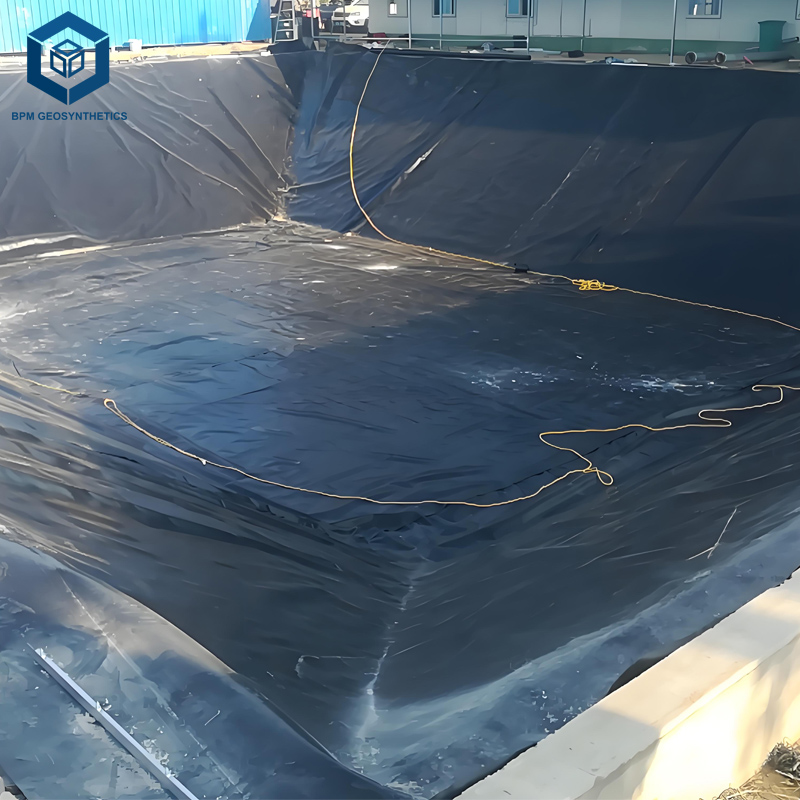
HDPE liner material is a high-density polyethylene geomembrane engineered for long-term containment, isolation, and environmental protection. It is widely specified in civil, environmental, and industrial projects due to its low permeability, chemical resistance, mechanical strength, and predictable service life under controlled installation conditions.
Technical Parameters and Specifications
The following parameters are commonly used by engineers and procurement managers when evaluating HDPE liner material for infrastructure and containment systems.
Thickness Range: 0.5 mm – 3.0 mm
Density: 0.940 – 0.970 g/cm³
Tensile Strength: ≥15 MPa (ASTM D6693)
Elongation at Break: ≥700%
Puncture Resistance: ≥500 N (typical engineering grade)
Carbon Black Content: 2.0–3.0%
Oxidative Induction Time: ≥100 min (Standard OIT)
Hydrostatic Resistance: ≤1×10⁻¹³ cm/s
Service Temperature: -40°C to +60°C
Structure and Material Composition
HDPE liner material is a homogeneous polymer sheet designed for structural stability and chemical durability.
High-density polyethylene resin with high crystallinity
Carbon black for ultraviolet radiation protection
Antioxidants to delay thermal and oxidative aging
Processing stabilizers to ensure extrusion uniformity
Manufacturing Process
The performance of HDPE liner material is directly linked to a controlled, engineering-grade manufacturing process.
Raw Material Selection: Certified virgin or controlled recycled resin
Compound Mixing: Automated gravimetric dosing of additives
Extrusion: Flat-die or blown-film extrusion lines
Calendering: Thickness calibration and surface finishing
Cooling: Gradual cooling to reduce internal stress
Surface Texturing: Optional textured finish for slope stability
Quality Inspection: Mechanical, thermal, and visual testing
Roll Packaging: Traceable labeling and protective wrapping
Industry Comparison
| Material | Mechanical Strength | Flexibility | Chemical Resistance | Typical Service Life |
|---|---|---|---|---|
| HDPE Liner Material | High | Moderate | Excellent | 30–50 years |
| LLDPE Liner | Moderate | High | Excellent | 25–40 years |
| PVC Liner | Lower | High | Moderate | 10–20 years |
| EPDM Rubber | Moderate | Very High | Good | 20–30 years |
Application Scenarios
HDPE liner material is specified by distributors, EPC contractors, and engineering consultants in projects requiring long-term containment reliability.
Municipal and hazardous waste landfills
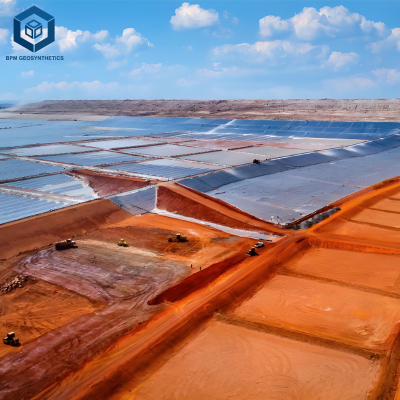
Mining leach pads and tailings storage
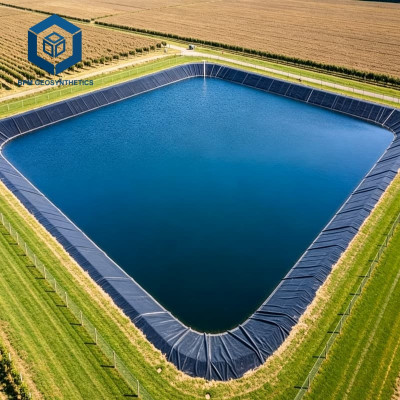
Wastewater treatment lagoons
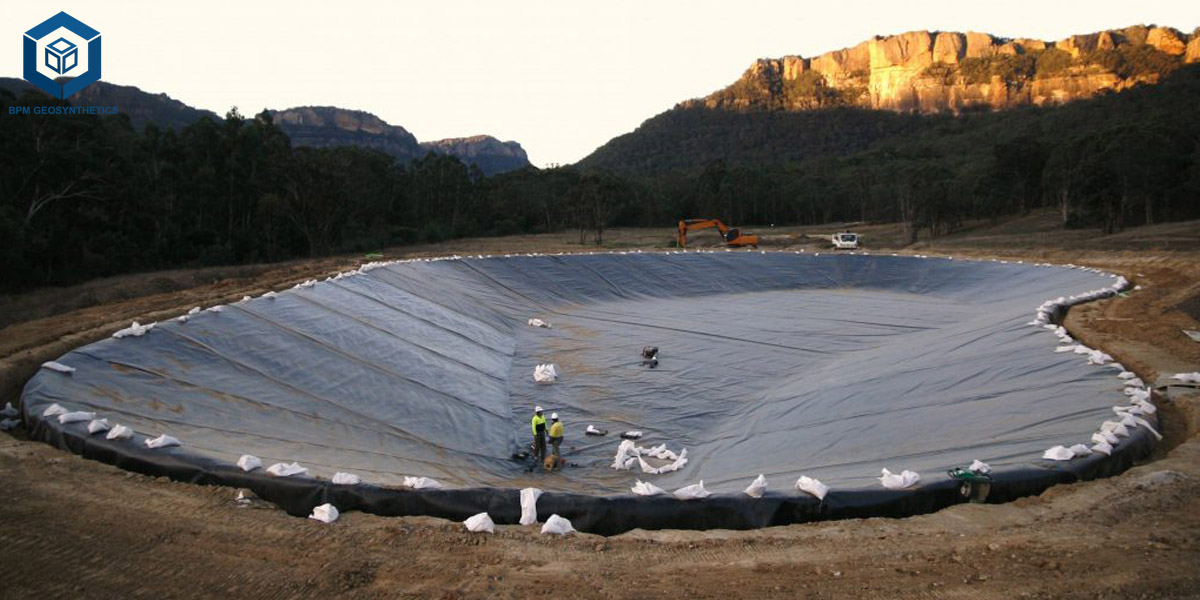
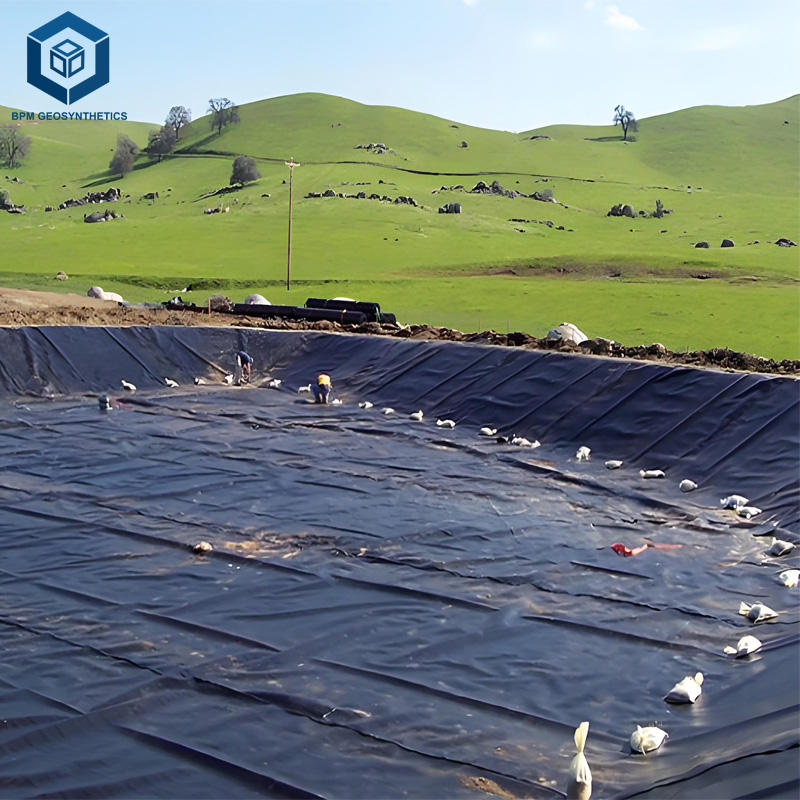
Industrial ponds and reservoirs
Secondary containment systems
Core Pain Points and Engineering Solutions
Leakage risk: Extremely low permeability prevents fluid migration
Chemical exposure: High resistance to acids, alkalis, and salts
Long service requirements: Stabilized formulation supports decades of use
High load stress: Superior puncture resistance under static loads
Risk Warnings and Mitigation Strategies
Improper design or installation of HDPE liner material can compromise system performance.
Avoid installing over poorly prepared subgrades
Use protective geotextiles in puncture-prone areas
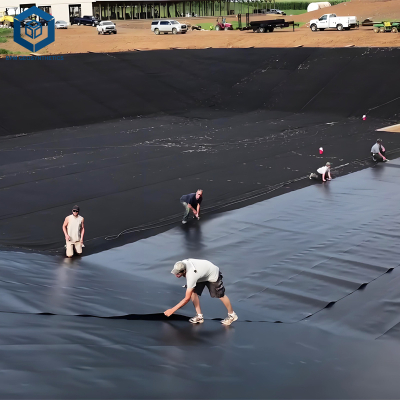
Verify welding quality through non-destructive testing
Limit prolonged UV exposure before cover placement
Procurement Selection Guide
Define containment purpose and chemical exposure
Select appropriate thickness based on load conditions
Confirm compliance with ASTM and GRI standards
Review manufacturer quality control documentation
Request recent third-party test reports
Evaluate roll dimensions and logistics constraints
Request samples for compatibility testing
Engineering Application Case
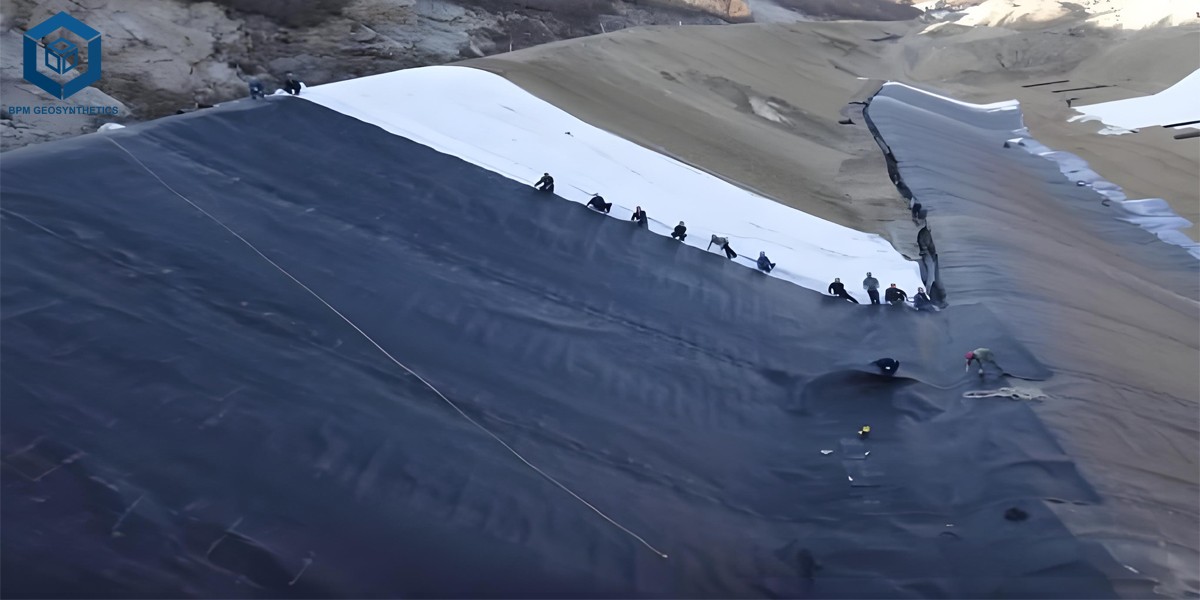
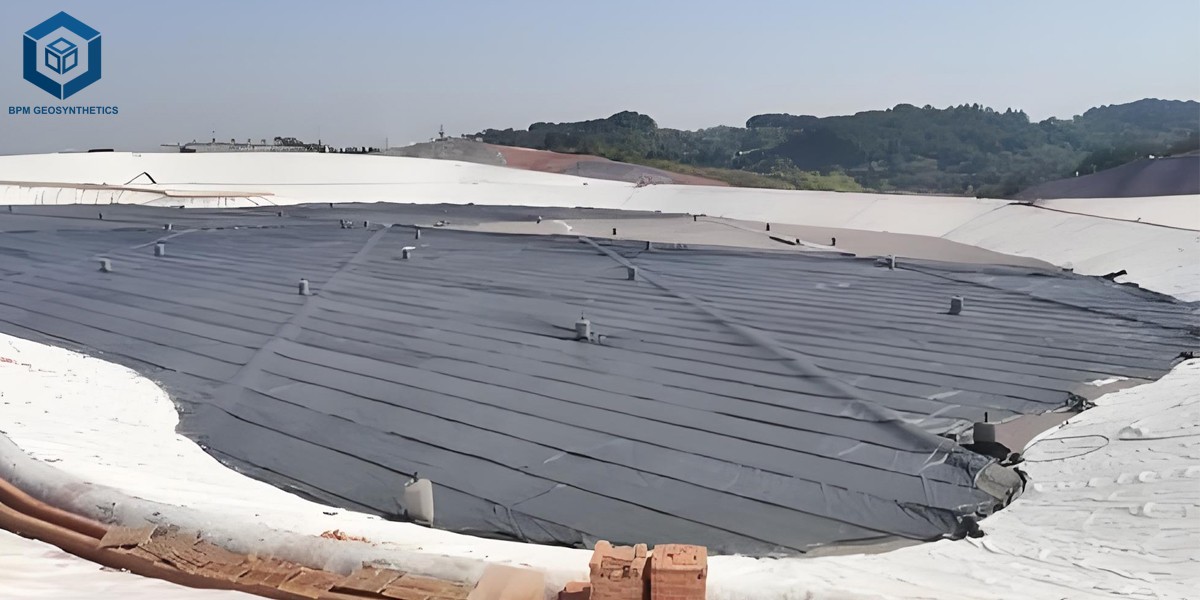
In a municipal landfill expansion project, a 2.0 mm HDPE liner material was installed as the primary containment layer. The liner was welded using hot wedge equipment and tested with vacuum box inspection, achieving leak-free performance under long-term leachate exposure.
Frequently Asked Questions
Q1: Is HDPE liner material suitable for hazardous waste?
A: Yes.Q2: What thickness is common for landfills?
A: 1.5–2.0 mm.Q3: Can HDPE liners be textured?
A: Yes.Q4: How long does HDPE liner material last?
A: Up to 50 years.Q5: Is HDPE resistant to UV?
A: Yes, with carbon black stabilization.Q6: Can recycled resin be used?
A: Only under controlled specifications.Q7: What welding method is recommended?
A: Hot wedge or extrusion welding.Q8: Is HDPE flexible in cold climates?
A: Less than LLDPE, but acceptable.Q9: Does thickness affect permeability?
A: Permeability remains extremely low.Q10: Are third-party inspections necessary?
A: Strongly recommended.
CTA – Technical Inquiry
For pricing, technical datasheets, or engineering samples related to HDPE liner material, submit a detailed inquiry including application type, required standards, thickness, and estimated quantities.
E-E-A-T Author Credentials
This article is authored by a geosynthetics engineering professional with over 15 years of experience in liner material specification, containment system design, and international project procurement.