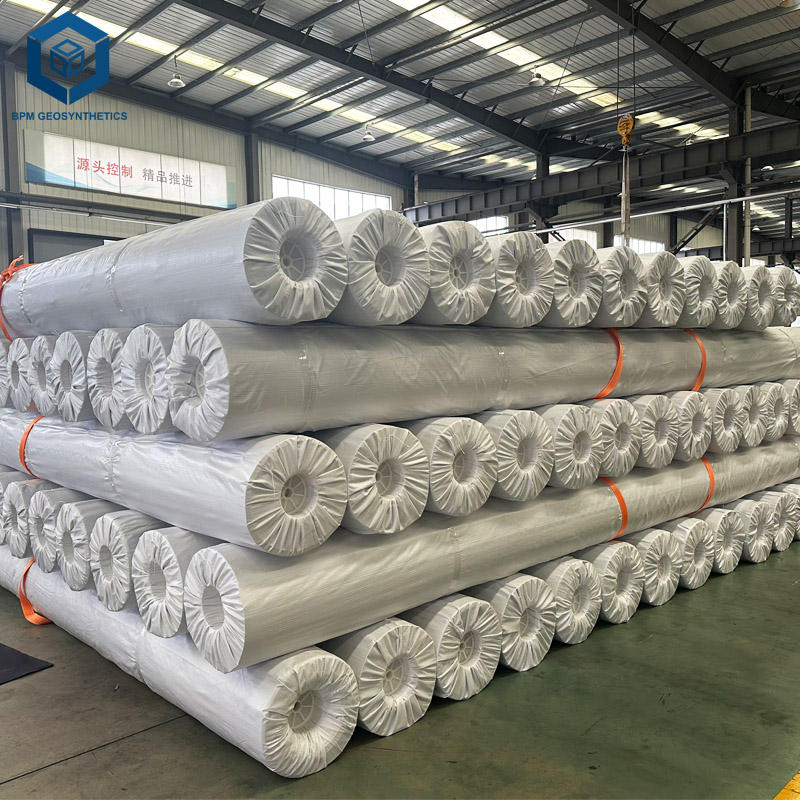
Earth Dam Liners
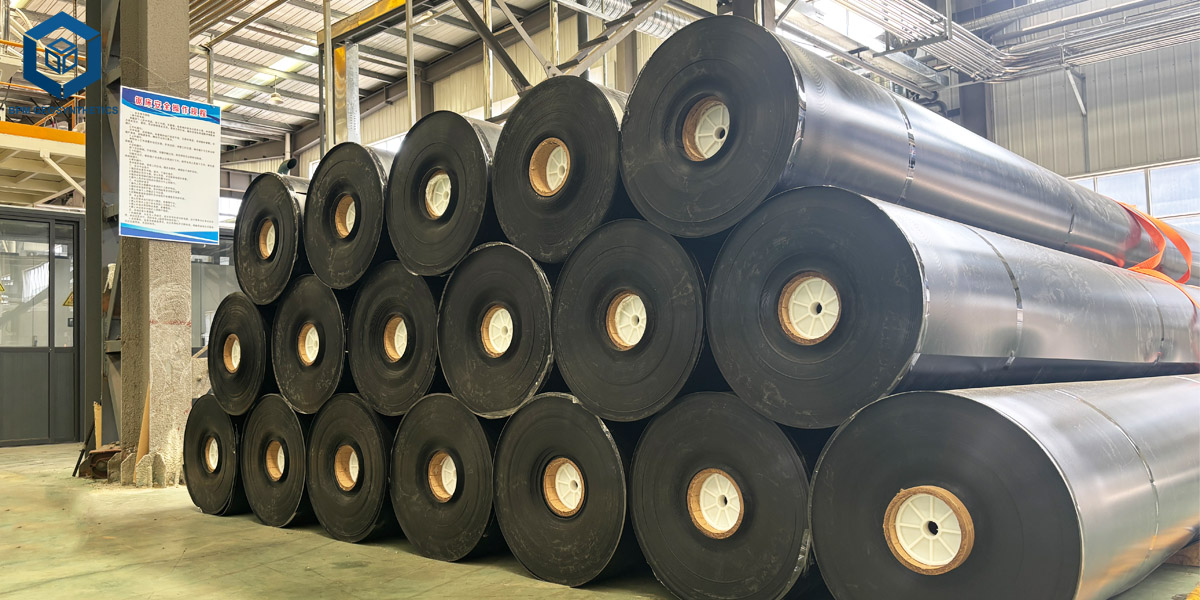
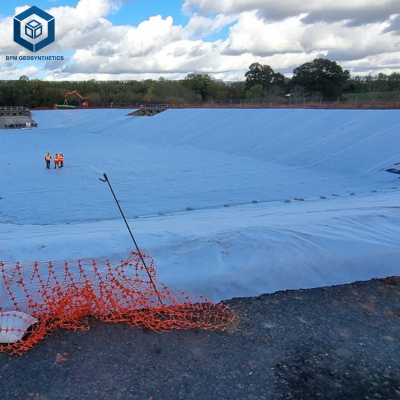
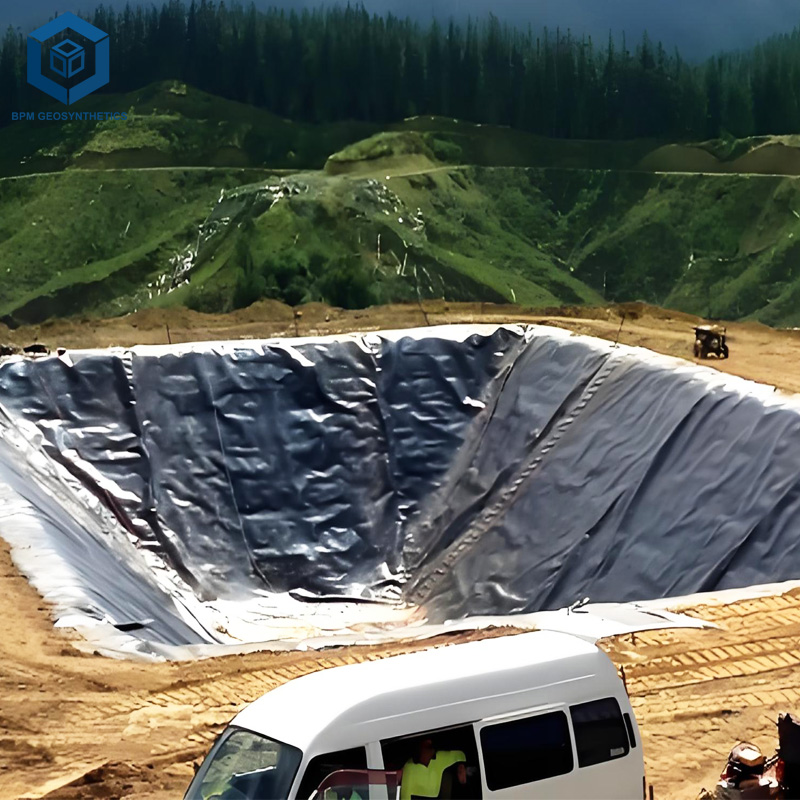
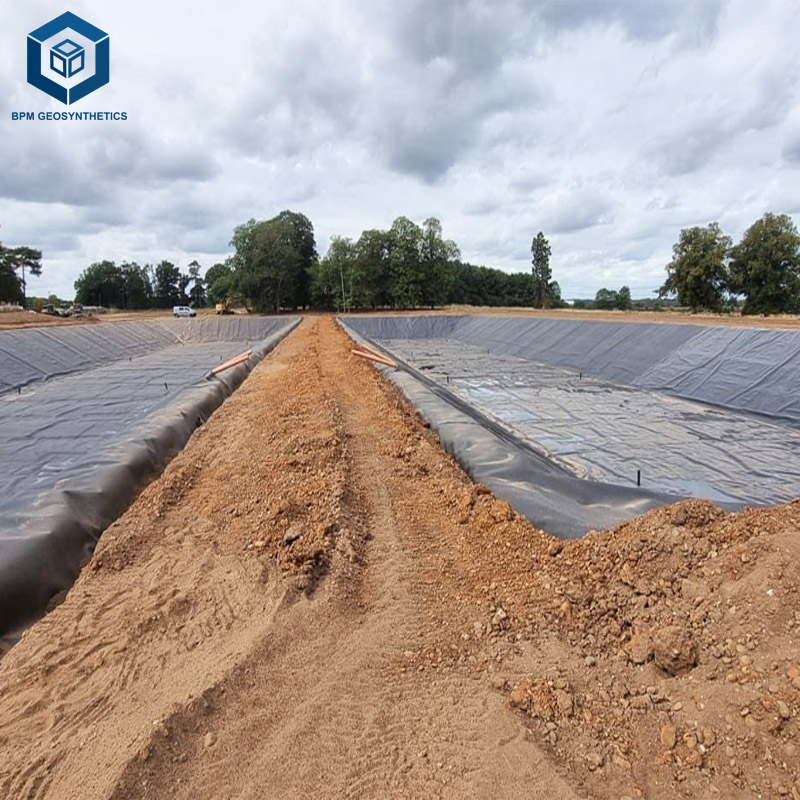
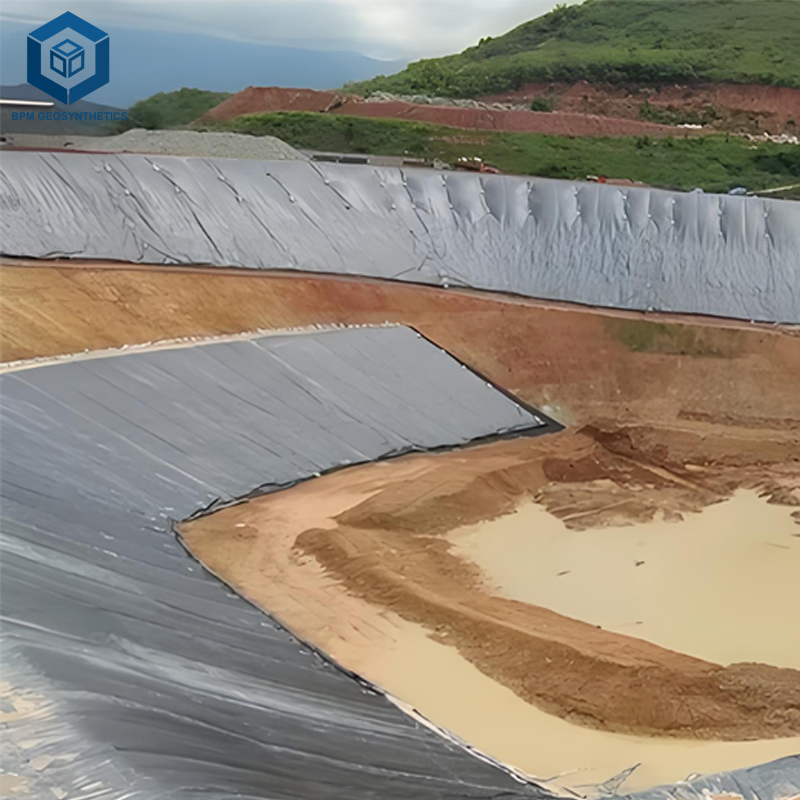
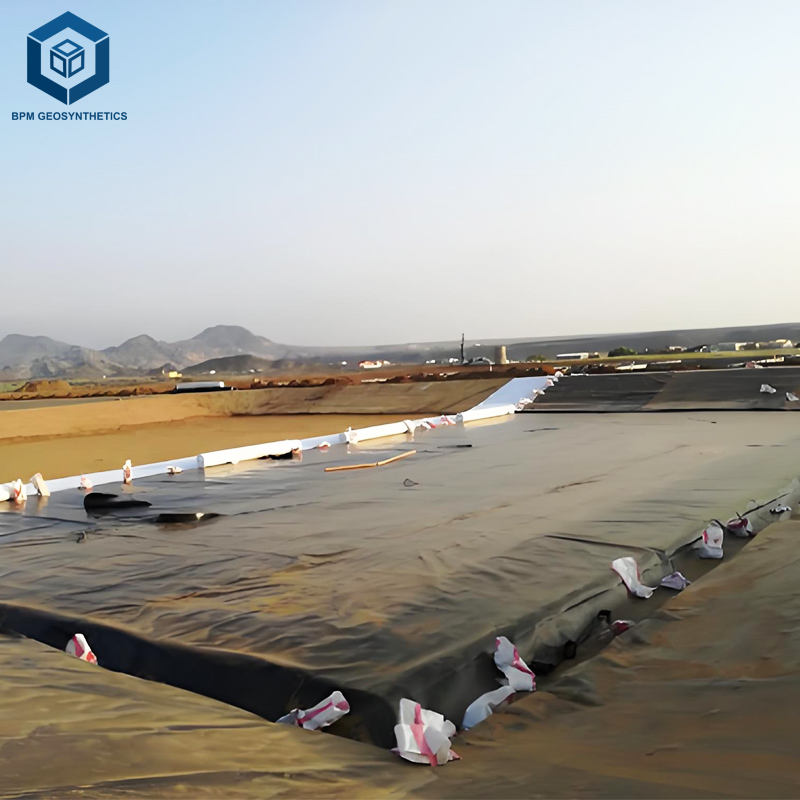
Earth Dam Liners are high-performance HDPE geomembrane systems designed for effective seepage control in earth dam and water storage projects. They create a reliable impermeable barrier that prevents water loss, enhances structural stability, and ensures long-term environmental safety. Widely used in reservoirs, irrigation systems, aquaculture ponds, and mining containment, they offer a durable and cost-efficient waterproofing solution for modern civil engineering projects.
High impermeability for effective seepage prevention
Excellent tensile strength and puncture resistance
UV-resistant and long service life performance
Flexible adaptation to different dam structures and slopes
Chemical resistance for various water and soil conditions
Easy installation with thermal welding system
Suitable for large-scale and customized engineering projects
1. Earth Dam Liners More Than Waterproofing — A Complete Water Stability System
In earth dam projects, the main challenge is not only storing water, but preventing long-term seepage that can gradually weaken the dam structure.
Earth dam liners create a continuous impermeable barrier that blocks water loss, protects the dam body, and improves overall structural stability.
Compared with traditional clay sealing, modern liner systems provide more consistent and predictable performance.
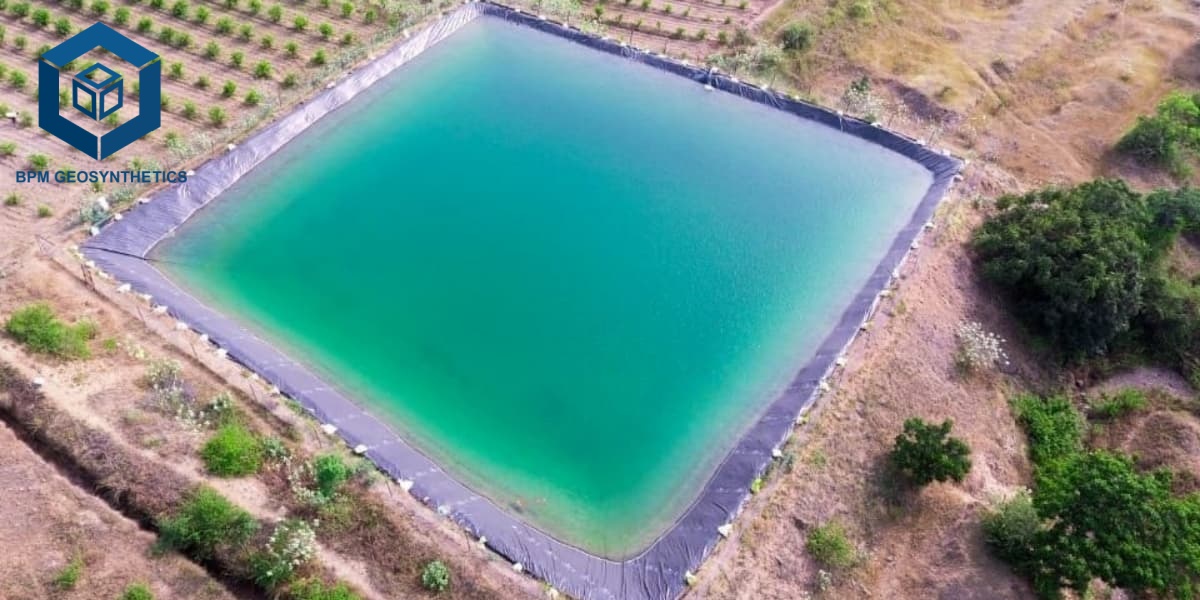
2. Earth Dam Liners Product Overview
Earth Dam Liners are high-strength geomembrane sealing systems designed specifically for earth dam, reservoir, and water containment engineering projects. Their main function is to form a continuous impermeable barrier layer between water and soil structure.
- In natural earth dams, water can slowly seep through soil pores, leading to:
Water loss
Internal erosion
Structural weakening
Long-term instability
Earth dam liners solve this problem by creating a stable, engineered waterproof membrane layer that isolates water from the dam body.
- Core Idea in One Sentence:
Earth Dam Liners keep water inside the system while protecting the dam structure from internal damage.
3. Earth Dam Liners Key Functionalities & Engineering Benefits
Besides being impermeable sheets, earth dam liners represent engineered containment systems for delivering 90-year plus hydraulic performance, geotechnical stability and environmental protection. In fact, their functions are so diverse that they can be considered the "brains" of the water infrastructure projects, safety and efficiency-wise.
3.1 Very High Seepage Control Performance
The basic function of an hdpe dam liners that sets it apart from other types of materials is that it completely stops water from travelling through the soil and causes no leakage in the long run.
Generates a continuous, integrated impermeable layer over the entire dam surface
Efficiently obstruct micro-pores and capillary seepage channels organized in the soil matrix
Alleviates the hydraulic gradient pressure that is the very cause of water escape through the foundation
Increases the overall capacity of the reservoir to retain water and decreases the water loss from evaporation
- Outcome: Maximized water storage capacity, minimized surface and subsurface leakage, and boosted system-wide reliability.
3.2 Structural Strengthening for Earth Dams
Earth dams, by nature, tend to be susceptible to the emergence of internal erosion features such as piping, which, over time, may result in their structural failure. Protection measures such as liners serve as the first line of defense.
Stops unconsolidated soil particles from getting picked up and transported by water flow
Decreases the risk of erosion and piping happening inside the dam body
Allows for a more uniform distribution of water pressure over the dam surface
Contributes to better durable stability of slopes and lessens failure at a localized scale
- Outcome: Raised level of structural protection and drastically minimized risk of dam failure or collapse.
3.3 Resistance to UV Light and Stability to Aging in the Long Run
Earth dam liners remain around long-term outdoors where they experience, among other things, direct sunlight exposure, temperature changes, and season-induced climatic variations.
Making use of UV inhibitors helps preserve the material against UV degradation
Ensures molecular integrity despite multiple thermal expansion and contraction cycles
Adds aging resistance to oxidation and embrittlement of the material
Keeps mechanical properties and flexibility intact for several decades in service
- Outcome: Reliable long-term function even in the most severe environmental conditions with continuous exposure.
3.4 Chemical Resistance For Complex Water Conditions
Water residing in dams is commonly not pure from a chemical perspective and may contain certain dissolved substances like minerals, fertilizers, or industrial contaminants.
Strongly resistant to the effects of acids and alkalis
Works effectively in environments where water is saline, mineral-laden or polluted
Compatible with situations involving agricultural runoff, mining discharges, and industrial effluent
Offers negative exposure to the chemical component that the substance itself cannot overcome
- Outcome: Endurance over time in water of a wide range of quality including highly aggressive chemical environments.
3.5 Great Tensile Capacity and Ability to Cope with Changes in Shape
As a result of settlement, vibration and uneven ground movement, earth dams are subjected to certain stress. It is necessary that the dam lining material be flexible enough to accommodate such changes without any damage to its structure.
Capable of withstanding high tensile loads exerted by hydraulic and soil forces
Structural flexibility gives the possibility of adjustment to foundation faulting and settlement
Under uneven stress distribution conditions on slopes and other areas, the material continuity is preserved
Properly prepared for locations where the soil is soft, and the areas are geotechnically unstable
- Outcome: Absence of cracking, tearing or any other form of functional failure under persistent ground movements conditions.
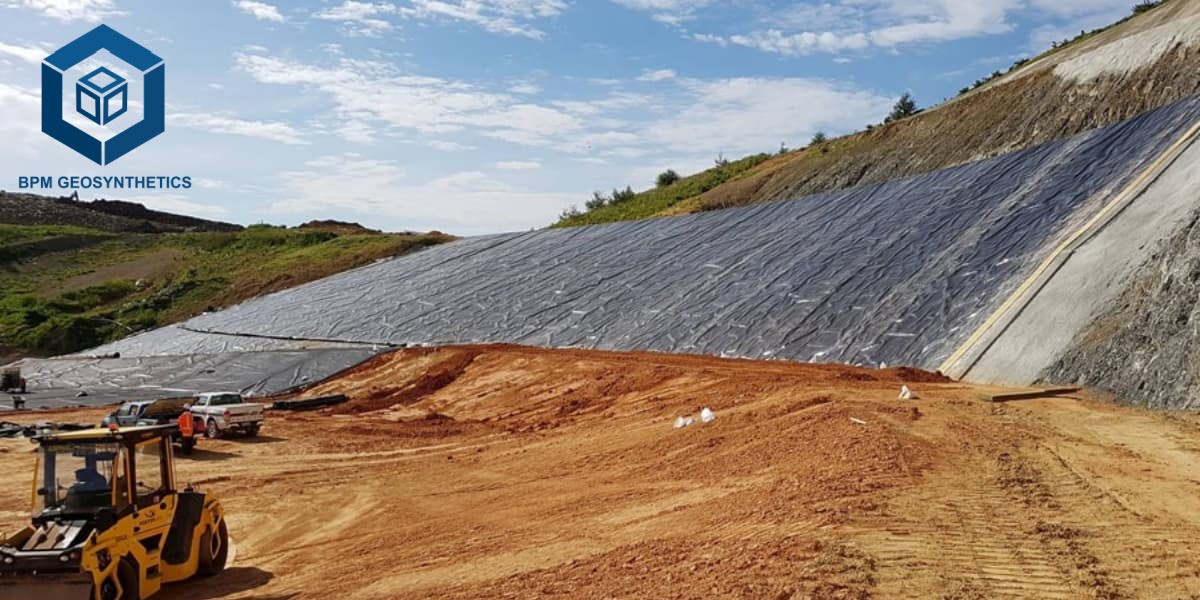
4. Earth Dam Liners Material System Options
Every earth dam project is different and so, faces distinct engineering challenges such as slope stability, subgrade conditions, water pressure and environmental exposure. Hence, picking the correct dam on liner system becomes essential for the safety and performance of the dam in the long run. We have various engineered material combinations at different site conditions.
4.1 HDPE Smooth Earth Dam Liners
HDPE smooth geomembrane remains a popular and cost-effective immersed lining material for earth dam work. It ensures a high level of impermeability while giving stable and long-lasting results under normal hydraulic conditions.
It forms a continuous sealing layer with extraordinary impermeability
Its smooth finish makes welding quite simple and installation rapid
It is a budget-friendly choice for vast reservoir projects
Supports most conventional earthwork and dam designs
It is chemically and environmentally stable, ensuring durability throughout its lifespan
- Ideal for: Regular irrigation ponds, water storage reservoirs, and earth dam projects that involve stable slopes and normal geotechnical.
4.2 HDPE Textured Earth Dam Liners
HDPE textured geomembrane is engineered for slope safety purposes where friction ability is the main focus. Its rough texture fosters more significant contact and resistance between the liner and the soil or geotextile layers.
The roughened surface provides a high-friction feature that helps keep the slope safe
Helps prevent the sliding or shifting of the liner on steep embankments
Upgrades the strength of the interface shear between soil and liner arrangement
Can be used in undulating terrain and high-angle slopes
It differs in sealing strength yet mechanical stability is heightened
- Ideal for: Earth dam slopes that are steep, embankments, unstable foundations, and other areas that need improved anti-slip capability.
4.3 Composite Earth Dam Liners System
The composite geomembrane system is a fusion of HDPE geomembrane and a nonwoven geotextile, resulting in a reinforced multifunctional barrier system.
Made impermeable while being resistant to punctures
Buffer effect by geotextile layer in short exposure to stones or uneven subgrade
In high mechanical stress conditions, the system can quite effectively raise the level of damage resistance
In installation or operations damages goes down
Upgrades the holistic stability of the system
- Ideal for: Rocky subgrades, high-stress construction zones, and projects that need mechanical protection as a bonus.
4.4 Geotextile + HDPE Liner Multi-Layer System
A multi-layer system of geotextile and HDPE geomembrane constitutes a major building block in a more durable advanced engineering solution for problematic sites.
Equip with a robust protective layer against punctures and deformation
Facilitate load equalization over irregular foundation surfaces
Promote drainage especially in areas with a risk of stress concentration
Result in longer durability for the overall system
Are perfect for infrastructure projects running over a long time under conditions that are very challenging
- Ideal for: Earthquake zones, highly unstable subgrades, environmentally sensitive areas, and high-tech water containment systems that are built for maximum durability.
5. Comparison of Earth Dam Liners and Traditional Waterproofing Methods
| Performance Factor | Earth Dam Liners | Clay Lining | Concrete Structure |
Seepage Control Efficiency | Very High | Medium | Medium |
Construction Speed | Fast | Slow | Slow |
Flexibility Under Settlement | Excellent | Poor | Poor |
Long-Term Maintenance | Low | High | High |
Crack Resistance | Strong | Weak | Medium |
Service Life | 20–50 years | 10–20 years | 15–30 years |
Key Market Advantage:
Faster construction + stronger waterproofing + lower long-term cost
6. Earth Dam Liners Application Scenarios
Nowadays earth dam liners are extensively being used in water conservancy, environmental protection, agriculture, and industrial containment sectors. Owing to their great flexibility, earth dam geomembrane liners can be effectively used in varied engineering scenarios from minute irrigation ponds to massive reservoirs and industrial waste containment systems.
6.1 Agricultural Irrigation Systems
Efficient water management for farming makes the reliable placement of water paramount in handling the irrigation of crops and in the agricultural calendars of farmers. Earth hdpe geomembrane sheet very effectively and fairly gradually open water supply by increasing water utilization efficiency.
Offer dependable water holding in the irrigation systems for agriculture
Drastically lessen seeping/losing water through rural canals and reservoirs
Bolster the availability of water throughout the year especially during the dry seasons
Encourage the effective use of water by farmers while planning irrigation
Lead to higher productivity in agricultural area and water conservation
- Benefit: Increased stored water, decreased wastewater quantity, and improved irrigation system reliability for farm.
6.2 Reservoir & Earth Dam Projects
Reservoirs and earth dams are the core application areas for geomembrane liner systems, requiring long-term structural stability and waterproof performance.
Act as the primary sealing layer in dam construction systems
Ensure long-term water retention with minimal seepage loss
Protect dam body from internal erosion and piping effects
Enhance overall hydraulic safety and structural integrity
Extend service life of reservoir infrastructure
- Value: Stable water storage system with improved dam safety and durability.
6.3 Aquaculture & Fish Farming
Water quality stability is critical in aquaculture systems, where leakage or contamination can directly affect production output.
Maintain a controlled and isolated aquatic environment
Prevent water leakage and external soil contamination
Improve fish growth conditions and survival rates
Reduce maintenance frequency and water replacement costs
Support intensive and large-scale aquaculture operations
- Value: Higher production efficiency and more stable aquaculture environment.
6.4 Mining & Industrial Containment
Mining and industrial operations often involve chemically aggressive liquids and environmental risks, requiring reliable containment systems.
Used in tailings ponds, leachate ponds, and wastewater storage systems
Provides a chemical-resistant barrier layer for hazardous materials
Prevents leakage of pollutants into surrounding soil and groundwater
Supports environmental compliance and safety regulations
Ensures long-term containment stability in harsh conditions
- Value: Strong environmental protection and reduced contamination risk.
6.5 Landscape & Artificial Lakes
In landscaping and urban water features, maintaining stable water levels and preventing seepage is essential for both function and aesthetics.
Ensures long-term stable water level maintenance
Prevents underground water loss and soil infiltration
Enhances visual quality of artificial lakes and decorative ponds
Reduces long-term maintenance and refilling costs
Suitable for parks, resorts, and urban development projects
- Value: Beautiful, stable, and low-maintenance water features.
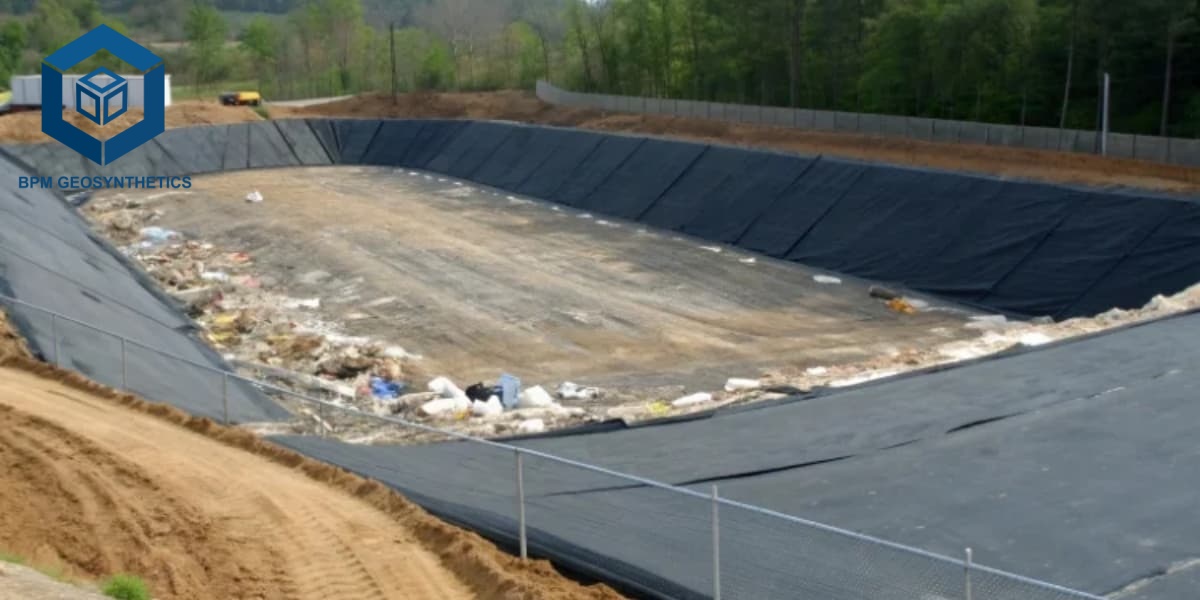
7. Earth Dam Liners Installation Quality Control System
Even premium dam liner materials require correct installation to achieve full performance.
7.1 Key Installation Steps:
Subgrade leveling and compaction
Removal of sharp stones and debris
Protective geotextile layer placement (if required)
Controlled liner deployment without stress damage
Professional welding (hot wedge / extrusion)
7.2 Quality Assurance / Quality Control (QA/QC):
Vacuum box testing for seam leakage
Air pressure testing for weld integrity
Destructive peel & shear testing
Spark testing for conductive liner systems
- Conclusion: Installation quality directly determines system lifespan and safety performance
8. Choose Our BPM Geosynthetics Earth Dam Liners
We focus not only on material supply, but also on engineering-level system support:
8.1 Manufacturing Advantages:
Factory-direct pricing model
Stable production capacity
Fast global delivery capability
Strict raw material selection
8.2 Engineering Support:
Project-specific liner design guidance
Thickness and structure customization
Installation technical recommendations
On-site QA/QC support (optional service)
8.3 Quality Standards:
Tensile strength testing
Puncture resistance testing
UV aging resistance testing
ISO / ASTM international compliance
9. Earth Dam Liners Frequently Asked Questions (FAQ)
Q1: What thickness of Earth Dam Liner should I choose?
The thickness depends on project type and stress conditions:
0.5–0.75mm: Small ponds, landscaping water bodies
1.0–1.5mm: Standard reservoirs and irrigation dams
1.5–2.0mm+: Mining, tailings ponds, high-stress projects
Thicker liners provide higher puncture resistance and longer service life.
Q2: Do Earth Dam Liners need protective layers?
In many cases, yes. For rough or rocky subgrades, it is recommended to use:
Geotextile underlay (cushion layer)
Sand bedding layer
Composite geomembrane system
This prevents puncture damage and improves long-term stability.
Q3: Can Earth Dam Liners be repaired if damaged?
Yes. Localized damage can be repaired using:
Patch welding
Extrusion welding reinforcement
Surface cleaning and re-sealing
Repairs are fast and do not require replacing the entire liner system.
Q4: What factors affect the final project cost?
The total cost depends on several key factors:
Liner thickness and material type
Project area size
Site condition (smooth or rocky subgrade)
Installation complexity (flat vs slope)
Transportation and logistics
Optimizing design early can significantly reduce overall project cost.
10. Call to Action
Looking for a reliable earth dam waterproofing solution?
We provide:
Free quotation support
Engineering solution design
Sample testing service
Full customization for large projects
Global shipping and project support
Contact us The Best Project Material Co., Ltd.(BPM Geosynthetics)today to build a safer, more durable, and more efficient water storage system with high-performance Earth Dam Liners.