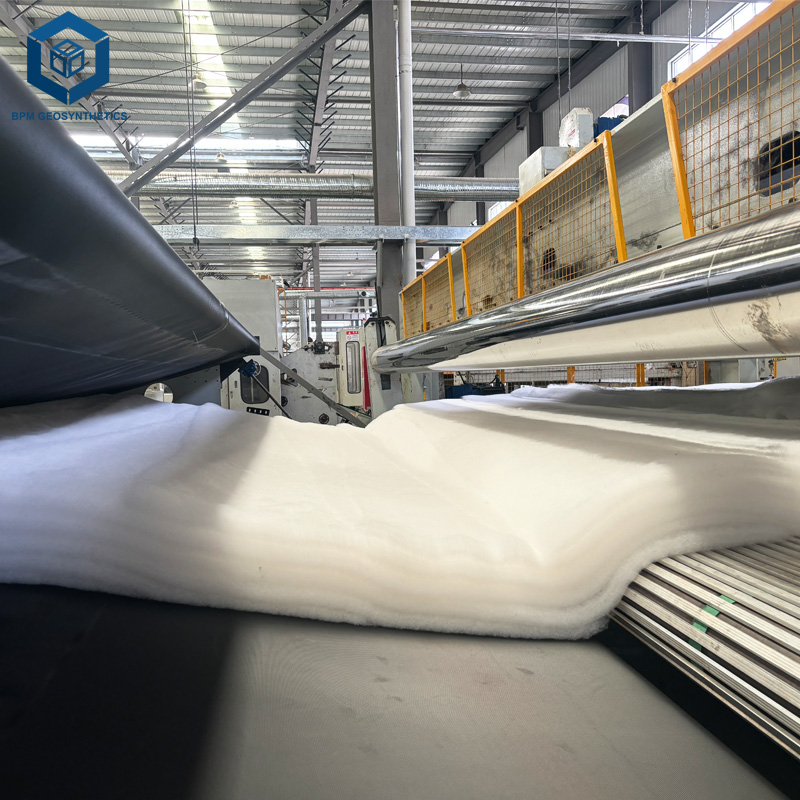
Geotextile 300g m2
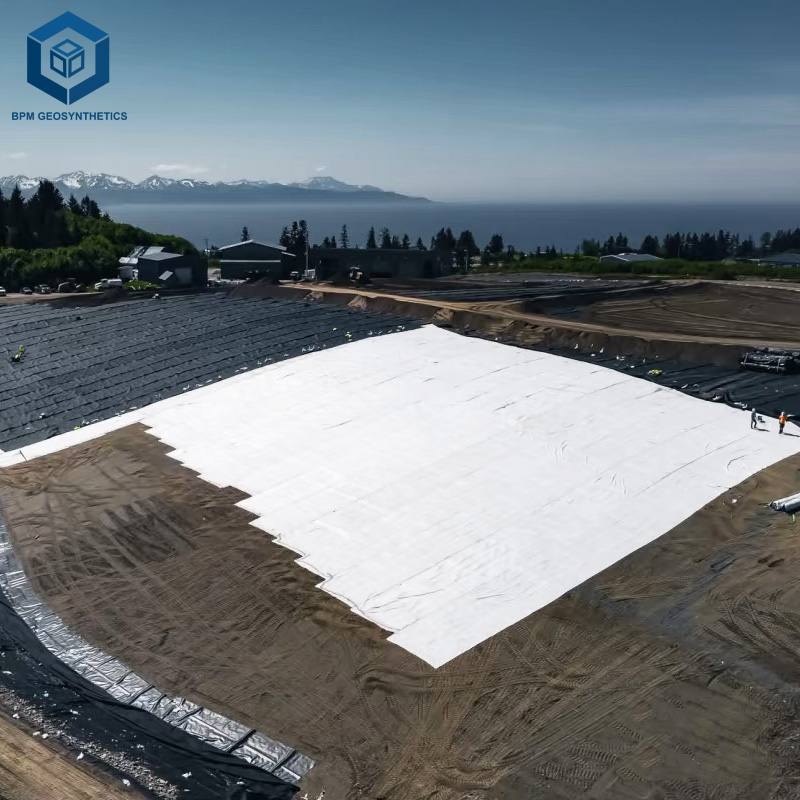
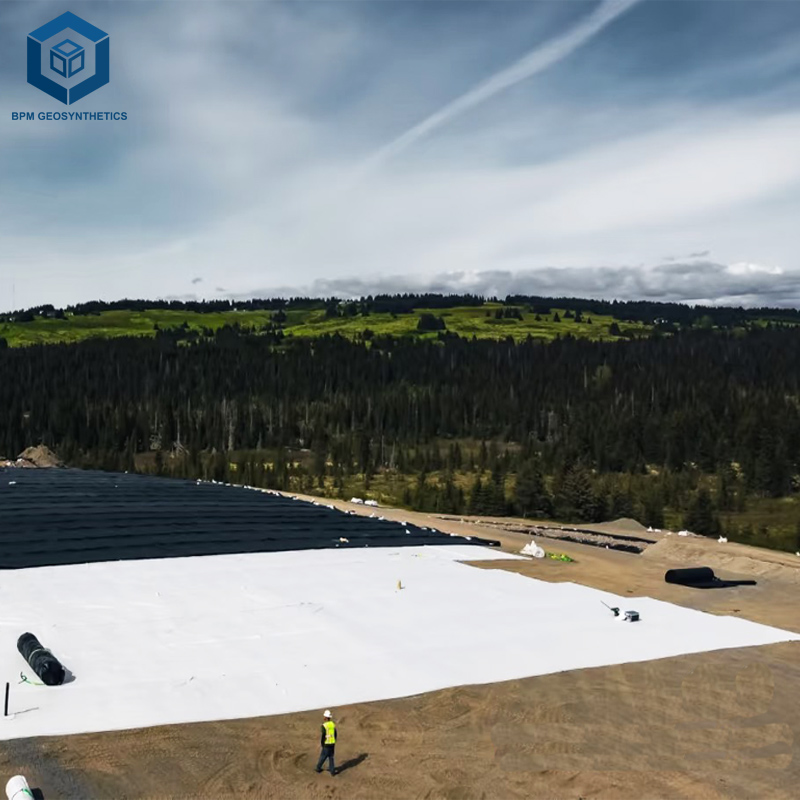
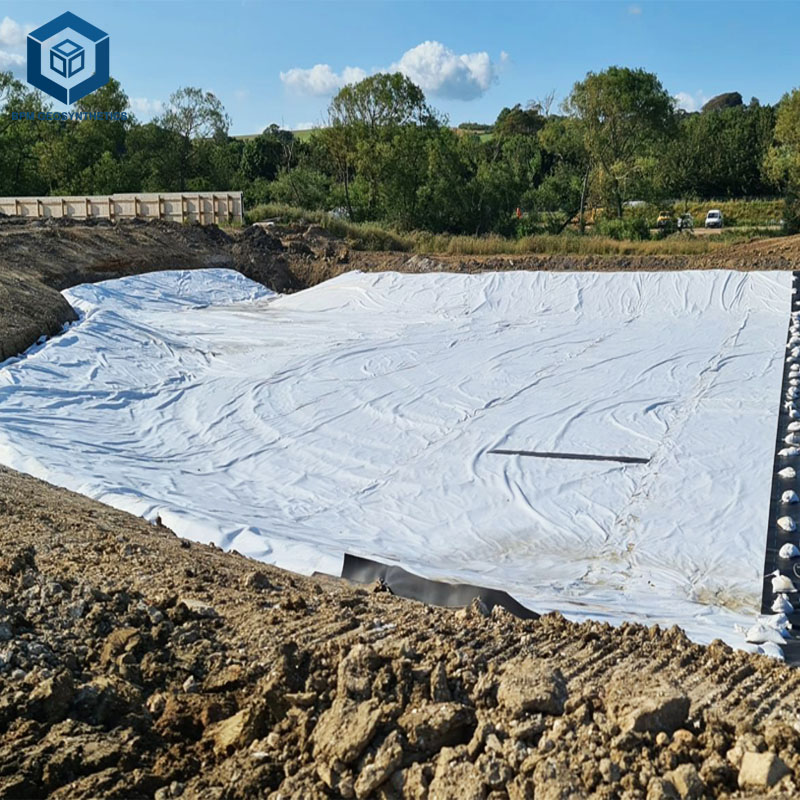
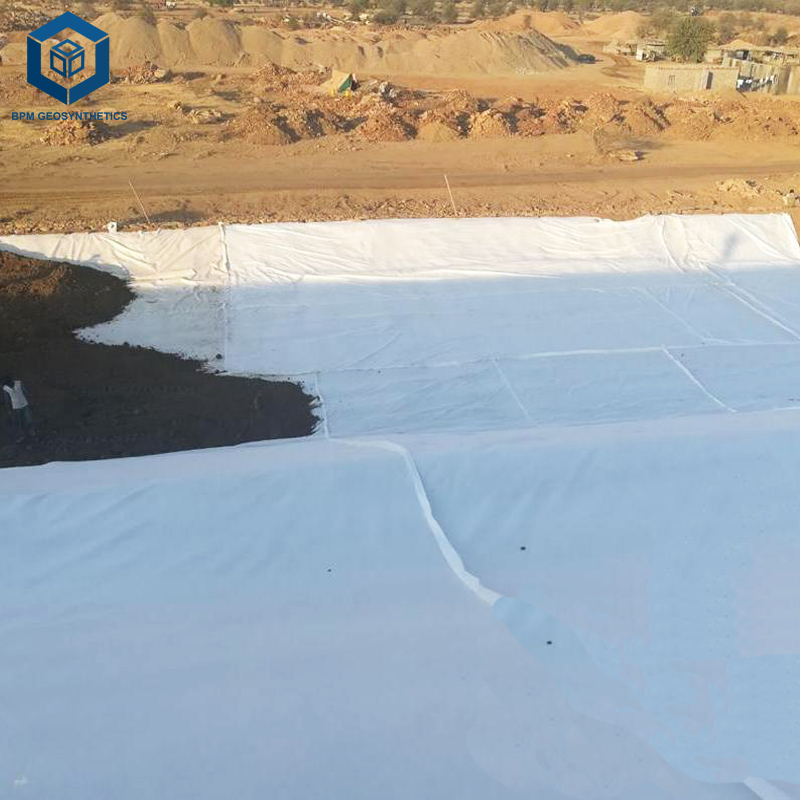
Geotextile 300g m2 is a medium-heavy non woven fabric used to stabilize soil, improve drainage, and prevent layer mixing. It is strong, flexible, and ideal for roads, landfills, and erosion control.
Strong and Durable – Higher strength than lightweight fabrics, suitable for long-term use
Excellent Filtration – Allows water to pass while keeping soil particles in place
Efficient Drainage – Helps reduce water buildup and improves soil stability
Good Separation – Prevents mixing of soil and aggregate layers
Easy Installation – Lightweight, flexible, and simple to handle on-site
Cost-Effective Solution – Ideal balance between performance and price
Geotextile 300g m2 is a reliable choice for engineers and contractors looking for a durable and efficient solution for soil stabilization and drainage projects.
Introduction
Geotextile 300g m2 is a kind of medium-to-heavy duty geosynthetic that is capable of withstanding very tough civil engineering and environmental challenges. It is made using 100% polypropylene (PP) or polyester (PET) by a needle-punched method. Some of its notable features are filtration, drainage, separation, and soil stabilization.
Besides the disadvantage of lower GSM fabrics, 300g/m² geotextile is able to deliver significantly greater strength and durability. It is the right choice for infrastructures that are intended to last long such as roads, railways, landfills, and hydraulic works. Still, it is more cost-effective and flexible than the heavy grades, so it can give you the right balance between performance and price.
1. What is Geotextile 300g m2?
“300g/m²” refers to the weight of the geotextile per square meter, indicating a medium-heavy specification suitable for engineering-grade applications.
This non woven geotextile is produced using needle-punched technology, forming a three-dimensional fiber network that delivers:
- High permeability
- Strong tensile resistance
- Excellent puncture resistance
- Flexible adaptation to uneven ground
It is widely used in projects requiring long-term soil stability and effective water management.
2. Geotextile 300g m2 Technical Specifications
- Material: PP / PET (Virgin fibers)
- Weight: 300g/m²
- Type: Needle-punched non woven geotextile
- Width: 1m – 8m (customizable)
- Length: Custom roll length available
- Tensile Strength: High (MD/CD optional specification)
- Elongation: High flexibility
- Permeability: Excellent
- Color: White / Black / Grey (custom available)
- UV Resistance: Available upon request
3. Geotextile 300g m2 Material & Structure
3.1 Material Options
3.1.1 100% Virgin Polypropylene (PP)
The chief component of geotextile 300 gr m2 is a high-strength PP fiber. It delivers high resistance to chemicals, durability, and stability for a long period of time in soil. Besides, it is also quite light in weight, strong and meets the requirements of a very majority of civil engineering projects.
3.1.2 Polyester (PET) Fiber (Optional)
In some cases, when a project demands not only higher creep resistance but also long-term load stability, PET fiber is also considered. Its role as a load-carrying reinforcement material embedded in geotechnical structures such as embankments and retaining walls is well documented.
3.2 Manufacturing Process
3.2.1 Needle-Punched Non Woven Technology
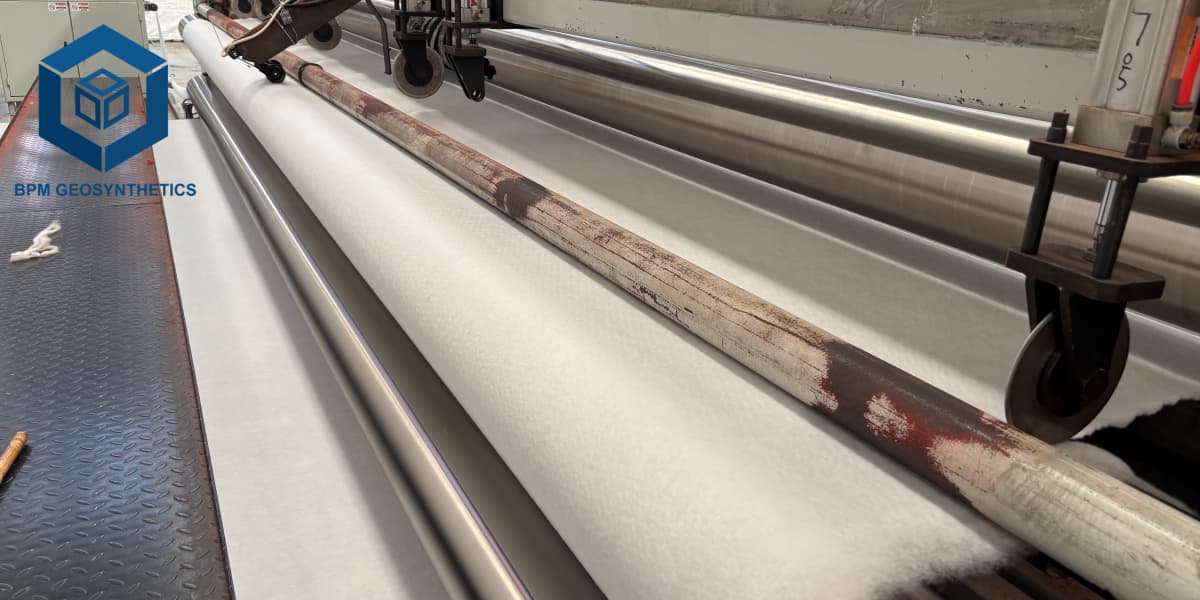
Fibers get mechanically bonded through needle punching so as to end up with a strong fabric. This approach yields a stable structure that has, among other things, good strength, flexibility, and water permeability even without the use of chemical adhesives.
3.3 Structural Features
3.3.1 Random Fiber Orientation for Multi-Directional Strength
By placing the fibers in a random, non-directional arrangement, the geotextile fabric is able to resist stresses coming from various directions. This feature significantly enhances its mechanical stability and makes it suitable even in the presence of variable and shifting ground conditions.
3.3.2 High Porosity for Efficient Drainage
With numerous interconnected pores contained within the internal structure, it is today a highly representatively that the fast water transmission and soil particles loss prevention occur simultaneously. This combination facilitates effective drainage, making geosystems less prone to hydrostatic pressure.
3.3.3 Soft Yet Durable Fabric Structure
Though the strength is quite high, the fabric geotextile still has a lot of good qualities such as the pliability and softness (it can, therefore, mold to forms such as hills, trenches, and embankments). Besides, this feature also endows the material with the property of full contact with the ground surface after installation.
3.3.4 Excellent Soil Retention Capability
The minute fiber structure efficiently holds onto soil particles, meanwhile, letting water flow. This equilibrium between permeability and soil retention results in the stabilized soil, prevention of erosion, and continuation of the effectiveness of the structures.
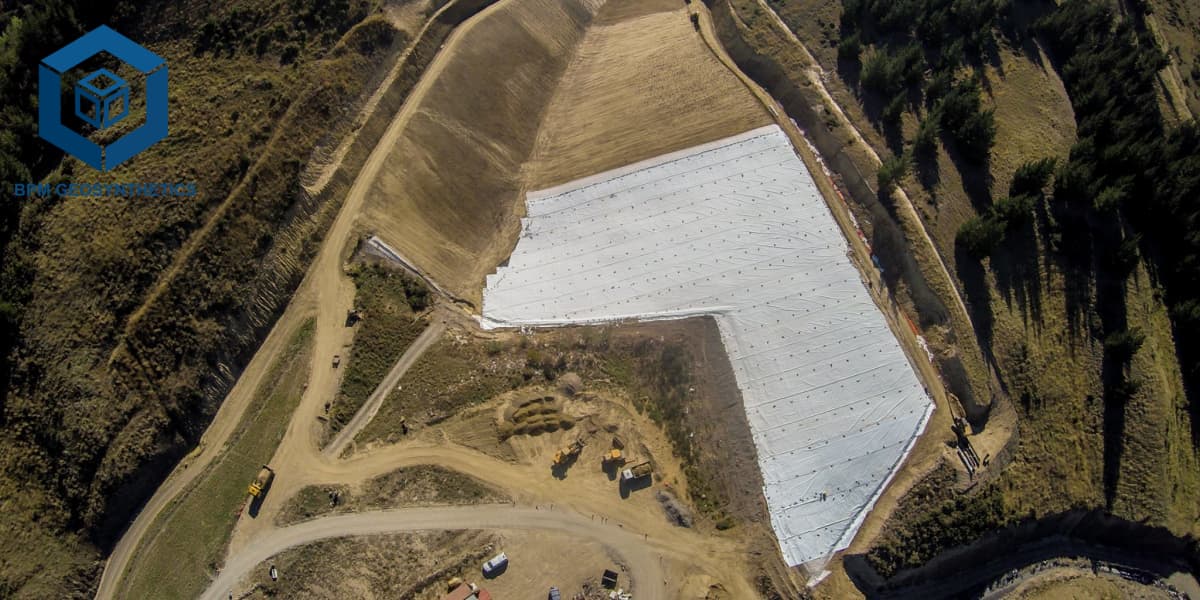
4. Geotextile 300g/m² Key Functions
4.1 Filtration
It permits water to flow but holds back soil particles. This is important while maintaining the soil's stability and ensuring the system's performance continues for a long time.
4.2 Drainage
It expedites the allocation and movement of water by providing a route that is always open. One of the signs of water weakening a structure that it will be freed of is the hydrostatic pressure.
4.3 Separation
Non woven geotextile fabric serves as a member between different layers in a construction such as subgrade soil and aggregate. This helps to keep a proper and organized structure of the layers and improves the overall durability of the pavement or foundation.
4.4 Soil Reinforcement
Geo fabric contributes to the mitigation of ground failures such as faults or cracks by distributing load stresses over a larger area of soil. Besides, it enhances stabilization by providing resistance to displacements and support in changes in the position of soils.
4.5 Erosion Control
Provides effective protection for slopes, riverbanks, and coastal areas by stabilizing soil particles. Non woven geotextile reduces soil loss caused by water flow, rainfall impact, or wave action, helping maintain long-term surface integrity.
5. Benefits of Using a Geotextile 300g m2
5.1 Balanced Strength and Affordability
300g/m² geotextile hits a sweet spot in terms of performance and price. It offers more strength than lighter fabrics but still costs less than heavy-duty options, thus is a perfect fit for a range of construction projects.
5.2 Excellent Longevity
Nonwoven geotextile fabric is made to withstand use for a long time and gives tough resistance against mechanical stress, soil load, and influence of the environment. This makes it possible for the geotextile to stay effective even under harsh conditions of a construction site.
5.3 Top-Notch Hydraulic Features
The geofabric material keeps a very good level of permeability to water and at the same time it retains the finest particles of the soil very effectively. This compromise makes it possible for a good flow of water and a solid structure of the soil to last over long periods.
5.4 Convenient Installation
Its soft and pliable nature means that it can be manipulated and laid with great ease, even when the landscapes are broken or have unusual shapes. This helps to cut down the installation time and increase the efficiency of the work at the location.
5.5 Engineering Multi-Purpose
Being a geotextile drainage fabric versatile enough to use in different constructions such as roads, railways, water drainage, and anti-erosion areas, is the main reason for its popularity in both civil and environmental engineering areas.
6. Difference from Other GSM Geotextiles
6.1 Compared to 200g/m²:
300g/m² geotextile has 3 times the tensile strength and larger load-bearing capacities. Besides being better suited for medium- and heavy-duty works, geotextile filter fabric also has a longer life span even in the case of roads and infrastructures that are subjected to more stress conditions.
6.2 Compared to 400g/m²:
Although 400g/m² geotextile is more robust and durable, 300g/m² presents a viable trade-off alternative by significantly reducing cost while maintaining the benefits of easy handling and installation. This would be suitable for engineering projects with medium load capacity levels where heavy-duty performance is not necessary and at the same time helps to keep the project cost low without compromising reliability.
6.3 Compared to woven geotextile:
300g/m² nonwoven fabric, unlike woven geotextiles, provides better filtration and drainage function as a result of its porous structure. Geo textile material is more flexible as well as better adapted to uneven ground conditions. Because of these, it is a very popular choice for drainage and environmental uses.
7. Benefits of Installing Geotextile 300g m2
7.1 Light and easy to transport
While geotextile 300g/m² still manages to give strong performance, it remains reasonably light compared to many traditional building materials. Hence it is easier to be loaded, unloaded, and transported to the work sites. Sending large quantities at a time can also be done well if logistics are handled efficiently.
7.2 Quick and easy cutting and installation
One of its many advantages is that geo fabric material can be cut with simple tools like scissors and knives. After the geotextile drainage is cut each time, there is very little fraying and the geotextile keeps its good shape and mechanical properties. In this way, the workers are able to do the installation in no time even if the project areas are complicated or have irregular shapes.
7.3 Packed for Fill Layers
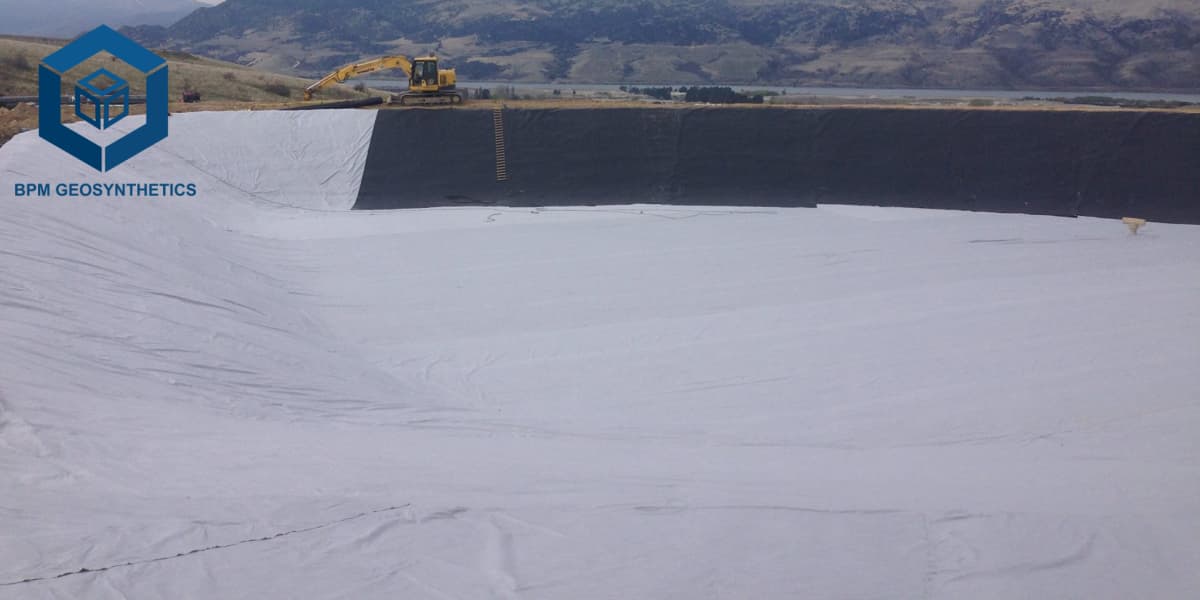
300g/m² geotextile fits the architecture of layers such as sand, gravel, and local soil very well. Geotextile fabric under gravel ensures that there will be a strong, stable interface between the different layers so that the separating, filtering, and reinforcing functions will be effective in the overall structure.
7.4 Decreased construction time and labor costs
With its handy nature and simple laying procedure, the non woven filter fabric material leads also to a considerable lowering of the manpower needed on-site. Installation can be finished faster and so the project duration is shortened and the whole construction costs are reduced as well.
7.5 Boosts project efficiency
By marrying simple installation, robust performance, and dependable soil stabilization, 300g/m² geotextile features as a triple-win: helping expedite project completion without jeopardizing engineering reliability or quality of the structure at the same time.
8. BPM Geosynthetics Quality Assurance & Manufacturing Strength
We apply rigorous quality control systems for manufacturing our geotextile fabrics to ensure reliable and consistent performance for every type of engineering projects:
8.1 High-tech Needle-punch Production Lines
BPM Geosynthetics owns a number of state-of-the-art needle-punch production lines through which the bonding of fibers is done evenly and a thoroughly a consistent fabric structure is maintained. With the help of this modern equipment, various factors such as thickness, weight, and strength can be controlled very precisely leading to a quality product that hardly varies from batch to batch.
8.2 Raw Material Selection is Very Stringent
In order to ensure the durability and performance of products over a period of time, we use only virgin polypropylene (PP) or polyester (PET) fibers of very high quality. Resistance to various types of degradation, such as chemical, biological, and environmental, is one of the important features of all the raw materials that we use which are carefully selected and inspected.
8.3 Testing of Quality is done at BPM Geosynthetics
Among the many tests that BPM Geosynthetics has set up to be able to conduct in-house at any time, there are the tests for tensile strength, elongation, puncture resistance, and permeability. Before dispatch, every batch has to pass the test to ensure that it is in compliance with the engineering specifications.
8.4 Continuous Mass Production Capacity
BPM Geosynthetics is well furnished with a strong manufacturing capacity that can not only cater to large scale orders but also customized orders very efficiently. Our production system is capable of ensuring delivery time and product quality consistency for projects worldwide.
8.5 Geotextile Products Manufactured by Us Meet International Standards
Non woven geotextile drainage fabric products of ours can be produced to meet international standards such as ISO and ASTM as well. Testing and certification by third parties can also be arranged for meeting certain specific requirements of a project.
We guarantee that each of the rolled geotextile fabrics will provide dependable engineering performance as well as long-term reliability for your projects.
9. What are the Advantages of Choosing BPM Geosynthetics Geotextile Fabric?
The advantage of factory-direct pricing for better competitiveness
Stable and consistent product quality
Ability to provide custom built specifications for different projects
Have strongly and widely exported all over the world
Capability for production and delivery very fast
Professional technical support engineering design
Providing durable and cost-effective geosynthetic solutions for modern infrastructure and environmental protection projects is a commitment of BPM Geosynthetics.
10. Geotextile 300g m2 FAQ
Q1: What is geotextile 300g m2 used for?
It is commonly used for drainage, soil separation, reinforcement, filtration, and erosion control in civil engineering projects.
Q2: Is geotextile 300g m2 suitable for road construction?
Yes, it is widely used in road base stabilization and subgrade reinforcement for medium to heavy traffic conditions.
Q3: What is the difference between woven and non woven geotextile?
Non woven geotextile offers better drainage and filtration, while woven geotextile provides higher tensile strength and lower elongation.
Q4: Can the size be customized?
Yes, width, length, and roll specifications can be customized according to project requirements.
Q5: How long does geotextile last?
When properly installed, it can last many years depending on soil conditions and environmental exposure.
11. Get a Quote Today
Looking for a reliable geotextile 300g m2 supplier?
Contact BPM Geosynthetics for:
- Free quotation
- Technical data support
- Sample availability
- Customized engineering solutions
The Best Project Material Co., Ltd.(BPM Geosynthetics) are ready to support your infrastructure project with high-performance geotextile materials.