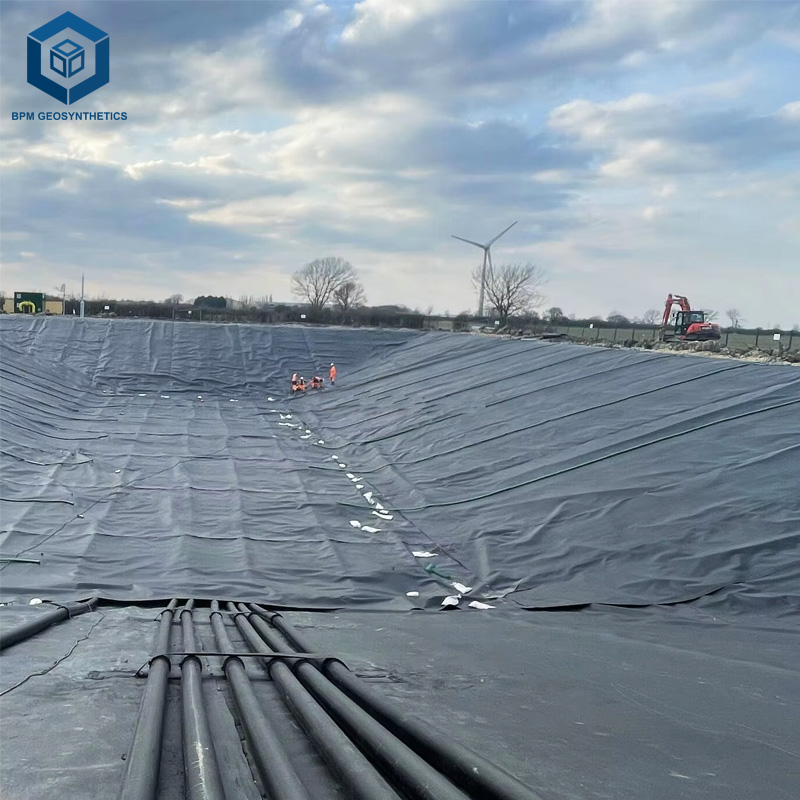
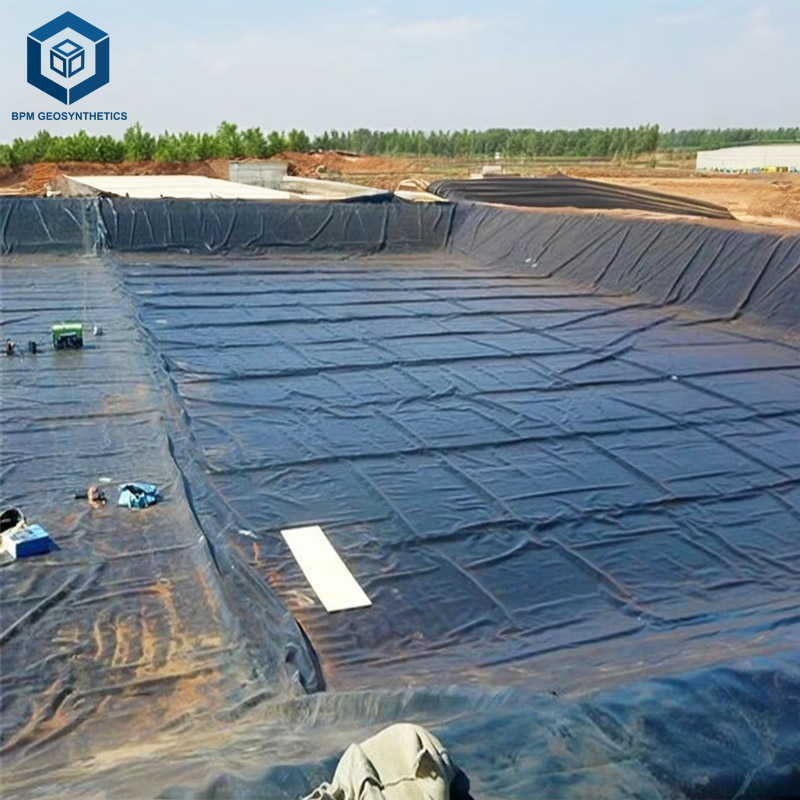
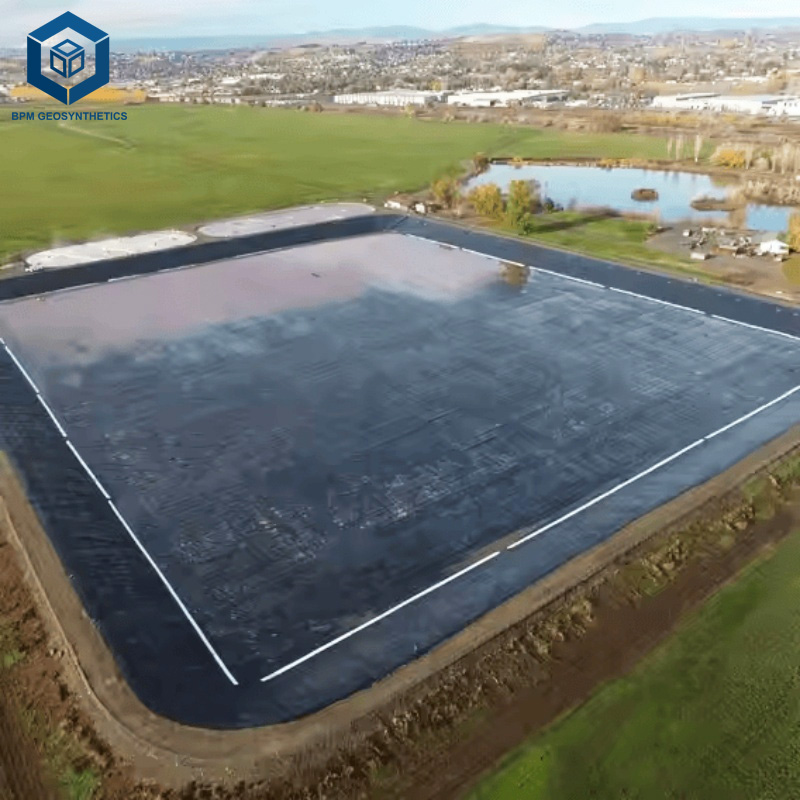
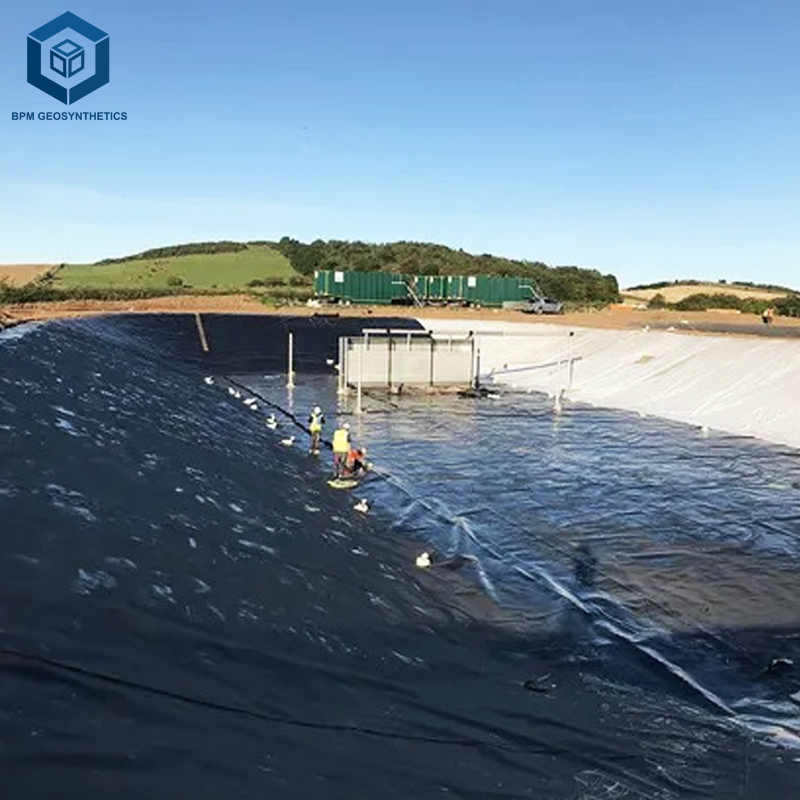
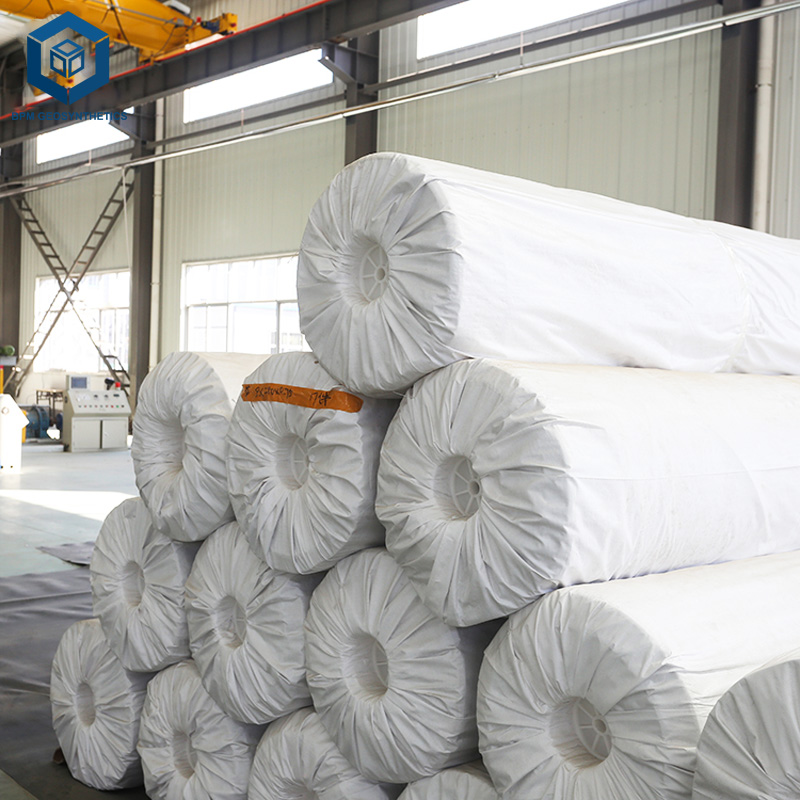
Geomembrane Lining
Geomembrane Lining is a durable, impermeable synthetic membrane designed for superior fluid containment and environmental protection. It is widely used in civil engineering, mining, agriculture, and waste management projects.
- Excellent waterproof and anti-seepage performance
- High chemical and UV resistance for long-term durability
- Strong tensile strength and puncture resistance
- Flexible, easy to install on various surfaces
- Cost-effective solution for large-scale lining systems
Reliable, efficient, and engineered for long-lasting protection — Geomembrane Lining is the trusted choice for modern containment projects.
1. Introduction
Geomembrane lining is considered one of most effective and popular methods anti-seepage, waterproofing and containment in modern civil and environmental engineering. The demand for dependable and durable containment systems is constantly growing and therefore supply of high-quality geomembrane liners have become a necessity in such industries as landfill management, mining, water conservation and agriculture.
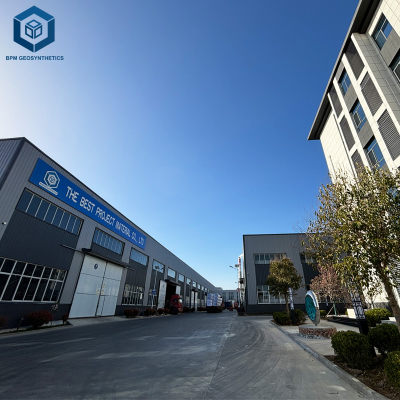
The Best Project Material Co., Ltd.(BPM Geosynthetics), as the top producer of geomembrane lining, offers high-quality geomembrane lining products capable of enhancing the performance, durability and cost efficiency of various applications worldwide.
2. Geomembrane Lining Product Introduction
Geomembrane lining is a water-resistant plastic sheet that can be made up of different types of polymer materials, such as HDPE (High-Density Polyethylene), LDPE (Low-Density Polyethylene) or LLDPE. It is designed to establish a totally enclosed barrier for preventing any leakage of liquids or gases into soil and groundwater outside the barrir.
In case of using geomembrane lining relative traditional materials such as compacted clay or concrete a user would get benefits including:
- The material is not only lightweight but also highly flexible.
- The product depicts an outstanding chemical resistance.
- The installing operation requiring time and labor is greatly reduced.
- The impermeability level performed by the product is higher than that by any other materials.
Therefore it is not surprising that geomembrane liner become a first option for new structures and environmental protection works.
3. Main Benefits of BPM Geomembrane Lining
3.1 Exceptional Impermeability
BPM Geosynthetics geomembrane lining is one of the most effective materials against leakage of liquids or gases forming a sealing layer that even cannot be detected visually. Hence this significantly anti-seepage function of the geomembrane hdpe liners can aid in the containment of the contaminants thus prohibiting pollution of soil and groundwater. Even if the geomembrane is subjected to a high level of pressure or after a period of time, the sealing performance of BPM geomembrane remains unchanged thus they are suitable for the most critical containment applications such as landfills, reservoirs and industrial ponds.
3.2 Outstanding Chemical Resistance
Geomembranes are the result of hard work and dedication and has passed through numerous tests under chemically aggressive environments. The material is able to cope with very strong acids and alkalis, high concentrations of salts and even with hazardous industrial chemicals. Such attributes of the material are the reason why it is being used at the mining heap leach pads, tailings storage facilities and hazardous waste containment systems. Also, the chemical stability of the hdpe geomembrane liner material guarantees a long chain of durability without breaking down even when it comes into contact with corrosive substances.
3.3 High Tensile Strength and Durability
BPM impermeable geomembrane have been made by polymer processing technology that is on the level of most advanced ones and thus these liners possess such features as high tensile strength, elongation and being resistant to puncture. It is these features that will help the liner to accommodate to the irregular or moving subgrades without causing the damage of the liners in form of cracking or tearing. Installation of the liners on rough terrain or even under heavy loads the impermeable geomembrane liner is expected to hold on the level of structural integrity the closest to that one existing one thus failure risk gets reduced and reliability for long-term becomes the criteria that matters most in the regard to demanding engineering conditions.
3.4 Long Service Life
Since the lining is made of only high-quality primary ingredients incorporated with UV stabilizers it is resistant to aging, oxidation and environmental degradation. High density polyethylene geomembrane resists being broken down by sun light for long periods of time, temperature cycles and extreme weather conditions and does not lose the main features. Hence, BPM geo membranes can have their operating lifetime extended beyond 10–20 years, which leads to significantly lower maintenance costs and sustainable project performance.
3.5 Cost-Effective Installation
One major benefit of using geomembrane sheet is how simple it is to put in. The product is light in weight and pliable, while being able to be deployed rapidly with highly productive welding methods such as hot wedge or extrusion welding. This has the effect of lessening the time devoted to installation and lowering labor costs vis-à-vis conventional materials like concrete or clay liners. Having fewer seams due to the use of wide roll widths, is another factor that contributes even more to installation efficiency and the least possible potential leakage points.
3.6 BPM Geosynthetics Differentiation Advantages
BPM Geosynthetics is recognized as a reliable global manufacturer, not only by the quality of its products but also by the advantages it provides:
- Advanced Production Technology: With the best and most modern manufacturing lines, BPM Geosynthetics guarantees a steady quality of products and great efficiency in production.
- Strict Quality Control System: Testing of all products made of geomembrane liner is done according to international standards like ASTM and GRI, so that the products are dependable and compliant.
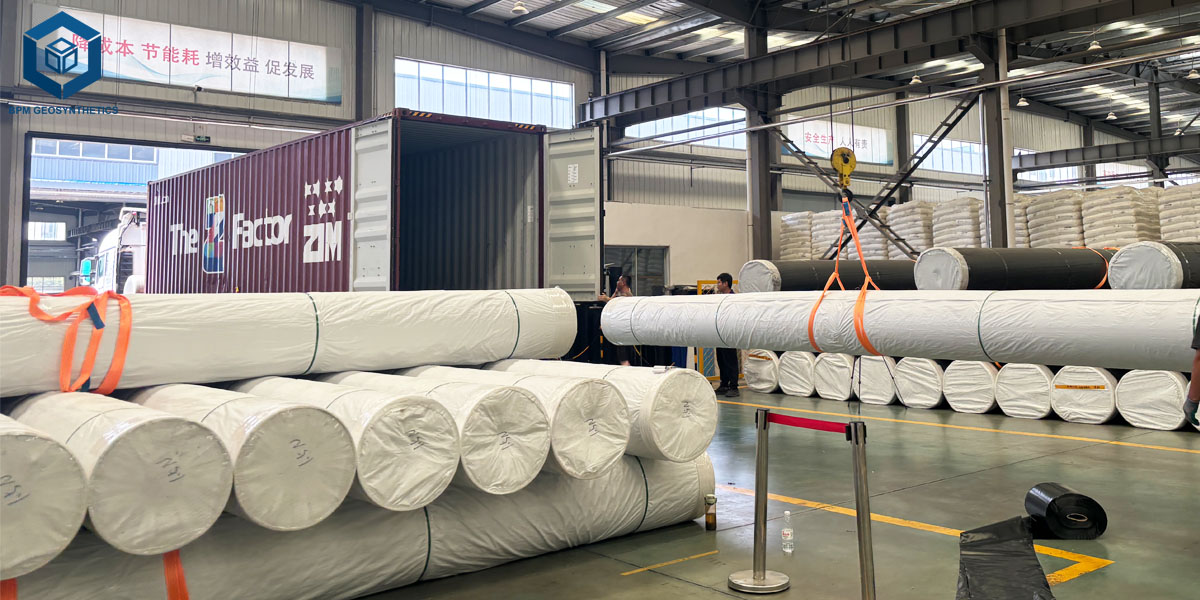
- Global Export Experience: BPM Geosynthetics has been able to supply geomembrane solutions to more than 100 countries successfully and very much continues demonstrating its capabilities essentially for international projects.
- One-Stop Service Solution: Material production, project design, consultation, and installation guidance — BPM Geosynthetics supplies comprehensive technical support across the whole lifespan of the project.
- Strong R&D and Customization: BPM Geosynthetics is always looking for and putting efforts in research and development to provide customized geomembrane solutions that are exactly tailored to the requirements of specific projects.
4. Geomembrane Lining Product Specifications and Types
4.1 Material Types
We offer geomembrane lining in a wide range of high-performance polymer materials, allowing us to satisfy different engineering needs. Every composition has features that differentiate it and abilities that make it perfectly suitable for certain tasks:
4.1.1 HDPE Geomembrane Lining (High-Density Polyethylene):
This type is by far the one most prevalently used. Geo membrane sheet is very resilient, capable of withstanding harsh chemicals, and structurally strong. That is why HDPE geomembranes are best for primary containment of landfills, mining projects, and water retention systems with a very long life and where high stability is of utmost importance.
4.1.2 LDPE Geomembrane Lining (Low-Density Polyethylene):
The main reason for choosing LDPE geomembrane is the greater flexibility and ability to offer varous textures. They are used to line the irregular or complex surfaces, very often in agricultural ponds, small reservoirs, and secondary containment systems.
4.1.3 LLDPE Geomembrane Lining (Linear Low-Density Polyethylene):
Compared to HDPE, LLDPE geomembrane material provides much better elongation and flexibility, which makes it more suitable to fit ground movement and deformation. That is why this kind of application is the most common one for landfill caps and other systems lining uneven terrains.
4.2 Thickness Range
BPM Geosynthetics is capable of providing a large variety of membrane liners thicknesses for different design engineering requirements and also for meeting different safety standards.
- Thickness range: From as low as 0.2 mm to as high as 3.0 mm, thereby catering to light to heavy-duty applications.
- Typical specifications: 0.5 mm, 1.0 mm, 1.5 mm and 2.0 mm are very much the standbys of projects related to environmental protection, mining, and water storage.
Thicker geomembranes are much more resilient to punctures and more durable, on the other hand, thinner ones are more flexible and cost-efficient depending on the type of project.
4.3 Surface Types
In order to satisfy different friction and stability demands, BPM geomembrane liners come in two main types of surfaces:
4.3.1 Smooth Geomembrane:
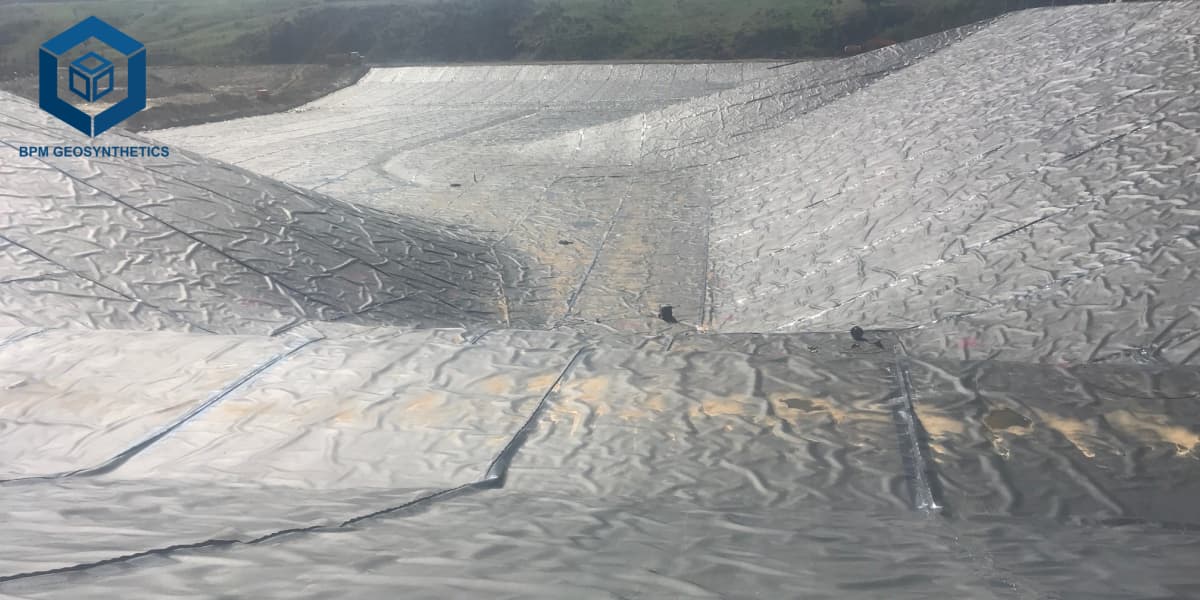
This is the type mostly referred to as a standard, and it has a surface that is flat. Smooth geomembrane is predominantly used in flat or low-slope applications such as ponds, tanks, and landfill bases. It offers excellent sealing performance and easy installation.
4.3.2 Textured Geomembrane:
The rough texture on one side of the geomembrane enhances the grip between the liner and the surrounding soil or geotextile layers. This feature makes it particularly ideal for steep slope situations like landfill side slopes, mining heap leach pads, and areas prone to erosion, where a higher level of stability is necessary.
4.4 Width and Roll Length
BPM geomembrane lining rolls are made with dimensions that not only facilitate faster installation but also lead to lower overall construction expenses through minimal wastage and reduced seam welding.
- Width: as wide as 8 meters, which means a great extent of the area can be covered with one sheet and the number of seams to be welded on site will be drastically reduced. Having fewer seams also contributes to less installation time and lower chances of leakage.
- Roll Length: can be tailored exactly to the size of the project, thus aiding contractors to minimize the waste of materials and at the same time increase the efficiency of their work on the spot.
Thanks to this versatile ability to change production sizes BPM impermeable geomembrane is suitable for both small-scale projects and massive, industrial units.
5. Applications of Geomembrane Lining
5.1 Environmental Engineering
The role of hdpe impermeable liner in today's environmental conservation projects is very significant as it acts as a barrier to avoid the leakage and contamination of the soil and groundwater.
5.1.1 Landfill Liner Systems:
As the main barrier in municipal solid waste landfills, geomembranes efficiently stop leachate from escaping into the environment thereby meeting environmental standards and securing the site for the future.
5.1.2 Wastewater Treatment Ponds:
These polyethylene geomembrane have been successfully implemented to cover ponds and basins of wastewater treatment factories so that the water released from them does not cause any pollution of the soil or water bodies around.
5.1.3 Hazardous Waste Containment:
Geomembrane in HDPE act as the last layer of defense in keeping buried industrial waste safe thus preventing the need for hazardous chemical exposure and lowering the chances hazards to both people and the environment.
5.2 Mining Industry
Because the mining sector is known for turning out activities that involve strong chemicals, usage of very durable and chemical-resistant liners like geomembranes has become a must for mining companies.
5.2.1 Heap Leach Pads:
In mining, geomembranes deliver the necessary hygiene and safety levels by separating heap leach piles from the ground. These liners not only help with collecting and controlling the chemical solutions used in extraction but prevent the contamination of the soil as well.
5.2.2 Tailings Storage Facilities:
Tailings dams rely heavily on geomembranes to contain the waste materials derived from the mining process and also to avert the pollution that can be caused by seepage and structural failure of the dams that support ecosystems nearby.
5.2.3 Chemical Containment Systems:
Metallurgy involves very aggressive chemical processes that need to be kept under very tight control especially at the stage of ore processing where a lot of acidic and alkaline solutions are used. Geomembranes offer dependable containment in these situations.
5.3 Water Conservancy Projects
Water management projects in general make use of geomembrane linings very extensively as a way of increasing storage capacity and cutting down water loss.
5.3.1 Reservoir Lining:
The use of geomembrane material in reservoirs can almost eliminate seepage losses which is very beneficial in maintaining stable water levels as well as enhancing water conservation effectiveness.
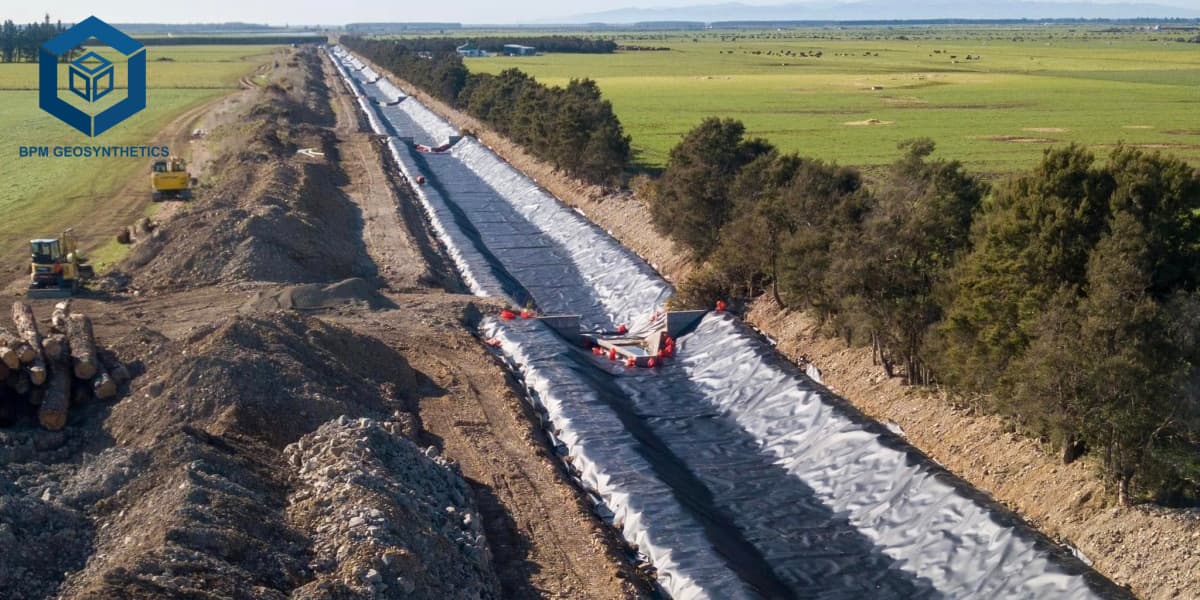
5.3.2 Canal and Irrigation Systems:
Irrigation channels lined with geomembranes ensure that water does not get into the soil thereby leading to efficient water distribution to the fields and to reduce water wastage at the same time.
5.3.3 Dam Seepage Control:
Commonly, these geomembrane solutions are incorporated in dams either at the time of construction or during rehabilitation especially to control seepage, to increase the safety of the structures, and to give the hydraulic structures a longer life.
5.4 Agricultural Applications
Geomembrane lining has become a favorite option in agriculture as it is a cheap and efficient way of regulating water storage and also an excellent feature for aquaculture systems.
5.4.1 Fish and Shrimp Ponds:
Geomembranes offer the means to create an ideal environment for fish and shrimp farming. They safeguard the water and also prevent contamination from soil while contributing to the increase of productivity and earnings.
5.4.2 Irrigation Reservoirs:
Used for storing irrigation water, geomembrane waterproofing help farmers maintain a stable water supply, especially in regions with scanty rainfall or high evaporation rates.
5.4.3 Water Storage Systems:
Perfect for rural and agricultural water storage projects, hdpe liner material guarantee water retention over the long term and a reduction in the costs of maintenance.
- Overall Performance Advantage
In each of these instances, BPM geomembrane lining has delivered steady performance level with regard to anti-seepage protection, safety to environment, and long lasting capability of the material. Its multiple uses make it the solution most preferred by the providers of a wide range of environmental, industrial, water conservancy, and agricultural engineering projects throughout the world.
6. Geomembrane Lining Project Case Studies
BPM Geosynthetics geomembrane lining has been implemented extensively in various major engineering projects worldwide. Here are some of the actual applications where the product’s performance, durability, and excellent anti-seepage ability have been proven under different environmental and operational conditions.
6.1 Large-Scale Landfill Containment Systems
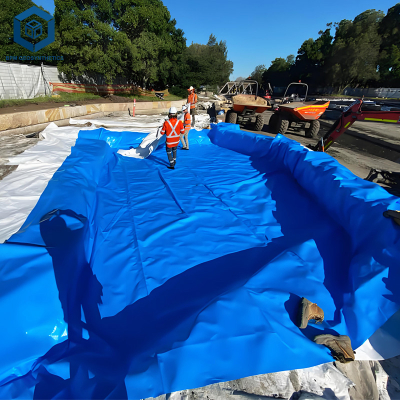
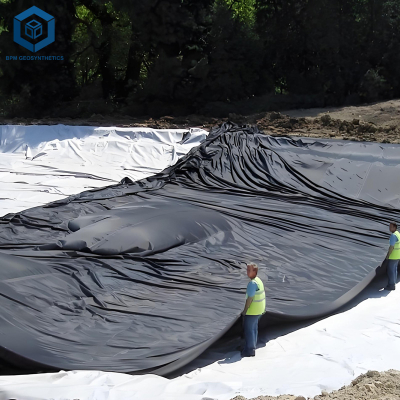
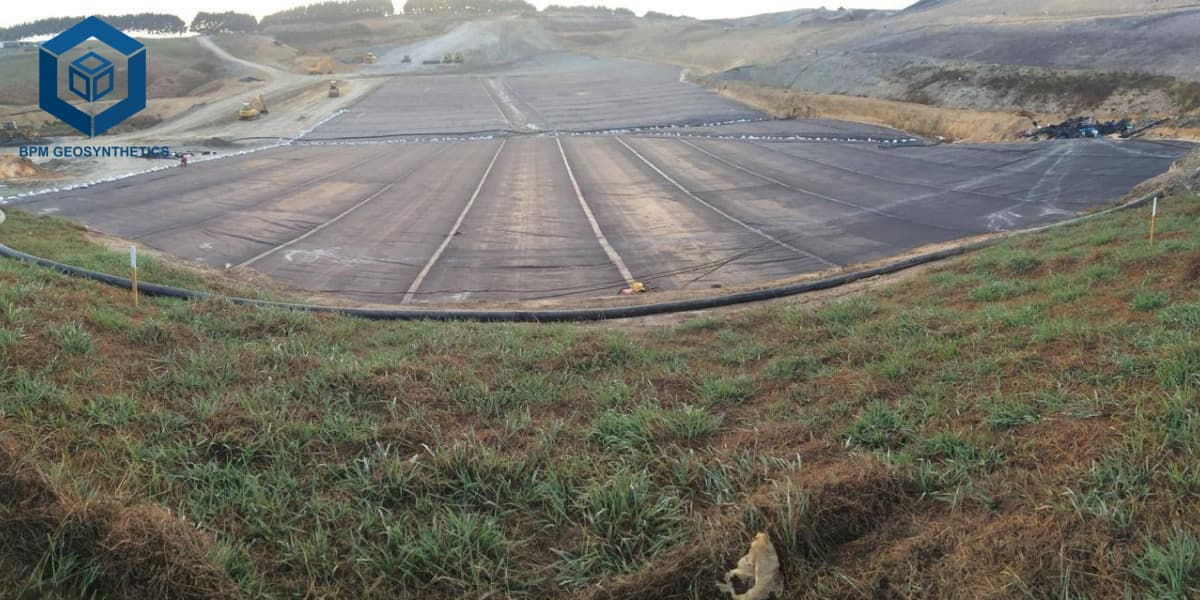
BPM geomembrane liner landfill is an ideal choice for meshing municipal solid waste landfill projects with top-notch containment barriers. In these projects, the geomembrane performs as the main liner system to restrict the leakage of leachate into the surrounding soil and groundwater.
With correct installation and welding, geomembrane lining provides long-term environmental safety, aiding the landfill operators in adhering to tough regulatory standards and reducing risks from long-term maintenance.
6.2 Mining Tailings and Heap Leach Projects
Where mining is the key, BPM geomembrane liners are found in the tailings storage facilities as well as in the heap leach pads where chemical resistance and mechanical strength pose a challenge.
The geomembrane successfully separates the toxic mining waste and chemical solutions from the natural environment, thus preventing the pollution of soil and groundwater. Its high tensile strength and puncture resistance make it a dependable material even when subjected to heavy loads and aggressive chemical exposure.
6.3 Agricultural Water Storage Solutions
BPM geomembrane lining is one of the favored measures for water storage systems in agriculture such as irrigation reservoirs, fish ponds, and aquaculture facilities.
There is less water seeping, water retention efficiency is higher, and environmental control is better. Farmers and operators will be able to obtain production results with less variation while at the same time shrink water losses and operational costs.
6.4 Water Conservancy and Reservoir Projects
BPM geomembranes in water conservancy engineering are commonly used to line reservoirs, to build canal systems, as well as to prevent seepage in dam projects. Through these efforts, usages of water resources in these areas have been increased, and the safety of structures over a long time of continuous operation has been assured.
By mainly helping manage water with care and improve performances of the water infrastructure, BPM geomembrane lining is a great contributor to the community.
6.5 Industrial and Chemical Containment Systems
Equally BPM geomembranes find a use in industrial containment zones where hazardous liquids or chemical substances have to be kept isolated with the highest levels of security.
Such uses require high degrees of chemical resistance as well as long-term durability, conditions which BPM’s advanced HDPE geomembrane systems comply with, thus enabling a safe operation in the industrial environments that are often rather challenging.
6.6 Overall Performance Proven in Global Projects
In all the categories of these projects, BPM geomembrane lining has delivered remarkable performance in:
- Being durable even under difficult conditions
- Having a great ability to prevent leakage and contain
- Showing a high level of chemical resistance and environmental stress
- Reliable installation performance in large-scale engineering projects
With successful applications in more than 100 countries, BPM Geosynthetics continues to be a trusted global supplier of high-quality geomembrane lining solutions.
7. Geomembrane Lining Frequently Asked Questions (FAQ)
Q1: How long does geomembrane lining last?
High-quality geomembranes can last over 10–20 years depending on environmental conditions and installation quality.
Q2: How to choose the right thickness?
Thickness depends on application type, load conditions, and environmental exposure. BPM provides professional recommendations.
Q3: Can geomembranes be customized?
Yes, BPM Geosynthetics offers customized sizes, thicknesses, and surface types based on project requirements.
Q4: Is installation complicated?
With proper equipment and guidance, installation is efficient and cost-effective.
Conclusion and Call to Action
Geomembrane lining is a critical component in modern containment and environmental protection systems. With its superior impermeability, durability, and cost-effectiveness, it has become the preferred solution across multiple industries.
The Best Project Material Co., Ltd.(BPM Geosynthetics) is your trusted partner for high-quality geomembrane lining products and professional technical support.
Contact BPM Geosynthetics today to get:
- Free product consultation
- Customized solutions
- Competitive quotation