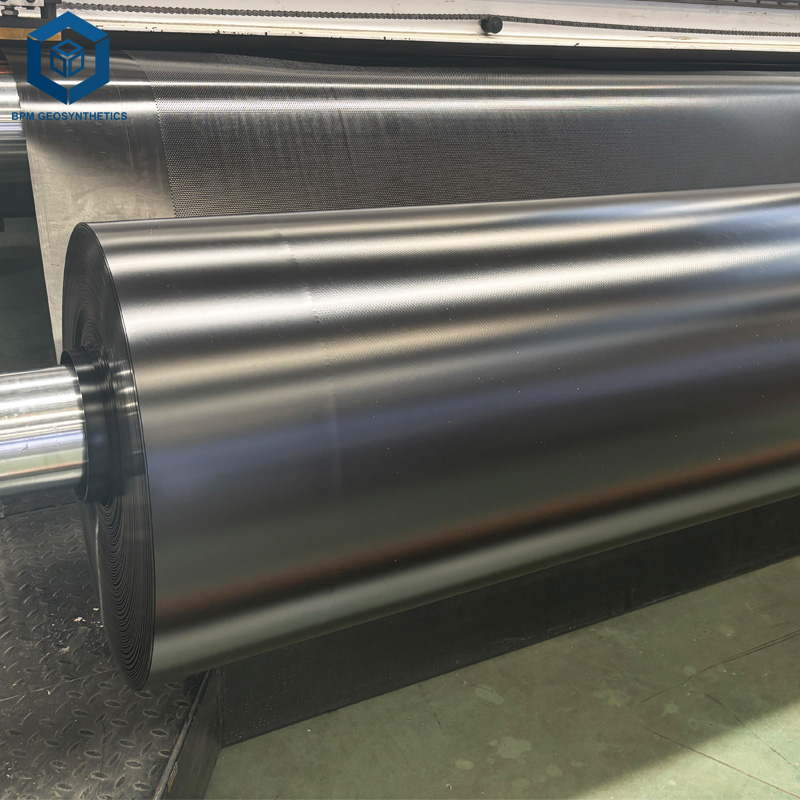
HDPE Liner 1.5 mm
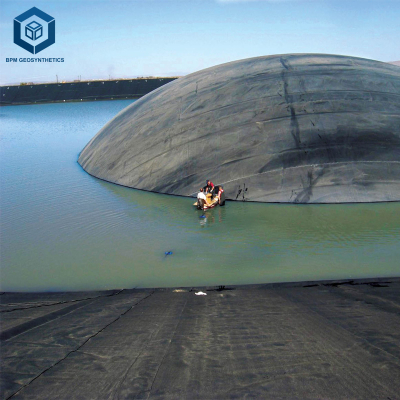
Engineered from 100% virgin high-density polyethylene (HDPE) resin with premium carbon black, our HDPE liner 1.5 mm offers the ultimate balance of superior puncture resistance, chemical immunity, and seamless field weldability. Designed for extreme durability, it delivers over 30 years of reliable leak-proof containment in heavy-duty environmental and industrial projects.
- 100% Virgin Material: Zero recycled content—eliminates stress cracking and premature degradation.
- Superior Mechanical Strength: Outstanding puncture and tear resistance with an elongation at break of > 700%.
- Universal Chemical Shield: Highly resistant to harsh chemicals, acids, alkalis, and toxic landfill leachates.
- Harsh Weather & UV Proof: Formulated with 2%–2.5% carbon black for long-term outdoor exposure without cracking.
- Contractor-Friendly Welding: Optimized melt flow index guarantees rapid, high-strength dual-track thermal welding.
- Global Standard Compliant: Exceeds GRI-GM13 specifications with ISO and CE quality certifications.
1. Introduction to HDPE Liner 1.5 mm
Engineered for Maximum Containment. Built for 30+ Years of Zero Leakage.
Upgrade your civil, environmental, and industrial projects with our 1.5mm (60 mil) High-Density Polyethylene (HDPE) Geomembrane Liner. Manufactured from 100% virgin HDPE resin with premium carbon black, this HDPE liner 1.5 mm combines outstanding tensile strength, puncture resistance, and chemical immunity—delivering the ultimate barrier against fluid migration.
1.1 HDPE Liner 1.5 mm Quick Specifications Snapshot
- Thickness: 1.5 mm / 60 mil (±5%)
- Material: 100% Virgin HDPE Resin (Zero Recycled Content)
- Standard Compliance: Exceeds GRI-GM13 & ISO 9001 / CE Standards
- Roll Dimensions: 5.8m / 7.0m / 8.0m / 10.0m Width × Customized Lengths
- Design Life: 10+ years exposed UV exposure | 30–50+ years buried
2. Advantages of HDPE liner 1.5 mm Compared with Other Thicknesses
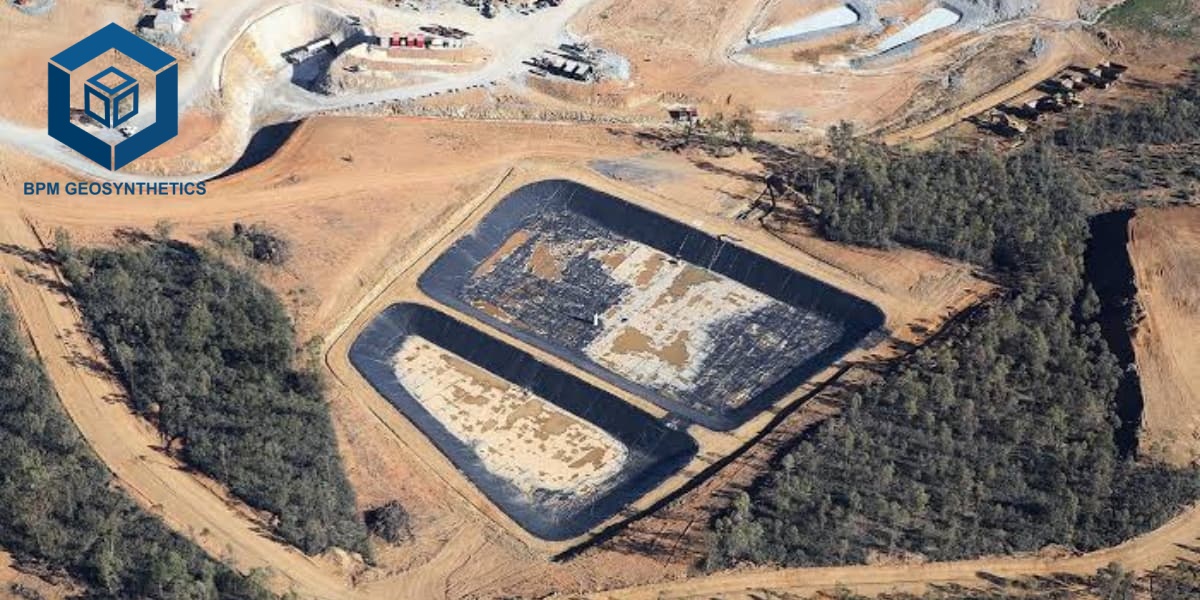
Choosing the right membrane thickness is a critical balance between structural safety and budget optimization. While a 1.0mm liner is often too light for sharp subgrades or high-stress environments, and a 2.0mm liner introduces unnecessary stiffness along with higher transport and handling costs, the 1.5mm (60 mil) HDPE liner serves as the industry golden standard. It delivers the perfect equilibrium of high puncture resistance, seamless field welding, and exceptional cost efficiency.
2.1 The Golden Balance: High Puncture Resistance Without Excessive Stiffness
Compared to thinner 1.0mm membranes, the hdpe geomembrane 1.5 mm provides a significantly higher buffer against puncturing from sharp aggregate, roots, or subgrade irregularities. At the same time, unlike rigid 2.0mm liners, 1.5mm retains excellent flexibility. This allows it to conform effortlessly to complex trench contours, slopes, and corners without lifting or creating air gaps underneath.
2.2 Superior Field Weldability & Seam Integrity
At 1.5mm thickness, thermal energy transfers predictably during dual-track hot-wedge welding. Thinner liners (e.g., 0.75mm or 1.0mm) are highly prone to heat burn-through, which ruins the seam. Conversely, thicker 2.0mm hdpe geomembrane require slower welding speeds and significantly higher heat input, increasing operator error. The 1.5mm profile yields a forgiving, wide welding window that consistently delivers seam strength exceeding 90% of the parent material.
2.3 Optimized Capital Expenditure (CapEx) & Transport Efficiency
Selecting a 1.5mm high density polyethylene pond liner avoids the over-engineering costs associated with 2.0mm membranes—reducing material costs by approximately 20% to 25% while fully meeting standard civil and environmental design regulations (such as GRI-GM13). Furthermore, because 1.5mm rolls are lighter and less bulky than 2.0mm rolls, you can pack significantly more total surface area (㎡) into a single 40HQ container, lowering ocean freight and domestic transport costs per unit area.
2.4 Superior Stress Crack Resistance Under Subgrade Settlement
Soil movement and differential settlement generate continuous tensile stress on installed geomembranes. While 1.0mm high density polyethylene geomembrane can over-stretch and thin out under load, 1.5mm HDPE maintains structural integrity and high yield strength. HDPE geo membrane effectively bridges minor subgrade voids without suffering from stress cracking over long-term operations.
2.5 Compliance with Global Regulatory Standards
In most global environmental and municipal engineering specifications—including landfill bottom liners, mining heap leach pads, and industrial wastewater containment—1.5mm (60 mil) is the minimum regulated baseline thickness. Choosing 1.5mm ensures your project passes engineering audits, environmental impact assessments (EIA), and regulatory sign-offs without delay.
3. Common Project Pain Points & Our HDPE Liner 1.5 mm Solutions
3.1 Premature Cracking & Leakage
Traditional low-grade liners often crack under stress. Our geomembrane pond liner is manufactured from 100% virgin resin, completely eliminating the environmental stress-cracking risks associated with cheap recycled plastics.
3.2 Difficult Field Welding & Weak Seams
Inconsistent melting leads to costly field repairs. Thanks to a strictly controlled Melt Flow Index (MFI), our liners guarantee effortless dual-track hot-wedge welding, delivering seam strength that reaches over 90% of the parent material.
3.3 High Transport & Installation Costs
Excessive seams increase both labor hours and leak risks. We offer extra-wide roll formats up to 8 meters, reducing field seam requirements by up to 25% to significantly lower your labor and freight expenses.
3.4 Severe Weather & UV Degradation
Unprotected liners degrade quickly under harsh sunlight. Formulated with 2.0%–2.5% fine-particle carbon black and premium antioxidants, our geomembrane sheet provide superior resistance to extreme weathering and thermal aging.
4. HDPE Liner 1.5 mm Differentiators & Advantages
4.1 Exceptional Puncture & Tear Resistance
Engineered to withstand heavy compaction forces and sharp subgrade aggregates. High elongation at break (>700%) allows the membrane to stretch over uneven ground and differential settlement without puncturing.
4.2 Universal Chemical & Impermeability Shield
With a hydraulic conductivity coefficient of less than 1×10⁻¹³ cm/s, our hdpe geomembrane sheet acts as an impermeable barrier against hazardous leachates, strong acids, alkalis, salts, and industrial solvents.
4.3 Outstanding ESCR (Environmental Stress Crack Resistance)
Exceeding GRI-GM13 specifications (>400 hours notched constant tensile load test), our hdpe geomembrane liner prevents micro-fractures under long-term mechanical stress and temperature fluctuation.
4.4 Contractor-Friendly Workability
Flexibility combined with thermal stability ensures clean, rapid layout without memory coil frustration. Compatible with all standard wedge welders and extrusion guns.
5. HDPE Liner 1.5 mm Primary Application Scenarios
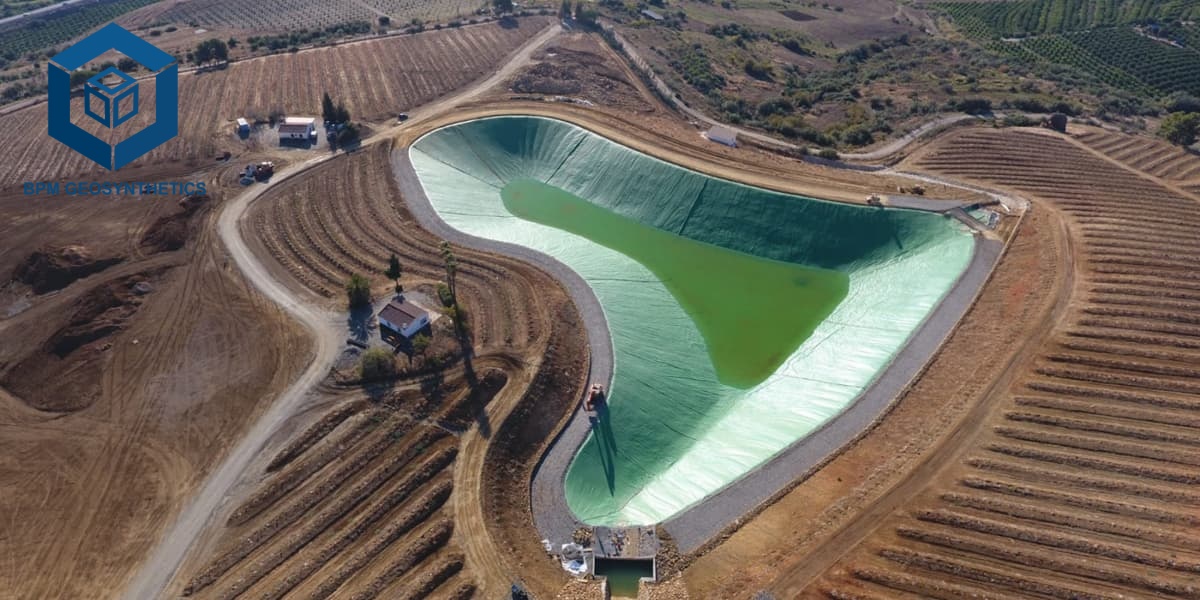
The 1.5 mm (60 mil) HDPE geomembrane is engineered for heavy-duty containment applications where chemical exposure, mechanical stress, and long-term durability are critical. As the global engineering standard, this specific thickness delivers robust environmental isolation across four primary industrial sectors:
5.1 Environmental & Waste Management
In waste management systems, preventing toxic runoff from entering natural aquifers is mandatory. The 1.5 mm thickness provides the requisite puncture resistance and chemical immunity needed to safely isolate hazardous waste.
5.1.1 Landfill Bottom Liners & Cap Closures:
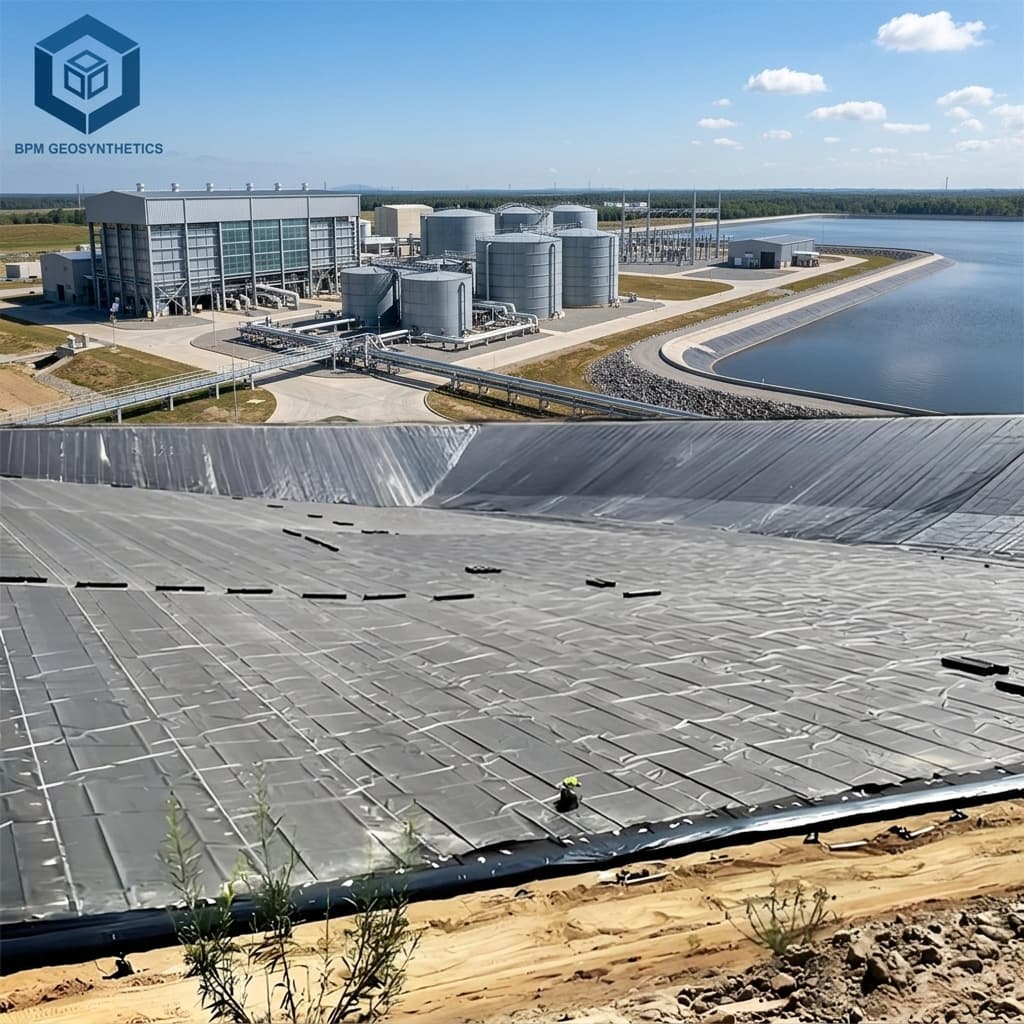
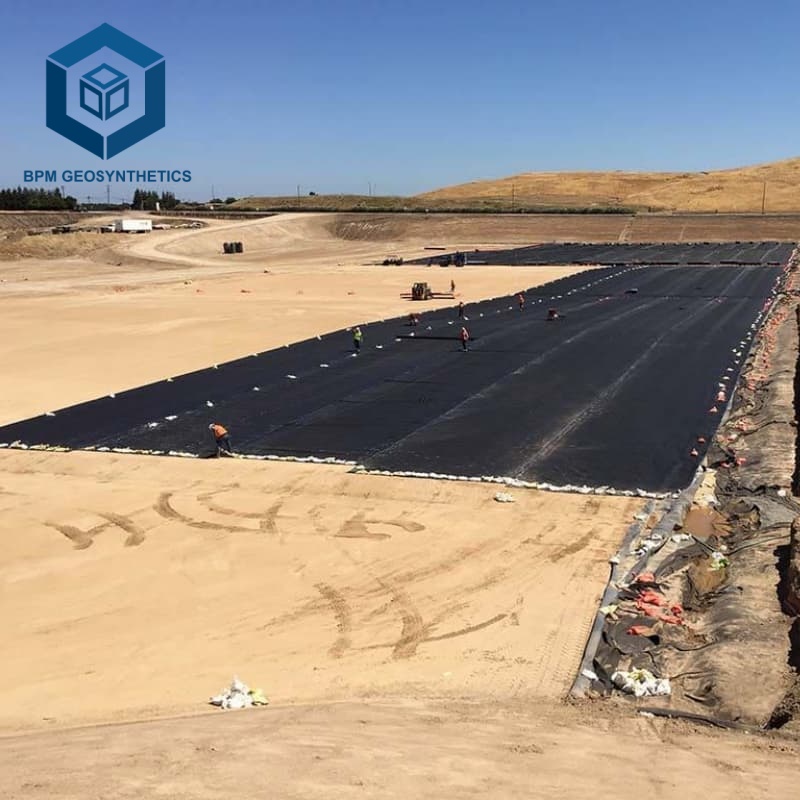
Functions as a primary or secondary composite barrier to prevent heavy metals and organic toxins from contaminating subgrade groundwater, while cap closures seal gas and water infiltration.
5.1.2 Leachate Collection Lagoons:
Withstands aggressive chemical compounds, organic acids, and dissolved salts present in concentrated municipal and industrial landfill leachate.
5.1.3 Wastewater Treatment Ponds:
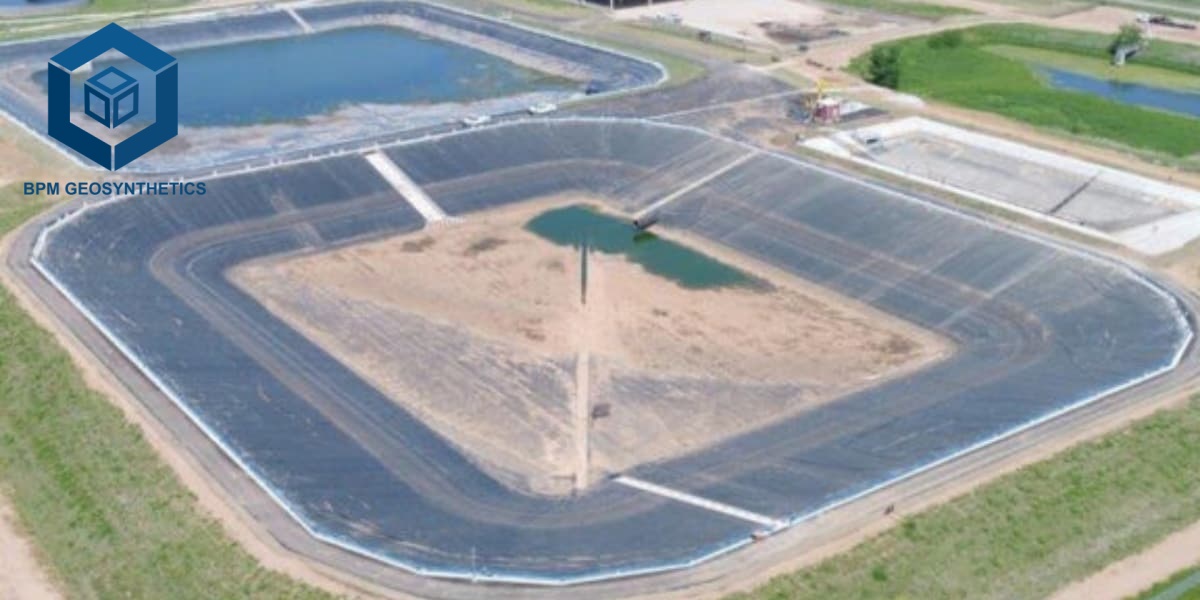
Offers long-term containment for primary aeration basins, settling ponds, and industrial sludge processing lagoons without softening or degrading.
5.2 Water Resources & Agricultural Infrastructure
Water conservation requires non-toxic, impermeable barriers capable of spanning vast surface areas without deteriorating under sunlight or biological activity.
5.2.1 Agricultural Irrigation Reservoirs:
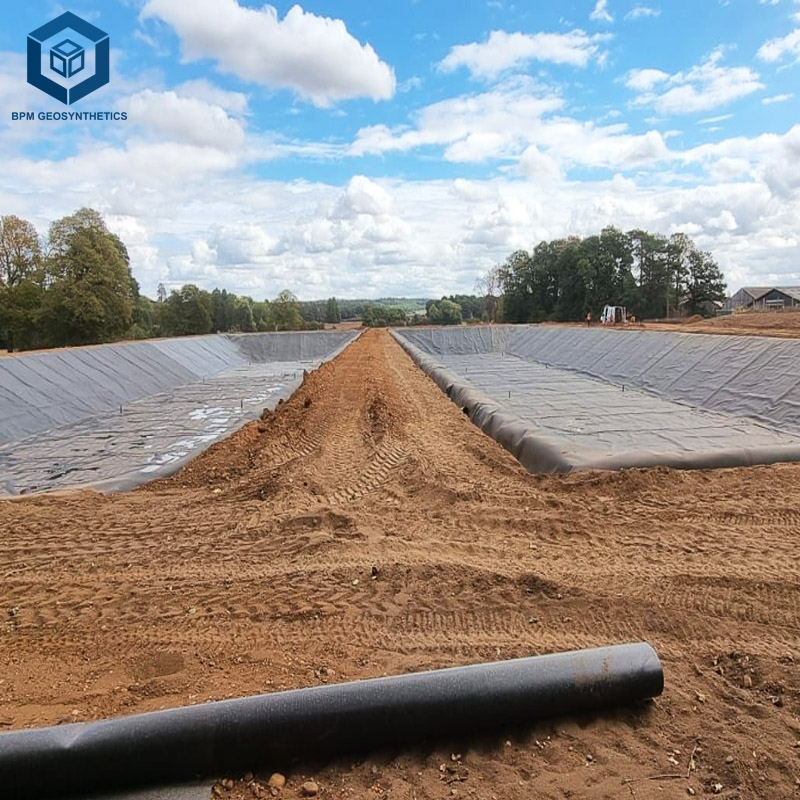
Prevents seepage loss in large-scale agricultural storage basins, securing water supplies during dry seasons.
5.2.2 Canal & Channel Linings:
Eliminates hydraulic friction loss and water seepage in open distribution canals, outperforming traditional concrete linings in cracking resistance.
5.2.3 Aquaculture Fish & Shrimp Ponds:
Manufactured from 100% virgin resin, the inert membrane prevents soil-to-water contaminant transfer, maintains water quality, and enables easy mechanical harvesting and pond cleaning.
5.2.4 Artificial Lakes & Decorative Waterscapes:
Serves as a durable sub-surface barrier for municipal parks, golf course ponds, and resort lagoons, accommodating ground settlement without tearing.
5.3 Mining & Energy Containment
Mining and energy operations involve harsh processing chemicals, extreme mechanical loading, and high-temperature evaporation processes requiring heavy-duty lining systems.
5.3.1 Heap Leach Pads:
Supports massive mineral ore stacks while retaining concentrated cyanide or acid solutions used in gold, copper, and silver extraction.
5.3.2 Tailings Storage Facilities (TSFs):
Forms an impermeable barrier under high-density mine tailing deposits, preventing heavy metal migration into the surrounding environment.
5.3.3 Evaporation Ponds:
Withstands concentrated brine solutions, high ambient temperatures, and intense UV exposure during mineral recovery and lithium processing operations.
5.3.4 Secondary Containment Areas:
Provides emergency fluid isolation around fuel storage tanks, chemical processing plants, and power station transformer yards.
5.4 Civil Engineering & Urban Infrastructure
For subsurface construction, 1.5 mm HDPE liners protect structural foundations from aggressive soil chemicals and prevent water ingress into underground facilities.
5.4.1 Sub-Grade Structural Waterproofing:
Installed around deep foundations, basements, and underground parking structures to block high water tables and hydrostatic pressure.
5.4.2 Stormwater Retention & Attenuation Basins:
Lines subterranean detention vaults and surface basins to manage urban runoff and prevent soil erosion.
5.4.3 Underground Storage & Secondary Containment:
Encases underground petroleum and chemical storage tanks to meet municipal environmental containment regulations.
6. HDPE Liner 1.5 mm Virgin HDPE vs. Recycled HDPE (Buyer Beware)
Feature | Our Virgin HDPE Liner 1.5 mm | Cheap Recycled Membrane Liner |
Raw Material Source | 100% New Petrochemical Resin | Industrial Scraps & Plastic Waste |
Tensile & Puncture Strength | Uniform, High Elasticity | Brittle, Inconsistent Thickness |
ESCR Lifetime | 30 to 50+ Years | Fails in 1–3 Years |
Welding Quality | Smooth, High Seam Bond Strength | High Impurities, Frequent Burn-Through |
7. BPM Geosynthetics HDPE Liner 1.5 mm Procurement & Logistics Support
BPM Geosynthetics make international procurement simple, transparent, and risk-free for buyers and contractors.
7.1 Strict Quality Control (QC):
Every batch is issued with a Factory Certificate of Analysis (COA). We welcome third-party pre-shipment inspections (SGS, Intertek, BV).
7.2 Container Loading Optimization:
Roll lengths can be custom-cut (e.g., 50m, 100m, 150m) to maximize 20GP or 40HQ container payload, cutting freight costs per square meter.
7.3 Heavy-Duty Protective Packaging:
Double-layered UV-stabilized woven geotextile wrapping prevents abrasion during ocean transit.
7.4 One-Stop Accessories Supply:
Order your liner along with matching Non Woven Geotextiles, Double-Track Wedge Welders, Extrusion Welders, and Welding Rods in a single container.
8. HDPE Liner 1.5 mm Frequently Asked Questions (FAQ)
Q1: Should I choose Smooth or Textured surface HDPE liner 1.5 mm for my project?
- Smooth Liner: Ideal for flat or low-slope applications (such as flat pond bottoms, lagoon bases, and horizontal containment) where maximum tensile strength and cost efficiency are required.
- Textured Liner (Single/Double Sided): Recommended for steep side slopes (e.g., landfill slopes >1:3 or deep mining heap leach pads). The micro-textured friction surface increases the interface friction angle, preventing soil or geotextile slip along the slope.
Q2: What ambient temperature is required for field welding HDPE liner 1.5 mm?
A: Optimal field welding temperatures range between 5°C and 40°C (41°F to 104°F).
If welding below 5°C, pre-heating the seam areas is recommended to avoid cold-brittle joints.
During extreme heat (>40°C), sheet thermal expansion can cause waves; welding should ideally be performed during cooler morning or late afternoon hours to prevent excessive wrinkles.
Q3: How do I verify if the HDPE liner 1.5 mm is made from 100% Virgin HDPE or Recycled material?
A: You can verify raw material purity through three simple checks:
- OIT Test (Oxidative Induction Time): Virgin resin exceeds 100–130 minutes under ASTM D3895, whereas recycled material degrades significantly faster.
- Surface Uniformity: Virgin HDPE displays a uniform, smooth, satin finish without pinholes, surface bubbles, or uneven thickness variations.
- Elongation at Break: Premium virgin 1.5 mm liners consistently achieve >700% elongation before breaking, whereas recycled liners tear easily below 300–400%.
Q4: Is non-woven geotextile always required under a HDPE liner 1.5 mm?
A: In most civil and municipal engineering applications, yes. Installing a non-woven geotextile (200–500 g/m²) underneath the 1.5 mm liner serves as a protective cushion against sharp subgrade rocks, roots, and uneven compaction. It also aids in sub-membrane gas/water venting.
Q5: Can HDPE liner 1.5 mm be customized in color (e.g., White or Green)?
A: Yes. While Black is the industry standard (due to carbon black UV stabilization), we offer:
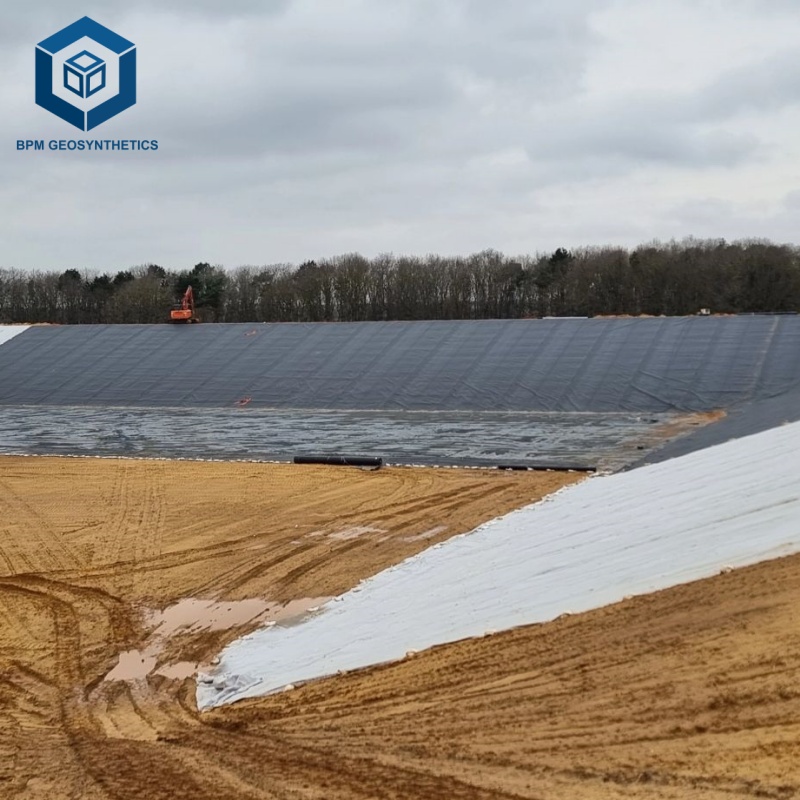
- White Top / Black Bottom: The white surface reflects sunlight, reducing surface temperature by up to 20°C, minimizing thermal expansion/wrinkling, and making leak inspection easier.
- Green Liner: Ideal for scenic lakes, golf courses, and agricultural reservoirs requiring natural landscape integration.
Q6: What non-destructive testing methods are recommended for checking HDPE liner 1.5 mm seam quality?
- Air Pressure Test: Used for dual-track thermal wedge welds. Air is injected into the center channel between welds (1.5–2.0 bar) to ensure zero pressure drop over 5 minutes.
- Spark/Vacuum Box Test: Used for single-track extrusion welds around pipe penetrations, corners, and repair patches where dual-track welding isn't possible.
9. Get Started / Call to Action (CTA)
Secure Your Project with Certified HDPE Liner 1.5 mm
Need a custom quote, technical data sheet (TDS), or a sample box sent to your site? Our The Best Project Material Co., Ltd. (BPM Geosynthetics) engineering team is ready to assist you.