HDPE Membrane Liner
High-Density Polyethylene (HDPE) membrane liners have become a cornerstone in modern geotechnical and environmental engineering. Their superior durability, chemical resistance, and impermeability make them essential for containment, waterproofing, and environmental protection across a wide range of applications. As global industries increasingly prioritize sustainability and waste control, the demand for HDPE membrane liners continues to grow at an accelerated rate.
HDPE Membrane Liner: A Complete Guide for Industrial and Environmental Projects
High-Density Polyethylene (HDPE) membrane liners have become a cornerstone in modern geotechnical and environmental engineering. Their superior durability, chemical resistance, and impermeability make them essential for containment, waterproofing, and environmental protection across a wide range of applications. As global industries increasingly prioritize sustainability and waste control, the demand for HDPE membrane liners continues to grow at an accelerated rate.
Industry Overview and Market Trends
The global geomembrane market has been expanding steadily, with HDPE membranes leading the segment. According to recent reports, the global geomembrane market size is projected to exceed USD 3 billion by 2030, growing at a compound annual growth rate (CAGR) of around 5%. This growth is driven by the increasing adoption of geomembranes in sectors such as mining, construction, agriculture, and waste management.
HDPE membrane liners, in particular, are favored for their long service life, UV stability, and resistance to aggressive chemicals and environmental stress. Governments and corporations are implementing stricter regulations on pollution control and landfill management, which further fuels the use of HDPE liners as a reliable barrier material.
What Is an HDPE Membrane Liner?
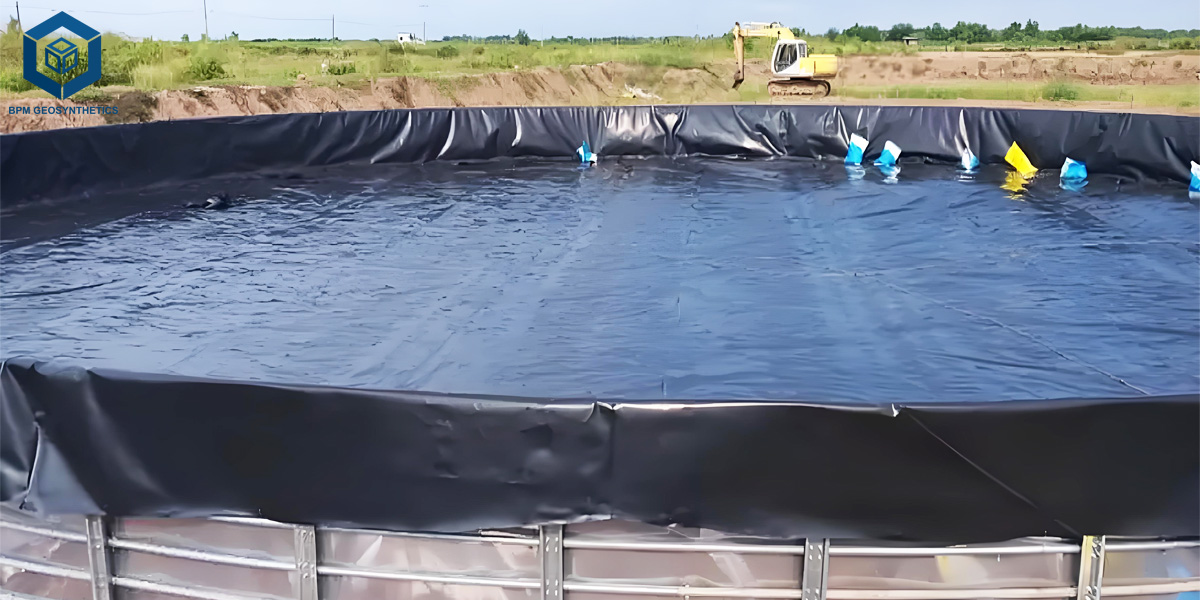
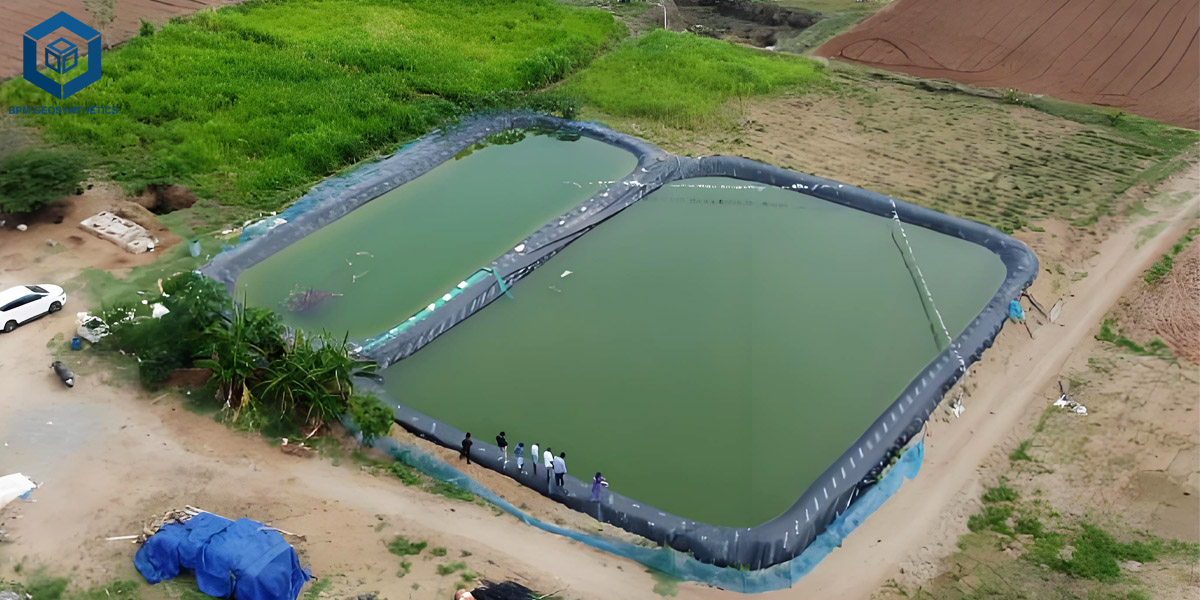
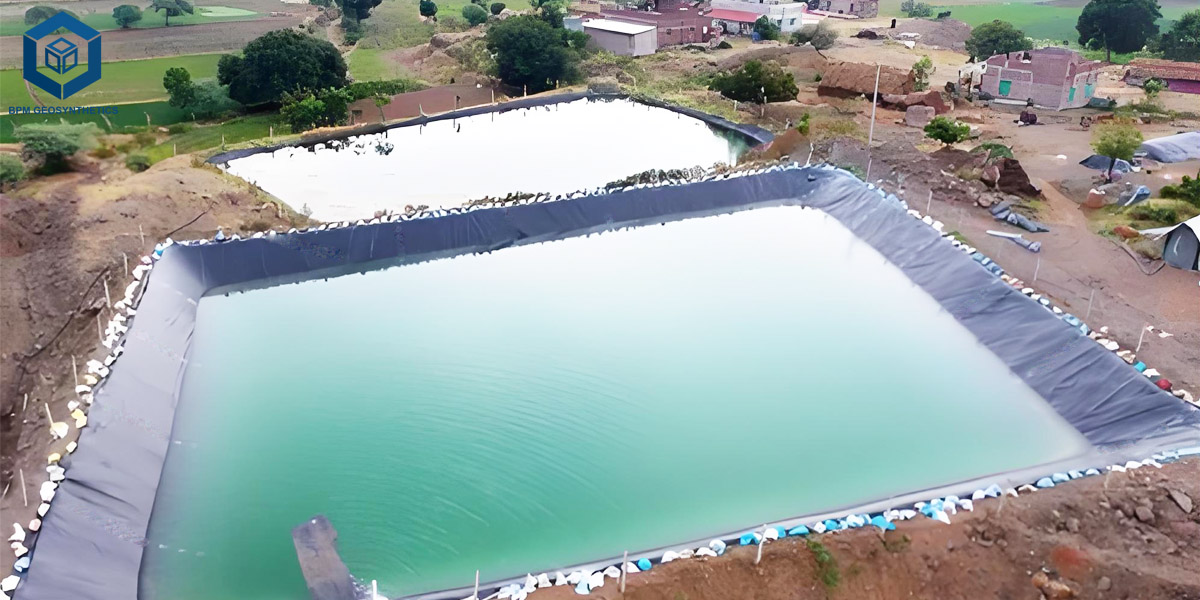
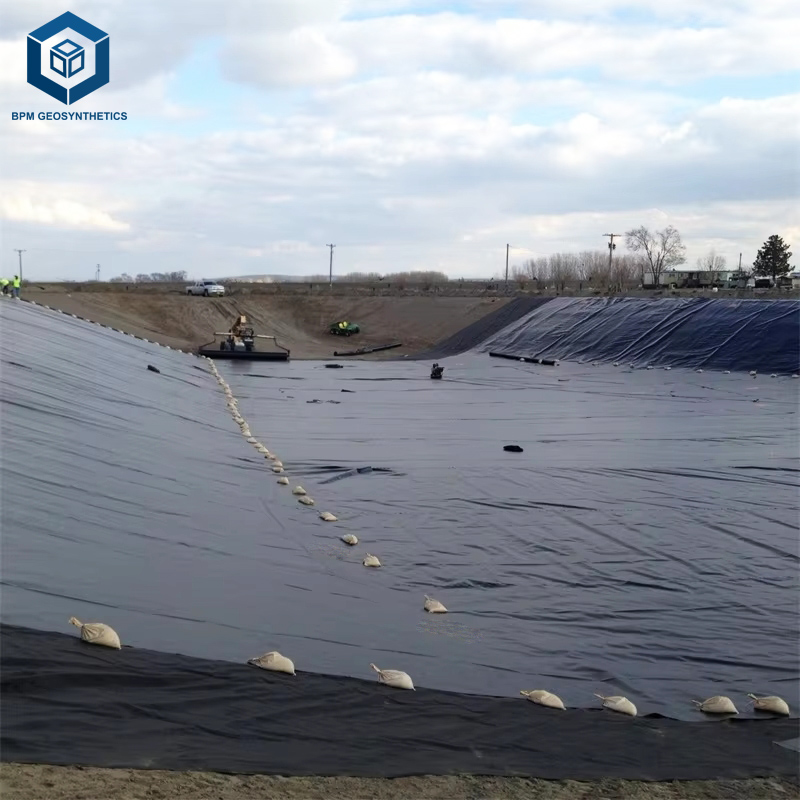
An HDPE membrane liner is a synthetic geomembrane made from high-density polyethylene, engineered to provide an impermeable layer that prevents fluid migration. It is widely used in applications such as:
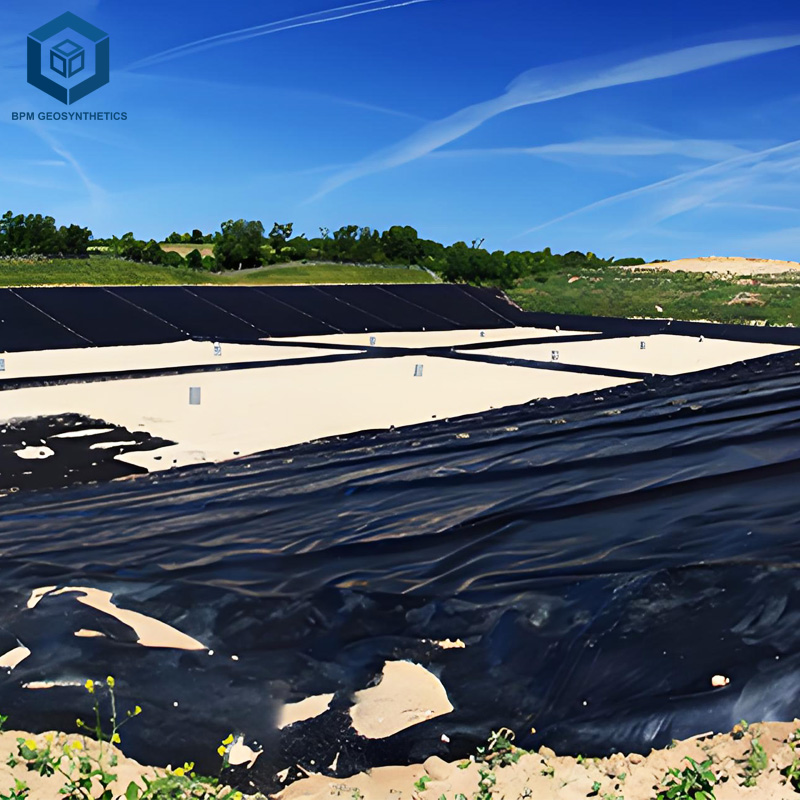
Landfill lining and capping – preventing leachate seepage into soil and groundwater.
Mining operations – creating containment for process ponds and heap leach pads.
Agricultural water reservoirs – ensuring water retention and minimizing evaporation.
Wastewater treatment plants – lining tanks, lagoons, and treatment basins.
Canal and dam waterproofing – providing long-term erosion and leakage protection.
Technical Features and Manufacturing Process
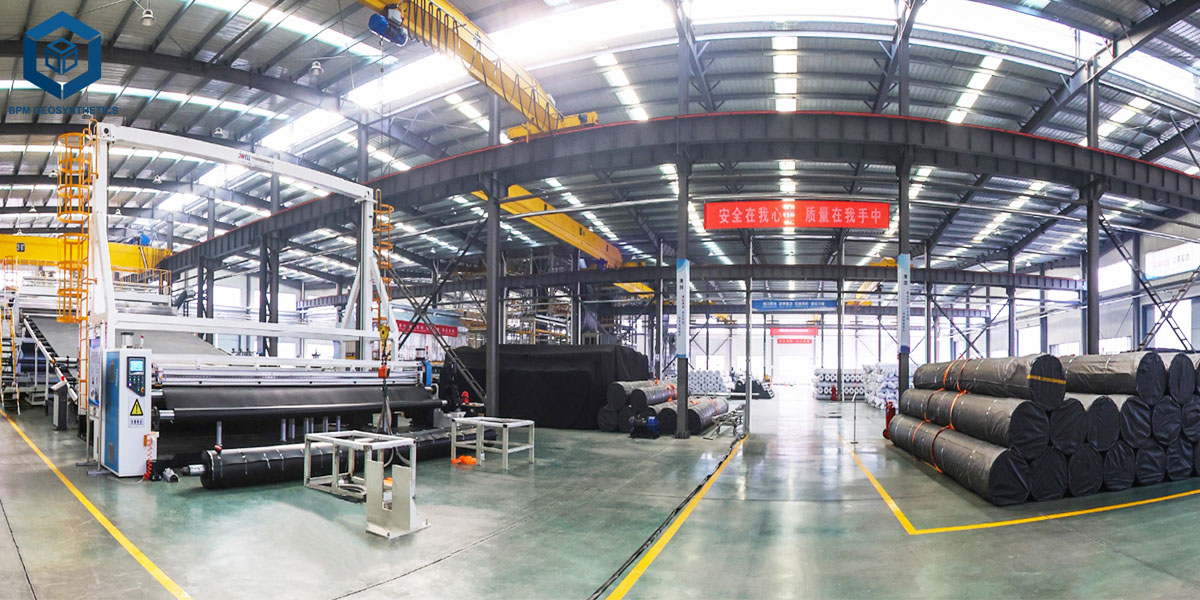
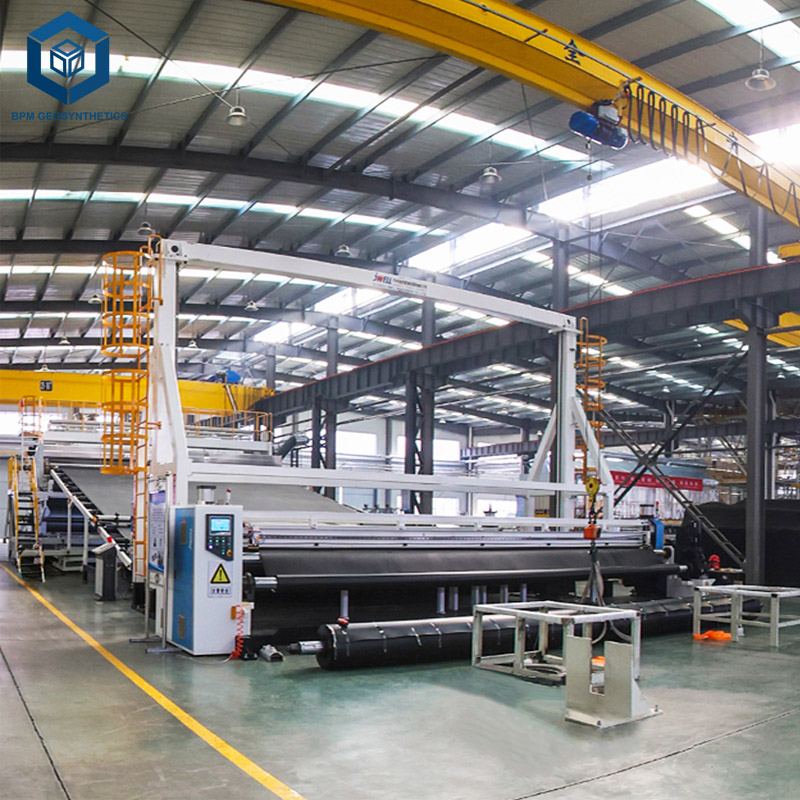
The manufacturing process of HDPE membrane liners involves extrusion and calendering methods to produce uniform sheets with consistent density and strength. The raw polyethylene resin is melted, extruded, and cooled to form sheets that are then textured or smooth, depending on application needs.
Key technical characteristics include:
Thickness: Typically ranges from 0.5mm to 3.0mm.
Tensile Strength: High tensile yield ensures resistance against deformation.
Chemical Resistance: Stable against acids, alkalis, and hydrocarbons.
UV Resistance: Designed for long-term outdoor exposure.
Thermal Stability: Operates effectively across wide temperature ranges.
For applications requiring enhanced friction, textured HDPE liners are used, particularly in steep slope installations or under geomembrane layers.
Cost Factors of HDPE Membrane Liners
The cost of HDPE membrane liners varies depending on several key parameters:
Material Thickness – Thicker liners provide greater durability but come at a higher cost.
Surface Texture – Textured liners are generally more expensive than smooth ones.
Quantity and Roll Size – Bulk orders or large rolls can reduce per-square-meter costs.
Installation Complexity – Sites with irregular geometry or multiple welds increase labor and equipment expenses.
Location and Shipping – Freight and customs costs can impact total project pricing for international buyers.
On average, HDPE membrane liners are priced between USD 1.2 to USD 3.5 per square meter, depending on specifications and order volume.
Global Adoption and Sustainability Trends
With sustainability becoming a key focus, HDPE liners offer significant environmental advantages:
Recyclable Material: HDPE can be reprocessed into secondary products.
Leak Prevention: Reduces soil and water contamination risks.
Energy Efficiency: Durable performance minimizes maintenance and replacement cycles.
In countries with large-scale infrastructure and mining projects—such as the United States, India, and Australia—HDPE liners have become standard for environmental protection measures.
Installation and Quality Control
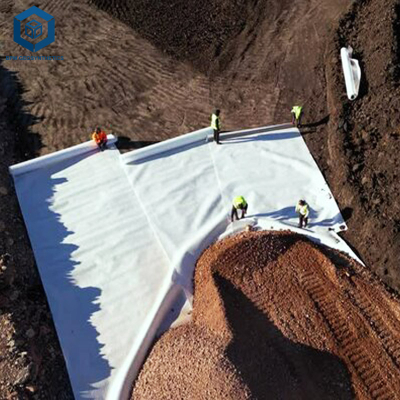
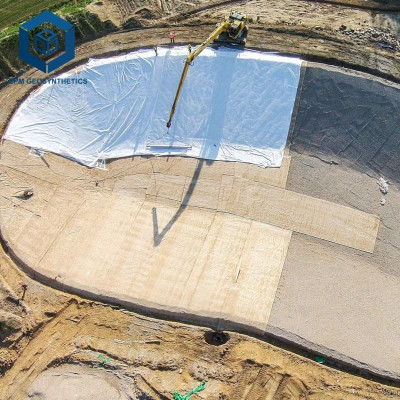
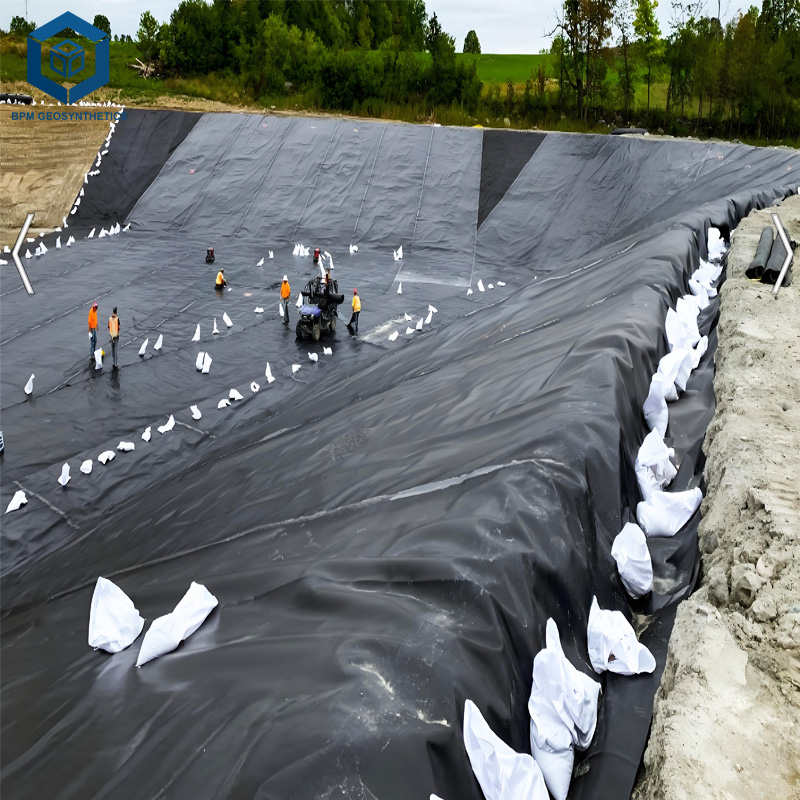
Proper installation is crucial to ensure liner integrity. The process typically includes:
Surface Preparation: Removing debris and smoothing the base.
Liner Deployment: Unrolling and aligning sheets with minimal stress.
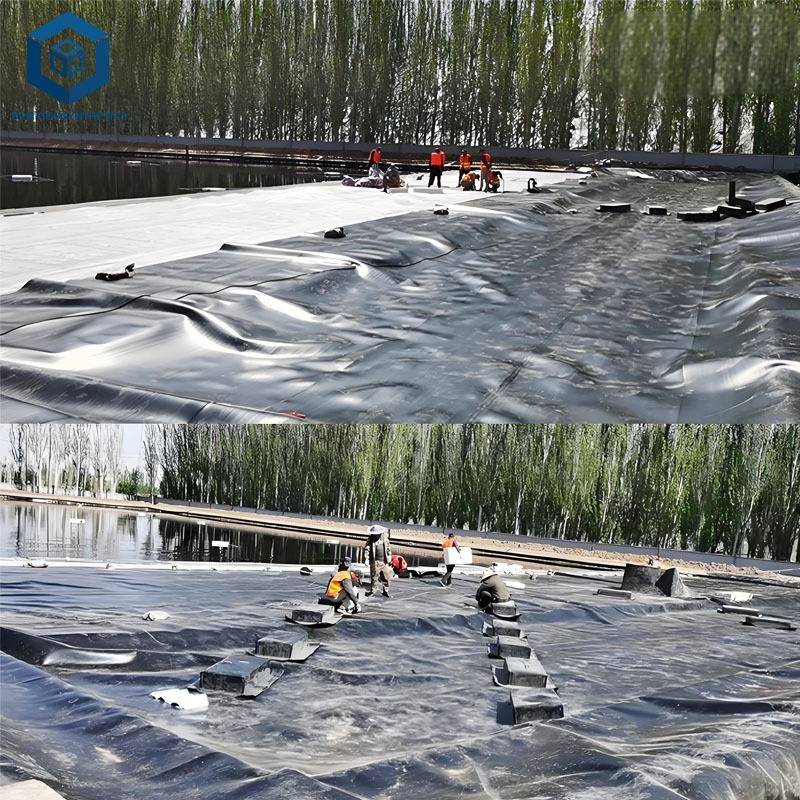
Welding: Using hot wedge or extrusion welding to ensure seamless joints.
Inspection and Testing: Performing destructive and non-destructive tests to verify weld quality and material uniformity.
Quality assurance standards such as ASTM D638 and GRI-GM13 are commonly applied to certify performance and durability.
FAQs About HDPE Membrane Liners
1. What is the lifespan of an HDPE membrane liner?
When properly installed and maintained, an HDPE liner can last over 50 years, even under harsh environmental conditions.
2. Can HDPE liners be used in both industrial and agricultural projects?
Yes. They are widely used in both industrial containment systems and agricultural water management, offering excellent versatility.
3. Are HDPE liners environmentally friendly?
Yes. HDPE liners are chemically inert, non-toxic, and recyclable, aligning with green construction and sustainable development goals.
4. How do I choose the right thickness for my project?
It depends on application conditions — for instance, 1.0mm liners for irrigation ponds, and 2.0–3.0mm liners for landfill or mining projects.
Conclusion: Choosing a Reliable HDPE Membrane Liner Supplier
Selecting the right HDPE membrane liner is critical for long-term project success. Buyers should evaluate suppliers based on product certification, manufacturing quality, welding technology, and after-sales support.
We provide high-performance HDPE geomembranes that meet international standards and are customized to specific project needs. Whether your project involves landfill containment, mining operations, or reservoir waterproofing, our liners deliver proven durability and cost-efficiency.
Contact us today to discuss your HDPE membrane liner requirements and receive a competitive quotation for your next project.