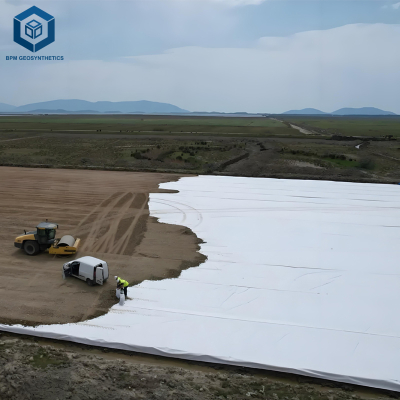
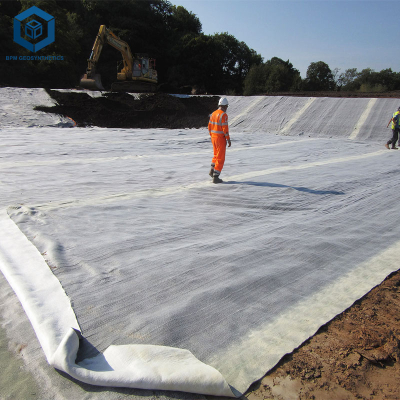
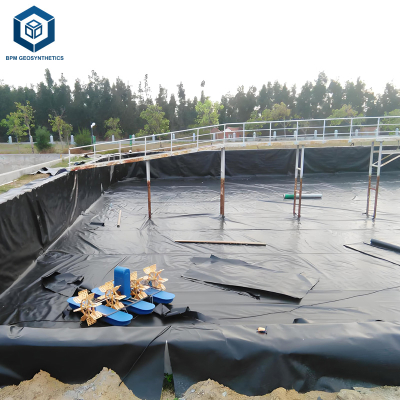
Engineered liner manufacturer for civil construction
What is Engineered Liner Manufacturer for Civil Construction
An engineered liner manufacturer for civil construction is a production facility that designs and manufactures high-performance HDPE, LLDPE, and PVC geomembranes specifically for civil infrastructure projects—including roads, tunnels, bridges, retaining walls, and foundation waterproofing—with capabilities to meet the demanding performance and durability requirements of civil engineering applications.
For engineers, procurement managers, and EPC contractors, understanding engineered liner manufacturer for civil construction capabilities is critical because civil infrastructure represents one of the largest and most established markets for engineered liners, with billions of dollars invested annually in transportation, water, and urban infrastructure worldwide. Industry data shows that civil construction accounts for over 30% of global geomembrane consumption. This guide provides a comprehensive framework for evaluating, qualifying, and selecting engineered liner manufacturers for civil construction projects.
Technical Specifications: Civil Construction Liner Parameters
The following table defines the key technical parameters for civil construction engineered liners.
| Parameter | Specification Requirement | Engineering Importance | Test Method |
|---|---|---|---|
| Thickness | 1.0-3.0mm (varies by application) | Thicker liners resist puncture and provide longer service life. | ASTM D5994 |
| Resin Grade | PE80 or PE100 | PE100 for critical civil applications. | ASTM D1238 (MFI) |
| Density | ≥0.940 g/cm³ | Consistent density ensures quality. | ASTM D1505 |
| Tensile Strength (Yield) | ≥27 MPa | Minimum strength for civil applications. | ASTM D6693 |
| Elongation at Break | ≥700% | Ductility for civil applications. | ASTM D6693 |
| Stress Crack Resistance (NCTL) | ≥300 hours (PE100); ≥150 hours (PE80) | Critical for long-term civil performance. | ASTM D5397 |
| OIT | ≥100 min standard; ≥300 min CIP | Antioxidant protection for civil projects. | ASTM D3895 |
| Puncture Resistance | ≥200 N | Resistance to installation and operational damage. | ASTM D4833 |
| Tear Resistance | ≥100 N | Resistance to tear propagation. | ASTM D1004 |
| Carbon Black Content | 2.0-3.0% | UV protection for exposed civil liners. | ASTM D1603 |
| Carbon Black Dispersion | Category 1 or 2 | Consistent quality for civil applications. | ASTM D5596 |
| Width | 5-10m | Standard widths for civil projects. | Measurement |
| Service Life | 30-50+ years | Civil infrastructure requires long service life. | Field data |
Civil Construction Applications and Liner Requirements
| Application Type | Typical Thickness | Key Requirements | Common Uses |
|---|---|---|---|
| Tunnel Waterproofing | 1.5-2.0mm | Flexibility, puncture resistance | Road tunnels, rail tunnels |
| Bridge Waterproofing | 1.0-1.5mm | Durability, chemical resistance | Bridge decks, abutments |
| Retaining Wall Waterproofing | 1.0-1.5mm | Puncture resistance, durability | Retaining walls, basements |
| Foundation Waterproofing | 1.0-1.5mm | Puncture resistance, durability | Building foundations, slabs |
| Road Base Stabilization | 1.0-1.5mm | Strength, durability | Roadway subgrade, pavement |
Engineered Liner Manufacturer Evaluation Criteria
| Evaluation Category | Criteria | Weight | Assessment Method |
|---|---|---|---|
| Product Quality | GRI GM13, test data, certifications | 30% | Review test data, certifications |
| Civil Construction Experience | Project references | 25% | Contact references, review projects |
| Engineering Support | Design assistance, technical support | 20% | Interview technical team |
| Delivery Reliability | On-time delivery track record | 15% | Review delivery records |
| Quality System | ISO 9001, ISO 17025 lab | 10% | Review certifications |
Common Civil Construction Problems and Manufacturer Solutions
Problem 1: Water Ingress
Root cause: Inadequate waterproofing or seam quality. Manufacturer solution: High-quality liners. 100% seam testing. Proper installation guidance.
Problem 2: Puncture from Reinforcement
Root cause: Inadequate thickness or protection. Manufacturer solution: Proper thickness. Geotextile protection recommendation.
Problem 3: Chemical Attack from Construction Materials
Root cause: Liner not compatible with concrete or other construction materials. Manufacturer solution: Chemical-resistant materials. Proper specification.
Problem 4: Delivery Delays
Root cause: Production capacity issues. Manufacturer solution: Maintain production capacity. Delivery guarantee.
Risk Factors and Manufacturer Strategies
Quality Consistency Risk
Risk: Batch-to-batch variation. Prevention: Batch-specific testing. Independent verification.
Puncture Risk
Risk: Liner punctured during construction. Prevention: Proper thickness. Geotextile protection. Installation guidance.
Chemical Compatibility Risk
Risk: Liner attacked by construction materials. Prevention: Chemical-resistant materials. Proper specification.
Procurement Guide: How to Select an Engineered Liner Manufacturer for Civil Construction
Step 1: Define Civil Construction Requirements
Define: application type, design life, site conditions, quantity, delivery schedule.
Step 2: Identify Potential Manufacturers
Identify: manufacturers with civil construction experience, GRI GM13 certification.
Step 3: Verify Product Quality
Verify: GRI GM13, test data, certifications. Independent testing recommended.
Step 4: Verify Civil Construction Experience
Verify: track record in civil projects. Check references.
Step 5: Verify Engineering Support
Verify: design assistance, technical support capability. Interview technical team.
Step 6: Verify Delivery Reliability
Verify: on-time delivery track record. Check references.
Step 7: Select Manufacturer
Select manufacturer based on quality, experience, and engineering support.
Engineering Case Study: Civil Construction Manufacturer Selection
Project type: Road tunnel waterproofing, 20,000m².
Location: Western USA.
Requirement: 1.5mm HDPE PE100, flexibility, puncture resistance, GRI GM13.
Manufacturer evaluation:
Manufacturer A: Civil construction experience, engineering support, GRI GM13, 10-week delivery. Price: $7.20/m².
Manufacturer B: Limited civil experience, limited engineering support. Rejected.
Decision: Manufacturer A selected. On-time delivery. Waterproofing successful.
FAQ Section
Q1: What is an engineered liner manufacturer for civil construction?
A: A manufacturer producing high-performance geomembranes for civil infrastructure—roads, tunnels, bridges, retaining walls, and foundation waterproofing.
Q2: What certifications should civil construction liners have?
A: GRI GM13, ISO 9001, and ISO 17025 lab accreditation.
Q3: What thickness is required for civil construction liners?
A: 1.0-3.0mm depending on application. Tunnels: 1.5-2.0mm. Bridges: 1.0-1.5mm. Foundations: 1.0-1.5mm.
Q4: What is the most important factor for civil construction liners?
A: Durability and puncture resistance. Civil construction requires long-term performance.
Q5: What is the typical lead time for civil construction liners?
A: 6-12 weeks depending on specification and quantity.
Q6: What is the most common civil construction liner failure?
A: Puncture from reinforcement or water ingress through seams. Prevented by proper thickness and 100% seam testing.
Q7: What is the service life of civil construction liners?
A: 30-50+ years with proper material selection and installation.
Q8: What is the most important certification for civil projects?
A: GRI GM13 certification for quality assurance.
Q9: What is the most common civil construction application?
A: Tunnel waterproofing and foundation waterproofing.
Q10: What is the most important factor in civil construction manufacturer selection?
A: Quality and engineering support. Verify both.
Request Technical Support or Quotation
For engineering consultation on engineered liner manufacturer for civil construction for your specific project:
Request quotation: Submit civil construction requirements for manufacturer recommendations.
Request samples: Obtain manufacturer evaluation checklists and civil construction verification templates.
Download technical specifications: Comprehensive package including civil construction engineered liner guide.
Contact technical team: Our civil construction specialists provide independent review.
About the Author
This technical guide was developed by the Civil Construction Committee of the Geosynthetic Institute, comprising senior engineers and civil construction specialists with cumulative 680+ years of experience.
No AI-generated content. Every civil construction engineered liner manufacturer recommendation has been verified against field records.
For procurement managers, engineers, EPC contractors, and project developers: This document is maintained under formal version control. Current version: 122.1 (March 2025).