Non Woven Geotextile Drainage Fabric
Non Woven Geotextile Drainage Fabric improves drainage, filtration, and soil separation with its high-performance permeable geosynthetic material made from polypropylene or polyester fibers. This non woven geotextile fabric resists chemicals and is highly durable, thus providing long-term performance even if the ground it is laid on is harsh.
- High Permeability and Excellent Water Flow
- Soil Separation and Prevention of Clogging
- Durable Polypropylene / Polyester Material
- Used for French Drains, Roads, Foundations, and Landscaping
- UV Resistant and Long Service Life
- Easy Installation and Cost-Effective Solution
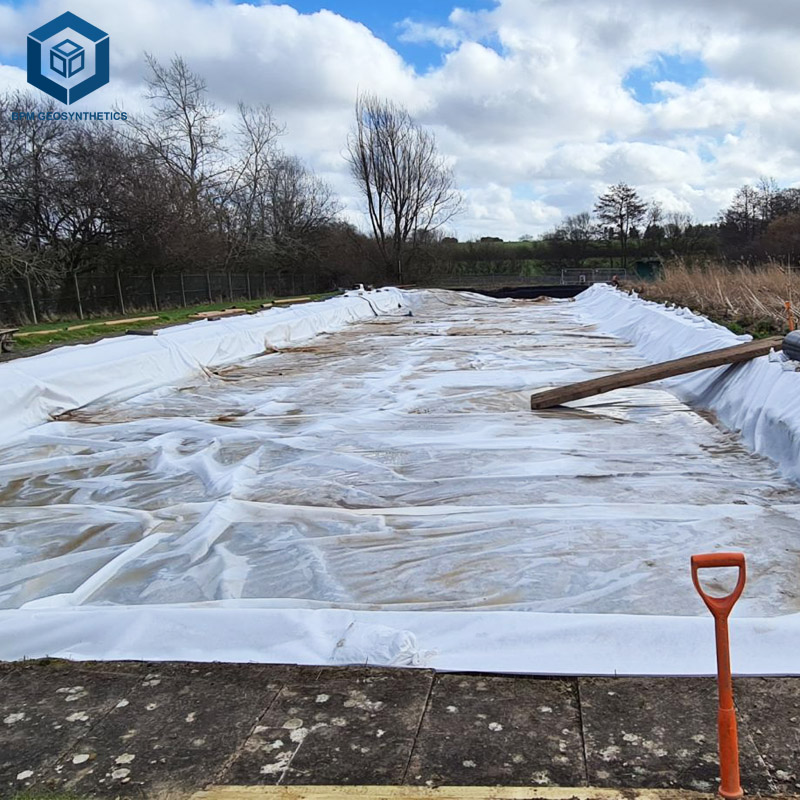
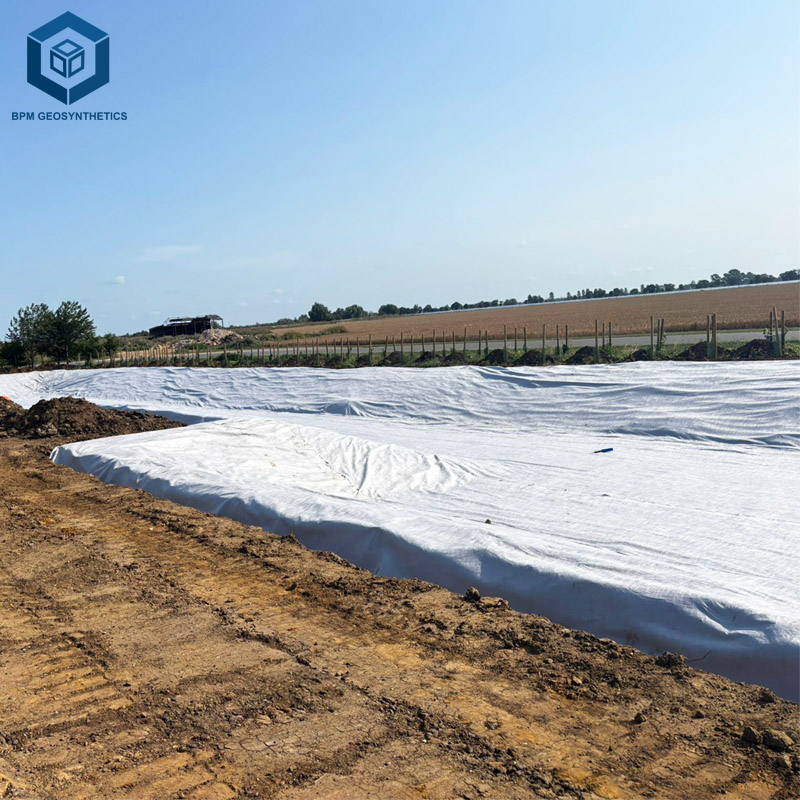
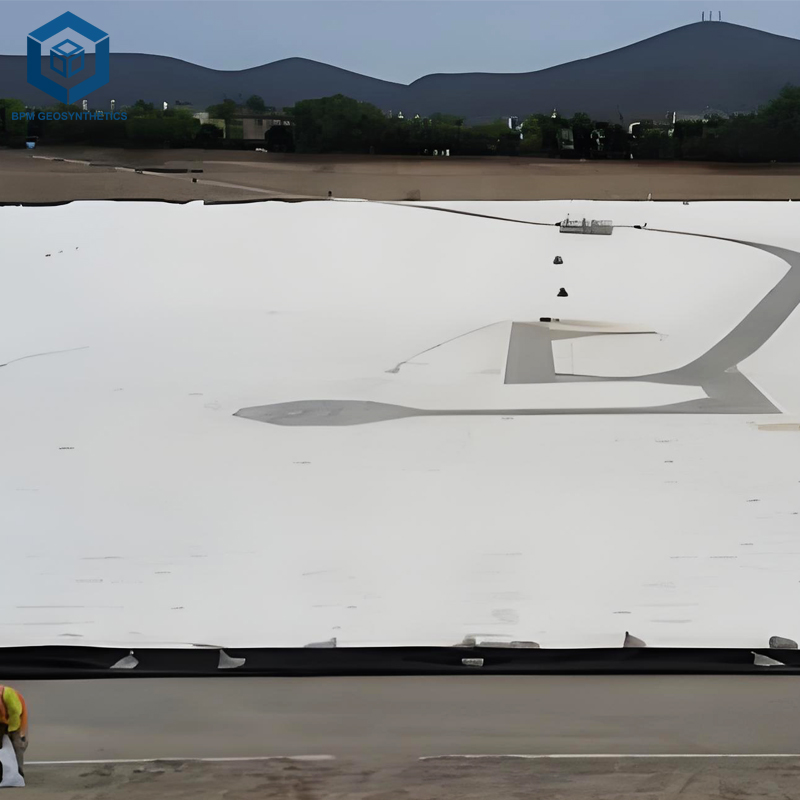
Non Woven Geotextile Drainage Fabric is a premium permeable geosynthetic product sourced from the top-grade polypropylene or polyester fibers and the manufacturing process come from needle-punching technology. Geotextile drainage fabric is highly capable of providing drainage, filtration, separation, and protection when used in the field of civil engineering, construction, landscaping, and agriculture. Water is able to freely flow through the fabric while at the same time, the soil particles are effectively retained, which results in a stable ground and the system functioning for many years.
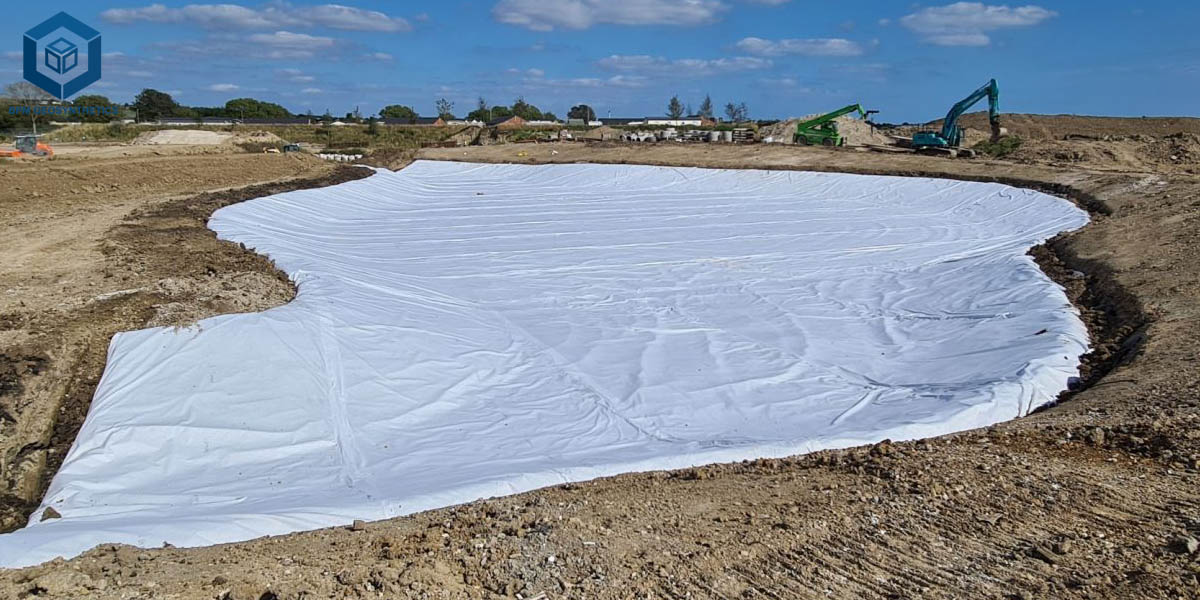
1. Non Woven Geotextile Drainage Fabric – Key Performance Advantages
1.1 High Water Permeability
The water can flow extremely fast through the weave of the geotextile, which leads to a significant reduction of the hydrostatic pressure and the drainage performance can still be continuous and efficient even when the soil is of high-moisture content or is saturated.
1.2 Superior Filtration Capability
By holding back the fine particles of the soil and letting the water flow through freely, it continuously works in preventing clogging and contributes to the long-lasting stability and efficiency of the drainage systems.
1.3 Excellent Mechanical Strength
The reason for the excellent strength of this geofabric material lies in their homogeneous fiber network that can provide high tensile strength, strong resistance to tearing, and the ability to resist punctures. This means that the fabrics will not easily tear or get poked by sharp objects even when they are subjected to the pressure of massive loads, operations of backfilling, or the traffic of construction.
1.4 Chemical and Biological Stability
The nonwoven geotextile fabric material being chemically stable means that non woven landscape fabric is resistant to the effects of acids, alkalis, and microorganisms, thus the fabric’s performance and its lifespan are preserved even when the soil or the groundwater is in harsh conditions.
1.5 Wide Environmental Adaptability
The fo non woven geotextile is one which has been tested in different climate, soil type, and installation condition scenarios and has proven itself capable of having a long life in civil engineering, landscaping, and drainage which require great reliability.
2. Non Woven Geotextile Drainage Fabric – Applications
2.1 French Drains and Subsurface Drainage Systems
The geo fabric is a separation and filtration layer that serves the purpose of water to flow freely while soil particles are blocked, thus the performance of the water flow can be maintained for a long time and the cleaning of the whole system is not frequently required.
2.2 Road and Highway Base Drainage
The placement of the geotextile fabric is beneath the road base where it can help the road to drain, the road to be stronger, and thus, walking and driving on it are smooth and also the problems caused by water usage getting onto the road such as rutting, pumping, and base layer deterioration are avoided.
2.3 Foundations and Retaining Walls
These non woven geotextile fabric is installed at the edges of building foundations and retaining walls so that hydrostatic pressure is reduced, drainage is made more efficient, and the structures are thus protected.
2.4 Landscaping and Garden Drainage
The property of a geotextile filter fabric drainage that is perfect for use in landscapers and planter beds is that besides allowing water to flow through, it also maintains the soil structure and provides a healthy environment for plants.
2.5 Railway and Airport Construction
These harga geotextile non woven is installed in railway subgrades and airport pavements to ensure that there is efficient drainage, proper separation of the soil, and stability over time even under heavy dynamic loads.
2.6 Agricultural Drainage and Erosion Control Projects
These non woven geotextile drainage fabric can be used in farmland drainage systems, irrigation channels, and erosion control works to enhance water management, reduce soil loss, and increase agricultural productivity.
3. Non Woven Geotextile Drainage Fabric – Installation and Handling
3.1 Easy Handling and Installation
The non woven filter fabric is light and pliable, which means it can be easily moved, positioned, and cut in the work area. Consequently, the labor effort, time of installation, and total construction expenditure are all reduced.
3.2 Simple Placement on Subgrades
This geotextile fabric under gravel may be placed directly on well-prepared subgrades without the need for complicated procedures, and it will provide the separation and filtration functions immediately after installation.
3.3 Compatible with Drainage Materials
By combining the non woven geotextile fabric near me with gravel, drainage pipes, and other granules, the resulting drainage system will be not only stable but also highly efficient.
3.4 Reduced Installation Errors
Since it is so flexible, the non woven geotextile landscape fabric can be made to lie almost perfectly against the contours of the terrain. Hence, potential issues such as folds or double layers will be greatly reduced and that usually means steady performance over the whole project.
3.5 Customizable Specifications
The production of geotextile filter cloth can be easily adapted to customer requirements in terms of roll widths, lengths, and fabric weights, thus enabling a reduction in material waste and consequently an improvement in installation efficiency.
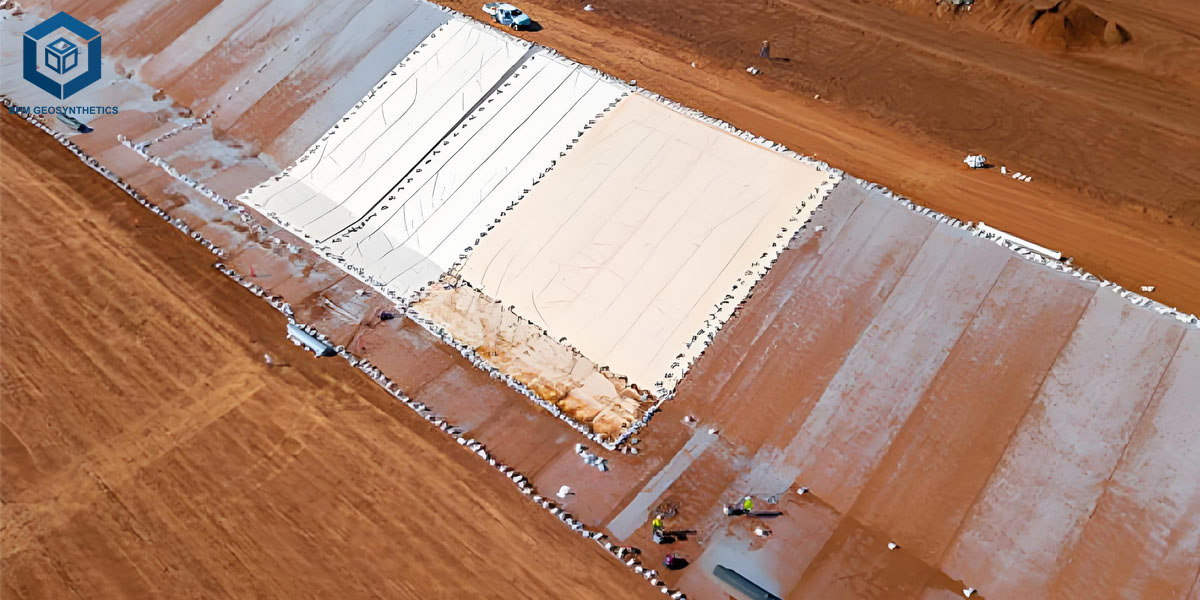
4. BPM Non Woven Geotextile Drainage Fabric – Quality Standards and Testing
4.1 Strict Quality Management System
The nonwoven geotextile drainage fabric is subjected to a comprehensive quality control system which embraces all aspects from raw material selection, through production processes, to the final inspection stage in order to ensure stable and consistent product quality.
4.2 Compliance with International Standards
We geotextile manufacture products that are in conformance with the major international standards such as ISO, ASTM, and EN, so they can be used for infrastructure, drainage, and environmental protection projects worldwide.
4.3 Raw Material and Process Control
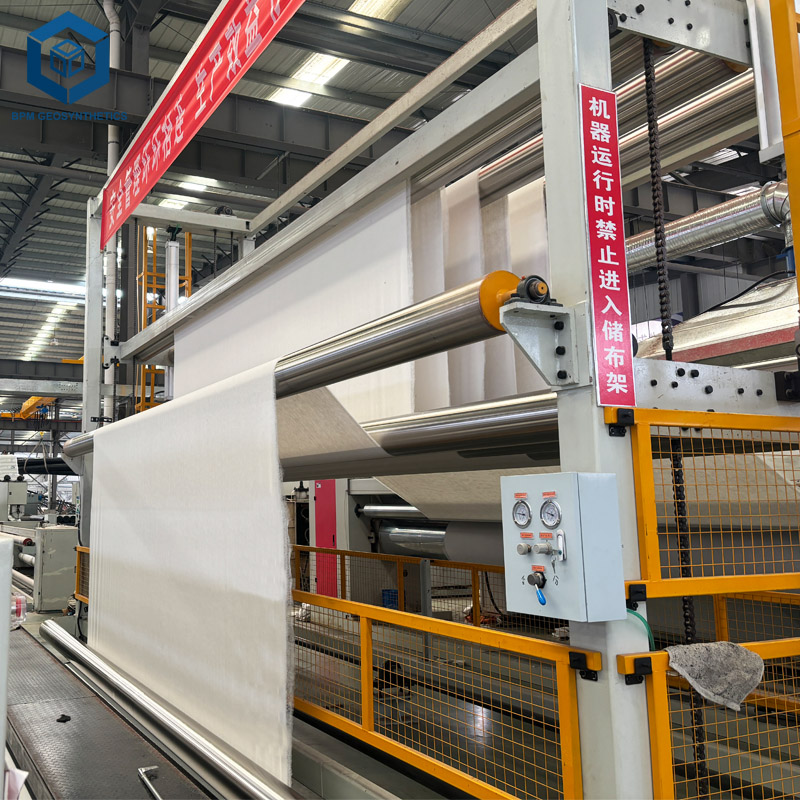
The fibers of polypropylene or polyester are carefully selected and are then processed by the advanced needle-punching technology to produce a uniform structure and reliable performance.
4.4 Comprehensive Physical Performance Testing
For each batch, the testing of the main parameters, including the tensile strength, the elongation, the water permeability, and the resistance to puncture, is carried out in accordance with the requirements of the specification to demonstrate the compliance of the product.
4.5 Consistent Quality and Reliability Assurance
We guarantee that all non woven geotextile filter fabric products will function well and last long and will have reliable drainage performance because of our continuous activities such as standardized testing and follow-up monitoring.
5. BPM Non Woven Geotextile Drainage Fabric – Service and Support
5.1 Professional Product Selection Guidance
Depending on the details of a customer's project, such as what kind of soil is there, what the loading is, and what level of drainage performance is expected, we help in determining the right nonwoven geotextile specifications.
5.2 Complete Technical Documentation
We provide complete technical documentation, including data sheets, test reports, and specification documents, to help with design, approval, and procurement phases.
5.3 Installation Recommendations and Support
We provide straightforward installation instructions, messages, and tips that are easy to follow to ensure the right application, greatest performance, and least risk during installation on-site.
5.4 Stable Production and Supply Capacity
Through a dependable manufacturing capacity and rigorous production planning, we ascertain both high product quality and timely supply for projects of varying sizes.
5.5 Competitive Pricing and Cost Efficiency
By having a factory-direct supply and efficient logistics, we can price our products very competitively while still keeping our high quality. Customers will then be able to manage their total project expenses more effectively with our help.
5.6 Reliable Global Delivery
Thanks to the support we receive from a well-established logistics network, we offer a worldwide delivery service that is reliable and can ensure that the shipment reaches the customer on time and in good condition, even for international projects.
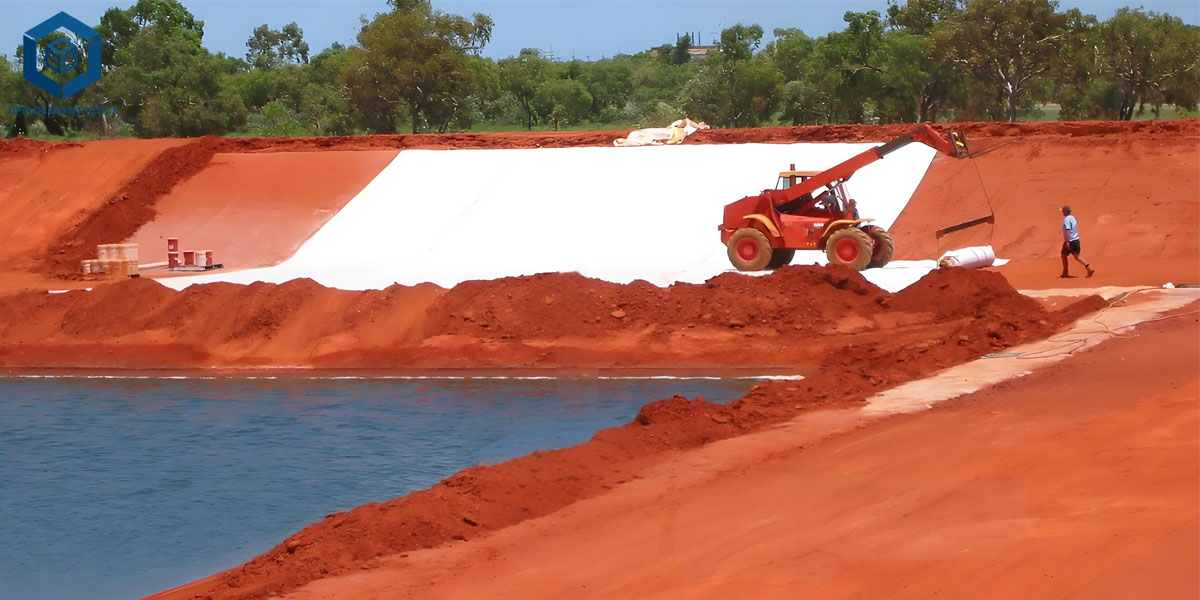
6. Non Woven Geotextile Drainage Fabric Material Grades and Selection Guide
Non Woven Geotextile Drainage Fabric comes in different material specifications and grades so that it can be used for different engineering requirements. Choosing the proper weight, material type, and performance grade is the key to achieving the best drainage efficiency, structural strength, and durability over time.
6.1 Fabric Weight (g/m²) and Application Recommendations
The weight of geo textile material (mass per unit area) determines its mechanical strength, filtration properties, and durability. The weight ranges most commonly used are those for the following applications:
6.1.1 100–150 g/m² (Lightweight Grade)
This grade is perfect for landscaping, garden drainage, green roofs, planter beds, as well as light-duty French drain systems. It has high permeability and is easy to handle where loads are minimal.
6.1.2 150–250 g/m² (Standard Grade)
It is the most commonly used material for residential drainage, foundation drainage, retaining walls, and driveway subbase applications. This grade offers a solid filtration efficiency and tensile strength at an attractive price point.
6.1.3 250–400 g/m² (Medium-Heavy Grade)
This type of material is ideal for road base drainage, parking lots, slope protection, and local drainage systems where there is moderate to heavy traffic and other construction loads.
6.1.4 400–600 g/m² (Heavy-Duty Grade)
The product is used for highways, railways, airport pavements, industrial platforms, and erosion control works requiring high puncture resistance and long-term structural performance.
6.1.5 600–800 g/m² (Extra Heavy Grade)
Such geotextiles are employed in demanding civil engineering and environmental projects, such as landfill drainage layers, mining infrastructure, coastal protection, and large-scale erosion control systems under severe loading conditions, among others.
6.2 PP vs PET Material Comparison
Nonwoven geotextile drainage fabric is either made of polypropylene (PP) or polyester (PET) fibers. Both materials have their merits, which vary according to the setting of the project:
6.2.1 Polypropylene (PP) Non Woven Geotextile
PP geotextiles weigh less and are more resistant to chemicals, acids, alkalis, as well as biological attacks than most other materials. They feature excellent water permeability and are less expensive, hence a perfect choice for general drainage, landscaping, agricultural, and municipal applications. In addition, non woven polypropylene geotextile can be effectively used in areas characterized by high moisture and chemical exposure.
6.2.2 Polyester (PET) Non Woven Geotextile
PET geotextiles have higher tensile strength, better creep resistance, and improved long-term dimensional stability when compared to PP. These properties allow the material to perform well under sustained loads, so it is mostly the material of choice for road building, railway construction, and structural drainage systems. PET is usually more expensive, but its superior performance in heavy-load and long-term applications justifies the price.
6.3 Common Specification Range and Selection Guidance
Typically, the specification range of nonwoven geotextile drainage fabric is between 100 and 800 g/m², and roll widths, lengths, and thicknesses can be tailored to individual requirements. When selecting a product, consider the following:
The type of soil and particle size (fine soils require better filtration performance)
The nature of the loads (traffic loads, backfilling pressure, structural weight)
The extent of drainage (flow rate, permeability, and water pressure)
The degree of environmental exposure (chemical nature, moisture, UV exposure during installation)
The anticipated lifespan of the project (temporary vs permanent infrastructure)
By choosing the right grade, you can ensure that the drainage will work effectively, there will be less chance of clogging or fabric damage, and the drainage system will generally be more reliable and last longer.
7. Non Woven Geotextile Drainage Fabric - FAQ
Q1: How does non woven geotextile fabric help drainage work better?
A: The fabric essentially keeps water moving because of its high permeability while at the same time holding the fine soil particles. This way, drainage systems will not get clogged and stable water flow can be maintained over time.
Q2: Is non woven geotextile fabric resistant to chemical and microbial attack?
A: Certainly. It is chemically stable and resistant not only to acids and alkalis but also to microorganisms, so you can count on it performing well even in varying soil and groundwater conditions.
Q3: Is it strong enough to be used under heavy traffic?
A: Yes. Due to its consistent fiber layout, it offers high tensile strength, tear resistance, and puncture resistance, thus it can be used even in heavy load and tough construction environments.
Q4: What are the available ranges of sizes and specifications?
A: Non woven geotextile drainage fabric is manufactured in various roll widths, lengths, and weights that are specifically tailored to suit the projects with the aim to reduce material waste.
Q5: How is product quality ensured before delivery?
A: The quality of each batch is ensured by conducting physical performance testing involving tensile strength, elongation, permeability, and puncture resistance.
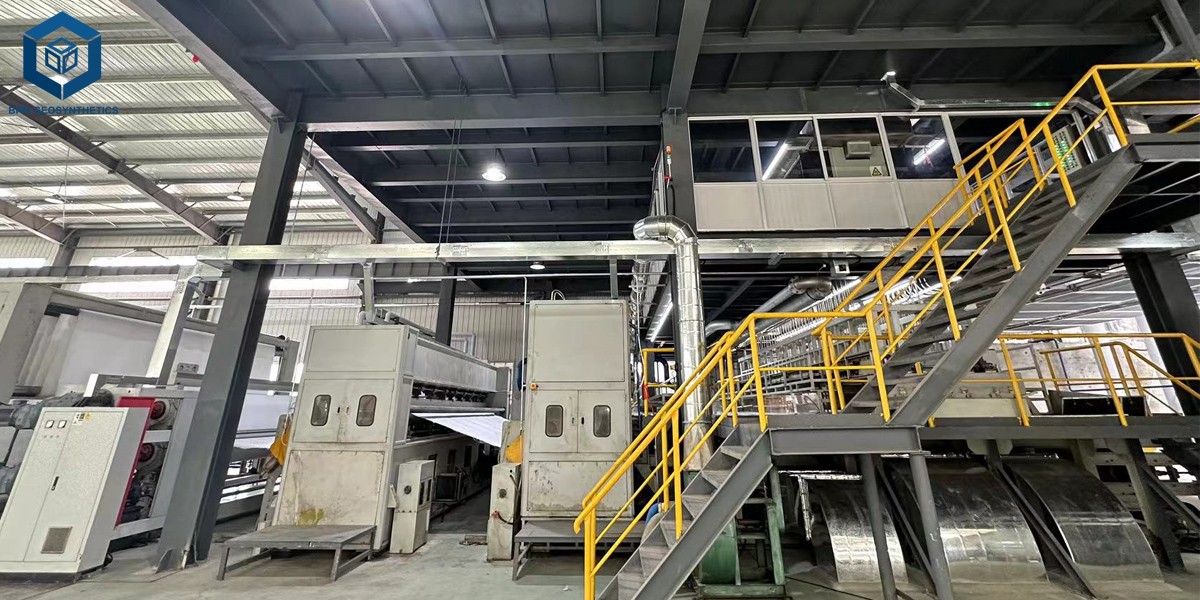
Conclusion
Non Woven Geotextile Drainage Fabric is a key geosynthetic product that can be used for drainage, filtration, and soil stabilization in different civil engineering and environmental projects. Superior permeability, robust mechanical properties, and long service life make it a valuable reinforcer that can protect the structure and at the same time reduce maintenance and operational costs. The Best Project Material Co., Ltd. (BPM Geosynthetics) Non Woven Geotextile Drainage Fabric offers you the combination of top-notch quality, extensive testing, adaptable specifications, and expert technical support, thus becoming a safe and economical option for contractors, engineers, and project owners all over the world.