Geotextile Filter Fabric
In civil engineering, construction, and environmental projects, the need for effective drainage, soil stabilization, and filtration systems has led to the widespread use of Geotextile Filter Fabric. This material plays a crucial role in enhancing the efficiency and longevity of infrastructure by providing a reliable solution for managing water flow, preventing soil erosion, and improving the stability of structures.
Geotextile Filter Fabric: A Critical Solution for Drainage, Filtration, and Soil Stabilization
Introduction
In civil engineering, construction, and environmental projects, the need for effective drainage, soil stabilization, and filtration systems has led to the widespread use of Geotextile Filter Fabric. This material plays a crucial role in enhancing the efficiency and longevity of infrastructure by providing a reliable solution for managing water flow, preventing soil erosion, and improving the stability of structures.
This article delves into the characteristics, market trends, applications, and manufacturing processes of Geotextile Filter Fabric, offering insights for B2B buyers looking to invest in high-quality materials for construction and environmental projects.
What is Geotextile Filter Fabric?
Definition and Composition
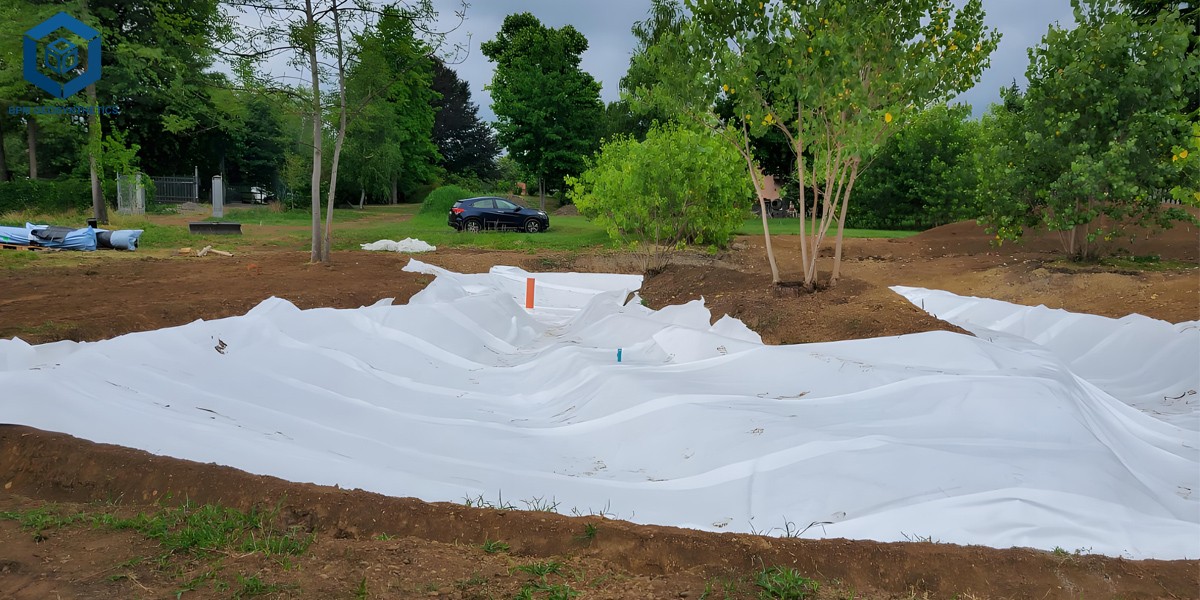
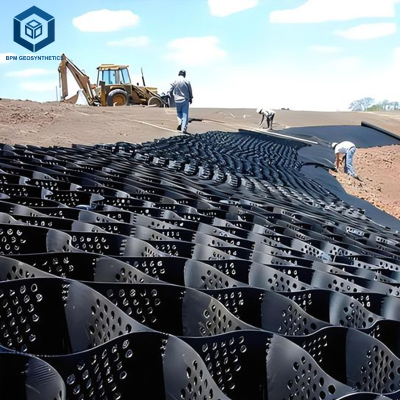
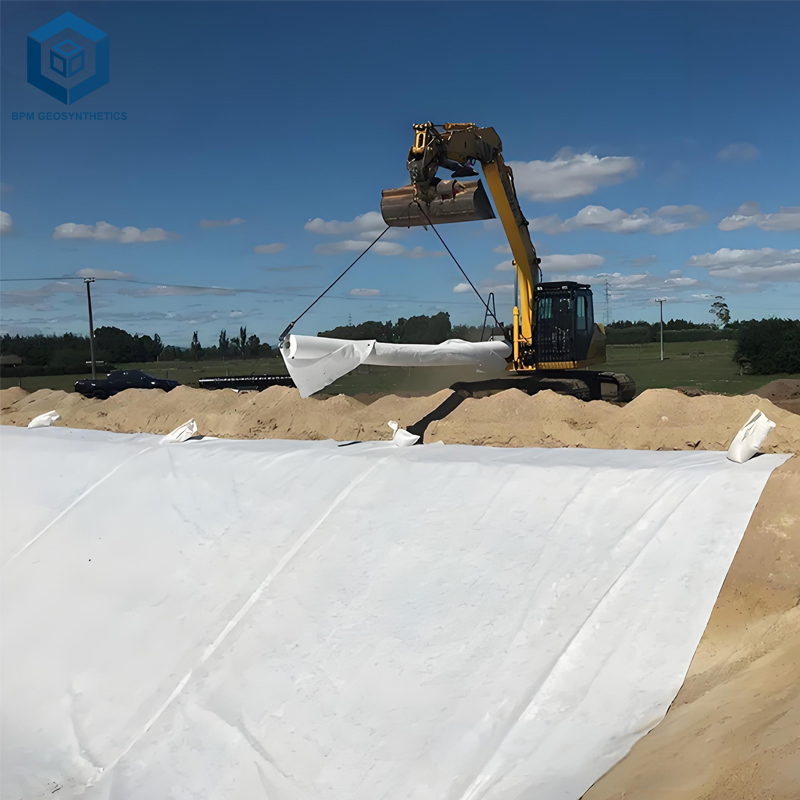
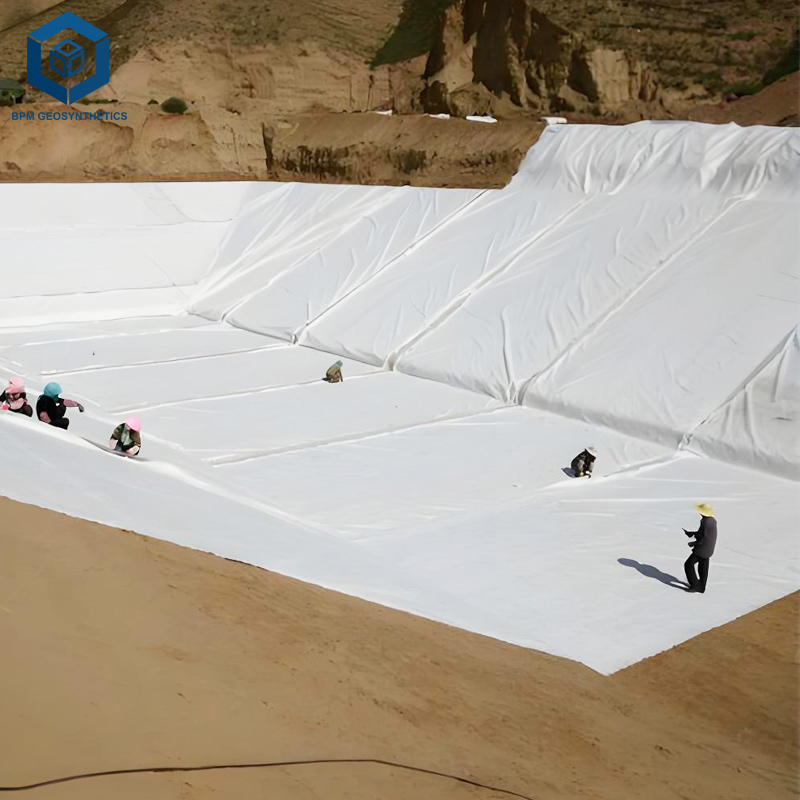
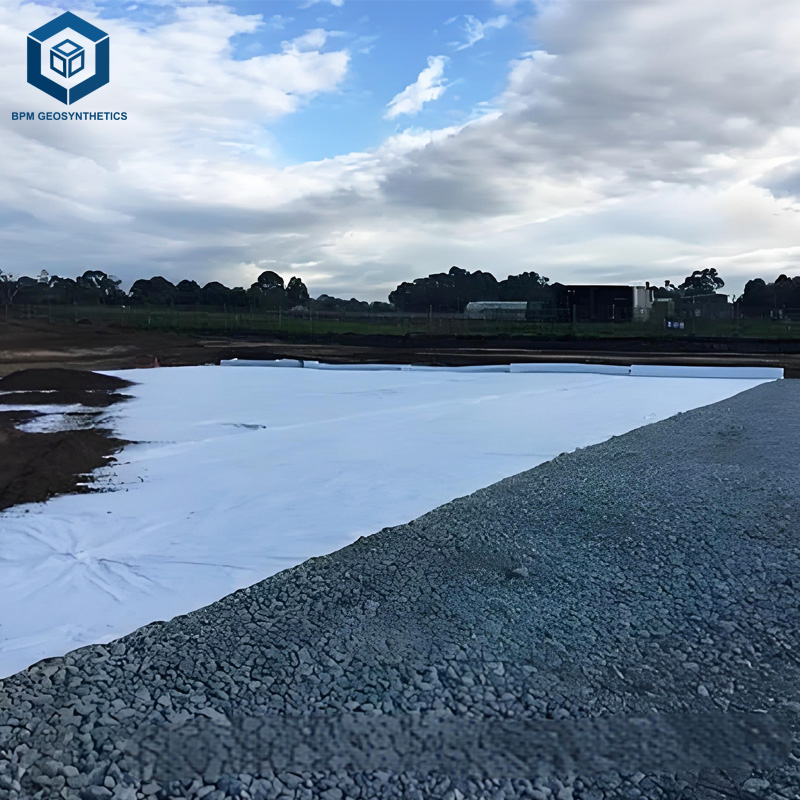
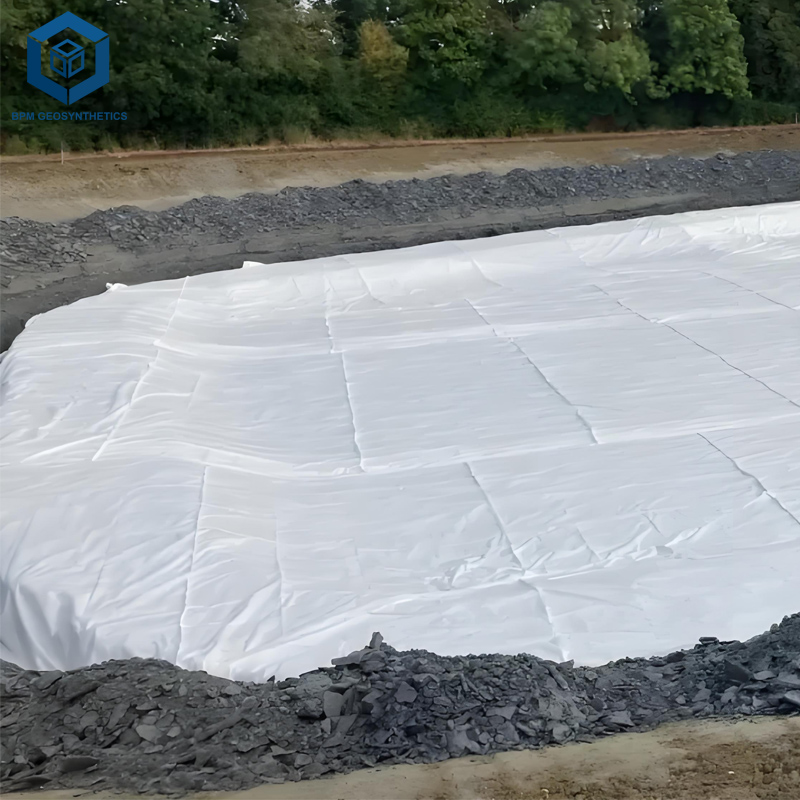
Geotextile Filter Fabric is a synthetic textile made from either polypropylene or polyester fibers, woven or nonwoven, designed to filter water while allowing the free flow of fluids through it. It is used primarily in civil engineering and construction projects for drainage, soil separation, and erosion control. The fabric acts as a barrier, preventing soil particles from entering drainage systems while allowing water to pass through, making it an essential component in a variety of applications, including landfills, roads, railways, and shoreline protection.
Key Features and Benefits
Water Permeability: Geotextile Filter Fabrics are designed to allow water to flow freely through them while retaining the soil particles, making them ideal for drainage systems and filtration applications.
Soil Stabilization: These fabrics provide soil separation, ensuring that soil particles are prevented from mixing with aggregates or other materials. This prevents contamination and preserves the integrity of the construction.
Erosion Control: Used in erosion-prone areas, the fabric helps to maintain the stability of the soil, preventing it from being washed away by rain or water flow.
Durability: Geotextile fabrics are made from high-strength synthetic fibers that are resistant to chemicals, UV rays, and mechanical wear, making them durable and long-lasting in even the harshest environments.
Cost-Effective: They are an affordable solution compared to traditional methods of drainage or filtration, making them an attractive option for large-scale construction projects.
Applications of Geotextile Filter Fabric
1. Road and Railway Construction
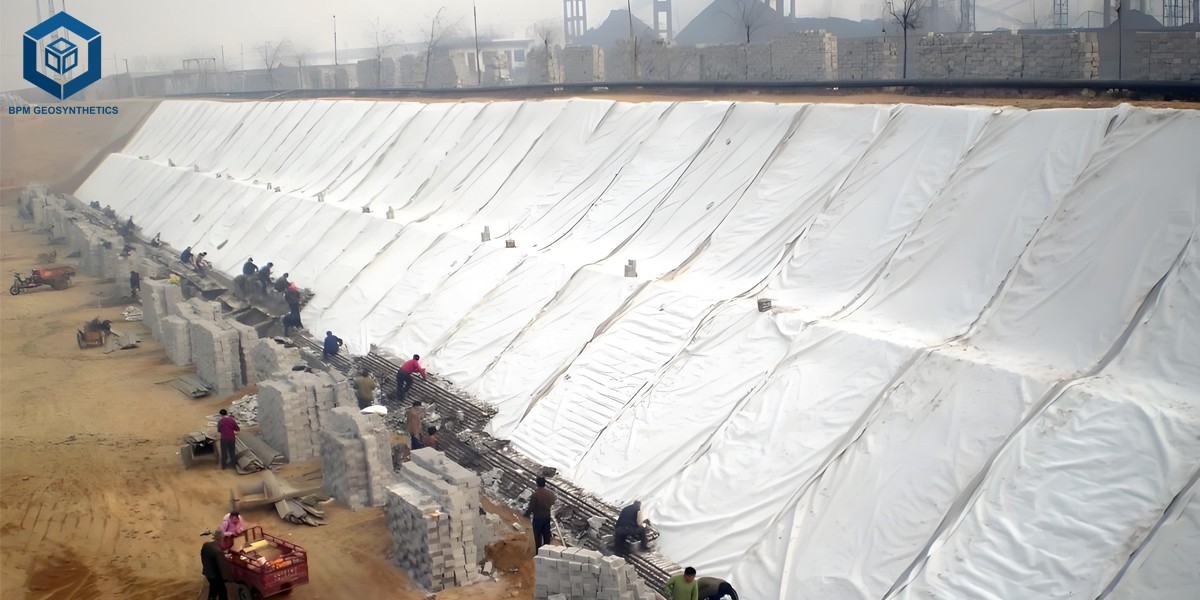
In roadway and railway projects, Geotextile Filter Fabrics are used to separate the soil from aggregates, preventing the mixture of the two during construction. This helps to maintain the integrity and stability of the road or track. Additionally, these fabrics are used for drainage under roadways to prevent water from accumulating beneath the surface, which could cause instability or deterioration.
2. Landfill Construction
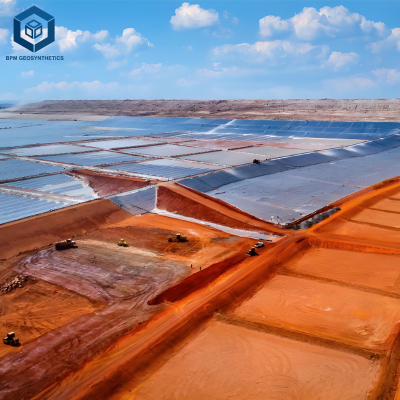
Geotextile Filter Fabrics are crucial in landfill liner systems. They are used to separate the landfill waste from the underlying soil and provide drainage to prevent the build-up of leachate, ensuring that contaminants do not seep into the environment. In this application, the fabric also aids in erosion control and improves the long-term performance of the landfill.
3. Shoreline Protection and Erosion Control
In coastal and shoreline protection applications, Geotextile Filter Fabric is used to prevent erosion of the soil along shorelines or riverbanks. It is particularly effective in stabilizing the ground while promoting water flow, which is essential in managing erosion due to storm surges or waves.
4. Stormwater Management Systems
Geotextile Filter Fabrics are an essential component of stormwater management systems. They are used in drainage systems and infiltration trenches to filter out contaminants and sediment from stormwater runoff before it enters watercourses or reservoirs, preventing water pollution and improving water quality.
5. Vegetated and Green Roofs
In green roof construction, Geotextile Filter Fabrics are used to separate the growing medium from the roof membrane, preventing soil and sediment from contaminating the system while allowing water to pass through. This helps to maintain the structural integrity of the building and the health of the plants growing on the roof.
Market Trends and Insights
1. Increasing Demand for Infrastructure Development
The global infrastructure market is experiencing significant growth, particularly in developing regions such as Asia-Pacific and Latin America, where there is increasing investment in transportation networks, urban development, and waste management facilities. As a result, the demand for Geotextile Filter Fabrics is also on the rise, with growing applications in road construction, landfills, and stormwater management.
2. Growing Environmental Regulations
As governments around the world tighten environmental regulations, there is a greater emphasis on sustainable construction practices. Geotextile Filter Fabrics provide an eco-friendly solution by improving water management, reducing soil erosion, and facilitating the construction of environmentally responsible infrastructure.
3. Technological Advancements
Advancements in fabric production technologies have led to the development of more durable, high-performance geotextiles. Nonwoven fabrics are increasingly preferred in applications that require filtration, while woven fabrics are used in areas requiring higher strength. Manufacturers are also exploring bio-based materials and recycled fibers to meet the growing demand for sustainable products.
4. Increasing Adoption in Agricultural and Environmental Applications
In addition to traditional applications in construction, Geotextile Filter Fabrics are also seeing increased use in agriculture and environmental conservation projects. The fabric’s ability to improve soil drainage, separate materials, and prevent contamination makes it ideal for agricultural drainage systems and wetland restoration projects.
Manufacturing Process of Geotextile Filter Fabric
1. Raw Material Selection
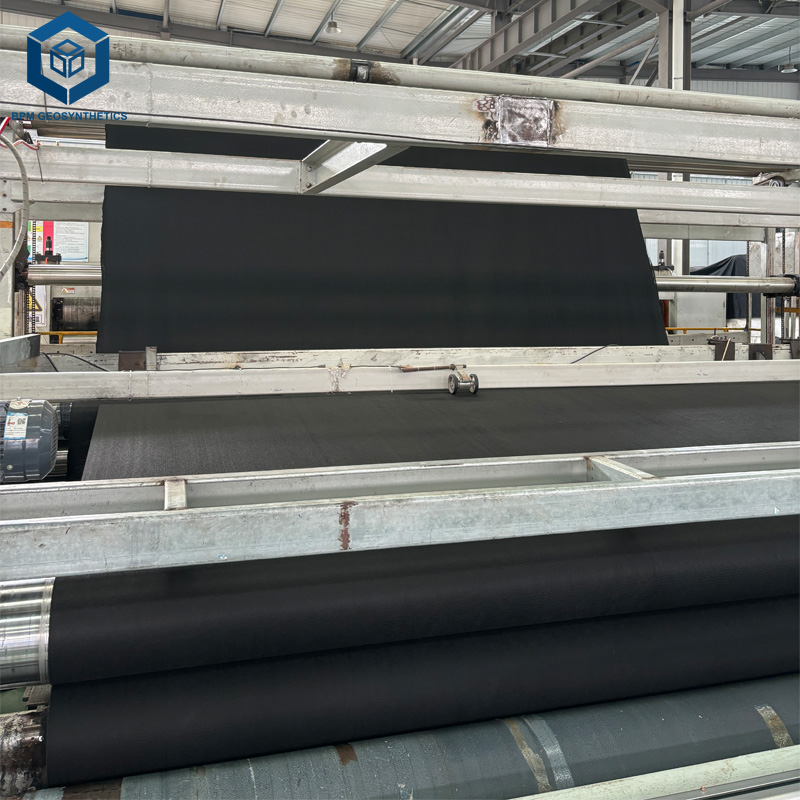
Geotextile Filter Fabrics are made from polyester or polypropylene fibers. The quality of the fibers is essential to ensure the durability and performance of the final product. The fibers are selected based on their strength, chemical resistance, and ability to withstand environmental stress.
2. Weaving or Nonwoven Technology
Depending on the application, Geotextile Filter Fabrics are either woven or nonwoven. Woven fabrics are typically used for applications requiring strength, such as soil stabilization and road construction, while nonwoven fabrics are used in filtration systems, as they allow water to pass through easily while retaining soil particles.
3. Fabric Treatment
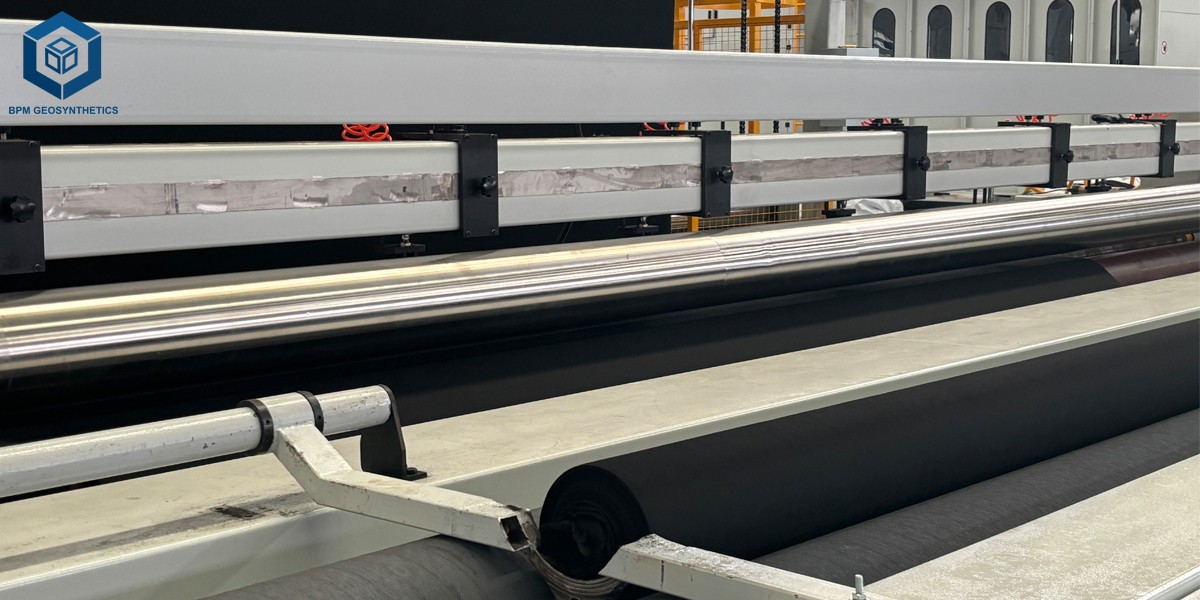
Once the fabric is woven or formed, it undergoes treatment processes such as heat-setting, needle-punching, or chemical coating to enhance its physical properties. This helps to improve its UV resistance, puncture resistance, and permeability.
4. Quality Control and Testing
After manufacturing, the fabric is rigorously tested for strength, permeability, and chemical resistance. This ensures that the geotextile meets the required performance standards for its intended application.
FAQs About Geotextile Filter Fabric
1. What is the difference between woven and nonwoven geotextile fabrics?
Woven geotextiles are made by interlacing fibers to create a strong fabric suitable for soil stabilization and reinforcement. Nonwoven geotextiles are made by bonding fibers together using heat or needles, and are primarily used for filtration and drainage applications.
2. How long does geotextile filter fabric last?
The lifespan of geotextile filter fabric depends on its exposure to environmental conditions. Typically, a well-installed geotextile can last for 20-30 years or more in non-UV exposed environments, with proper maintenance.
3. Can geotextile fabrics be used in all types of soil?
Yes, geotextile filter fabrics are versatile and can be used in sandy, clay, and loamy soils. They are designed to provide effective filtration and separation across different soil types.
4. Are geotextile fabrics environmentally friendly?
Yes, geotextile fabrics are generally made from synthetic, durable materials that are long-lasting and can be recycled. They help protect the environment by reducing soil erosion and improving drainage systems.
Conclusion and Call to Action
Geotextile Filter Fabrics provide a cost-effective, efficient, and durable solution for drainage, filtration, and soil stabilization in a wide variety of construction and environmental applications. Whether used in road construction, landfill liners, or erosion control, these fabrics offer long-term benefits for sustainable infrastructure projects.
We offer a wide range of high-performance Geotextile Filter Fabrics designed to meet the diverse needs of the construction, agriculture, and environmental sectors.
Contact us today for more information on our products, technical specifications, and pricing. Let us help you choose the best geotextile solutions for your next project!