Geomembrane HDPE 1mm
As large-scale civil engineering, water management, aquaculture, and environmental protection projects rapidly expand worldwide, demand for durable waterproofing materials continues to grow. Among available options, Geomembrane HDPE 1mm has become one of the most widely used and trusted geomembrane specifications due to its balance of strength, cost efficiency, and long-term performance. This article provides a comprehensive overview for international buyers, covering technical features, manufacturing processes, applications, market growth, and key considerations for procurement.
Geomembrane HDPE 1mm: A Reliable Waterproofing Solution for Global Infrastructure Projects
As large-scale civil engineering, water management, aquaculture, and environmental protection projects rapidly expand worldwide, demand for durable waterproofing materials continues to grow. Among available options, Geomembrane HDPE 1mm has become one of the most widely used and trusted geomembrane specifications due to its balance of strength, cost efficiency, and long-term performance. This article provides a comprehensive overview for international buyers, covering technical features, manufacturing processes, applications, market growth, and key considerations for procurement.
Global Market Overview of HDPE Geomembrane
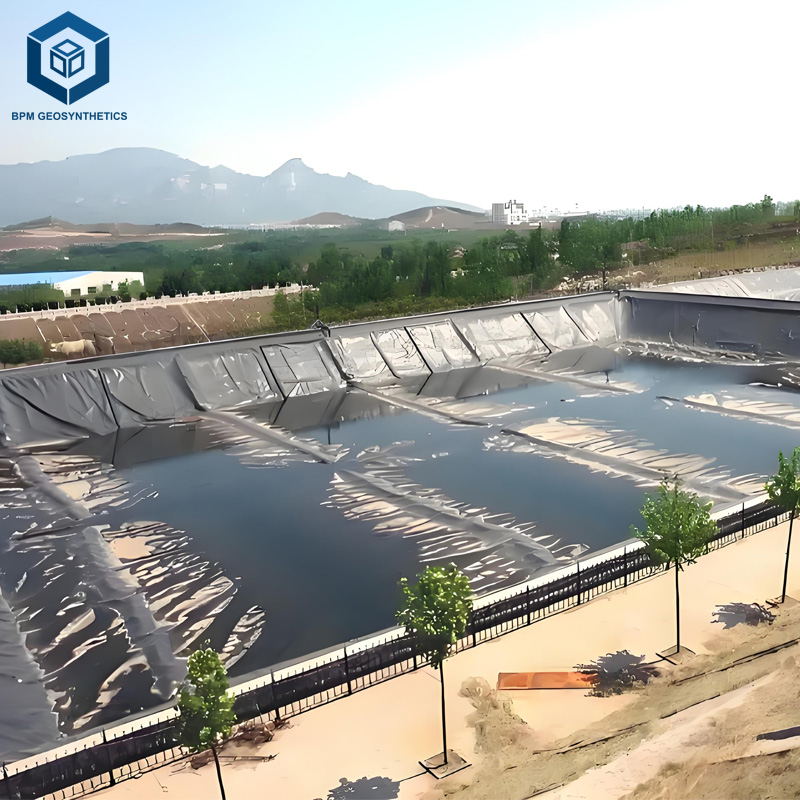
The geomembrane industry is experiencing stable growth, with the global market expected to exceed USD 3.7 billion by 2030. HDPE geomembrane represents more than 35% of total market volume due to its superior mechanical properties and chemical resistance. In particular, Geomembrane HDPE 1mm is widely selected for medium to large-scale containment structures such as irrigation ponds, mining tailings, landfill caps, and industrial wastewater storage.
Main Drivers of Market Growth
Expansion of mining industries in Southeast Asia, Africa, and South America
Increasing investment in agriculture and aquaculture systems
Stricter environmental regulations related to waste management
Rapid development of urban water conservation facilities
Rising adoption of geomembranes in infrastructure and energy projects
The trend toward sustainable construction further strengthens the position of high-density polyethylene liners as an essential material in global engineering.
What Is Geomembrane HDPE 1mm?
Geomembrane HDPE 1mm is a high-density polyethylene sheet designed for waterproofing and containment applications. With a thickness of 1 millimeter, it offers an optimal balance between flexibility and durability, making it suitable for a wide range of engineering scenarios.
Core Properties of HDPE Geomembrane 1mm
High tensile strength for long-term dimensional stability
Excellent chemical resistance, suitable for wastewater, fertilizers, and industrial liquids
UV resistance that prevents aging and cracking under prolonged sunlight exposure
Low permeability rate for efficient water and fluid containment
High puncture and tear resistance, ideal for uneven soil conditions
Service life reaching 20–30 years, depending on application environment
These characteristics make Geomembrane HDPE 1mm a practical choice for medium-duty engineering projects requiring reliable waterproof performance.
Manufacturing Process of HDPE 1mm Geomembrane
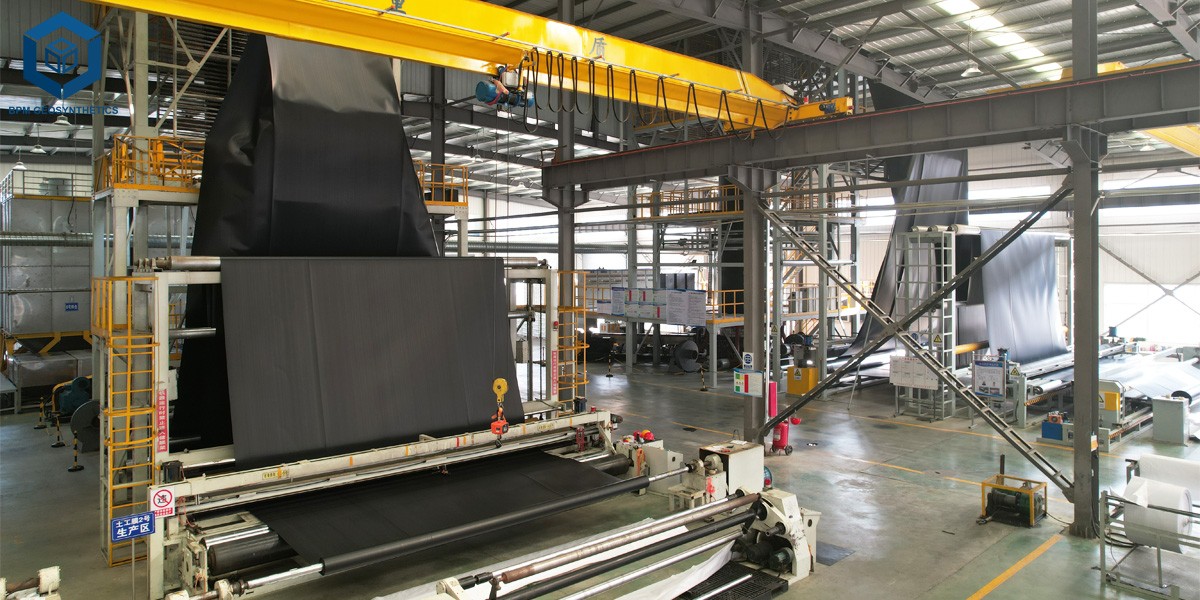
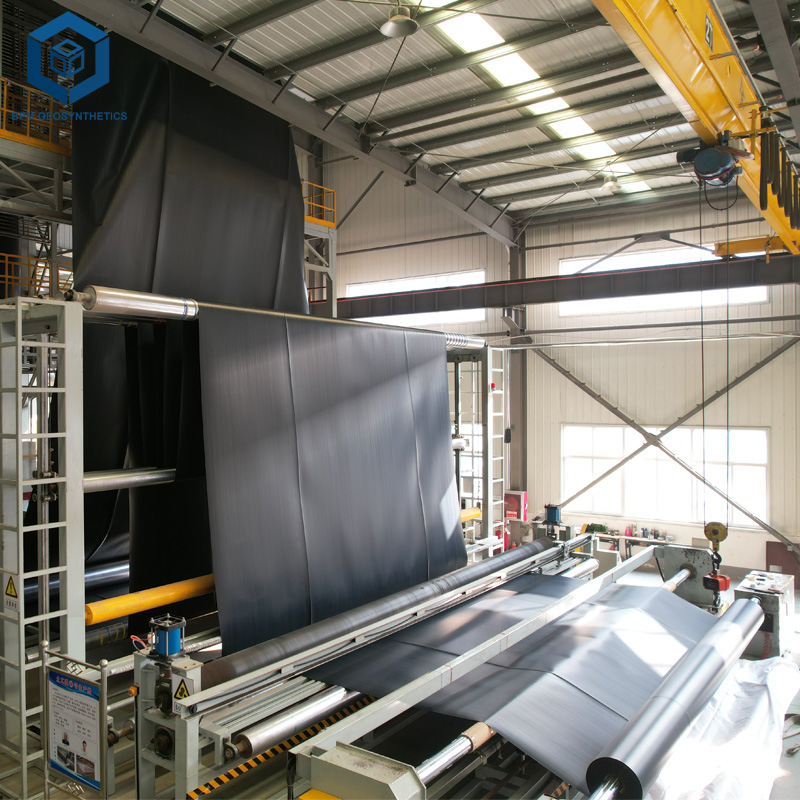
To ensure consistent thickness and mechanical stability, Geomembrane HDPE 1mm is manufactured using advanced extrusion and calibration technologies.
H3: Standard Production Workflow
Raw Material Selection
High-density polyethylene resin is blended with stabilizers, antioxidants, and anti-UV agents.Extrusion or Blown Film Process
The molten HDPE material is extruded through a die, forming a continuous sheet with uniform thickness.Calendering and Cooling
Precision rollers further refine thickness accuracy, while cooling ensures structural stability.Texturing (Optional)
For engineering applications requiring slope stability, a textured surface may be added.Cutting and Packaging
Rolls are cut to project-specific dimensions for easy transportation and installation.
Each production step is crucial to ensuring the final membrane meets international standards such as ASTM and ISO.
Applications of Geomembrane HDPE 1mm
H2: Aquaculture and Agriculture
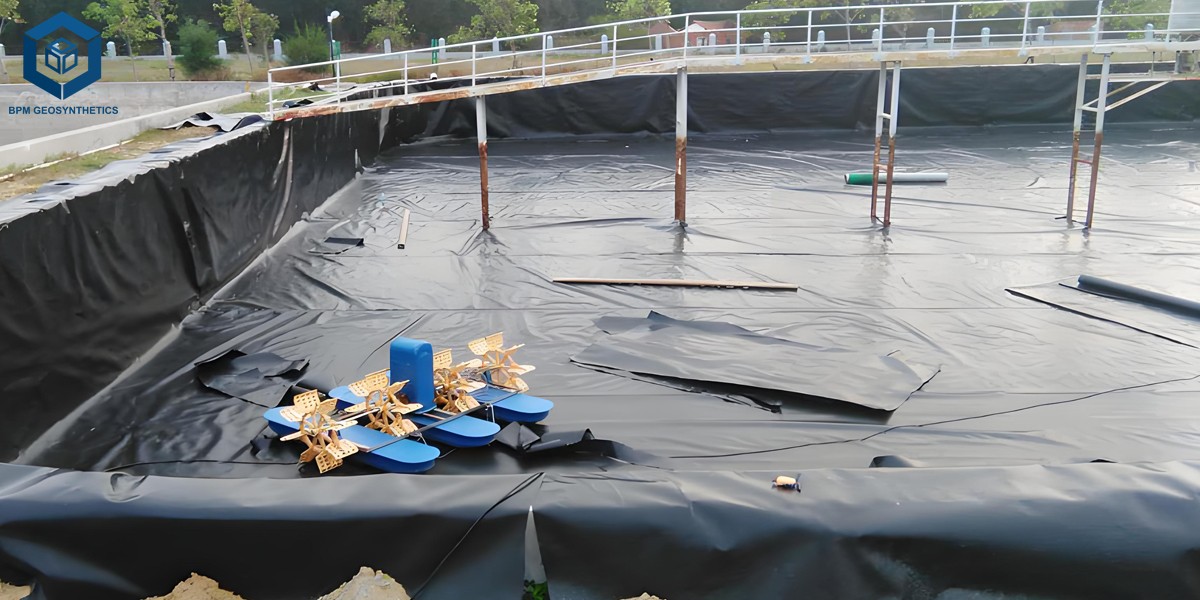
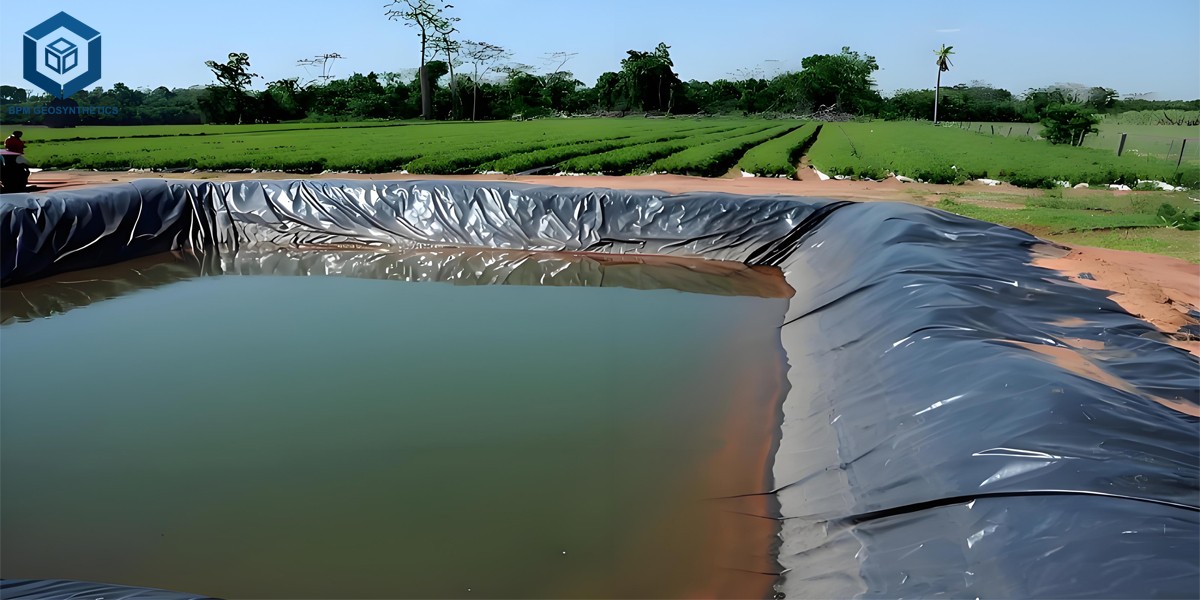
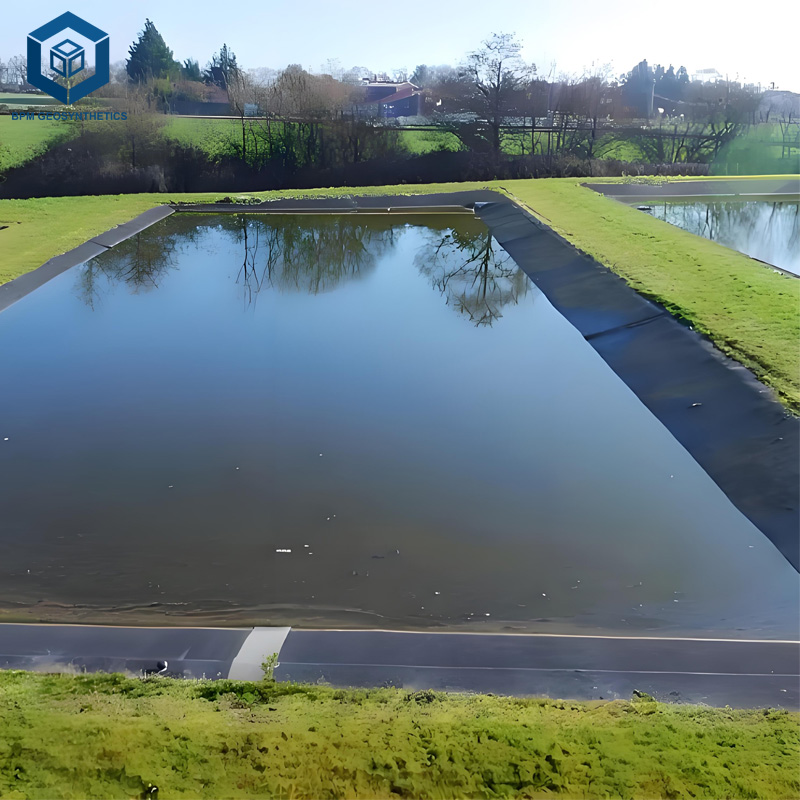
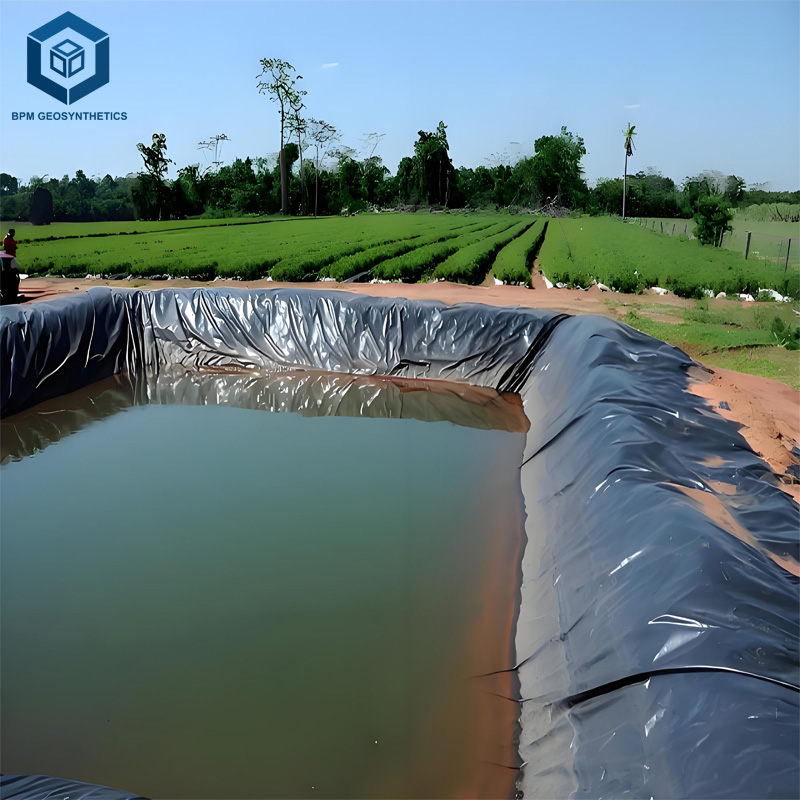
In fish ponds, shrimp ponds, and irrigation reservoirs, Geomembrane HDPE 1mm prevents water seepage and enhances water retention efficiency. Its non-toxic properties support healthy aquaculture environments.
H2: Wastewater Treatment and Industrial Containment
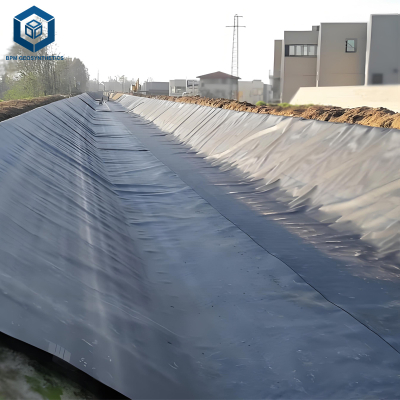
The material is widely applied in chemical plants, industrial lagoon basins, and wastewater treatment facilities due to its chemical stability and resistance to corrosion.
H2: Landfill and Environmental Protection
HDPE geomembranes serve as essential liners for landfill caps, bottom liners, and leachate collection systems, helping prevent groundwater contamination.
H2: Mining and Energy Projects
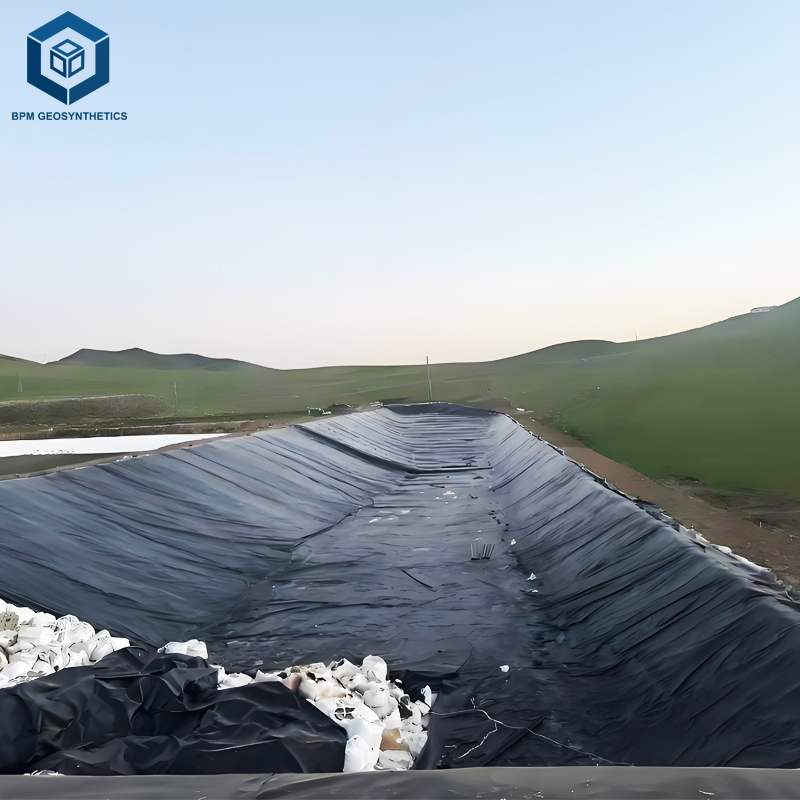
Mining tailings, heap leach pads, and energy slurry containment systems rely on HDPE geomembranes for large-scale environmental protection and operational safety.
Market Trends: Why Geomembrane HDPE 1mm Is Increasingly Preferred
1. Cost-Effective Waterproofing
Its lower material cost compared to thicker membranes makes 1mm HDPE an attractive option for medium-scale projects.
2. Advancements in Polymer Technologies
Modern HDPE formulations provide improved stress cracking resistance and durability.
3. Expanding Regulations on Water Conservation
Governments are reinforcing regulations for water retention systems, stimulating geomembrane adoption.
4. Rapid Growth in Agricultural and Aquaculture Infrastructure
Countries in Africa, Asia, and the Middle East continue to invest in water storage and fish farming facilities.
5. Versatility Across Industries
Geomembrane HDPE 1mm is adaptable to landscaping, civil engineering, environmental cleanup, and industrial sectors.
Technical Advantages of Geomembrane HDPE 1mm
Outstanding impermeability for reliable leakage prevention
Excellent resistance to acids, alkaline chemicals, and organic compounds
Superior thermal stability suitable for hot and cold climates
High tear strength, minimizing damage during installation
Low maintenance cost throughout its service life
Compatible with welding techniques such as hot wedge and extrusion welding
These advantages explain why 1mm HDPE geomembranes are frequently specified in project tenders and engineering designs.
FAQ: Common Questions from International Buyers
1. Is Geomembrane HDPE 1mm thick enough for pond or reservoir lining?
Yes. For medium-duty fish ponds, irrigation ponds, and decorative water features, 1mm provides sufficient impermeability and strength. Heavy-duty or rocky terrain may require 1.5–2mm.
2. Can HDPE 1mm geomembrane be welded on-site?
Absolutely. It supports hot wedge welding, extrusion welding, and ultrasonic welding, ensuring seamless joints.
3. How long does Geomembrane HDPE 1mm last outdoors?
With UV stabilizers, it can last over 20 years in standard conditions.
4. Is it safe for aquaculture applications?
Yes. HDPE is non-toxic, environmentally friendly, and widely used for fish ponds and aquaculture tanks.
Conclusion and Call to Action
With expanding global investments in water conservation, aquaculture, mining, landfill engineering, and industrial containment, Geomembrane HDPE 1mm has become an indispensable waterproofing material. Its durability, chemical resistance, and cost-efficiency make it a top choice for international engineering projects seeking long-term, stable performance.
If you require technical consultation, project-specific specifications, or large-volume procurement options, We welcome your professional inquiry. Our team provides engineering guidance, product customization, and global shipment support to help you achieve reliable project results.