Dam Liner
The global demand for Dam Liner continues to increase as countries invest heavily in water conservation, agricultural modernization, and environmental protection projects. Water storage systems such as dams, irrigation ponds, and industrial containment structures require durable geomembrane materials capable of preventing leakage and ensuring operational efficiency.
Recent market research indicates strong growth driven by aging infrastructure replacement, climate-related water scarcity, and stricter environmental regulations. Emerging economies in Africa, Southeast Asia, and Latin America are actively expanding engineered water systems, creating a continuous need for high-quality dam liner solutions.
Global Market Expansion for Dam Liner in Water Resource Engineering
The global demand for Dam Liner continues to increase as countries invest heavily in water conservation, agricultural modernization, and environmental protection projects. Water storage systems such as dams, irrigation ponds, and industrial containment structures require durable geomembrane materials capable of preventing leakage and ensuring operational efficiency.
Recent market research indicates strong growth driven by aging infrastructure replacement, climate-related water scarcity, and stricter environmental regulations. Emerging economies in Africa, Southeast Asia, and Latin America are actively expanding engineered water systems, creating a continuous need for high-quality dam liner solutions.
Industry Trends and Investment Drivers
Industry trends show that project owners are prioritizing long-term durability over low-cost non-engineered materials. Performance-oriented dam liners with higher tensile strength, improved UV resistance, and longer service life have become essential for large-scale projects.
Another major trend is the shift toward environmentally responsible materials. Many engineering contractors require documented compliance with global standards, lower permeability coefficients, and improved resistance to soil chemicals. This increasing focus on quality and sustainability directly influences procurement standards across public and private water projects.
Technical Specifications Required by Global Buyers
To meet international engineering expectations, a premium Dam Liner must fulfill critical specifications that support long-term structural stability. Key parameters include:
• Thickness options from 0.5mm to 2.0mm depending on reservoir depth and hydraulic load
• High tensile strength and puncture resistance to withstand soil pressure and water movement
• Extremely low permeability for effective seepage control
• UV-stabilized polymer formulation for long-term outdoor exposure
• Chemical resistance suitable for agricultural water, mining runoff, or industrial liquids
• Compatibility with thermal welding to ensure strong, secure seam bonding
These specifications align with high-demand long-tail applications such as pond liner systems, water reservoir lining, agricultural lagoon liner installation, canal lining solutions, and industrial containment basins. Incorporating these terms helps target accurate buyer search intent while maintaining professional readability.
Material Structure and Functional Composition
A standard dam liner is typically manufactured from high-density polyethylene (HDPE) or linear low-density polyethylene (LLDPE). These polymers are selected for their mechanical stability, flexibility, and resistance to cracking under stress.
The functional structure generally includes:
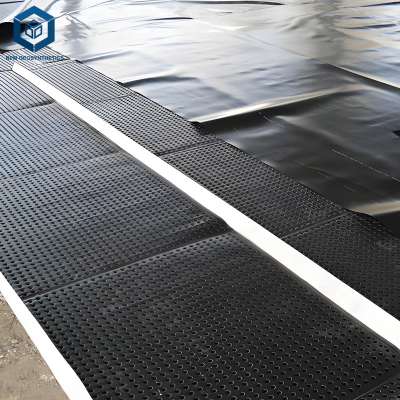
• A smooth or textured outer surface to improve slope stability
• UV-resistant additives that prevent degradation under direct sunlight
• Reinforced mechanical properties that enhance puncture and tear resistance
• Multi-layer extrusion technology that ensures uniform thickness and consistent impermeability
Manufacturing Process and Quality Assurance
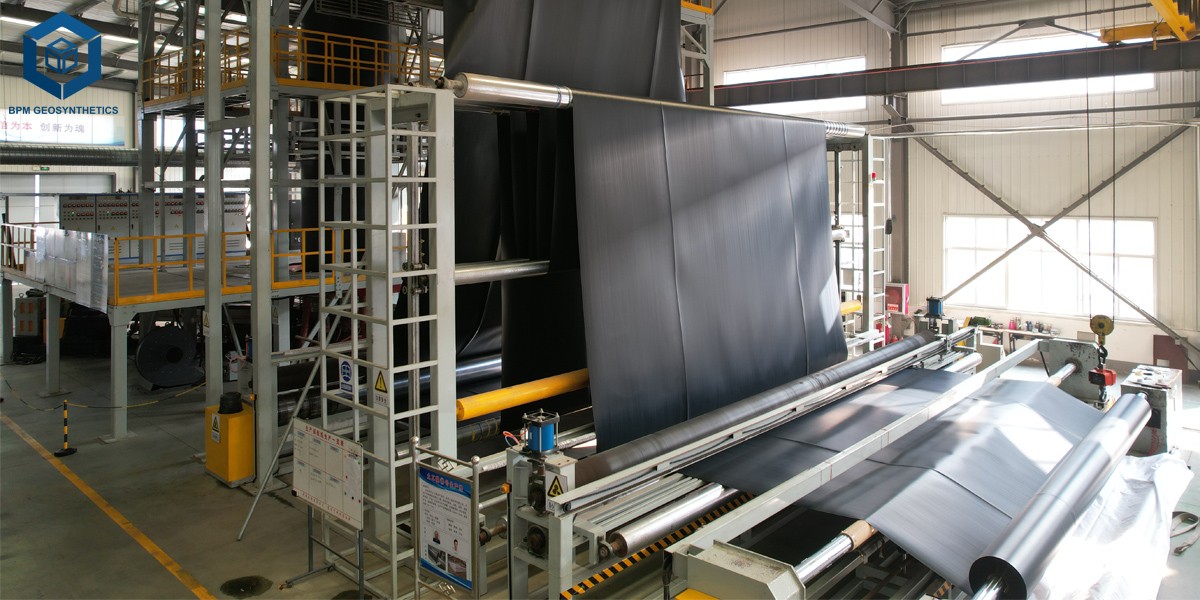
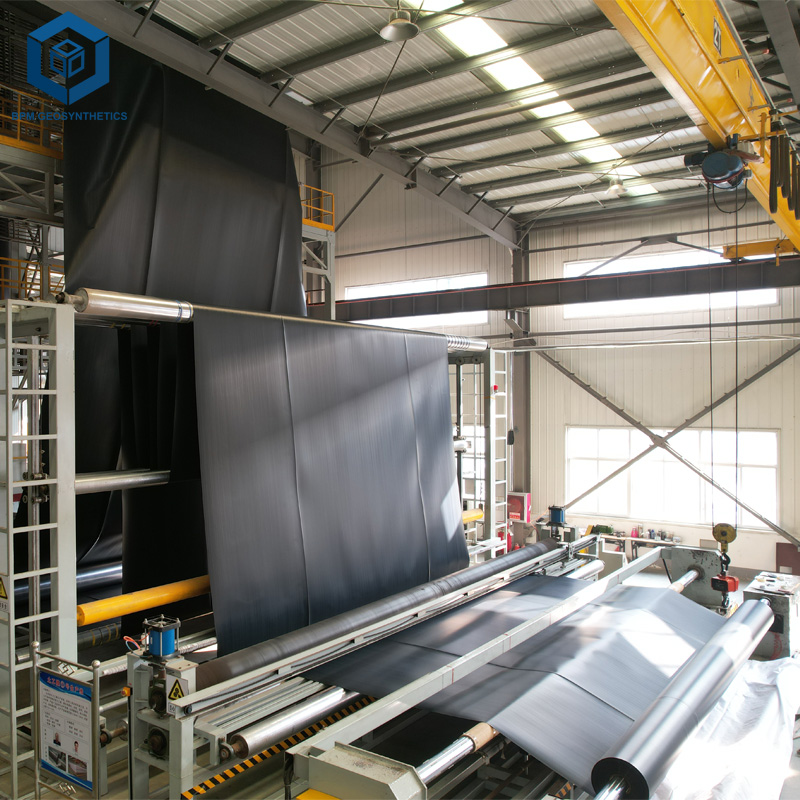
The manufacturing of Dam Liner requires precise process control to ensure consistent performance. Production typically includes raw material filtration, polymer melting, extrusion, calendering, cooling, and final dimensional inspection.
Quality verification involves multiple tests, including tensile strength analysis, elongation at break, tear resistance assessment, permeability testing, and visual surface inspection. International buyers often request comprehensive test reports, especially for government-funded reservoir construction or industrial containment applications.
Common Applications and Installation Requirements
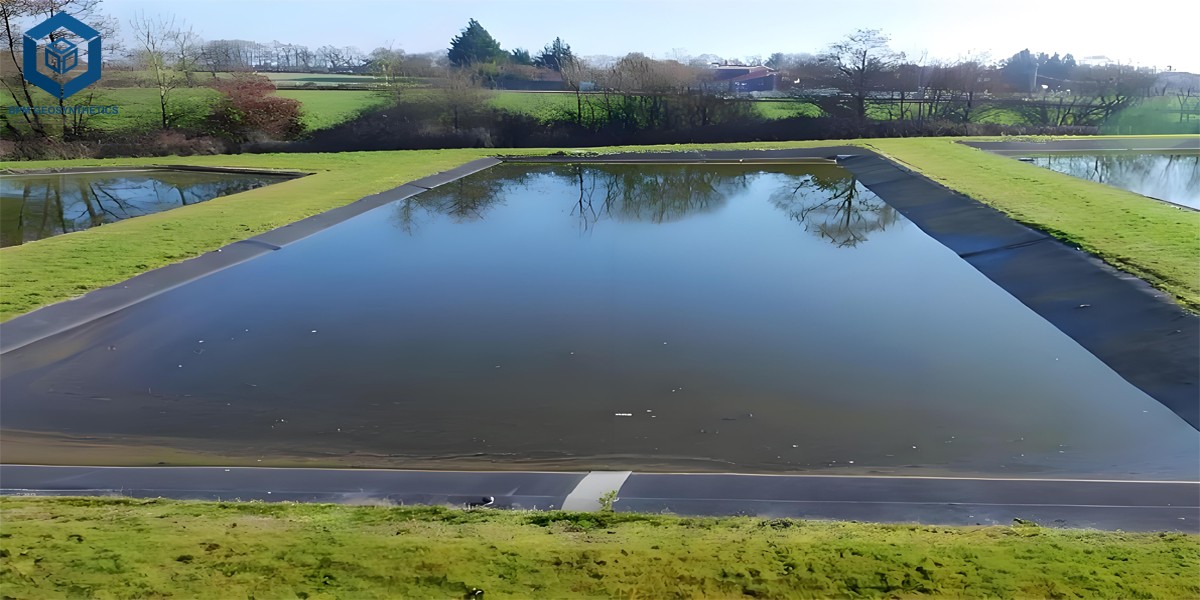
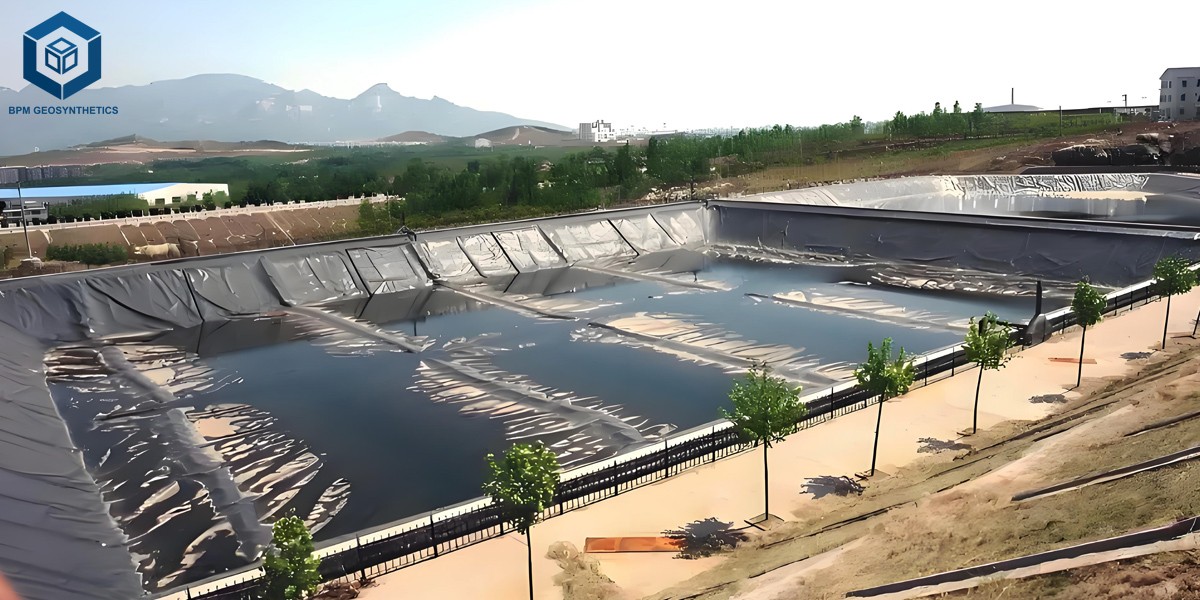
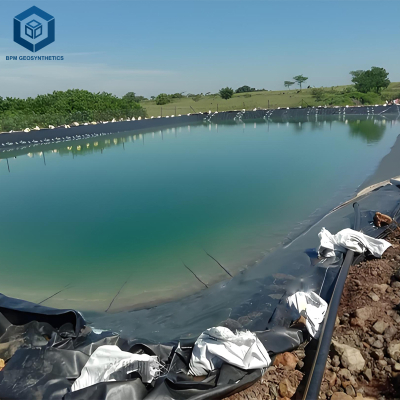
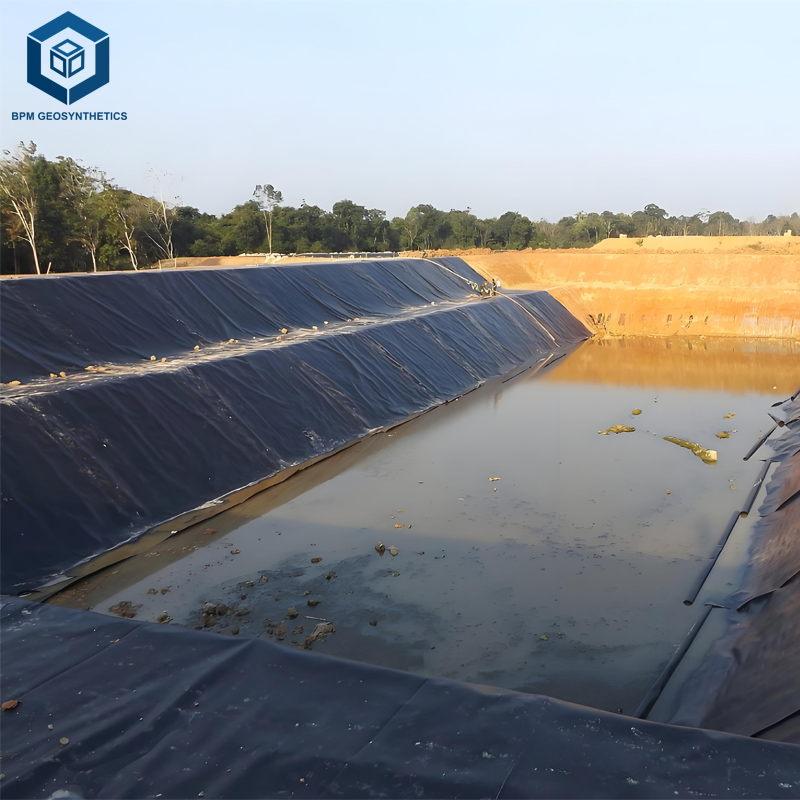
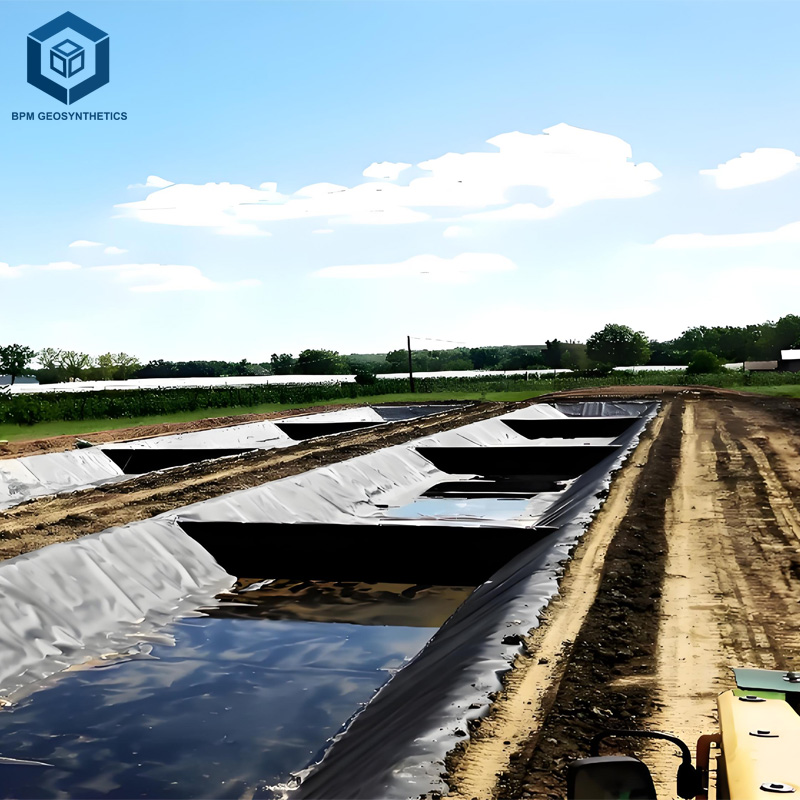
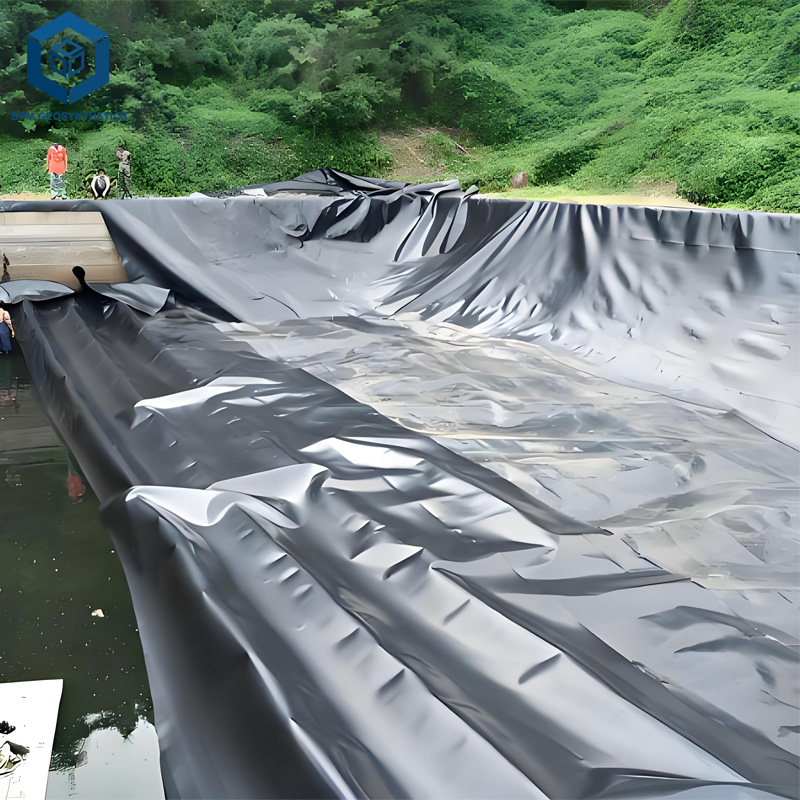
Dam liner is used in water retention structures, agricultural irrigation ponds, aquaculture basins, stormwater retention systems, mining leach pads, and industrial wastewater containment units. In each application, installation quality plays a decisive role in long-term performance.
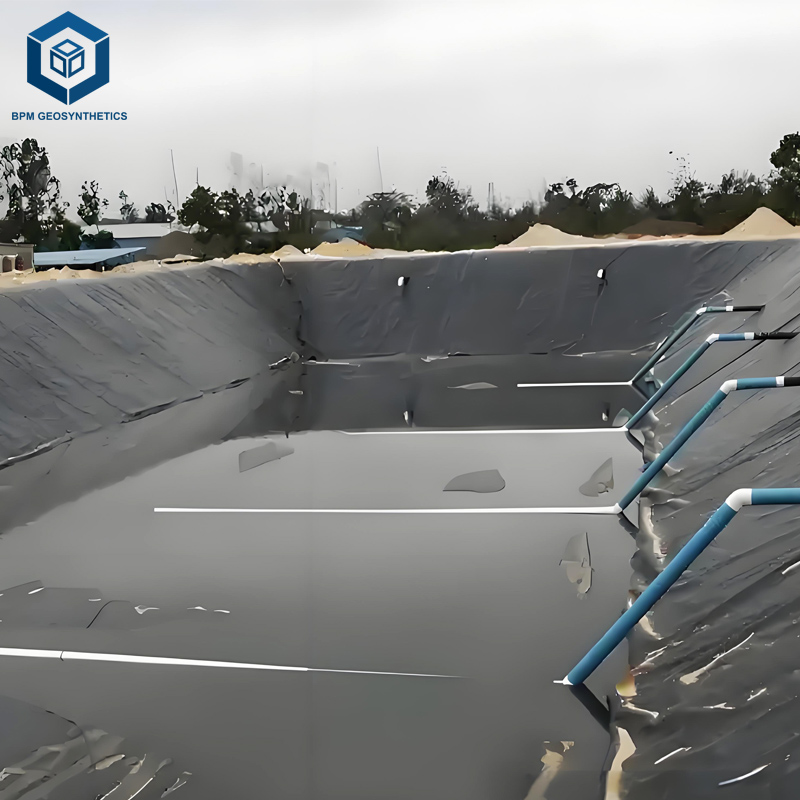
Engineering contractors typically require proper sub-grade preparation, thermal welding procedures, on-site seam testing, and slope anchoring guidelines. These requirements help minimize seepage risk and improve long-term structural stability, especially in high-load or high-temperature environments.
International Buyer Preferences and Key Pain Points
Based on current global purchasing patterns, international buyers consistently prioritize the following:
• Reliable and certified product quality with detailed technical documentation
• Customizable sizes, roll widths, and thickness options for various project conditions
• Fast production and delivery schedules for large project timelines
• Professional support for installation guidelines, welding methods, and quality control
Common pain points include inconsistent material quality, lack of UV protection in hot regions, extended lead times, and inadequate technical assistance. Buyers increasingly select suppliers capable of providing verified performance data and engineering-level support.
Conclusion: A Critical Component for Long-Term Water Infrastructure
As global water management challenges continue to intensify, Dam Liner has become a vital component for sustainable reservoir construction, agricultural efficiency, and industrial environmental protection. Its impermeability, mechanical strength, and long-term durability make it a preferred material across multiple engineering sectors.
Project owners, distributors, and engineering contractors seeking high-grade geomembrane solutions benefit from obtaining detailed technical specifications, quality test reports, and customized samples to ensure optimal project performance and compliance.
FAQs
Q1: What liner thickness is recommended for large dams or deep reservoirs?
Most engineering projects require 1.0mm to 1.5mm, while deeper reservoirs may require 2.0mm.
Q2: Does dam liner maintain performance under strong UV exposure?
Yes. High-quality liners include UV-stabilized additives designed for long-term outdoor durability.
Q3: Do project owners require on-site welding support?
Many international contractors request welding guidelines or training to ensure seam strength.
Q4: How do buyers verify material quality before purchasing?
Comprehensive lab reports, tensile test data, and permeability results are key verification tools.
For detailed specifications, engineering support, customized sizing, and sample requests, feel free to contact us for a professional consultation and quotation.