Industry News
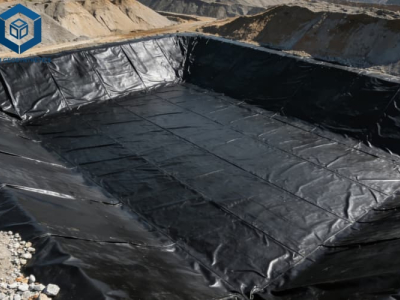
Geomembrane rolls are factory-produced impermeable liners supplied in standardized widths and lengths. Roll size and weight calculation refers to determining dimensions, area, and mass based on thickness and material density for transport, installation, and procurement planning.Technical Parameters
2026/03/17 10:05
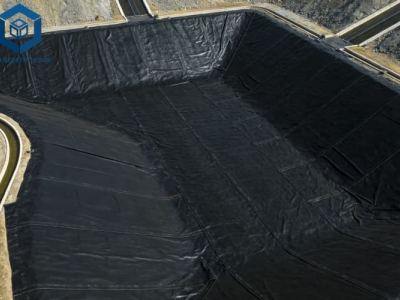
HDPE geomembrane is a high-density polyethylene liner produced via extrusion, widely used for impermeable containment. Daily production capacity refers to the total output (tons or square meters) a manufacturing line can produce within 24 hours under standard operating conditions.Technical
2026/03/17 10:01
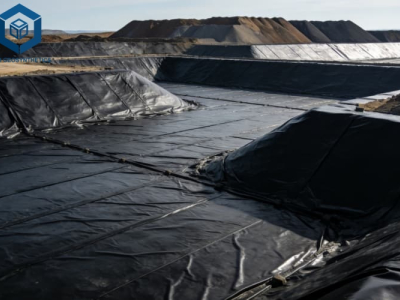
HDPE liner and EPDM pond liner are impermeable geomembranes used for water containment and environmental protection. HDPE (high-density polyethylene) offers high strength and chemical resistance, while EPDM (synthetic rubber) provides superior flexibility and elasticity for irregular surfaces.
2026/03/17 09:57
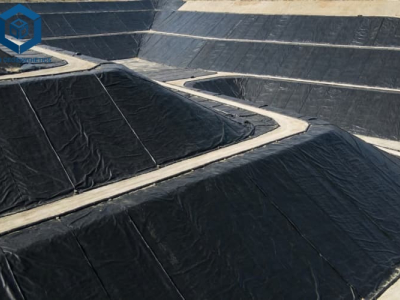
The composite geomembrane vs separate layers system comparison refers to two engineering approaches used in geosynthetic liner systems. Composite geomembranes integrate geomembrane and geotextile layers into a single factory-bonded product, while separate layer systems install geomembranes and
2026/03/16 10:10
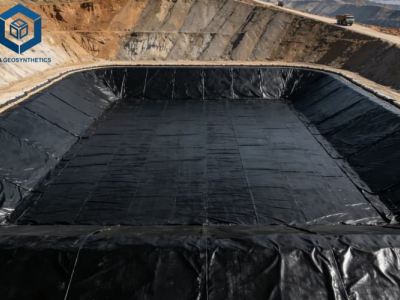
The geotextile vs geomembrane function difference refers to the distinct engineering roles of two widely used geosynthetic materials. Geotextiles are permeable fabrics used for filtration, separation, and reinforcement, while geomembranes are impermeable polymer sheets designed to prevent liquid or
2026/03/16 10:08
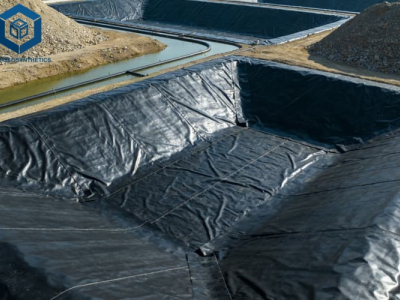
The textured vs smooth geomembrane difference refers to the structural and functional variation between two types of HDPE geomembranes used in containment systems. Smooth geomembranes provide impermeable barriers with uniform surfaces, while textured geomembranes feature rough surfaces that improve
2026/03/16 10:05
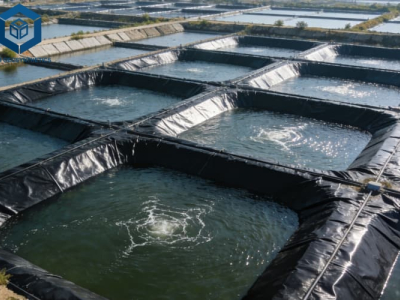
HDPE geomembrane vs PVC liner durability refers to the engineering comparison between High-Density Polyethylene geomembranes and Polyvinyl Chloride liners used in containment systems. Both materials function as impermeable barriers in ponds, landfills, reservoirs, and wastewater facilities, but
2026/03/14 16:56
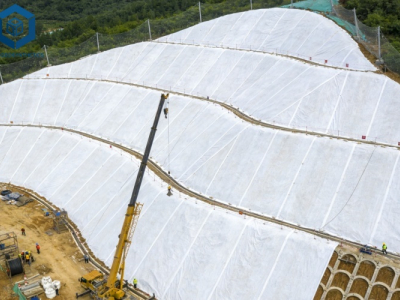
Geomembrane vs clay liner comparison refers to the technical evaluation between synthetic geomembrane liners (typically HDPE, LDPE, or LLDPE) and compacted clay liners used in environmental containment systems. Both materials function as low-permeability barriers designed to prevent fluid migration
2026/03/14 16:47
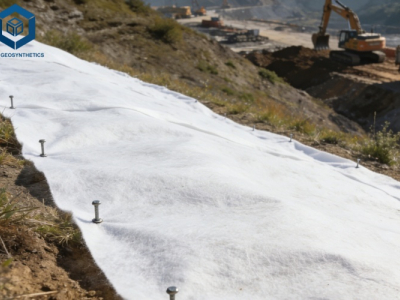
HDPE vs LDPE geomembrane for pond liner refers to the comparison between High-Density Polyethylene (HDPE) and Low-Density Polyethylene (LDPE) geomembranes used as impermeable liners in ponds, reservoirs, aquaculture systems, and water containment structures. Both materials provide waterproof
2026/03/14 16:42
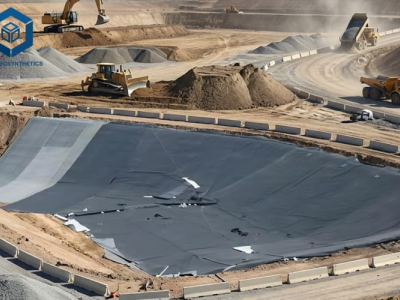
The worldwide High-Density Polyethylene (HDPE) membrane industry is undergoing a major shift, with growth being fuelled by tougher environmental rules, large-scale infrastructure projects, and the rising needs of the mining and water containment industries. Used as main components for
2026/03/13 15:53
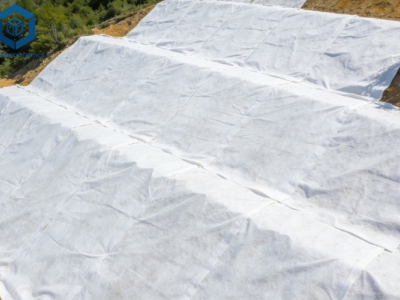
The geomembrane permeability coefficient standard defines the allowable hydraulic conductivity of geomembrane liners used in containment engineering. It specifies the maximum rate at which liquids or gases may pass through the material under pressure, ensuring reliable barrier performance in
2026/03/13 11:01
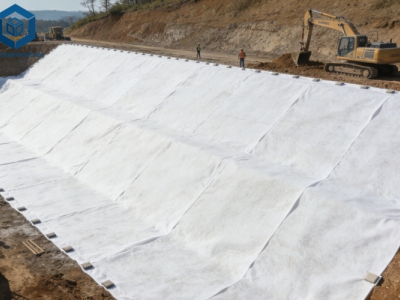
Geotextile needle punched vs woven comparison refers to the technical evaluation between two primary geotextile manufacturing structures used in civil engineering projects. Needle punched geotextiles are nonwoven fabrics bonded through mechanical entanglement, while woven geotextiles are produced
2026/03/13 10:57