Geomembrane permeability coefficient standard
The geomembrane permeability coefficient standard defines the allowable hydraulic conductivity of geomembrane liners used in containment engineering. It specifies the maximum rate at which liquids or gases may pass through the material under pressure, ensuring reliable barrier performance in landfill, mining, water management, and environmental protection systems.
Technical Parameters and Specifications
Understanding the geomembrane permeability coefficient standard is essential for engineering procurement and design. Permeability values are measured using standardized laboratory testing methods to determine the hydraulic conductivity of the geomembrane barrier layer.
| Parameter | Typical Value Range | Test Standard | Engineering Significance |
|---|---|---|---|
| Permeability Coefficient | ≤ 1 × 10⁻¹³ m/s | ASTM D5887 / ISO 11058 | Barrier integrity against liquid migration |
| Thickness | 0.5 – 3.0 mm | ASTM D5199 | Influences durability and leakage resistance |
| Tensile Strength | 15 – 30 MPa | ASTM D6693 | Resistance to installation stress |
| Puncture Resistance | 300 – 800 N | ASTM D4833 | Protection against sharp substrate damage |
| Density | ≥ 0.94 g/cm³ | ASTM D1505 | Material consistency for HDPE geomembranes |
| Carbon Black Content | 2 – 3 % | ASTM D4218 | UV resistance and long-term durability |
Structure and Material Composition
To meet the geomembrane permeability coefficient standard, geomembranes are produced using carefully controlled polymer compositions and additives.
High Density Polyethylene (HDPE) – Primary polymer offering low permeability and chemical resistance
Carbon Black – Enhances UV resistance and weathering durability
Antioxidant Stabilizers – Prevent long-term thermal degradation
Processing Aids – Improve extrusion stability during manufacturing
Optional Surface Texture – Increases friction for slope installations
Manufacturing Process
1. Raw Material Preparation
High-density polyethylene resin pellets are blended with carbon black, antioxidants, and processing additives to achieve the required material formulation.
2. Extrusion or Blown Film Production
The blended polymer is melted and processed through flat-die extrusion or blown film equipment to form continuous geomembrane sheets.
3. Thickness Control
Automated thickness control systems ensure uniform membrane thickness, which directly influences permeability performance.
4. Surface Texturing (Optional)
Texturing rollers or gas injection systems create surface roughness when slope friction performance is required.
5. Cooling and Winding
The sheet is cooled through water baths and wound into large rolls for transportation.
6. Quality Testing
Laboratory verification of permeability, tensile strength, and density ensures compliance with the geomembrane permeability coefficient standard.
Industry Comparison
| Material Type | Permeability | Typical Thickness | Main Function | Typical Applications |
|---|---|---|---|---|
| HDPE Geomembrane | Extremely Low | 1.0 – 2.5 mm | Impermeable barrier | Landfills and mining containment |
| LDPE Geomembrane | Low | 0.5 – 2.0 mm | Flexible containment | Ponds and reservoirs |
| Geotextile | Permeable | 100 – 800 g/m² | Filtration and drainage | Road construction |
| Clay Liners | Moderate | 300 – 600 mm | Natural barrier | Traditional landfill lining |
Application Scenarios
Projects that rely on the geomembrane permeability coefficient standard typically require strict containment and environmental protection.
Municipal solid waste landfill lining systems
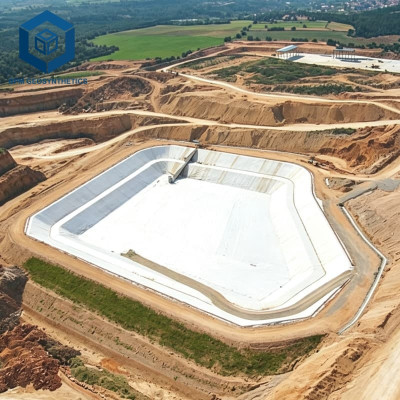
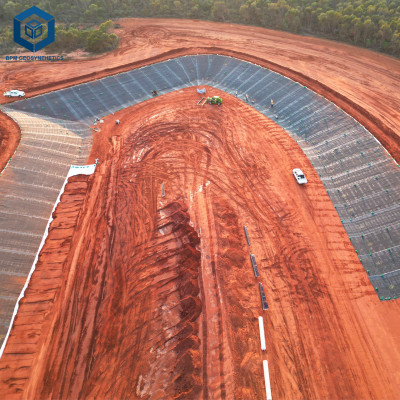
Mining tailings containment ponds
Industrial wastewater storage reservoirs
Agricultural irrigation ponds
Hazardous waste containment facilities
Canal and reservoir waterproofing systems
Core Pain Points and Solutions
1. Leakage Risk
Solution: Use geomembranes with certified permeability coefficient values verified by laboratory testing.
2. Installation Damage
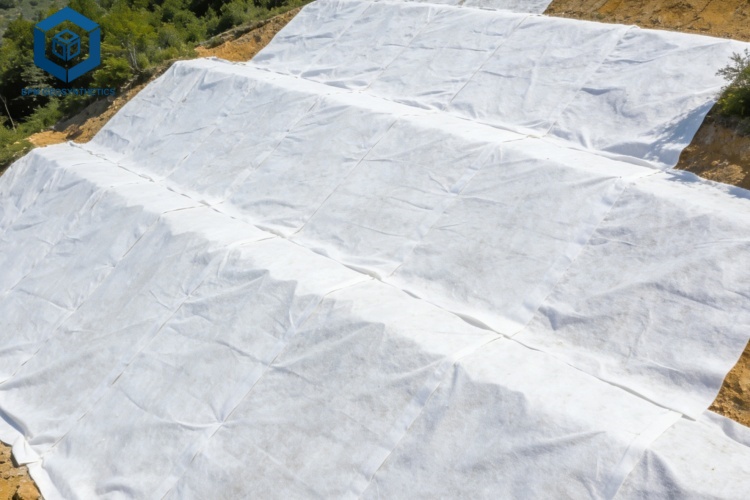
Solution: Install protective geotextile layers to prevent puncture.
3. UV Degradation
Solution: Ensure carbon black content meets UV resistance standards.
4. Chemical Exposure
Solution: Use HDPE geomembranes with proven chemical resistance properties.
Risk Warnings and Mitigation
Using geomembranes below recommended thickness may increase leakage risk
Improper welding of seams can compromise barrier performance
Poor substrate preparation can lead to puncture damage
Long-term UV exposure before installation may reduce lifespan
Low-quality recycled polymers may reduce permeability performance
Procurement and Selection Guidelines
Define containment performance requirements based on project regulations
Verify geomembrane permeability coefficient compliance with international standards
Determine appropriate thickness based on load and substrate conditions
Review supplier laboratory test reports and quality certifications
Request sample materials for engineering verification
Evaluate welding compatibility and installation requirements
Assess supplier manufacturing capacity and project references
Engineering Case Study
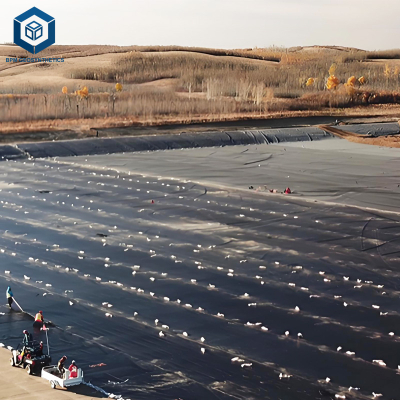
A mining tailings containment facility required a high-performance barrier system capable of preventing contamination of nearby groundwater resources. Engineers selected a 2.0 mm HDPE geomembrane meeting strict geomembrane permeability coefficient standard requirements. The liner was installed with protective geotextile layers and double-track welded seams across a 150,000 m² containment basin. Post-installation testing confirmed extremely low leakage rates and reliable environmental protection.
FAQ – Geomembrane Permeability Coefficient Standard
1. What is the permeability coefficient of geomembranes?
It measures the rate at which liquids can pass through the geomembrane material.
2. Why is permeability important?
It determines the effectiveness of the geomembrane as a containment barrier.
3. Which geomembrane material has the lowest permeability?
HDPE geomembranes typically provide the lowest permeability.
4. How is permeability tested?
Laboratory hydraulic conductivity tests are conducted under controlled pressure conditions.
5. What permeability coefficient is considered acceptable?
Most standards require values lower than 1 × 10⁻¹³ m/s.
6. Does thickness affect permeability?
Yes, thicker geomembranes generally provide improved leakage resistance.
7. Are seams as impermeable as the sheet material?
Properly welded seams should achieve comparable impermeability.
8. What standards govern geomembrane testing?
Common standards include ASTM, ISO, and GRI specifications.
9. Can geomembranes resist chemical exposure?
HDPE geomembranes have strong resistance to many chemicals.
10. How long can geomembrane liners last?
Properly installed geomembranes can perform for several decades.
Request Quotation or Technical Documentation
Engineering procurement teams evaluating materials based on the geomembrane permeability coefficient standard may request additional support including:
Detailed product quotations
Technical datasheets and laboratory test reports
Engineering material samples
Project design consultation
Installation and welding guidance
Author Expertise and Industry Authority
This technical guide was prepared by geosynthetic material specialists with extensive experience in landfill engineering, mining containment systems, and geomembrane manufacturing technologies. The content reflects industry practices used by infrastructure developers, EPC contractors, and environmental engineering consultants responsible for large-scale containment projects.