Hdpe vs ldpe geomembrane for pond liner
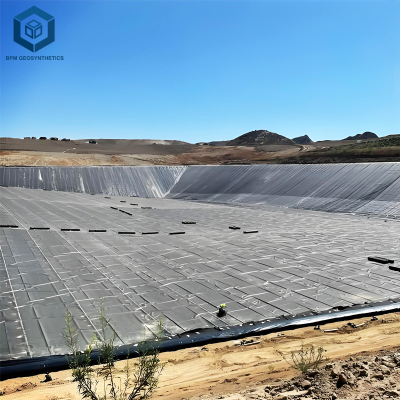
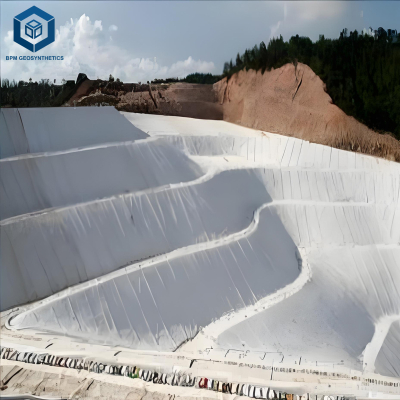
HDPE vs LDPE geomembrane for pond liner refers to the comparison between High-Density Polyethylene (HDPE) and Low-Density Polyethylene (LDPE) geomembranes used as impermeable liners in ponds, reservoirs, aquaculture systems, and water containment structures. Both materials provide waterproof barriers, but they differ in flexibility, strength, durability, and engineering suitability depending on project conditions.
Technical Parameters and Specifications
When evaluating HDPE vs LDPE geomembrane for pond liner projects, procurement teams typically compare mechanical strength, elongation, chemical resistance, and environmental durability.
| Parameter | HDPE Geomembrane | LDPE Geomembrane |
|---|---|---|
| Density | 0.940 – 0.965 g/cm³ | 0.910 – 0.925 g/cm³ |
| Typical Thickness | 0.75 – 2.5 mm | 0.5 – 2.0 mm |
| Tensile Strength | 20 – 35 MPa | 10 – 20 MPa |
| Elongation at Break | 700 – 900% | 400 – 650% |
| Temperature Resistance | -60°C to 80°C | -40°C to 70°C |
| UV Resistance | Excellent (with carbon black) | Moderate |
| Chemical Resistance | Excellent | Good |
Structure and Material Composition
Understanding the composition differences is important when analyzing HDPE vs LDPE geomembrane for pond liner selection.
Polyethylene Resin – Primary waterproof polymer base
Carbon Black (2–3%) – UV stabilization additive
Antioxidants – Protect polymer during processing and service life
Processing Stabilizers – Maintain extrusion consistency
Slip / Anti-block Agents – Improve roll handling and installation
The key difference lies in polymer molecular structure: HDPE has a more linear chain structure, while LDPE contains more branching, resulting in increased flexibility.
Manufacturing Process
1. Raw Material Preparation
Polyethylene resin, carbon black masterbatch, and stabilizers are inspected and blended using automated gravimetric feeding systems.
2. Extrusion
Material is melted through high-temperature extrusion systems. Two main technologies are used:
Flat die extrusion
Blown film extrusion
3. Sheet Formation
The molten polymer forms continuous geomembrane sheets under controlled pressure and temperature conditions.
4. Cooling and Stabilization
Cooling rollers or air rings stabilize sheet thickness and surface properties.
5. Online Thickness Monitoring
Laser scanning systems measure thickness variations to maintain production tolerance.
6. Final Inspection and Packaging
Finished rolls undergo mechanical testing before packaging for transportation.
Industry Comparison
The practical engineering difference in HDPE vs LDPE geomembrane for pond liner applications is summarized below.
| Material | Strength | Flexibility | Typical Application |
|---|---|---|---|
| HDPE Geomembrane | High | Moderate | Large reservoirs, landfills, industrial ponds |
| LDPE Geomembrane | Medium | High | Agricultural ponds, aquaculture systems |
| PVC Liner | Low | Very High | Small decorative ponds |
Application Scenarios
Projects comparing HDPE vs LDPE geomembrane for pond liner solutions typically include:
Aquaculture ponds
Irrigation reservoirs
Stormwater retention ponds
Mining process water ponds
Wastewater storage lagoons
Agricultural water storage basins
HDPE liners are generally selected for large-scale infrastructure, while LDPE liners are commonly used where flexibility and installation simplicity are priorities.
Core Pain Points and Solutions
1. Installation Difficulty
Solution: LDPE geomembranes offer higher flexibility, simplifying installation on irregular surfaces.
2. Mechanical Damage Risk
Solution: HDPE liners provide superior puncture resistance for rocky soil conditions.
3. UV Degradation
Solution: Use geomembranes containing 2–3% carbon black stabilization.
4. Long-Term Durability
Solution: HDPE geomembranes provide longer service life for exposed applications.
Risk Warnings and Mitigation
Incorrect material selection may shorten liner lifespan
Subgrade preparation problems can damage geomembranes
Poor welding procedures may cause leakage
Low-quality resin may reduce mechanical performance
Improper storage may cause liner deformation
Procurement and Selection Guidelines
Determine pond size and engineering design requirements
Evaluate mechanical strength requirements
Compare HDPE vs LDPE geomembrane for pond liner performance for the project
Review manufacturer production standards and certifications
Request laboratory testing reports and datasheets
Evaluate installation method and welding equipment requirements
Request project samples for material verification
Engineering Case Study
An aquaculture development project covering 85,000 m² required geomembrane liners for fish farming ponds. Engineers evaluated HDPE vs LDPE geomembrane for pond liner performance based on soil conditions and installation complexity. LDPE geomembrane was selected due to its flexibility and ability to conform to irregular pond shapes. The project successfully reduced leakage risks while improving installation efficiency.
FAQ – HDPE vs LDPE Geomembrane for Pond Liner
1. What is the main difference between HDPE and LDPE geomembranes?
HDPE provides higher strength, while LDPE offers greater flexibility.
2. Which material lasts longer?
HDPE geomembranes generally provide longer service life.
3. Which liner is easier to install?
LDPE geomembranes are easier to install on irregular surfaces.
4. Are both materials waterproof?
Yes, both provide effective impermeable barriers.
5. What thickness is used for aquaculture ponds?
Typical thickness ranges from 0.5 mm to 1.5 mm.
6. Can geomembranes resist UV exposure?
Yes, when stabilized with carbon black additives.
7. Are these liners chemically resistant?
HDPE offers superior chemical resistance.
8. How are geomembranes joined during installation?
They are welded using hot wedge or extrusion welding equipment.
9. What width are geomembrane rolls?
Typical roll widths range from 5 m to 8 m.
10. Do pond liners require protective layers?
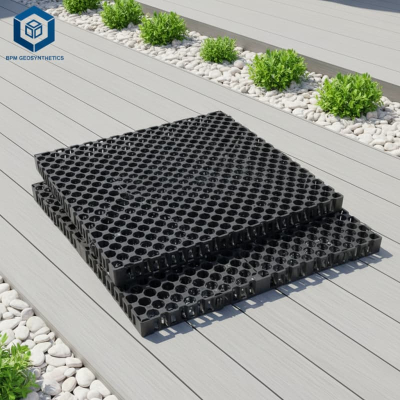
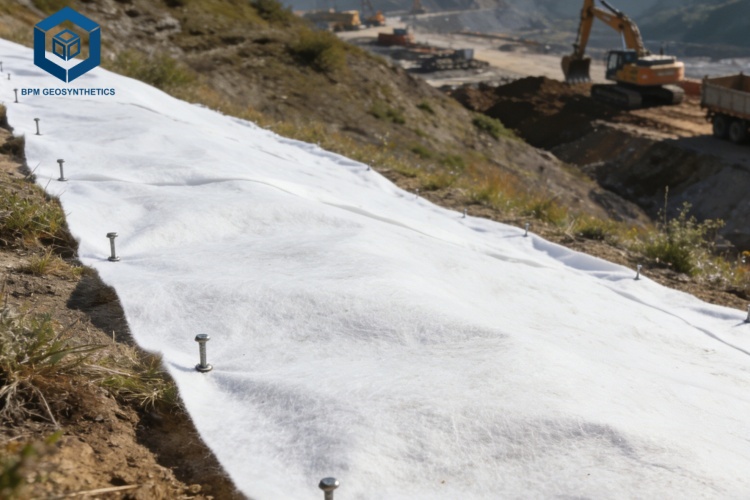
Yes, geotextiles are often used to protect against puncture.
Request Quotation or Technical Documentation
Engineering teams and procurement managers evaluating HDPE vs LDPE geomembrane for pond liner solutions may request:
Technical datasheets and material specifications
Third-party laboratory testing reports
Engineering installation guidelines
Sample geomembrane materials
Project reference documentation
Author Expertise and Industry Authority
This technical article was prepared by specialists with experience in geomembrane manufacturing, environmental containment engineering, and water infrastructure construction. The analysis reflects commonly accepted engineering practices used by EPC contractors, environmental consultants, and international procurement teams involved in large-scale pond liner projects.