How to Choose the Right Dam Lining Material?
Dams are essential for storing water, providing irrigation, controlling floods, and generating hydropower, which benefit communities, agriculture, and industries all over the world. The safety and durability of a dam, however, largely depend on a very small but often overlooked component: the dam lining material. A good lining prevents water from seeping through, which would otherwise lead to the erosion of dam foundations, a decrease in water retention capacity, and in severe cases, a dam failure. Dam incidents caused by poor lining have been attributed to 30% of the total cases worldwide by the International Commission on Large Dams, leading to big repair and damage costs each year.
Being a sales expert overseas on HDPE geomembranes and geosynthetic materials, I have been in a position to assist numerous dam engineers, project managers, and procurement teams in selecting the appropriate lining material for their projects. This guide will cover what matters most in the choice of a dam lining material, compare some of the common materials, and tell you why dam lining material is a reliable, economical choice in most dam applications—bolstering the argument with the example of Solmax, whose outstanding geosynthetic products have been instrumental in more than 160 large rockfill dams across the globe.
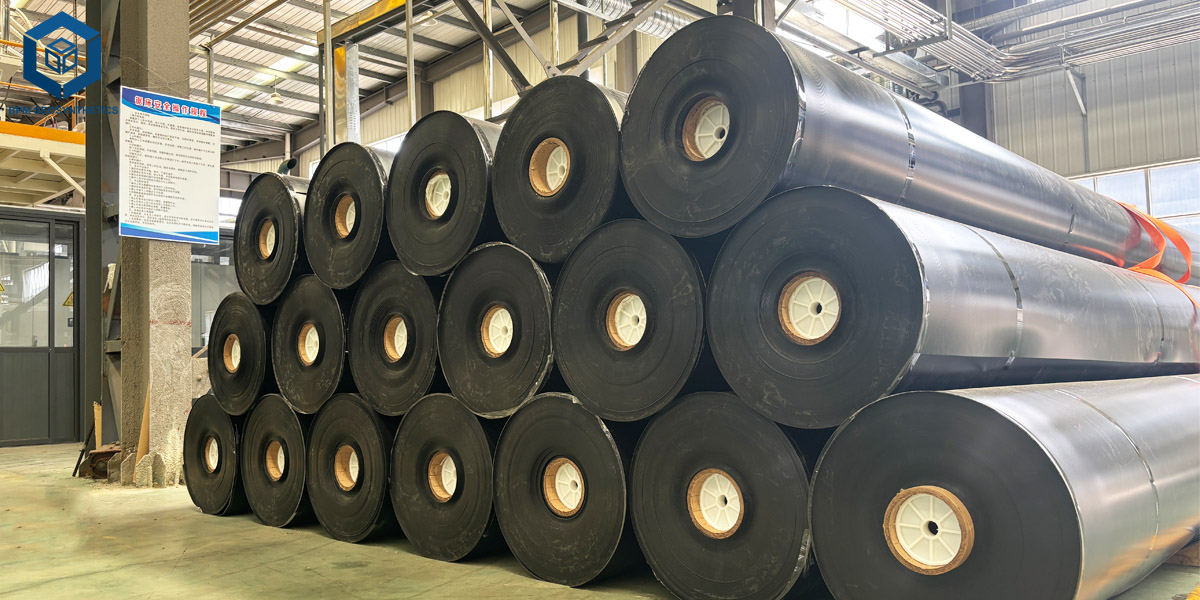
1. Key Factors to Consider Before Choosing Dam Lining Material
Choosing a dam lining material is not a matter of picking one solution to fit all situations. Each dam project has different needs based on what it is for, its location, and its surrounding environment. To be able to select appropriate materials later, you need to take these very important aspects into account first.
1.1 Dam Type and Purpose
The kind of dam and what it is used for will mostly dictate the requirements for the lining material. For instance, irrigation dams will want to pick a lining material that is extremely impermeable to prevent water loss, while the lining material for a tailings dam will have to be such that it can resist chemical corrosion from toxic substances. Embankment dams, which are estimated to be 75% of all dams worldwide, require the lining material to be very flexible so that it accommodates movements of the structure, whereas concrete dams will have linings to be used as crack repair and seepage prevention.
1.2 Geological and Site Conditions
The character of the soil and the landscape of the place where the dam will be constructed play a big role. A dam site with rocks and rough terrains requires the lining to have an excellent puncture resistance property so that it will not easily be torn by sharp rocks and debris. Clay soils may be naturally impermeable, but they will typically need a lining to be applied to prevent the formation of cracks during dry seasons. Besides that, there will also be a need for a earth dam liners to withstand UV exposure and thermal expansion/contraction without deteriorating on sites with very high or very low temperatures.
1.3 Environmental and Regulatory Requirements
At present, the construction of a dam has to follow stringent environmental standards. Among them is the UN's Sustainable Development Goal 6 that requires the water sector to reduce 40% of the global water loss by 2030. Dam on liner materials should be safe and should not cause harm to the groundwater and aquatic organisms. Additionally, local authorities may impose regulations that mandate the use of environmentally friendly materials that are either recyclable or have a low carbon footprint—thus, HDPE dam liners as a lining material has become quite a favored option.
1.4 Budget and Long-Term Cost
Though the initial cost of a project is always an important factor, pond dam liner is even more vital that the focus be on the value over the life of the project. On one hand, the use of cheaper materials such as traditional clay liners may lead to lower initial costs but they will need to be maintained and replaced more frequently (every 20-30 years) thus the total cost of the lifecycle of such liners will be higher. On the other hand, top quality materials such as HDPE geo membranes which can last for 40–100 years can give a much better return on investment by significantly reducing the costs of maintenance.
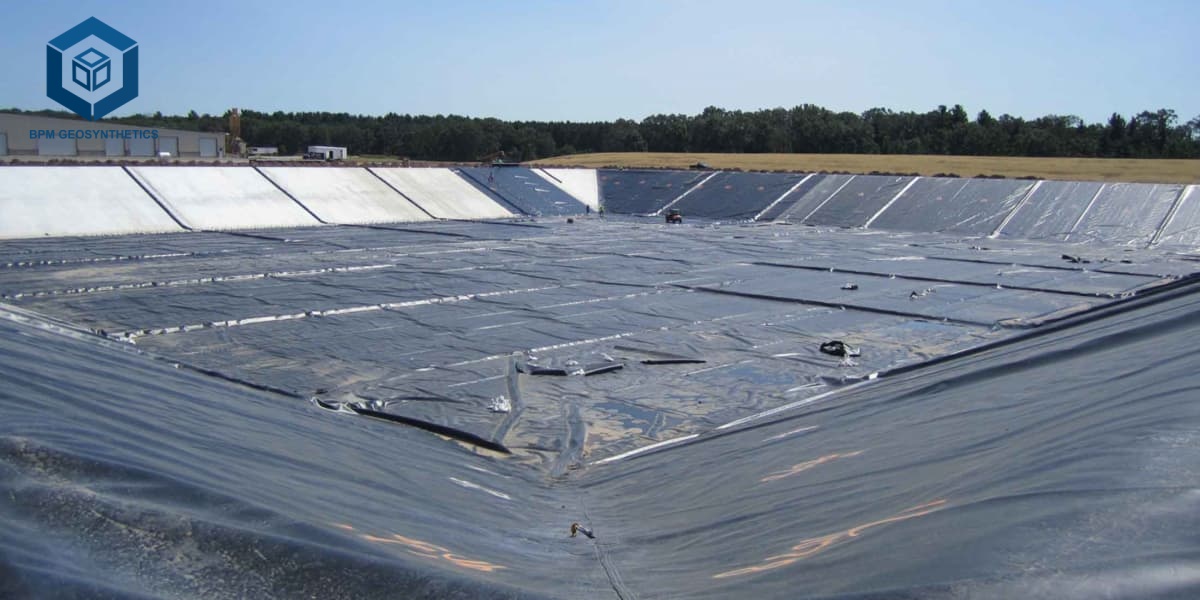
2. Common Dam Lining Material: Pros and Cons
Several options exist for dam lining materials each of which has some advantages and disadvantages. It is important to understand these differences so that you can make a decision that will best meet your project requirements.
2.1 HDPE Dam Lining Material
With 60% of hdpe liner applications worldwide made with High-Density Polyethylene (HDPE) geomembrane, this synthetic lining has undoubtedly become the industry benchmark. My experience as an HDPE geomembrane specialist places me in a position to personally attest to the fact that its exceptional features make it suitable for every type of dam.
The superior impermeability of hdpe membrane allows a hydraulic conductivity of ≤10⁻¹¹ cm/s (ASTM D 5085) which means it can keep 99.9% of water seepage out. It also has a very impressive tensile strength (30–45 kN/m, ASTM D 6693), 25% stronger than PVC, which is a deciding factor in its compatibility with high-head dams (50–100 m). To add on, its puncture resistance (up to 8 kN, ASTM D 4833) is protective against the sharp rock nature and even the seismic activities while the elongation at break (600–1200%) permits the dam to settle and structure's fingers movement without tearing.
Moreover, hdpe geomembrana is a UV-resistant (1000–2000 hours, ASTM D 4355) material because it contains carbon black additives, thus it is a perfect choice for installations that are above the water. It also has excellent chemical resistance to acids, alkalis, and hydrocarbons which make it highly suitable for tailings dams and industrial water storage. Just like Solmax's HDPE products, we give our customers a guarantee of our products' sturdiness by using virgin resin at production thus compromising recycled materials' brittleness.
The only possible limitation factor for high density polyethylene geomembrane is its installation requirement— the seams must be welded by professionals in order to have a continuous barrier. However, this is such a small concession for its long-term effectiveness and dependability.
2.2 PVC Dam Lining Material
Polyvinyl Chloride (PVC) geomembrane is flexible and lightweight thus easy to move and install. It is frequently employed in small to moderately sized dams or canals, mainly in dry areas where it is crucial to save water. PVC liners are reasonably priced at the start and they also have good flexibility which makes them adaptable to rough ground.
Nevertheless, PVC is riddled with disadvantages if it is intended for large or long-lasting dam projects. PVC geomembrane cannot compete with HDPE in tensile strength and puncture resistance which means it will be easily damaged when exposed to rocks and debris. It is also inferior in not only UV radiation resistance but also chemical exposure resistance thus it tends to degrade quicker and therefore it has a shorter life of 15–20 years. Where there are high-head dams or projects in harsh environments, PVC liner is really not a good solution.
2.3 Clay Liners
Clay liners like bentonite clay are naturally occurring substances with a very low permeability and have therefore always been a popular option for dam lining. They have an affordable price and are sustainable since they are natural products. When put into contact with water, bentonite clay expands and forms a dense layer that blocks the flow of water.
Clay liners have several disadvantages, however, that may outweigh the benefits. To obtain a clay liner with a very low permeability, a large installation space and heavy compaction are necessary, which means more labor and equipment cost. Also, clay liners may develop cracks as they dry out and their performance can be significantly deteriorated. Compared to HDPE liners, clay liners have a relatively short lifetime (20–30 years) and they are not suitable for rocky sites or for use in an environment where the liner will be exposed to chemicals.
2.4 Concrete Liners
Concrete liners find their application in very large dams where the main concern is structural strength. They are very durable and resistant to mechanical damage, so they are ideal for dams of high-head and flood control projects. Furthermore, concrete liners can be strengthened by the addition of steel.
In contrast to the benefits, concrete liners are costly both for the installation and the upkeep. They are inflexible, which means they cannot accommodate settlement of the dam or movement of structures and this will eventually result in cracks. Also, concrete is not as impermeable as HDPE and therefore it needs to be waterproofed if seepage is to be prevented. For the majority of dam projects, concrete liners are not only excessive in function but they are also not cost-effective if compared to HDPE geomembrane.
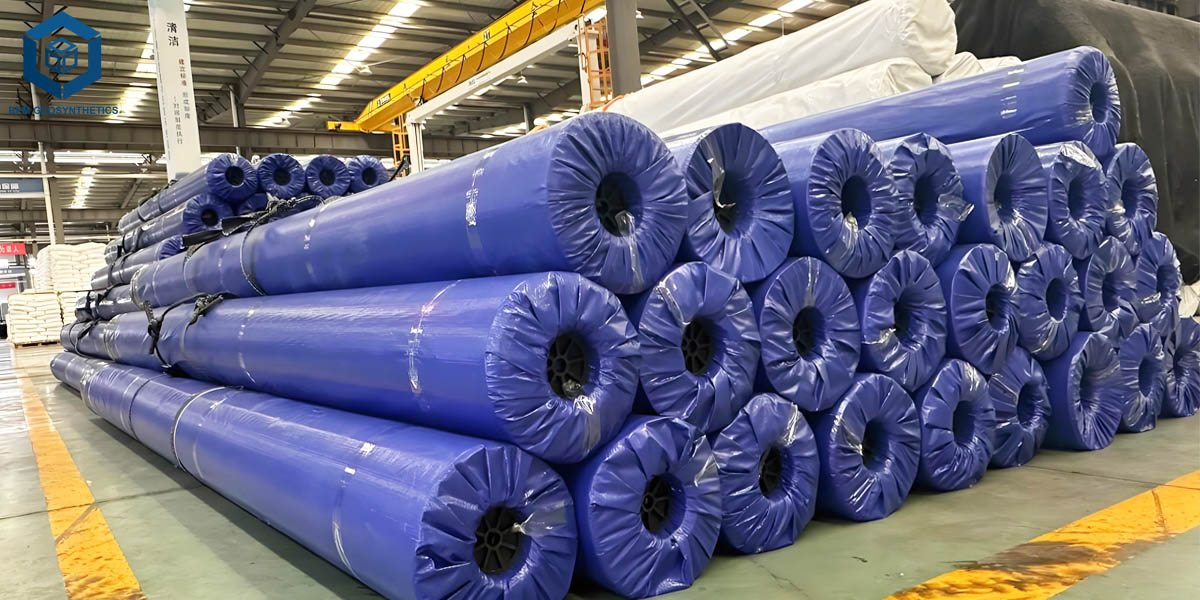
3. Dam Lining Material - The Best Choice for Most Dam Projects
By having taken a look at the most popular materials used for dam lining, one can easily see that hdpe geo membrane gives the best combination of performance, durability, and cost-effectiveness - especially when it comes to large-scale or long-term dam projects. Here are the reasons why engineers and project managers all over the world, have it as their first choice:
3.1 Unmatched Impermeability and Water Conservation
By virtue of its minimum hydraulic conductivity, geomembrane liner guarantees the least possible water seepage, which is an utmost necessity for irrigation dams and reservoirs. According to the World Bank (2024), a 1.5 mm HDPE liner, when used in an irrigation dam, can trim down leakages by 95%, thus saving millions of liters of water per year. This will not only elevate the efficiency of the dam but also unites the efforts in attaining the global goal of water security.
3.2 Exceptional Durability and Long Lifespan
HDPE geomembrane sheet is manufactured to resist environmental conditions that are of a harsh nature, such as high and low temperature extremes, UV exposure, and chemical attack. Its life expectancy of 40–100 years surpasses that of clay and PVC liners by far, thereby lessening the replacement frequency and maintenance operations. For instance, hdpe geomembrane liner have been utilized in several dams in China including the 56-meter-high Renzhonghai rockfill dam (with a max water head of 40m), where they are still serving their purpose after more than ten years.
3.3 Flexibility and Adaptability
HDPE geomembrane sheet can stretch to 1200% of its original length without breaking, meaning that it can still be in one piece after it has been stretched 12 times. On the other hand, concrete is very tough and inflexible. The above property enables hdpe liner sheet to accommodate dam settlements, seismic activities, and structural movements without getting ruptured or cracked. Furthermore, its installation on a rugged and/or steep terrain may hardly be a problem. In fact, it can be quickly spread along the steep embankments of rockfill dams where it is secured with adhesives or fasteners for greater stability.
3.4 Cost-Effectiveness Over the Long Term
Although geomembrana in HDPE is likely to be more expensive than clay or PVC at the initial stage, considering its long lifespan and low maintenance it will be the most cost-effective option throughout the dam lifecycle. HDPE membrane sheet prevents the subsequent repairs and replacement that would require additional labor and material costs. For instance, installing 1.5 mm HDPE liner in a medium-sized reservoir will significantly reduce the cost over the years in comparison with a clay liner.
4. How to Select the Proper Dam Lining Material for your dam project?
There is a wide range of HDPE geomembranes on the market characterized by different properties and prices. To be sure you get the right solution for your task, pay attention to these criteria:
4.1 Thickness
The thickness of geo membrane sheet varies between 0.75 mm and 3.0 mm (30–120 mil). The choice of thickness for a dam liner depends on the dam size, water head, and local conditions. The 1.5 mm liner is most commonly used for medium-sized dams because it offers a good cost and hydrostatic resistance compromise. Bigger dams or those located in areas with rocky ground may opt for 2.0-3.0 mm liners to be better protected against punctures.
4.2 Quality of Raw Materials
Ensure that any membrane liners you buy is made from 100% virgin resin rather than recycled material. Recycled HDPE is more susceptible to becoming brittle and developing cracks, which shorten the life of the product to less than 10 years. Through using high-grade virgin HDPE resin, carbon black, antioxidants, and anti-aging agents, our products, such as those from Solmax, can deliver outstanding performance and longevity.
4.3 Installation Expertise
For impermeable geomembrane, installation is a very important aspect which affects the performance greatly. You should hire a professional who can weld the liner properly so that the resulting barrier will be continuous and leak-proof. Make sure the supplier can provide installation support or have its own certified installers to guarantee the liner installation is done correctly. The most frequent reason why HDPE liner fails is the poor quality of seams due to the lack of proper welding.
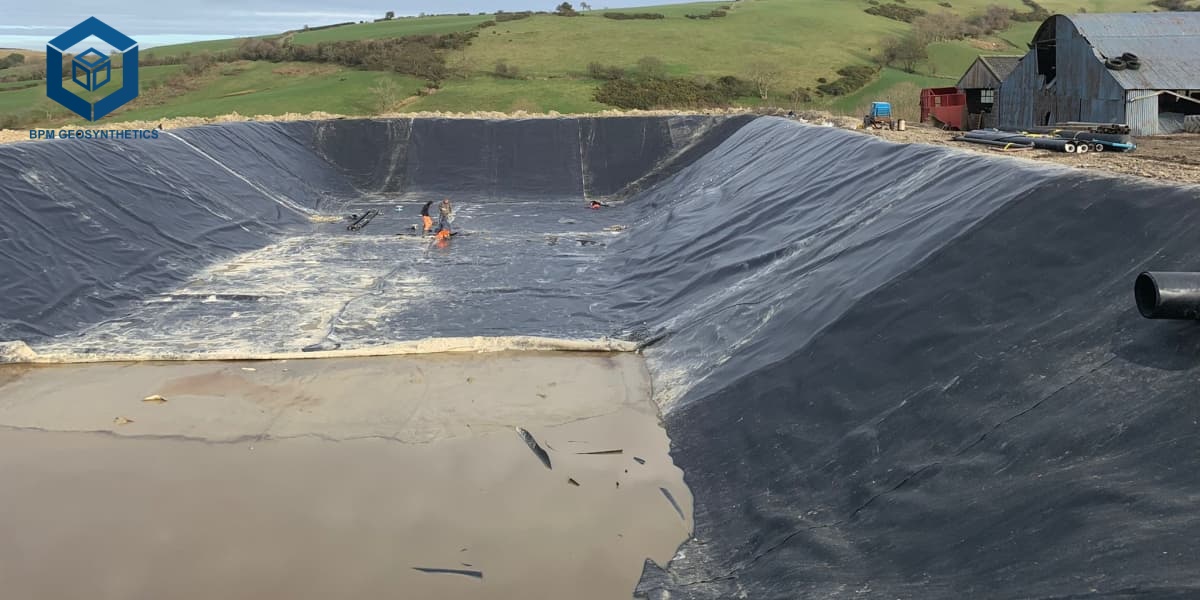
Conclusion
You can have a huge impact on the safety, efficiency, and longevity of your dam project by making the right dam lining material choice. Dam lining material, however, is incomparable to any other choice when it comes to reliability, durability, and performing cost-effectively given the industry data, case studies, and engineers’ high level of confidence in this material.
As a global supplier of dam lining material, at The Best Project Material Co., Ltd.(BPM Geosynthetics)we offer you our full support to identify the ideal lining material for your project. No matter if it is a small irrigation dam or a big hydropower project, our dam lining material will always adhere to the highest industry standards, thus guaranteeing excellent performance and long-term value. Feel free to get in touch with us today to talk about your specific requirements and get a tailored consultation – together we can make your dam safer and more efficient.