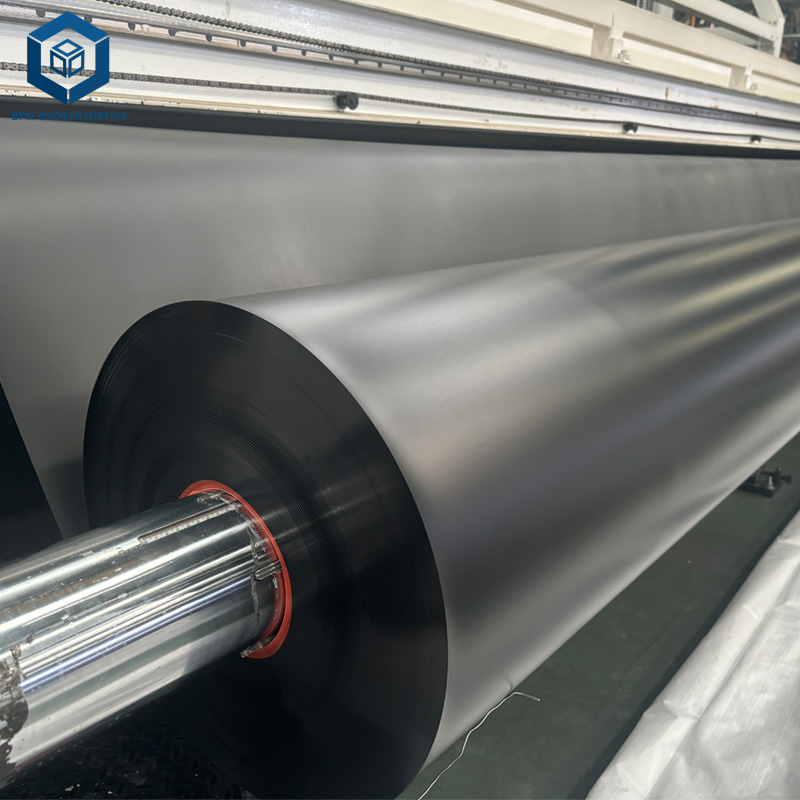
Dam Lining Material
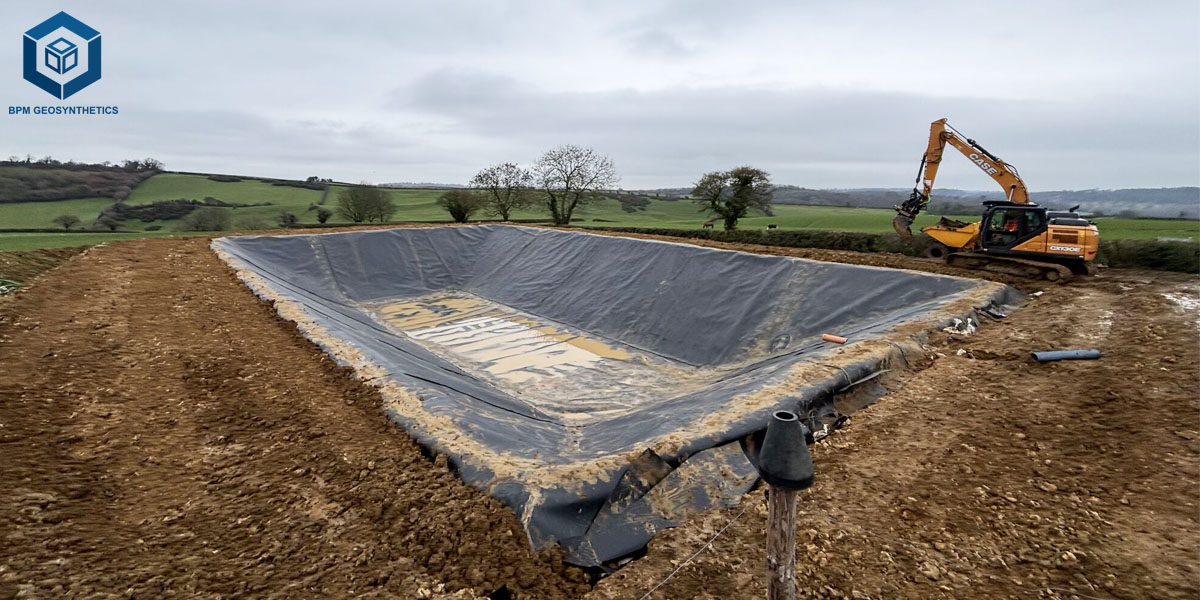
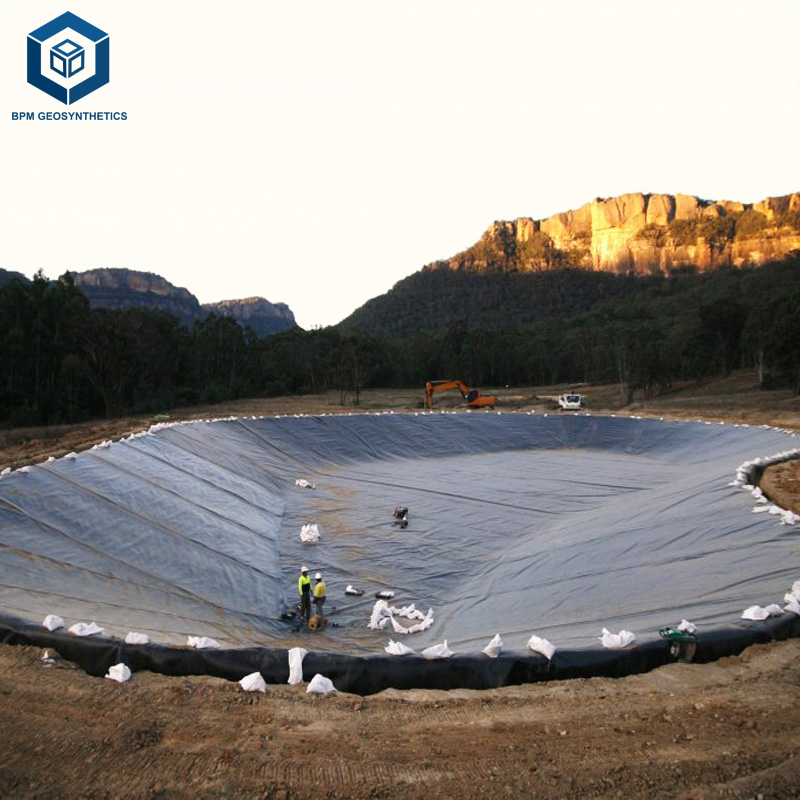
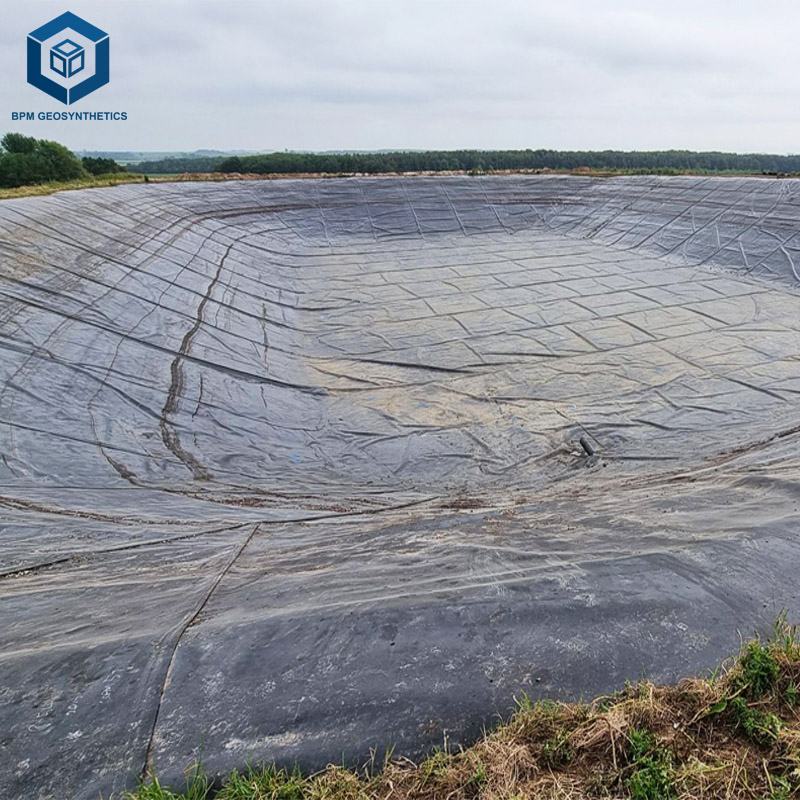
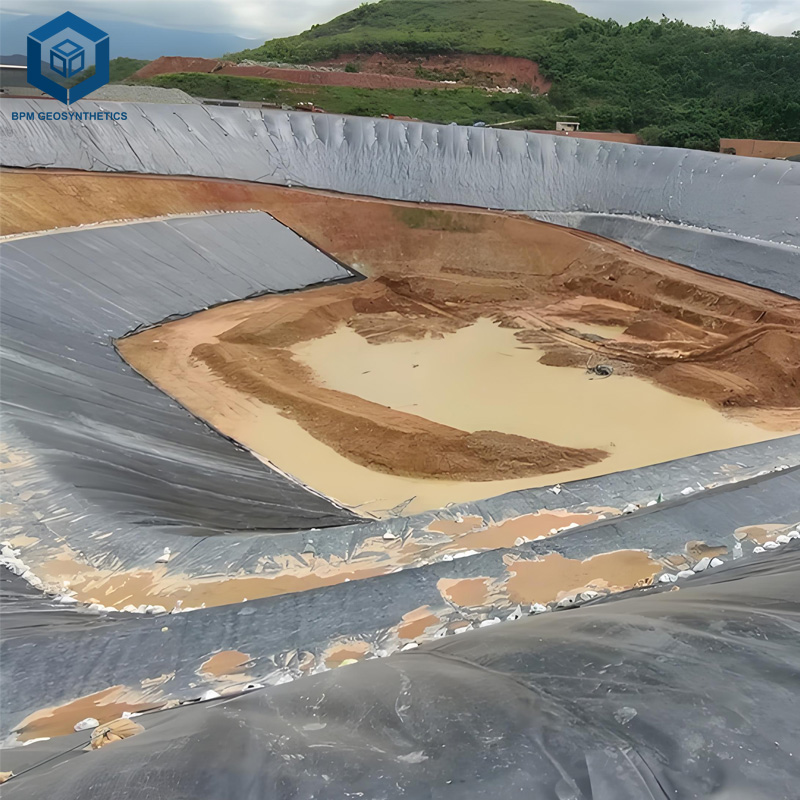
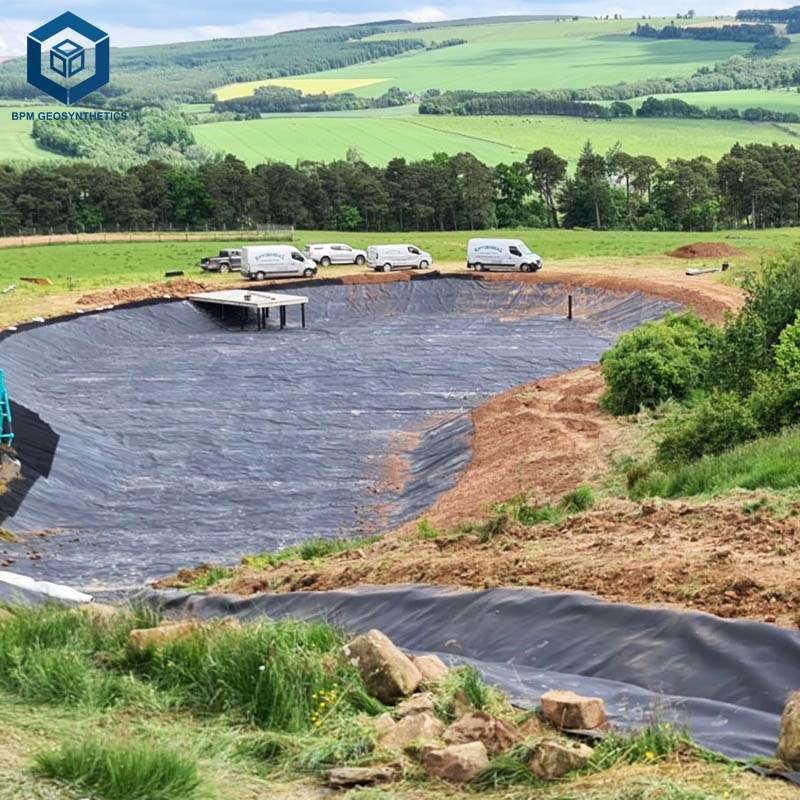
Dam lining material is highly effective geomembrane solutions that are specifically designed to ensure reliable waterproofing and control of seepage in earth dams, reservoirs, and water retention structures. By utilizing polymer materials of the highest quality, these dam lining guarantee long-lasting performance, maintenance of the structural integrity, and protection of the environment even under very severe hydraulic conditions.
- Outstanding seepage control as a result of superior impermeability
- Superb tensile strength and resistance to punctures
- Resistant to UV and chemicals for a long lifespan in outdoor environments
- Easy to install even on slopes and uneven dam surfaces
- Can be used together with geotextiles and drainage systems
- Little upkeep needed and very long durability
1. Dam Lining Material Product Overview
A dam lining material is an advanced, impermeable geomembrane that serves the dual purpose of seepage control and water retention in dam and reservoir construction. When placed on the upstream face or middle core of earth and rockfill dams, dam on liner makes a perfectly sealed waterproof layer that keeps the water from leaking out, improves the dam safety, and increases the longevity of the hydraulic structures.
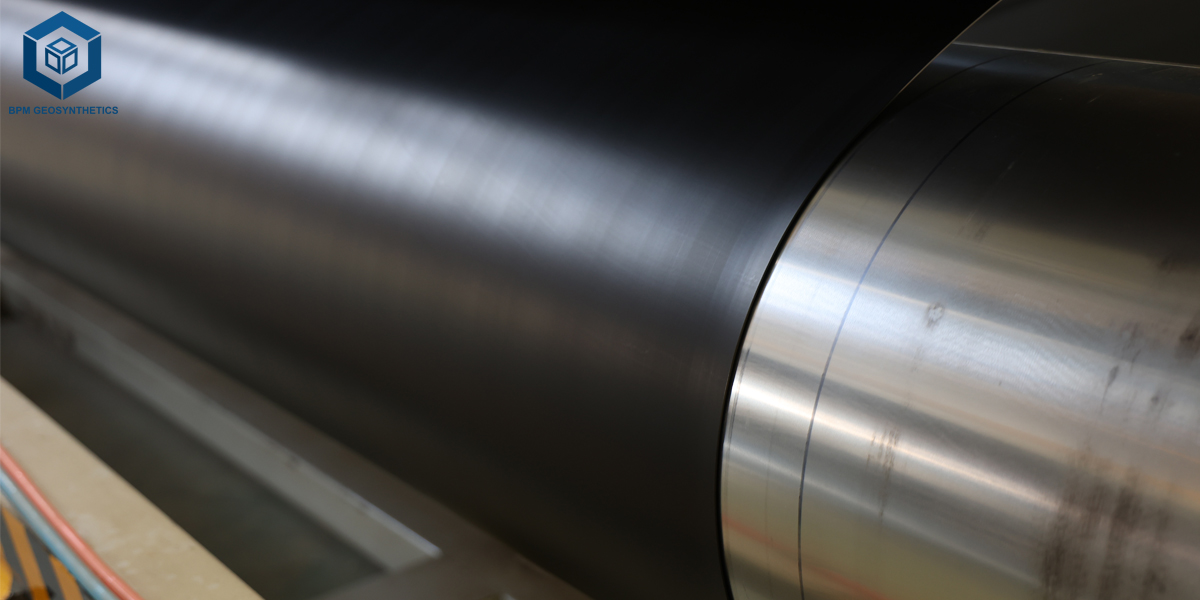
2. Dam Lining Material – Material Composition
2.1 HDPE (High-Density Polyethylene) Dam Lining Material
HDPE dam lining material is made from high-density polyethylene resin with the addition of special ingredients to give the product excellent mechanical properties and long aging resistance. The tightly packed molecular structure makes the product highly impermeable as well as resistant to environmental stress cracking.
2.1.1 Typical additives and functions:
Carbon black (2.0–3.0%): Improves UV protection, thus preventing degradation by sunlight
Antioxidants: Guard against oxidation during processing and throughout service life
Thermal stabilizers: Help maintain material performance at varying temperatures
2.1.2 Material properties:
Very low water vapor transmission rate, hence very tight seepage control
Great tensile strength and ability to resist punctures
Highly resistant to attack from chemicals such as acids, alkalies, and salts
Extremely durable with 30–50 years life expectancy in dam applications
2.2 LLDPE (Linear Low-Density Polyethylene) Dam Lining Material
LLDPE dam lining material is prepared from linear low-density polyethylene resin. This has a molecular chain structure that gives it flexibility. In addition, it contains various performance-boosting additives to make it more suitable for application on uneven or complex dam structures.
2.2.1 Typical additives and functions:
Carbon black (2.0–3.0%): Adds UV protection capability for installation in the open air
Antioxidants: Assist in counteracting thermal aging
Processing stabilizers: Facilitate uniform extrusion and consistent sheet thickness
2.2.2 Material properties:
More flexible and can stretch longer than HDPE
Better adaptation to slope settlement and deformation
Decent puncture resistance with average tensile strength
Works well for dams that have complex shapes or where subgrade conditions vary
2.3 PVC (Polyvinyl Chloride) Dam Lining Material
Polyvinyl chloride (PVC) is the primary resin used in the manufacture of PVC dam lining material. The resin is mixed with plasticizers and stabilizers so that the desired flexibility and easy handling of the finished product can be obtained.
2.3.1 Typical additives and functions:
Plasticizers: Make the product softer and more flexible
UV stabilizers: Protect the product from getting damaged by the sun
Heat stabilizers: Prevent the breakdown of the product when it is heated during processing
2.3.2 Material properties:
Great flexibility and the product is easy to install
Good performance in terms of sealing for small to medium-sized dams
Less resistant to prolonged exposure to UV light than HDPE and LLDPE
Shorter lifespan when exposed to harsh environments
2.4 EPDM Rubber Dam Lining Material
EPDM dam lining material consists of synthetic rubber polymers combined with fillers and curing agents to produce desirable properties such as high elasticity and resistance to weather.
2.4.1 Typical Additives and Their Functions:
Carbon fillers: Enhance mechanical strength
Vulcanizing agents: Provide cross-linking for elasticity
Antioxidants and UV inhibitors: Resist weathering
2.4.2 Resulting Performance Characteristics:
High degree of elasticity and flexibility
Great resistance to weathering and temperature extremes
Somewhat resistant to puncture
Mostly outdoor or small reservoir lining
2.5 Composite Dam Lining Material (Geomembrane + Geotextile)
Composite materials used for dam linings combine a polymer geomembrane with bonded or layered geotextiles to provide enhanced protection and safety during installation.
2.5.1 Material Components and Additives:
HDPE or LLDPE geomembrane with standard stabilizer packages
Non woven geotextile layers for cushioning and filtration
2.5.2 Resulting Performance Characteristics:
Enhanced puncture and tear resistance
Increased friction between liner and subgrade
More even stress distribution and damage protection
Perfect for high-risk or rocky dam foundations
2.6 Influence of Additive Formulation on Overall Performance
The choice and amount of additives have a significant impact on dam lining performance:
The higher the carbon black content the better the UV resistance but at the same time, the flexibility is compromised
An antioxidant system with a nice balance can greatly increase the service life
Plasticizers may enhance flexibility but can be detrimental to long-term durability
A well-thought-out formulation ensures that the dam lining meets both criteria i.e. structural and environmental requirements.
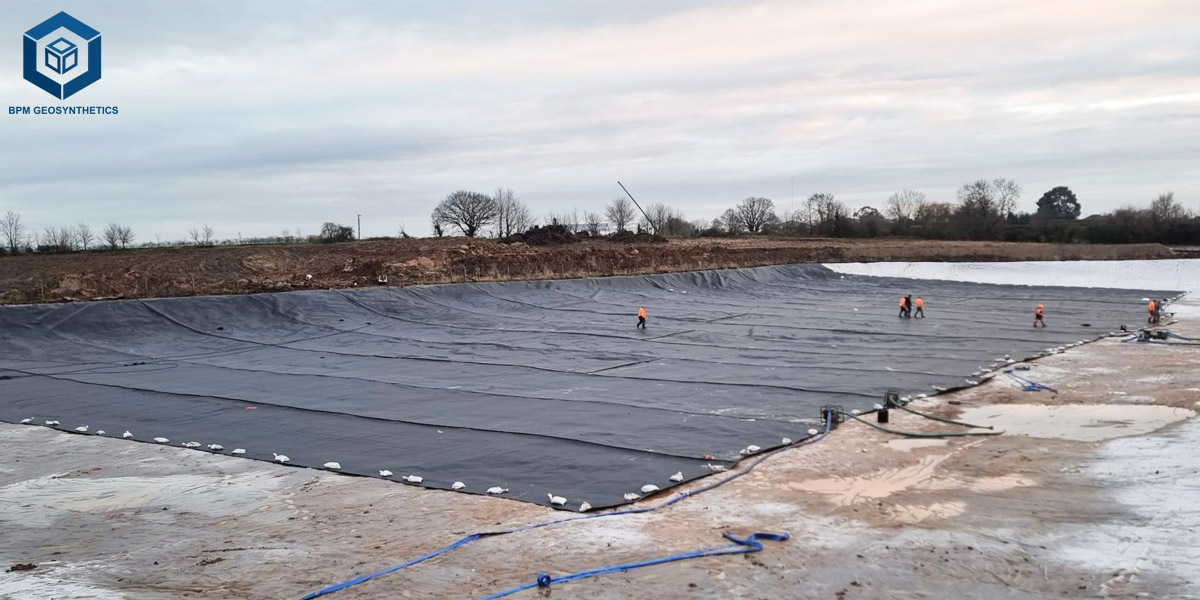
3. Dam Lining Material – Impermeability and Hydraulic Performance
3.1 Impermeability and Seepage Prevention Mechanism
The hdpe dam liners is a single continuous geomembrane with very low hydraulic conductivity, which acts as an efficient barrier smore water migration through the dam body and foundation. The tightly packed polymer matrix eliminates seepage pathways and the storage water is separated from the soil and rock layers. The impermeable layer stops erosion and piping from the inside, water loss through leaks, and keeps the dam storage capacity. The dam lining material, therefore, prolongs the dam structure's integrity, i.e., it facilitates the long-term safety of the dam operation.
3.2 Hydraulic Stability under Sustained Water Pressure
By means of the line, the pond dam liner keeps its impermeability intact and free from the signs of creep deformation, cracking, or mechanical strength depletion even under continuous hydrostatic loading. The liner can handle the water pressure over a long period arising from the reservoir at full capacity. Hence, the hydraulic performance of the line is guaranteed for the whole service life of the dam. The stability of the dam liner is a factor in reducing seepage- induced uplift forces that would have otherwise caused the pressure inside the dam body to rise. And this, in turn, improves the dam’s resistance to hydraulic instability and structural failure.
3.3 Performance under Fluctuating Water Levels and Dynamic Conditions
The earth dam liners can manage fluctuating water levels, for example, because of seasonal changes, operational drawdown, and rapid filling cycles. The material is able to hold onto its tensile strength and flexibility under repeated hydraulic loading and unloading, thus, the damage related to fatigue is avoided. The geomembrane liner, during dynamic conditions such as sudden water level changes or extreme rainfall, continues to be efficient as a seepage control system, thereby, ensuring proper hydraulic behavior and dam safety.
3.4 Contribution to Overall Dam Safety and Service Life
Keeping the seepage under control and being hydraulically stable are super helpful for the dam hdpe liner material to safety-wise action on the whole dam. Seepage reduction means less stress on internal components, less foundation weakening, and lower maintenance over time. These characteristics regarding hydraulic performance can be seen as the main heroes of the extension of the service life of the dam and the improvement of its reliability not only under normal conditions but also under extreme ones.
4. Dam Lining Material – Installation and Welding Performance
4.1 Preparation and Field Installation
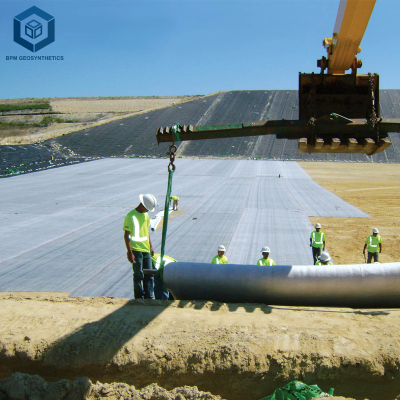
Dam geomembrane sheet materials are engineered for efficient field deployment. Rolls are supplied in wide panels, minimizing the number of seams and reducing installation time. Prior to installation, the subgrade must be properly prepared by leveling, removing sharp objects, and placing a protective geotextile layer if required. The hdpe membrane is then carefully unrolled, aligned, and anchored along edges using soil, concrete, or mechanical anchoring systems. Proper subgrade preparation and panel placement are critical to avoid wrinkles, folds, and localized stress points that could compromise performance.
4.2 Welding and Seam Integrity
Seam welding is a crucial step to ensure continuous impermeability. Dam lining materials can be welded using:
- Hot wedge welding – widely used for HDPE and LLDPE liners, providing strong thermal fusion along panel edges
- Extrusion welding – suitable for patching, repairs, or irregular seam areas
High-quality welding produces a uniform seam with strength comparable to or exceeding the hdpe geomembrane liner material itself. Correct temperature, pressure, and welding speed are essential to prevent seam defects such as cold welds, voids, or weak bonds. Proper seam testing (e.g., air channel or peel tests) ensures leak-free performance and long-term durability.
4.3 Compatibility with Ancillary Systems
Dam lining materials are fully compatible with protective and support systems, including:
- Geotextile layers for puncture protection and cushioning
- Drainage layers or drainage cells to relieve hydrostatic pressure beneath the liner
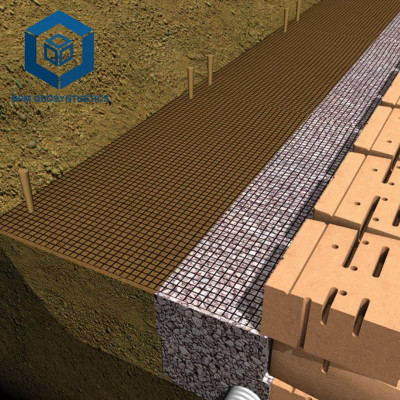
- Anchoring and termination systems for slopes, edges, and spillways
Integrating these systems during installation enhances mechanical stability, prevents liner uplift, and ensures hydraulic efficiency. The combination of precise installation, proper welding, and system integration guarantees reliable dam performance under variable water levels and environmental conditions.
4.4 Maintenance Considerations Post-Installation
After installation, periodic inspections of seams and anchor points are recommended. Early detection of minor damage allows repairs using extrusion welding or compatible patching methods. Properly welded and installed liners typically require minimal maintenance while delivering decades of impermeability and hydraulic stability.
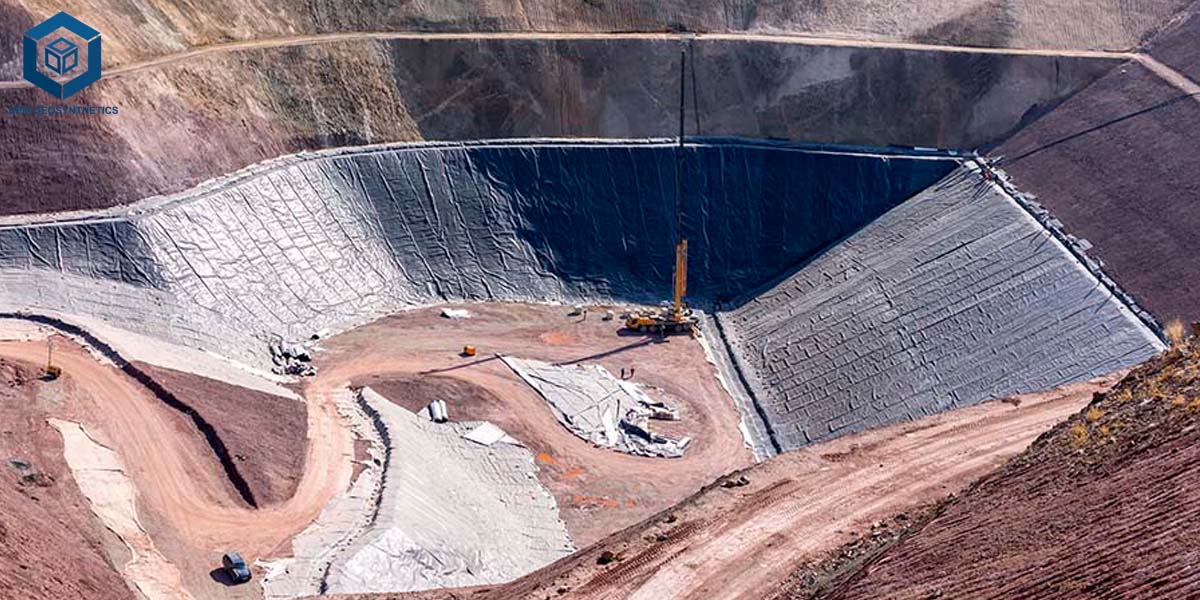
5. Compatibility with Protection and Drainage Systems
5.1 Integration with Non Woven Geotextiles
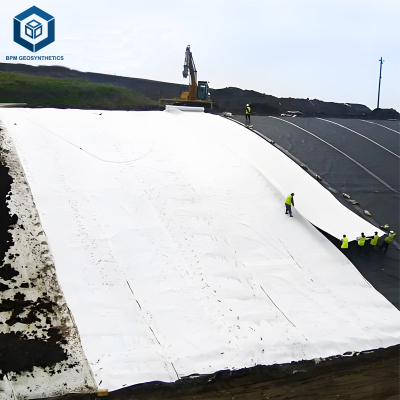
Dam lining material is commonly installed in combination with non woven geotextiles to provide cushioning and protection. The geotextile layer reduces the risk of puncture from irregular subgrade materials and distributes localized stresses, improving installation safety and long-term liner integrity.
5.2 Compatibility with Drainage Layers and Drainage Cells
Drainage layers or drainage cells are installed beneath or behind the dam lining material to relieve hydrostatic pressure and control seepage. These systems allow controlled water movement, reduce uplift forces, and prevent pressure accumulation, ensuring stable hydraulic performance of the liner system.
5.3 Protection with Concrete or Stone Cover Layers
On exposed slopes, dam lining material is often protected with concrete slabs, riprap, or stone cover layers. These protective systems shield the liner from mechanical damage, UV exposure, and hydraulic erosion, while maintaining slope stability under variable water levels.
5.4 System-Level Performance and Durability
The combined use of geomembranes, geotextiles, drainage systems, and protective layers creates an integrated lining system that enhances dam safety, reduces maintenance requirements, and significantly extends service life under long-term hydraulic and environmental loading.
6. Dam Lining Material – Product Details FAQ
Q1: What are the main applications of dam lining material?
Dam lining material is widely used in:
Earth dams and embankment dams
Water supply and irrigation reservoirs
Hydropower and flood control dams
Industrial and mining water containment
Agricultural and aquaculture reservoirs
Q2: What is the typical service life of dam lining material?
When properly installed, dam lining material offers a service life of 30–50 years with minimal maintenance. Routine inspections and timely repair of localized damage ensure continued waterproof performance without major rehabilitation.
Service life depends on liner thickness, UV exposure, water chemistry, and installation quality.
Q3: Can dam lining material be repaired if damaged?
Yes. Most damages can be repaired using extrusion welding or compatible patching methods. Proper repair restores impermeability without replacing the entire liner system.
Conclusion
Dam lining material plays a critical role in ensuring long-term seepage control and structural safety in dam and reservoir projects. The Best Project Material Co., Ltd.(BPM Geosynthetics)offers high-quality dam lining solutions manufactured from premium raw materials and produced under strict quality control standards. With proven performance, reliable welding characteristics, and strong technical support, BPM Geosynthetics is a trusted and recommended partner for durable, safe, and cost-effective dam lining applications worldwide.