Cell Drain
Cell Drain is an advanced geosynthetic drainage material designed to efficiently collect and transport excess water in civil engineering and environmental projects. With its high compressive strength and excellent drainage capacity, Cell Drain helps prevent water accumulation, improves soil stability, and enhances the durability of infrastructure systems.
- Efficient Water Drainage – The three-dimensional cell structure allows rapid water flow and reduces hydrostatic pressure.
- High Compressive Strength – Maintains drainage performance even under heavy loads.
- Lightweight and Easy Installation – Flexible panels simplify transportation and installation on various surfaces.
- Excellent Durability – Resistant to chemicals, corrosion, and long-term soil pressure.
- Versatile Applications – Widely used in retaining walls, green roofs, tunnels, landfills, foundations, and landscaping drainage systems.
Cell Drain – High Efficiency Geosynthetic Drainage Solution for Modern Engineering
Cell Drain is a sophisticated system of geosynthetics for drainage developed to maximize the capture, conveyance, and discharge of surplus water in various civil engineering and environmental contexts. Thanks to a specially engineered three-dimensional core structure, this product combines excellent water flow with the ability to resist very high loads without collapsing.
In contrast with conventional gravel drainage solutions, drainage cell not only excels in drainage effectiveness, but it is also a lot lighter, can be installed much more rapidly, and greatly reduces overall costs. Its application field ranges from retaining walls, tunnels, and foundations to landfills, green roofs, sports fields, landscaping, and underground structures.
As a result of its ability to lessen hydrostatic pressure efficiently and keep water from building up, this drainage system can significantly contribute to the protection of structural elements, enhancement of soil stability, and the prolongation of infrastructure systems' lifespan.
1. What is Cell Drain?
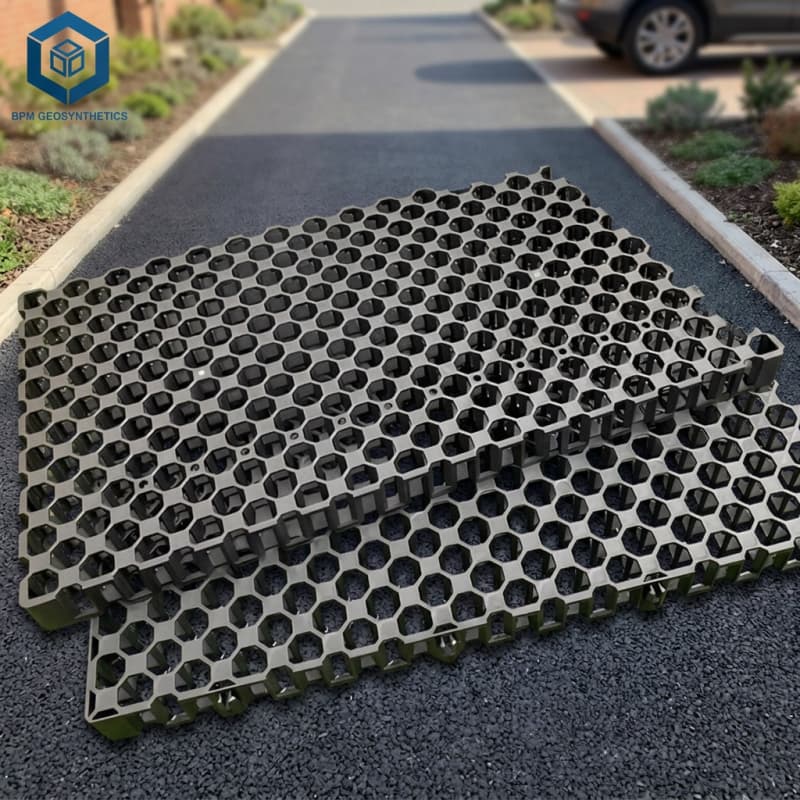
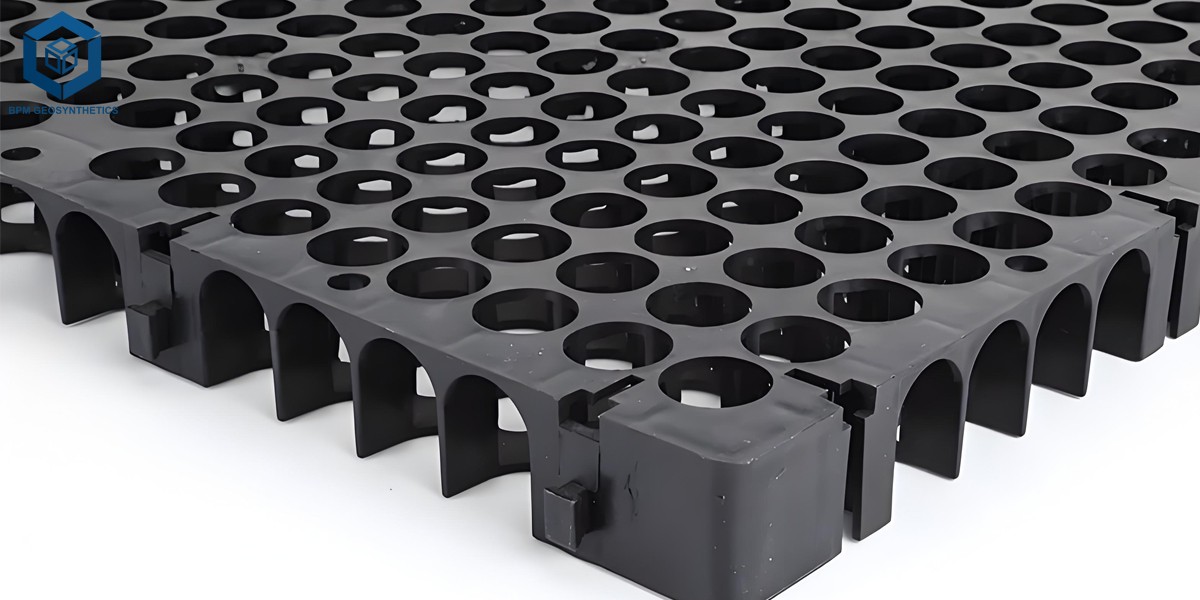
Cell Drain consists of a cellular or three-dimensional drainage structure made from polymer materials such as HDPE or polypropylene.
The air pockets that characterize the cellular structure perform dual roles: provide uninterrupted channels for water passage and carry loads of soil or structures.
Alongside the drainage core, a layer of filter fabric is usually included in the system to stop soil particles from clogging the drainage channels while enabling efficient water flow.By doing so, the system can maintain the drainage performance over a long period, even under challenging conditions.
2. Essential Characteristics of Cell Drain
2.1 High Water Removal Efficiency
The design of the cellular drainage structure provides a network of multiple interconnected flow channels that first gather and then carry away water very quickly, thus essentially eliminating hydrostatic pressure around the structures. This effective drainage features can even in the outdoors contribute to maintaining stability through different seasons of the year, facilitating construction and operation of efficient foundations, walls, and underground structures.
2.2 Excellent Structural Strength
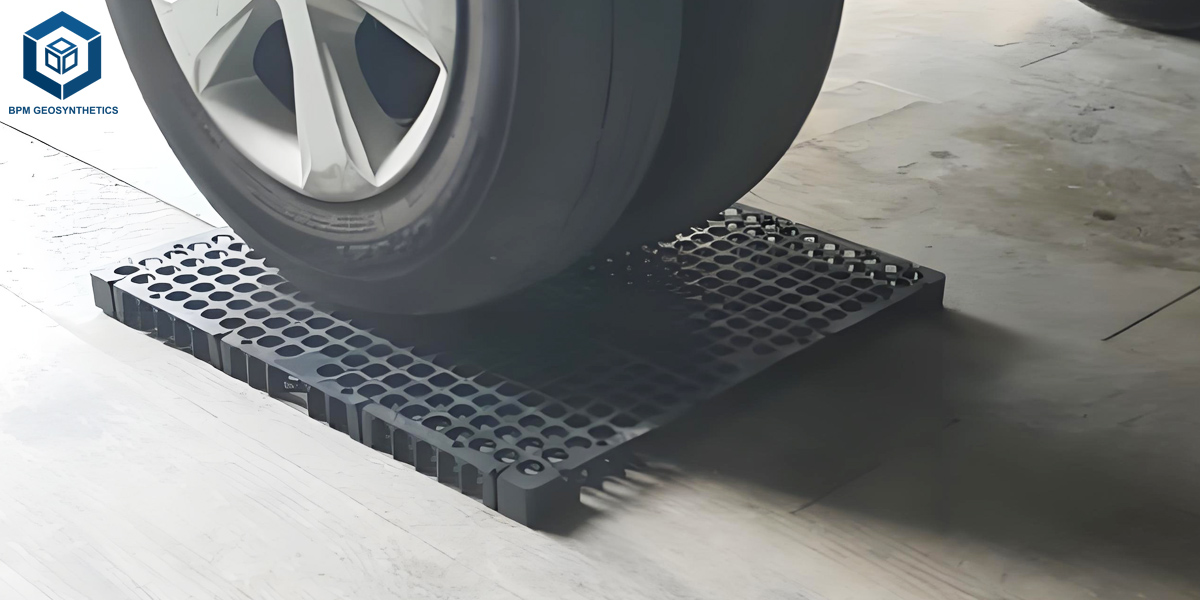
Plastic drainage cells by design is tolerant to pressure and heavy load conditions, such as those exerted by soil, pavement, and cast concrete. The internal support structure helps distribute the applied force over a wider area, thereby reducing the likelihood of shape deformation or structural failure over time. This feature enhances its adaptability to construction sites that are characterized by climatic and technical difficulties.
2.3 Handling and Installation Made Simple
Besides being lightweight in nature, the product is designed to facilitate transportation very easily and subsequent modification (by cutting) as well as placement at the site with the minimum of effort and in lesser time than before.
2.4 Application in Variety of Environments and Long Service Life
Made from premium polymers, 20mm drainage cell features excellent resistance against chemically aggressive environments, particularly soil acids and alkaline, degradation by biological means, and when required, UV radiation.
Thus, even under the most challenging conditions like those met in landfills, tunnels or underground structures draincells will perform its function for many years without notable degradation of its drainage or structural properties.
2.5 Cost-Effective Solution
Drainage board enables the replacement of thick gravel drainage layers, thereby drastically reducing the amount of materials used, the cost of their transportation, and the overall installation expenses. Its compact and lightweight construction also contributes to fewer handling and labor needs during the building phase. In the long term, the robust design and dependable drainage features of the product will also work towards reducing maintenance and repair expenditures, turning it into a cost-efficient option for contemporary infrastructure projects.
3. Cell Drain Typical Specifications
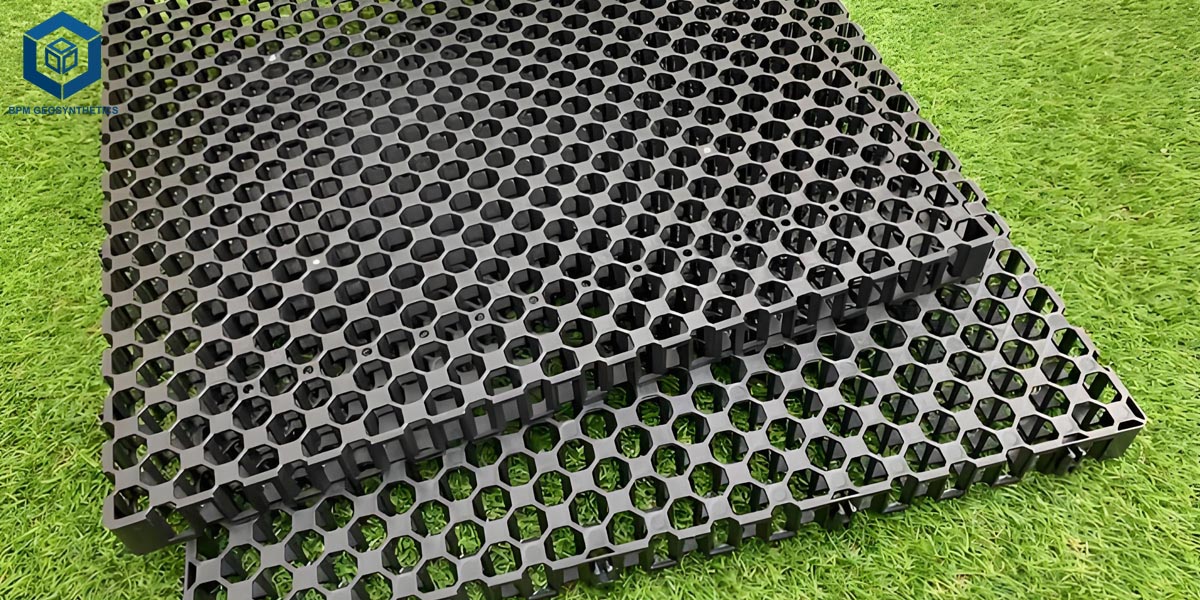
Cell Drain products can be customized according to project requirements.
3.1 Common specifications include:
- Material: HDPE / Polypropylene
- Thickness: 10 mm – 50 mm
- Compressive Strength: up to 200–300 kPa
- Drainage Capacity: high-flow cellular structure
- Panel Size: customizable sheets or rolls
- Filter Layer: optional non-woven geotextile
Customized sizes, thickness, and drainage capacities are available for different engineering applications.
4. Main Applications of Cell Drain
4.1 Retaining Wall Drainage
Cell Drain finds its application in a large number of cases as the drainage system behind retaining walls to rapidly alleviate the accumulation of hydrostatic pressure and safeguard against the instability of the wall structure. The drainage lines help inhibit water gathering that might lead to the deformity or cracking of the walls over time.
4.2 Green Roof Drainage
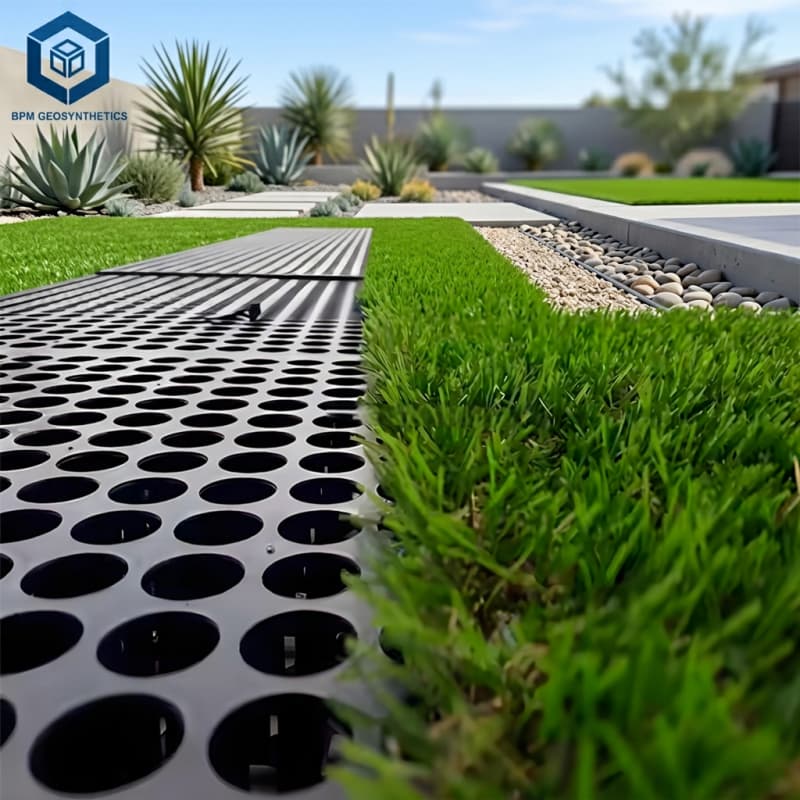
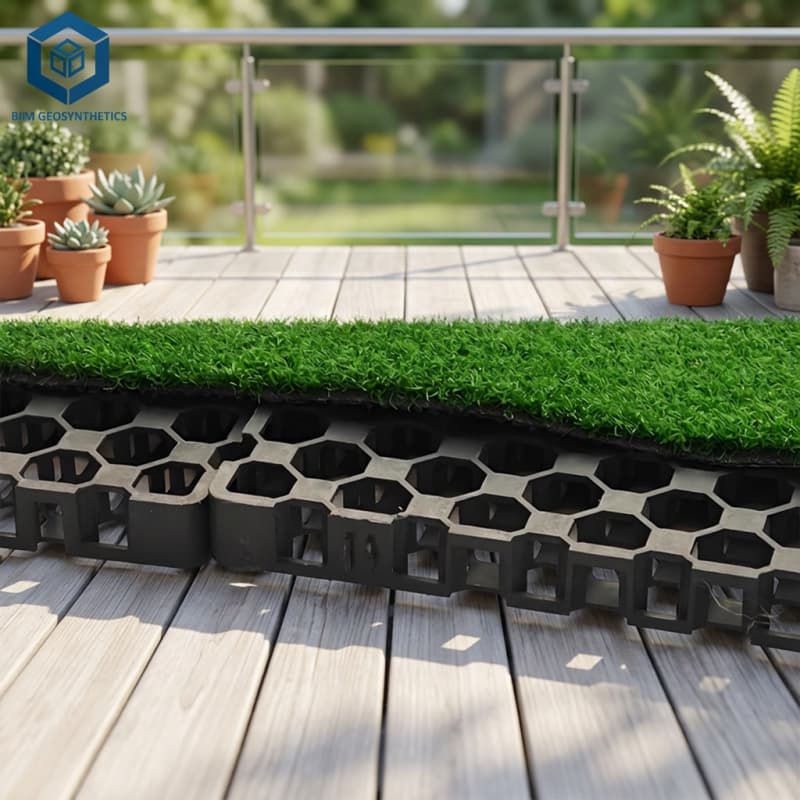
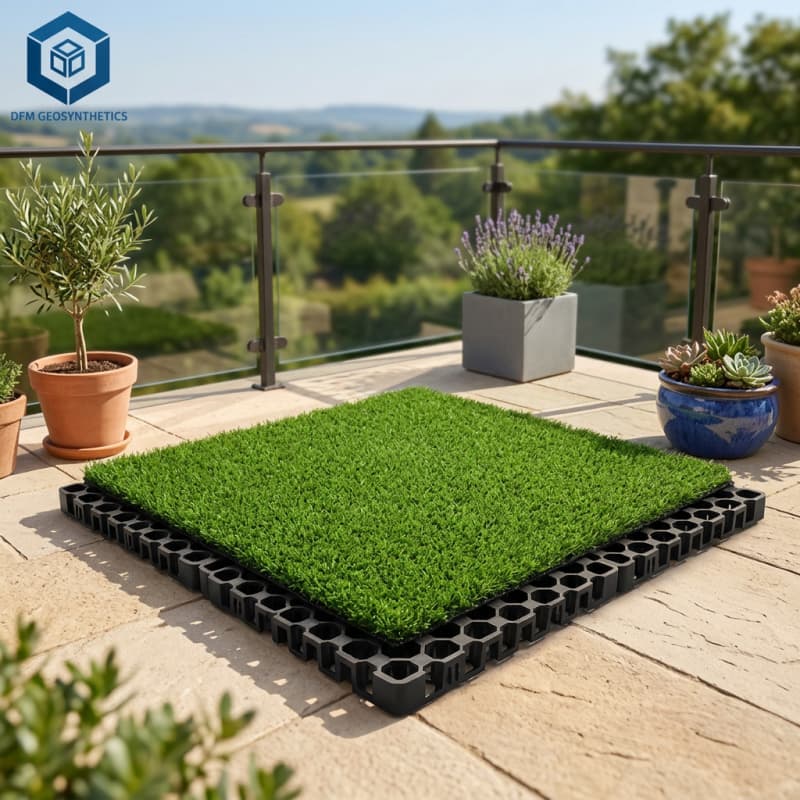
The use of green roofs, drain cells for plants is a compact and light system that ensures efficient drainage as well as water management of the roof. Controlling excess water, through Cell Drain, assists in the maintenance of healthy and uninterrupted plant growth and derives from waterlogging which is one of the most damaging elements to roof structure.
4.3 Basement and Foundation Drainage
The placement along the basement walls or foundation protects the area from gaining pressure of ground water and leakage due to infiltration. This not only aids in keeping the enclosed area dry but also abreast with the prevention of structural elements from moisture related damages.
4.4 Landfill Drainage Systems
Cell Drain application in landfills capping and lining systems is to gather leachate and surface water through its high capacity of flow. This is a mechanism that also plays a major role in accomplishing compliance with environmental safety through effective water management and thus minimizes the risk of contamination or structural settlement caused by different types of waste.
4.5 Landscaping and Garden Drainage
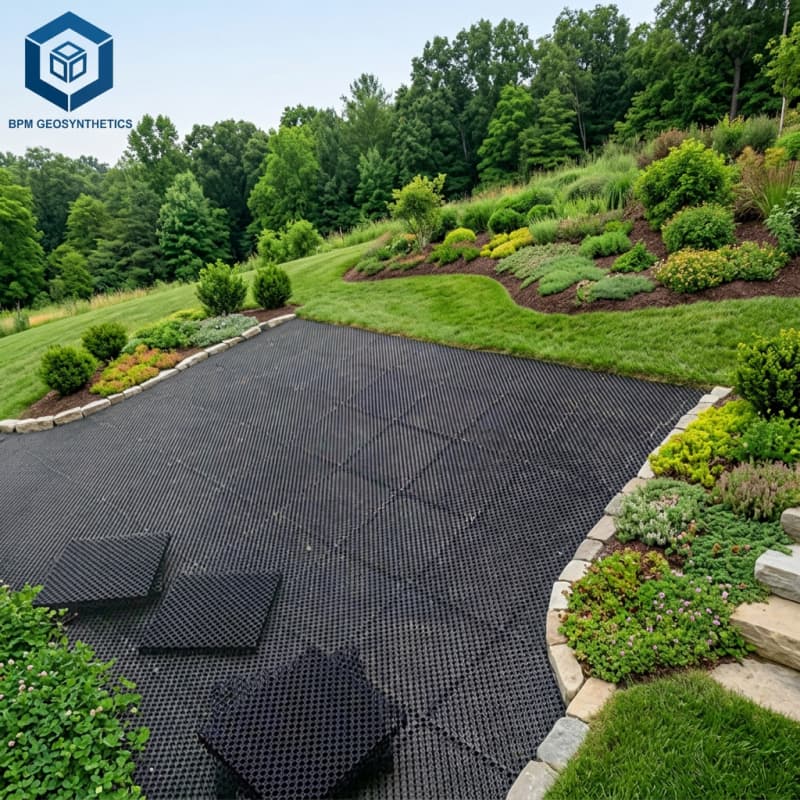
Places such as gardens, Sports fields, Parks, and other landscape projects require efficient subsurface drainage, and drain cell mat for terrace garden is an excellent choice for those needs. It facilitates soil health, curtails erosion, and secures the outdoor locations to remain both operational and attractive visually.
4.6 Tunnel and Underground Structure Drainage
Drainage of tunnels and underground facilities is possible with the use of Cell Drain and this not only leads to efficient removal of ground water but also protection of the infrastructure. These steps will assist in avoiding structural problems caused by water and serving the long first and safe results stored in buried projects area.
5. Advantages Compared with Traditional Gravel Drainage
| Feature | Cell Drain | Gravel Drainage |
|---|---|---|
| Weight | Lightweight | Heavy |
| Installation | Fast and simple | Labor intensive |
| Drainage Efficiency | High | Medium |
| Material Thickness | Thin layer | Thick layer required |
| Transportation Cost | Low | High |
| Long-Term Performance | Stable | Can clog over time |
Because of these advantages, Cell Drain has become a preferred drainage solution in modern construction projects.
6. Cell Drain Installation Process
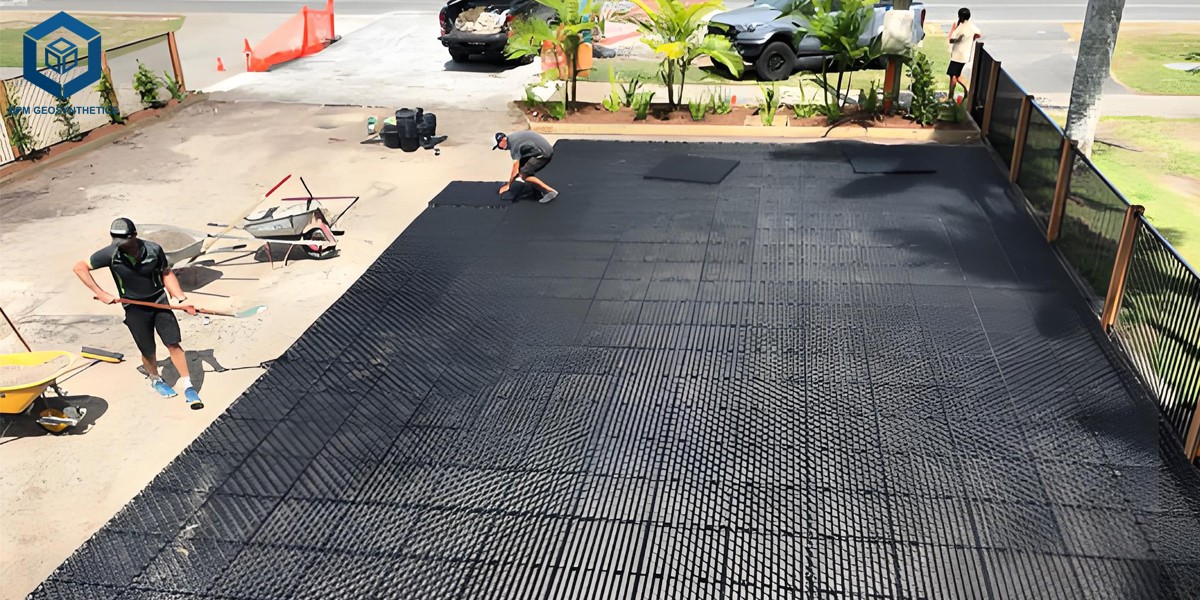
The installation of Cell Drain is simple and efficient.
- Basic installation steps include:
- Prepare and level the installation surface
- Place Cell Drain panels or sheets on the surface
- Ensure proper alignment of drainage channels
- Install geotextile filter fabric if required
- Cover with soil, gravel, or structural material
- Connect drainage outlets to ensure water discharge
Professional installation guidance can further improve system performance.
7. Why Choose a High-Quality Cell Drain Supplier?
Choosing a reliable manufacturer ensures consistent product performance and project success.
7.1 A professional supplier can provide:
- Strict quality control and testing
- Custom product specifications
- Engineering support and design recommendations
- Fast production and global delivery
- Competitive pricing and reliable service
These factors help contractors and project managers complete projects efficiently and safely.
8. Cell Drain FAQ – Frequently Asked Questions
Q1: How does Cell Drain work?
Cell Drain’s unique 3D cell structure creates uninterrupted channels that are capable of accumulating and transferring water quite effectively. When used together with a geotextile filter fabric, the system is capable of keeping out soil particles that might lead to clogging; at the same time it permits the unimpeded flow of water.
Q2: Is Cell Drain resistant to chemicals and soil conditions?
These products are manufactured from polymers that are highly enduring and which are able to resist deterioration caused by chemicals, agents of biological breakdown, and the effect of acidic or alkaline soils.
Q3: Can Cell Drain be customized for specific projects?
Usually, the manufacturers can give offers for a variety of changes in thickness, size of the panel, strength of compressive forces, and types of geotextiles so that the different demands of projects are fully aligned.
Q4: How do I maintain Cell Drain?
Cell Drain hardly ever asks for maintenance. To keep its drainage working well over time, it is enough to regularly check the outlets and clean them up of any debris.
Conclusion
For a variety of civil engineering and landscaping works, Cell Drain from The Best Project Material Co., Ltd. (BPM Geosynthetics) represents a sustainable, potent, and cost-saving drainage system. Besides excellent water control, capability to load heavily, and simple installation, the Cell Drain of BPM Geosynthetics is able to maintain the structural soundness and prevent the ones that are water-based from experiencing further consequences, thereby prolonging the lifespan of your projects. You can rely on BPM Geosynthetics for top-notch products, a wide range of professional services, and all other needs you have in relation to drainage.