High Density Pond Liner: Engineering Guide & Specifications
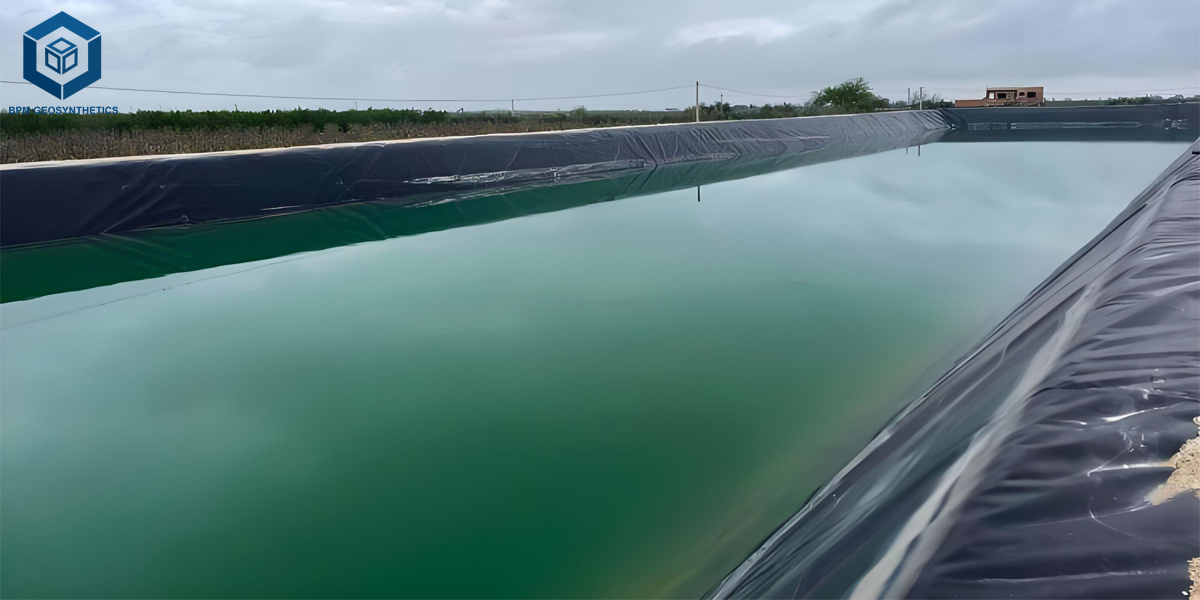
A High Density Pond Liner is an impermeable geomembrane barrier, typically manufactured from high-density polyethylene (HDPE), designed to prevent water seepage in ponds, reservoirs, aquaculture systems, and industrial containment facilities. It provides long-term waterproofing, chemical resistance, and structural stability in environmental engineering projects.
Technical Parameters and Specifications
The performance of a high density pond liner depends on polymer quality, thickness selection, mechanical strength, and environmental resistance. Engineering specifications normally follow international testing standards.
| Parameter | Typical Value | Test Standard |
|---|---|---|
| Material | High Density Polyethylene (HDPE) | GRI GM13 |
| Thickness Range | 0.5 mm – 2.5 mm | ASTM D5199 |
| Density | ≥0.94 g/cm³ | ASTM D1505 |
| Tensile Strength | ≥25 kN/m | ASTM D6693 |
| Elongation at Break | ≥700% | ASTM D6693 |
| Puncture Resistance | ≥600 N | ASTM D4833 |
| Carbon Black Content | 2% – 3% | ASTM D4218 |
| Operating Temperature | -60°C to 80°C | Engineering reference |
Structure and Material Composition
A typical high density pond liner system includes several functional components designed to ensure waterproofing performance and structural durability.
HDPE Polymer Base Layer – Main impermeable barrier preventing water leakage.
Carbon Black UV Stabilizer – Protects liner from ultraviolet degradation.
Antioxidant Additives – Enhances long-term resistance to thermal aging.
Textured Surface Option – Improves friction performance for slope stability.
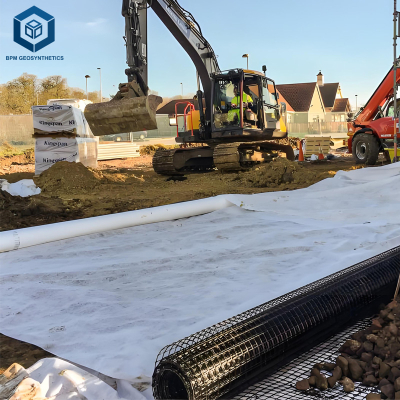
Protective Geotextile Layer – Installed above or below the liner to prevent puncture damage.
Manufacturing Process
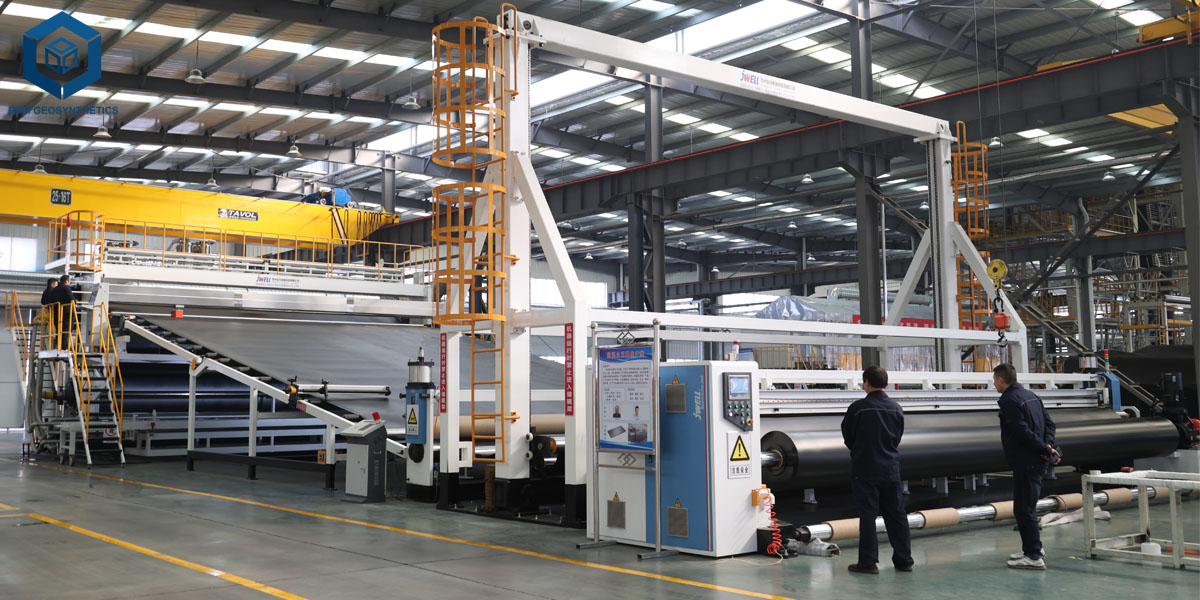
Modern geomembrane production lines use automated extrusion technology to ensure consistent quality and thickness control for high density pond liner manufacturing.
Raw Material Preparation
HDPE resin pellets are blended with carbon black and stabilizing additives.Extrusion Melting
The mixture is melted in high-temperature extrusion equipment.Flat Die Film Formation
Molten polymer is extruded into continuous membrane sheets.Calendering and Thickness Calibration
Precision rollers control thickness and surface quality.Cooling and Solidification
Controlled cooling ensures dimensional stability.Quality Testing
Mechanical strength, thickness uniformity, and density are verified.Rolling and Packaging
Finished high density pond liner rolls are packaged for transport and installation.
Industry Material Comparison
| Waterproof Material | Typical Thickness | Service Life | Installation Method | Relative Cost |
|---|---|---|---|---|
| High Density Pond Liner (HDPE) | 0.75–2.0 mm | 20–40 years | Thermal welding | Medium |
| PVC Pond Liner | 0.5–1.5 mm | 10–20 years | Heat welding | Medium |
| Concrete Pond Lining | 100–150 mm | 30+ years | Cast construction | High |
| Clay Compacted Lining | 300–600 mm | 10–15 years | Mechanical compaction | Low |
Application Scenarios
High density pond liner systems are widely used across water management, agriculture, and environmental engineering projects.
Aquaculture ponds for shrimp, fish, and tilapia farming
Agricultural irrigation reservoirs
Industrial wastewater containment ponds
Stormwater retention basins
Decorative landscape ponds
Mining process water storage ponds
Typical users include EPC contractors, water infrastructure developers, agricultural investors, and geomembrane distributors.
Core Pain Points and Engineering Solutions
Pond Water Leakage
Cause: Inadequate liner thickness or poor welding. Solution: Select appropriate thickness and use certified welding equipment.Puncture Damage from Subgrade
Cause: Sharp stones or debris in soil. Solution: Install nonwoven geotextile protective layers.UV Degradation
Cause: Long-term sun exposure. Solution: Use liners with proper carbon black stabilization.Slope Stability Problems
Cause: Smooth liners may slip on steep slopes. Solution: Select textured high density pond liner surfaces.
Risk Warnings and Avoidance Recommendations
Avoid installing liners on unprepared ground surfaces.
Do not select liner thickness based solely on price considerations.
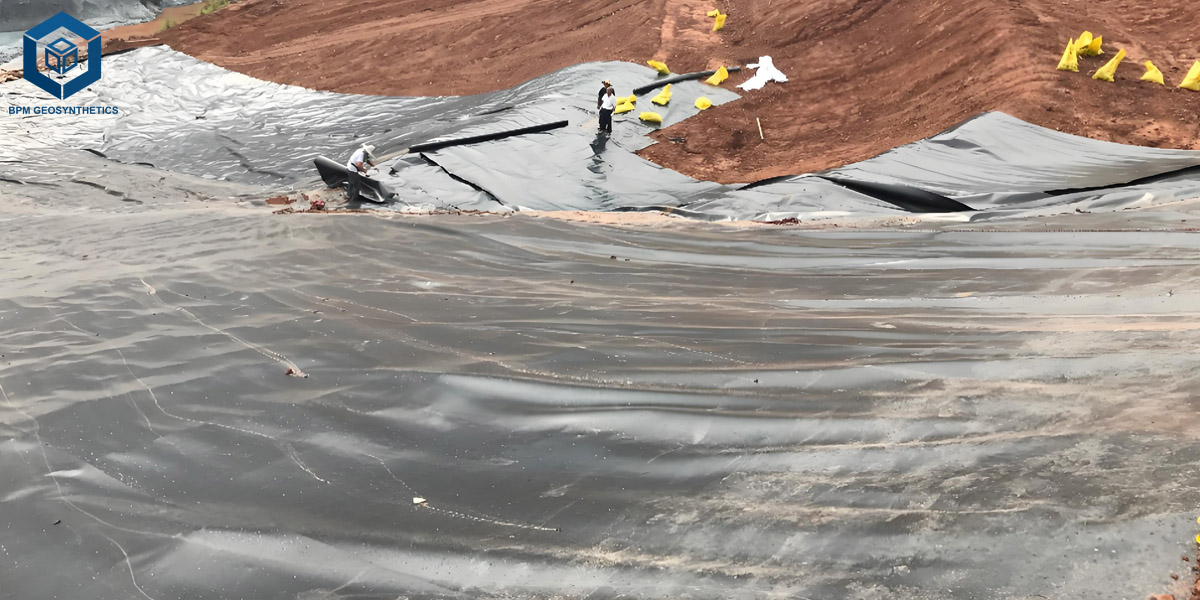
Ensure proper welding temperature control during installation.
Protect liners from mechanical damage during backfilling.
Verify manufacturer quality certifications and test reports.
Procurement Selection Guide
Procurement managers evaluating high density pond liner systems should follow a structured decision process.
Determine pond size, water depth, and environmental conditions.
Select liner thickness based on engineering calculations.
Confirm compliance with international standards such as GRI-GM13.
Evaluate manufacturer production capacity and quality control.
Review installation procedures and welding technology.
Request laboratory testing reports and material certifications.
Compare lifecycle cost rather than only material price.
Engineering Case Study
An aquaculture developer constructed a 15,000 m² shrimp farming pond system requiring reliable waterproofing and low maintenance. Engineers selected a 1.5 mm high density pond liner combined with a 300 g/m² nonwoven geotextile protection layer.
The installation used automated hot wedge welding equipment to ensure seam strength and waterproof integrity. After installation, leak detection testing confirmed zero seepage. The system has been operating successfully for several years with minimal maintenance.
Frequently Asked Questions
1. What is a high density pond liner?
It is an HDPE geomembrane used to prevent water leakage in ponds and reservoirs.
2. What thickness is commonly used?
Common thickness ranges from 0.75 mm to 1.5 mm for most pond applications.
3. How long does a pond liner last?
High density pond liner systems typically last 20–40 years depending on environmental conditions.
4. Can HDPE liners resist chemicals?
Yes, HDPE liners have excellent resistance to acids, alkalis, and many industrial chemicals.
5. How are liners installed?
They are usually welded using hot wedge or extrusion welding equipment.
6. Is geotextile protection necessary?
Yes, geotextiles reduce puncture risk and improve liner durability.
7. What roll width is available?
Most geomembrane rolls are manufactured in widths between 5 and 8 meters.
8. Are textured liners better for slopes?
Yes, textured surfaces increase friction and improve slope stability.
9. What is the installation temperature range?
Installation typically occurs between 5°C and 40°C.
10. Is professional installation required?
Large projects should always use certified geomembrane welding technicians.
Request Quotation or Technical Documentation
For engineering procurement, buyers may request detailed specifications, installation guidelines, welding procedures, and project quotations for high density pond liner systems. Providing pond dimensions, design thickness, and environmental conditions helps suppliers deliver accurate technical recommendations.
Author Expertise (E-E-A-T)
This article was prepared by an environmental containment engineering specialist with more than ten years of experience in geomembrane manufacturing, aquaculture waterproofing systems, mining containment design, and hydraulic infrastructure projects. The technical information reflects common practices used by EPC contractors, consulting engineers, and international material procurement teams.