How Much Does Geotextile Fabric Cost?
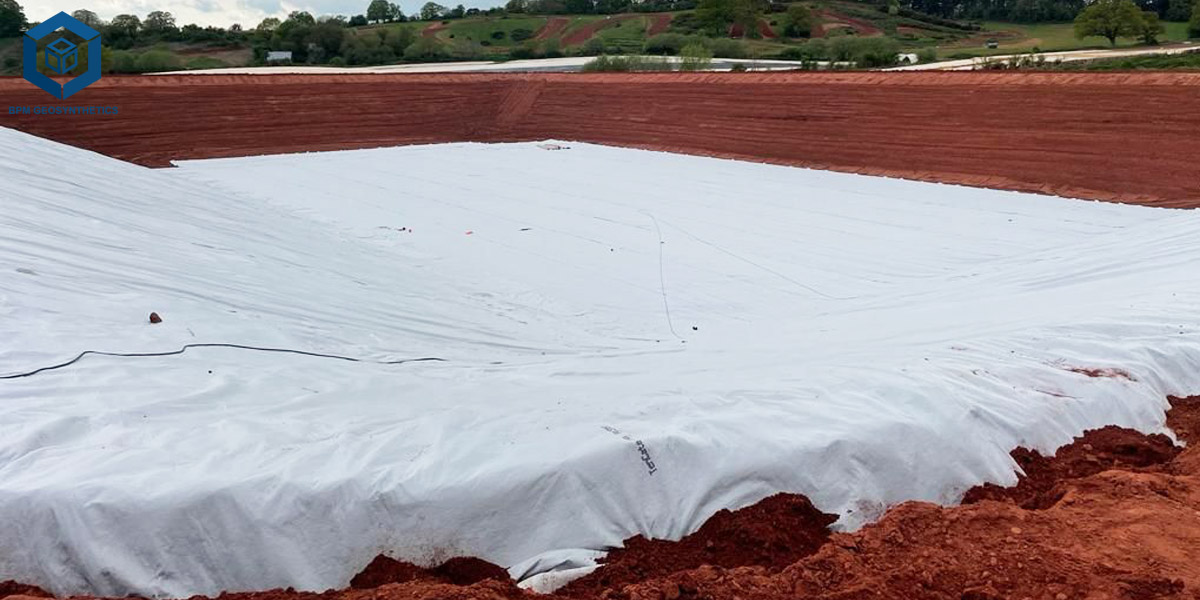
Geotextile fabric cost is essential things that construction industry utilize and they have significant roles in civil engineering as well as geotechnical engineering applications. It offers such functions as soil stabilization, erosion prevention, filtration and drainage. The geotextile materials can be helpful in any construction operation, a road or a garden.
Besides that, with the tremendous assortment of geotextile fabric commonly available in the geotechnical materials market, it might be a real headache to choose that best geotextile for a given project. Stakeholders, by adhering to the guiding principles outlined in this manual, will be able to make well-informed choices that will, on the one hand, optimize the performance of the project, and on the other, ensure its durability in the long run.
The of geotextile fabric cost May differ significantly, depending on various factors such as the type of geotextile, weight, size of rolls or pieces required, and supplier or manufacturer. Besides, the prices of geo fabric is influenced by the market condition and the geographical location.
Geotextile filter fabric is really part of the civil engineering common kit nowadays. They can do the job for us in soil stabilization, erosion control and even drainage management where highly adaptable solutions are needed. The global Geotextile Fabric Cost market was valued at $7.1 billion in 2024 and is expected to register a CAGR of 6.6% to $11.92 billion by 2030. Non woven filter fabric is at the forefront of infrastructure and environmental projects innovation.
In this post, we will go into geofabric cost and the increase of sheet geotextile price can be even $5.00 per square foot ($54.00 per square meter) line, with considered the cost factors, thread specification, and application. And we will give contractors, engineers, and project managers practical guidance.
1. What Involves in the Geotextile Fabric Cost?
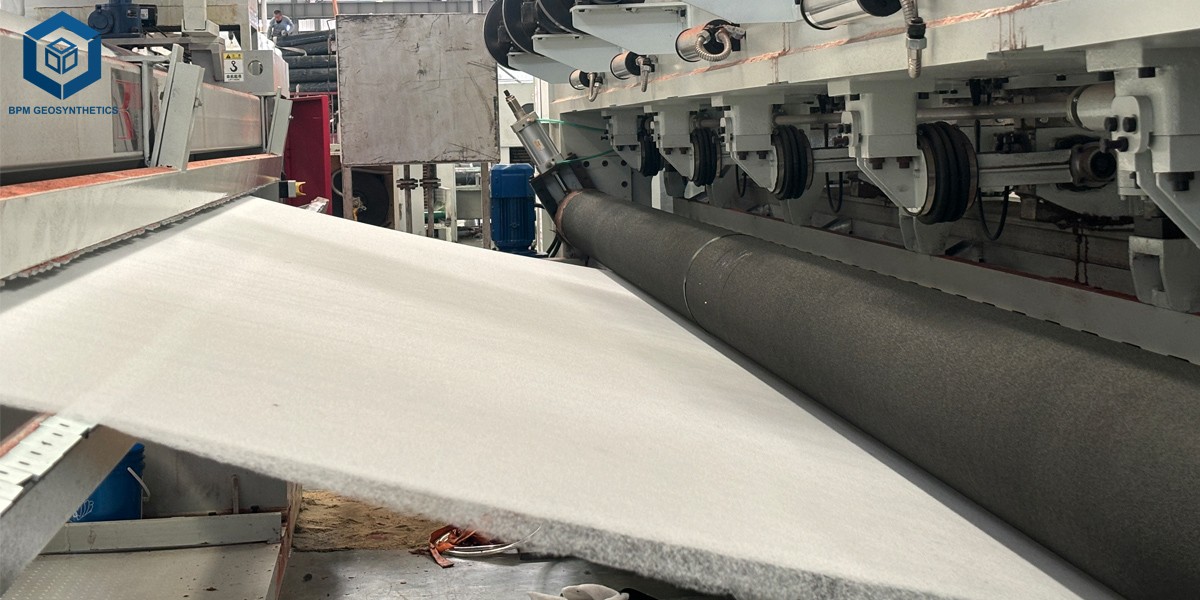
Geotextile Fabric Cost can go down to even cheap light-weight non-woven polypropylene at merely $0.15 per square foot ($1.50/m²) and can go all the way up to heavy-duty woven polyester or specialty geotubes at $5.00 per square foot ($54.00/m²). An average 10,000 square-foot road stabilization project with materials and installation can cost around $2,500-$15,000 while at a bare minimum 1-acre erosion control project will be around $10,000 to maybe $50,000. The main culprits to the costs are, in order of importance, the material type(40–50%), weight and strength (10–20%),) installation complexity (20–30%), and additional features (5–15%). This manual provides an exhaustive overview of these points together with technical parameters, so that you can budget wisely for roads, landfills, drainage, and coastal defense applications.
2. Functions of Geotextile Fabric
Geotextile drainage fabric have numerous very important functions, most of them are in the field of construction and environmental projects. These functions are:
2.1 Separation
Geotextile fabric do the job of separating different layers of soil such as sub-soil and aggregate preventing them from mixing; this is really helpful in the long run stability. As for an instance say in road construction; the base material is kept by geotextiles from getting into soft subsoil and thus the pavement can last longer.
2.2 Filtration
Geotextile fabric under gravel is such materials that allow water to be passing through and at the same time hold the soil. This feature is very important for drainage systems, riverbanks, and coastal protection where the water flow is an essential condition but at no cost should the soil particles be lost.
2.3 Reinforcement
When nonwoven geotextile fabric is used, weak soil gets increased in tensile strength, this is one of the ways Geotextiles can enhance the load-bearing capability of soils. You can find them in retaining walls, embankments, and steep slopes as the means to keep the soil in place and also to prevent the structures from going into failure.
2.4 Drainage
There are some non woven geotextile drainage fabric that help water in draining out smoothly, this way the pressure brought by the water is reduced and the walls or any structure that are at the back or underneath will be saved from damage. Sports grounds, landfills as well as foundation drainage systems are just some of the cases where this is particularly helpful.
2.5 Erosion Control
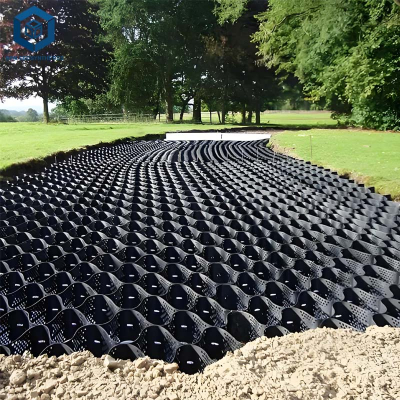
The role of non woven geotextile in protecting soil is to shield it from wind and water erosion. They are generally combined with vegetation (such as turf reinforcement mats) and utilized on slopes and shorelines for their stabilization.
2.6 Protection
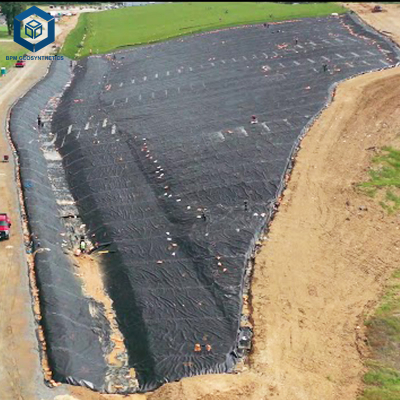
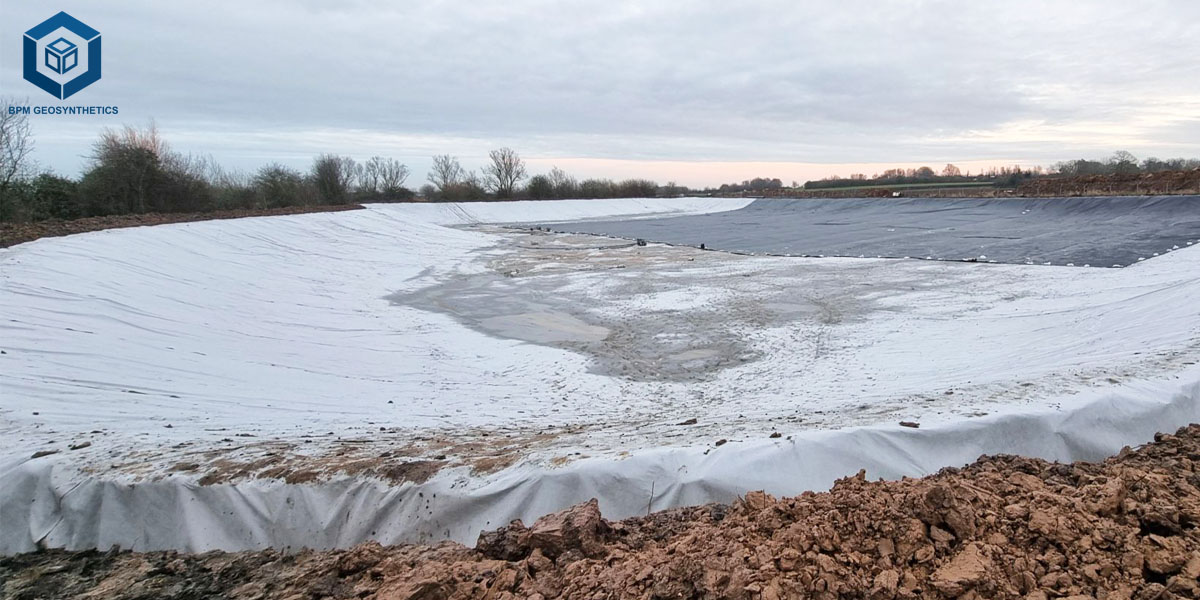
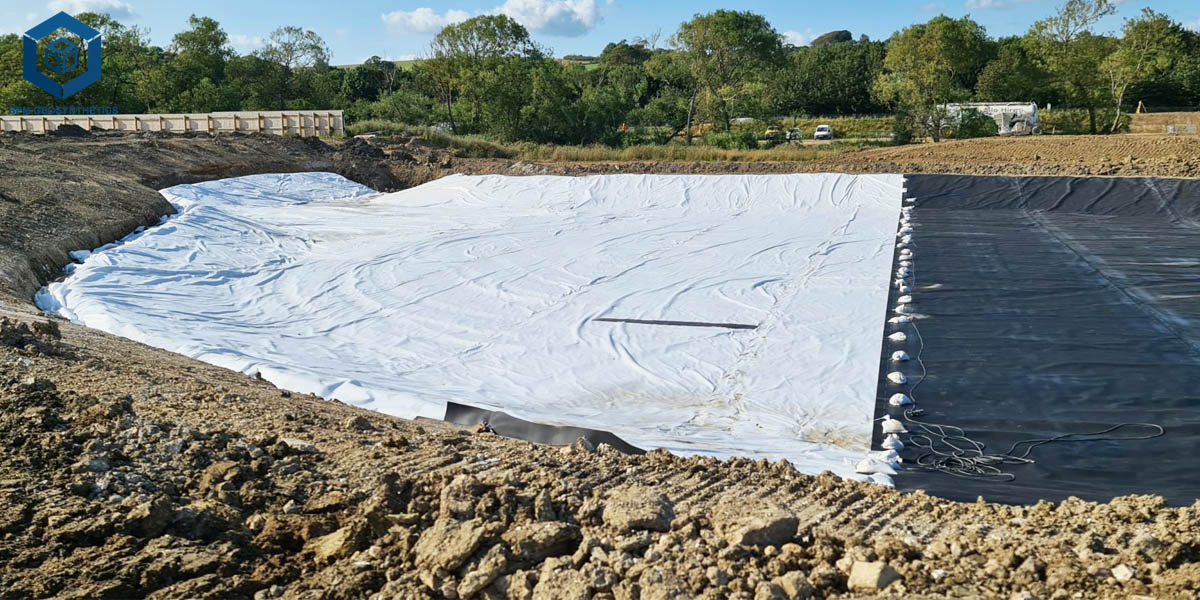
Geotextile non woven serve as a protective barrier that cushions geomembranes (which are used in landfill and pond applications) from getting punctured by sharp rocks or debris.
3. Key Factors Influencing Geotextile Fabric Cost
3.1 Material Type and Composition
3.1.1 Non-Woven Polypropylene (PP)
Price: $0.15–$0.50 per ft² ($1.50–$5.40 per m²)
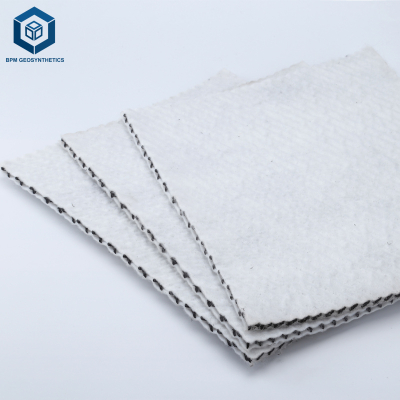
Specifications: Weight 100–600 g/m², Tensile strength 10–50 kN/m, AOS 0.1–0.5 mm
Application Areas: Drainage, filtration and separation for roads and landscaping
Benefits: Lightweight, cost-effective, UV-resistant, 20–50-year lifespan
Drawbacks: Lesser strength compared to woven, 20% less durable for heavy loads
Example Cost Calculation: BPM’s 200 g/m² non-woven PP for a 1,000 ft² drain corresponds to $150–$500
3.1.2 Woven Polypropylene (PP)
Price: $0.30–$0.70 per ft² ($3.20–$7.50 per m²)
Specifications: Weight 200–800 g/m², Tensile strength 50–150 kN/m, AOS 0.2–0.6 mm
Application Areas: Road stabilization and embankment reinforcement
Benefits: High strength, low elongation (10–15%), 50-year lifespan
Drawbacks: Less permeable, 10% higher installation cost
Example Cost Calculation: Mirafi’s woven PP for a 5,000 ft² road corresponds to $1,500–$3,500
3.1.3 Woven Polyester (PET)
Price: $0.50–$2.00 per ft² ($5.40–$21.60 per m²)
Specifications: Weight 300–1,000 g/m², Tensile strength 80–200 kN/m, AOS 0.1–0.4 mm
Application Areas: Retaining walls, steep slopes, and landfills
Benefits: Low creep (1–2%), high durability, 75–100-year lifespan
Drawbacks: Higher cost, UV-sensitive without coating
Example Cost Calculation: TenCate PET for a 2,000 ft² wall corresponds to $1,000–$4,000
3.1.4 Natural Fibers (Jute/Coir)
Price: $0.20–$0.80 per ft² ($2.16–$8.64 per m²)
Specifications: Weight 300–700 g/m², Tensile strength 10–30 kN/m, Biodegradable
Application Areas: Temporary erosion control and landscaping
Benefits: Environmentally friendly, 1–5-year lifespan, 15% lower carbon footprint
Drawbacks: Short lifespan, limited strength
Example Cost Calculation: BPM’s 500 g/m² jute for a 1,000 ft² slope corresponds to $200–$800
3.1.5 Specialty Geotextiles (Geotubes/Composites)
Price: $0.50–$5.00 per ft² ($5.40–$54.00 per m²)
Specifications: Weight varies, Tensile strength100–200 kN/m, AOS tailored
Application Areas: Coastal protection, dewatering, landfill liners
Benefits: High performance, customizable, 50–75-year lifespan
Drawbacks: High prices, complicated installation
Example Cost Calculation: HUESKER geotube for a 500 ft² shoreline corresponds to $250–$2,500
3.1.6 Material Cost Impact
At the same time, non-woven PP, which makes up for 60% of total geotextile cloth consumption in 2024, offers the most budget-friendly solution for filtration and drainage, whereas woven PET is the right fit for high-load applications. The prices of PP resin, which stood at $1,200/MT in Q1 2025 (a rise of 7%), thus the production cost of geotextiles will be increased by 30–40%.
3.2 Weight and Strength
3.2.1 Weight Range
Geo textile material cost varies from 100 to 1,000 g/m², and heavier geotextile price 10–20% more. For example, a 100 g/m² non-woven PP is priced at $0.15–$0.30/ft², whereas a 600 g/m² woven PET geotextile fabric cost $1.00–$2.00/ft². Depending on the weight:
- 100–200 g/m²: Landscaping, light drainage ($0.15–$0.50/ft²)
- 200–400 g/m²: Roads, erosion control ($0.30–$1.00/ft²)
- 400–1,000 g/m²: Landfills, retaining walls ($1.00–$5.00/ft²)
3.2.2 Tensile Strength
Tensile strength (10–200 kN/m) defines the load-bearing capacity and increases the price by $0.05–$0.50/ft². Low-strength fabrics (10–50 kN/m) are used for filtration, whereas high-strength (100–200 kN/m) are suitable for reinforcement. For example, a 100 kN/m woven PP at $0.70/ft² costs $3,500 for 5,000 ft², which is double compared to $1,500 for 20 kN/m non-woven.
3.2.3 Performance Benefits
The heavier weight of the non woven needle punched geotextile (400+ g/m²) offers up to 30% more puncture resistance (1–2 kN, ASTM D6241) and can endure 50–100 years, in contrast to 20–50 years for 100 g/m². For a one-acre road, a 400 g/m² fabric at $0.50/ft² ($21,780) can lower the road maintenance cost by 25% over a period of 20 years.
4. Special Geotextile Fabric Cost
Specialty geotextiles refer to those with different types of functionalities such as UV resistance, chemical resistance, or electrical conductivity, and they can be found in various price ranges.
The cost of specialty geotextiles depends heavily on the unique features of the material and the purpose of the application.
It is essential to understand that the price ranges of these geotextiles serve only as reference values and can change due to different geotextile raw material prices, changes in the exchange rate, and other factors including, suppliers, locations, and purchase quantities. Besides, I think there will be price discounts if you buy geotextiles in large quantities. As a geotextile manufacturer with over 20 years of production experience, it is best to send us directly the geotextile indicators and parameters you require so that we can give you the most accurate and up-to-date pricing information.
5. Budgeting Tips for Geotextile Fabric Projects
5.1 Match Geotextile Fabric to Application
- Requirements: Tensile strength (10–100 kN/m, $0.15–$1.00/ft²), permeability (50–300 l/m²/s), 20+ years service life.
- Wish List: Geotubes for coastal protection ($1.00–$5.00/ft²), PET for landfills ($0.50–$2.00/ft²).
- Costs: Use non-woven PP ($0.15–$0.50/ft²) for drainage and keep woven PET for reinforcement.
5.2 Leverage Bulk Discounts
You can save 20–30% by ordering > 10,000 ft². For volume pricing of large projects, contact BPM Geosynthetics.
5.3 Optimize Installation
Get certified workers to do the overlaps and anchoring ($0.30–$1.50/ft²) and reduce the failures by 95%. Always choose dry weather conditions to save 10–15% on weather-related delays.
5.4 Invest in Longevity
Pick 200–400 g/m² fabrics ($0.30–$1.00/ft²) for 20–50 years, and 40% less replacement cost than 100 g/m² within 10 years.
5.5 Use Protective Layers
Put an aggregate layer ($0.50–$1.50/ft²) to guard against punctures and elongate the life by 30%.
5.6 Plan for Maintenance
Set aside $0.01–$0.05/ft² yearly for regular checking to save repair costs worth $1,000–$5,000.
6. The Properties of the Geotextile Fabric Material Itself Should Be Considered
6.1 Material Attributes
Geotextile stabilization fabric material properties are critical to its performance and suitability. Focus on properties such as tensile strength, puncture resistance, elongation, water permeability, and durability of the material. Selecting the right material properties according to the needs of the project ensures that the geotextile can effectively perform the required function. The strength of geotextiles is critical, especially in applications where reinforcement is required. Look for geotextiles that can cope with expected loads and environmental conditions by having sufficient tensile strength and puncture resistance.
6.2 Compatibility
Consider the compatibility of best non woven geotextile fabric with other project materials. For example, compatibility with soil, retaining wall materials, drainage systems, etc. Ensure that the interaction of geotextiles with other materials does not cause damage or degrade overall performance.
6.3 Environmental conditions
The performance of geo filter fabric can be affected by environmental variables such as temperature fluctuations, UV exposure, and freeze-thaw cycles. It is necessary to examine whether the geotextile can withstand the environmental factors of the site.
6.4 Chemical resistance
Geotextile soil stabilization can sometimes be affected by contaminants or chemicals. If you're worried about this for your project, choose a geotextile fabric under pavers with the right amount of chemical resistance.
Summary
Geotextile Fabric Cost range from $0.15 to $5.00 per square foot, driven by material type (40–50%), weight and strength (10–20%), installation (20–30%), and features (5–15%). Non-woven PP ($0.15–$0.50/ft²) suits drainage, while woven PET ($0.50–$2.00/ft²) excels in reinforcement. By understanding cost drivers—PP resin, UV resistance, and skilled labor—project managers can optimize budgets. BPM Geotextile, with 20+ years of expertise and a 99% defect-free rate, delivers high-performance, cost-effective geotextiles.
Please contact BPM Geosynthetics for woven or non woven geotextile samples and quotes at factory price to build a durable, eco-friendly driveway.
Choosing the best geotextile is an important choice that can have a significant impact on the outcome of your construction project. If you're looking for high-quality geotextiles you can trust, BPM Geosynthetics is the right choice for you. The Best Project Material Co., Ltd.(BPM Geosynthetics)offers filament geotextiles, polyester staple fiber geotextiles, polypropylene staple fiber geotextiles, woven fabrics and woven fabrics, geotextile types, material types and production processes to meet all your project requirements. Hopefully, this article will provide valuable insights to help you better understand the selection and application of geotextiles.