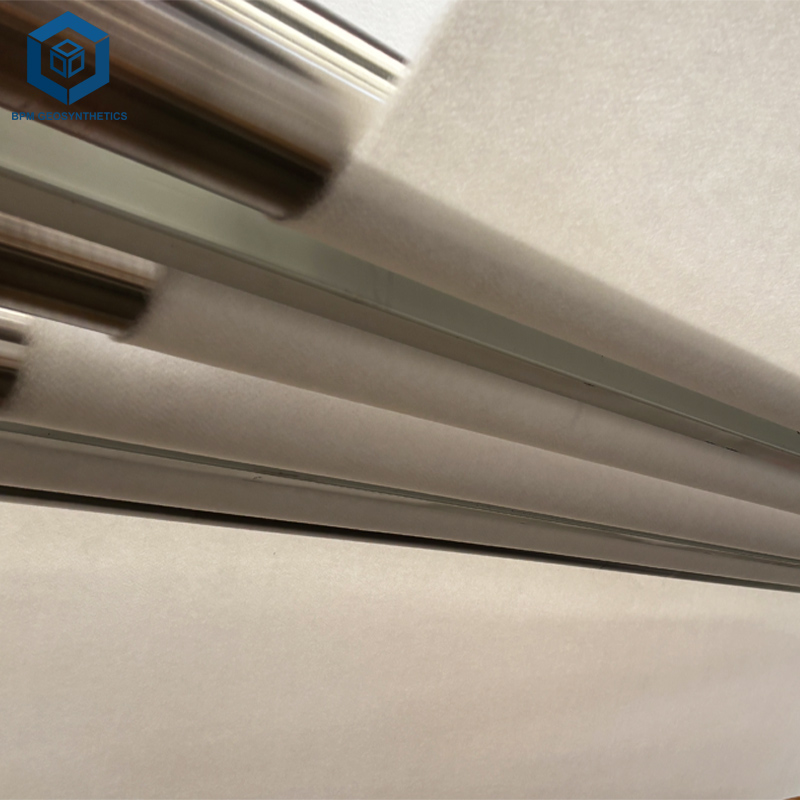
Geotextile Stabilization Fabric
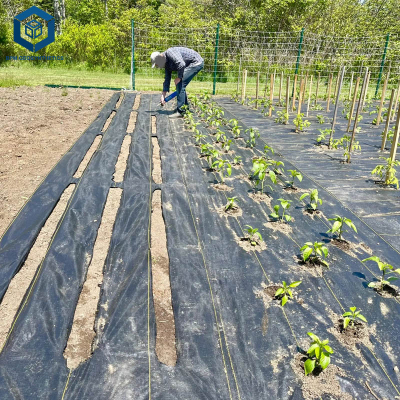
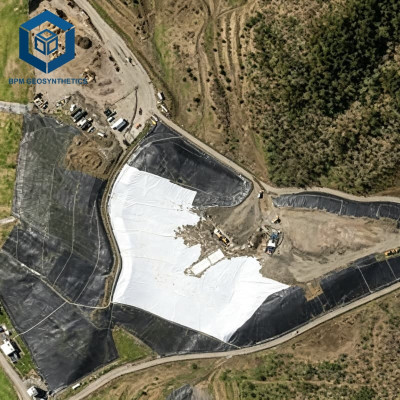
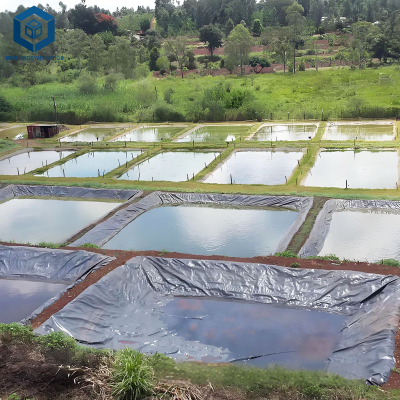
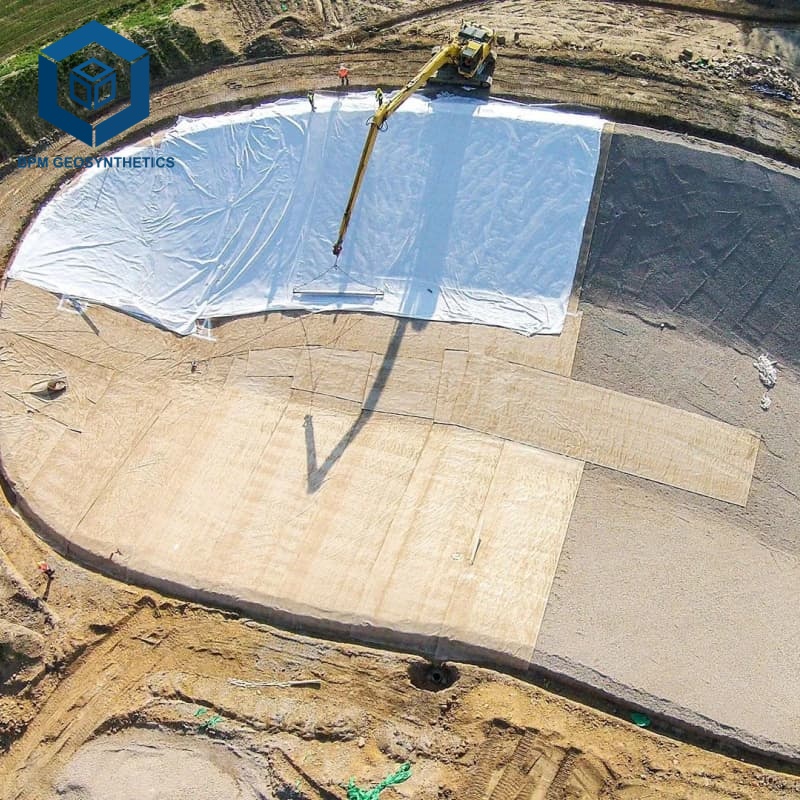
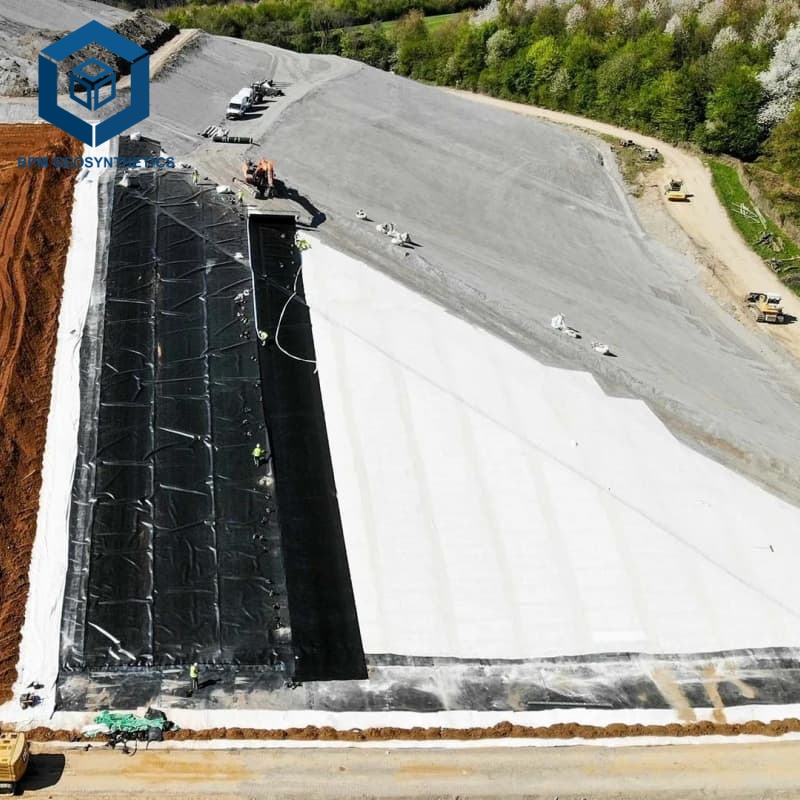
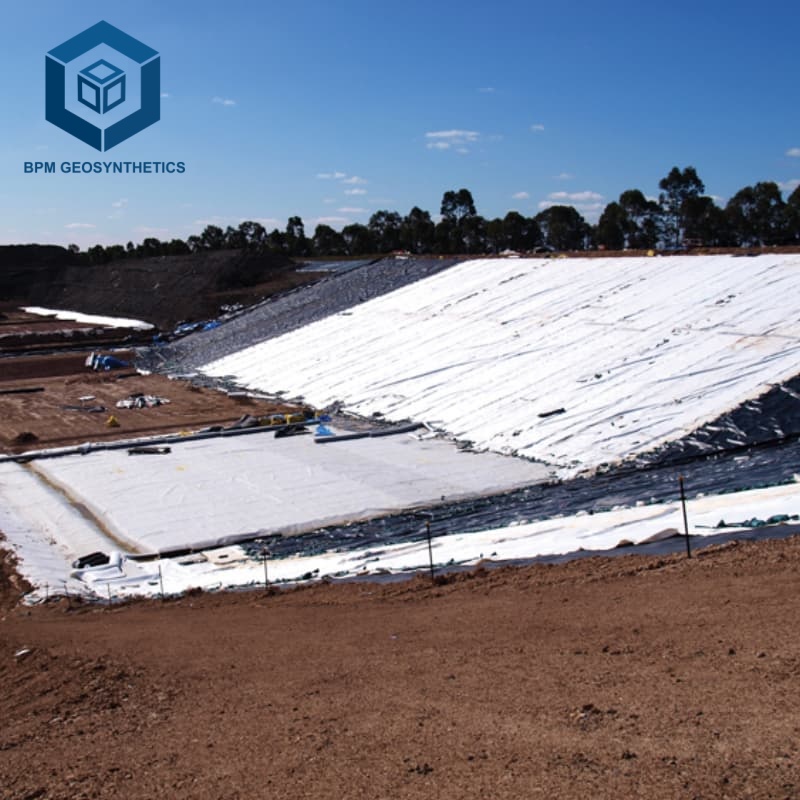
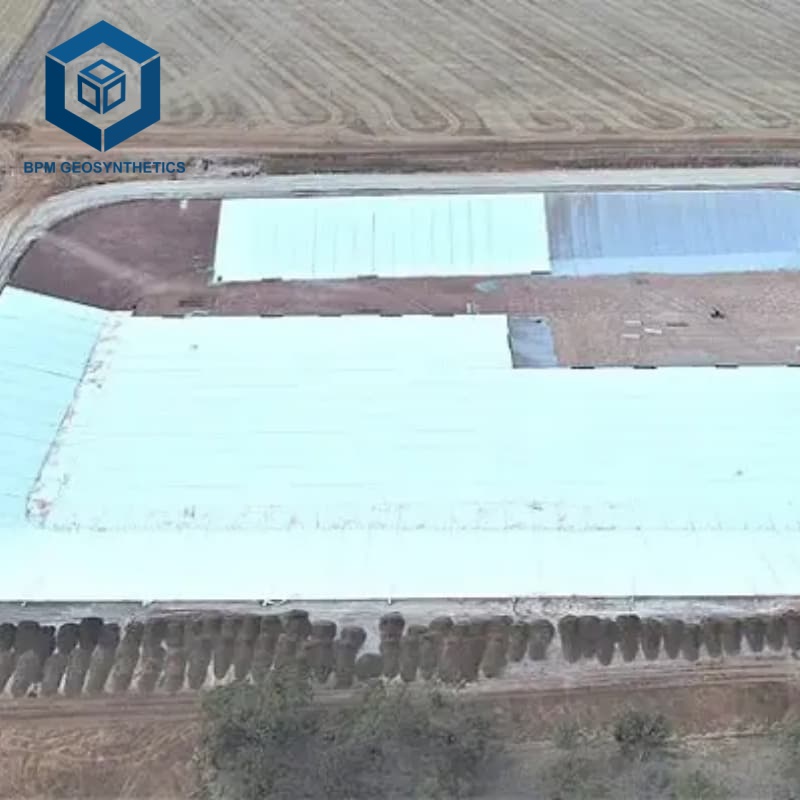
Geotextile Stabilization Fabric is a durable geosynthetic material used for soil reinforcement, separation, and ground stabilization. Installed between soil and aggregate layers, it helps improve load-bearing capacity, reduce settlement, and extend the service life of roads, driveways, and infrastructure projects.
Soil Reinforcement – Improves ground stability and supports heavy loads.
Soil Separation – Prevents mixing of soil and aggregate layers.
Drainage Performance – Allows water flow while retaining soil particles.
High Durability – Provides long-term performance in underground applications.
Wide Applications – Suitable for roads, driveways, parking lots, railways, and erosion control.
Custom Solutions – Available in different weights, sizes, and specifications.
Product Overview
Geotextile Stabilization Fabric is a high-performance geosynthetic material designed to improve soil stability, reinforce weak subgrades, and extend the service life of roads, driveways, and infrastructure projects.
By placing geotextile fabric between soil and aggregate layers, it creates a stable separation and reinforcement layer that helps prevent soil mixing, aggregate loss, rutting, and uneven settlement.
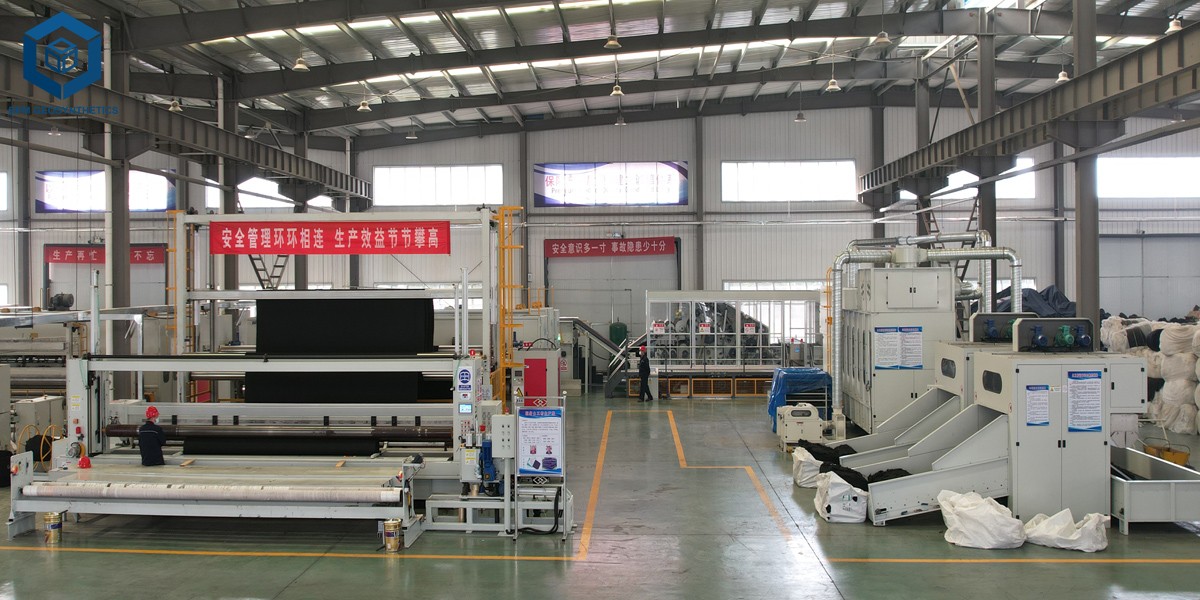
BPM Geosynthetics manufactures high-quality woven and non woven geotextile stabilization fabrics using premium polypropylene (PP) and polyester (PET) materials. With various weights, strengths, and customized options available, our geotextile solutions meet the requirements of different construction and ground improvement applications.
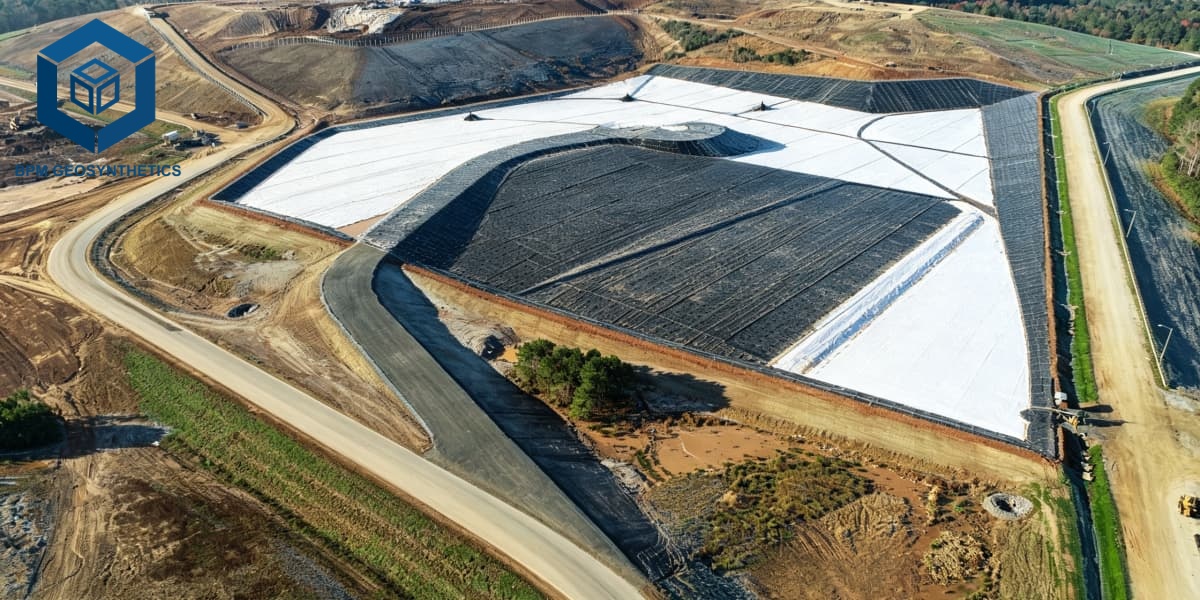
1. Reasons to Choose BPM Geosynthetics Geotextile Stabilization Fabric
1.1 Improve Soil Stability and Load-Bearing Capacity
Weak soil conditions can cause road deformation, gravel sinking, and repeated maintenance problems. Non woven geotextile fabric provides reinforcement by distributing loads more evenly across the foundation layer.
Installed beneath aggregate or fill materials, it helps:
- Increase subgrade stability
- Reduce soil deformation
- Improve bearing capacity
- Minimize rutting and settlement
- Extend pavement and road lifespan
For projects built on soft soil, sandy ground, or unstable subgrades, fabric geotextile provides a cost-effective foundation improvement solution.
1.2 Prevent Soil and Aggregate Mixing
One of the main functions of geotextile stabilization fabric is separation.
Without a geotextile layer, gravel and soil can gradually mix under vehicle pressure and environmental conditions. This reduces drainage performance and weakens the structure.
BPM geo fabric creates a reliable separation layer that:
- Keeps aggregate materials clean and stable
- Prevents migration of fine soil particles
- Maintains the designed structure of foundation layers
- Reduces material consumption during construction
This makes it widely used for roads, parking areas, construction access roads, and landscaping projects.
1.3 Excellent Filtration and Drainage Performance
Proper drainage is essential for long-term ground stability.
Non woven geotextile allows water to pass through while retaining soil particles, helping maintain the balance between filtration and soil protection.
Key benefits include:
- High permeability
- Effective water flow management
- Reduced soil erosion
- Improved drainage efficiency
- Long-term underground performance
It is suitable for applications where both soil separation and drainage are required.
1.4 Durable Material for Long-Term Underground Applications
Nonwoven geotextile fabric is manufactured from high-quality synthetic fibers with excellent resistance to environmental factors.
Advantages include:
- High tensile strength
- Good puncture resistance
- Resistance to moisture and chemicals
- Excellent dimensional stability
- Long service life in buried conditions
The fabric structure remains stable even under continuous pressure from soil and traffic loads.
2. Geotextile Stabilization Fabric Product Specifications
BPM Geosynthetics provides flexible specifications to meet different project requirements.
2.1 Material Options
- Polypropylene (PP)
- Polyester (PET)
2.2 Product Types
2.2.1 Non Woven Geotextile Fabric
Features:
- Excellent filtration performance
- High permeability
- Strong soil retention capability
- Suitable for drainage and separation applications
2.2.2 Woven Geotextile Fabric
Features:
- Higher tensile strength
- Superior reinforcement performance
- Suitable for heavy-load applications
2.3 Available Weight
- 100 GSM
- 150 GSM
- 200 GSM
- 300 GSM
- 400 GSM
- 600 GSM
- 800 GSM
- 1000 GSM
- Customized specifications available
2.4 Width Options
- Standard roll widths available
- Customized width according to project requirements
2.5 Color Options
- Black
- White
- Customized colors available
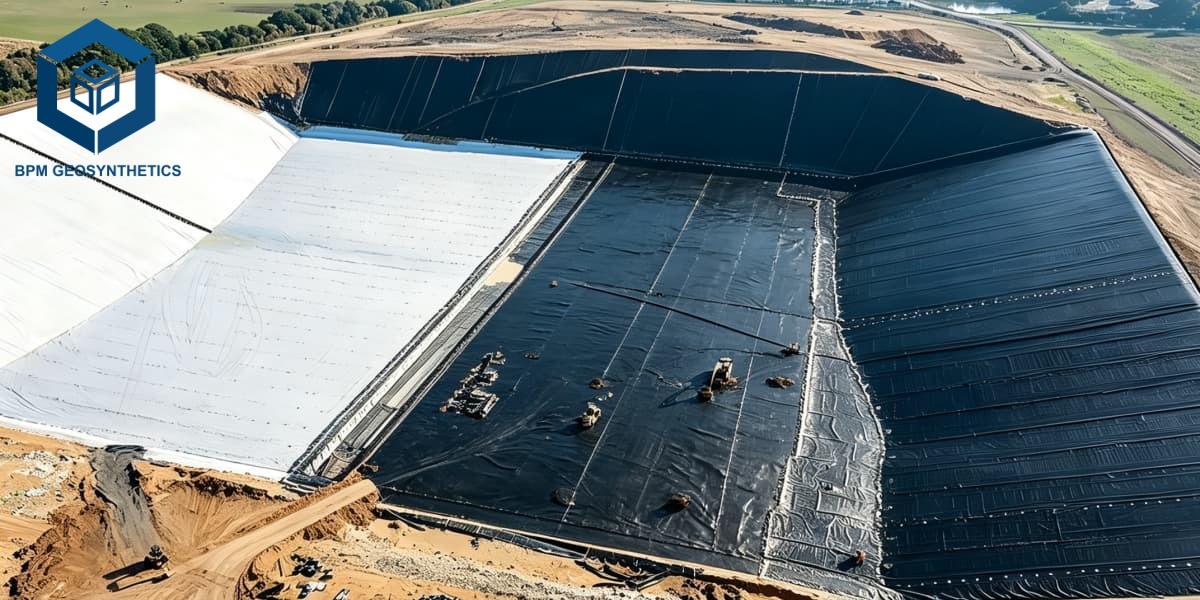
3. Applications of Geotextile Stabilization Fabric
3.1 Road Construction and Highway Projects
Geotextile stabilization fabric is widely used in road and highway construction to improve subgrade performance and enhance the stability of foundation layers. Installed between the soil and aggregate layers, it helps distribute loads, prevent material mixing, and reduce deformation caused by traffic pressure and soil movement.
3.1.1 Applications include:
- Highway base reinforcement
Provides additional support for highway foundations by improving load distribution and reducing stress on weak subgrade soils.
- Rural road construction
Helps stabilize unpaved and low-volume roads, reducing gravel loss, rutting, and surface damage caused by weather and vehicle traffic.
- Temporary construction roads
Creates a stronger working platform for heavy equipment, improving site accessibility and reducing soil disturbance during construction.
- Industrial roads
Enhances the durability of roads exposed to frequent heavy vehicle loads, helping extend service life and reduce maintenance requirements.
3.1.2 Benefits:
Reduces road deformation and settlement
Improves load-bearing capacity
Maintains stable foundation layers
Lowers long-term maintenance costs
3.2 Driveway Stabilization
Gravel driveways often face common problems such as sinking, uneven surfaces, gravel migration, and wheel rut formation due to repeated vehicle loads and changing weather conditions. Geotextile stabilization fabric provides a separation and reinforcement layer beneath gravel, helping maintain a stronger and more durable driveway structure.
Installing geotextile fabric beneath gravel helps:
- Stabilize driveway surfaces
Creates a firm foundation that keeps gravel evenly distributed and reduces surface movement.
- Prevent gravel loss
Separates gravel from the underlying soil, preventing aggregate from being pushed into soft ground.
- Reduce wheel track formation
Improves ground support and minimizes ruts caused by vehicles driving repeatedly over the same areas.
- Improve long-term durability
Helps driveways maintain better performance with fewer repairs and less frequent gravel replacement.
It is an ideal solution for residential driveways, farm roads, parking access roads, and pedestrian paths.
3.3 Parking Lots and Heavy Traffic Areas
Parking lots and heavy traffic areas require strong foundation support to withstand repeated vehicle loading. Geotextile stabilization fabric improves the structural performance of the base layer by reinforcing weak soils and maintaining separation between different materials.
Benefits include:
- Better load distribution
Spreads vehicle pressure more evenly across the foundation, reducing stress on the subgrade.
- Reduced settlement
Helps prevent uneven sinking and surface deformation caused by unstable soil conditions.
- Longer service life
Improves the durability of pavement and aggregate surfaces, extending the overall lifespan of the project.
- Lower repair frequency
Reduces maintenance needs by minimizing rutting, cracking, and foundation failure.
3.4 Railway and Infrastructure Construction
Geotextile stabilization fabric plays an important role in large-scale infrastructure projects where soil stability and drainage performance are critical. It is commonly installed beneath railway tracks, embankments, and other engineered structures to provide reinforcement and long-term foundation protection.
Geotextile fabric is used for:
- Subgrade reinforcement
Improves the strength of weak soils and provides a more stable base for infrastructure construction.
- Soil separation
Prevents mixing between subgrade soil and construction materials, maintaining the designed structure of foundation layers.
- Drainage improvement
Allows water to pass through while retaining soil particles, helping reduce water-related damage.
- Foundation stabilization
Enhances overall structural stability under continuous loading and changing environmental conditions.
3.5 Erosion Control and Slope Protection
Geotextile stabilization fabric can support erosion control applications by protecting soil surfaces and reducing soil migration caused by water flow, rainfall, and environmental factors. It helps maintain slope integrity and provides long-term soil protection.
Common uses include:
- Slopes
Improves surface stability and helps reduce soil erosion on inclined areas.
- Embankments
Provides reinforcement and filtration support for earth structures exposed to weather conditions.
- Riverbanks
Helps protect soil from water erosion and supports stable shoreline protection systems.
- Drainage channels
Prevents soil loss while allowing water to flow efficiently through the drainage structure.
With excellent separation, filtration, and reinforcement performance, BPM geotextile stabilization fabric provides a reliable solution for improving ground stability across various civil engineering and construction applications.
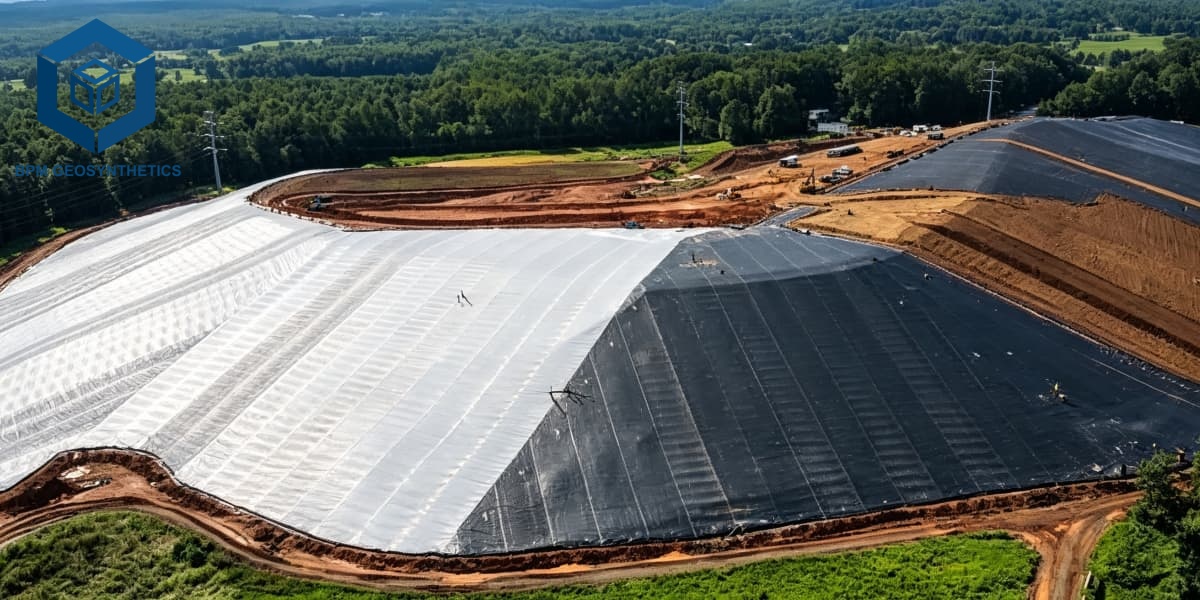
4. Woven vs Non Woven Geotextile Stabilization Fabric
Feature | Woven Geotextile | Non Woven Geotextile |
Main Function | Reinforcement | Filtration & Separation |
Strength | Higher tensile strength | Flexible and durable |
Water Flow | Controlled permeability | Excellent drainage |
Best For | Roads, heavy loads | Drainage, soil protection |
Material | PP / PET yarn | PP / PET fiber |
BPM Geosynthetics can recommend the right geotextile type based on your soil condition, loading requirements, and project application.
5. Selection Guide for Geotextile Stabilization Fabric
Choosing the correct geotextile depends on:
- Soil condition
- Traffic load
- Application type
- Required reinforcement strength
5.1 Light-Duty Applications
Recommended for:
Garden paths
Residential driveways
Landscaping projects
- Common range:
100–200 GSM
5.2 Medium-Duty Applications
Recommended for:
Parking areas
Access roads
Commercial projects
- Common range:
200–400 GSM
5.3 Heavy-Duty Applications
Recommended for:
High traffic roads
Mining roads
Industrial areas
- Common range:
400–1000 GSM+
6. Why Choose BPM Geosynthetics?
6.1 Direct Factory Supply
BPM Geosynthetics is a professional geosynthetic manufacturer specializing in:
- Geotextiles
- Geomembranes
- Geogrids
- Geocells
Factory direct supply provides:
- Competitive pricing
- Stable production capacity
- Reliable delivery schedules
- Professional technical support
6.2 Customized Geotextile Solutions
Every project has different requirements. BPM Geosynthetics provides customized solutions including:
- Customized weight
- Customized width
- Customized packaging
- OEM services a
- Project-based recommendations
6.3 Strict Quality Control
Quality is controlled throughout the manufacturing process.
BPM Geosynthetics performs inspections including:
- Raw material testing
- Weight inspection
- Tensile strength testing
- Thickness testing
- Appearance inspection
Our geosynthetic products are manufactured according to international quality standards to support global engineering projects.
7. Geotextile Stabilization Fabric Frequently Asked Questions
Q1: What is geotextile stabilization fabric used for?
Geotextile stabilization fabric is used to reinforce soil, separate soil and aggregate layers, improve drainage, and increase the stability of roads, driveways, and construction foundations.
Q2: Does geotextile fabric prevent roads from sinking?
Yes. By separating soil layers and improving load distribution, geotextile fabric helps reduce settlement and prevents aggregate from sinking into weak subgrade soil.
Q3: What is the difference between woven and non woven geotextile fabric?
Woven geotextiles provide higher tensile strength and are mainly used for reinforcement. Non woven geotextiles provide excellent filtration and drainage performance.
Q4: How long does geotextile stabilization fabric last?
When properly installed underground, high-quality polypropylene and polyester geotextiles can provide long-term performance for many years.
Q5: What weight geotextile fabric is suitable for a driveway?
For most residential driveways, 150–300 GSM geotextile fabric is commonly used. Heavy vehicle areas may require higher-strength materials.
Q6: Can geotextile fabric be installed under gravel?
Yes. Geotextile fabric is commonly installed under gravel roads, driveways, and parking areas to prevent mixing and improve stability.
Q7: Do you provide customized geotextile sizes?
Yes. BPM provides customized width, weight, packaging, and technical solutions according to project requirements.
Q8: Is geotextile fabric resistant to chemicals and moisture?
Yes. PP and PET geotextiles provide good resistance to moisture, chemicals, and biological degradation, making them suitable for underground applications.
Get Your Geotextile Stabilization Fabric Solution from BPM Geosynthetics
Looking for reliable geotextile stabilization fabric for roads, driveways, or soil reinforcement projects?
The Best Project Material Co., Ltd. (BPM Geosynthetics) provides factory-direct geotextile solutions with customized specifications, professional support, and stable supply capacity.
Contact BPM Geosynthetics today to get a suitable geotextile recommendation and quotation for your project.