Industry News
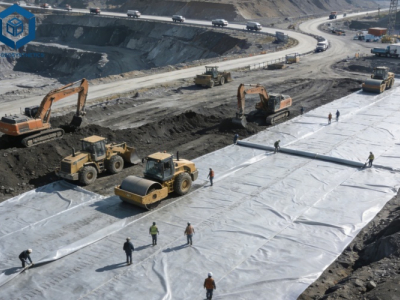
In containment engineering projects such as landfills, mining ponds, wastewater lagoons, and aquaculture reservoirs,
HDPE geomembrane leaking after installation is a critical risk that can compromise environmental protection, structural safety, and long-term operational performance.
Understanding
2026/03/09 11:01
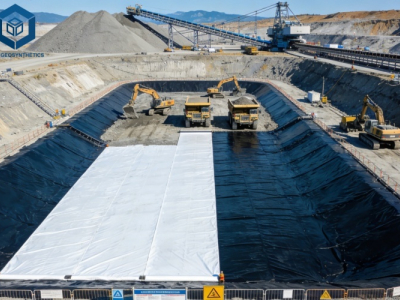
Geotextile placement before geomembrane installation refers to the engineering practice of installing a protective geotextile layer between the prepared subgrade and geomembrane liner. This layer acts as a cushion, preventing punctures, distributing loads, and improving long-term containment
2026/03/08 21:45
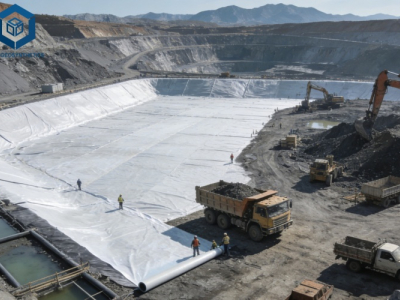
The geomembrane slope anchoring method refers to the engineered technique used to secure geomembrane liners on slopes using anchor trenches, mechanical fixings, or ballast systems. Proper anchoring prevents liner slippage, maintains tensile stability, and ensures long-term containment integrity in
2026/03/08 21:41
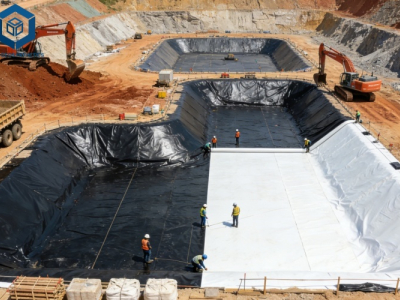
HDPE geomembrane repair refers to the technical process used to restore the impermeability and structural integrity of high-density polyethylene liners after damage such as punctures, seam defects, or mechanical tears. Proper repair methods ensure continued containment performance in environmental
2026/03/08 21:34
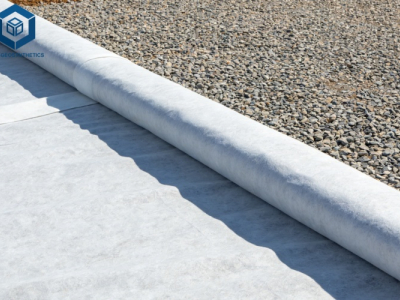
The geomembrane wrinkle problem during installation refers to the formation of waves or folds on geomembrane liners caused by thermal expansion, improper placement, or subgrade irregularities. Excessive wrinkles may compromise seam welding quality, reduce liner stability, and increase leakage risk
2026/03/07 20:42
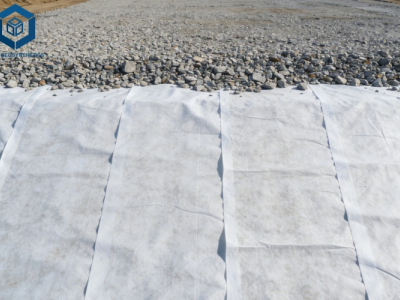
The best temperature for HDPE liner welding refers to the optimal thermal range used during geomembrane seam welding to achieve reliable fusion between HDPE sheets. Proper temperature control ensures strong seam bonding, long-term impermeability, and compliance with engineering installation
2026/03/07 20:32
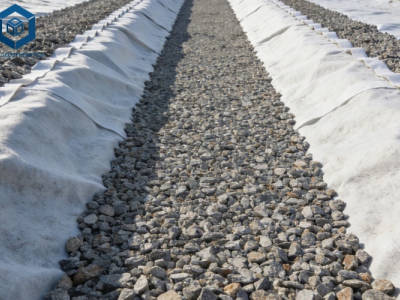
The geomembrane overlap width standard requirement refers to the specified seam overlap distance between adjacent geomembrane sheets during installation to ensure reliable welding, structural integrity, and long-term impermeability in engineering containment systems such as landfills, mining
2026/03/07 20:26
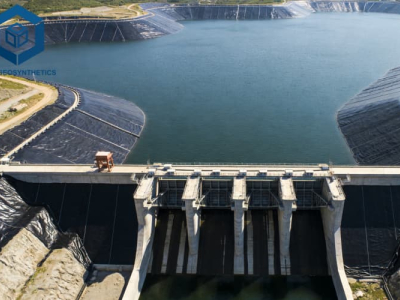
Geomembran 300 micron is widely used due to their economical price, but this "economy" hides significant performance compromises. As a critical material in seepage control projects, this standard thickness is often mistakenly used in demanding scenarios that exceed its capabilities. This article
2026/03/06 15:32
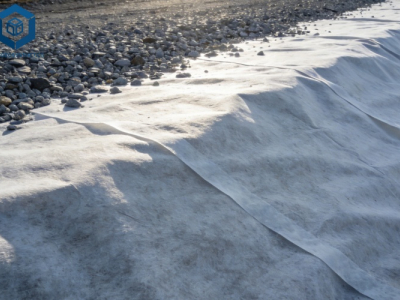
HDPE geomembrane extrusion welding troubleshooting refers to the systematic diagnosis and correction of defects occurring during extrusion welding of HDPE geomembrane liners. It involves analyzing welding parameters, material compatibility, equipment performance, and environmental factors to ensure
2026/03/06 13:40
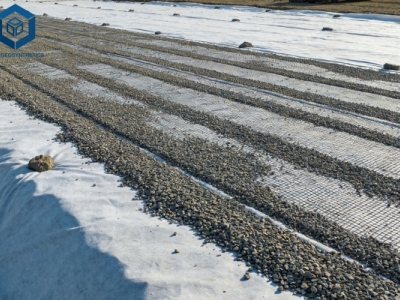
HDPE geomembrane welding is the thermal fusion process used to join adjacent geomembrane sheets to form a continuous impermeable barrier. The procedure typically uses automated wedge welding or extrusion welding equipment. Understanding how to weld HDPE geomembrane step by step is essential for
2026/03/06 13:38
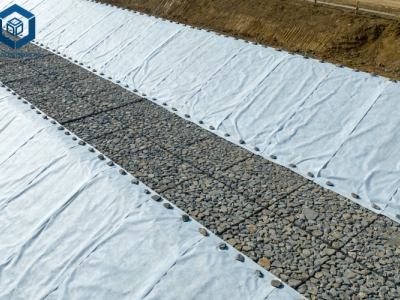
A mining tailings pond liner is an engineered impermeable barrier system installed at the base and slopes of tailings storage facilities. Typically constructed using HDPE geomembranes and geosynthetic layers, the liner prevents contaminated water and fine tailings from infiltrating soil and
2026/03/06 13:31
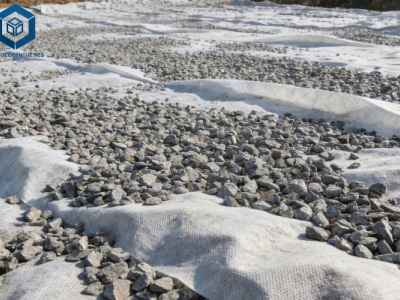
A geotextile and geomembrane composite lining system combines filtration, separation, cushioning, and impermeable barrier functions into an integrated containment solution. A geotextile and geomembrane full system price estimate reflects total material supply, installation, welding, testing, and
2026/03/05 11:32