Mining Tailings Pond Liner Cost Calculation Guide
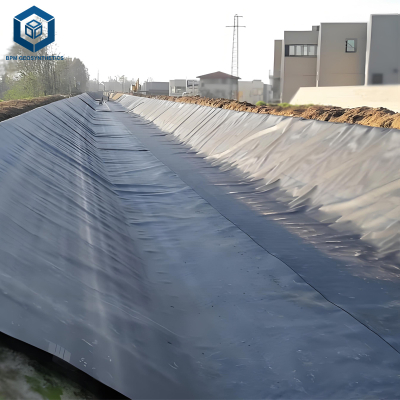
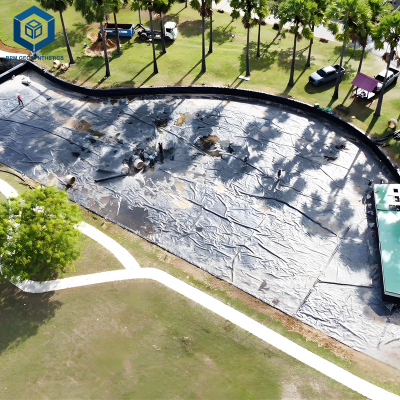
A mining tailings pond liner is an engineered impermeable barrier system installed at the base and slopes of tailings storage facilities. Typically constructed using HDPE geomembranes and geosynthetic layers, the liner prevents contaminated water and fine tailings from infiltrating soil and groundwater. Accurate mining tailings pond liner cost calculation is essential for mining developers, EPC contractors, and environmental engineers planning tailings management infrastructure.
Technical Parameters and Specifications
Engineering specifications significantly influence the total mining tailings pond liner cost calculation. Material thickness, mechanical strength, and chemical resistance must comply with mining and environmental protection standards.
| Parameter | Typical Range | Engineering Purpose |
|---|---|---|
| Geomembrane Thickness | 1.5 mm – 2.5 mm | Ensures mechanical strength and puncture resistance |
| Material Type | HDPE Geomembrane | High chemical resistance and durability |
| Tensile Strength | ≥27 kN/m | Prevents tearing during installation and operation |
| Puncture Resistance | ≥700 N | Protects liner against sharp tailings particles |
| Density | ≥0.94 g/cm³ | Indicates material stability and durability |
| Service Life | 20–50 years | Long-term environmental containment |
Structure and Material Composition
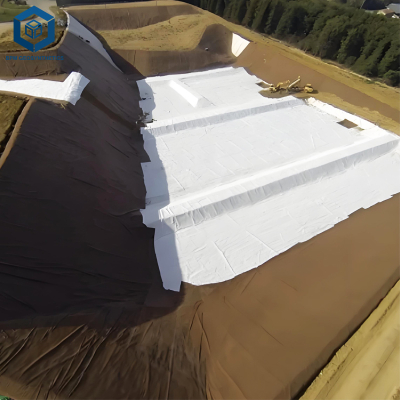
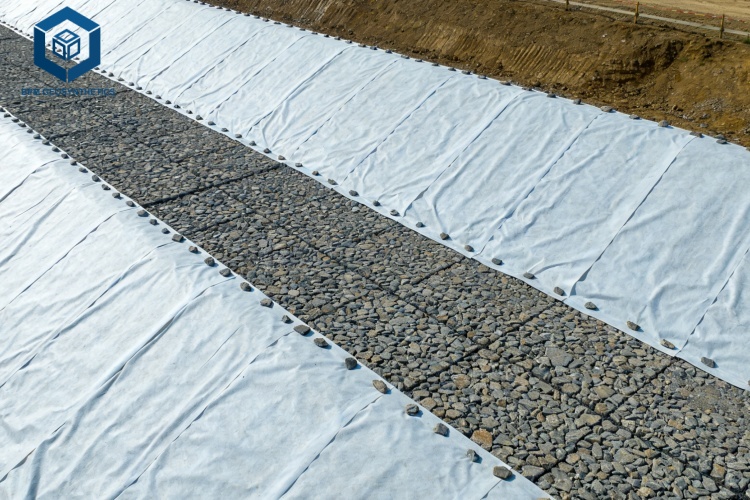
A tailings pond liner system usually consists of multiple protective layers to ensure long-term containment performance. These components influence the overall mining tailings pond liner cost calculation.
HDPE Geomembrane Layer – Primary impermeable barrier preventing seepage.
Geotextile Cushion Layer – Protects the geomembrane from puncture damage.
Compacted Clay Layer – Secondary natural barrier enhancing containment safety.
Drainage Layer – Allows controlled collection of seepage fluids.
Protective Soil Cover – Shields liner from mechanical damage and UV exposure.
Manufacturing Process
High-quality geomembranes used in tailings facilities are manufactured using controlled polymer processing techniques that influence durability and the final mining tailings pond liner cost calculation.
Raw Material Preparation
High-density polyethylene resin, carbon black, antioxidants, and stabilizers are blended to ensure long-term durability.Film Extrusion
Large-scale blown film or flat-die extrusion equipment forms geomembrane sheets.Cooling and Calibration
Sheets pass through controlled cooling rollers to maintain consistent thickness.Surface Treatment
Texturing processes may be applied to improve slope friction performance.Quality Testing
Laboratory tests verify tensile strength, density, thickness uniformity, and environmental stress crack resistance.Roll Packaging
Finished geomembranes are wound into large rolls suitable for transportation to mining sites.
Industry Comparison: Tailings Liner Materials
| Liner Type | Material Cost | Durability | Installation Complexity | Environmental Protection |
|---|---|---|---|---|
| HDPE Geomembrane | Medium | Excellent | Moderate | Excellent |
| Compacted Clay Liner | Low | Moderate | High | Moderate |
| PVC Geomembrane | Medium | Moderate | Moderate | Good |
| Concrete Liner | High | High | High | Good |
Main Components of Mining Tailings Pond Liner Cost Calculation
A comprehensive mining tailings pond liner cost calculation typically includes several engineering cost elements.
Material Cost – Geomembrane rolls, geotextiles, and drainage materials.
Transportation Cost – Logistics from factory to remote mining sites.
Site Preparation – Earthworks, grading, and compaction.
Installation Cost – Welding, seam testing, and quality control.
Protection Layer Installation – Soil cover or aggregate protection.
Inspection and Monitoring – Leak detection and engineering supervision.
Application Scenarios
Accurate mining tailings pond liner cost calculation is required for multiple mining and environmental containment projects.
Metal mine tailings storage facilities
Gold and copper mining operations
Coal ash and mineral waste containment ponds
Industrial slurry storage lagoons
Heap leach pad containment systems
Environmental remediation projects
Core Industry Pain Points and Solutions
1. Cost Estimation Uncertainty
Many mining projects underestimate liner system costs during early planning stages.
Solution: Perform detailed engineering calculations including earthworks and installation costs.
2. Remote Project Logistics
Transportation to remote mines can significantly increase project budgets.
Solution: Optimize shipment planning and bulk material procurement.
3. Installation Quality Issues
Poor welding or improper installation can lead to leakage.
Solution: Use certified geomembrane installers and perform non-destructive seam testing.
4. Long-Term Environmental Compliance
Failure of containment systems can lead to regulatory penalties.
Solution: Use engineered multilayer liner systems meeting international environmental standards.
Risk Warnings and Avoidance Strategies
Avoid selecting geomembranes with insufficient thickness for mining conditions.
Ensure proper slope stabilization to prevent liner sliding.
Verify seam welding quality through vacuum or air pressure testing.
Protect geomembranes from sharp rocks and mechanical damage.
Procurement and Selection Guide
Determine the tailings pond capacity and containment requirements.
Select appropriate geomembrane thickness based on engineering design.
Evaluate chemical resistance requirements of tailings materials.
Review supplier manufacturing certifications and quality standards.
Request laboratory test reports and material samples.
Estimate complete project cost including installation and logistics.
Conduct pilot installation testing before large-scale deployment.
Engineering Case Study
A copper mining project required construction of a tailings pond covering approximately 120,000 m². Engineers selected a 2.0 mm HDPE geomembrane liner combined with a 600 g/m² geotextile protection layer.
During the mining tailings pond liner cost calculation, the project team determined that material costs represented approximately 45% of the total budget, while earthworks and installation accounted for the remaining 55%. Proper engineering planning reduced installation time by 20% and ensured environmental compliance for long-term operations.
Frequently Asked Questions (FAQ)
1. What is the typical cost of tailings pond liners?
Costs vary widely depending on liner thickness, project size, and installation complexity.
2. Which material is most common for tailings pond liners?
HDPE geomembrane is the most widely used material.
3. What thickness is recommended for mining projects?
Most mining applications use geomembranes between 1.5 mm and 2.5 mm.
4. How long do geomembrane liners last?
Properly installed liners can last 20–50 years.
5. What factors affect liner installation cost?
Site conditions, welding complexity, and slope geometry.
6. Are liner systems required by environmental regulations?
Yes, most mining jurisdictions require containment liners.
7. Can liners be repaired if damaged?
Yes, damaged areas can be patched using thermal welding techniques.
8. How is liner quality verified?
Through laboratory testing and field seam inspection.
9. Is geotextile always required?
Most designs include geotextile layers for protection.
10. What is the largest cost component?
Material procurement and installation labor typically represent the largest portion.
Request Technical Documentation or Quotation
Mining developers, EPC contractors, and engineering consultants may request detailed documentation including:
Tailings pond liner technical specifications
Engineering cost estimation sheets
Project design support and material recommendations
Geomembrane samples for laboratory testing
Contact the supplier’s engineering team to obtain project-specific mining tailings pond liner cost calculation support and technical documentation.
Author Expertise
This article was prepared by professionals with over ten years of experience in geomembrane manufacturing, mining containment engineering, and environmental infrastructure design. The information reflects real engineering procurement practices and global standards used in large-scale mining tailings management systems.