Ultimate Guide to HDPE Geomembrane Specification
When you are working on a water containment, landfill or mining project, the right HDPE geomembrane specification can make or break long-term performance. A poorly specified liner may leak, crack or degrade in just a few years. A properly selected HDPE geomembrane specification can deliver 30 to 50 years of reliable service. This guide walks you through every key part of HDPE geomembrane specification, so you can make confident choices for your project.
1. What is HDPE Geomembrane Specification?
HDPE geomembrane specification is the full set of technical, manufacturing and performance rules that define a high-density polyethylene liner. It covers raw material selection, thickness, mechanical strength, chemical resistance, UV stability and installation requirements. Every detail in HDPE geomembrane specification is designed to ensure the liner works as a dependable barrier under real site conditions.
A clear HDPE geomembrane specification does not stop at basic thickness. It also includes resin formulation, carbon black content, additive types and quality control standards. Without a complete HDPE geomembrane specification, suppliers may deliver products that look similar but fail critical performance tests. That is why professional project teams always review the full HDPE geomembrane specification before placing orders.
2. Core Thickness Requirements in HDPE Geomembrane Specification
Thickness is one of the first items you will see in any formal HDPE geomembrane specification. Common project thicknesses range from 0.5 mm to 2.0 mm, and some heavy-duty applications go even higher. Aquaculture ponds often follow an hdpe liner specification for 0.5 mm to 1.0 mm liners. Municipal landfills and mining tailings projects usually require an HDPE geomembrane specification of 1.5 mm to 2.0 mm.
A strict HDPE geomembrane specification does not only state nominal thickness. It also defines minimum thickness tolerance across the entire roll. Top-tier HDPE geo membrane specification ensures no point on the liner falls below 95 percent of the stated thickness. This prevents weak spots that could lead to punctures or early failure. Even small thickness deviations can break the integrity of the whole barrier system, so this part of geomembrane liner specification is non-negotiable.
3. Mechanical Performance Standards in HDPE Geomembrane Specification
3.1 Tensile Strength & Elongation
Mechanical properties are the backbone of a reliable HDPE membrane specification. The standard hdpe geomembrana specification calls for high tensile strength, usually above 20 MPa, and elongation at break of 700 percent or more. These numbers let the liner stretch and adapt to ground settlement without tearing.
3.2 Puncture & Stress Crack Resistance
Puncture resistance is another key line in high density polyethylene geomembrane specification. When sharp rocks, construction debris or heavy equipment sit on the liner, a strong geomembrana in hdpe specification prevents penetration. Good hdpe geo membrane specification also includes resistance to environmental stress cracking. This means the material can stay intact under long-term tension and chemical exposure, instead of developing tiny cracks over time.
3.3 Testing Standards
Every mechanical value in geomembrane liner specification is tested against widely accepted standards like GRI-GM13 and ASTM methods.
4. Chemical and Environmental Resistance in HDPE Geomembrane Specification
4.1 Chemical Resistance
HDPE Geomembrane Specification must match the chemical exposure on your site. A well-written geo membrane sheet specification ensures the liner can resist more than 80 common industrial chemicals, acids, alkalis and oils. This is critical for projects at sewage treatment plants, oil refinery sites and industrial waste storage areas.
4.2 UV Stability & Weatherability
UV stability is also clearly defined in professional HDPE Geomembrane Specification. Quality hdpe membrane sheet specification requires a precise percentage of carbon black and special anti-UV additives. These components stop solar radiation from breaking down the polymer chains. When the hdpe liner sheet specification meets these requirements, the liner can handle long-term exposed installation without losing performance.
4.3 Thermal Operating Range
The best membrane liners specification also lists a wide working temperature range, from -60°C to 60°C, so the material stays flexible even in extreme climates.
5. Raw Material and Formulation Rules in HDPE Geomembrane Specification
5.1 Resin Requirements
A hidden but critical part of hdpe geomembrane sheet specification is the raw material rule. Premium HDPE Geomembrane Specification requires 100 percent virgin high-density polyethylene resin, not recycled or mixed low-quality materials. This ensures consistent molecular weight distribution and long-term durability.
5.2 Formulation Precision
The formulation section of HDPE Geomembrane Specification lists exact percentages for resin, carbon black, antioxidants and processing aids. This level of detail in HDPE Geomembrane Specification prevents manufacturers from cutting corners with unknown additives.
5.3 Quality Assurance (MQA)
Leading geomembrane sheet specification also references MQA, or Manufacturing Quality Assurance, programs. These programs audit production facilities, test raw material batches and confirm every roll matches the stated hdpe geomembrane liner specification before shipment.
6. How to Match HDPE Geomembrane Specification to Your Project?
6.1 Application & Site Conditions
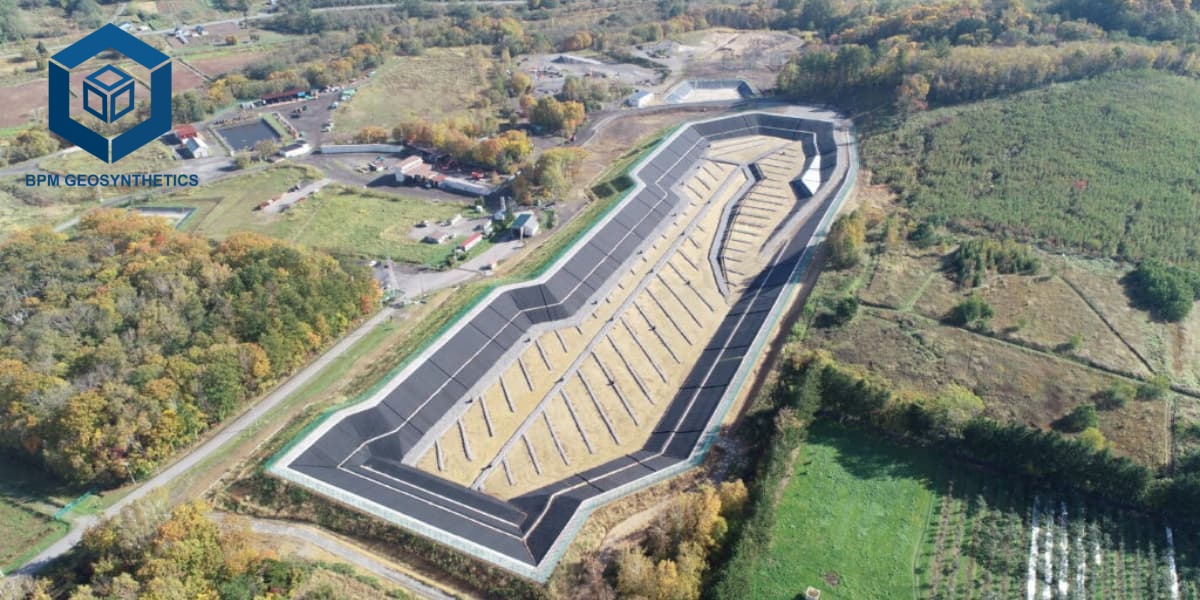
Choosing the right HDPE geomembrane specification starts with your site conditions. First, define your specific application type clearly. A simple ornamental lake or minor agricultural pond can safely use a lighter HDPE geomembrane specification, while a hazardous waste landfill, mining heap leach pad, or critical containment cell needs the strictest and thickest possible membrane hdpe specification to guarantee safety.
6.2 Environmental Risk Mapping
Second, thoroughly map out local environmental factors that will impact the liner over its operational lifespan. Carefully note chemical exposure levels, maximum annual sun exposure hours, drastic temperature swings, and expected ground movement or subgrade settlement. Selecting a specification tailored to these exact stresses prevents unexpected material degradation.
6.3 Compliance & Regulatory Standards
Third, check local, national, and international project compliance standards before finalizing your selection. Many public works, environmental protection, and industrial projects strictly require the hdpe geomembrane liner specification to meet recognized standards like GB/T 17643-2011, GRI-GM13, ASTM, or ISO norms. Ensuring full compliance early avoids costly regulatory delays during approval and construction.
6.4 Supplier Verification & Selection
Fourth, actively talk to your supplier and share the full project profile, performance expectations, and site constraints. A reliable and experienced manufacturer can help adjust the impermeable geomembrane specification to balance high technical performance, project budget, and long design life. Never select a liner based only on price; always inspect batch quality reports to confirm that the delivered product fully matches the agreed impermeable geomembrane liner specification.
7. Final Checks Before Accepting HDPE Geomembrane Specification
7.1 Factory Verification & Documentation
Before installation begins, make sure every incoming shipment strictly aligns with your approved HDPE geomembrane specification. Request comprehensive factory test reports (MTRs) from the manufacturer that verify core properties including thickness, tensile strength, elongation at break, tear resistance, and carbon black content. Compare these report values point by point against your required HDPE geomembrane specification to ensure no parameters fall below threshold.
7.2 Customization & Special Features
If your project requires specialized design features—such as single or double-sided textured surfaces for slope stability, custom roll widths to minimize field seams, or composite geotextile layers for cushioning—make sure these specific modifications are clearly written into your HDPE geomembrane specification. A complete, unambiguous HDPE geomembrane specification eliminates guesswork, protecting your investment while significantly reducing risk and extending long-term service life.
7.3 Long-Term Project Success
Getting the HDPE geomembrane specification right is far more than just a routine technical step; it serves as the essential foundation of a high-performance, low-maintenance containment system. When every material parameter in your HDPE geomembrane specification is carefully selected, tailored to site conditions, and thoroughly verified, your project will reliably stand strong against liquid leakage, aggressive chemical attack, and harsh weather for decades to come.
Summary & Partner Recommendation
Navigating every technical parameter in an HDPE Geomembrane Specification—from minimum thickness tolerances and GRI-GM13 mechanical standards to raw resin purity and MQA audits—is the single most effective way to secure your containment system for decades. Whether you are constructing a hazardous waste landfill, a mining heap leach pad, or an agricultural reservoir, getting these specifications right eliminates early failure risks and protects your long-term investment.
To ensure your project receives geomembranes manufactured to the strict parameters outlined in this guide, consider partnering with The Best Project Material Co., Ltd. (BPM Geosynthetics). As a leading global manufacturer, BPM Geosynthetics specializes in high-density polyethylene liners produced from 100% virgin resin, rigorously tested against international standards like ASTM and GRI-GM13. From custom roll dimensions and textured surfaces to full Manufacturing Quality Assurance (MQA) batch documentation, BPM provides certified, high-performance geomembranes tailored to your site's exact environmental and structural demands.