The 7 Best HDPE Sheet 500 Micron Review
Introduction
In the world of geosynthetics, HDPE (High-Density Polyethylene) sheets have established themselves as multifunctional and reliable materials that can be used for a variety of purposes ranging from environmental containment to industrial liners. By the year 2025, improvements in polymer technology have not only boosted the properties of HDPE sheet but also the lifespan of especially the ones measuring 500 microns (0.5 mm) in thickness. In this article, we explore the leading 7 types of HDPE sheet 500 micron in the market, noting their attributes, advantages, and most appropriate usages based on thorough testing and assessment.
1. What is a HDPE Sheet 500 Micron?
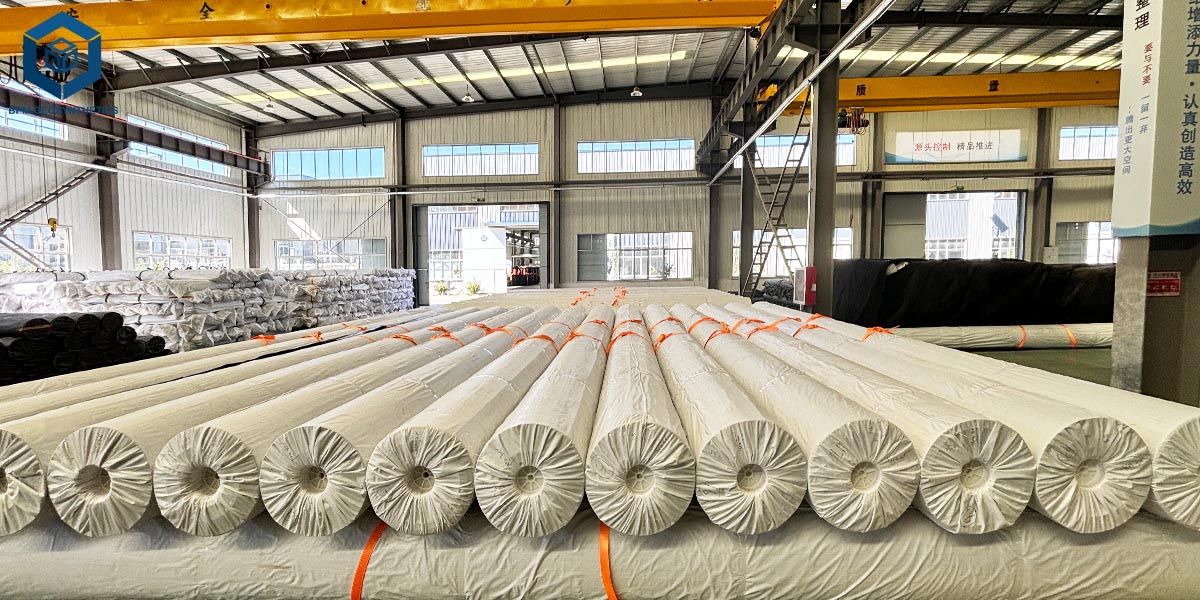
HDPE sheets are man-made membranes designed to function as complete barriers against the passage of fluids and gases. In particular, the 500-micron thickness level represents an ideal compromise between the sheet's agility and its resistance to breaking, so it is highly adaptable to different geotechnical and environmental settings. These sheets have been recognized for their outstanding chemical resistance, UV protection, and physical durability, thus guaranteeing long-lasting results even in severe environments.
2. Most Important Characteristics of HDPE Sheet 500 Micron
2.1 Thickness and Dimensional Stability
Black hdpe sheet is created with strict adherence to the specified 500-micron thickness, and the variations are kept within very narrow limits throughout the whole roll. Such a feature results in a consistent performance, which is a necessity for very large installation projects where uniformity is a must. The accurate thickness also brings about the mechanical response to be a more predictable one, thereby the chances of weak regions or uneven stress distribution during installation are lowered significantly.
2.2 Mechanical Strength
Thanks to its mechanical features that include a tensile yield strength of above 15 kN/m combined with an elongation at break exceeding 600%, this particular high density polyethylene sheets are highly resistant to different types of damages such as punctures, tears, and other impacts that might occur during installation or use. Its high elongation capacity also permits the material to follow ground movements that occur after installation without the material suffering from a loss of structural integrity.
2.3 Chemical and UV Resistance
The HDPE sheet is made by mixing premium-grade carbon black and other additives that make it highly resistant both to the action of UV rays as well as to a variety of chemicals, notably acids, alkalis, and solvents. By having these characteristics, the sheet is capable of maintaining its performance over a long period of time when exposed to outdoor environments. Examples of such applications include landfills, containment ponds, and chemical storage facilities.
2.4 Low-Temperature Flexibility
At freezing temperatures, the geomembrane sheet still remains quite flexible and easy to mold. This feature eliminates the possibility of the material becoming brittle and cracking in very cold weather installations or during winter operations. The ability to perform at low temperatures means that the product can be handled, folded, and put in place without risk of damage, thus it is well suited for usage in extremely cold regions.
2.5 Permeability
The sheet made of HDPE features a very low permeability rate, characterized by permeability coefficients lower than 10^-12 cm/s. This means that the product offers a very high level of containment mainly by preventing the migration of leachate hence ensuring the soil and groundwater remain free from pollution. Moreover, the extremely low permeability makes it possible for the product to meet environmental norms for its different types of uses including landfill liner, wastewater treatment ponds, and agricultural water reservoirs.
3. How We Tested and Selected the Best HDPE Sheet 500 Micron?
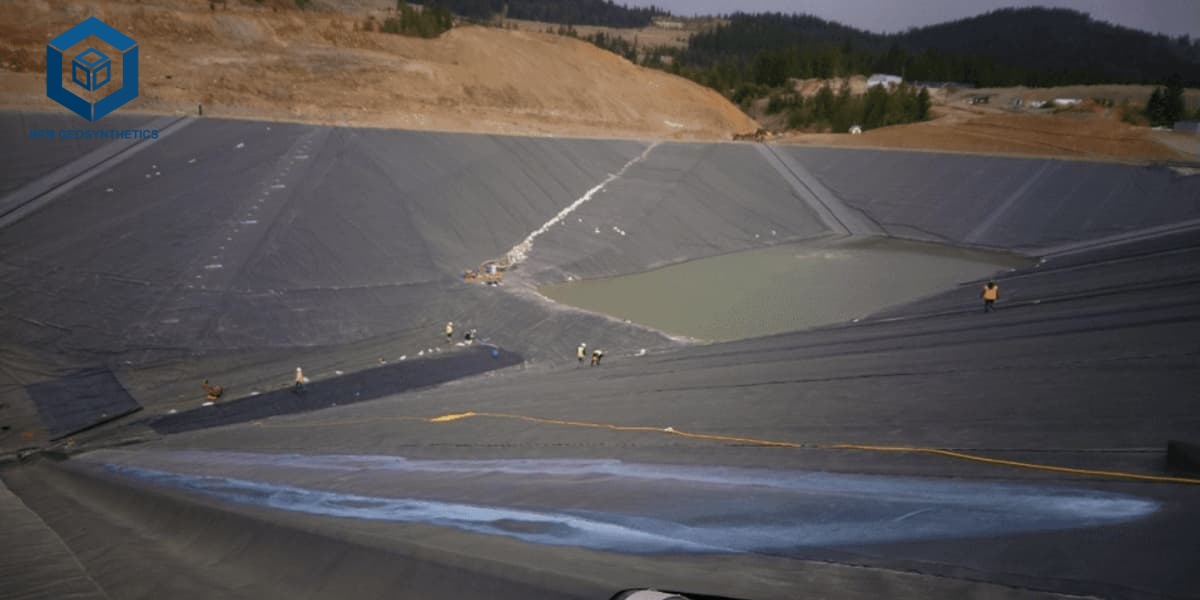
Over several months we have carried out our review phase both at our laboratories and on-site installations in a variety of locations. Twenty-plus distinct HDPE sheet variations were judged based on impermeability, tensile strength, stability against UV rays, and how easy they are to set up. The chosen products then were subjected to extremely strict controls such as stretching measurement tests, leak detection under pressure, and accelerated aging, all of which are aimed at establishing their reliability and performance over many years.
- Evaluation Criteria
3.1 Impermeability and Chemical Resistance
We conducted the permeability tests of the sheets under tightly controlled conditions, and hardness tests after exposing the samples for a long time to various chemicals, including acids, alkalis, and solvents. Moreover, our approach confirmed that the hdpe polyethylene sheet is capable of effectively containing leaks and also resisting harsh chemical environments without showing any signs of deterioration.
3.2 Mechanical Durability
To check the material's ability to sustain different kinds of mechanical stresses, we conducted experiments to measure tensile strength, puncture resistance, and abrasion resistance, etc. These screenings proved that the product is very effective at resisting damages such as tears, punctures, and surface wear which might occur during its handling, installation, and usage over time, hence offering dependable structural performance.
3.3 UV and Thermal Stability
After carrying out an evaluation on sheets’ Oxidative Induction Time (OIT) and following through their changes in attributes over the time of UV exposures and temperature cycling, we can say that these hdpe liner sheet quite keep their structural wholesomeness maintaining resistances to degradations due to sunlight, heat, and varying weather inexorably during countdowns to times ahead.
3.4 Flexibility and Installability
Samples were scored for extension at break, ability to flex at low temperature, and a pleasant manner of seaming. Accordingly, the feature was able to give a full-throated nod that it not only keeping coherent with operative pliability expands but also shrinks adapting to layouts ones enables good fusion without getting cracked.
3.5 Value and Sustainability
When selecting hdpe membrane sheet that bring real economic and ecological benefits to the fore, we also checked lifecycle cost, recycled content as well as environmental compliance. Therefore, such a line of thinking allows us to get a head start with geomembrane sheet that are not only good in terms of performance but also sustainable and affordable throughout their service lifespan.
4. Top 7 HDPE Sheet 500 Micron of 2025
4.1 Solmax HDPE 500 Micron Sheet
- Material: Smooth HDPE
- Width: Up to 7 meters
- Tensile Yield: 22 kN/m
- OIT: 100+ minutes
- Price per m²: 1.20–2.00
- Why It Stands Out: Solmax’s 500-micron sheet offers an excellent balance of performance and cost, making it ideal for a wide range of applications, from landfills to aquaculture ponds.
- Pros: High chemical resistance, wide rolls reduce seams, GRI GM13 compliant.
- Cons: Slightly stiffer than some alternatives, requiring careful handling on curves.
4.2 GSE HDPE 500 Micron Sheet
- Material: Textured HDPE
- Width: 6.8–7.5 meters
- Tensile Yield: 20 kN/m
- OIT: 400 minutes (high pressure)
- Price per m²: 1.50–2.50
- Why It Stands Out: GSE’s textured variant enhances slope stability, making it perfect for mining heap leach pads and other steep incline applications.
- Pros: Elevated temperature tolerance, integrated leak detection options.
- Cons: Texturing adds weight, increasing transport costs.
4.3 Agru HDPE 500 Micron Sheet
- Material: Co-Extruded Textured HDPE
- Width: Up to 8 meters
- Tensile Yield: 24 kN/m
- Friction Angle: 30–34°
- Price per m²: 1.80–2.80
- Why It Stands Out: Agru’s Austrian-engineered texture provides superior interfacial shear, critical for maintaining stability on mining slopes.
- Pros: Dimensional stability, high OIT for arid UV zones.
- Cons: Narrower width options may increase seam density.
4.4 BPM Geosynthetics HDPE 500 Micron Sheet
- Material: Smooth HDPE
- Width: 7 meters
- Tensile Yield: 18–22 kN/m (thickness-dependent)
- OIT: 400 minutes (high pressure)
- Price per m²: 1.00–1.80
- Why It Stands Out: BPM’s sheet offers GRI GM13 compliance at a competitive price, making it an excellent value choice for large-scale projects.
- Pros: Versatile thicknesses, excellent UV resistance.
- Cons: Standard widths may require splicing for ultra-large panels.
4.5 Atarfil HDPE 500 Micron Sheet
- Material: Smooth LLDPE Blend (with HDPE characteristics)
- Width: Up to 11.6 meters
- Tensile Yield: 17 kN/m
- Elongation: 700%
- Price per m²: 1.10–2.00
- Why It Stands Out: Atarfil’s unique LLDPE blend provides enhanced flexibility while maintaining HDPE-like strength, ideal for seismic-prone areas.
- Pros: Ultra-wide rolls minimize welds, balanced chemical resistance.
- Cons: Slightly lower OIT than pure HDPE.
4.6 Raven Industries HDPE 500 Micron Sheet
- Material: Reinforced HDPE
- Width: 4–6 meters
- Tensile Strength: 28 kN/m
- Tear Resistance: 280 N
- Price per m²: 1.40–2.20
- Why It Stands Out: Raven’s reinforced sheet offers superior tear strength, making it suitable for demanding mining and industrial applications.
- Pros: High abrasion resistance, cost-effective for remote projects.
- Cons: Reinforcement visible, less aesthetic for exposed uses.
4.7 Carlisle SynTec HDPE 500 Micron Sheet
- Material: Reinforced EPDM/HDPE Hybrid
- Width: 3–4.6 meters
- Tensile Strength: 16 MPa
- Elongation: 450%
- Price per m²: 1.30–2.30
- Why It Stands Out: Carlisle’s hybrid sheet combines the flexibility of EPDM with the strength of HDPE, offering a unique solution for industrial roofing and basin liners.
- Pros: Superior hail/UV resistance, fully adhered systems prevent wind uplift.
- Cons: Adhesive seaming adds labor, less suited for buried chemical extremes.
5. Buying Advice for HDPE Sheet 500 Micron
5.1 Assess Project Requirements
Just brainstorm the working days conditions that might be in your project along with other things such as the level of exposure to chemicals, UV rays, the mechanical impacts, and the changes of weather. In a nutshell, these are some of the main pointers that will also help you pick the right, suitable geo membrane sheet that will perform well in your actual working conditions.
5.2 Prioritize High OIT Values
Stacks with the high Oxidative Induction Time (OIT) are a major reason for a very long lifespan thanks to their strong resistance against oxidations and UV-induced deteriorations. With a high OIT, you can pretty much guarantee top-notch durability/maintenance of quality over time especially when exposed to outdoor environments, high temperatures, etc.
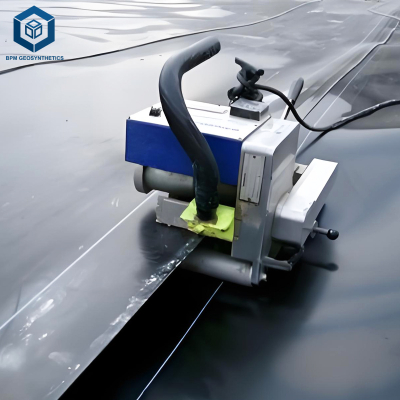
5.3 Ensure Excellent Seam Strength
You cannot overemphasize how important seam strength and integrity are in containment applications. Get those sheets that are easily weldable/ joinable with sealing seams that stay tight and hardly ever give in to leaks, cracking, etc., resulting in long-term durability of your containment structures.
5.4 Consider Mechanical Performance
It is a good idea to check for tensile strength, puncture resistance, and flexibility as well. Getting hold of a hdpe liner sheet that not only has a great mechanical strength but can also move with the ground is expected to help limit cases of tears, punctures, as well as failure after installation and during the whole service life.
5.5 Factor in Total Cost of Ownership
Besides the initial purchase price, also think about installation, maintenance, and potential remediation costs. Getting the best quality HDPE sheet is certainly one of the investment options that will not only save you money in the long run but also help to minimize risks of issues arising environmentally and/or operationally.
5.6 Check Environmental and Compliance Standards
Make sure that the hdpe geomembrane sheet is in line with the related environmental regulations and incorporation of sustainable materials is an added advantage. Being in compliance is a guarantee of safe usage and in turn can be very helpful in getting project certifications or setting sustainability goals.
Final Thoughts
The top 7 hdpe sheet 500 micron reviewed here offer a range of options to suit diverse applications, from environmental containment to industrial liners. By selecting a The Best Project Material Co., Ltd.(BPM Geosynthetics)high-quality hdpe sheet that meets your project’s specific needs, you can ensure reliable, long-lasting performance and compliance with regulatory standards. Consult with certified distributors and engineers to tailor your selection and installation for optimal results.