The 7 Best Geomembrana HDPE 20 mils Review
Introduction
This comprehensive review is crafted in direct response to the analysis and detailed format showcased in the referenced RPE geomembrane review. While that piece expertly dissects the world of Reinforced Polyethylene (RPE), our focus here shifts to another cornerstone of the containment industry: the 20 mil High-Density Polyethylene (HDPE) Geomembrane. The 20-mil (0.5mm) thickness represents a critical sweet spot, balancing robust performance, practical installation, and long-term economic viability for a vast array of containment applications. From safeguarding the environment in landfill lining to ensuring water security in reservoirs, and from containing aggressive chemicals in industrial facilities to lining aquaculture ponds, the geomembrana HDPE 20 mils is a versatile and widely trusted solution.
This review will dissect the key performance metrics, delve into the specific advantages and trade-offs of this material and thickness, and provide an in-depth evaluation of seven leading geomembrana HDPE products in this category. Our goal is to equip engineers, project managers, and specifiers with the detailed insights needed to make a confident, project-specific selection, mirroring the analytical rigor of the source material.
1. Understanding Geomembrana HDPE 20 mils
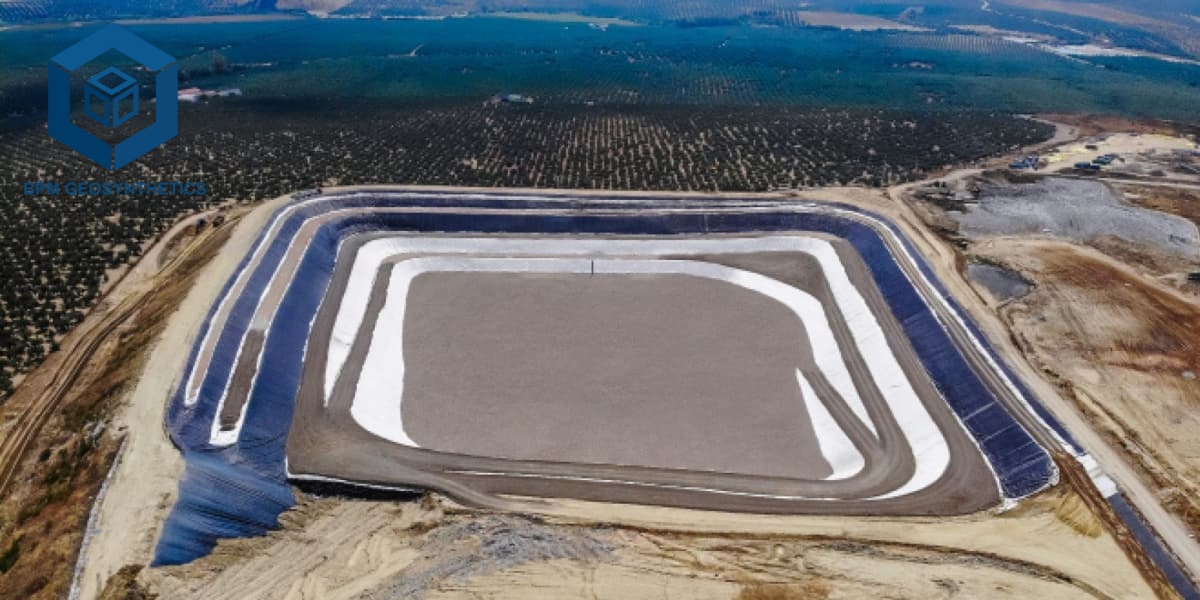
A High-Density Polyethylene (HDPE) geomembrane is a synthetic, impermeable barrier manufactured from specially formulated polyethylene resin. Unlike the laminated, fabric-reinforced structure of RPE, HDPE is a homogeneous, non-reinforced material. Its strength and durability stem from its high polymer density and crystalline structure. The designation "20 mils" refers to a thickness of 0.020 inches, which is approximately 0.5 millimeters. This specific thickness has become an industry standard for a wide range of medium-duty to heavy-duty applications due to its optimal balance of several key factors: provides excellent durability for long-term exposure, maintains good flexibility for subgrade conformity, and remains cost-effective when compared to thicker, more specialized liners.
2. Key Advantages of Geomembrana HDPE 20 mils
2.1 Superior Chemical Resistance:
HDPE offers outstanding resistance to a broad spectrum of chemicals, including strong acids, bases, and salts, making it ideal for industrial containment and landfill leachate management.
2.2 Excellent Long-Term Durability:
With high-quality UV stabilization and exceptional environmental stress crack resistance (ESCR), 20 mil geomembrana in hdpe is engineered for design lives often exceeding 20 to 30 years in both exposed and buried conditions.
2.3 Low Permeability:
It provides an exceptionally effective barrier to fluids and gases, with permeability coefficients typically less than 1 x 10⁻¹³ cm/s, ensuring containment integrity.
2.4 High Strength and Puncture Resistance:
While not matching the tear strength of reinforced products like RPE, 20 mil hdpe geomembrana provides excellent tensile and puncture resistance suitable for most subgrades with proper preparation.
2.5 Excellent Weldability:
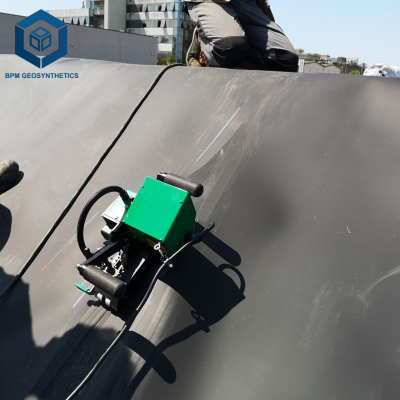
HDPE can be seamlessly welded using hot wedge or extrusion welding techniques, creating continuous, monolithic seams that are as strong as or stronger than the parent sheet itself.
3. How We Selected & Ranked the Top Geomembrana HDPE?
Our selection and ranking methodology for the seven best geomembrana HDPE 20 mils follows a weighted, multi-criteria framework designed to reflect real-world project priorities for this material. The evaluation is based on manufacturer technical data sheets, independent laboratory test reports aligned with standards such as GRI-GM13 for HDPE, ASTM, and ISO, as well as documented case studies of large-scale installations.
3.1 The scoring categories and their weights are:
Mechanical & Durability Performance (35%): This is the core of HDPE's value. We critically assess:
Tensile Properties (ASTM D6693): Strength at yield and break.
Tear Resistance (ASTM D1004): A key indicator of installation survivability.
Puncture Resistance (ASTM D4833): Crucial for subgrade compatibility.
Long-Term Durability Indicators: Stress Crack Resistance (ASTM D5397/NCTL Test) and Oxidative Induction Time (ASTM D3895 - OIT) are heavily weighted. High SCR and OIT values (especially HP-OIT) are paramount for predicting performance over decades.
3.2 Weldability & Seam Integrity (25%): A lining system's performance hinges on its seams. We evaluate:
Peel and Shear Strength of welded seams (ASTM D6392, D4437).
Consistency and ease of field welding.
The seam's ability to meet or exceed the parent material's strength.
Chemical & UV Resistance (20%): We review certified resistance ratings to a standard chemical matrix and the results of accelerated UV weathering tests (e.g., Xenon-arc per ASTM D7238), measuring the percentage retention of key mechanical properties after prolonged exposure.
3.3 Supply Chain, Support & Field Validation (15%): Real-world viability is key. We consider:
Manufacturer's global distribution and logistical reliability.
Available roll widths (wider rolls reduce field seams).
Quality certifications (ISO 9001, ISO 14001).
A proven track record of successful, large-scale (>50,000 m²) reference projects.
Value & Total Installed Cost (5%): We look beyond simple per-square-meter cost. The true economic measure includes factors like installation efficiency (enabled by wide rolls), weldability, and long-term maintenance, providing a holistic view of project value.
4. The 7 Best Geomembrana HDPE 20 mils of 2025-2026
4.1 BPM Geosynthetics – Smooth HDPE Geomembrane (20 mil)
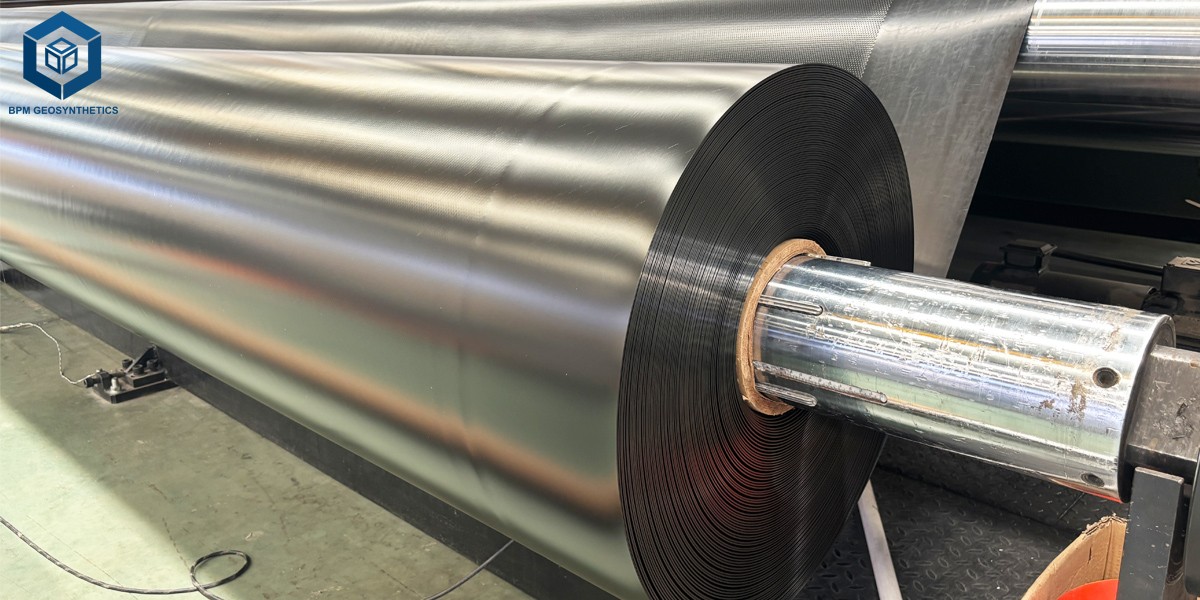
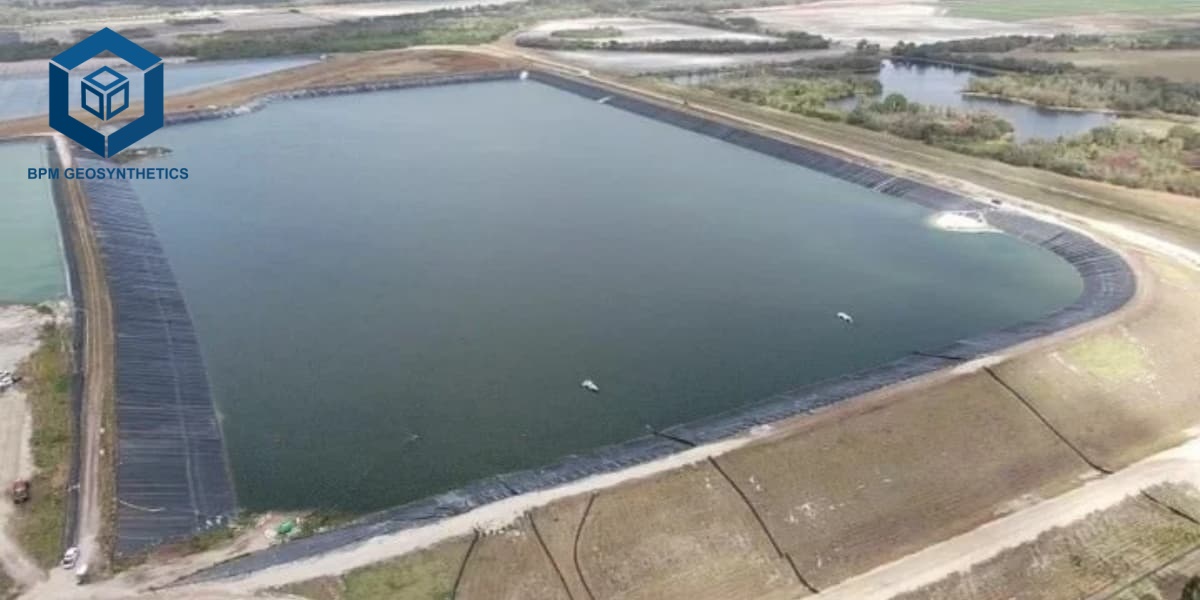
BPM Geosynthetics establishes a formidable presence in the global HDPE market with their 20-mil smooth HDPE geomembrane. Manufactured from premium virgin polyethylene resins with high-performance UV and antioxidant packages, this liner is engineered for long-term containment. It boasts full compliance with the rigorous GRI-GM13 standard, a global benchmark for HDPE geomembrane quality. The material exhibits excellent mechanical properties, including high tensile strength at break and elongation exceeding 700%. Its long-term durability is underscored by strong Environmental Stress Crack Resistance (ESCR) and High-Pressure Oxidative Induction Time (HP-OIT) values, often exceeding 400 minutes. A key differentiator is BPM Geosynthetics's production capability of ultra-wide rolls, up to 10.0 meters, which can drastically reduce the number of field seams on a project, enhancing installation speed and system integrity. With over 300 million square meters installed worldwide in applications ranging from mining and landfills to aquaculture and water reservoirs, BPM Geosynthetics's geomembrane liner offers a compelling combination of certified performance, installation efficiency, and highly competitive project economics, often presenting a significant value advantage without compromising on specification-grade quality.
4.2 GSE Lining – HD20 Smooth HDPE Geomembrane
GSE Environmental is a storied leader in the geosynthetics industry, and their HD20 smooth HDPE geomembrane represents a gold standard for critical containment applications. This product is synonymous with reliability and extensively documented long-term performance. It is manufactured with controlled resin systems and advanced stabilization technologies. Its standout feature is an exceptionally high Stress Crack Resistance (NCTL), often rated above 1500 hours, which is considered industry-leading. This makes it particularly suited for applications with potential point loads, uneven settlements, or aggressive environments where long-term integrity is non-negotiable, such as primary landfill liners and hazardous waste containment. The liner meets or exceeds all GRI-GM13 requirements and carries additional prestigious certifications like Germany's BAM approval for landfill applications. While it commands a premium price, the investment is justified by its unparalleled pedigree and the extensive validation from decades of service in some of the world's most demanding containment projects.
4.3 Agru America – Smooth Liner HDPE 20 mil
Agru America distinguishes itself through unique manufacturing prowess. Their smooth HDPE 20-mil liner is produced using a proprietary "MicroSpike" technology, which is reported to enhance molecular orientation and sheet consistency. This results in a geomembrane with excellent and uniform mechanical properties. Agru's most notable operational advantage is its ability to produce some of the widest rolls in the industry, with seamless panels up to 7.5 meters (nearly 25 feet) wide. This capability is a massive benefit for large-scale projects like landfill base liners or extensive water storage ponds, where minimizing field seams directly translates to reduced installation time, lower labor costs, and a decreased number of potential leak paths. The liner provides strong tensile, tear, and puncture resistance and solid long-term durability indicators, making it a top-tier choice for engineers designing massive containment structures where panel size and installation logistics are critical path items.
4.4 Solmax – HDPE 7630 (20 mil)
Solmax brings a strong global manufacturing footprint and deep expertise in heavy industrial sectors to the 20-mil HDPE market. Their HDPE 7630 product is a specification-grade geomembrane engineered for performance in challenging applications like mining heap leach pads, tailings ponds, and energy sector containment. The material delivers consistent and reliable mechanical properties that meet GRI-GM13 specifications. Solmax's key strength lies not just in the product but in the comprehensive technical support and global supply chain that accompanies it. With manufacturing facilities on multiple continents, they offer supply security for major international projects. Their technical teams have extensive experience with the unique challenges of mining and industrial containment, providing valuable partnership from design through installation. For large, complex projects in remote locations or within the mining industry, Solmax offers a trusted, high-performance product backed by robust project support.
4.5 NAUE GmbH & Co. KG – Secugrid® HDPE 20
NAUE represents the pinnacle of European engineering and precision in geomembrane manufacturing. The Secugrid® HDPE 20 is engineered to the highest standards of quality control and consistency. It typically features excellent mechanical properties, including high tensile and puncture resistance. Where NAUE often sets itself apart is in its baseline specifications for long-term durability; High-Pressure OIT (HP-OIT) and superior Stress Crack Resistance are frequently standard offerings, not just optional upgrades. This reflects a design philosophy centered on maximum longevity and performance assurance. The liner carries stringent certifications like the German BAM approval, making it a preferred or required specification for critical infrastructure projects across Europe and in other regulated markets worldwide. While it is often positioned at a premium price point and may come in slightly narrower roll widths, it is the definitive choice for projects where absolute material quality, traceability, and guaranteed long-term performance are the paramount concerns, outweighing initial cost considerations.
4.6 Plastic Fusion Fabricators (PFF) – LDPE/HDPE Blend 20 mil
This entry offers a unique and valuable alternative to pure HDPE. PFF's 20-mil liner is engineered as a blend of polyethylene polymers, often incorporating LLDPE or MDPE to modify the properties of the base HDPE. The result is a geomembrane that retains much of the chemical resistance and durability of HDPE but with significantly enhanced flexibility and elongation (often exceeding 800%). This makes it exceptionally conformable to uneven or complex subgrades, reducing the risk of stress concentration and bridging. It can be an ideal solution for projects where the subgrade preparation is less than perfect or where a more forgiving material is desired for handling. It typically meets flexible polyolefin standards like GRI-GM17 and offers weldability comparable to standard HDPE. For applications that demand the chemical resistance of HDPE but benefit from the installation friendliness of a more flexible material, such as certain pond linings or covers over irregular surfaces, this blend presents a compelling "best-of-both-worlds" option.
4.7 Firestone Building Products – HDPE PondGard 20
Firestone's PondGard 20 is a product specifically tailored and marketed for the water containment, aquaculture, and decorative pond markets. Its formulation is designed to provide reliable, durable performance in these specific applications. A key advantage is its accessibility; it is often readily available through established building material and waterworks distribution channels, simplifying procurement for contractors and engineers. Furthermore, specific formulations of PondGard carry NSF/ANSI 61 certification for potable water contact, a critical requirement for drinking water reservoirs, irrigation ponds, and aquaculture systems where water quality is paramount. While its mechanical properties are robust and suitable for its intended uses, they may not match the ultra-high specifications of liners designed for aggressive industrial or landfill environments. For engineers and project owners in North America seeking a trusted, specification-compliant 20-mil HDPE liner for water-related projects, especially those requiring NSF-61 certification, Firestone PondGard is a proven and convenient choice.
5. Geomembrana HDPE 20 mils vs. RPE 20 mil: Choosing the Right Material
Understanding the fundamental differences between a 20-mil HDPE liner and a 20-mil RPE liner is crucial for correct material selection, as highlighted in the comparative context of the source article.
5.1 Mechanical Strength:
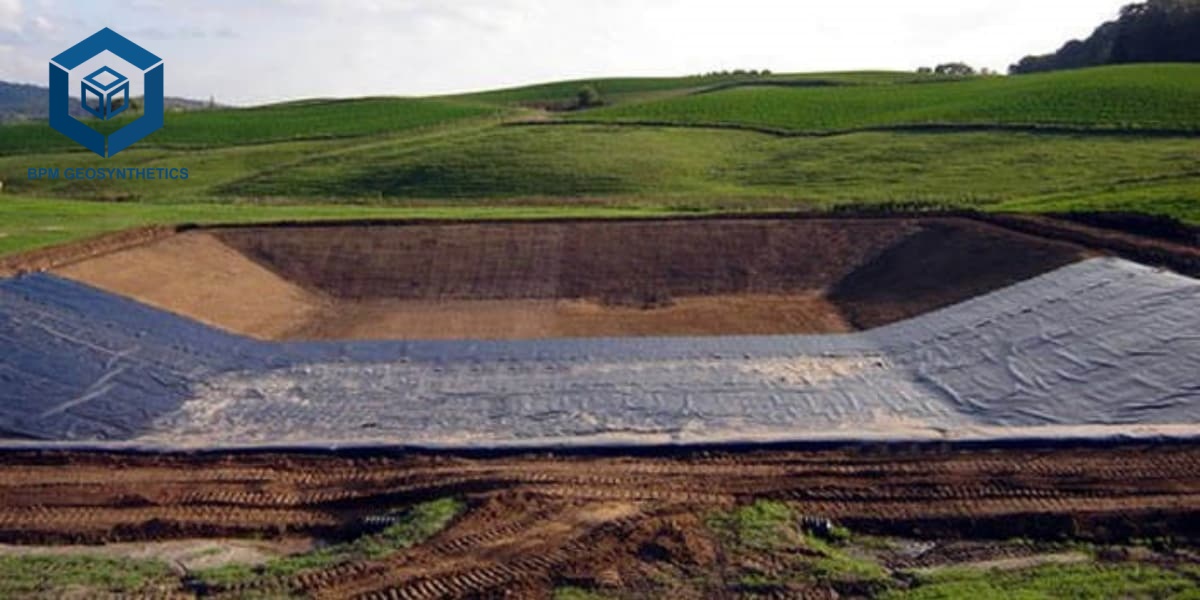
RPE, with its reinforcing scrim, has a decisive advantage in tear and puncture resistance. It is inherently more resistant to damage from sharp rocks or installation mishaps. HDPE geomembrane liner relies on its homogeneous thickness for puncture resistance, which is good but generally lower than an RPE of equivalent thickness.
5.2 Flexibility and Conformability:
RPE is significantly more flexible and conformable, making it easier to install over rough or uneven terrain and around complex structures. HDPE geo membrane is stiffer, which can be a challenge on irregular subgrades but provides excellent dimensional stability.
5.3 Long-Term Durability and Chemical Resistance:
High density polyethylene geomembrane is the superior choice for very long-term, high-load, and chemically aggressive applications. Its homogeneous structure offers better long-term creep resistance and higher inherent chemical resistance. HDPE is the standard for landfills and permanent chemical containment. RPE is typically rated for a shorter design life in exposed conditions (e.g., 10-20 years).
5.4 Weight and Handling:
RPE is much lighter than HDPE of the same nominal thickness, making it easier to transport, handle, and install, especially in remote areas or on large panels.
5.5 Cost and Economics:
RPE often has a lower initial material cost. However, HDPE's longer potential service life and lower lifetime cost for permanent structures can make it more economical over a 30-year horizon.
5.6 Selection Guidance:
Choose 20-mil RPE for exposed, shorter-to-medium term applications where superior tear resistance, light weight, and high flexibility are the top priorities (e.g., decorative ponds, stormwater basins, temporary containment). Choose 20-mil HDPE for permanent, long-term applications where maximum chemical resistance, proven long-term durability (20+ years), and high tensile strength are critical (e.g., landfill liners, primary chemical containment, potable water storage).
Conclusion
The geomembrana HDPE 20 mils remains an indispensable workhorse in the world of engineered containment. Its balance of strength, durability, chemical inertness, and weldability makes it suitable for a vast array of demanding applications. The "best" choice among the seven reviewed products is not a single answer but a function of project-specific priorities.
For engineers and specifiers seeking the optimal balance of certified GRI-GM13 performance, project value, and installation efficiency through wide rolls, The Best Project Material Co., Ltd. (BPM Geosynthetics)' Smooth HDPE Geomembrane presents a highly compelling global solution. For projects where absolute, documented long-term durability in the most critical containment scenarios is paramount, GSE HD20 or NAUE Secugrid® HDPE set the benchmark. When maximizing panel size to minimize seams on a mega-project is the key driver, Agru's ultra-wide rolls offer a distinct advantage. For water-specific projects requiring NSF-61 certification in the North American market, Firestone PondGard provides a trusted, accessible option.
Ultimately, a successful specification involves matching the detailed performance profile of the liner—its strength, durability, weldability, and chemical resistance—with the specific demands of the site, the contained medium, the design life, and the project's total installed cost framework. This review provides the foundational knowledge to begin that critical matching process with confidence.