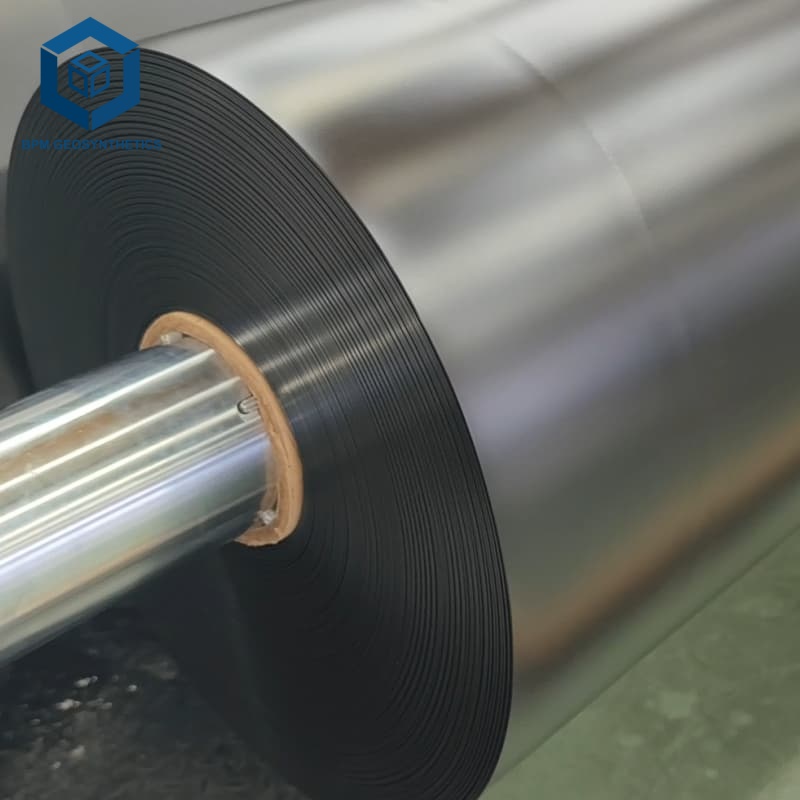
60 Mil HDPE Geomembrane
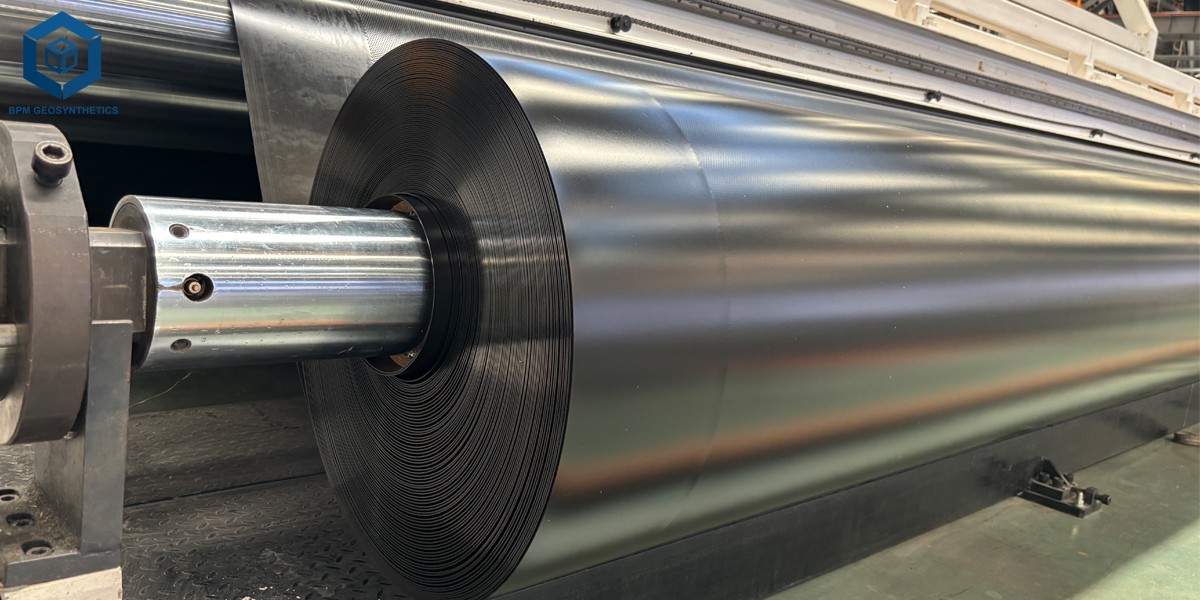
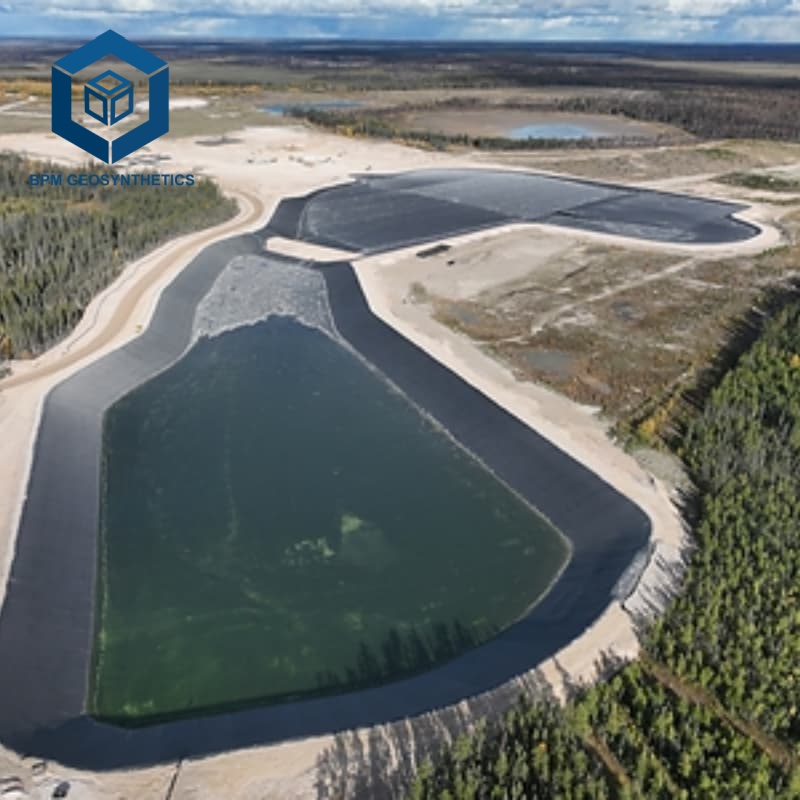
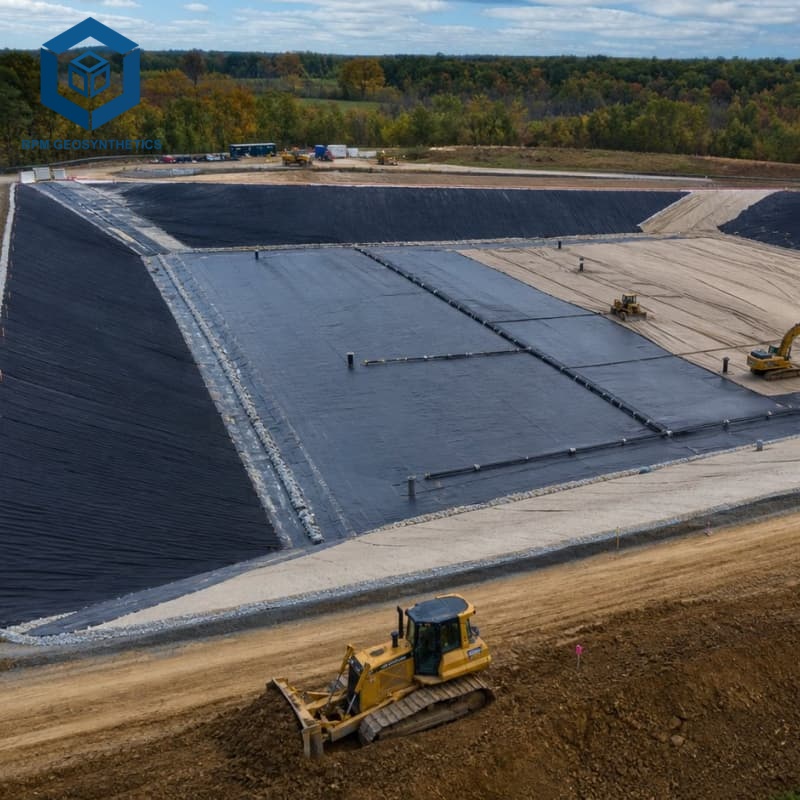
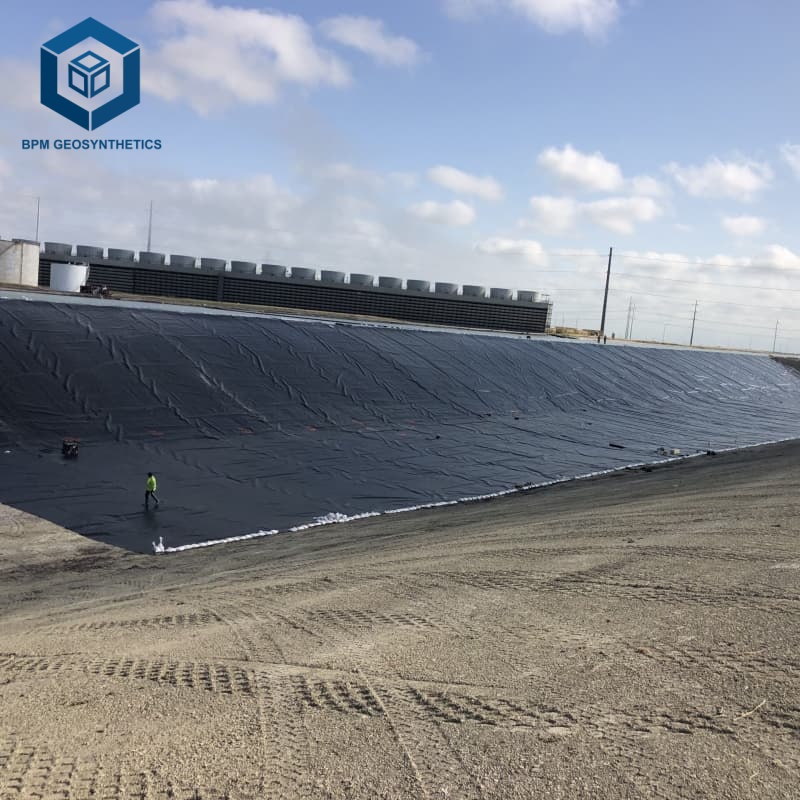
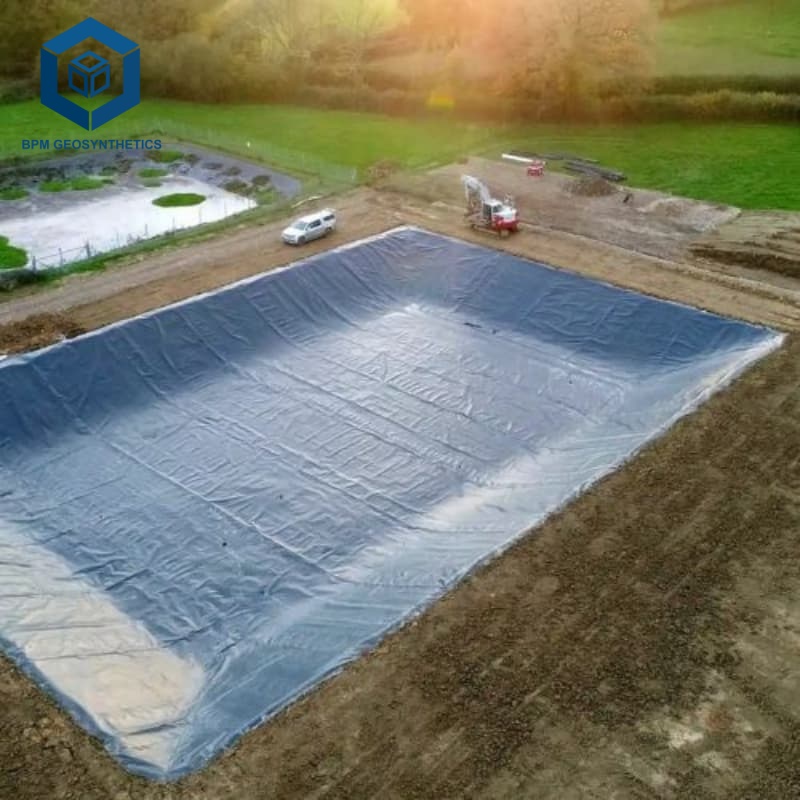
60 Mil HDPE Geomembrane is a durable, low-permeability 1.5 mm liner offering excellent waterproofing, chemical resistance, and long-term protection for landfills, mining, reservoirs, and wastewater containment projects.
- 1.5 mm Thickness: 60 Mil thickness provides dependable barrier protection for various containment applications.
- High-Quality HDPE Resin: Manufactured with virgin HDPE resin and carbon black for durability and UV resistance.
- Excellent Chemical Resistance: Suitable for contact with many acids, alkalis, salts, and industrial liquids.
- Low Permeability: Helps prevent liquid leakage and protect surrounding soil and groundwater.
- Flexible Installation: Available in smooth and textured surfaces to meet different project requirements.
- Customized Supply: BPM supports customized roll width, length, color, and packaging.
- High-Capacity Factory Supply: 12 advanced production lines ensure fast production, stable output, and reliable bulk order delivery.
When engineering projects require reliable containment, a 60 mil HDPE geomembrane offers a balanced middle ground between flexibility and structural resilience. This guide is structured to help civil engineers, project owners, and procurement specialists evaluate thickness requirements, technical standards, surface options, and sourcing criteria for geomembrane liner.
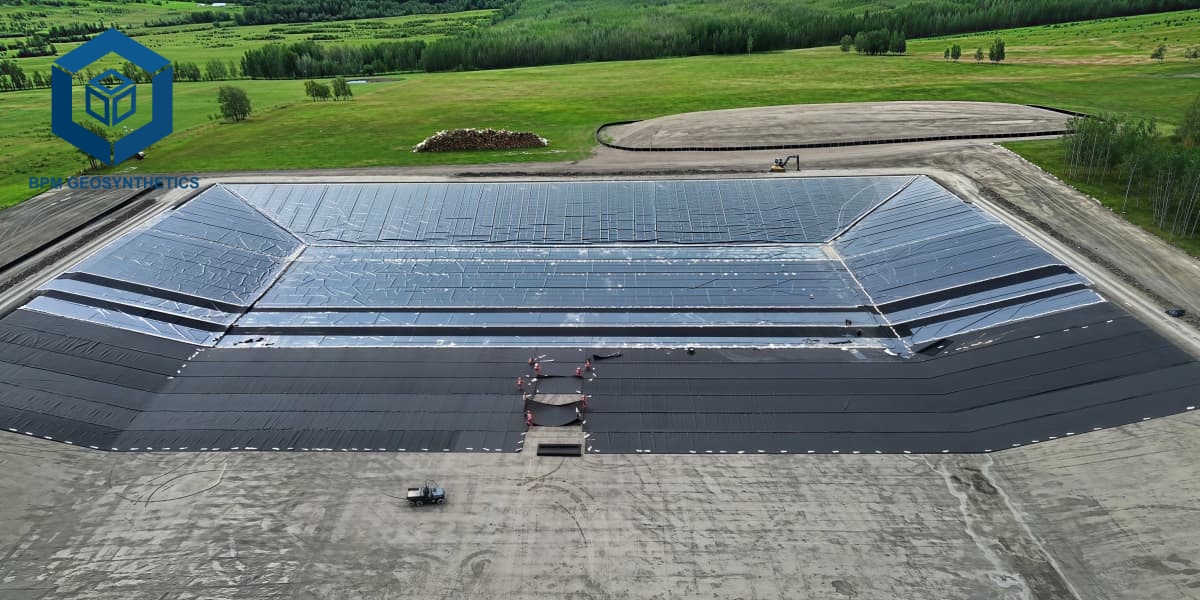
1. 60 Mil HDPE Geomembrane Product Overview
1.1 Understanding the 60 Mil Thickness Standard
A 60 mil HDPE geomembrane, also known as a 60 mil HDPE liner or 1.5 mm HDPE geomembrane, is an impermeable geosynthetic barrier manufactured from high-density polyethylene (HDPE) resin.
In the imperial measurement system, 1 mil equals 0.001 inches. Therefore, 60 mil is equivalent to 0.060 inches or 1.524 mm, commonly specified as 1.5 mm in metric measurements.
This thickness provides a practical balance between mechanical strength, chemical resistance, durability, and field weldability, making it suitable for a wide range of environmental containment and industrial lining projects.
1.2 Barrier Mechanism and Engineering Value
Unlike clay liners, which rely on low permeability to restrict liquid movement, a 60 mil HDPE geomembrane provides a continuous, highly impermeable physical barrier. Its hydraulic conductivity is typically below 1 × 10⁻¹³ cm/s under appropriate test conditions.
Manufactured with approximately 97.5% polyethylene resin and 2.5% carbon black, antioxidants, and heat stabilizers, the HDPE membrane is designed to resist liquid penetration, chemical exposure, and environmental degradation.
Its primary engineering functions include:
- Leakage Prevention: Creates a reliable barrier to minimize liquid seepage and protect surrounding soil and groundwater.
- Environmental Protection: Helps contain wastewater, leachate, and other liquids to reduce the risk of environmental contamination.
- Chemical Resistance: Provides resistance to many acids, alkalis, and industrial chemicals, depending on chemical compatibility.
- Long-Term Durability: Maintains barrier performance under sustained service conditions when properly selected, installed, and maintained.
2. HDPE Geomembrane Thickness Selection: Does 60 Mil Meet Your Project Requirements?
2.1 How 60 Mil Affects Puncture Resistance, Tensile Strength, and Service Life
Moving from 40 mil to 60 mil increases sheet thickness by 50%, which yields disproportionately higher gains in field reliability:
2.1.1 Puncture & Stone-Indentation Resistance:
At 1.52 mm, the geomembrane sheet absorbs localized point loads from angular gravel, soil clods, and foot or light machinery traffic during installation without yielding.
2.1.2 Thermal Fusion Welding Window:
Thicker geo membranes sheets tolerate higher heat inputs during dual-track hot-wedge welding, dramatically reducing the risk of burn-through and ensuring consistent, testable air-channel seams.
2.1.3 Environmental Stress Crack Resistance (ESCR):
A 60 mil cross-section slows down antioxidant depletion and oxidative degradation, extending functional service life to 30–50+ years in exposed applications and over 100 years when buried under soil or protective ballast.
2.2 When 60 Mil is Ideal vs. When to Upgrade to 80 Mil+
2.2.1 Choose 60 Mil When:
Your project involves municipal or industrial wastewater, sanitary landfill base liners or caps, mining evaporation ponds, secondary chemical containment, or deep irrigation reservoirs with compacted, well-graded subgrades (or paired with a nonwoven geotextile cushion).
2.2.2 Upgrade to 80 Mil or 100 Mil When:
The geomembrane liner will support extreme overburden depths (e.g., landfill cells exceeding 30–40 meters in height), direct contact with coarse crushed aggregate without heavy geotextile protection, or highly concentrated aggressive chemicals at elevated temperatures.
2.3 Three-Factor Thickness Decision Framework
2.3.1 Subgrade Particle Size:
Fine sand or compacted clay pairs reliably with 60 mil; angular gravel greater than 10 mm requires either a heavy protective geotextile (≥ 400 g/m²) underneath or an upgrade to 80 mil.
2.3.2 Contained Medium & Regulatory Mandate:
Many environmental agencies (such as US EPA Subtitle D regulations for municipal solid waste landfills) explicitly mandate 60 mil as the minimum allowable thickness for HDPE primary liners.
2.3.3 Design Lifespan & Exposure:
Projects requiring a 25+ year lifespan under intense UV radiation or fluctuating liquid levels benefit from the thicker antioxidant reservoir in a 60 mil hdpe liner.
3. 60 Mil HDPE Geomembrane Core Performance Characteristics: Solving Real Engineering Problems
Performance data must translate directly into operational risk mitigation on the job site. Here is an expanded breakdown of how each core characteristic addresses complex field challenges:
3.1 Hydraulic Impermeability
High-density polyethylene (HDPE) features a tightly packed crystalline molecular structure that results in near-zero vapor and liquid transmission rates. For critical containment applications—such as municipal landfills, tailings storage facilities, and potable water reservoirs—this ultra-low permeability acts as a definitive barrier, safeguarding underlying aquifers from leachate infiltration and preventing costly environmental liabilities.
3.2 Puncture Resistance
A 60-mil thickness provides an optimal balance between structural robustness and field flexibility. During installation, the geomembrane pond liner routinely withstands the weight of heavy deployment equipment, foot traffic, aggregate ballast placement, and angular subgrade stones. This robust puncture resistance eliminates micro-tears that could otherwise compromise containment integrity over decades of active service.
3.3 Tensile Strength and Elongation
HDPE geomembrane sheets are subjected to severe mechanical stresses caused by shifting subgrades and daily temperature fluctuations. The material's high yield and break tensile strength, combined with controlled elongation capabilities, allow it to stretch rather than rupture. Impermeable geomembrane liner gracefully accommodates thermal expansion and contraction, as well as minor differential subgrade settlements, without overstressing factory or field-welded seams.
3.4 Chemical Resistance
Industrial and mining environments often expose containment systems to aggressive leachates, hazardous waste chemicals, acidic solutions, and complex hydrocarbons. HDPE's inherent polymer stability ensures it remains completely inert when exposed to a broad spectrum of acids, alkalis, and inorganic salts, preventing chemical degradation, polymer swelling, or structural embrittlement over its multi-decade design life.
3.5 Weathering and UV Stability
For surface applications where the impermeable geomembrane remains fully exposed to the elements, continuous solar radiation poses a severe photo-oxidation risk. The incorporation of a precisely dispersed carbon black package shields the polymer chains from ultraviolet (UV) degradation and extreme thermal fluctuations, ensuring decades of weather resistance without premature surface crazing or loss of mechanical strength.
3.6 Environmental Adaptability
Field installation schedules often span varying climates, ranging from freezing sub-zero winter mornings to blistering summer afternoons. The HDPE geomembrane 1.5 mm maintains its impact resistance and low-temperature flexibility to prevent brittle cracking in cold weather, while retaining proper dimensional stability and ease of seaming under high ambient temperatures, thereby ensuring year-round construction productivity.
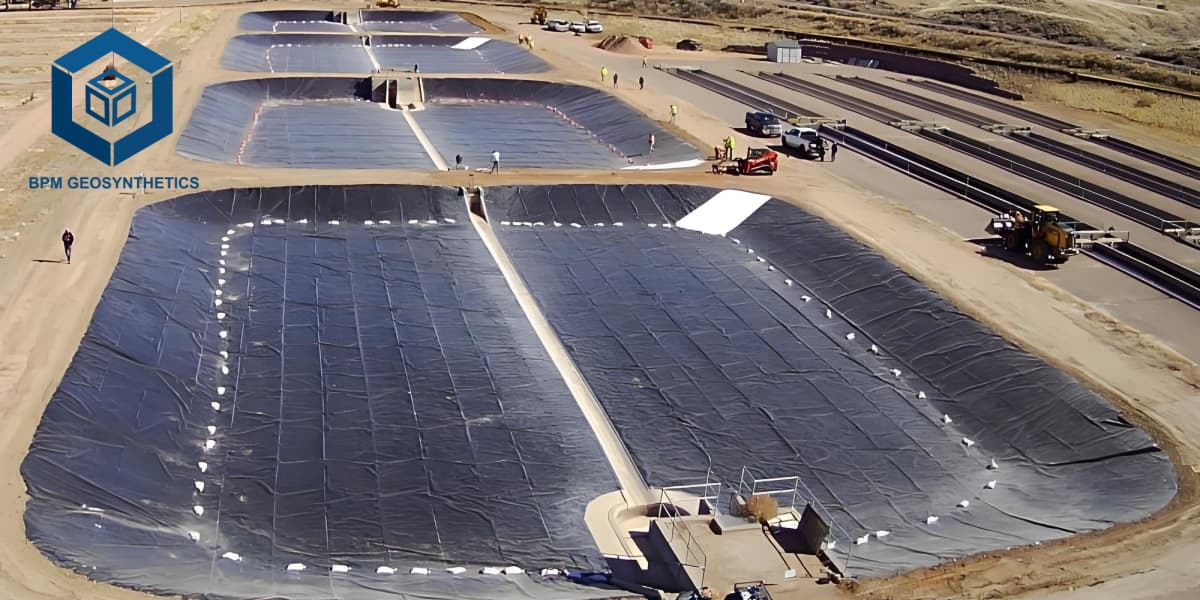
4. Surface Types: Smooth vs. Textured 60 Mil HDPE Geomembrane
Choosing the correct surface texture ensures slope stability and prevents sliding failures during and after installation.
4.1 Smooth HDPE Geomembrane:
Ideal for flat floors, horizontal containment bases, and slopes with minimal inclination where high interface friction is not required.
4.2 Single Textured HDPE Geomembrane:
Features texture on one side, allowing the textured face to grip geotextiles or soil on slopes while the smooth side eases deployment or welding against concrete structures.
4.3 Double Textured HDPE Geomembrane:
Manufactured with co-extruded texture on both sides to maximize friction angles in steep slope applications, composite multi-layer liner systems, and capping projects.
4.4 Selection Guidelines:
Factor in slope gradient, adjacent geosynthetic layers (geotextiles, GCLs), and shear stress calculations to determine surface texturing requirements.
5. Real-World Applications for 60 Mil HDPE Geomembrane
Engineers specify 60 mil membrane HDPE across critical sectors requiring absolute containment security. Below is an expanded overview of how these heavy-duty liners perform in demanding field environments:
5.1 Wastewater Treatment Ponds
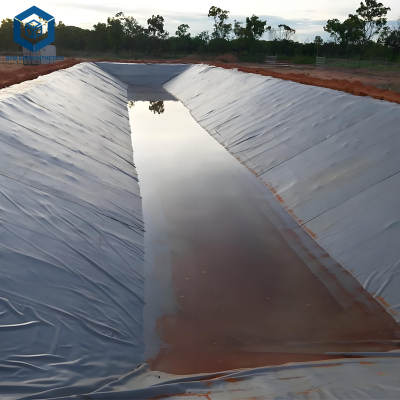
Municipalities and industrial facilities rely on 60 mil HDPE liners for aeration basins, equalization tanks, and sewage lagoons. The geomembrane material's chemical inertness prevents municipal wastewater and biological byproducts from seeping into surrounding soils, protecting local water tables from contamination while resisting harsh disinfectant chemicals and aeration turbulence.
5.2 Agricultural Irrigation Reservoirs
In agricultural sectors facing water scarcity, securing water storage ponds, irrigation canals, and aquaculture fish-farming ponds is vital. The geomembrane HDPE 1.5 mm eliminates water loss through percolation and subgrade absorption, ensuring maximum water-use efficiency while maintaining a non-toxic, fish-safe environment that resists UV exposure and organic root penetration.
5.3 Mining Containment
Mining operations present some of the most aggressive containment challenges due to high mechanical loads and corrosive chemicals. Serving as robust base liners for heap leach pads, pregnant solution (PLS) ponds, and large-scale tailings storage facilities, the 60-mil thickness withstands sharp ore stacking, heavy equipment traffic, and aggressive acidic or cyanide-bearing leachates.
5.4 Industrial Liquid Containment
Manufacturing plants, chemical processing facilities, and energy plants use these polyethylene geomembrane for managing process water, chemical effluent, and hazardous manufacturing runoff. The high-density polyethylene polymer provides a dependable barrier against complex chemical cocktails, ensuring full compliance with strict environmental regulations and zero-discharge mandates.
5.5 Landfill Applications
As a cornerstone of modern solid waste management, 60-mil HDPE acts as a primary or secondary bottom liner, leachate collection pond barrier, and final cover cap. It forms a critical impermeable layer that isolates toxic municipal or hazardous solid waste leachate from the surrounding environment, meeting rigorous regulatory standards for multi-decade design lifespans.
5.6 Secondary Containment
Surrounding fuel storage tank farms, petroleum refineries, and chemical loading terminals, the geomembrane serves as a fail-safe spill barrier. In the event of a primary tank failure or accidental rupture, the 60-mil geo membrane sheet instantly contains hazardous hydrocarbon spills or chemical discharges, preventing catastrophic soil contamination and containing the spill area for safe remediation.
6. 60 Mil HDPE Geomembrane Procurement Guide: What to Confirm Before Ordering
Essential checklist items for procurement officers and project managers to streamline purchasing and mitigate supply risks.
6.1 Technical Data Sheets (TDS):
Request certified third-party laboratory test reports demonstrating compliance with GRI-GM13 standards.
6.2 Thickness Verification:
Confirm whether the offered product is true nominal 60 mil (1.52 mm) or manufactured to minimum tolerance thresholds.
6.3 Customization Options:
Verify availability of custom roll widths, specific lengths, and color options (such as white reflective surfaces).
6.4 Surface Availability:
Ensure the manufacturer can supply smooth, single, or double textured options matching project slope designs.
6.5 Quality Assurance:
Check if factory quality control certificates and independent third-party inspection (e.g., SGS, BV) are supported.
6.6 Logistics and MOQ:
Understand Minimum Order Quantities, production lead times, and optimal container loading configurations to minimize freight costs.
6.7 Seam Overlap and Waste Calculation:
Account for a standard 10% to 15% overlap and cutting waste when calculating total square meter requirements.
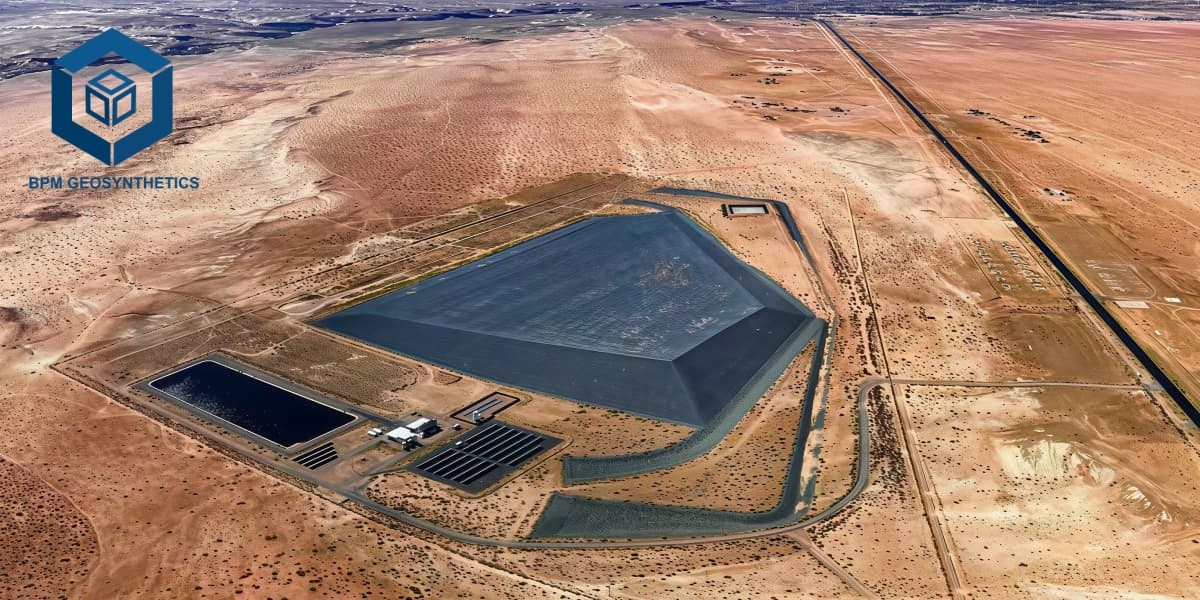
7. 60 Mil HDPE Geomembrane Frequently Asked Questions
Q1: Can 60 Mil HDPE Geomembrane Be Used on Uneven Ground?
Yes, but the subgrade should be properly prepared before installation. Sharp stones, roots, debris, and protruding objects should be removed to reduce the risk of punctures and localized stress.
Q2: What Underlayment Is Recommended for 60 Mil HDPE Geomembrane?
A suitable geotextile protection layer can be installed beneath the geomembrane when the subgrade contains coarse particles or irregular surfaces. The required geotextile weight depends on soil conditions and project requirements.
Q3: Can 60 Mil HDPE Geomembrane Be Installed in Cold Weather?
Yes, installation is possible in cold weather with appropriate precautions. The welding area should be clean and dry, and welding parameters should be adjusted according to ambient temperature and material conditions.
Q4: How Are Seams Checked After 60 Mil HDPE Geomembrane Installation?
Seams are commonly inspected through non-destructive methods such as air pressure testing for dual-track fusion welds and vacuum box testing for extrusion welds. The inspection method depends on the seam design.
Q5: Can 60 Mil HDPE Geomembrane Be Customized for Different Project Sizes?
Yes. Manufacturers can provide customized roll widths, lengths, colors, and packaging according to project requirements. Customization helps reduce unnecessary overlaps and material waste during installation.
Q6: How Much Overlap Is Needed When Installing 60 Mil HDPE Geomembrane?
Overlap requirements depend on the welding method, equipment, and installation specifications. Sufficient overlap must be maintained to allow proper fusion welding and reliable seam formation.
Q7: Can 60 Mil HDPE Geomembrane Be Used with Chemical Storage Systems?
It can be considered for certain chemical containment applications. However, chemical compatibility should be evaluated based on the specific chemical composition, concentration, temperature, and exposure conditions before selecting the liner.
Q8: How Should 60 Mil HDPE Geomembrane Rolls Be Stored Before Installation?
Store rolls on a flat, stable surface away from sharp objects, excessive heat, and potential damage. Keep the original packaging intact when possible and avoid stacking practices that may deform or damage the rolls.
Q9: What Information Should Buyers Provide When Requesting a 60 Mil HDPE Geomembrane Quote?
Buyers should provide the required project area, roll dimensions, application, surface type, quantity, delivery destination, and any relevant technical standards. These details help manufacturers prepare accurate quotations and recommend suitable specifications.
Q10: How Can I Get a Quote for 60 Mil HDPE Geomembrane?
To get a free quote, please share your required quantity, roll dimensions, project application, and delivery destination with BPM Geosynthetics. Our sales team will provide product recommendations and a quotation based on your project requirements.
Click here to Get a Free Quote and contact BPM Geosynthetics for more information.
Conclusion: Choose BPM 60 Mil HDPE Geomembrane for Reliable Project Protection
60 Mil HDPE Geomembrane is a practical lining solution for water containment, wastewater treatment, agricultural reservoirs, and other engineering applications requiring dependable impermeability and durability. As an experienced manufacturer, The Best Project Material Co., Ltd. (BPM Geosynthetics) provides customized geomembrane specifications, strict quality inspection, and factory-direct supply to meet different project requirements. Contact BPM Geosynthetics today to discuss your application and get a competitive quotation for your next project.