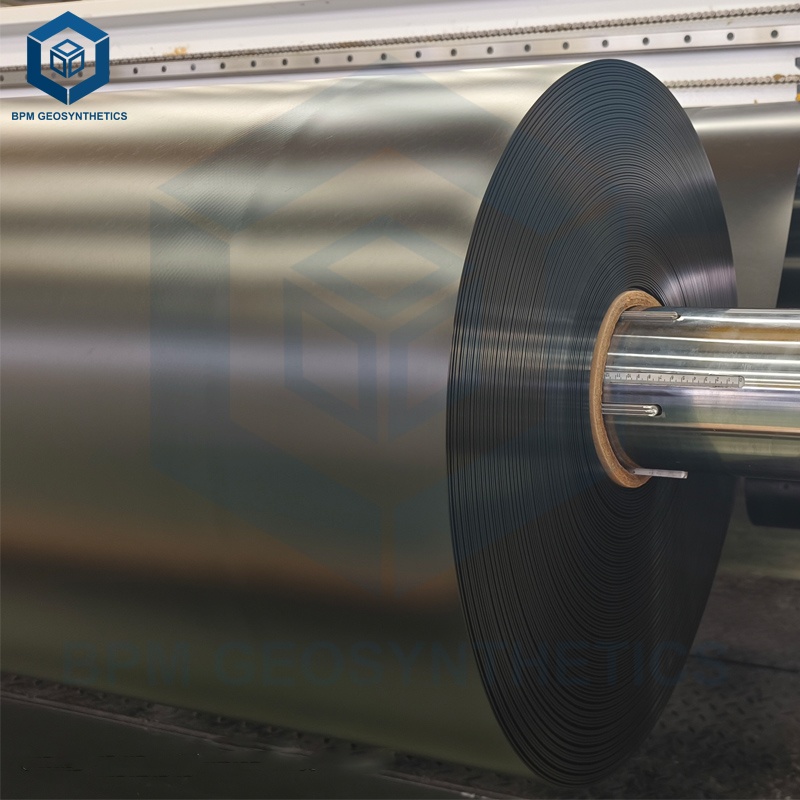
HDPE Liner Thickness
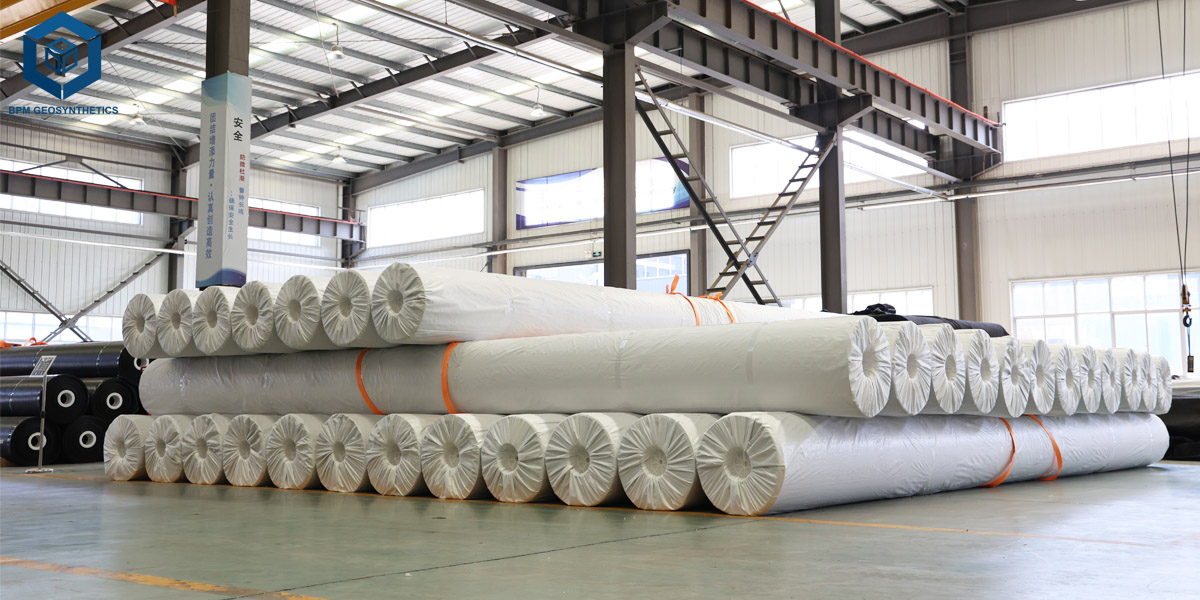
BPM Geosynthetics provides high-quality HDPE liner in various thicknesses to meet different project requirements. Manufactured with 100% virgin HDPE resin, our liners offer reliable seepage control, strong mechanical performance, and long-term durability for demanding applications.
- Multiple Thickness Options: Available from 0.2 mm to 3.0 mm for different engineering needs.
- Reliable Material Quality: Made from 100% virgin HDPE resin with 2%–3% carbon black.
- Excellent Resistance: Designed to resist punctures, chemical exposure, UV radiation, and environmental stress.
- Flexible Customization: Custom thickness, width up to 10 m, surface texture, color, and roll packaging.
- Strict Quality Control: Thickness measurement and physical performance testing throughout production.
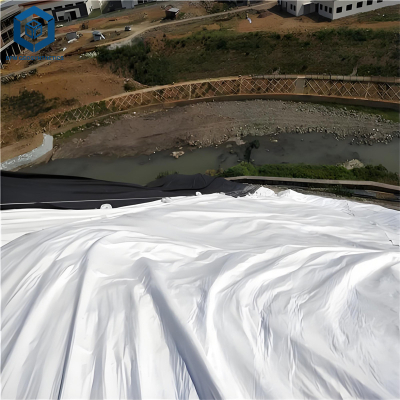
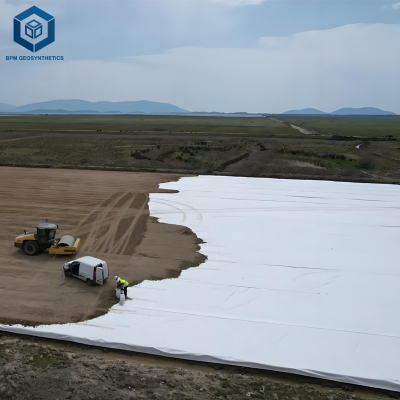
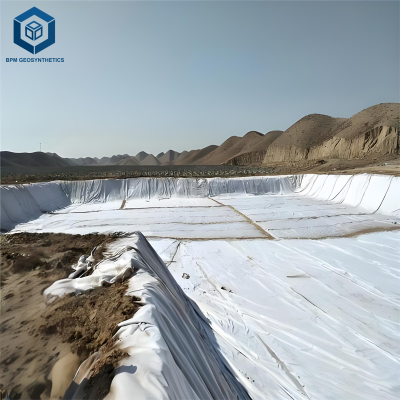
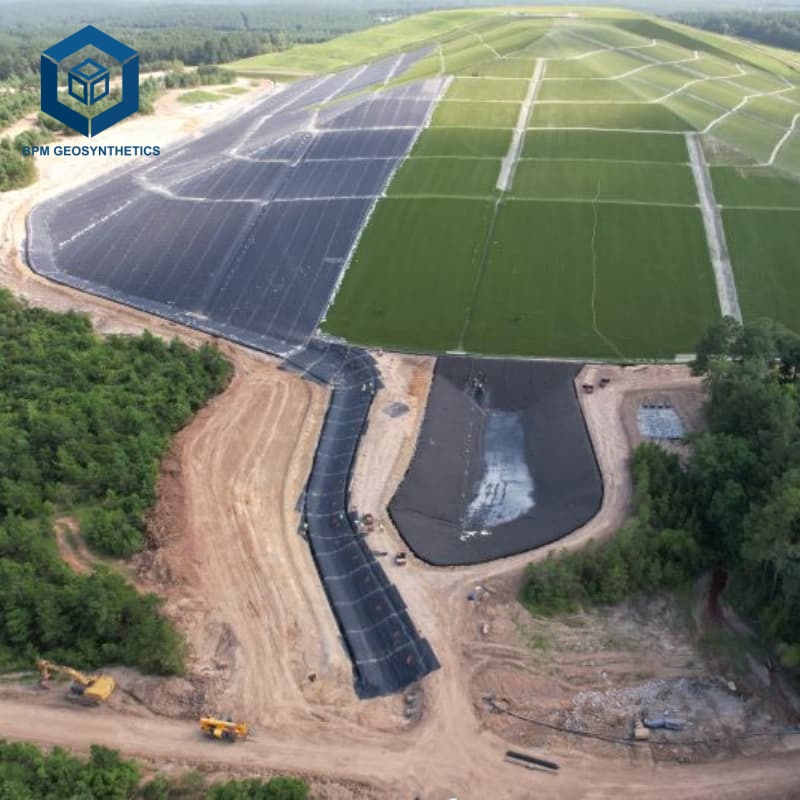
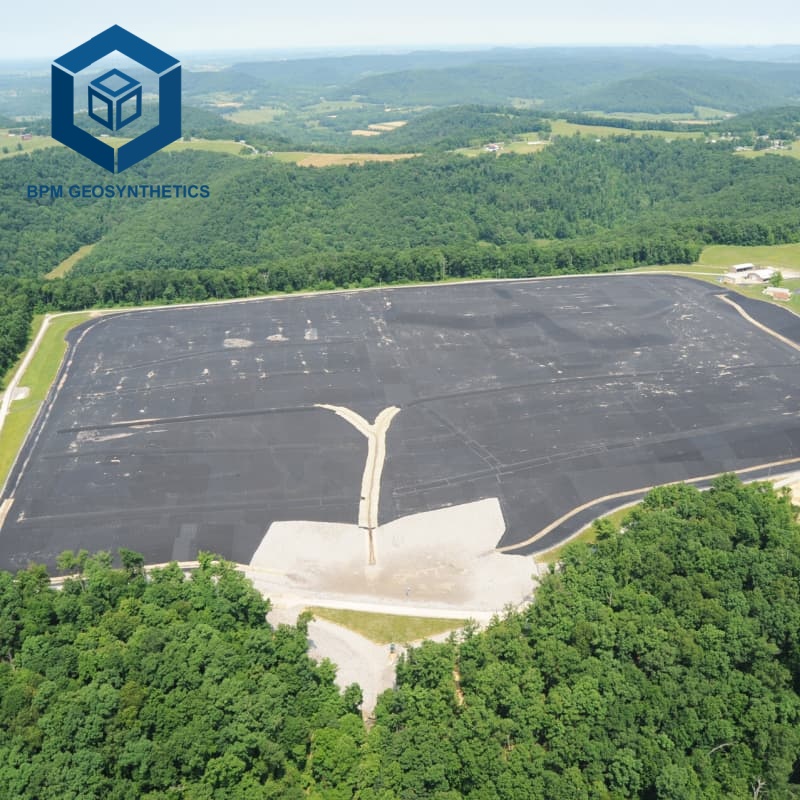
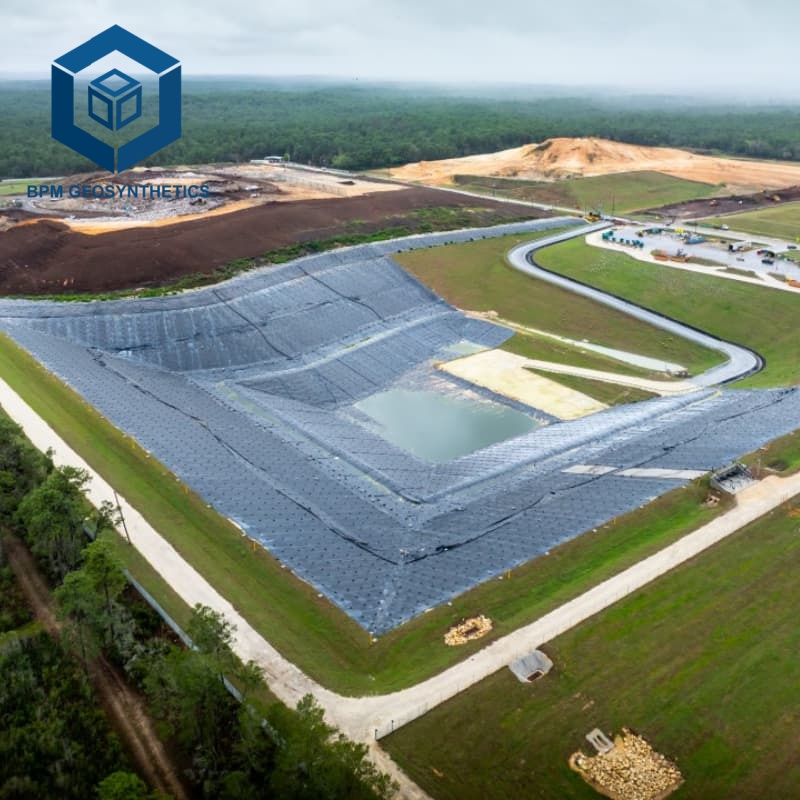
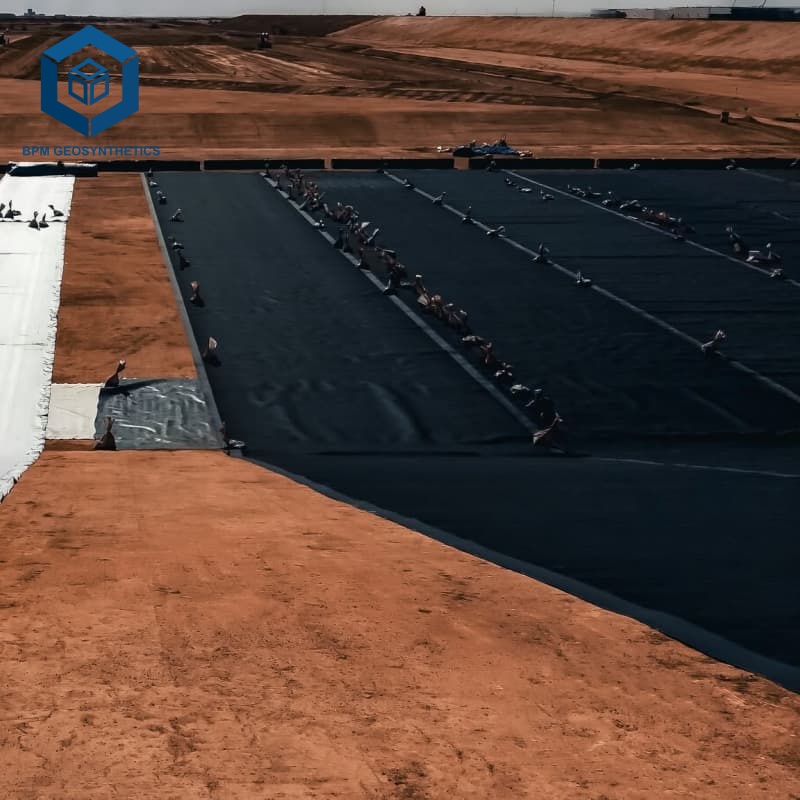
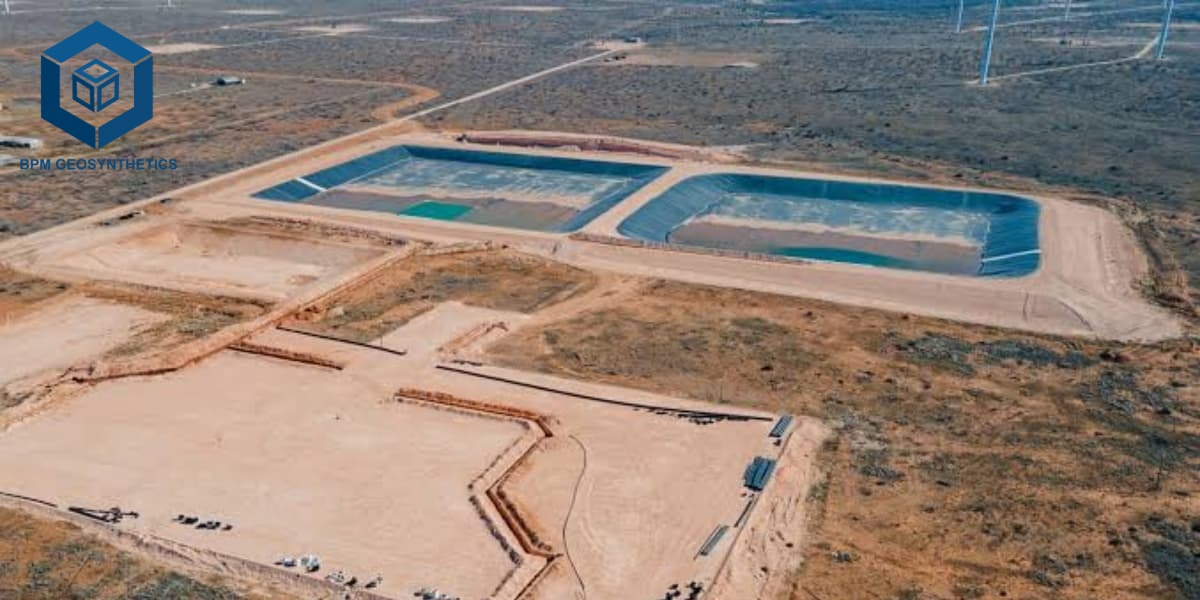
- Wide Applications: Suitable for reservoirs, landfills, mining projects, tailings storage, and industrial wastewater containment.
HDPE Liner Thickness Guide for Different Applications and Project Requirements
Choosing the correct HDPE (High-Density Polyethylene) liner thickness is one of the most critical decisions in geomembrane selection. Selecting a liner that is too thin risks puncture failures, localized stress tearing, and environmental leakage. Conversely, over-specifying thickness unnecessarily inflates raw material costs, increases transportation weight, and complicates field welding operations.
This guide provides an engineering and procurement framework to help project managers, engineers, and buyers select the optimal HDPE liner thickness based on site conditions, chemical exposure, and budget constraints.
1. HDPE Liner Thickness Product Introduction
1.1 Understand HDPE Liner Thickness Before Making a Purchase
HDPE liners are measured using both metric (millimeters / mm) and imperial (mils / thousandths of an inch) units, depending on regional design specifications.
1.1.1 Common Specifications & Conversion Table
Metric Thickness (mm) | Imperial Thickness (mil) | Common Inches | Relative Weight / Profile |
0.50 mm | 20 mil | 0.020 in | Lightweight / Temporary |
0.75 mm | 30 mil | 0.030 in | Light Duty |
1.00 mm | 40 mil | 0.040 in | Standard Medium Duty |
1.50 mm | 60 mil | 0.060 in | Heavy Duty / Standard Environmental |
2.00 mm | 80 mil | 0.080 in | Extra Heavy Duty |
2.50 mm | 100 mil | 0.100 in | Severe Duty |
3.00 mm | 120 mil | 0.120 in | Extreme Duty / High Hydraulic Head |
1.1.2 Standard vs. Performance Thickness
A common misconception is that a 1.5 mm (60 mil) sheet performs identically regardless of the manufacturer. In reality, chemical resistance, UV stability, and puncture resistance depend heavily on polymer resin quality, carbon black dispersion, and antioxidant packages. Thickness serves as the geometric baseline for structural capacity, while resin quality dictates longevity.
1.2 How Different HDPE Liner Thickness Affect Project Performance
Thickness directly governs physical performance, installation handling, and long-term mechanical resilience under field stress.
1.2.1 Puncture Resistance:
Thicker membranes absorb higher point-load pressures from underlying sharp subgrade aggregates, angular stones, or mechanical equipment. Resistance scales non-linearly with thickness; doubling sheet thickness can increase static puncture resistance by more than 100%.
1.2.2 Tensile & Yield Behavior:
Thicker geo membranes liners tolerate larger tensile stress before reaching yield point, preventing localized necking during subgrade settlement or slope displacement.
1.2.3 Tear & Shear Strain:
Thick hdpe liner provide greater cross-sectional resistance against tearing during wind uplift during installation or dynamic shear forces on slopes.
1.2.4 Field Installation & Welding Mechanics:
- Thin liners (0.5–1.0 mm) flex easily to conform to irregular trenching, but are prone to burn-through during hot-wedge welding if temperature and speed are mismanaged.
- Thick liners (1.5–3.0 mm) require higher thermal energy inputs and slower wedge speeds, but provide a robust welding window and higher structural seam strength.
1.2.5 Environmental & Chemical Barrier Performance:
Thicker barriers slow down organic chemical permeation rates (molecular diffusion) and maintain operational integrity over decades under harsh leachate exposure.
2. HDPE Liner Thickness Key Selling Points & Selection Strategy
2.1 Match HDPE Liner Thickness to Your Actual Project
The table below outlines baseline thickness recommendations categorized by project type and risk profile:
Application / Project Type | Recommended Thickness (mm) | Recommended Thickness (mil) | Key Engineering Selection Drivers |
Ponds & Decorative Lakes | 0.75 – 1.0 mm | 30 – 40 mil | Low chemical stress; smooth subgrade; cost optimization. |
Agricultural Reservoirs | 1.0 – 1.5 mm | 40 – 60 mil | UV resistance; livestock/cleaning tool puncture safety. |
Industrial Wastewater Ponds | 1.5 – 2.0 mm | 60 – 80 mil | High chemical exposure; regulatory compliance; double-seam integrity. |
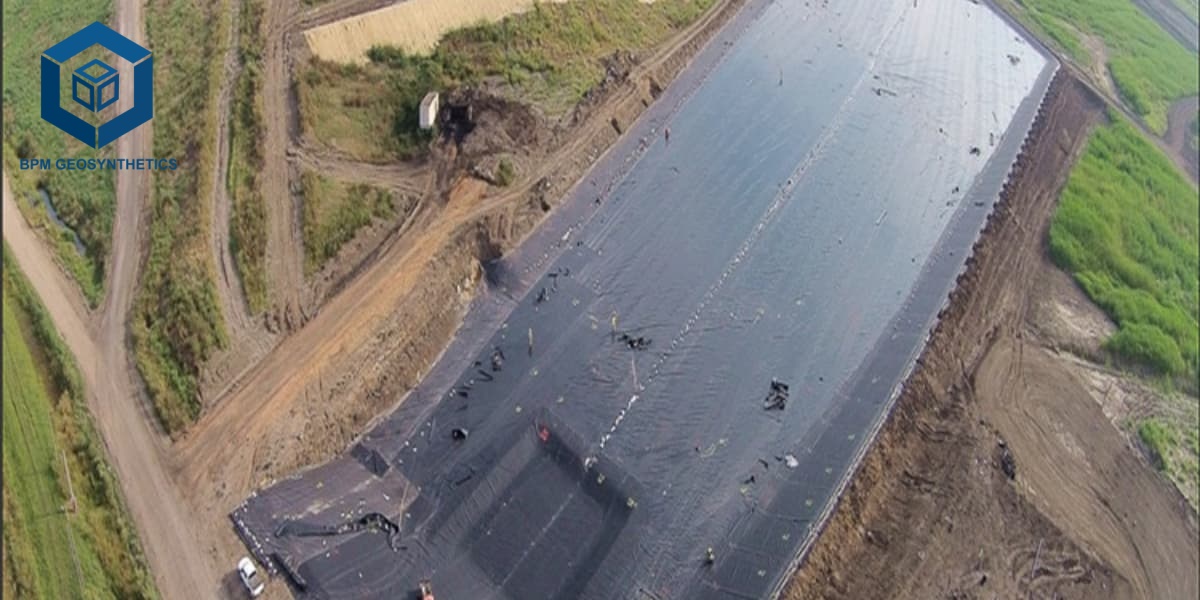
Municipal Solid Waste (MSW) Landfills | 1.5 – 2.0 mm | 60 – 80 mil | Heavy overburden load; leachate containment (GRI-GM13 standard). |
Mining Tailings Storage Facilities (TSF) | 2.0 – 2.5 mm | 80 – 100 mil | High dynamic loading; severe point-load punctures from coarse tailings. |
Heap Leach Pads (Mining) | 2.0 – 3.0 mm | 80 – 120 mil | Massive ore heap weights; continuous chemical agitation; high friction requirements. |
- Selection Disclaimer: These recommendations serve as general engineering benchmarks. Final specification must be determined by a qualified geotechnical engineer considering subgrade prepare-quality, hydraulic head, chemical concentration, thermal exposure, and regional environmental regulations.
2.2 Thicker HDPE Liner Thickness is Not Always the Most Cost-Effective Choice
Upgrading from 1.5 mm (60 mil) to 2.0 mm (80 mil) increases nominal material mass by 33%, which directly increases material purchasing costs and freight logistics. Financial & Operational Trade-offs:
2.2.1 Material Cost vs. Total Project Budget:
Raw resin constitutes the primary cost of geomembranes. Selecting an over-designed thickness inflates initial procurement without yielding proportional benefits if subgrade preparation is already optimal.
2.2.2 Freight & Container Payload Limits:
Thicker liners result in lower total square meters per shipping container due to weight limitations, increasing freight per square meter.
2.2.3 Deployment Logistics:
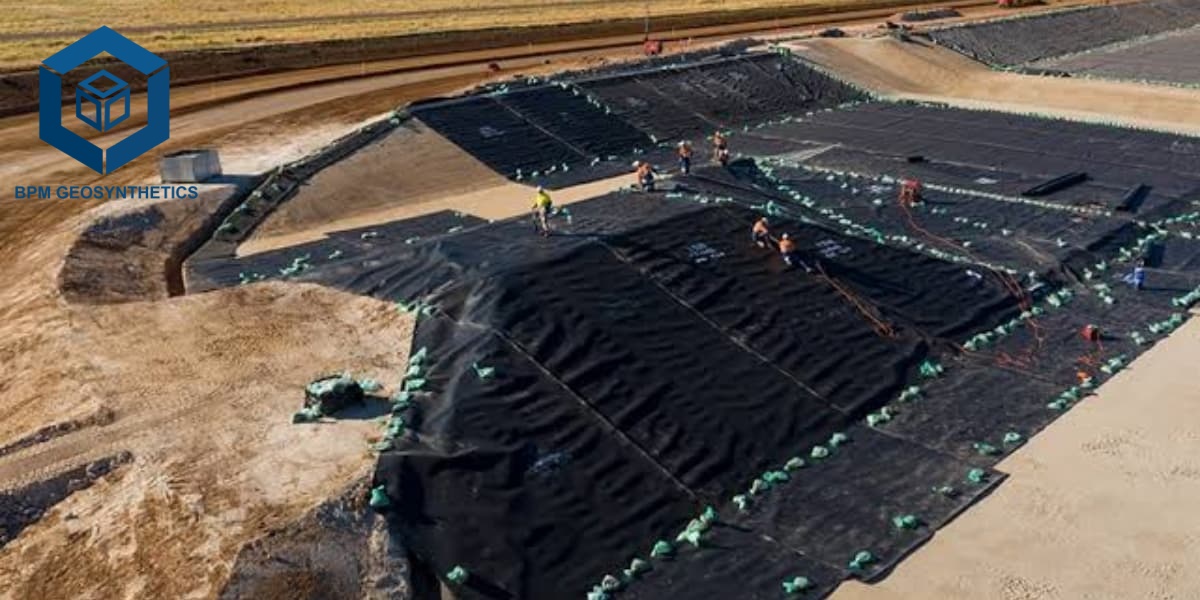
Heavy hdpe membrane rolls (e.g., 2.0 mm – 3.0 mm) require specialized heavy machinery (excavators with spreader bars, heavy-duty unrollers) and larger installation crews.
2.2.4 The "Subgrade vs. Liner Thickness" Balance:
Investing in a continuous geotextile cushion layer (e.g., non-woven 300 g/m² needle-punched geotextile) underneath a 1.5 mm hdpe liner often yields superior puncture protection at a lower total cost than upgrading to an un-cushioned 2mm hdpe liner.
2.3 What to Check Beyond Nominal HDPE Liner Thickness
Relying solely on nominal thickness is a common procurement pitfall. Two sheets with identical nominal 1.5 mm thickness can exhibit vastly different performance based on manufacturing standards and quality control.
2.3.1 Thickness Tolerance (GRI-GM13 Compliance):
Verify that the product complies with GRI-GM13 standards (minimum average thickness within -10% tolerance, zero individual readings below acceptable thresholds). Low-cost suppliers often deliver undersized sheets.
2.3.2 Virgin Polymer vs. Recycled Resin:
100% virgin premium HDPE resin maintains long-term stress crack resistance (NCTL test > 500 hours). Regrind or recycled content drastically lowers environmental stress cracking lifetime despite passing short-term thickness checks.
2.3.3 Carbon Black Content & Dispersion:
Must maintain 2.0% to 3.0% carbon black by weight with Category 1 or 2 dispersion ratings to prevent UV degradation and thermal embrittlement.
2.3.4 Oxidative Induction Time (OIT):
Standard OIT (ASTM D3895 ≥ 100 min) or High-Pressure OIT (ASTM D5885) measures antioxidant package endurance under thermal and chemical exposure.
3. Smooth or Textured HDPE Liner: Does Surface Type Affect HDPE Liner Thickness Selection?
Surface structure alters the functional core thickness and dictates slope stability.
3.1 Smooth HDPE Liner:
Maximize yield tensile strength and ultimate elongation.
Ideal for flat pond bottoms, lagoon floors, and containment structures with mild side slopes (≤ 1:3).
3.2 Textured HDPE Liner (Single or Double-Sided):
Features co-extruded or sprayed textured peaks to increase the interface friction angle between the liner, soil, geotextile, or GCL on steep slopes.
Thickness Measuring Caution: Textured liners feature a core thickness (the solid inner sheet thickness) and a nominal thickness (inclusive of textured peaks). When engineering calculations demand structural tensile performance, always verify the as-manufactured core thickness to ensure cross-sectional load support is not compromised by texturing processes.
4. Custom HDPE Liner Thickness and Roll Specifications from BPM Geosynthetics
BPM Geosynthetics manufactures premium HDPE geomembranes engineered for demanding civil, mining, and environmental projects worldwide.
4.1 Manufacturing Capabilities & Options
- Thickness Range: 0.2 mm to 3.0 mm (8 mil to 120 mil).
- Maximum Roll Width: Up to 8.0 meters (26.2 ft) — reduces field seams by up to 30%, lowering installation time and leakage risk.
- Surface Profiles: Smooth, Single-Sided Textured, and Double-Sided Textured co-extruded sheets.
- Color Customization: Standard Black, White-Top (UV/Thermal heat-reflective surface), Green, Blue, and Custom dual-color co-extrusions.
- Production Infrastructure: 12 automated high-capacity blow-molding and flat-die extrusion production lines operating under ISO9001, ISO14001, and ISO45001 certifications.
- Quality Verification: Full internal QA/QC laboratory testing every master roll for thickness uniformity, density, carbon black content, tensile properties, and OIT values in accordance with GRI-GM13 and ASTM standards.
5. HDPE Liner Thickness Frequently Asked Questions (FAQ)
Q1: What is the standard thickness of an HDPE liner?
There is no single global "standard," but 1.5 mm (60 mil) is widely recognized as the industry standard baseline for environmental containment, municipal solid waste landfills, and industrial ponds under GRI-GM13 guidelines. For light water storage, 1.0 mm (40 mil) is commonly used.
Q2: Is 1.5 mm HDPE liner thick enough for a pond?
Yes, a 1.5 mm (60 mil) HDPE liner is sufficient for most agricultural reservoirs, industrial retention ponds, and aquaculture projects. However, if the subgrade contains sharp rock outcroppings, angular gravel, or if heavy maintenance machinery operates inside the basin, specify a non-woven geotextile underlayment cushion or increase liner thickness to 2.0 mm.
Q3: What is the difference between 1.5 mm and 2.0 mm HDPE liner?
- Mechanical Strength: A 2.0 mm liner offers approximately 33% higher yield strength, break strength, and puncture resistance than a 1.5 mm liner.
- Field Installation: 2.0 mm sheet is stiffer, requiring heavier handling equipment, but it provides a wider thermal welding margin on site.
- Cost Structure: 2.0 mm increases raw material weight and freight costs by ~33%.
Q4: How many mils is a 2 mm HDPE liner?
A 2.0 mm HDPE liner equals 80 mil (or 0.080 inches).
Q5: Does a thicker HDPE liner provide better puncture resistance?
Yes. Puncture resistance increases with thickness. However, puncture resistance can also be significantly upgraded by pairing a thinner liner (e.g., 1.5 mm) with a non-woven geotextile cushion, which redistributes point loads more cost-effectively than simply increasing geomembrane thickness.
Q6: How do I choose the right HDPE liner thickness for mining projects?
Mining applications (such as heap leach pads and tailings storage facilities) face high overburden pressures and chemical exposure (such as cyanide or acidic solutions). Minimum industry standards call for 2.0 mm (80 mil) to 3.0 mm (120 mil) textured HDPE geomembranes to handle high friction requirements, heavy ore loads, and severe point-load stresses.
Q7: Can BPM manufacture custom HDPE liner thickness?
Yes. BPM produces custom thickness specifications ranging from 0.2 mm to 3.0 mm, custom roll lengths (to minimize job-site scrap), specialized roll widths up to 8 meters, and custom surface texturing or color combinations.
Q8: How can I verify the actual thickness of an HDPE liner upon delivery?
Perform site quality assurance using a calibrated micrometer or ultrasonic thickness gauge according to ASTM D5199 (for smooth liners) or ASTM D5994 (for textured liners). Take 10 individual measurements evenly across the roll width. Verify that the average meets the nominal specification and that no single measurement falls below the minimum allowable tolerance specified by GRI-GM13 (-10%).
Conclusion: Optimizing Your Engineering Selection
Choosing the right HDPE liner thickness is a balance of mechanical demand, subgrade condition, and budget efficiency. At The Best Project Material Co., Ltd. (BPM Geosynthetics), we manufacture full-range geomembranes from 0.2 mm to 3.0 mm (8 to 120 mil) in strict accordance with GRI-GM13 standards. Whether you are designing an agricultural reservoir, an industrial wastewater lagoon, or a severe-duty mining heap leach pad, our technical team is ready to help you select the precise thickness, surface profile, and roll dimensions for your job site. Contact BPM Geosynthetics today to request custom technical datasheets, project case studies, or free product samples.