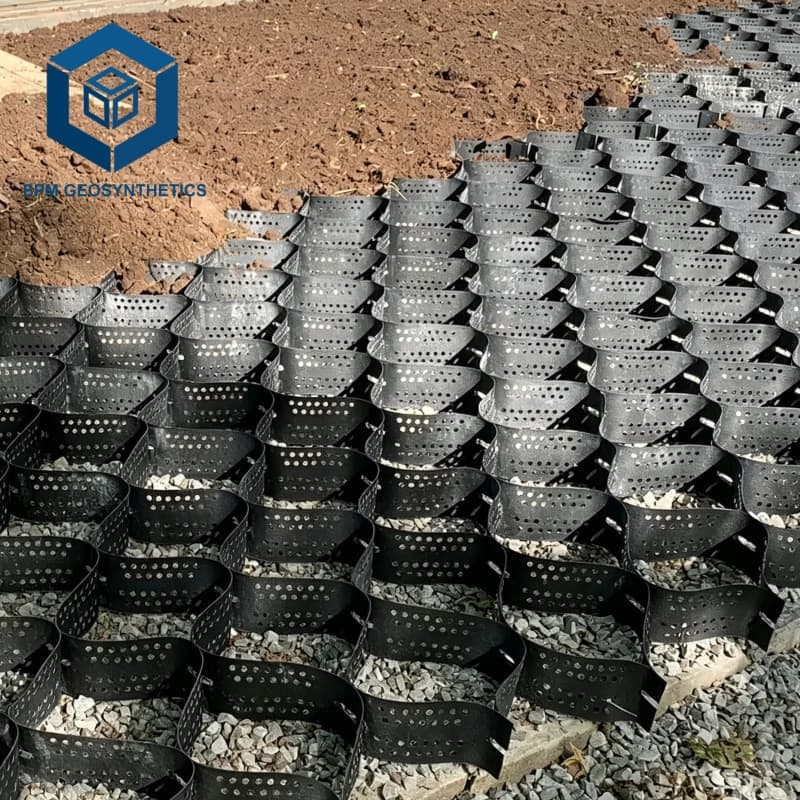
Geocell Grid for Slope Protection
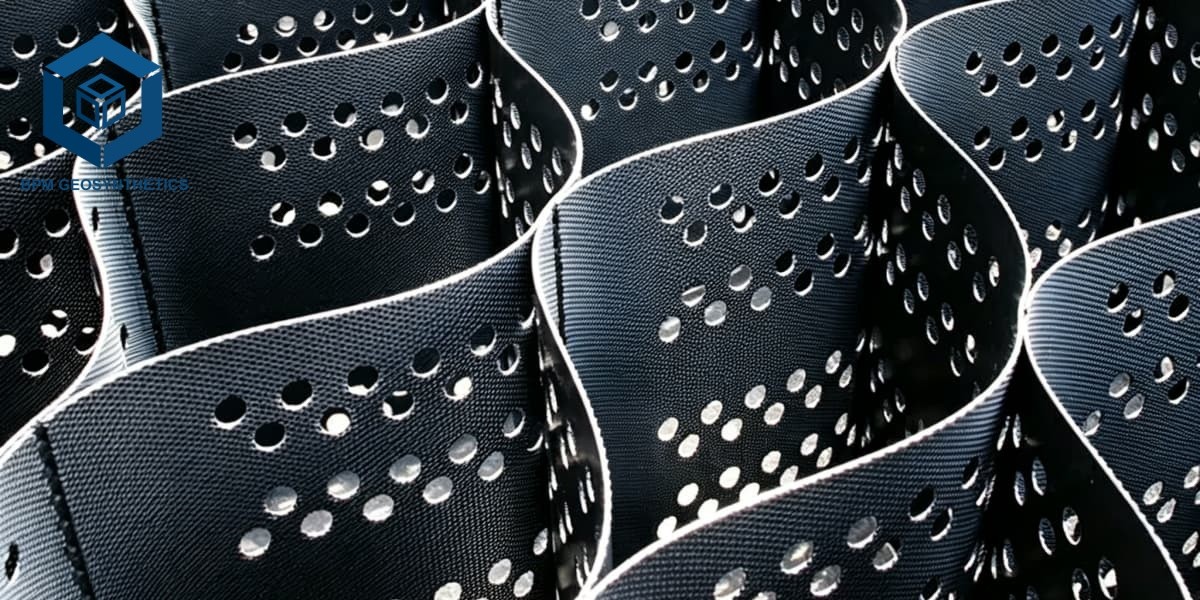
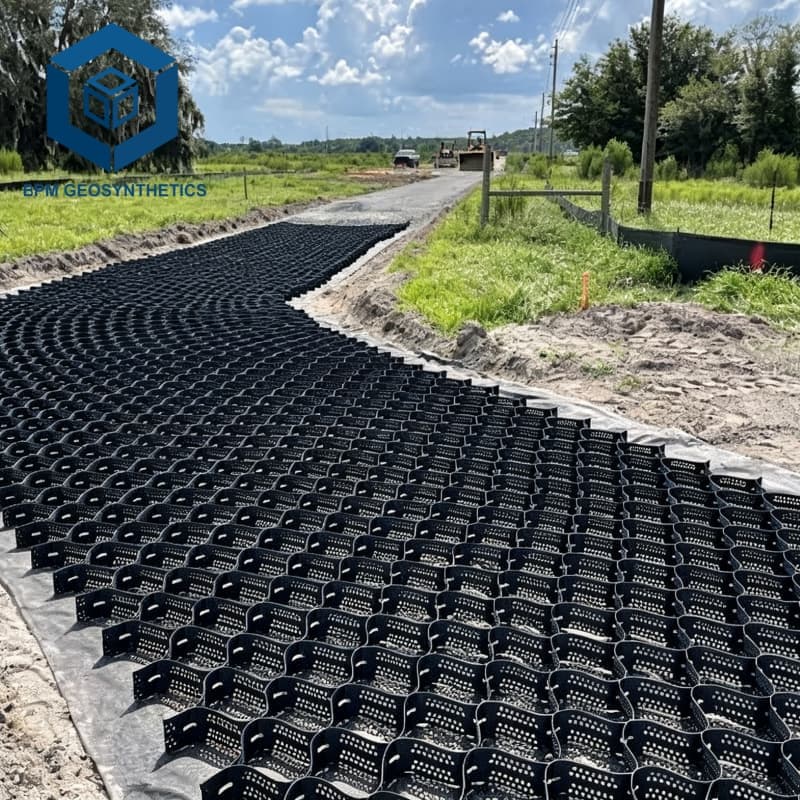
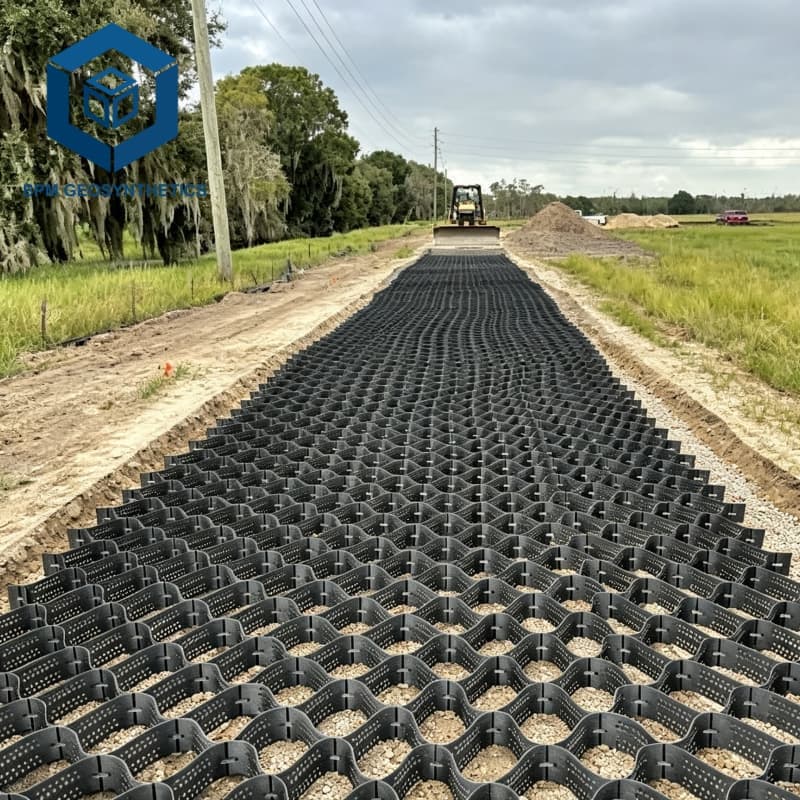
Geocell Grid for Slope Protection is an HDPE honeycomb confinement system designed to stabilize slope surfaces and reduce soil erosion. Its 3D cellular structure confines soil, gravel, or concrete, providing flexible and durable protection for slopes, embankments, riverbanks, and other erosion-prone areas.
- 3D Honeycomb Structure: Creates individual cells to confine and stabilize filling materials.
- HDPE Material: Offers good chemical resistance, water resistance, and outdoor durability.
- Effective Erosion Control: Helps reduce soil loss caused by rainfall and surface runoff.
- Multiple Filling Options: Compatible with soil, sand, gravel, crushed stone, and concrete.
- Flexible Slope Adaptation: Expands to fit different slope shapes and project layouts.
- Customizable Specifications: Available with different cell heights, cell sizes, sheet thicknesses, and welding distances.
- Easy Transportation and Installation: Foldable panels are convenient to transport, expand, anchor, and fill.
- Wide Engineering Applications: Used for highway embankments, riverbanks, reservoirs, mining slopes, railway slopes, and landscape protection.
1. Understanding the Structure and Performance of Geocell Grid for Slope Protection
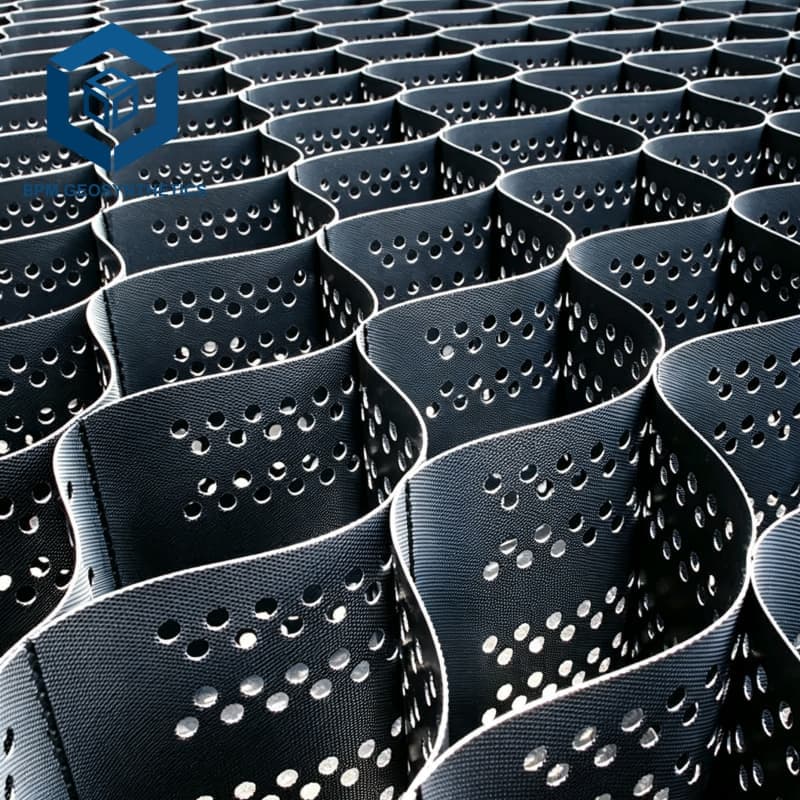
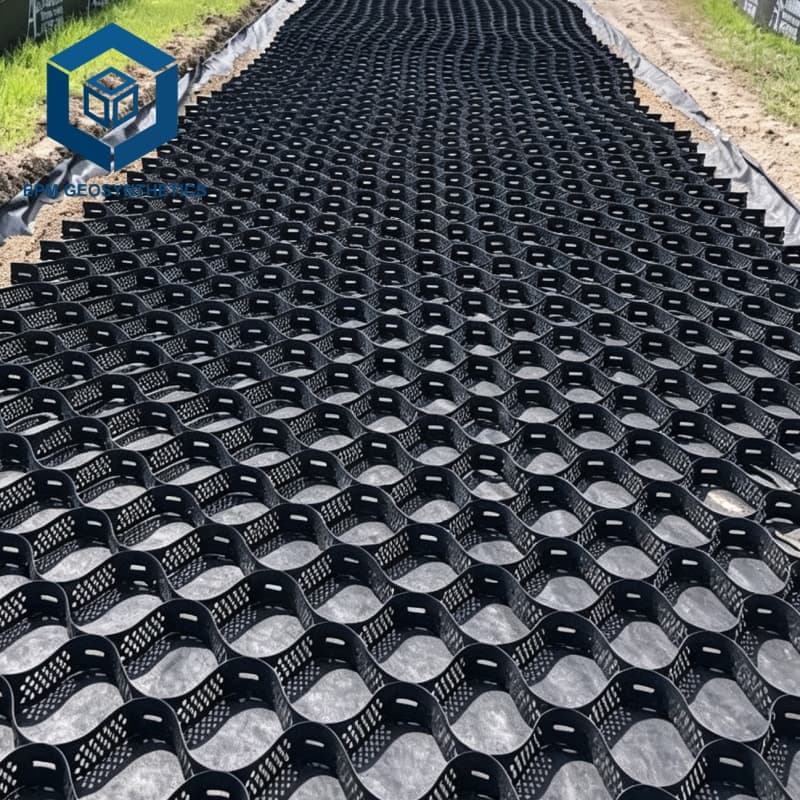
Geocell Grid for Slope Protection is a three-dimensional cellular confinement system engineered from high-density polyethylene (HDPE) strips ultrasonic-welded into a flexible honeycomb arrangement. When expanded on a slope, this 3D structure creates a continuous matrix of interconnected cells. Each individual cell acts as a micro-retaining structure that encapsulates and confines infill materials such as topsoil, aggregate, gravel, crushed stone, or concrete.
Unlike traditional two-dimensional planar materials (like geotextiles or geogrids), the core mechanism of a geocell is cell-wall lateral confinement. By restricting the lateral movement of loose infill under gravitational forces and rainfall, it creates a unified, stable protective layer across the slope face. Integrated with appropriate anchoring pins, non-woven geotextile underlays, effective drainage, and vegetation establishment, Geocell Slope Protection provides continuous erosion control and surface stabilization for demanding civil engineering applications.
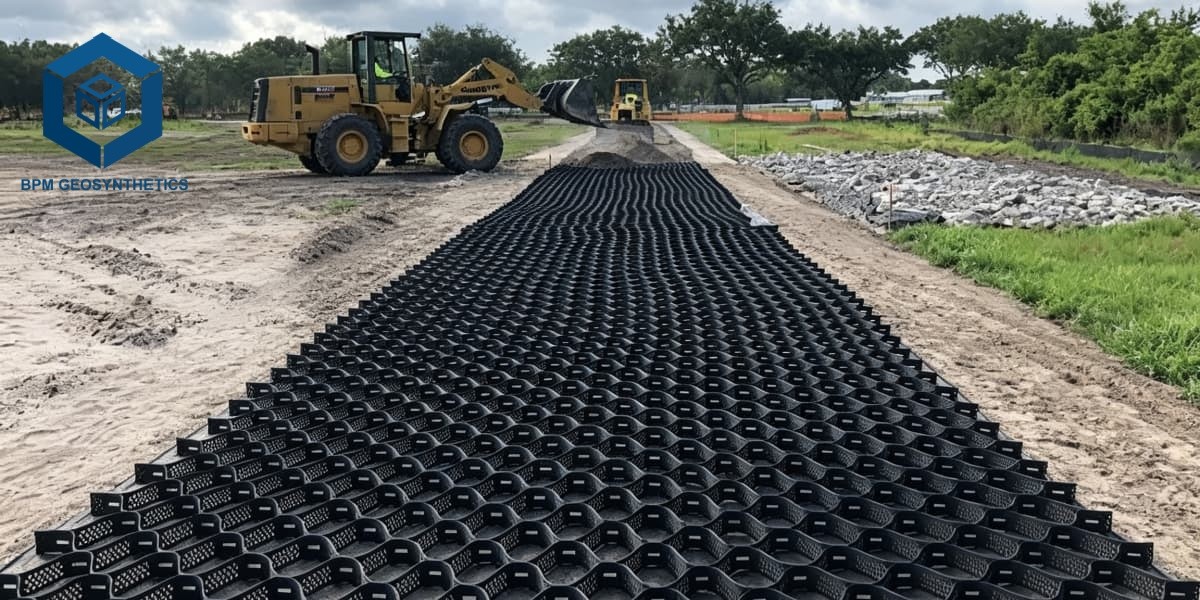
2. How Geocell Grid for Slope Protection Provides Effective Slope Stabilization?
Unprotected slopes frequently suffer from structural degradation caused by environmental forces and geotechnical instability. Geocell for slope protection technology directly addresses these common engineering challenges through distinct structural mechanisms:
2.1 Rainfall Erosion & Washout:
Torrential rain creates surface runoff that rapidly strips away unconfined topsoil. Geocell cell walls interrupt runoff channels, absorb hydraulic energy, and lock the soil matrix inside the honeycomb structure to prevent surface erosion.
2.2 Surface Soil Sloughing & Mass Movement:
On sloped terrains, gravity induces shear stresses that cause shallow soil layers to slide downward. Geocell solutions lateral confinement increases the apparent cohesion of the infill layer, preventing downhill displacement of soil masses.
2.3 Loss of Vegetation & Seed Scour:
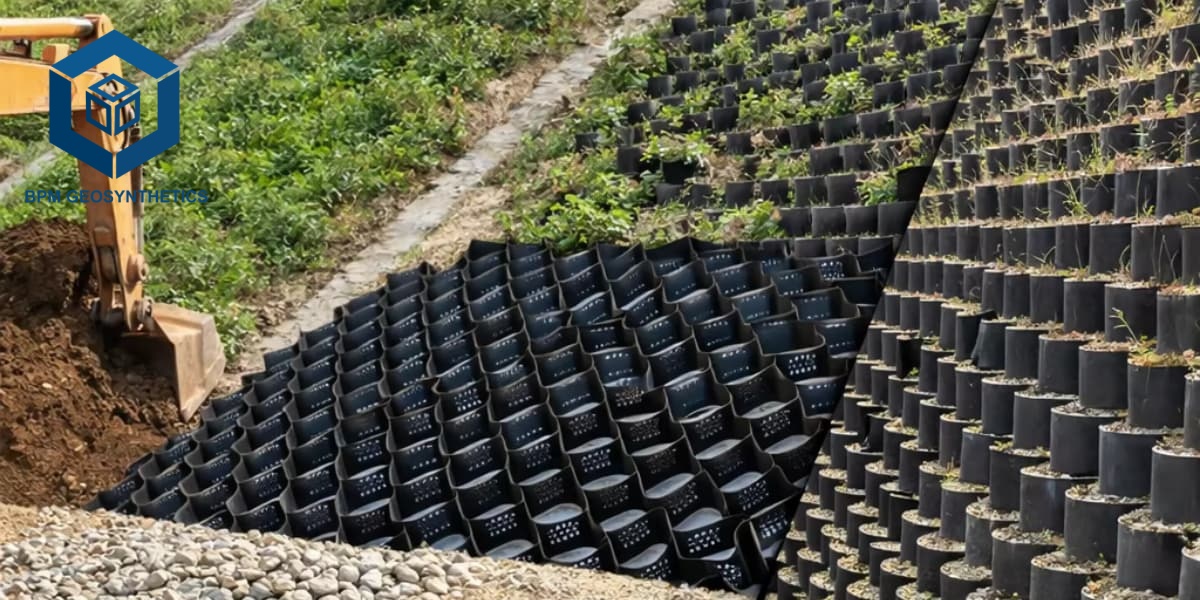
Establishing vegetation on bare slopes is difficult when seeds and young root systems are repeatedly washed away. Geocell HDPE holds moisture, traps topsoil, and shields root systems, allowing roots to anchor through perforated cell walls for long-term ecological stabilization.
2.4 Gravel Displacement & Downhill Migration:
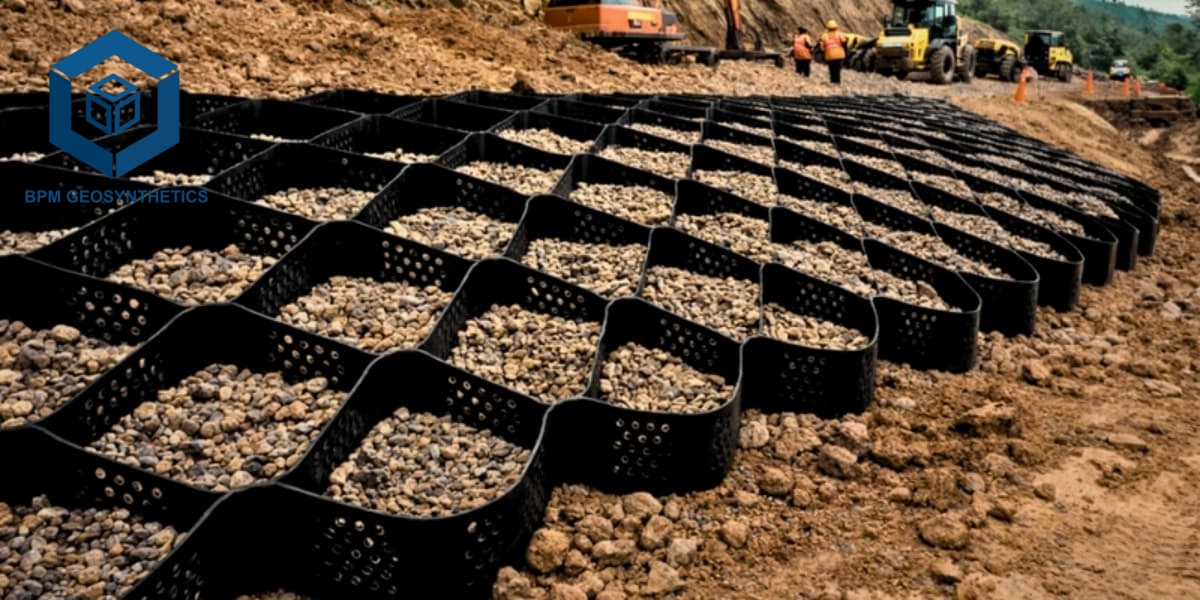
Unconfined gravel or aggregate infill easily shifts under gravity or surface runoff. By locking aggregates within rigid cell walls, Geo geocell forms a stable armor layer that eliminates gravel migration toward the slope toe.
2.5 Complex Topography Adaptation:
Earth slopes rarely feature perfectly uniform surfaces. The flexible, accordion-like structure of HDPE Geocell conforms closely to irregular terrain contours, ensuring full contact with the subgrade and preventing voids beneath the system.
3. Key Selling Points of BPM Geocell Grid for Slope Protection
3.1 Three-Dimensional Cellular Confinement System
Unlike flat geogrids that rely solely on tensile reinforcement, BPM Geocell provides 3D volumetric containment. The geocell slope erosion control walls surround infill materials 360 degrees, distributing vertical surface loads laterally across neighboring cells and minimizing localized stress concentrations.
3.2 Premium High-Density Polyethylene (HDPE) Material
Manufactured from 100% virgin high-density polyethylene resin, BPM Geocell exhibits exceptional resistance to UV exposure, environmental stress cracking, soil chemicals, biological decay, and extreme temperature fluctuations (-40°C to +80°C), making it suitable for harsh outdoor conditions.
3.3 Flexible & Dynamic Slope Adaptation
The interconnected cell web easily flexes without compromising structural integrity. This flexibility allows the system to absorb minor ground movements, differential settlements, and seismic vibrations while staying securely anchored to the subgrade.
3.4 Versatile Infill Compatibility
BPM geocell shop supports a wide variety of infill materials to meet distinct engineering requirements:
- Vegetated Soil: For eco-friendly slope protection, green embankments, and landscape integration.
- Aggregate & Gravel: For moderate hydraulic shear stress, dry channels, and maintenance access.
- Concrete: For high-velocity channels, heavy hydro-structure protection, and severe erosion environments.
3.5 Customizable Structural Specifications
BPM provides flexible manufacturing options tailored to your project’s slope angle, load requirements, and hydraulic conditions. Parameters such as cell height, welding distance (cell size), sheet thickness, and surface perforation pattern can be customized.
3.6 Efficient Logistics & Rapid Installation
Shipped compact in collapsed, folded bundles, BPM cellular confinement systems optimizes container loading and transport costs. Onsite installation is straightforward: simply stretch the bundle out, anchor it in place, and fill the cells using conventional earthmoving equipment.
4. Geocell Grid for Slope Protection Specifications
Selecting the proper specifications depends on slope geometry, soil conditions, infill type, and hydraulic exposure.
Specification Item | Standard Parameter Options | Engineering Impact & Selection Note |
Material | High-Density Polyethylene (HDPE) | Determines chemical, UV, and long-term durability |
Cell Height (mm) | 50mm, 75mm, 100mm, 150mm, 200mm | Dictates infill layer thickness and confinement capacity |
Welding Distance (mm) | 330mm, 400mm, 445mm, 500mm, 660mm | Controls expanded cell opening dimensions and density |
Sheet Thickness (mm) | 1.1mm, 1.2mm, 1.5mm, 1.8mm (Smooth / Textured) | Determines cell wall tensile strength and puncture resistance |
Surface Finish | Smooth, Textured, Perforated | Textured/perforated walls enhance friction and facilitate drainage |
Seam Peel Strength | ≥100 N/cm to ≥142 N/cm | Ensures weld integrity under infill and service loading |
Tensile Strength at Yield | ≥20 MPa to ≥26 MPa | Helps prevent structural tearing under mechanical stress |
Color | Black (Standard carbon black), Green, Tan | Carbon black content (≥2%) provides UV protection |
Panel Size (Expanded) | Customized (e.g., 2.56m × 6.0m, 3m × 10m) | Fits site dimensions to minimize cutting waste and overlapping |
4.1 Geocell Grid for Slope Protection Crucial Selection Parameters Explained
4.1.1 Cell Height:
Higher cell heights (150mm–200mm) provide greater flexural rigidity and hold thicker infill layers required for steeper slopes or heavy hydraulic forces. Shorter cell heights (50mm–75mm) are suited for mild slopes and surface soil retention.
4.1.2 Cell Size (Welding Distance):
Smaller welding distances (e.g., 330mm or 400mm) produce smaller individual cells, offering higher lateral restraint for finer soils and steep angles. Larger welding distances (e.g., 660mm) suit coarse gravel or mild slope vegetated applications.
4.1.3 Perforations:
Perforated cell walls promote lateral drainage between cells, reducing pore water pressure accumulation behind the slope face while encouraging cross-rooting of plants.
5. Choosing the Right Geocell Grid for Slope Protection Based on Slope Conditions
Selecting the right Geocell configuration requires matching cell dimensions, infill materials, and anchoring methods with the actual slope conditions and project requirements.
5.1 Gentle Slopes (≤ 1:2 or < 26°)
- Target Issue: Surface rainfall erosion, soil washout, and poor vegetation coverage.
- Recommended Specs: Cell Height: 50–75mm; Welding Distance: 400–500mm; Perforated or Textured HDPE.
- Infill Option: Local topsoil mixed with grass seeds or hydroseeding.
- Design Focus: Improve surface soil retention, support vegetation growth, and provide cost-effective erosion protection.
5.2 Moderate Slopes (1:2 to 1:1.5 or 26°–33°)
- Target Issue: Moderate water flow, surface soil movement, and localized runoff erosion.
- Recommended Specs: Cell Height: 100–150mm; Welding Distance: 400–445mm; Perforated HDPE.
- Infill Option: Topsoil with hydroseeding, crushed aggregate, or gravel-soil mixtures.
- Design Focus: Balance lateral confinement and surface drainage. Engineered J-hook anchoring may be required.
5.3 Steep Slopes (1:1.5 to 1:1 or 33°–45°)
- Target Issue: Higher gravity loading, surface shear stress, downhill soil movement, and severe erosion.
- Recommended Specs: Cell Height: 150–200mm; Welding Distance: 330–400mm; High-strength perforated HDPE.
- Infill Option: Crushed rock, coarse aggregate, or cellular concrete.
- Design Focus: Prioritize high seam strength, heavy-duty steel J-pin or tendon anchoring, nonwoven geotextile underlayment, and stable slope toe foundations.
5.4 Heavy-Duty and Hydro-Engineering Slope Protection (> 45° or High-Velocity Water Channels)
- Target Issue: High-velocity water flow, continuous wave action, and unstable subgrade conditions.
- Recommended Specs: Cell Height: 150–200mm; Welding Distance: 330–400mm; Heavy-duty smooth or textured HDPE.
- Infill Option: Ready-mix concrete or mortar.
- Design Focus: Develop a continuous cellular concrete protection layer to resist hydraulic forces and reduce material displacement. Proper anchoring, drainage, concrete design, and slope stability assessment are essential.
6. Applications of Geocell Grid for Slope Protection
6.1 Highway & Railway Embankment Protection:
Stabilizes steep road cuts and high fill slopes, preventing washouts along transportation corridors and reducing long-term highway maintenance costs.
6.2 Riverbank & Canal Erosion Control:
Protects riverbanks, storm channels, and drainage ditches from water flow erosion and wave scouring using vegetated or aggregate infill.
6.3 Mining & Tailings Slope Stabilization:
Secures high mine waste dumps, leach pad embankments, and overburden slopes against rain-induced slope slides.
6.4 Dam & Reservoir Slope Protection:
Provides persistent erosion protection for reservoir waterlines, spillways, and earth dam faces against wave splash and drawdown forces.
6.5 Landscape & Ecological Slope Reinforcement:
Integrates soil retention with green vegetation for parks, residential hillside developments, and commercial landscape slopes.
6.6 Bridge Abutment & Retaining Wall Slopes:
Stabilizes soil at steep bridge approaches, wing walls, and retaining wall slope transitions to eliminate erosion beneath structural foundations.
7. What Buyers Should Know Before Purchasing Geocell Grid for Slope Protection
7.1 What is the optimal Geocell height for my slope project?
Cell height selection depends on slope angle, infill type, and hydraulic conditions. Mild slopes (< 26°) typically use 50mm–75mm heights; moderate slopes (26°–33°) require 100mm–150mm heights; steep slopes (> 33°) or concrete-filled projects require 150mm–200mm cell heights. Final selection should follow site geotechnical calculations.
7.2 Which infill material should be chosen?
Topsoil with grass seeding is best for eco-friendly, aesthetic slopes; crushed gravel or aggregate suits dry channels and non-vegetated embankments; poured concrete is recommended for severe water erosion, spillways, and steep hydro-structures.
7.3 Is geotextile underlay mandatory under Geocell?
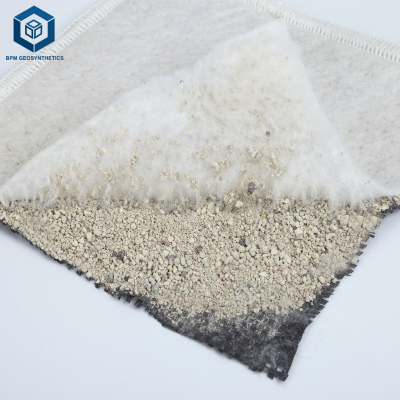
While not strictly mandatory for every soil type, installing a non-woven geotextile underlay is strongly recommended for soft, fine-grained subgrades. It prevents subsoil piping, provides filtration, separates infill from subsoil, and improves overall structural performance.
7.4 Can Geocell be deployed on steep slopes (> 45°)?
Yes. However, steep slope applications require reinforced anchoring designs. This includes high-density J-hook steel rebar patterns, high peel-strength cell welds, and integrated high-tensile polymeric tendons anchored into concrete crest blocks.
7.5 Can BPM customize Geocell specifications?
Yes. BPM manufactures tailored Geocell configurations, including custom cell heights (50mm–200mm), welding distances (330mm–800mm), panel widths and lengths, sheet thicknesses, colors, and perforation designs to meet specific project requirements.
8. Frequently Asked Questions About Geocell Grid for Slope Protection
Q1: How does Geocell Grid for Slope Protection prevent soil erosion?
Geocell creates a three-dimensional honeycomb structure that confines soil and other filling materials within individual cells. This reduces lateral soil movement and helps minimize surface erosion caused by rainfall and runoff.
Q2: What is the difference between smooth and textured Geocell for slope protection?
Smooth Geocell has flat cell walls and is suitable for general soil confinement applications. Textured Geocell provides a rougher surface that improves friction between the cell walls and surrounding infill, making it suitable for applications requiring additional interface resistance.
Q3: Should I choose perforated or non-perforated Geocell for slope protection?
Perforated Geocell allows water to move between adjacent cells and can support drainage and vegetation-related applications. Non-perforated Geocell provides greater separation between cells. The choice depends on soil conditions, drainage requirements, and project design.
Q4: What is the recommended cell size for Geocell slope protection?
Cell size depends on the filling material, slope conditions, and required confinement performance. Smaller openings may be suitable for finer infill, while larger openings can accommodate gravel and coarse aggregate. The final dimensions should follow engineering requirements.
Q5: How is Geocell fixed to a sloped surface?
Geocell is generally secured using steel stakes, J-hooks, rebar pins, or engineered anchoring systems. For steep slopes, additional crest anchors, tendons, and intermediate fixing points may be required according to the slope design.
Q6: Can BPM provide customized Geocell Grid for Slope Protection?
Yes. BPM can customize HDPE Geocell according to project requirements, including cell height, welding distance, sheet thickness, surface finish, perforation pattern, panel dimensions, and packaging.
Q7: What information should I provide when requesting a Geocell quotation?
To receive a suitable quotation, provide the slope dimensions, slope angle, intended application, required cell height, preferred infill material, and estimated purchase quantity. Drawings or project photos can also help BPM recommend suitable specifications.
Q8: Can Geocell Grid for Slope Protection be combined with other geosynthetic materials?
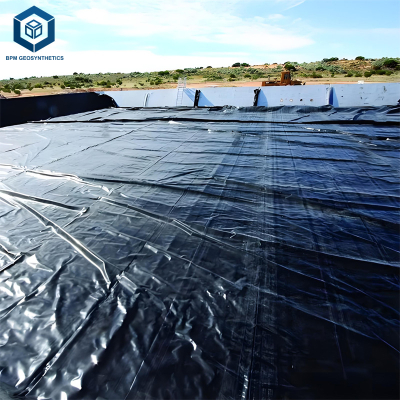
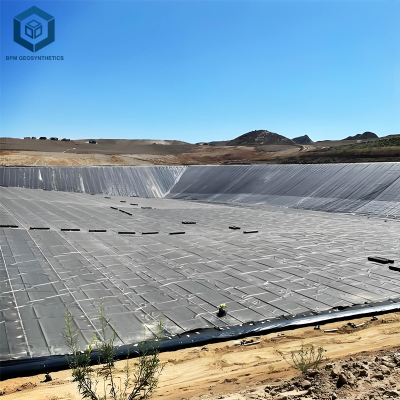
Yes. Geocell can be integrated with non-woven geotextiles, geogrids, geomembranes, and drainage materials where required. The combination depends on whether the project needs filtration, reinforcement, waterproofing, or drainage.
Q9: What factors affect the price of Geocell Grid for Slope Protection?
The main pricing factors include HDPE raw material quality, cell height, sheet thickness, welding distance, surface finish, perforation pattern, panel dimensions, order quantity, and packaging requirements. Customized specifications may affect the final quotation.
Recommended Final Summary for BPM Geosynthetics Geocell Grid for Slope Protection
Partner with BPM Geosynthetics for Reliable Slope Protection Solutions
Choosing the right Geocell Grid is more than just selecting a specification—it is about securing a long-term erosion control solution tailored to your site’s unique slope angle, soil dynamics, hydraulic exposure, and budgetary goals.
At The Best Project Material Co., Ltd. (BPM Geosynthetics), we combine over two decades of geosynthetic manufacturing experience with continuous technology innovation. With 12 fully automated production lines, rigorous quality control from raw material to finished panels, and extensive global project delivery across 100+ countries, BPM stands as your trusted partner for high-performance HDPE Geocell systems.
Whether your project requires vegetated eco-slopes, gravel-stabilized embankments, or heavy-duty concrete channel linings, our engineering team is ready to support you with custom dimensions, technical layout guidance, and cost-effective supply solutions.