Geofabric for Driveway
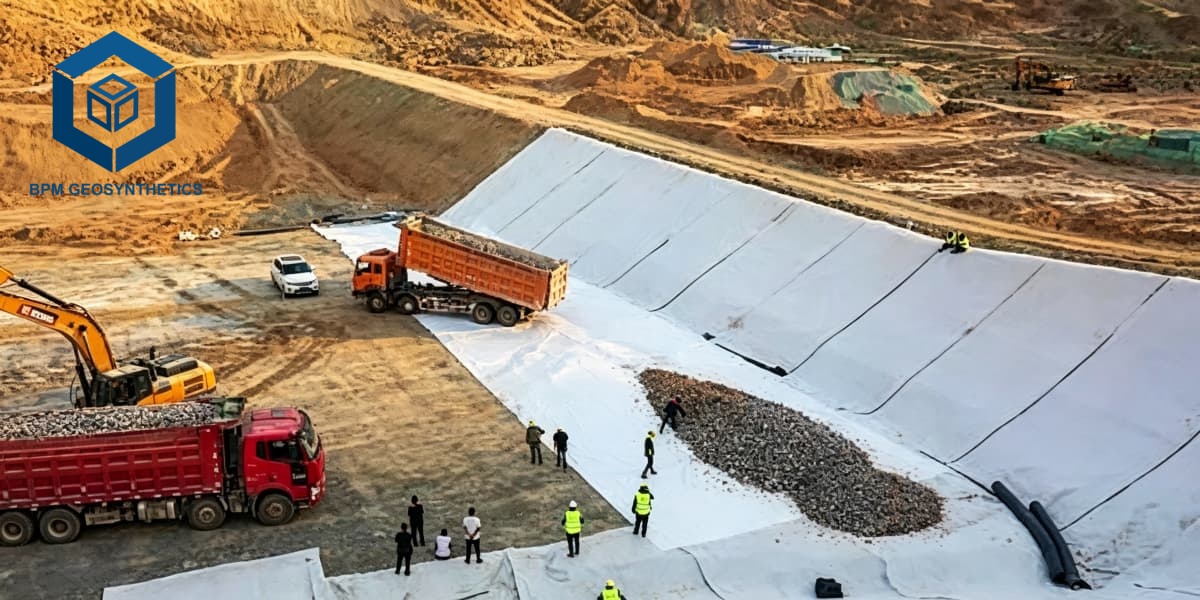
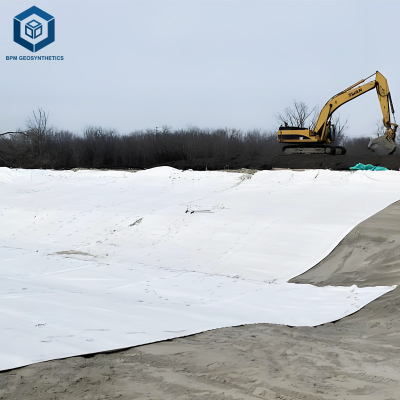
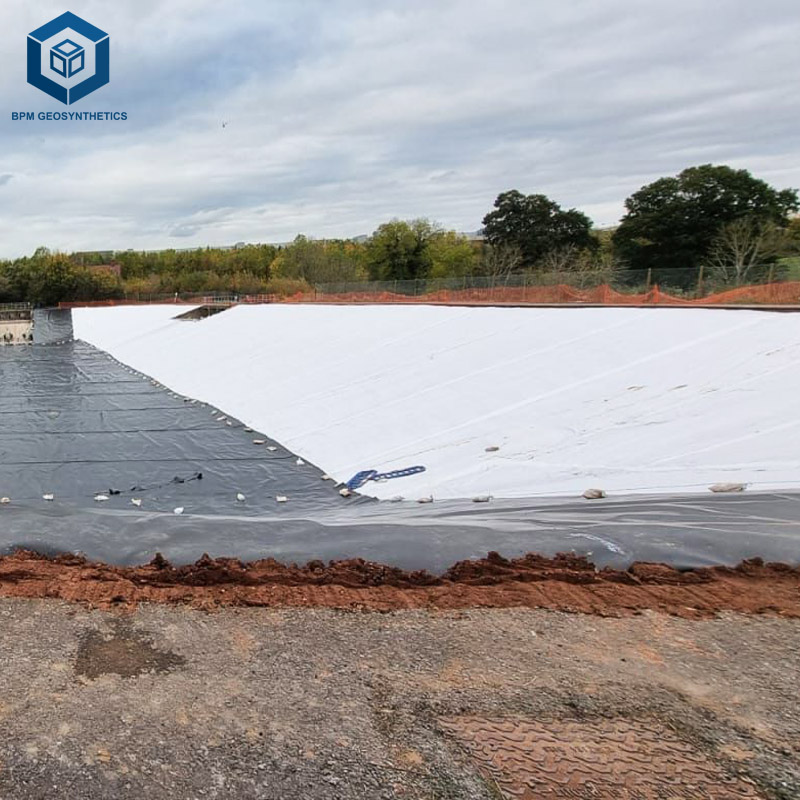
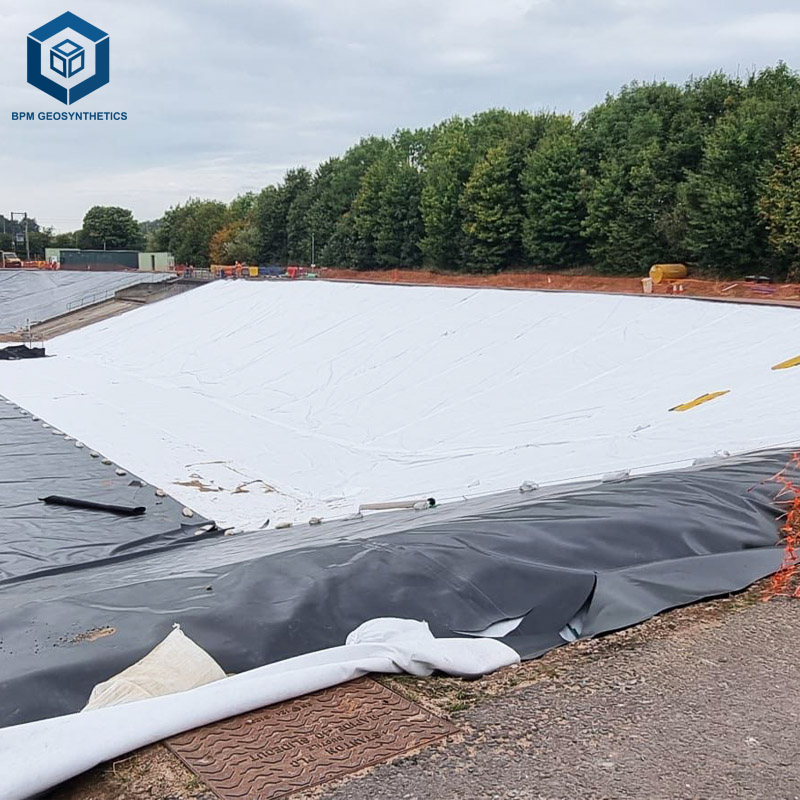
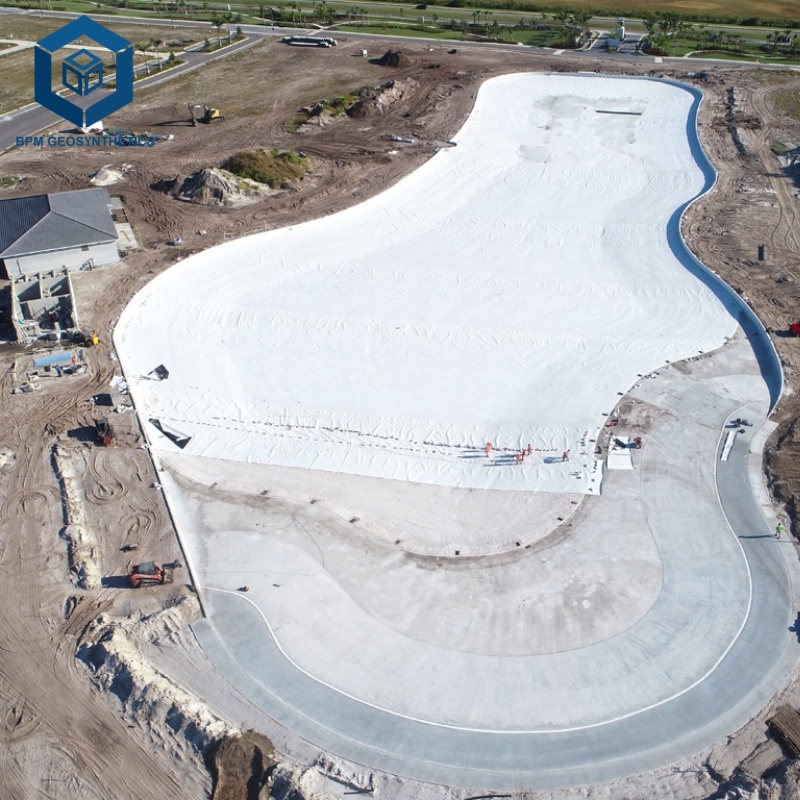
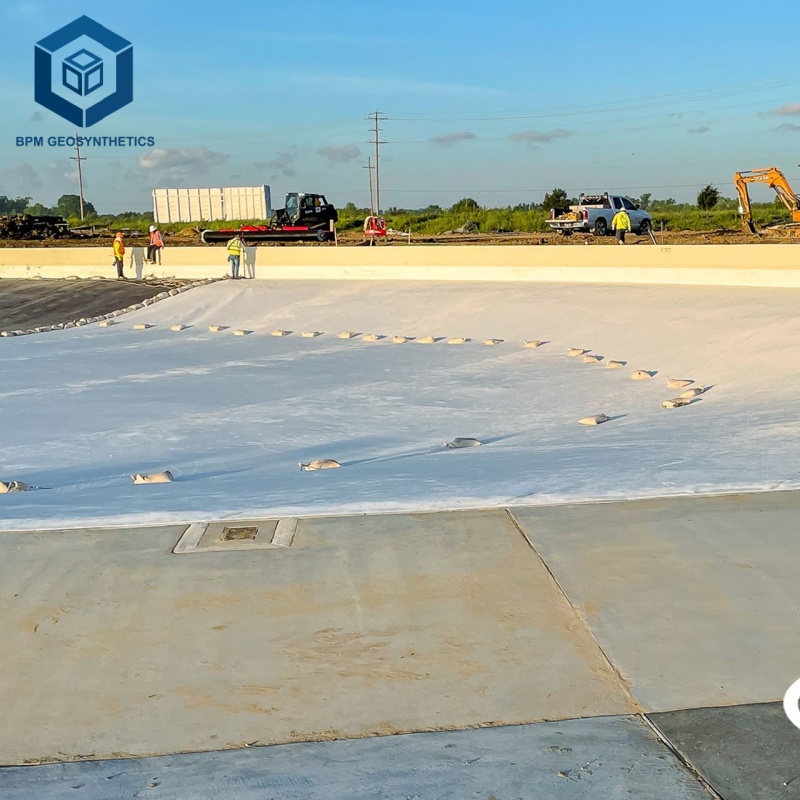
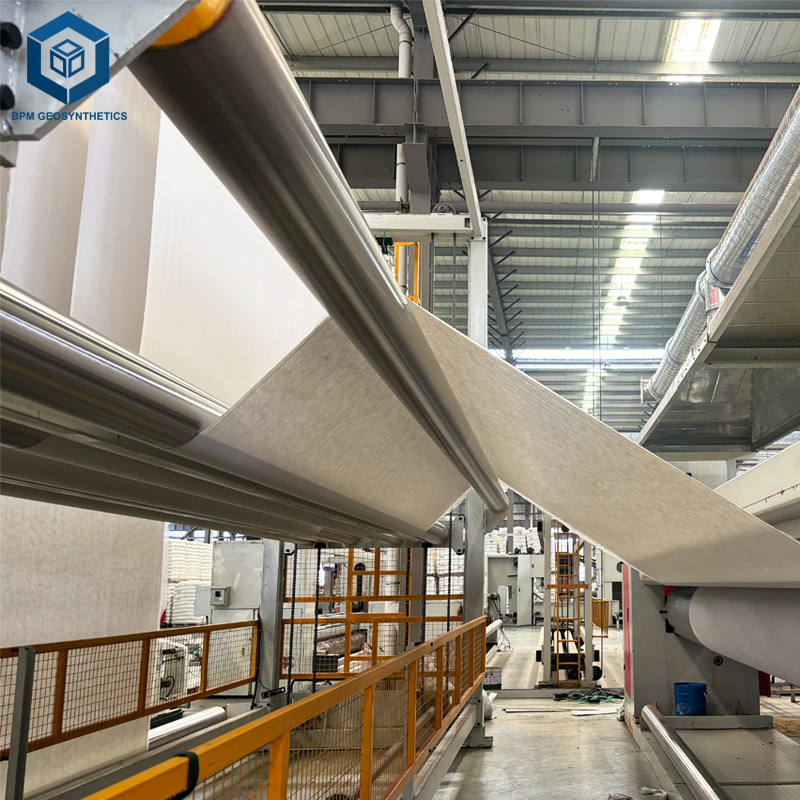
Geofabric for Driveway is a high-strength separation and reinforcement geotextile designed to stabilize ground layers under driveways, gravel roads, and paved surfaces. It helps prevent soil mixing, improves load distribution, and extends the lifespan of your driveway structure.
- Soil Stabilization: Prevents subgrade soil from mixing with gravel or aggregate layers
- High Load Support: Improves load-bearing capacity for vehicles and heavy traffic
- Drainage Efficiency: Allows water to pass through while maintaining soil separation
- Long Service Life: Resistant to rot, UV exposure, and chemical degradation
- Cost-Effective Solution: Reduces maintenance and repair needs over time
- Easy Installation: Lightweight, flexible rolls for fast on-site application
Are You Facing These Driveway Problems?
If your gravel driveway is constantly sinking, rutting, or washing out after rain, you are not alone. These are the most common issues property owners and contractors face:
- Gravel disappears into the soil over time
- Driveway develops deep ruts and uneven surfaces
- Poor drainage leads to mud and standing water
- Frequent re-graveling and maintenance costs
- Heavy vehicles cause ground deformation
- Short lifespan of traditional gravel driveways
These problems usually happen because there is no proper separation and reinforcement layer under the gravel.
Geofabric for Driveway is designed to solve exactly these issues by stabilizing the base layer and extending driveway performance life.
1. Understanding Geofabric for Driveway
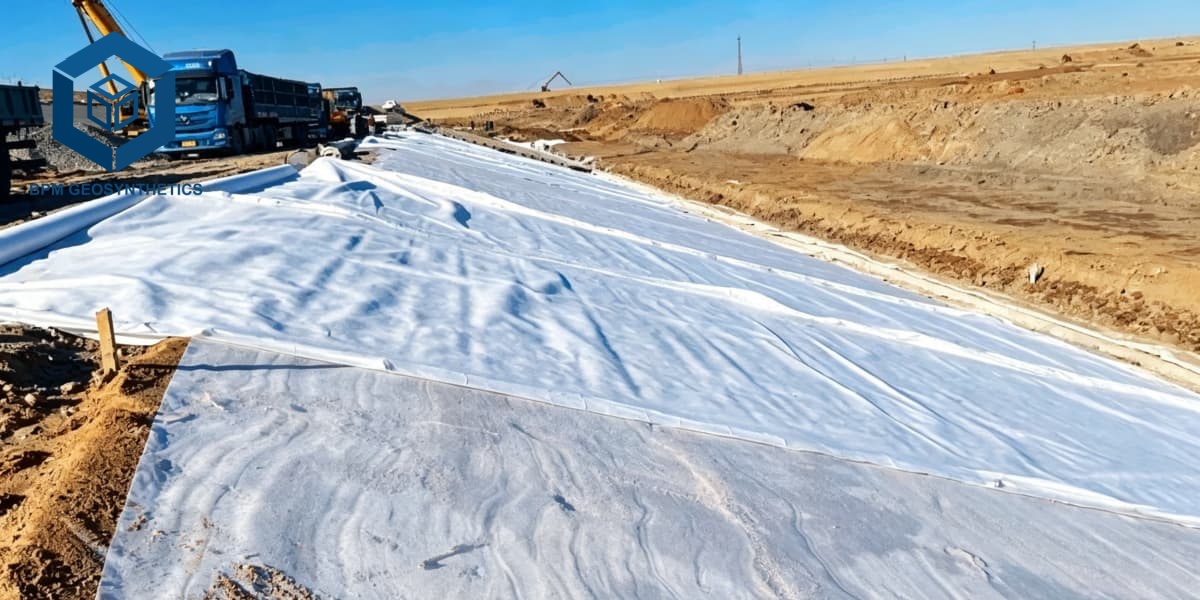
Geofabric for driveway is a high-strength geotextile stabilization fabric installed between the soil subgrade and gravel layer in driveway construction.
It works as a structural reinforcement layer, providing:
- Separation between soil and aggregate
- Load distribution for vehicle traffic
- Filtration and drainage function
- Soil stabilization and erosion control
- Long-term structural support for gravel surfaces
It is widely used in both residential and commercial applications where a stable, durable, and low-maintenance driveway is required.
2. Scope of Application of Geofabric for Driveway
Geofabric for driveway is a versatile material that is often used to stabilize roads and grounds. Its separation, reinforcement, and drainage capabilities are so good that it is highly used for both residential and commercial purposes.
2.1 Residential Gravel Driveways
With the use of geofabric, building a long-lasting and less-maintenance gravel driveway at home becomes much easier for homeowners. By stopping gravel from mixing with the soil, geo fabric under gravel aids in avoiding rutting and effectively distributing the load over the area while keeping the driveway surface stable for vehicle traffic.
2.2 Rural Access Roads
Geofabric would serve as a reliable base for access roads of rural properties and those in remote locations which are exposed to changing weather conditions. Geo fabric for roads improves the stability of the roads, lessens washouts, and keeps the roads running smoothly with fewer maintenance efforts throughout the year.
2.3 Farm and Agricultural Roads
Farm roads can be subjected to very heavy loads as tractors, harvesters, and other types of farm equipment frequently use them. Geo fabric for under driveway gives extra strength to the road base and can keep the soil in place even during wet seasons so that there is constant access to the fields, barns, and storage areas.
2.4 Parking Areas and Car Parks
Geo fabric serves to increase the ground bearing capacity and prevent aggregate loss in parking lots and vehicle storage areas, especially if they are temporary. It can also keep the surface smooth and stable under constant vehicle movement and load from parking.
2.5 Construction Site Access Roads
A site for construction that has access roads that can handle the weight of heavy machines and the many trucks going to and fro is what is most wanted. Geo fabric material can make weak subgrades stronger and give them less mud formation. Therefore a safer and more reliable surface for working all through the project gets provided.
2.6 Industrial Yards and Logistics Areas
Since the traffic from forklifts, trailers, and heavy-duty trucks goes on almost continuously in industrial facilities and logistics centers, geo fabric for driveway is a very effective way to enhance ground stability, evenly distribute loads, and help prevent surface failures that can be quite costly.
2.7 Temporary Heavy Equipment Roads
Non woven geo fabric has turned out to be an affordable way to make road and equipment access paths for a mining project, a wind farm, installation of a pipeline, or any other temporary works. Apart from ground improvement, the installation and removal process is also very quick through this product.
Whether it is a residential driveway or a heavy-duty industrial road, the use of geofabric will greatly enhance ground stability, increase the lifespan of the surface, and decrease the need for maintenance over time.
3. Common Reasons Why Gravel Driveways Fail Without Geofabric
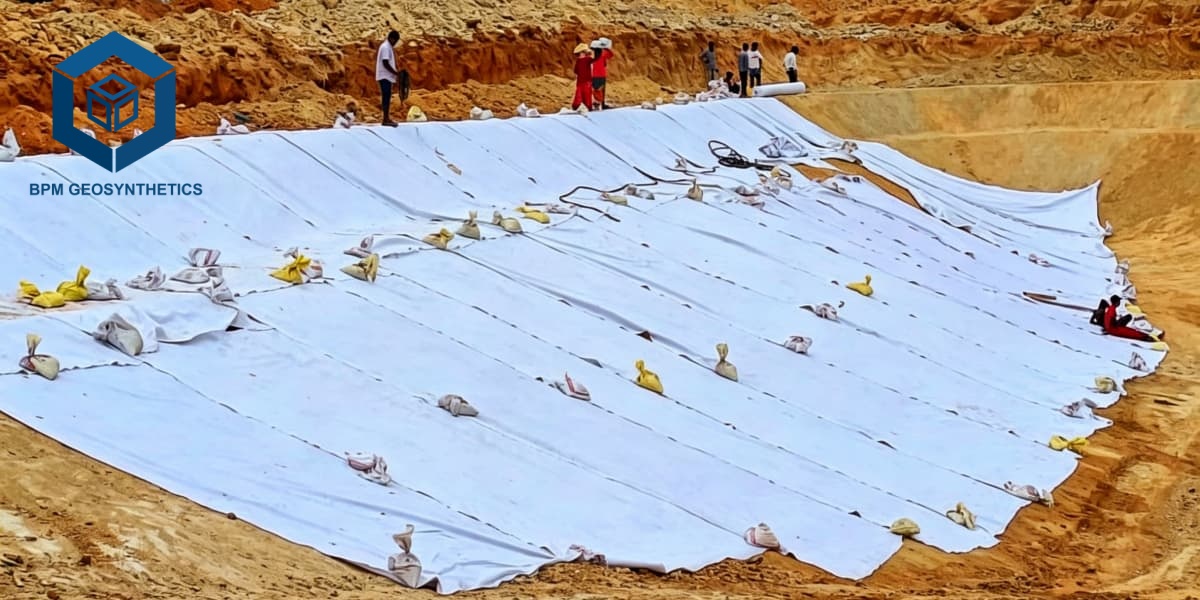
You may get a gravel driveway that looks solid right after it has been finished, but if it does not have a stabilizing layer underneath, its condition will get worse very fast. The combination of soil movement, water infiltration, and vehicle loads will gradually make the structure weak, and as a result, expensive repairs and frequent maintenance will be needed. If geo fabric under gravel is installed, a stable foundation will be created, which will help avoid the occurrence of these typical problems.
3.1 Problems of Gravel Driveways Without Geofabric
3.1.1 Gravel Mixes Into Soft Soil
If a separating layer is not used, the gravel will gradually get pushed down into the soil below when vehicles are driving over it.
3.1.2 Base Layer Becomes Unstable
The mixing of soil and aggregate results in loss of structural integrity in the road base. Over time, the foundation gains weakness, which in turn will cause the driveway to be deformed and settled.
3.1.3 Water Weakens the Subgrade Structure
Rainwater can penetrate the surface gravel layer and make the subsoil soft. Once a soil is saturated, it loses its strength, which means the road surface will get muddy, unstable, and not so easy to walk or drive on when it is wet.
3.1.4 Deep Ruts Form Under Vehicle Pressure
Every time a vehicle goes by and the ground is not strong enough, the power of the vehicle is concentrated in a small area. Eventually, the tires will create deep grooves and holes in the road surface which won't only make the ride unpleasant but also unsafe.
3.1.5 Frequent Maintenance Is Required
Because gravel is gradually taken away, the road is affected by the formation of ridges and at the same time erosion is happening, the owner will have to keep adding fresh gravel and grading the surface. These actions will lead to an increase in the costs of repairs and maintenance in the long run.
3.1.6 Uneven and Unsafe Driveway Surface
A shaky driveway might end up with broken spots, washed away areas, and differences in levels. Not only that, the look of the driveway would be affected but also it might result in a dangerous situation for vehicles and people.
3.2 Benefits of Installing Geofabric for Driveway
3.2.1 Permanent Separation Between Soil and Gravel
With it, geo fabric for under driveway prevents the subgrade and aggregate from mixing. It manages to keep the thickness and the property of the gravel base unchanged over time.
3.2.2 Improved Structural Stability
Through the use of geo fabric non woven, the base of the driveway remains undamaged and long-lasting. Thus, it forms a strong foundation that can bear heavy traffic loads for many years.
3.2.3 Even Load Distribution
Thanks to geo fabric textile, the pressure from vehicles can be distributed over quite a big area, which means the soil underneath the driveway will suffer less stress. This helps to prevent the ground from sinking and the formation of ruts.
3.2.4 Efficient Drainage and Erosion Control
Geo fabric under pavers works as a filter as it stops soil particles from being washed away while still letting water molecules pass through. So, it actually boosts the drainage function which in turn prevents the development of erosion, washouts, and other types of water-related treatments to the ground.
3.2.5 Smooth and Durable Driving Surface
A geofabric-supported driveway will be resistant to falling apart by remaining flat and firm over extended spans of time. and The surface gets less vulnerable to deformation, which means better driving comfort and an attractive look.
3.2.6 Lower Long-Term Maintenance Costs
Geotextile geofabric reduces the problems connected with the loss of gravel, rutting, and the breaking down of the driveway structure. It means that less repair work is necessary throughout the life of the driveway which is one of the factors that lead to the significant reductions in the overall repair and replacement costs.
3.3 Comparison: Driveway Performance With and Without Geofabric
| Performance Factor | Without Geofabric | With Geofabric |
Soil and Gravel Separation | Poor | Excellent |
Load Distribution | Limited | Superior |
Drainage Performance | Moderate | Excellent |
Rut Resistance | Low | High |
Gravel Retention | Poor | Excellent |
Surface Stability | Unstable | Stable |
Maintenance Frequency | High | Low |
Service Life | Shorter | Longer |
By installing geofabric beneath the gravel layer, driveway owners can achieve a stronger, longer-lasting, and more cost-effective pavement structure capable of withstanding both everyday vehicle traffic and demanding loading conditions.
4. Key Benefits of Geofabric for Driveway
Putting geofabric under a gravel driveway brings a lot of advantages in terms of performance and financial perspective. Geofabric by enhancing the connection between the subgrade and the aggregate layers, facilitates the creation of a driveway structure that is stronger, more durable, and requires less maintenance.
4.1 Superior Soil Separation
Separating the gravel base from the soil underneath is a major role played by fabric geotextile. If this layer were absent, the gravel particles would over time sink into the subgrade and the fine soil particles would be migrating up. Such a process weakens the entire structure of the driveway.
4.1.1 Advantages of soil separation are:
Stops soils and gravel from mixing
Keeps the thickness of the aggregate layer
Makes the driveway structurally sound
Raises stability and performance over time
Helps reduce gravel loss and need for replenishment
By preventing the materials from moving away from their original layers geofabric offers a sure major factor for a stronger and more reliable foundation.
4.2 High Load Distribution Strength
Non woven geotextile fabric enhances the ability of the driveway to distribute vehicle loads across a wider area. Instead of concentrating pressure directly beneath vehicle tires, the reinforcement effect spreads loads more evenly throughout the base layer.
4.2.1 This significantly reduces the risk of:
Rut formation
Ground settlement
Surface deformation
Structural failure in weak soils
4.2.2 Geofabric is ideal for supporting various traffic conditions, including:
Passenger cars and SUVs
Pickup trucks and delivery vehicles
Agricultural machinery and tractors
Heavy construction equipment
Industrial transport vehicles
The improved load distribution helps maintain a smooth and stable driving surface even under repeated traffic loads.
4.3 Excellent Drainage Performance
Water is one of the leading causes of driveway deterioration. Geotextile filter fabric provides excellent permeability, allowing water to pass through the structure while retaining valuable soil particles.
4.3.1 This filtration and drainage capability helps:
Prevent standing water and puddles
Reduce subgrade saturation
Improve overall road stability
Minimize erosion beneath the gravel layer
Maintain consistent performance during wet weather
4.3.2 Effective drainage also reduces several common issues, including:
Surface softening
Frost heave and freeze-thaw damage
Washouts and erosion
Mud formation during rainy seasons
As a result, the driveway remains functional and durable throughout varying environmental conditions.
4.4 Long Service Life
High-quality geofabric is manufactured from durable polypropylene or polyester fibers engineered to withstand harsh environmental conditions. Once installed, it provides reliable reinforcement for many years with minimal degradation.
4.4.1 Key durability advantages include:
Excellent UV resistance during installation
Resistance to chemical exposure in soil
Protection against biological degradation
Resistance to rot, mold, and decay
High puncture and tear resistance
Long-term underground stability
Its durability makes geofabric a dependable solution for both temporary and permanent driveway applications.
4.5 Reduced Construction and Maintenance Costs
Although geofabric represents a small portion of overall project costs, it can generate significant long-term savings by improving driveway performance and reducing maintenance requirements.
4.5.1 Cost-saving benefits include:
Reduced gravel consumption during construction
Lower aggregate replacement requirements
Fewer repairs caused by rutting and settlement
Reduced grading and maintenance frequency
Extended driveway service life
Lower lifecycle ownership costs
For contractors, property owners, and project developers, geo textile material offers an economical way to increase durability while minimizing future maintenance expenses.
A properly installed geofabric layer helps create a stronger and more stable driveway structure from the beginning. By improving separation, reinforcement, drainage, and durability, geofabric reduces the risk of premature failure and costly repairs. The result is a longer-lasting driveway that delivers better performance and greater value over its entire service life.
5. Choosing the Right Geofabric for Driveway
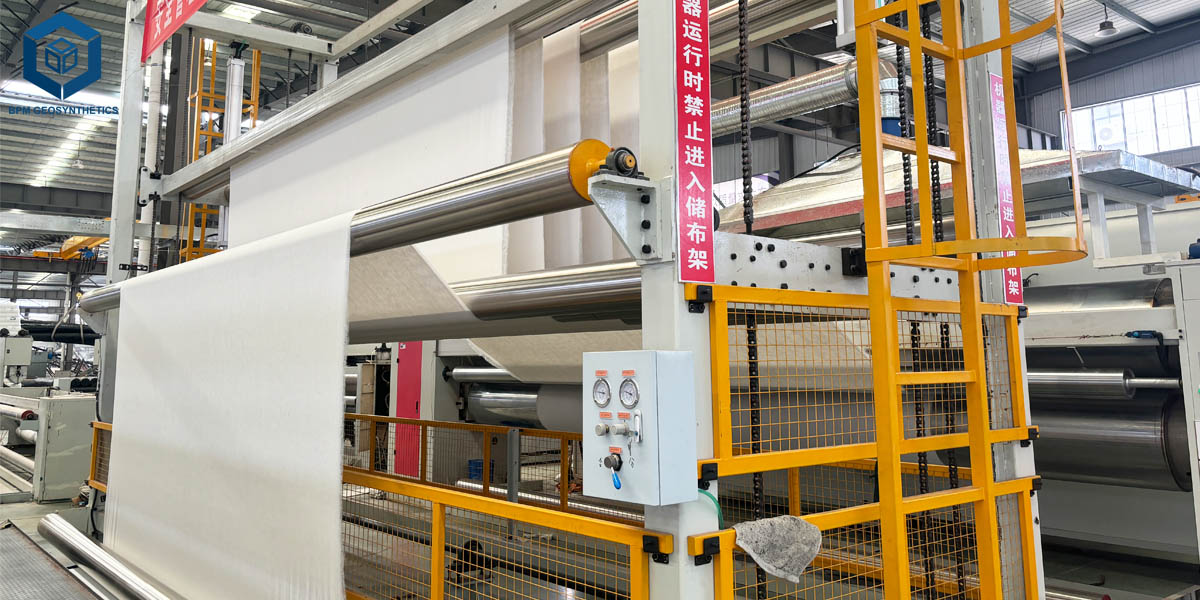
Selecting the appropriate geofabric is critical to ensuring the long-term performance and stability of a gravel driveway. The ideal geofabric depends on factors such as traffic load, soil conditions, drainage requirements, and project lifespan. Using the correct fabric weight and type can significantly improve driveway durability while reducing maintenance costs.
5.1 Geofabric for Light Residential Driveways
Light-duty residential driveways typically accommodate passenger cars, SUVs, bicycles, and pedestrian traffic. These applications generally experience lower loading pressures and require moderate reinforcement.
5.1.1 Recommended Specification:
150gsm–200gsm Nonwoven Geotextile Fabric
5.1.2 Suitable Applications:
Residential gravel driveways
Garden access roads
Private property entrances
Walkways and light-use parking areas
5.1.3 Key Benefits:
Effective soil and gravel separation
Improved drainage performance
Easy installation and handling
Cost-effective solution for homeowners
This geofabric grade provides sufficient stabilization for most residential driveway projects while maintaining excellent water permeability.
5.2 Geofabric for Medium-Traffic Driveways
Medium-duty driveways are subject to more frequent vehicle movement and occasional heavier loads. These applications require increased strength and durability to maintain structural stability.
5.2.1 Recommended Specification:
200gsm–300gsm Nonwoven Geotextile Fabric
5.2.2 Suitable Applications:
Shared residential driveways
Small commercial parking areas
Farm access roads
Rural property roads
Delivery vehicle routes
5.2.3 Key Benefits:
Enhanced load distribution
Improved rut resistance
Better protection against subgrade deformation
Increased service life under moderate traffic conditions
This weight range offers an excellent balance between reinforcement, filtration, and drainage performance.
5.3 Geofabric for Heavy-Duty Driveways
Heavy-duty applications require geofabrics capable of supporting substantial loads and repeated traffic from large vehicles. These projects often involve challenging ground conditions and higher performance requirements.
5.3.1 Recommended Specification:
High-Strength Woven Geotextile Fabric
300gsm+ Heavy-Duty Geotextile Fabric
5.3.2 Suitable Applications:
Industrial access roads
Logistics and distribution centers
Mining roads
Agricultural equipment routes
Construction site entrances
Truck parking and loading areas
5.3.3 Key Benefits:
Superior tensile strength
Excellent load-bearing performance
Reduced settlement and rut formation
Improved ground stabilization in weak soils
Heavy-duty geofabrics are designed to withstand demanding operating conditions while maintaining long-term structural integrity.
5.4 Woven vs. Nonwoven Geofabric for Driveway
Choosing between woven and nonwoven geofabric depends on project requirements.
| Feature | Nonwoven Geofabric | Woven Geofabric |
Separation Performance | Excellent | Good |
Drainage Capability | Excellent | Moderate |
Filtration Function | Excellent | Limited |
Tensile Strength | Good | Excellent |
Load Distribution | Good | Excellent |
Soft Soil Stabilization | Good | Excellent |
Typical Application | Residential and general driveways | Heavy-duty and industrial roads |
Nonwoven Geofabric is commonly used for residential and light commercial driveways where drainage and filtration are priorities.
Woven Geofabric is preferred for heavy-load applications where maximum reinforcement and stabilization are required.
5.5 Key Factors to Consider When Selecting Geofabric for Driveway
The best results come from first evaluating a few factors specific to your project when it comes to the selection of geofabric.
5.5.1 Traffic Load
The strength of the geofabric should correspond with the amount and weight of vehicles to be expected. Materials that are strong and durable are typically the requirement for truck routes and industrial roads whereas residential driveways usually call for less sturdy materials.
5.5.2 Soil Conditions
Soils that are soft, wet, or unstable normally call for heavier geofabrics or woven reinforcement fabrics as a means of enhancing the bearing capacity and lessening settlement.
5.5.3 Drainage Requirements
Nonwoven geofabrics that offer better water flow and filtration characteristics are ideal for areas that are subjected to high precipitation or have poor natural drainage.
5.5.4 Aggregate Thickness
When support from a structural perspective is very limited, non woven filter fabric that are strong are needed to counter the problem while on the other hand, thicker layers of aggregate can more effectively distribute loads.
5.5.5 Expected Service Life
Opting for a rugged, top-notch geofabric in the case of a long-lasting infrastructure project can pay off greatly over time in terms of keeping the driveway maintenance and replacement costs low.
5.5.6 Selecting the Best Solution
Choosing the right geofabric can make driveway not only stable but also more efficient in terms of drainage, less loss of gravel, and longer-lasting. By properly aligning the fabric type and weight with the project requisites, property owners and contractors are capable of having a stronger, more reliable, and more economical driveway system.
6. Geofabric for Driveway Installation Guide – Easy Step-by-Step Process
Installing geofabric is simple and does not require special equipment:
Step 1: Prepare the Ground
Remove vegetation, roots, and debris. Level the subgrade.
Step 2: Smooth and Compact Subsoil
Ensure a firm and even base surface.
Step 3: Lay the Geofabric
Roll out geofabric over the prepared area.
Overlap joints by 30–50 cm.
Step 4: Add Gravel Layer
Spread crushed stone or aggregate evenly over the fabric.
Step 5: Compact the Surface
Use a roller or compactor to stabilize the structure.
Step 6: Final Finish
Your reinforced driveway is ready for long-term use.
7. Advantages of Choosing BPM Geosynthetics
As a professional geosynthetics manufacturer, we provide reliable and cost-effective solutions for global infrastructure projects.
Manufacturing Advantages
Advanced production lines
Strict quality control system
ISO-certified factory
Customized roll width and length
Stable large-scale supply capability
Product Advantages
High tensile strength
Excellent filtration and drainage
Superior separation performance
Long service life
Competitive factory-direct pricing
Authorized Economic Operator AEO Certification
Professional Testing Laboratory CNAS Certification
We support global export and bulk supply for contractors, distributors, and project developers.
8. Frequently Asked Questions About Geofabric for Driveway
Q1: How Long Does Geofabric Last Under a Driveway?
High-quality geofabric can provide a service life of more than 20 years when properly installed and covered with aggregate. Its durability depends on material quality, traffic load, environmental conditions, and installation practices.
Q2: Can Geofabric Be Installed on Soft or Clay Soils?
Yes. Geofabric is particularly effective on soft, wet, or clay-rich soils. It improves load distribution, reduces soil movement, and helps create a more stable foundation for gravel driveways.
Q3: Does Geofabric Prevent Gravel from Sinking?
Yes. One of the primary functions of geofabric is to separate gravel from the underlying soil. This prevents aggregate from sinking into the subgrade and helps maintain the designed gravel thickness.
Q4: Can Geofabric Be Used for Existing Driveway Repairs?
Yes. Geofabric can be incorporated into driveway rehabilitation projects. Damaged sections can be excavated, geofabric installed, and new aggregate added to improve long-term performance.
Q5: Does Geofabric Require Special Installation Equipment?
No. Most driveway projects can install geofabric using standard construction equipment. The fabric is simply rolled out over the prepared subgrade before aggregate placement.
9. Conclusion
Choosing the right geofabric for driveway construction is a smart investment that improves ground stability, reduces maintenance requirements, and extends the lifespan of gravel surfaces. From residential access roads to heavy-duty industrial driveways, geofabric provides long-term performance benefits that help lower overall project costs.
The Best Project Material Co., Ltd.(BPM Geosynthetics) supplies a wide range of high-performance geofabrics with customized specifications to meet different project requirements. Contact our technical team today to find the most suitable geofabric solution for your driveway project.