News Center
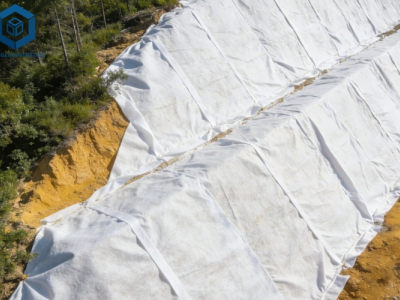
The virgin vs recycled HDPE geomembrane difference refers to the performance and material quality gap between geomembranes manufactured from 100% virgin polyethylene resin and those produced with recycled polymer content. This difference significantly affects durability, chemical resistance, and…
2026/03/12 11:19
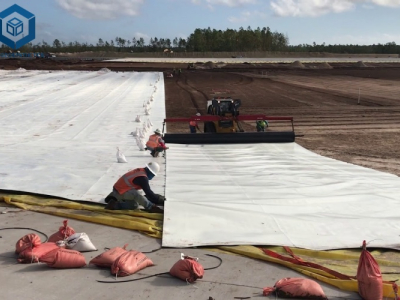
HDPE geomembrane is a high-density polyethylene sheet designed for long-term impermeable lining in landfills, chemical storage, water reservoirs, and industrial containment systems. Its performance depends critically on the choice of raw materials, which determine chemical resistance, tensile…
2026/03/11 11:32
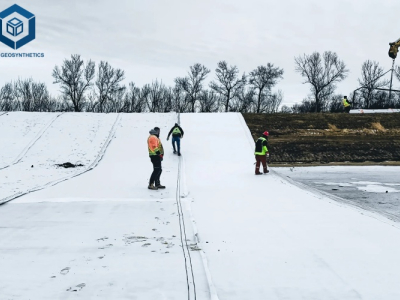
HDPE liner chemical resistance problem refers to the degradation, swelling, or permeability reduction of high-density polyethylene (HDPE) geomembranes when exposed to aggressive chemical environments. This issue impacts the long-term integrity of containment systems in landfills, industrial…
2026/03/11 11:29
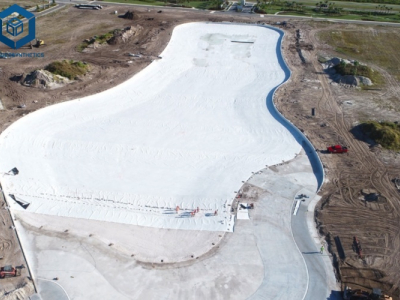
Why geomembrane wrinkles after temperature change refers to the thermal expansion and contraction behavior of polymer geomembrane liners exposed to varying environmental temperatures. As temperature rises or falls, geomembranes expand or shrink, which can create wrinkles on the liner surface if…
2026/03/11 11:26
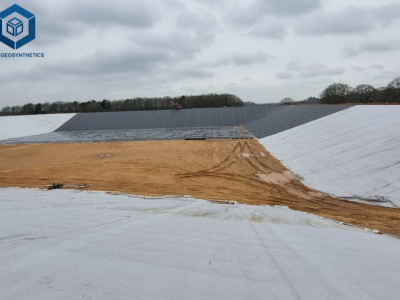
HDPE geomembrane puncture resistance test failure refers to the inability of a high-density polyethylene liner to withstand specified puncture loads during laboratory testing or field verification. Failure typically indicates insufficient material strength, improper thickness selection, or…
2026/03/10 09:18
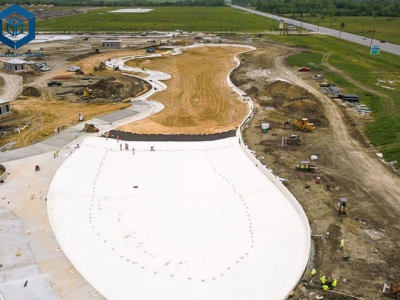
Geotextile clogging drainage problem refers to the reduction or loss of permeability in geotextile filtration layers caused by fine soil particles, biological growth, or chemical deposits blocking pore spaces. When clogging occurs, drainage efficiency declines, leading to water accumulation,…
2026/03/10 09:15

Geomembrane bubble formation under liner refers to the development of air, gas, or vapor pockets trapped beneath a geomembrane barrier after installation. These bubbles can occur due to trapped moisture, gas generation from subgrade materials, thermal expansion, or inadequate venting systems. If…
2026/03/10 09:13

In environmental containment systems such as landfills, mining ponds, wastewater lagoons, and agricultural reservoirs, HDPE geomembrane liners are widely used due to their chemical resistance and long service life. However, some projects report hdpe liner cracking after one year, which raises…
2026/03/09 11:10
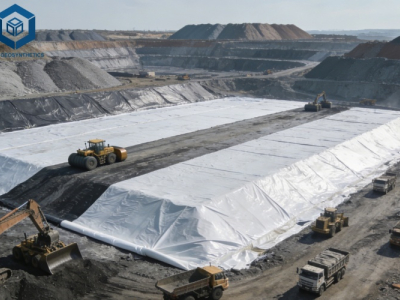
In environmental containment systems such as landfills, mining leach pads, wastewater lagoons, and industrial reservoirs, the geomembrane liner functions as the primary impermeable barrier. However, many containment failures originate not from the liner sheet itself but from seam defects.…
2026/03/09 11:04
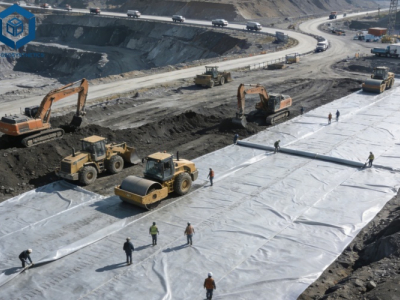
In containment engineering projects such as landfills, mining ponds, wastewater lagoons, and aquaculture reservoirs,
HDPE geomembrane leaking after installation is a critical risk that can compromise environmental protection, structural safety, and long-term operational performance.
Understanding…
2026/03/09 11:01
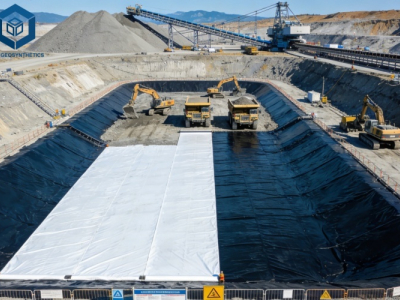
Geotextile placement before geomembrane installation refers to the engineering practice of installing a protective geotextile layer between the prepared subgrade and geomembrane liner. This layer acts as a cushion, preventing punctures, distributing loads, and improving long-term containment…
2026/03/08 21:45
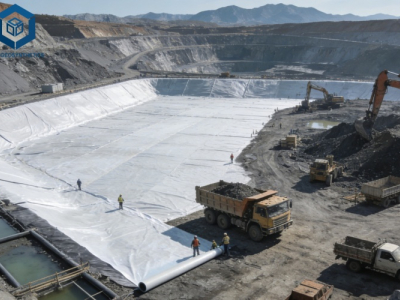
The geomembrane slope anchoring method refers to the engineered technique used to secure geomembrane liners on slopes using anchor trenches, mechanical fixings, or ballast systems. Proper anchoring prevents liner slippage, maintains tensile stability, and ensures long-term containment integrity in…
2026/03/08 21:41