Why geomembrane wrinkles after temperature change
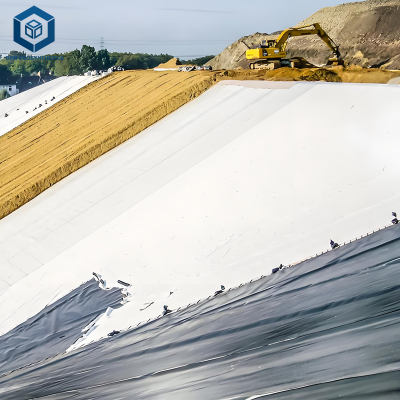
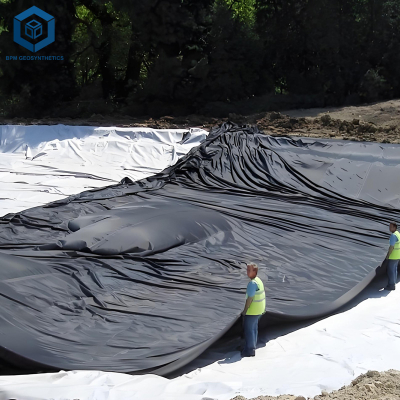
Why geomembrane wrinkles after temperature change refers to the thermal expansion and contraction behavior of polymer geomembrane liners exposed to varying environmental temperatures. As temperature rises or falls, geomembranes expand or shrink, which can create wrinkles on the liner surface if installation conditions, anchoring systems, or substrate preparation are not optimized.
Technical Parameters and Engineering Specifications
Understanding the technical parameters influencing why geomembrane wrinkles after temperature change is essential for engineering design and installation planning in environmental containment projects.
| Parameter | Typical Value | Standard | Engineering Impact |
|---|---|---|---|
| Material Type | HDPE / LLDPE | ASTM D638 | Determines thermal behavior |
| Thickness | 1.0 – 3.0 mm | ASTM D5199 | Influences structural stability |
| Thermal Expansion Coefficient | 1.2–1.6 × 10⁻⁴ /°C | Material Property | Controls expansion under heat |
| Tensile Strength | ≥25 MPa | ASTM D6693 | Resistance to deformation |
| Elongation at Break | ≥700% | ASTM D6693 | Allows flexibility during expansion |
| Installation Temperature Range | 10–40°C | Engineering Practice | Affects wrinkle formation |
Thermal expansion and contraction are the primary reasons explaining why geomembrane wrinkles after temperature change in large containment liner installations.
Structure and Material Composition
Geomembranes are engineered polymer materials designed for durability and flexibility in environmental containment systems.
Polyethylene Base Polymer – provides impermeability and structural integrity
Carbon Black – protects against ultraviolet radiation
Antioxidants – prevent long-term oxidative degradation
Thermal Stabilizers – enhance performance under temperature variation
Optional Textured Surface – improves friction on slopes
These structural components influence how the geomembrane responds to temperature fluctuations and explain why geomembrane wrinkles after temperature change in certain installation conditions.
Manufacturing Process
1. Raw Material Preparation
High-density polyethylene resin and additives are carefully measured and prepared for extrusion processing.
2. Compound Mixing
The polymer blend is mixed to ensure uniform distribution of stabilizers and carbon black particles.
3. Sheet Extrusion
The molten polymer mixture is extruded through flat-die extrusion equipment to produce continuous geomembrane sheets.
4. Surface Texturing
If required, specialized rollers create textured surfaces to enhance slope stability.
5. Quality Control Testing
Thickness verification
Tensile strength testing
Carbon black dispersion analysis
Thermal performance evaluation
Proper manufacturing quality reduces deformation risks related to why geomembrane wrinkles after temperature change.
Comparison with Alternative Liner Materials
| Liner Material | Thermal Expansion Behavior | Wrinkle Risk | Typical Applications |
|---|---|---|---|
| HDPE Geomembrane | Moderate expansion | Medium | Landfills, mining ponds |
| LLDPE Geomembrane | Higher flexibility | Lower | Reservoirs and lagoons |
| PVC Membrane | Lower expansion | Low | Waterproofing systems |
| Concrete Lining | Minimal expansion | Very low | Rigid containment basins |
This comparison helps engineers understand material behavior related to why geomembrane wrinkles after temperature change.

Application Scenarios
Understanding why geomembrane wrinkles after temperature change is critical in projects where large geomembrane sheets are exposed to outdoor environments.
Municipal landfill liner systems
Mining tailings storage facilities
Industrial wastewater containment ponds
Agricultural irrigation reservoirs
Petrochemical storage lagoons
Project stakeholders include EPC contractors, environmental engineers, landfill operators, and infrastructure developers.
Core Problems and Engineering Solutions
1. Thermal Expansion During Daytime Heating
Geomembranes expand significantly when exposed to direct sunlight.
Solution: schedule installation during cooler periods such as early morning.
2. Improper Anchoring Design
Insufficient anchoring may allow the liner to shift and wrinkle.
Solution: use engineered anchor trenches and proper tensioning.
3. Uneven Subgrade Surface
Irregular surfaces increase localized stress points.
Solution: prepare smooth, compacted subgrade surfaces.
4. Large Panel Installation Without Expansion Allowance
Large continuous panels may expand significantly under temperature changes.
Solution: apply panel layout planning and controlled welding procedures.
Risk Warnings and Preventive Measures
Avoid installation during peak daytime temperatures
Monitor geomembrane temperature before welding seams
Ensure proper anchoring and tensioning systems
Use protective soil layers to stabilize liner surfaces
Conduct regular inspections during installation
Following these engineering practices minimizes problems related to why geomembrane wrinkles after temperature change.
Procurement and Material Selection Guide
Determine project environmental temperature range
Select appropriate geomembrane material type
Specify liner thickness and mechanical properties
Verify manufacturer quality certifications
Evaluate supplier experience in environmental containment projects
Request product samples for engineering evaluation
Confirm compatibility with installation equipment
Procurement teams must consider thermal performance factors when analyzing why geomembrane wrinkles after temperature change.
Engineering Case Study
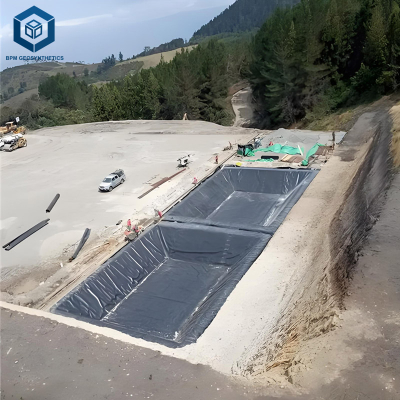
A large mining tailings containment facility covering approximately 15 hectares required installation of 2.0 mm HDPE geomembrane liners. During midday installation, engineers observed surface wrinkles caused by high temperatures exceeding 38°C.
The installation team adjusted the schedule to early morning deployment and implemented controlled anchoring techniques. As temperatures stabilized, the geomembrane contracted slightly and wrinkles were significantly reduced.
The final installation passed quality inspection, demonstrating how understanding why geomembrane wrinkles after temperature change helps improve installation quality and long-term liner performance.
FAQ – Why Geomembrane Wrinkles After Temperature Change
1. Why do geomembranes wrinkle during installation?
Thermal expansion caused by temperature increases.
2. Are wrinkles harmful to liner performance?
Minor wrinkles are common but excessive wrinkles may affect seam welding.
3. When do wrinkles usually appear?
Typically during hot daytime conditions.
4. Can wrinkles disappear later?
Yes, cooling temperatures may reduce wrinkles.
5. Does liner thickness affect wrinkle formation?
Thicker liners may reduce deformation but expansion still occurs.
6. What installation temperature is recommended?
Typically between 10°C and 40°C depending on project conditions.
7. Do textured geomembranes wrinkle more?
Texturing does not significantly change thermal expansion behavior.
8. How can installers reduce wrinkle formation?
By scheduling installation during cooler hours.
9. Can wrinkles affect seam welding quality?
Yes, excessive wrinkles may complicate welding processes.
10. Should wrinkles be removed before covering the liner?
Yes, major wrinkles should be flattened during installation.
Request Technical Documentation or Engineering Support
Engineers, contractors, and procurement managers planning geomembrane liner systems may request:
Geomembrane technical specifications
Thermal performance data sheets
Installation guidelines
Project engineering consultation
Material samples for evaluation
Contact technical specialists to obtain project quotations and engineering support for geomembrane containment systems.
Author Expertise and Industry Authority
This technical guide was prepared by specialists with extensive experience in geosynthetic materials, landfill engineering, and environmental containment system design. The analysis reflects practical engineering knowledge used by EPC contractors, infrastructure developers, and geosynthetic manufacturers involved in large-scale environmental protection projects.