GCL Liner Cost
Geosynthetic Clay Liner (GCL) is a factory-manufactured hydraulic barrier consisting of sodium bentonite encapsulated between geotextiles or bonded to a geomembrane, providing low-permeability containment for environmental and civil engineering projects.
Technical Parameters and Specifications
Understanding GCL Liner Cost requires evaluating its engineering performance. Typical technical parameters (tested under ASTM standards) include:
Bentonite Mass: 4.0–5.5 kg/m²
Peel Strength (ASTM D6496): ≥ 360 N/m
Internal Shear Strength (ASTM D6243): ≥ 25 kPa (hydrated condition)
Hydraulic Conductivity (ASTM D5887): ≤ 5 × 10⁻¹¹ m/s
Index Flux (ASTM D5887): ≤ 1 × 10⁻⁸ m³/m²/sec
Mass per Unit Area: 4,000–5,500 g/m²
Roll Width: 4.5–6.0 m
Roll Length: 30–50 m
These parameters directly influence GCL Liner Cost, especially bentonite loading and reinforcement type.
Structure and Material Composition
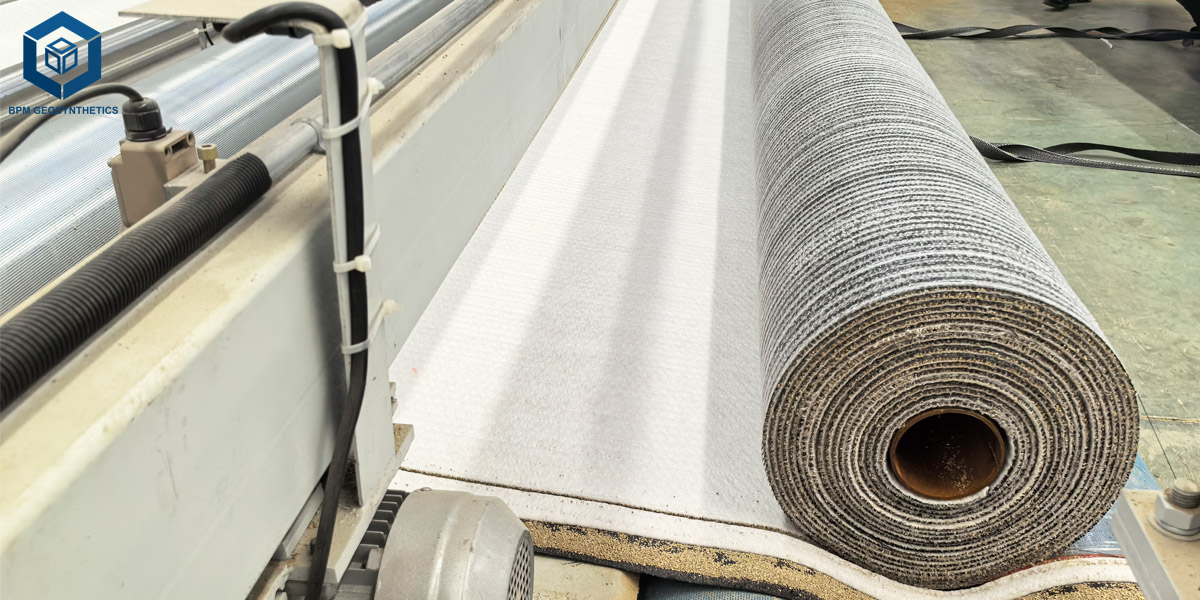
Top Layer: Non-woven geotextile (needle-punched polypropylene)
Core: Sodium bentonite clay (high swelling capacity)
Bottom Layer: Woven or non-woven geotextile
Optional Composite: HDPE geomembrane backing for enhanced barrier performance
Bonding Method: Needle punching or adhesive lamination
The selected configuration significantly affects GCL Liner Cost, particularly composite variants.
Manufacturing Process
1. Geotextile Production
Polypropylene fibers are extruded and needle-punched to form structural geotextile layers.
2. Bentonite Application
Controlled bentonite distribution systems apply uniform clay loading to ensure consistent hydraulic performance.
3. Needle Punch Reinforcement
Industrial needle looms mechanically interlock fibers through the bentonite layer to prevent clay migration.
4. Composite Lamination (Optional)
For enhanced performance, a geomembrane is thermally bonded to create a composite GCL.
5. Quality Assurance
Hydraulic conductivity, peel strength, and swell index testing are conducted before shipment. Quality control standards play a measurable role in overall GCL Liner Cost.
Industry Cost Comparison
| Material | Typical Material Cost (USD/m²)* | Installation Complexity | Hydraulic Performance | Total System Cost |
|---|---|---|---|---|
| GCL | 5–10 | Low | Very Low Permeability | Medium |
| Compacted Clay Liner (CCL) | 3–8 | High (earthworks) | Moderate | High (labor intensive) |
| HDPE Geomembrane (1.5mm) | 6–12 | Medium (welding required) | Excellent | Medium–High |
| Composite GCL + HDPE | 10–18 | Medium | Superior | High |
*Material cost varies by region, volume, and project scale. GCL Liner Cost excludes freight and installation.
Application Scenarios
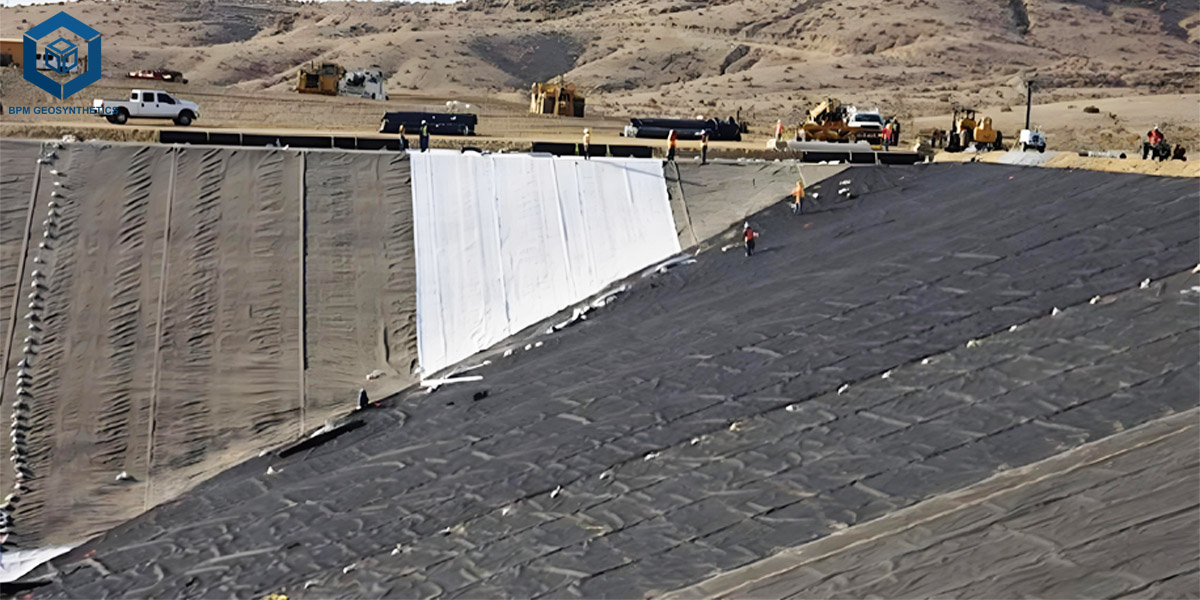
Municipal solid waste landfills (base and cap systems)
Mining tailings containment
Evaporation ponds
Water reservoirs
Secondary containment systems
Primary buyers include EPC contractors, environmental engineering firms, landfill operators, and geosynthetic distributors.
Core Pain Points and Solutions
High Installation Labor Cost: GCL reduces earthwork compared to compacted clay liners.
Subgrade Differential Settlement: Needle-punched reinforcement enhances internal shear resistance.
Hydration Before Cover: Use temporary protection and staged installation planning.
Freight Cost for Large Projects: Optimize roll width and loading configuration.
Uncertain Long-Term Performance: Specify sodium bentonite with proven swell index and test certification.
Each factor directly impacts total GCL Liner Cost across the project lifecycle.
Risk Warnings and Mitigation
Avoid premature hydration during rainfall before confinement.
Confirm compatibility with site groundwater chemistry.
Ensure adequate confining pressure to maintain low permeability.
Do not substitute calcium bentonite for sodium bentonite in critical containment.
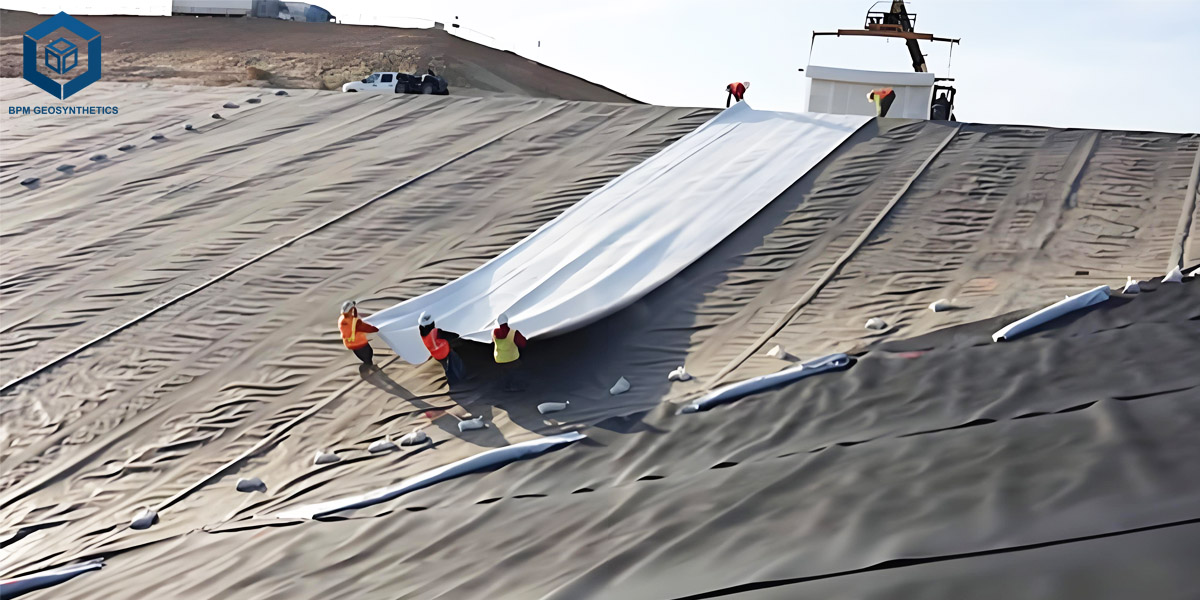
Follow engineered overlap requirements (typically 300 mm minimum).
Procurement and Selection Guide
Define regulatory requirements (landfill, mining, reservoir).
Determine hydraulic conductivity target.
Evaluate subgrade stability and slope condition.
Specify bentonite mass per unit area.
Decide between standard or composite GCL.
Request third-party laboratory reports.
Compare delivered GCL Liner Cost including logistics.
Assess manufacturer production capacity and lead time.
Following structured procurement steps ensures predictable GCL Liner Cost and performance compliance.
Engineering Case Study
Project: Regional Municipal Landfill Expansion
Area: 120,000 m²
Specification: Needle-punched GCL, 5.0 kg/m² bentonite
Purpose: Secondary containment beneath 1.5 mm HDPE geomembrane
Outcome: Reduced installation time by 28% compared to compacted clay alternative; achieved permeability below 1 × 10⁻¹¹ m/s after hydration.
The optimized GCL Liner Cost resulted in approximately 15% total containment system savings versus traditional clay liner construction.
FAQ
1. What affects GCL Liner Cost the most?
Bentonite loading, reinforcement type, and composite backing.
2. Is GCL cheaper than compacted clay?
Material may be similar, but installation is typically faster and more economical.
3. How long does GCL last?
When confined, service life can exceed 50 years.
4. Can GCL be exposed?
No, it requires soil or geomembrane confinement.
5. What is typical overlap?
Minimum 300 mm, depending on slope and design.
6. Does it require welding?
No welding required; overlaps rely on bentonite swelling.
7. Can it be used in high groundwater areas?
Yes, provided proper confining pressure is maintained.
8. How is hydration controlled?
By rapid covering after placement and drainage management.
9. Is composite GCL more expensive?
Yes, but it provides enhanced barrier security.
10. Is third-party testing necessary?
Recommended for public or environmental compliance projects.
Request Quotation or Technical Documents
For project-specific GCL Liner Cost estimation, technical datasheets, laboratory reports, or engineering consultation, contact our technical sales department. Volume pricing programs are available for EPC contractors and distributors.
Authoritative Technical Background (E-E-A-T)
This technical guide is prepared by geotechnical engineers and environmental containment specialists with over 15 years of experience in landfill and mining liner systems. Data is aligned with ASTM testing protocols and practical field performance records to ensure engineering accuracy and procurement reliability.