Industry News
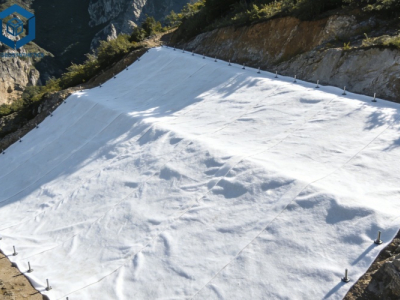
HDPE geomembrane oxidation induction time test (OIT test) is a laboratory method used to evaluate the resistance of high-density polyethylene geomembranes to oxidative degradation. The test measures how long a geomembrane can resist oxidation under controlled temperature and oxygen conditions,
2026/03/13 10:54
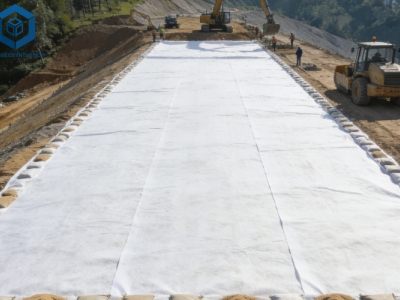
The geomembrane tensile strength requirement for landfill refers to the minimum mechanical strength a geomembrane liner must achieve to withstand installation stresses, waste loading, and long-term environmental forces. High tensile strength ensures structural integrity, prevents tearing, and
2026/03/12 11:29
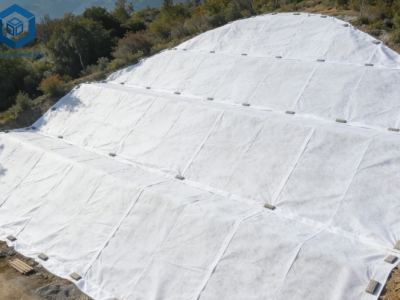
Carbon black content in HDPE liner standard refers to the controlled percentage of carbon black additive incorporated into high-density polyethylene geomembranes to improve UV resistance, oxidation stability, and long-term durability. Industry standards typically specify a carbon black
2026/03/12 11:26
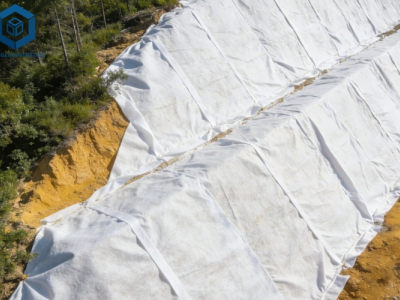
The virgin vs recycled HDPE geomembrane difference refers to the performance and material quality gap between geomembranes manufactured from 100% virgin polyethylene resin and those produced with recycled polymer content. This difference significantly affects durability, chemical resistance, and
2026/03/12 11:19
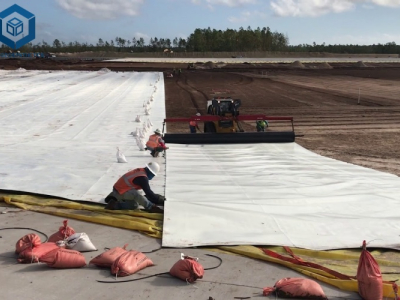
HDPE geomembrane is a high-density polyethylene sheet designed for long-term impermeable lining in landfills, chemical storage, water reservoirs, and industrial containment systems. Its performance depends critically on the choice of raw materials, which determine chemical resistance, tensile
2026/03/11 11:32
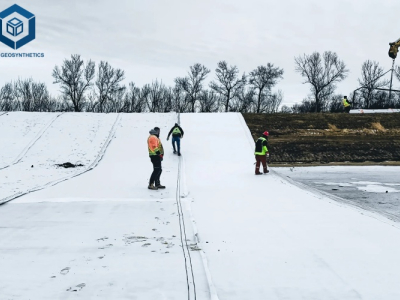
HDPE liner chemical resistance problem refers to the degradation, swelling, or permeability reduction of high-density polyethylene (HDPE) geomembranes when exposed to aggressive chemical environments. This issue impacts the long-term integrity of containment systems in landfills, industrial
2026/03/11 11:29
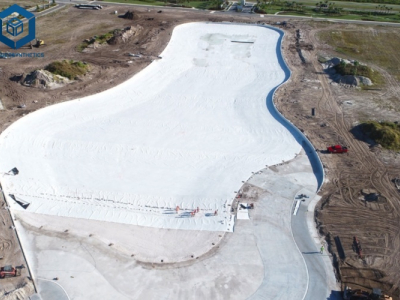
Why geomembrane wrinkles after temperature change refers to the thermal expansion and contraction behavior of polymer geomembrane liners exposed to varying environmental temperatures. As temperature rises or falls, geomembranes expand or shrink, which can create wrinkles on the liner surface if
2026/03/11 11:26
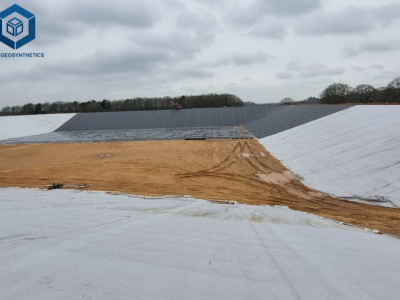
HDPE geomembrane puncture resistance test failure refers to the inability of a high-density polyethylene liner to withstand specified puncture loads during laboratory testing or field verification. Failure typically indicates insufficient material strength, improper thickness selection, or
2026/03/10 09:18
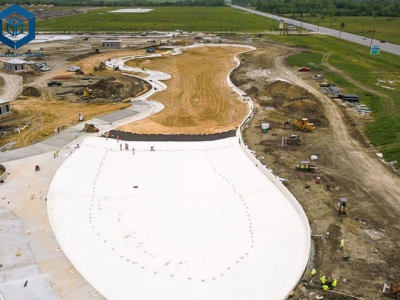
Geotextile clogging drainage problem refers to the reduction or loss of permeability in geotextile filtration layers caused by fine soil particles, biological growth, or chemical deposits blocking pore spaces. When clogging occurs, drainage efficiency declines, leading to water accumulation,
2026/03/10 09:15

Geomembrane bubble formation under liner refers to the development of air, gas, or vapor pockets trapped beneath a geomembrane barrier after installation. These bubbles can occur due to trapped moisture, gas generation from subgrade materials, thermal expansion, or inadequate venting systems. If
2026/03/10 09:13

In environmental containment systems such as landfills, mining ponds, wastewater lagoons, and agricultural reservoirs, HDPE geomembrane liners are widely used due to their chemical resistance and long service life. However, some projects report hdpe liner cracking after one year, which raises
2026/03/09 11:10
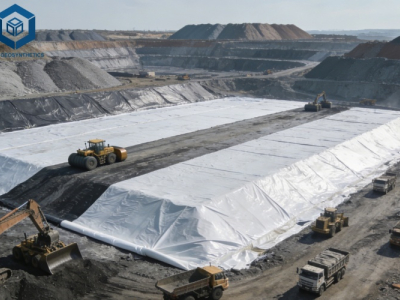
In environmental containment systems such as landfills, mining leach pads, wastewater lagoons, and industrial reservoirs, the geomembrane liner functions as the primary impermeable barrier. However, many containment failures originate not from the liner sheet itself but from seam defects.
2026/03/09 11:04