Carbon black content in hdpe liner standard
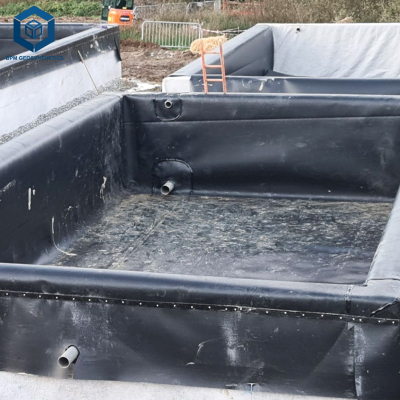
Carbon black content in HDPE liner standard refers to the controlled percentage of carbon black additive incorporated into high-density polyethylene geomembranes to improve UV resistance, oxidation stability, and long-term durability. Industry standards typically specify a carbon black concentration between 2.0% and 3.0% by weight to ensure consistent environmental protection performance.
Technical Parameters and Specifications
Understanding the carbon black content in HDPE liner standard requires reviewing both polymer characteristics and additive distribution. These parameters are commonly defined in geomembrane engineering specifications.
| Parameter | Standard Range | Test Method | Engineering Significance |
|---|---|---|---|
| Carbon Black Content | 2.0% – 3.0% | ASTM D4218 | Ensures UV protection and long-term polymer stability |
| Carbon Black Dispersion | Category 1 or 2 | ASTM D5596 | Uniform dispersion prevents weak points |
| Density | 0.940 – 0.960 g/cm³ | ASTM D1505 | Indicates polymer quality |
| Tensile Strength | ≥28 MPa | ASTM D6693 | Determines structural durability |
| Elongation at Break | ≥700% | ASTM D6693 | Ensures flexibility under stress |
| Oxidative Induction Time | ≥100 minutes | ASTM D3895 | Indicates antioxidant effectiveness |
Structure and Material Composition
The effectiveness of the carbon black content in HDPE liner standard depends on the balance between polymer base material and stabilizing additives.
HDPE Polymer Matrix – High molecular weight polyethylene providing impermeability
Carbon Black (2–3%) – UV stabilizer protecting polymer chains from degradation
Primary Antioxidants – Prevent oxidation during processing
Secondary Antioxidants – Protect polymer during long-term service life
Processing Stabilizers – Ensure consistent melt flow during extrusion
Manufacturing Process
1. Raw Material Selection
Manufacturers select high-purity HDPE resin combined with high-quality carbon black masterbatch to meet the carbon black content in HDPE liner standard.
2. Compounding and Mixing
Polymer pellets and carbon black masterbatch are blended using twin-screw mixers to achieve uniform dispersion throughout the polymer matrix.
3. Extrusion Production
The mixture is melted at temperatures between 200°C and 230°C and extruded through flat dies to produce geomembrane sheets of consistent thickness.
4. Cooling and Sheet Stabilization
Chill rollers rapidly cool the sheet to stabilize polymer structure and prevent internal stresses.
5. Quality Inspection
Laboratory tests verify carbon black percentage, dispersion quality, mechanical properties, and oxidative stability before shipment.
Industry Comparison
| Material Type | Carbon Black Content | UV Resistance | Typical Application |
|---|---|---|---|
| HDPE Geomembrane | 2–3% | Excellent | Landfills, mining ponds, reservoirs |
| LDPE Geomembrane | 1–2% | Moderate | Agricultural ponds |
| PVC Liner | Typically none | Lower | Decorative ponds |
| EPDM Rubber Liner | Minimal carbon black stabilization | Good | Water features |
Application Scenarios
Compliance with the carbon black content in HDPE liner standard is essential in projects exposed to sunlight and harsh environmental conditions.
Municipal Landfills – Long-term waste containment requiring UV stability
Mining Operations – Chemical and UV exposure environments
Water Reservoirs – Prevent seepage while maintaining structural integrity
EPC Infrastructure Projects – Engineering-grade environmental protection systems
Industrial Wastewater Treatment Plants – Chemical containment and environmental compliance
Core Pain Points and Solutions
1. Inadequate UV Protection
Solution: Ensure carbon black content meets the 2–3% industry standard and is evenly dispersed.
2. Material Degradation Over Time
Solution: Combine proper carbon black levels with effective antioxidant packages.
3. Uneven Carbon Black Distribution
Solution: Verify dispersion quality through laboratory testing before project acceptance.
4. Premature Cracking in Outdoor Installations
Solution: Specify geomembranes manufactured with certified carbon black masterbatch.
Risk Warnings and Mitigation
Avoid purchasing geomembranes without verified carbon black testing reports
Inspect carbon black dispersion quality using ASTM D5596
Ensure consistent polymer compounding during manufacturing
Store geomembrane rolls away from excessive heat or mechanical damage
Conduct field inspection before installation
Procurement and Selection Guidelines
Define project environmental exposure and UV intensity
Specify carbon black content requirements in procurement documents
Verify ASTM testing certificates from suppliers
Review manufacturing quality control procedures
Request laboratory reports confirming dispersion quality
Inspect material samples prior to bulk purchasing
Ensure compatibility with welding and installation methods
Engineering Case Study
A large irrigation reservoir project covering 6 hectares required long-term geomembrane stability under intense sunlight exposure. Engineers specified an HDPE liner with carbon black content of 2.5% in compliance with the carbon black content in HDPE liner standard. After eight years of operation, field inspections confirmed excellent UV resistance and no visible material degradation.
FAQ – Carbon Black Content in HDPE Liner Standard
1. Why is carbon black added to HDPE liners?
It protects polymer chains from ultraviolet radiation and extends service life.
2. What is the standard carbon black percentage?
Most geomembrane standards require 2.0% to 3.0% carbon black by weight.
3. How is carbon black measured?
Carbon black content is measured using ASTM D4218 laboratory testing.
4. What happens if carbon black content is too low?
UV degradation can cause brittleness and cracking over time.
5. Can excessive carbon black affect performance?
Yes, excessive levels may reduce flexibility and processability.
6. What is carbon black dispersion?
It describes how evenly carbon black particles are distributed within the polymer matrix.
7. Which projects require strict carbon black standards?
Landfills, mining ponds, and environmental containment systems.
8. Does carbon black affect welding?
No, when properly dispersed it does not negatively affect welding performance.
9. Is carbon black necessary for indoor applications?
UV protection is less critical indoors but still improves durability.
10. How can buyers verify compliance?
By reviewing laboratory reports and supplier quality certifications.
Request Quotation or Technical Documentation
Engineering teams and procurement managers may request the following support when selecting HDPE geomembranes:
Detailed technical datasheets specifying carbon black content
Material samples for independent laboratory testing
Engineering consultation for liner design and installation
Bulk supply quotations and logistics planning
Project-specific quality inspection documentation
Author Expertise and Industry Authority
This technical article was prepared by geomembrane engineers and materials specialists with over a decade of experience in environmental containment systems, landfill engineering, and industrial liner manufacturing. The information reflects industry testing standards, material science principles, and real-world engineering procurement practices.