Geomembrane tensile strength requirement for landfill
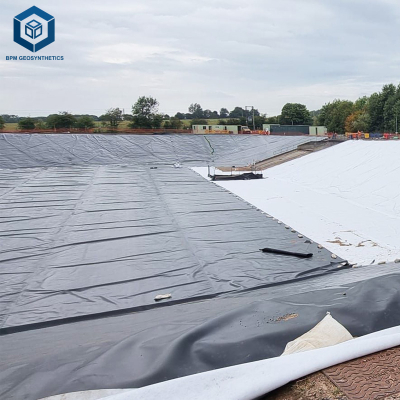
The geomembrane tensile strength requirement for landfill refers to the minimum mechanical strength a geomembrane liner must achieve to withstand installation stresses, waste loading, and long-term environmental forces. High tensile strength ensures structural integrity, prevents tearing, and maintains containment performance in municipal and hazardous waste landfill systems.
Technical Parameters and Specifications
Understanding the geomembrane tensile strength requirement for landfill involves evaluating mechanical performance parameters defined by international geomembrane standards such as ASTM and GRI-GM13. These specifications guide engineers and procurement teams when selecting liner materials for landfill containment systems.
| Parameter | Typical Requirement | Test Method | Engineering Significance |
|---|---|---|---|
| Tensile Strength (Yield) | ≥ 27 MPa | ASTM D6693 | Indicates resistance to mechanical loads during installation |
| Tensile Strength (Break) | ≥ 40 MPa | ASTM D6693 | Determines maximum load capacity before rupture |
| Elongation at Yield | ≥ 12% | ASTM D6693 | Allows controlled deformation without damage |
| Elongation at Break | ≥ 700% | ASTM D6693 | Ensures flexibility under landfill settlement |
| Puncture Resistance | ≥ 640 N | ASTM D4833 | Protects liner against gravel and waste debris |
| Stress Crack Resistance | ≥ 500 hours | ASTM D5397 | Prevents slow crack growth during long-term operation |
Structure and Material Composition
Meeting the geomembrane tensile strength requirement for landfill depends on the composition and structural design of the geomembrane material.
HDPE Polymer Matrix – High molecular weight polyethylene providing structural strength and chemical resistance
Carbon Black (2–3%) – UV stabilization to prevent polymer degradation
Antioxidant Package – Protects the polymer during manufacturing and service life
Surface Texture – Optional textured surface improves friction and slope stability
Uniform Thickness Layer – Ensures consistent mechanical performance across the liner
Manufacturing Process
1. Resin Selection
High-density polyethylene resins with high molecular weight are selected to meet the geomembrane tensile strength requirement for landfill applications.
2. Compounding
Polymer resin is blended with carbon black and stabilizers using high-precision compounding equipment to achieve uniform dispersion.
3. Extrusion Sheet Production
Extrusion lines heat the polymer mixture to approximately 200–230°C and produce flat geomembrane sheets using wide slot dies.
4. Surface Texturing (Optional)
Textured surfaces may be produced through specialized rollers to enhance friction properties for landfill slopes.
5. Quality Control Testing
Each production batch undergoes tensile strength testing, thickness verification, and environmental stress crack resistance testing.
Industry Comparison
| Material Type | Tensile Strength | Durability | Typical Application |
|---|---|---|---|
| HDPE Geomembrane | High | Excellent | Municipal and hazardous waste landfills |
| LLDPE Geomembrane | Moderate | Good flexibility | Ponds and reservoirs |
| PVC Liner | Lower | Moderate | Small water containment systems |
| EPDM Rubber Liner | Moderate | High flexibility | Decorative ponds |
Application Scenarios
The geomembrane tensile strength requirement for landfill is particularly important in large-scale environmental containment systems where long-term structural performance is required.
Municipal Solid Waste Landfills – Primary bottom liner systems
Hazardous Waste Containment – Chemical-resistant barrier layers
Leachate Collection Ponds – Protection against liquid infiltration
Mining Waste Storage – Containment of tailings and process water
EPC Environmental Projects – Engineered landfill cell construction
Core Pain Points and Solutions
1. Liner Tearing During Installation
Solution: Select geomembranes meeting landfill tensile strength standards and ensure proper subgrade preparation.
2. Stress Cracking Over Time
Solution: Use high molecular weight HDPE with verified stress crack resistance testing.
3. Uneven Waste Loading
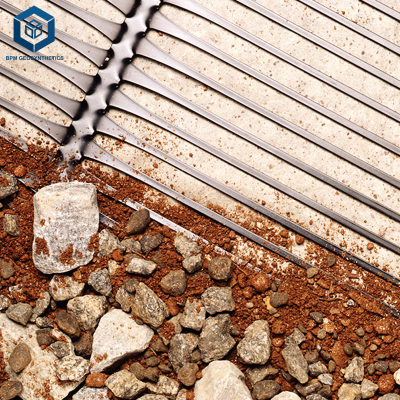
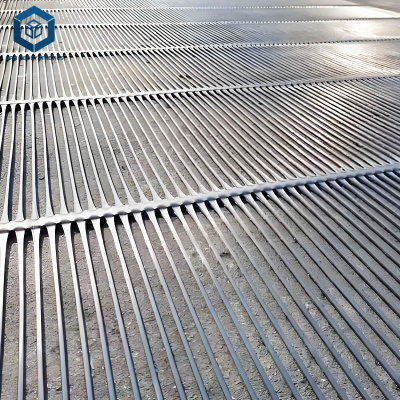
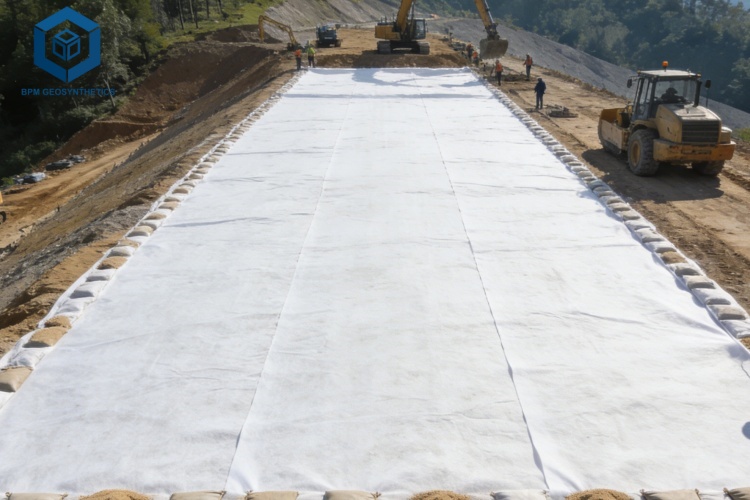
Solution: Specify adequate liner thickness and reinforcement layers such as geotextiles.
4. Welding Seam Weakness
Solution: Employ certified welding technicians and perform destructive seam testing.
Risk Warnings and Mitigation
Do not use geomembranes that lack verified tensile strength testing reports
Avoid installing liners over sharp stones or poorly prepared subgrade
Ensure welding equipment is calibrated before seam installation
Protect exposed geomembranes from prolonged UV exposure before covering
Conduct field inspection and nondestructive seam testing
Procurement and Selection Guidelines
Define landfill design load and settlement conditions
Specify minimum tensile strength requirements in project documentation
Verify supplier compliance with ASTM and GRI geomembrane standards
Review manufacturer quality control procedures
Request laboratory test reports for tensile strength and elongation
Inspect production samples before bulk purchasing
Confirm compatibility with welding and installation procedures
Engineering Case Study
A municipal landfill expansion covering 12 hectares required a double-liner containment system. Engineers selected a 2.0 mm HDPE geomembrane meeting the geomembrane tensile strength requirement for landfill with tensile strength exceeding 40 MPa. After ten years of operation, monitoring reports confirmed the liner maintained structural integrity despite heavy waste loading and seasonal temperature variations.
FAQ – Geomembrane Tensile Strength Requirement for Landfill
1. Why is tensile strength important for landfill geomembranes?
It prevents tearing and maintains containment performance under waste loads.
2. What is the typical tensile strength requirement?
Landfill liners typically require tensile strength above 27 MPa at yield.
3. Which standard defines these requirements?
Common standards include ASTM D6693 and GRI-GM13.
4. Does liner thickness affect tensile strength?
Yes, thicker geomembranes generally provide higher mechanical resistance.
5. Are HDPE liners preferred for landfill projects?
Yes, due to their high strength, chemical resistance, and long service life.
6. What is elongation at break?
It measures the material's ability to stretch before rupture.
7. Can recycled geomembranes meet landfill standards?
Most landfill regulations require virgin HDPE materials.
8. How is tensile strength tested?
Using laboratory tensile testing equipment according to ASTM methods.
9. What additional protection layers are used?
Geotextile cushioning layers are often installed above and below liners.
10. How long can landfill geomembranes last?
High-quality HDPE geomembranes can perform for 25–30 years or longer.
Request Quotation or Technical Documentation
Engineering teams and procurement managers may request the following support for landfill liner projects:
Detailed geomembrane technical datasheets
Laboratory testing reports for tensile strength
Material samples for engineering evaluation
Bulk supply quotations and logistics planning
Technical consultation for landfill liner design
Author Expertise and Industry Authority
This technical guide was prepared by engineers and materials specialists with more than ten years of experience in geomembrane manufacturing, landfill engineering, and environmental containment system design. The information reflects international testing standards and practical engineering procurement practices used in large-scale waste management infrastructure projects.