Hdpe geomembrane oxidation induction time test
HDPE geomembrane oxidation induction time test (OIT test) is a laboratory method used to evaluate the resistance of high-density polyethylene geomembranes to oxidative degradation. The test measures how long a geomembrane can resist oxidation under controlled temperature and oxygen conditions, indicating long-term durability in environmental containment systems.
Technical Parameters and Specifications
The HDPE geomembrane oxidation induction time test is widely used in quality control and international geosynthetic standards. Engineers and procurement teams rely on these parameters to verify antioxidant stabilization and expected service life.
| Parameter | Typical Value | Testing Standard | Engineering Significance |
|---|---|---|---|
| Standard OIT | ≥ 100 minutes | ASTM D3895 | Initial oxidation resistance indicator |
| High Pressure OIT (HP-OIT) | ≥ 400 minutes | ASTM D5885 | Long-term antioxidant stability |
| Testing Temperature | 200°C (Standard OIT) | ASTM Method | Accelerated oxidation environment |
| Sample Thickness | 0.5 – 3.0 mm | Project specification | Typical HDPE geomembrane range |
| Density | ≥ 0.94 g/cm³ | ASTM D1505 | HDPE material classification |
| Expected Service Life | 20 – 50 years | Engineering design estimation | Environmental containment durability |
Structure and Material Composition
The performance verified by the HDPE geomembrane oxidation induction time test depends on the material formulation used in geomembrane manufacturing.
HDPE Polymer Resin – Base material providing chemical resistance
Carbon Black – UV protection and weathering resistance
Primary Antioxidants – Prevent thermal oxidation during processing
Secondary Antioxidants – Decompose hydroperoxides formed during aging
Stabilizers – Maintain polymer structure under environmental exposure
Manufacturing Process
1. Raw Material Selection
High-purity HDPE resin and antioxidant additives are selected to meet performance requirements verified by the HDPE geomembrane oxidation induction time test.
2. Polymer Compounding
The resin and stabilizers are mixed using high-speed mixers to ensure uniform additive dispersion.
3. Extrusion Production
Extrusion lines produce continuous geomembrane sheets using flat die or blown film technology.
4. Cooling and Thickness Control
Precision rollers stabilize sheet thickness and mechanical properties.
5. Surface Texturing (Optional)
Textured geomembranes may be produced to increase friction for slope applications.
6. Laboratory Testing
Finished materials undergo the HDPE geomembrane oxidation induction time test and additional mechanical tests before shipment.
Industry Comparison
| Material Type | OIT Requirement | Durability | Typical Application |
|---|---|---|---|
| HDPE Geomembrane | High | Very High | Landfills and mining containment |
| LLDPE Geomembrane | Moderate | High flexibility | Ponds and reservoirs |
| PVC Liner | Low | Moderate | Decorative water features |
| EPDM Rubber Liner | Moderate | High flexibility | Landscape ponds |
Application Scenarios
The HDPE geomembrane oxidation induction time test plays a key role in verifying material durability for large-scale environmental engineering projects.
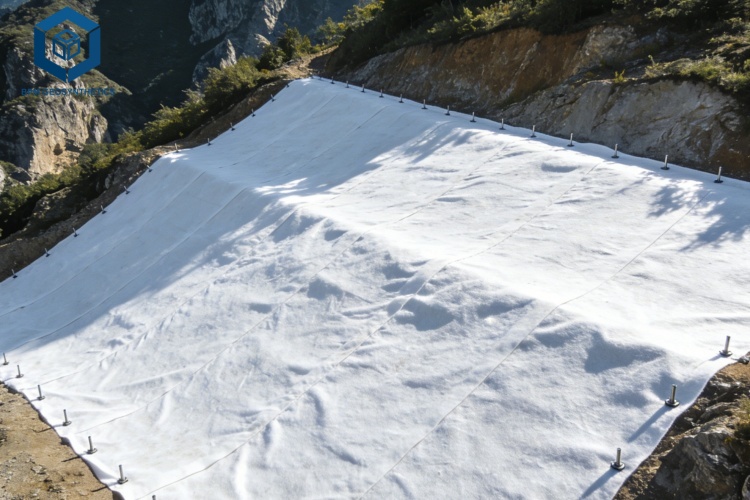
Municipal landfill containment systems
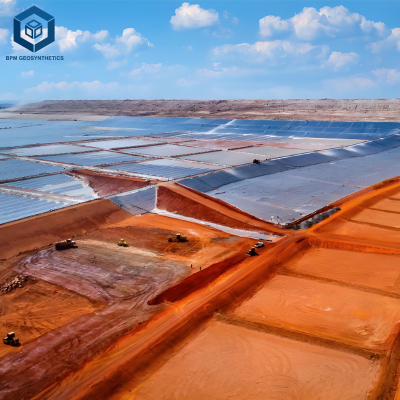
Mining tailings storage facilities
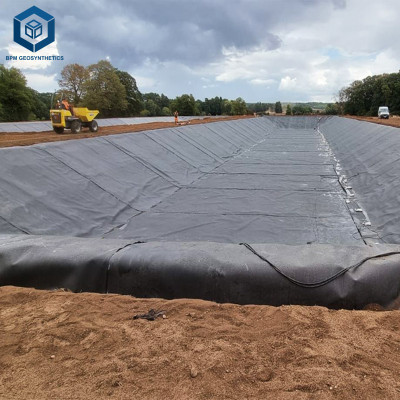
Industrial wastewater treatment lagoons
Agricultural irrigation reservoirs
Oil and gas containment infrastructure
Core Pain Points and Solutions
1. Uncertain Material Durability
Solution: Require verified OIT testing reports from certified laboratories.
2. Low Antioxidant Content
Solution: Select manufacturers using standardized antioxidant formulations.
3. Inconsistent Production Quality
Solution: Review factory quality control procedures and batch testing records.
4. Lack of Independent Verification
Solution: Request third-party testing to confirm oxidation resistance.
Risk Warnings and Mitigation
Geomembranes with low OIT values may degrade prematurely
Improper storage can reduce antioxidant effectiveness
Excessive UV exposure before installation may accelerate aging
Poor seam welding can compromise containment integrity
Recycled polymer content may reduce long-term durability
Procurement and Selection Guidelines
Define project containment requirements and environmental conditions
Verify HDPE geomembrane oxidation induction time test results
Confirm compliance with ASTM and international standards
Request material samples for laboratory verification
Evaluate manufacturer production capacity and quality control systems
Review engineering project references
Ensure proper logistics and roll packaging for transportation
Engineering Case Study
A landfill containment project required installing more than 80,000 square meters of HDPE geomembrane. The engineering specification required strict compliance with the HDPE geomembrane oxidation induction time test standard to ensure long-term oxidative stability. After material verification and installation testing, the geomembrane system demonstrated high resistance to chemical exposure and environmental aging, supporting a design life exceeding 30 years.
FAQ – HDPE Geomembrane Oxidation Induction Time Test
1. What is oxidation induction time?
It measures how long a polymer resists oxidation under controlled laboratory conditions.
2. Why is the OIT test important?
It indicates the level of antioxidant protection in geomembranes.
3. What standard defines the OIT test?
ASTM D3895 and ASTM D5885 are commonly used standards.
4. What is the difference between OIT and HP-OIT?
HP-OIT uses higher pressure conditions to simulate long-term oxidation resistance.
5. What is the minimum acceptable OIT value?
Most project specifications require at least 100 minutes.
6. Can recycled material affect OIT results?
Yes, recycled polymers may contain degraded antioxidants.
7. How often should geomembranes be tested?
Testing is typically conducted during production quality control.
8. Does geomembrane thickness affect OIT?
Thickness does not directly change OIT but affects durability.
9. Who performs OIT testing?
Certified laboratories or manufacturer quality control labs.
10. Can OIT predict geomembrane lifespan?
It provides an indicator of oxidative stability related to long-term performance.
Request Quotation or Technical Documentation
Procurement teams and engineering consultants evaluating materials verified by the HDPE geomembrane oxidation induction time test may request the following information:
Technical datasheets and laboratory test reports
Third-party certification documentation
Geomembrane samples for project testing
Installation and welding guidelines
Engineering project references
Author Expertise and Industry Authority
This technical guide was prepared by geosynthetic engineering specialists with extensive experience in landfill containment design, mining infrastructure projects, and international geomembrane manufacturing standards. The information reflects practical knowledge used by EPC contractors, environmental engineers, and global geosynthetic procurement professionals.