How Much Does HDPE Liner Cost?
HDPE Liner, also known as geomembranes, are among the most reliable anti-seepage materials used in the sectors of the global construction and environment protection. The range of their applications is so broad that they have been utilized for projects related to landfills, ponds, reservoirs, agricultural irrigation, and even coastal protection. As such, contractors, project managers, and procurement professionals who are considering such projects probably have the foremost query: how much does an HDPE liner cost?
The price of HDPE liners is not set in stone; various factors influence it, including product specifications, raw material quality, and the scale of the purchase. This detailed guide sheds light on the mystery behind the pricing of the HDPE liner, the main factors influencing cost, and how to optimize procurement strategy, among other things. You will find this article useful in decision-making and getting the right pricing-quality balance for your project, whether it is your first time or you want to optimize your procurement strategy.
1. Understanding HDPE Liner
One cannot talk about HDPE liner prices without first understanding what an HDPE liner is. This initial level of understanding enables one to grasp the logic behind the pricing and hence make the right procurement decisions.
1.1 What Is an HDPE Liner?
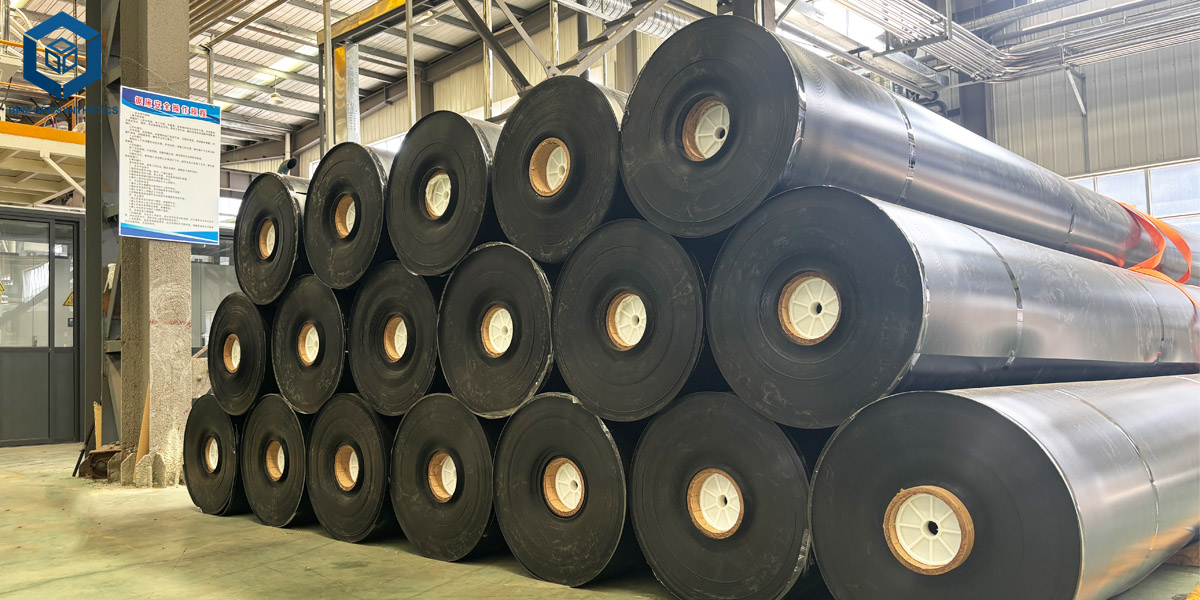
HDPE liner or geomembrane is a kind of anti-seepage material made of high-density polyethylene resin which is shaped by extrusion molding. It is characterized by low permeability, high resistance to chemical attacks, and high tensile strength, and also has good weather resistance. For these reasons hdpe pond liner is the most widely used anti-seepage material for different engineering works. In addition to being more efficient, hdpe geomembrane is also lighter in weight, easier to install, and have longer lifetimes than the conventional anti-seepage materials, therefore, the project’s long-term maintenance cost can be effectively reduced.
2. Factors That Influence the HDPE Liner Cost
Knowing what makes the price of an HDPE liner rise or fall is the first step to creating a more realistic budget, and later on, to making savings. Below are the determining factors that have the greatest influence on prices:
2.1 Raw Material Quality
The principal ingredient of geomembrane pond liner is high-density polyethylene resin, though the quality and the cost of the resin will have an immediate impact on the price of the end product:
2.1.1 Virgin vs. Recycled Resin
The performance of the geomembrane sheet made from 100% virgin resin would be unmatched in tensile strength, chemical resistance, and the length of the service life. That will also be reflected in the price as it will be about 30%-50% more expensive than the one made from recycled resin. Only in very demanding projects such as landfills and drinking water reservoirs would virgin resin hdpe geomembrane sheet be employed, while recycled resin hdpe geomembrane liner would find a useful role in less demanding scenarios such as agricultural drainage ditches.
2.1.2 Resin Grade
The different grades of HDPE resin have different points of performance. For instance, laser-cut ref. with high melt flow rate and high density fits better to the production of thick high density polyethylene pond liner than the others, and here it goes that the price is also the highest one in this case. The fluctuation of global oil prices will directly affect the price of HDPE resin. For example, in 2025, the price of HDPE resin is around $1,400 per metric ton, which is 5%-8% higher than in 2023, resulting in a corresponding increase in HDPE liner prices.
2.2 Thickness and Technical Specifications
The thickness and technical specifications of hdpe dam liners mainly drive their cost. A thicker liner naturally consumes more raw materials and involves more demanding production conditions, thus the price goes up substantially with thickness:
2.2.1 Thickness
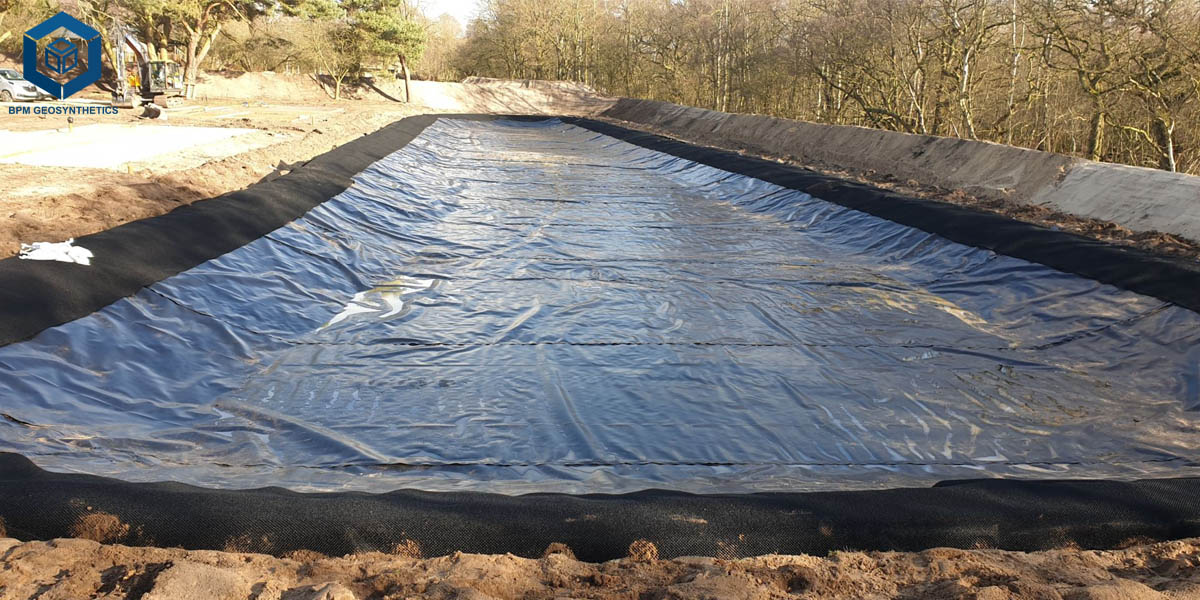
Typically hdpe impermeable liner thickness varies between 0.5mm and 3.0mm. To illustrate, a 0.5mm thin hdpe membrane sheet is better suited for temporary anti-seepage works while a 2.0mm-3.0mm thick liner is meant for permanent projects such as landfills.
2.2.2 Tensile Strength and Elongation
HDPE with higher tensile strength and elongation at break can better cope with changes in shape and the formation of cracks, and their manufacturing process is more involved, thus they are more expensive. To illustrate, a high-mechanical-strength HDPE (more than 20kN/m) costs 20-30% more than a typical low-strength one (10-15kN/m).
2.3 Production Process and Additional Treatments
Advanced production and added functional treatments also contribute to the increase in the price of HDPE liners:
2.3.1 Production Process
The extrusion-calendering line
is a process that allows HDPE liner manufacturers to make their products with better thickness uniformity and surface flatness than blow molding. Their price is about 10%-15% higher.
2.3.2 Additional Treatments
Functional treatments such as UV-resistant, anti-aging, and chemical-resistant coatings can significantly help extend the lifetime of HDPE liners, but of course, the price will go up. In the outdoor environment, UV-resistant polyethylene pond liners can endure for 15-20 years, while the lifetime of ordinary ones is only 5-8 years.
2.4 Purchase Volume and Supplier Type
Purchase volume and supplier type decide to a large extent the unit price of HDPE liners and are a big concern for procurement staff when it comes to cost optimization:
2.4.1 Purchase Volume
Long-term planned buying is the best way to get the most competitive unit price as it could lower the production and distribution cost. HDPE geomembrane pond liner is a common practice that suppliers offer 10%-25% price cuts to customers placing large orders. To illustrate, the price of 1,000 square meters of 1.0mm HDPE liners would be around $1.4-$1.5/sqm, while the purchase of 20,000 sqm or more would get a discount where $1.3-$1.4/sqm is the unit price.
2.4.2 Supplier Type
HDPE liner pond is more cost-effective to buy directly from manufacturers rather than thru distributors or retailers because the margins of the intermediaries are removed. Usually, manufacturers have higher minimum order quantities (MOQs), generally 1,000-5,000 square meters, while distributors have lower MOQs (500-1,000 square meters) but their unit prices are 10%-15% higher. B2B platforms are a good place to shop around for suppliers, but the trustworthiness of the vendor and the quality of the product need to be confirmed.
3. HDPE Liner Cost - Practical Tips for Purchasing
Here are some tips for getting quality HDPE liners at the most competitive price:
3.1 Choose Proper Specs
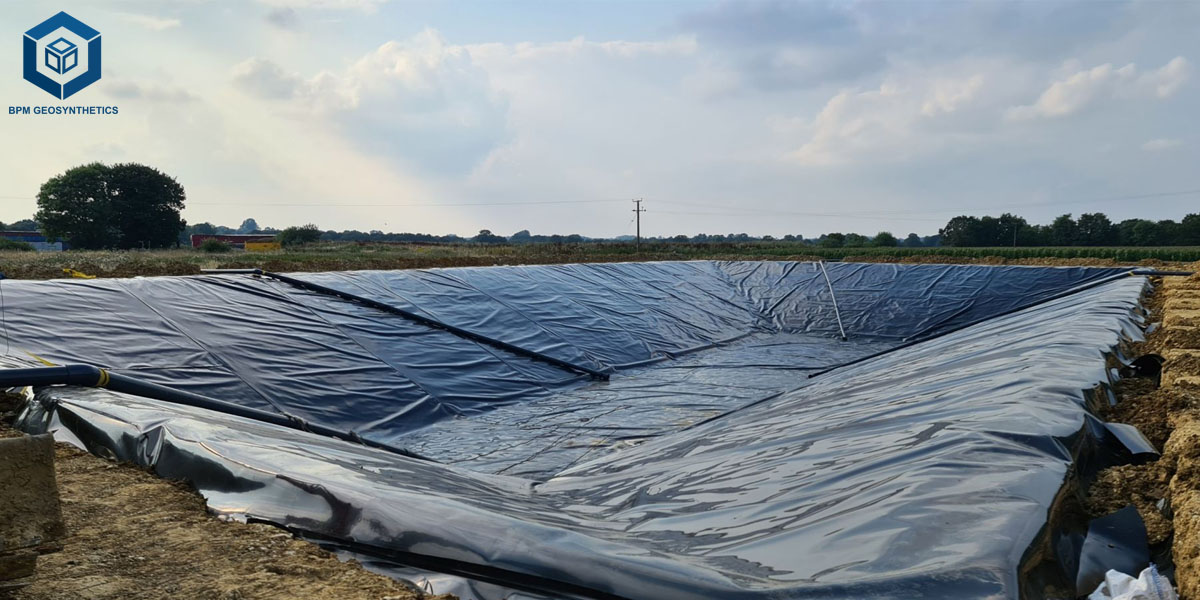
From a short list of the project application scenarios, the planned service life, and the seepage prevention requirements, select the high density polyethylene liner thickness and material grade accordingly. Take an example of a small agricultural pond; it doesn’t require an over-expensive 2.0mm UV-resistant HDPE liner at all. The 1.0mm regular liner would be equally good, therefore saving up to 30%-40% of the expenditure.
3.2 Collect and Compare Quotations from Different Suppliers and Evaluate All Related Costs
Ask for quotations from 3-5 suppliers at least, including manufacturers as well as distributors. In price comparison, concentrate on the unit price of HDPE liners but also keep track of the expenses related to shipment, packaging, and certification. It is good to opt for professional hdpe pond liner manufacturer as they guarantee product quality and providing you with after-sales service.
3.3 Make the Most of Bulk Buying and Combine Orders
When the project consumption of high density polyethylene geomembrane is going to be very large, bulk buying is definitely the choice to make to get volume discounts. Should the quantity of one project not be enough to reach the MOQ for getting the best prices, you may work with other projects or partners to put orders together, which is a good way to reduce the price of the product by 10%-20%.
3.4 Selecting the Appropriate Supplier
For large-scale projects that demand a lot of quantities, polyethylene geomembrane is more beneficial to buy straightly from the producers if you want the lowest price as well as product quality stability. On the other hand, if you are dealing with a small-scale project or have an urgent order to be fulfilled, distributors are the most appropriate option as they not only stock local inventory but also have the capability to deliver the goods at short notice. Developing a long-term cooperative relationship with trustworthy suppliers will allow you not only to get lower prices but also to have access to the preferential policies such as free samples, technical support, and flexible payment terms.
3.5 Prevent Hidden Charges
When making price inquiries, get an itemized cost breakdown from the suppliers, which includes the hdpe geomembrane price, packaging, shipping (FOB or CIF), taxes, and certification fees. Make sure that you have determined clearly whether the parts of the costs that are attributable to custom specifications, special treatments, and after-sales services are already included or not. At the same time, familiarize yourself with the import duties and regulatory requirements of your country so that you do not incur unexpected costs owing to the non-compliance with the documents.
Conclusion
The cost of HDPE liners is affected by multiple factors such as raw material quality, thickness, production process, purchase volume, and geographic location. The key to smart procurement is not to choose the cheapest product, but to find the HDPE liner that best fits the project's needs to form a high-performance, cost-effective solution. A slightly higher upfront investment in high-quality HDPE liners can reduce maintenance costs, extend the service life of the project, and bring long-term economic and environmental benefits.
Should you require project-specific customized quotes or want further details about the specifications of the HDPE liner, do not hesitate to contact us at The Best Project Material Co., Ltd.(BPM Geosynthetics). As an expert HDPE liner (geomembrane) manufacturer, we have ISO 9001 and SGS certification and are capable of providing you with excellent products at reasonable prices. We provide free-of-charge samples for quality testing and can tailor products to your project needs. No matter if you are involved in landfill anti-seepage, agricultural irrigation, or coastal protection projects, you will find the right solution with us.