Gravel Grid
Gravel Grid is a durable ground stabilization system designed to hold gravel firmly in place while improving load distribution. It helps prevent gravel movement, rutting, and erosion, creating a stable and permeable surface for various applications.
- Strong Load Support – Reinforces gravel surfaces and improves weight distribution.
- Prevents Gravel Migration – Keeps stones locked in place to reduce maintenance.
- Permeable Structure – Allows water drainage and reduces surface runoff.
- Easy Installation – Lightweight panels that are quick to install on prepared ground.
- Wide Applications – Ideal for driveways, parking areas, pathways, and landscape projects.
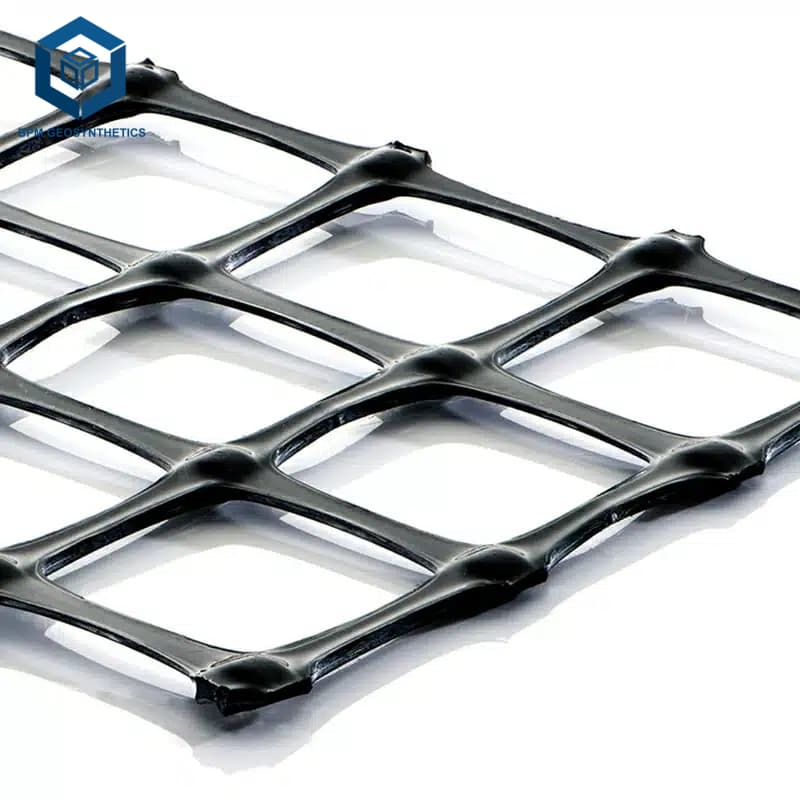
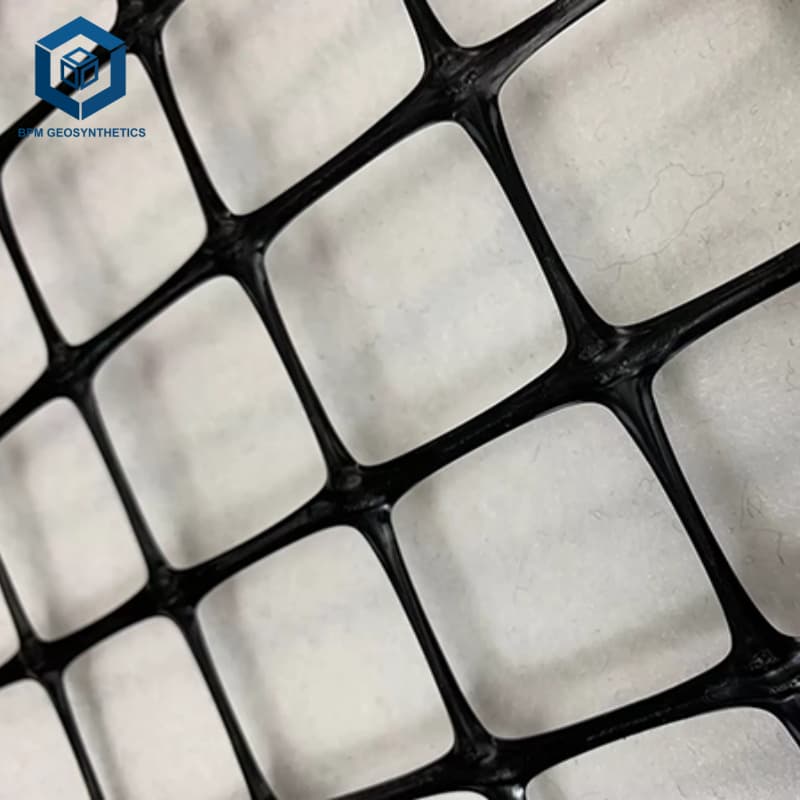
Gravel grid is a ground stabilization system that can be used to reinforce gravel surfaces and help keep the gravel in place, thus avoiding displacement, rutting, and erosion. Being made from tough plastic material such as HDPE or PP, the geogrid pattern is able to hold the gravel or small stones firmly, thus a stable, permeable, and durable surface is obtained. In fact, these gravel grids can be seen in all kinds of landscaping, driveways, parking areas, pathways, and generally all those ground applications where load-bearing is involved and stable gravel surfaces are required.

1. Overview of Gravel Grid Product
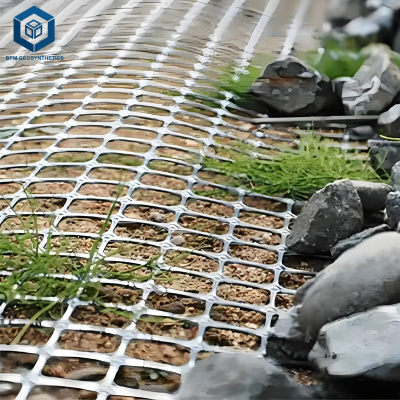
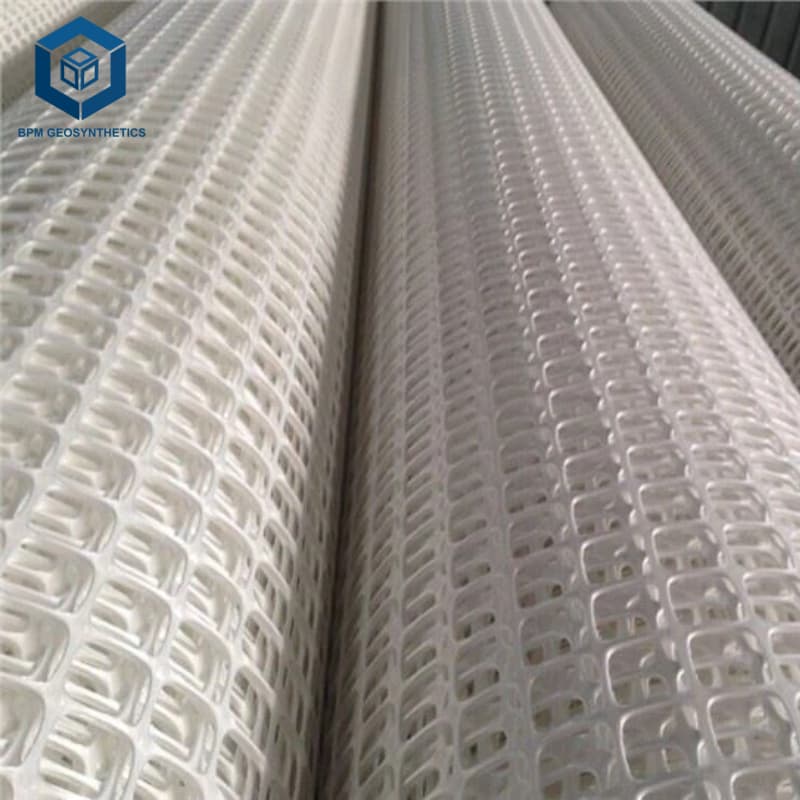
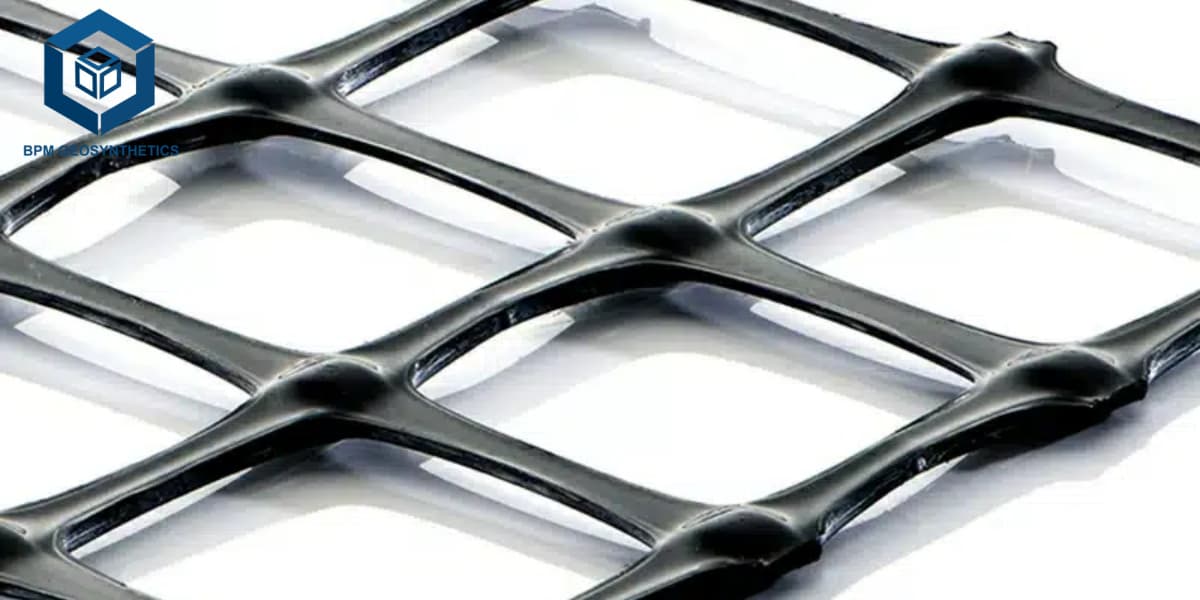
The panels of the gravel stabilizer grid have a honeycomb or interlocking cell structure that helps to evenly distribute the loads on the surface. When the cells are filled with gravel, the plastic gravel grids acts like a reinforced base, thus not only improving the surface stability, but also allowing natural drainage. The geo grid driveway systems are characterized by having less maintenance and material loss in comparison with the conventional loose gravel surfaces.
2. Gravel Grid Main Features and Benefits
2.1 Increased Load-Bearing Capacity
The weight is spread out evenly over the whole surface thanks to the reinforced grid structure. Therefore, the load-bearing capacity of gravel areas is significantly increased. This structure also acts as a preventive measure against local pressure points as it helps to avoid damage to the surface. Consequently, gravel grid systems are equally suitable for pedestrian walkways and traffic areas for vehicles such as driveways, parking spaces, and access roads.
2.2 Excellent Ground Stabilization Efficiency
Each cell of the driveway grids effectively traps its own local segment of gravel thus preventing the stones from shifting or spreading under pressure. Due to this feature, the risk of sinking, rutting, or formation of uneven surfaces is minimized over time. Since the gravel layer remains compacted and stabilized the overall system is of increased durability and enhanced long-term performance.
2.3 Permeable Drainage System
Thanks to the gravel stabilisation grid having an open-cell structure, the rainwater is able to freely flow through the gravel and down the soil. This permeable design is a great way to help reduce water buildup on the surface, minimize the formation of puddles, and enhance drainage efficiency. Moreover, geogrid soil stabilization is a beneficial factor in sustainable landscape designs as it makes possible groundwater recharge and runoff reduction.
2.4 Long Lasting and Weather Resistant
Generally speaking gravel retaining grid is made from either HDPE or PP which are materials of high strength and therefore these provide gravel grids with excellent durability. These substances are UV-resistant and can also withstand temperature variations, frost, and other adverse outdoor conditions. This guarantees that the system will continue to give the desired performance for many years.
2.5 Installation is Easy and Fast
The modular panels are designed to be interlocking so that they can be snapped together quickly and securely during the installation process. Thanks to their lightweight nature, they are easy to handle and transport, and the simple installation technique also means that less time needs to be spent on the work and costs are reduced. Provided that the base layer has been properly prepared, geo grid wall is a quick job to install geogrid erosion control.
2.6 Less Maintenance
Immediately after the installation and the filling with gravel, the grid system acts as a net that tightly holds the aggregate in place. Therefore, there will be less frequent maintenance, refilling, or leveling necessary compared with the traditional loose gravel surfaces. In other words, the solution to ground stabilization that is more durable and less expensive has been found.
3. Gravel Grid Applications
Gravel Grid systems find their way in many projects related to infrastructure, landscaping, and ground reinforcement. Stabilizing gravel and the improvement of drainage are just some of the benefits that these systems bring. They thus represent a durable as well as an environmentally friendly solution suitable for residential and commercial uses.
3.1 Driveways and Residential Parking Areas
When it comes to residential driveways and parking spaces, gravel paver grid is a common choice. The problem with loose gravel is that it can develop ruts and uneven areas when vehicles drive or park on it repeatedly. But a gravel grid helps to keep the aggregate evenly distributed and locked in place, which means a smoother driving surface and less need for regular gravel replacement. This is especially important for homeowners who want to maintain a nice appearance and avoid costly repairs.
3.2 Garden Paths and Walkways
In landscaping projects, ground reinforcement grids are often used for garden paths and pedestrian walkways. The grid structure keeps the gravel layer stable, even with continuous foot traffic. This makes for a more comfortable walking surface and helps the path retain its neat and level appearance. Plus, since the system is permeable, rainwater can drain naturally through the surface into the soil below, reducing the risk of erosion and other problems.
3.3 Parking Lots and Overflow Parking Areas
Gravel mesh is also suitable for parking areas, including event parking zones or temporary overflow lots. The plastic paving grid framework reinforces the gravel surface and spreads the load created by vehicles, preventing surface deformation like potholes or rutting. This makes the parking area safer and easier to maintain over time, which is especially important for businesses or organizations that need to accommodate large numbers of vehicles.
3.4 Golf Courses and Recreational Areas
Many golf courses, parks, and recreational spaces use geo grid for gravel to stabilize paths, service routes, and maintenance roads. These areas often require surfaces that can support golf carts and light maintenance vehicles while still blending in with the natural landscape. Gravel grids provide the necessary ground reinforcement without disrupting the appearance of the surroundings, making them a popular choice for these types of applications.
3.5 Emergency Access Roads
Gravel grids can also be used to construct emergency access routes, which may be required for fire trucks, ambulances, or other service vehicles in areas with soft ground conditions. The reinforced gravel layer created by the grid provides better traction and stability, helping vehicles move safely across the surface. This is critical in emergency situations where every second counts.
3.6 Landscape and Slope Protection Projects
Gravel grids are effective in landscaping projects that involve slopes or uneven terrain. On these surfaces, loose gravel and soil can easily move due to rainfall or gravity, leading to erosion and other problems. But the grid structure helps keep materials in place, improving slope stability and reducing the risk of erosion over time. This makes gravel grids a popular choice for landscaping projects that require a stable and durable surface.
3.7 Green Parking Systems
In recent years, gravel geogrid have been widely used in green parking designs. Because the system allows water to pass through the surface, rainwater can infiltrate the soil rather than running off into drainage systems. This helps reduce surface runoff and supports more sustainable urban drainage solutions, making gravel grids a popular choice for environmentally friendly parking designs.
4. Gravel Grid Installation Process
Proper installation is key to ensuring that a gravel grid system performs well over the long term. With the right preparation and installation steps, the finished surface can provide reliable stability, good drainage, and strong load-bearing performance. It's essential to follow the manufacturer's instructions and take the necessary precautions to ensure a successful installation. By doing so, homeowners and businesses can enjoy the benefits of a gravel grid system for years to come.
4.1 Getting Started with Ground Preparation
To begin, you need to get the installation area ready. This means digging the ground to the right depth, depending on what the project needs and how much weight it will have to support. After that, the surface has to be made level and cleared of any plants, roots, and other stuff that might be in the way. If the ground is well-prepared, it will be a good base for the whole system and help prevent problems later on.
4.2 Laying the Base Layer
Next up, you put down a layer of crushed stone or compacted gravel over the prepared ground. This base layer gives the system the support it needs and helps spread the weight around evenly. The aggregate should be spread out evenly and compacted properly to create a solid and well-drained base.
4.3 Adding a Geotextile Layer (If Needed)
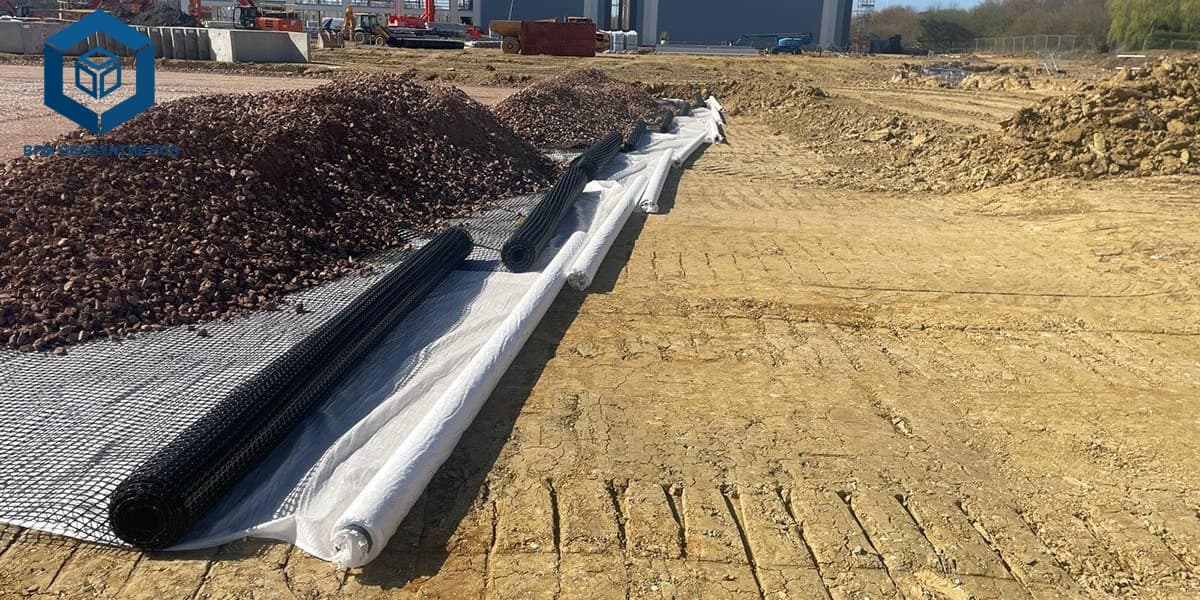
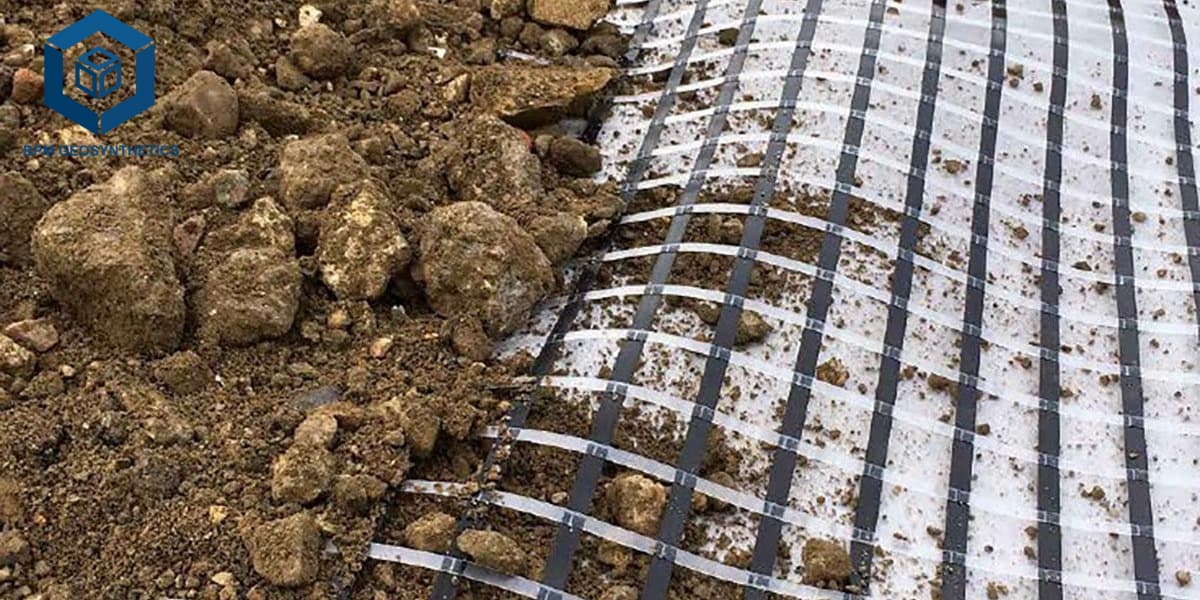
In a lot of cases, a layer of geotextile fabric is added between the natural soil and the base aggregate. This fabric acts like a separator, stopping soil particles from mixing with the gravel, while still letting water pass through. This helps keep the base layer stable and makes sure it drains properly.
4.4 Putting the Grid in Place
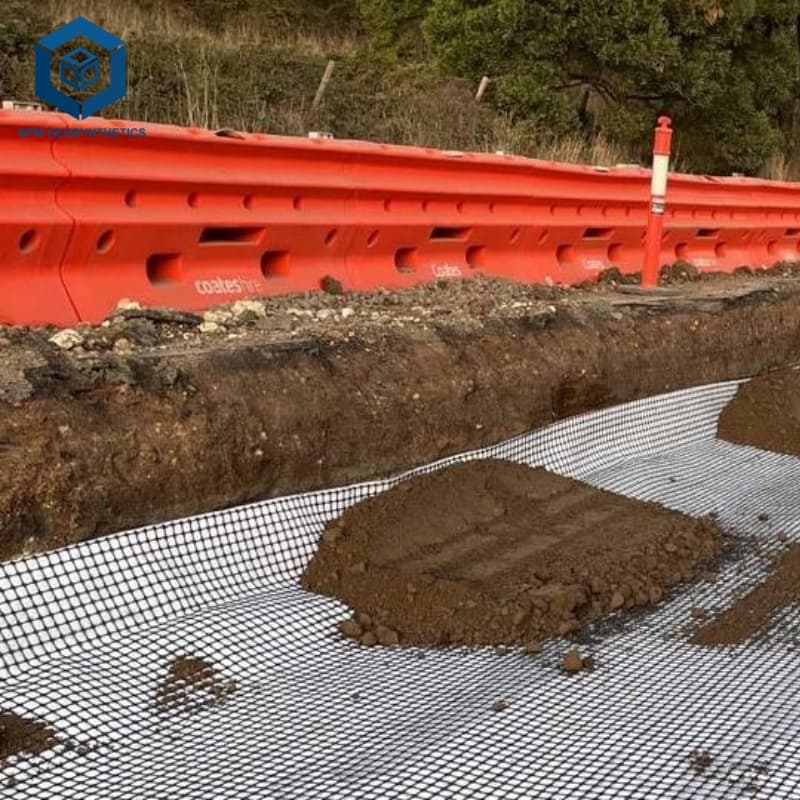
After the base layer is compacted, you can lay down the gravel grid panels on top. Most panels are designed to fit together easily, so they can connect and form a continuous grid. When you're installing them, make sure to line them up carefully so they sit evenly on the base.
4.5 Filling with Gravel
Once the grid panels are in place, you fill the cells with gravel or crushed stone. The aggregate should be spread across the surface and worked into the cells until they're fully filled. This process locks the gravel into the grid structure and creates a reinforced gravel surface.
4.6 Final Touches: Compaction
The last step is to compact the filled gravel surface. Using the right compaction equipment helps the aggregate settle firmly inside the grid cells. After compaction, the surface becomes more stable, level, and able to support heavy loads over time.
5. Gravel Grid FAQ
5.1 Can gravel grids be installed on slopes?
Yes, gravel grids can be installed on mild to moderate slopes to help stabilize gravel and soil. The grid structure helps prevent material movement caused by rainwater or gravity, improving slope stability and reducing erosion risks.
5.2 Can gravel grids support vehicles?
Yes, gravel grids are designed to support vehicle loads when installed on a properly prepared base. The grid structure distributes weight evenly across the surface, allowing it to handle passenger cars and light vehicles in applications like driveways and parking areas.
5.3 What type of gravel is best for gravel grids?
Crushed stone or angular gravel is generally recommended because it interlocks well within the grid cells. This type of aggregate provides better stability compared to rounded stones, helping the surface remain firm and level over time.
5.4 Do gravel grids improve drainage?
Yes, gravel grids are designed with a permeable structure that allows water to pass through the surface. Rainwater can flow through the gravel layer and into the soil beneath, which helps reduce puddles and surface runoff.
5.5 How long do gravel grid systems last?
High-quality gravel grids made from materials such as HDPE or polypropylene can last many years in outdoor environments. Their durability depends on factors such as material quality, installation method, load conditions, and environmental exposure.
5.6 Do gravel grids require maintenance?
Gravel grid systems generally require minimal maintenance once installed. Because the grid holds the gravel in place, the need for frequent resurfacing or gravel replacement is significantly reduced.
Conclusion
Gravel Grid is an efficient ground stabilization solution designed to improve the performance and durability of gravel surfaces. With its strong structure and permeable design, it provides reliable support for a wide range of residential, commercial, and landscape applications.
For projects requiring reliable ground stabilization, The Best Project Material Co., Ltd.(BPM Geosynthetics)offers high-quality gravel grid solutions designed to meet different engineering and landscaping needs. With advanced manufacturing technology and strict quality control, BPM Geosynthetics provides durable products, professional technical support, and customized solutions for global customers.