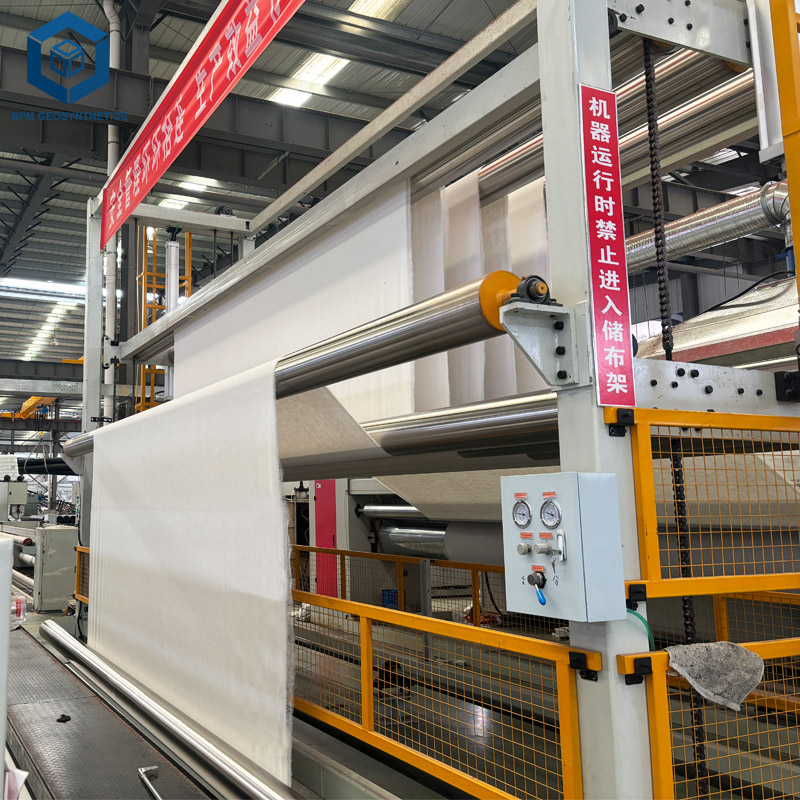
Non Woven Fabric Textile
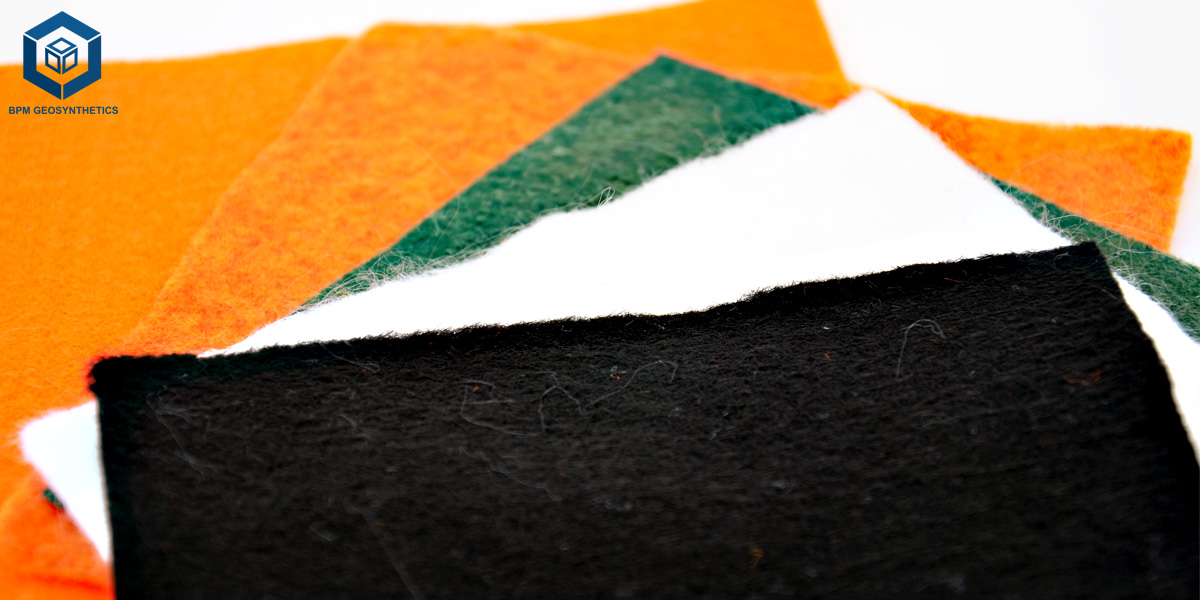
Non Woven Fabric Textile is a versatile textile material made by bonding fibers through mechanical, thermal, or chemical processes rather than traditional weaving. Available in polypropylene (PP) and polyester (PET), it offers reliable strength, filtration, drainage, and separation performance for various industrial and construction applications.
- Durable Material: Provides reliable strength and abrasion resistance.
- Excellent Filtration: Allows water to pass while retaining soil particles.
- Multiple Specifications: Customizable GSM, width, thickness, and color.
- Wide Applications: Suitable for drainage, landscaping, road construction, erosion control, and soil stabilization.
Discover the exceptional versatility and performance of our premium non woven fabric textile, engineered to meet the demanding standards of modern industries worldwide. Unlike traditional woven or knitted textiles, nonwoven fabrics are meticulously manufactured by bonding or interlocking fibers mechanically, thermally, or chemically, creating a smooth, durable, and highly adaptable material. Elevate your product line with sustainable, cost-effective solutions designed to deliver superior functionality and reliability across every application.
1. Product Introduction: What Problem Does This Non Woven Fabric Textile Solve?
1.1 Non Woven Fabric Textile Material & Structure:
Manufactured from high-grade virgin polypropylene (PP) or polyester (PET) staple fibers, our non woven fabric textile is created through a precision carding and needle-punching process. This mechanical bonding forms a highly porous, three-dimensional fibrous matrix that allows water to flow freely while mechanically locking soil particles in place.
1.2 Non Woven Fabric Textile Core Engineering Functions
- Separation: Prevents the intermixing of distinct soil layers (such as subgrade soils and aggregate base courses), preserving the structural integrity and load-bearing capacity of roadways and foundations.
- Filtration: Retains soil particles subjected to hydrodynamic forces while allowing water to pass through freely, preventing piping and soil erosion behind retaining walls or around drainage pipes.
- Drainage: Acts as a conduit in the plane of the nonwoven fabrics, facilitating the lateral transmission of water and relieving hydrostatic pressure in slopes, sports fields, and subgrades.
- Protection: Shields vulnerable geomembranes, waterproofing layers, and subsurface structures from puncturing and abrasion caused by sharp aggregate stones during backfilling.
1.3 Non Woven Fabric Textile Typical Project Applications
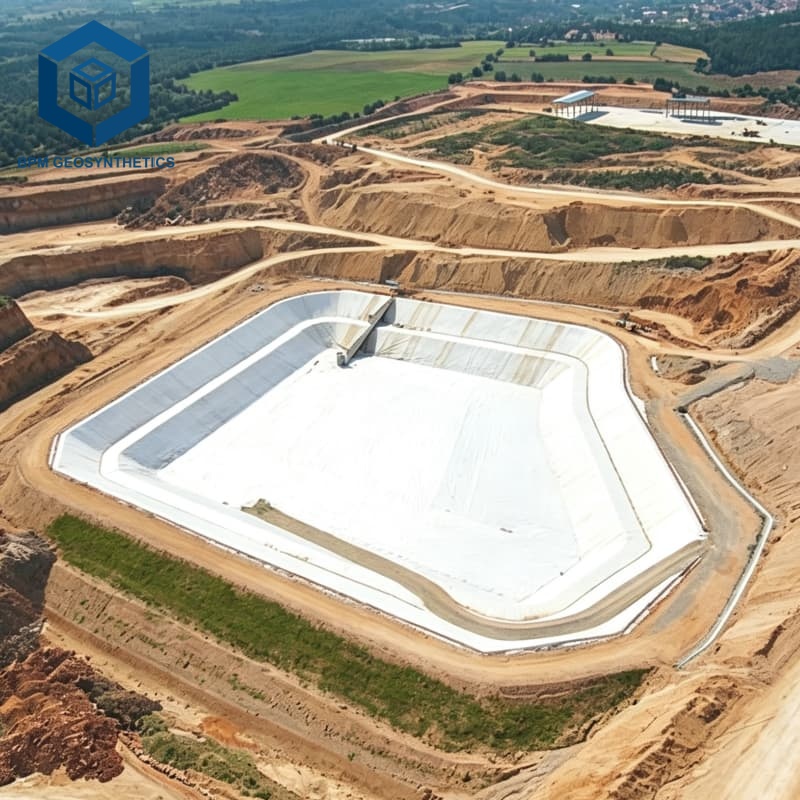
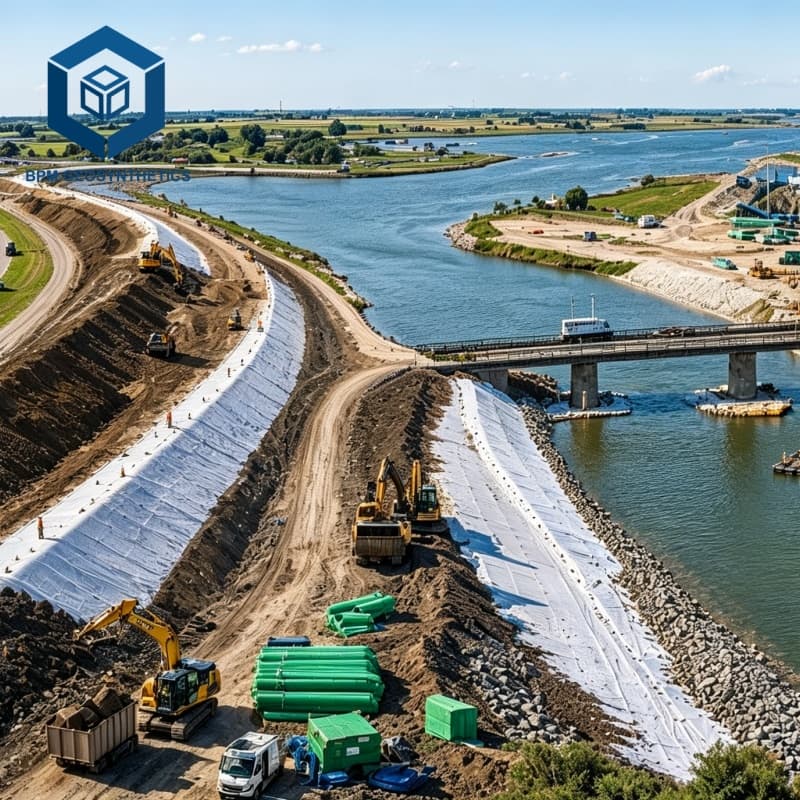
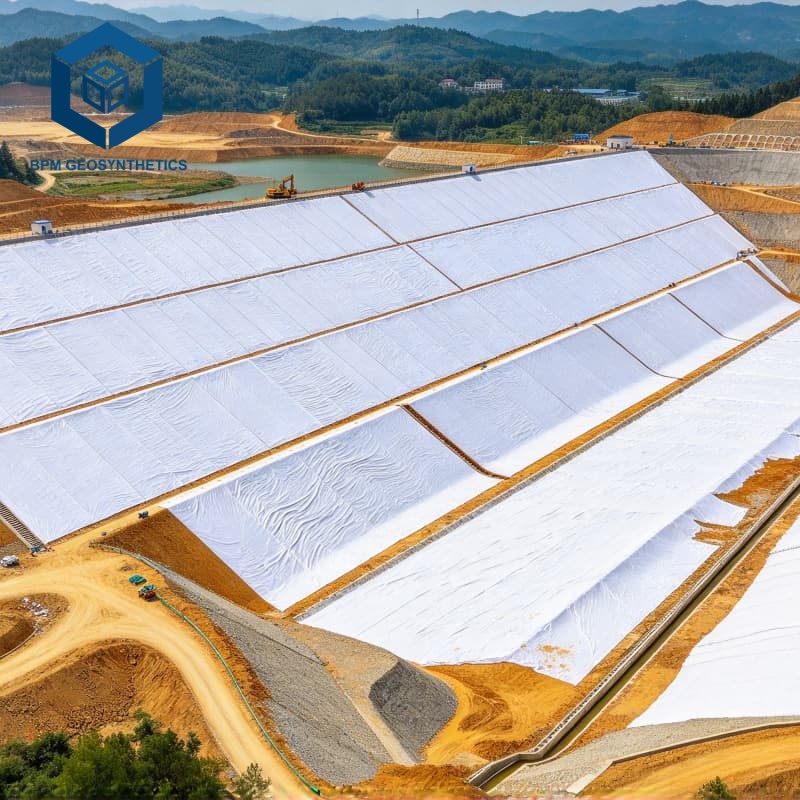
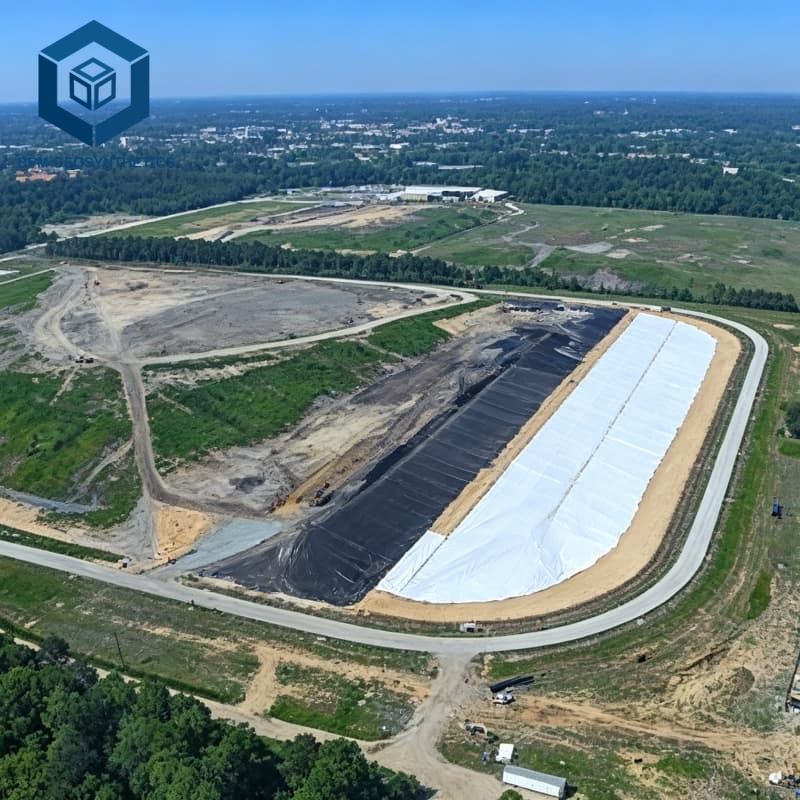
Widely utilized in highway and roadway construction, french drains, retaining wall backfills, railway ballast stabilization, coastal revetments, and landfill containment systems. By matching the correct non woven textiles properties to specific soil conditions and dynamic loads, engineers can significantly extend infrastructure lifespans and reduce maintenance costs.
2. PP vs. PET Non Woven Fabric Textile: Which Material Fits Your Project?
Choosing the right polymer is critical to ensuring long-term performance and chemical compatibility in your specific environment.
2.1 Polypropylene (PP) Nonwoven Geotextile:
2.1.1 Characteristics:
Possesses exceptional natural chemical resistance to acids, alkalis, and microorganisms found in aggressive soils. PP geotextile features a lower specific gravity (lighter weight per unit volume) and excellent mechanical tensile strength-to-weight ratios.
2.1.2 Ideal Applications:
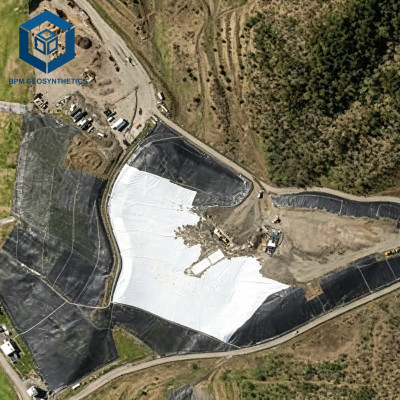
Highly recommended for harsh chemical environments, marine and coastal engineering, landfills, and areas exposed to severe leachate or organic solvents where chemical degradation is a primary concern.
2.2 Polyester (PET) Nonwoven Geotextile:
2.2.1 Characteristics:
Known for its outstanding modulus, high tensile strength, creep resistance, and superior UV resistance during installation. PET geotextile fibers maintain high dimensional stability under sustained heavy loads.
2.2.2 Ideal Applications:
Best suited for high-load infrastructure projects, steep slopes, railway stabilization, and roadway subgrades where high tensile strength, deformation resistance, and long-term load containment are paramount.
2.2.3 Selection Logic:
Project specifications, soil pH levels, expected mechanical loading, and design life requirements dictate whether a PP or PET formulation is deployed. Our engineering support team can review your project parameters to recommend the most cost-effective and compliant polymer choice.
3. Specifications & Technical Parameters: How to Select the Right Non Woven Fabric Textile GSM?
To achieve optimal performance, procurement managers and civil engineers must look beyond basic marketing terms and evaluate precise technical metrics:
3.1 Weight (GSM - Grams per Square Meter):
Determines the mass and density of the non woven textiles. Ranging typically from 100 GSM to 800 GSM, heavier grades offer higher puncture resistance and tensile capacity for heavy civil applications, while lighter grades serve standard separation and filtration tasks.
3.2 Mechanical Properties:
- Tensile Strength (MD/CD): Measures the maximum pulling force the non woven geotextile fabric can withstand before breaking in machine and cross-machine directions.
- Elongation at Break: Indicates the fabric's flexibility and ability to stretch and absorb energy under high dynamic impact without tearing.
- CBR Puncture Resistance: Reflects the material's resistance to localized stone piercing during aggressive aggregate spreading and compaction.
3.3 Hydraulic Properties:
- Water Permeability & Permittivity: Quantifies the rate at which water flows perpendicular to the fabric plane under a constant head.
- Apparent Opening Size (AOS / O90): Represents the pore size index, ensuring that soil particles are effectively retained while allowing adequate water permeability.
- Roll Dimensions: Standard widths (e.g., 2m to 6m) and lengths (e.g., 50m to 100m) can be tailored to minimize on-site overlap waste and reduce seam installation labor. Complete Technical Data Sheets (TDS) and third-party lab test reports are available to match specific ASTM, ISO, or regional project standards.
4. Application Scenarios: Tailoring Non Woven Fabric Textile to Civil Engineering Needs
Different structural environments impose unique mechanical and hydraulic demands on non woven fabric textiles:
4.1 Road Construction & Pavements:
Placed directly over soft subgrades beneath crushed stone aggregate base layers. Fabric geotextile prevents subgrade fines from pumping up into the base course, maintaining structural stiffness and preventing rutting under heavy vehicular traffic.
4.2 French Drains & Subsurface Drainage Systems:
Wrapped around perforated drainage pipes or lining trench walls. Geo fabric functions as an effective filter, stopping fine silt and clay from clogging the porous gravel backfill and drainage pipes, ensuring uninterrupted water flow.
4.3 Retaining Walls & Reinforced Slopes:
Installed behind modular block walls or concrete panel structures. It works in tandem with backfill and drainage aggregates to relieve hydrostatic pressure and stabilize retained soil masses against sliding.
4.4 Railways & Track Beds:
Inserted beneath railway ballast to separate ballast rock from subgrade soils, preventing mud pumping caused by cyclic train loads and reducing track maintenance cycles.
4.5 Water Conservancies, Canals & Revetments:
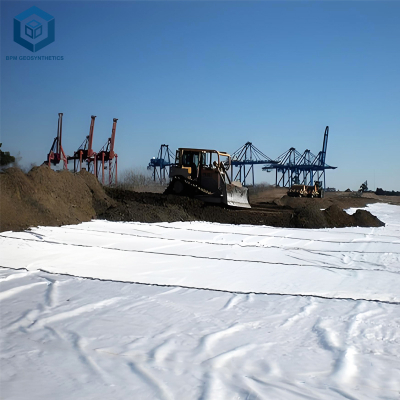
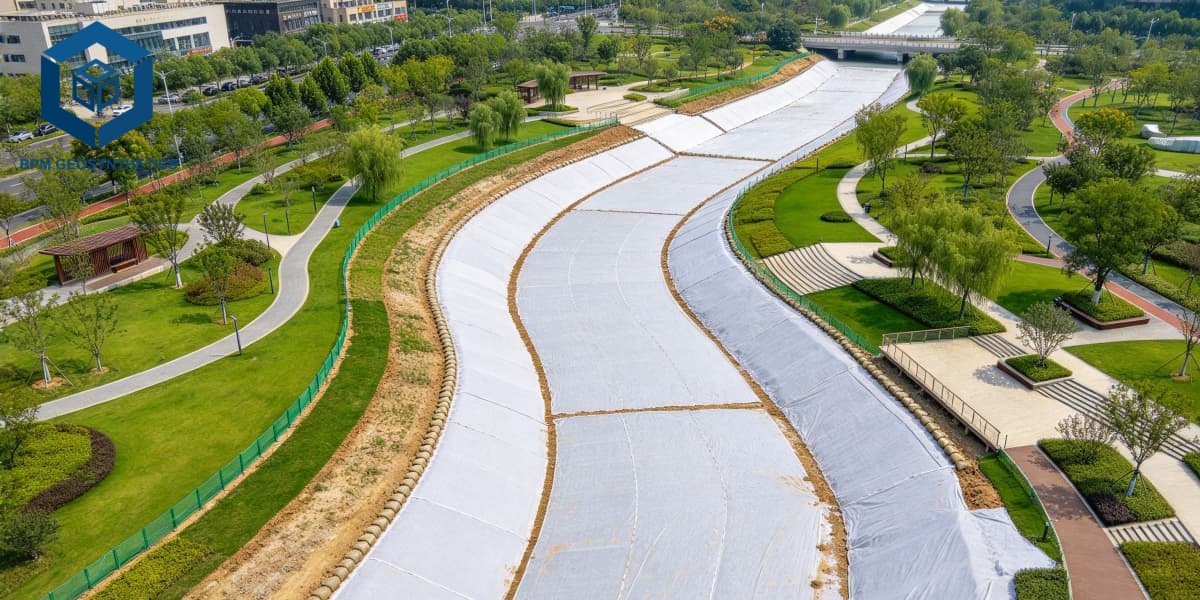
Laid along riverbanks, reservoirs, and canal slopes beneath riprap armor. Non woven geotextile prevents underlying soil erosion from wave action and flowing water while allowing underlying groundwater to escape safely.
4.6 Landfills & Environmental Containment:
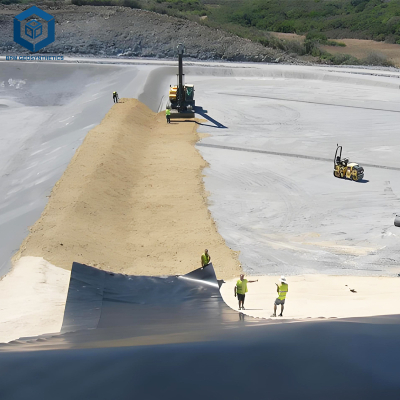
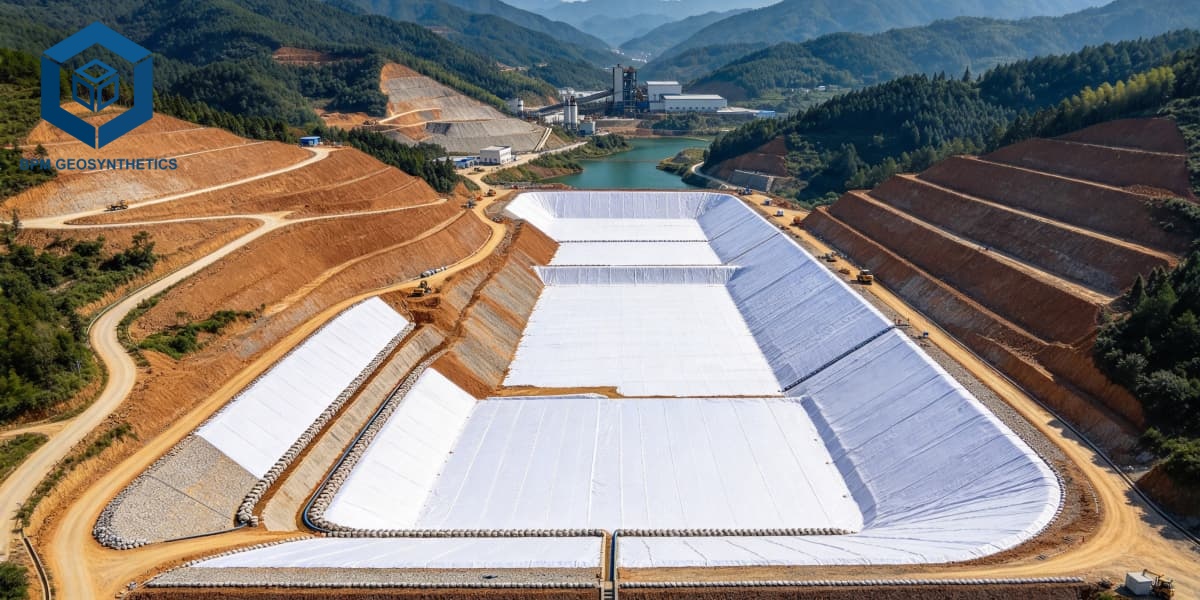
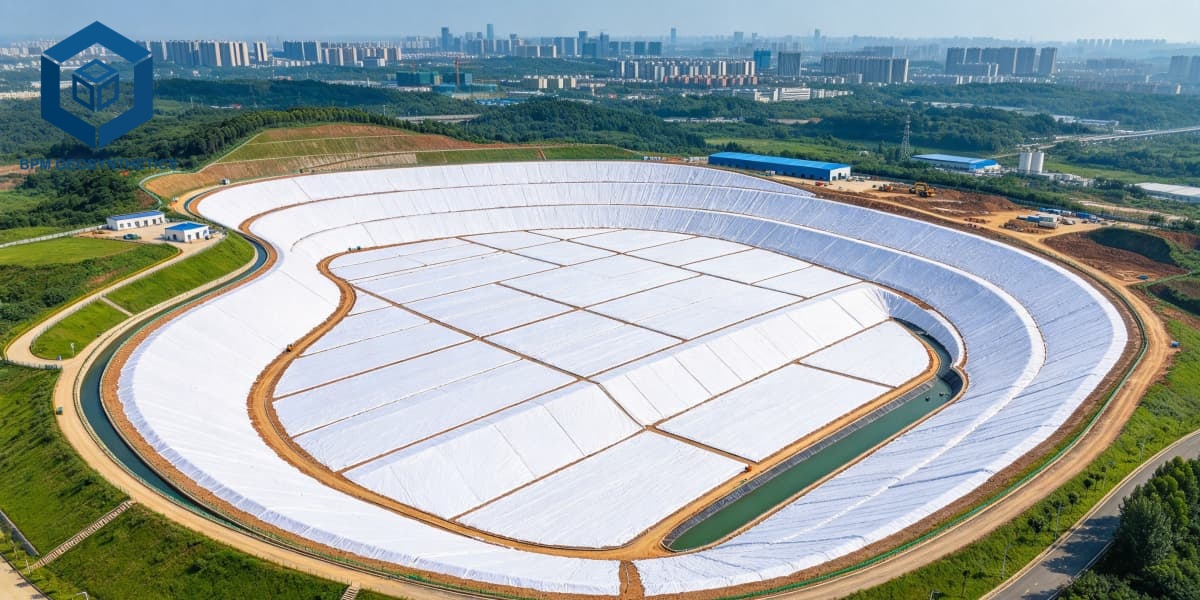
Utilized as a heavy-duty cushion and protection layer above and below geomembrane liners, safeguarding liners from puncture by sharp subgrade stones or overlying drainage aggregates.
5. Core Product Advantages: Why Buyers Choose Our Non Woven Fabric Textile?
5.1 Uniform Fiber Distribution:
Advanced needle-punching technology ensures consistent cross-directional tensile strength and uniform pore distribution, guaranteeing reliable long-term filtration and separation behavior.
5.2 Comprehensive GSM & Polymer Options:
A full spectrum of weights (100 GSM – 800 GSM) in both virgin PP and PET options allows precise matching to any engineering specification.
5.3 Optimized Roll Configurations:
Customizable non woven geotextile roll widths and lengths minimize on-site cutting, reduce overlap waste, and streamline installation efficiency for large-scale contractors.
5.4 Strict Quality Control Standards:
Every production batch undergoes rigorous testing for mass per unit area, grab tensile strength, CBR puncture resistance, and hydraulic permittivity to ensure strict compliance with international standards.
5.5 Complete Technical Backing:
We provide comprehensive documentation, including Technical Data Sheets (TDS), material safety data, quality inspection certificates, and installation guidelines to support project bidding and engineering approval.
5.6 Reliable Global Supply Chain:
Scalable manufacturing capacity, professional export packaging (UV-resistant protective wrapping), and efficient logistics coordination ensure on-time delivery to project sites worldwide.
6. Non Woven Fabric Textile Customization Services: Tailoring Production to Your Project Requirements
We accommodate specialized project demands through comprehensive OEM and custom manufacturing capabilities:
6.1 Specification Customization:
Ability to adjust grammage (GSM), polymer type (PP/PET), and fabric thickness according to custom engineering design briefs.
6.2 Roll Dimensions & Packaging:
Custom roll widths (up to 6 meters) and lengths, core diameters, and reinforced woven outer wrapping for rugged transport and easy job-site unrolling.
6.3 Labeling & Branding:
Custom core printing, waterproof external product labels, and shipping mark customization for distributors and international trading partners.
6.4 Sample & Documentation Support:
Free representative material samples, professional TDS packages, and batch-specific mill test certificates provided promptly for project submittals and tender approvals.
6.5 Bulk Volume & Schedule Management:
Flexible production scheduling and phased shipment planning to match large-scale infrastructure construction milestones.
7. Non Woven Fabric Textile Factory Strength & Quality Assurance
7.1 Advanced Manufacturing Infrastructure:
Operating state-of-the-art automated staple fiber carding, cross-lapping, and high-speed needle-punching production lines that guarantee high output stability and consistent physical properties.
7.2 In-House Quality Testing Laboratory:
Equipped with professional tensile testing machines, thickness gauges, and hydraulic flow test apparatuses to inspect every production batch before release.
7.3 Traceability & Batch Control:
Complete tracking from virgin raw material chips to finished master rolls, ensuring full accountability and consistent quality across multi-container orders.
7.4 Export-Grade Logistics & Handling:
Expert container loading procedures, moisture-proof and UV-resistant packaging, and strategic port proximity ensure products arrive at destination job sites in pristine condition.
8. Non Woven Fabric Textile Frequently Asked Questions (FAQ)
Q1: What Information Should I Provide When Requesting a Non Woven Geotextile Quotation?
To obtain an accurate quotation, provide the following details:
- Material preference: PP or PET
- Required GSM or performance specification
- Roll width and length
- Total quantity or total project area
- Intended application and project conditions
- Required standards or technical documents
- Destination country or delivery port
- Packaging and customization requirements
If the GSM or technical specifications are not yet confirmed, share the project application and available design requirements so the supplier can recommend suitable options for evaluation.
Q2: How Can I Check the Quality of Non Woven Geotextile Before Purchasing?
Review the manufacturer's technical data sheet, request relevant test reports, and confirm that the stated properties meet your project requirements. Where necessary, request a sample for evaluation or arrange independent testing. Consistency in GSM, roll dimensions, appearance, mechanical properties, and packaging can also help buyers assess product quality.
Q3: Can Non Woven Geotextile Be Used with HDPE Geomembrane?
Yes. Nonwoven geotextile is frequently used with HDPE geomembrane systems as a protective cushion between the geomembrane and adjacent soil, aggregate, or other materials. The appropriate geotextile weight and puncture resistance depend on subgrade conditions, contact materials, installation stresses, and project design requirements.
Q4: Is Heavier Non Woven Geotextile Always Better?
No. A higher GSM generally means more material mass per unit area, but it does not automatically guarantee better performance for every application. Filtration compatibility, permeability, tensile strength, puncture resistance, and durability must also be considered. The most suitable product is one that meets the project's performance requirements without unnecessary material costs.
Q5: Why Should I Buy Non Woven Geotextile Directly from a Manufacturer?
Purchasing directly from a manufacturer may provide more direct communication about specifications, customization, production scheduling, and quality documentation. It can also simplify coordination for large-volume orders. Buyers should evaluate the manufacturer's actual production capabilities, quality control procedures, technical support, and delivery record before making a purchasing decision.
Q6: Can you provide samples, TDS, and test reports for project approval?
Yes. We routinely supply free product samples, comprehensive Technical Data Sheets (TDS), and third-party laboratory test reports to assist contractors and engineers with project submittals.
Conclusion: Choose BPM Non Woven Fabric Textile for Reliable Geotextile Solutions
Choosing the right non woven fabric textile is essential for achieving reliable soil separation, filtration, drainage, and protection in geotechnical projects. BPM Geosynthetics offers PP and PET nonwoven geotextile solutions with customizable weights, widths, roll lengths, and packaging to meet different engineering and procurement requirements.
With professional manufacturing capabilities, strict quality control, and export experience serving customers worldwide, BPM Geosynthetics supports buyers in selecting suitable products for road construction, drainage systems, retaining walls, landscaping, and other infrastructure applications.
Whether you need standard nonwoven geotextile rolls or customized specifications for a specific project, BPM Geosynthetics is ready to support your purchasing needs with practical product recommendations and dependable supply solutions.
Contact The Best Project Material Co., Ltd. (BPM Geosynthetics) today to discuss your project requirements, request product specifications, or obtain a competitive quotation for your non woven fabric textile order.