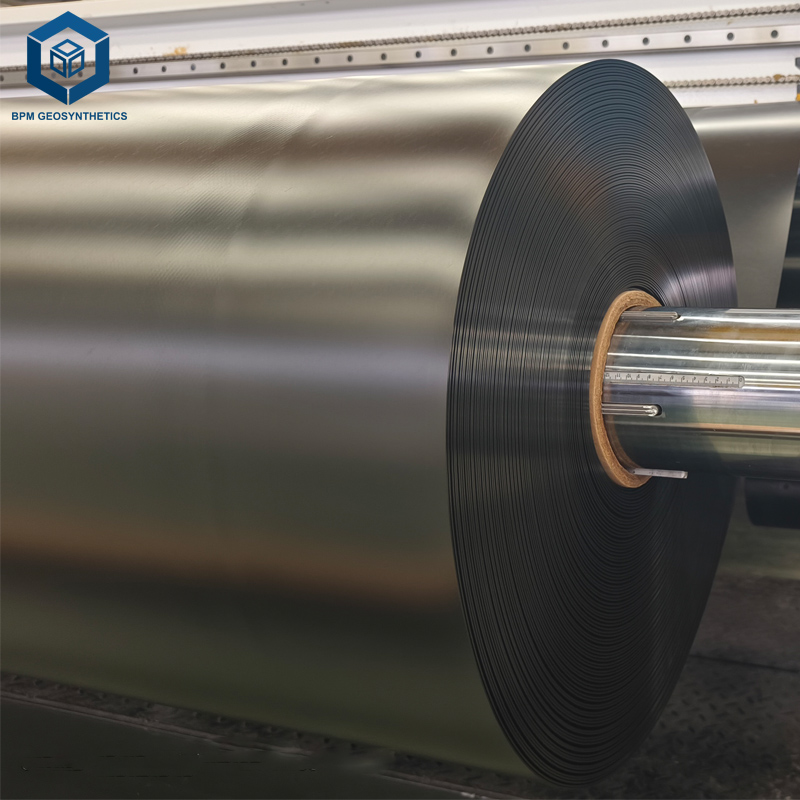
Damliner
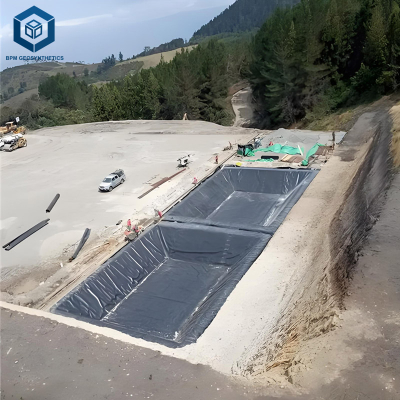
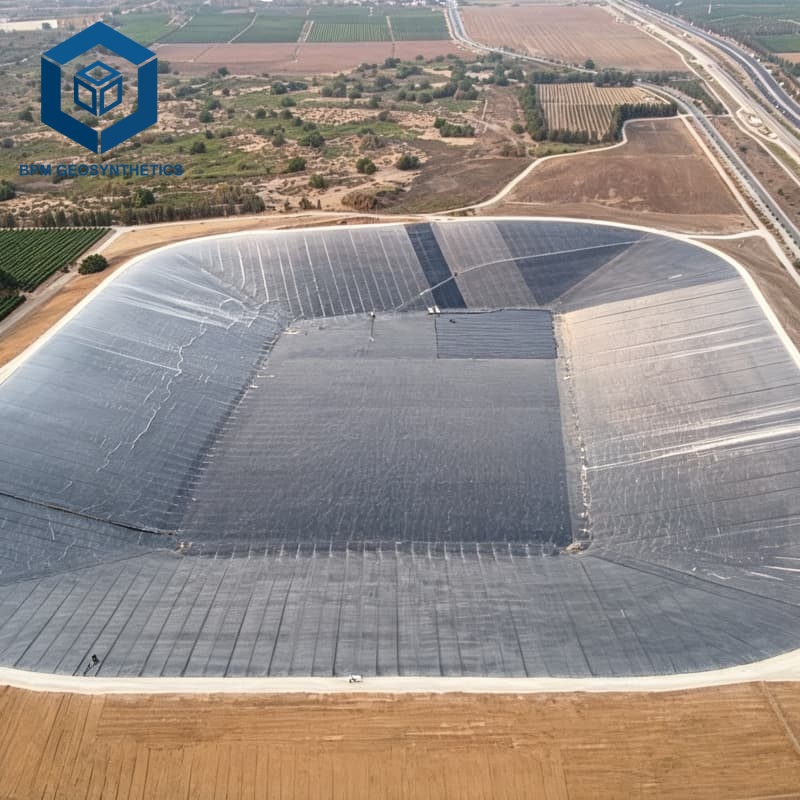
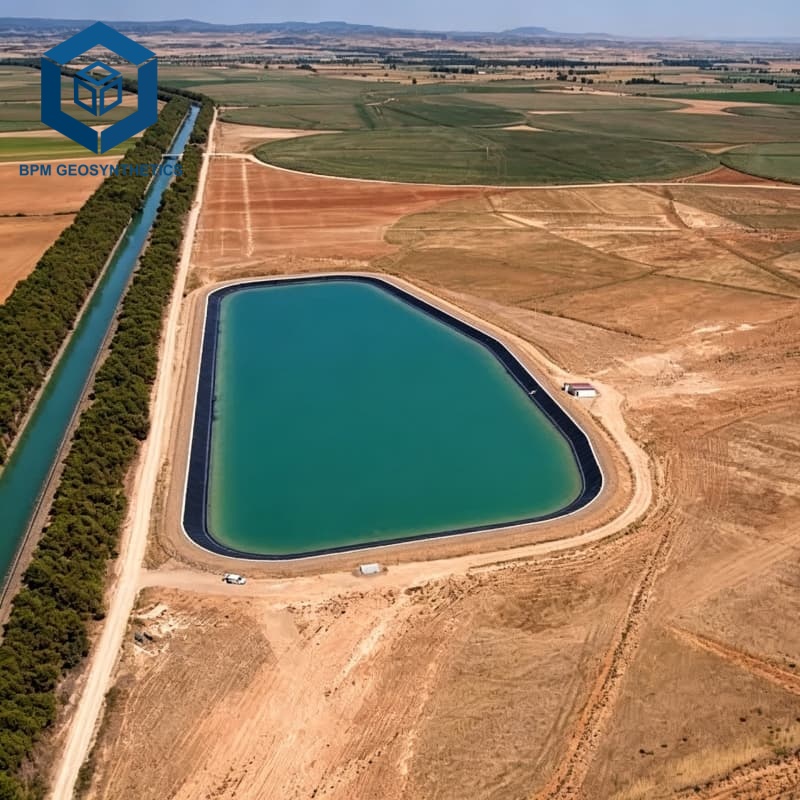
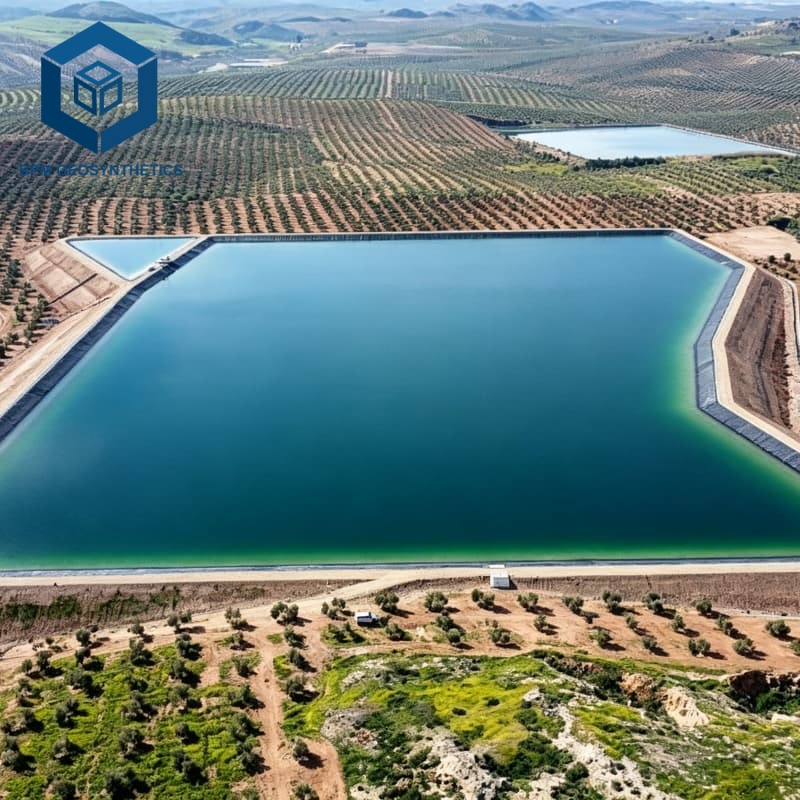
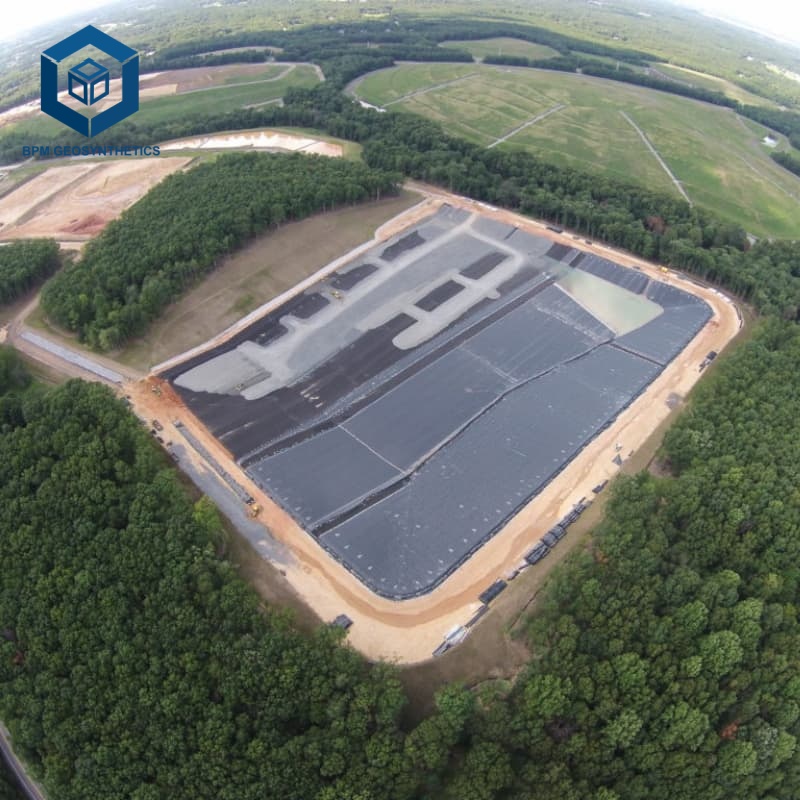
Damliner is a high-quality geomembrane solution designed for earth dams, reservoirs, irrigation ponds, and water storage projects. Manufactured from 100% virgin HDPE resin, it provides excellent impermeability, chemical resistance, and long-term durability to reduce water loss and prevent seepage.
- Excellent Waterproof Performance: Creates a reliable barrier to prevent water leakage and seepage.
- High Durability: Resists UV exposure, weathering, and environmental stress for long service life.
- Chemical Resistance: Suitable for agricultural, industrial, and water containment applications.
- Flexible Installation: Easy to weld and adapt to different dam shapes and site conditions.
- Customized Solutions: Available in various thicknesses, sizes, colors, and surface textures to meet project requirements.
Designed with advanced material technology, our premium Damliner delivers exceptional durability and superior impermeable protection for a wide range of containment applications. Engineered to withstand harsh environmental conditions, UV exposure, and chemical exposure, it provides a reliable, long-lasting barrier that effectively prevents seepage, protects natural resources, and ensures optimal structural integrity.
1. Understanding Damliner Solutions
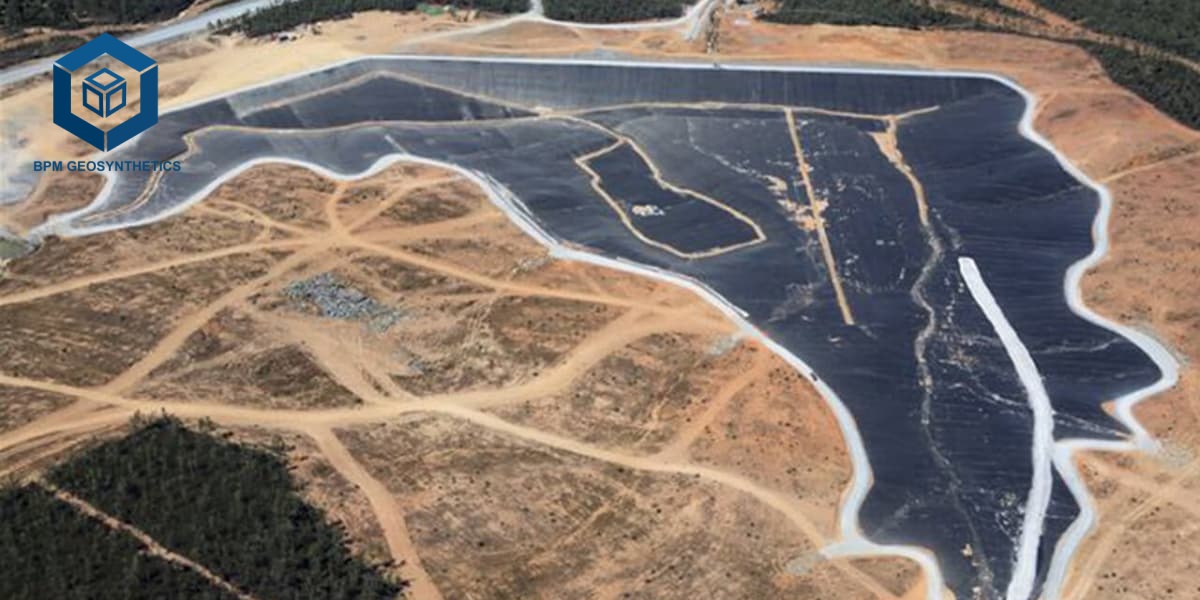
A damliner (also known as a HDPE geomembrane liner) is an engineered, high-density polyethylene impermeable membrane specifically designed to prevent water seepage in dams, reservoirs, irrigation ponds, and containment facilities.
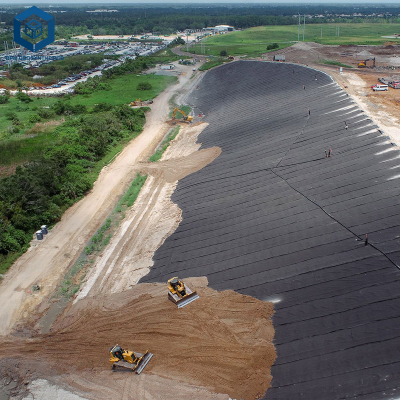
By laying a continuous synthetic barrier across the bottom and sloped banks of a water storage structure, a damliner creates a leak-proof seal that isolates stored water from the surrounding soil.
1.1 Is a Damliner Right for Your Project?
If your project involves holding large volumes of water, liquid waste, or agricultural runoff where soil permeability threatens water volume or structural integrity, a geomembrane damliner is an essential component of your infrastructure.
1.2 How Does a Damliner Differ from Standard Plastic Sheeting?
1.2.1 Material Composition:
Standard plastic sheets (like agricultural film or tarps) are made from low-grade or recycled polyethylene, which breaks down rapidly under UV exposure. High-quality damliners are extruded from 100% virgin HDPE resins formulated with carbon black, antioxidants, and thermal stabilizers.
1.2.2 Mechanical Strength:
Damliners offer high tensile strength, extreme puncture resistance, and elongation capacity, allowing them to withstand heavy hydrostatic pressure and ground settlement without tearing.
1.2.3 Lifespan:
Standard plastic sheeting fails within 6 to 18 months outdoor exposure. A certified virgin HDPE damliner geo membranes delivers an operational lifespan of 20 to 50+ years depending on thickness and environmental conditions.
2. Damliner Solutions for Common Water Storage Challenges
2.1 Preventing Water Loss & Drought Protection
2.1.1 Eliminate Soil Infiltration:
Unlined earthen dams and reservoirs lose up to 50% or more of stored water through natural percolation into porous soils (sandy, gravelly, or fractured rock substrates).
2.1.2 Maximize Storage Efficiency:
A continuous damliner barrier ensures virtually zero infiltration loss, preserving precious water resources for dry seasons, livestock, and crop irrigation.
2.2 Enhancing Dam Structural Stability
2.2.1 Prevent Internal Erosion & Piping:
Water seeping continuously through an earthen embankment can cause internal soil erosion, leading to structural instability or catastrophic failure.
2.2.2 Protects Subgrade Integrity:
By containing the water volume above the subgrade, high density polyethylene liner damliners preserve the structural integrity of embankments and sloped containment walls.
2.3 Reducing Total Cost of Ownership
2.3.1 Cost-Effective Alternative to Concrete:
Traditional concrete lining is labor-intensive, prone to cracking under ground movement, and expensive to repair. Damliners offer faster installation, flexible movement accommodation, and significantly lower capital expenditure.
2.3.2 Minimal Ongoing Maintenance:
Once properly welded and installed, high-quality high density polyethylene geomembrane damliners require minimal maintenance compared to unlined or clay-lined ponds.
2.4 Versatile Applications across Industries
- Farm & Agricultural Dams: Livestock watering ponds, agricultural irrigation reservoirs, and rain harvesting basins.
- Municipal & Water Infrastructure: Water storage reservoirs, raw water containment, and municipal buffer ponds.
- Mining & Industrial Ponds: Tailings dams, process water containment, and brine evaporation ponds.
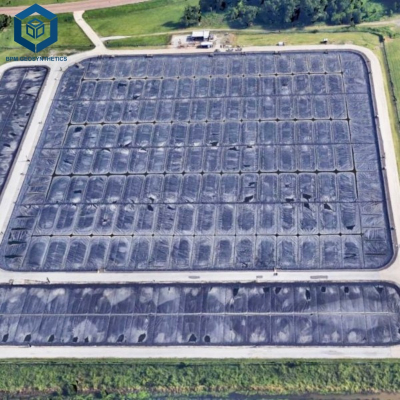
- Wastewater Management: Industrial wastewater lagoons, slurry storage, and effluent treatment basins.
3. Key Advantages of Our HDPE Damliner
3.1 100% Virgin HDPE Resin for Long-Term Durability
Not all HDPE liners deliver the same level of performance. Some low-cost alternatives use recycled materials or fillers to reduce production costs, which may affect long-term durability, crack resistance, and service life.
- Pure Resin Formula: Manufactured with 100% virgin high-density polyethylene resin to ensure stable physical properties and reliable long-term performance.
- Advanced UV & Oxidation Protection: Contains 2–3% carbon black along with premium antioxidants and thermal stabilizers to enhance resistance against UV exposure, aging, and environmental stress.
- Long-Term Project Value: A durable damliner helps reduce replacement frequency, lower maintenance costs, and provide reliable protection for long-term water storage projects.
3.2 Reliable Anti-Seepage Protection
A high-quality damliner creates a strong waterproof barrier between stored water and the surrounding soil, helping minimize water loss and improve containment efficiency.
- Ultra-Low Permeability Performance: With a permeability coefficient of less than 1.0 × 10⁻¹³ cm/s, HDPE damliner provides excellent hydraulic sealing performance for water storage applications.
- Continuous Waterproof Structure: Professional thermal welding technology connects liner sheets into a seamless waterproof system, reducing leakage risks caused by joints or gaps.
- Stable Performance in Harsh Conditions: HDPE material maintains excellent resistance against moisture, chemicals, and environmental changes, ensuring dependable protection throughout the project lifecycle.
3.3 Customized Damliners Tailored to Your Project Requirements
Every water storage project has different site conditions, dimensions, and performance requirements. We provide flexible customization options to improve installation efficiency and reduce material waste.
3.3.1 Multiple Thickness Options:
Available in 0.75 mm, 1.0 mm, 1.5 mm, 2.0 mm, 2.5 mm, and 3.0 mm thicknesses to meet different application requirements.
3.3.2 Surface Options:
- Smooth HDPE Damliner: Provides excellent tensile strength, easy installation, and efficient water flow performance for standard applications.
- Textured HDPE Damliner: Features a rough surface structure to increase friction resistance, making it suitable for slopes, deeper reservoirs, and projects requiring enhanced stability.
3.3.3 Customized Roll Sizes:
Available in customized widths up to 8 meters and flexible roll lengths to reduce field seams and simplify installation.
3.3.4 Customized Colors:
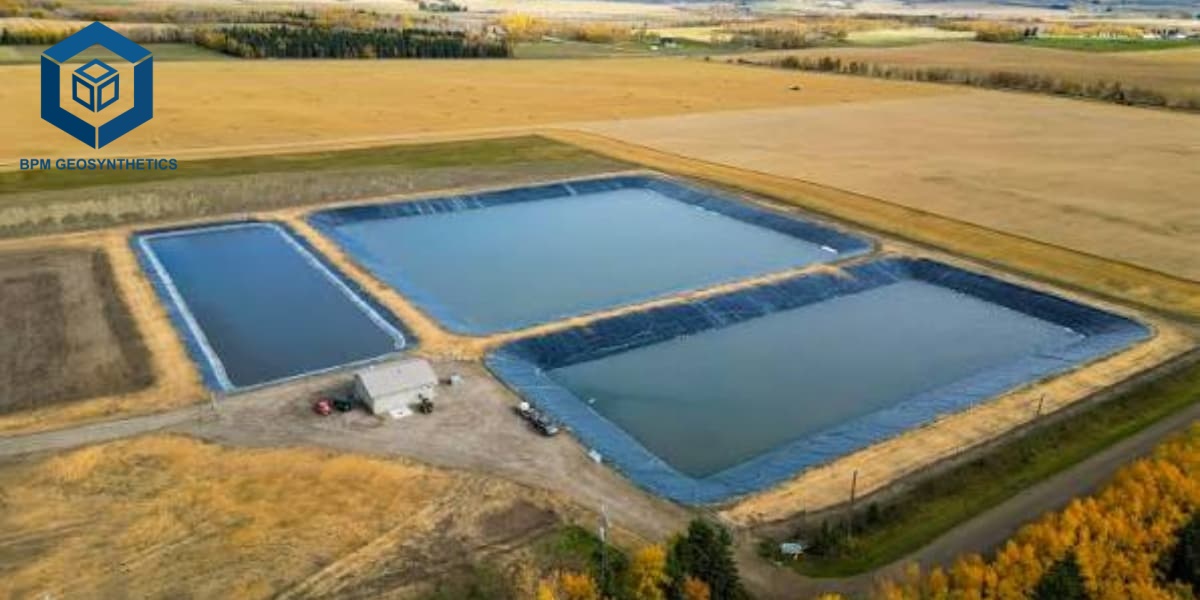
Standard black, green/black dual color, blue/black dual color, and other customized colors are available based on project requirements.
3.4 Designed for Different Dam and Environmental Conditions
Different projects require different liner solutions. Choosing the right damliner thickness and surface structure helps achieve better performance and cost efficiency.
Small Farm Dams and Livestock Water Ponds
- Project Requirements:
Affordable, durable, and easy-to-install liner solutions for agricultural water storage.
- Recommended Damliner Specifications:
0.75 mm – 1.0 mm smooth HDPE damliner for small-scale water containment applications.
3.5 Large Water Reservoirs and Municipal Water Storage Projects
- Project Requirements:
Higher mechanical strength, excellent UV resistance, and long-term stability under continuous water pressure.
- Recommended Damliner Specifications:
1.5 mm – 2.0 mm smooth or single-textured HDPE liner for large reservoirs and long-term water storage facilities.
3.6 Mining and Industrial Water Storage Applications
- Project Requirements:
Enhanced puncture resistance, strong slope stability, and reliable chemical resistance for demanding industrial environments.
- Recommended Damliner Specifications:
1.5 mm – 2.5 mm double-textured HDPE geomembrane for mining ponds, process water storage, and industrial containment projects.
4. Purchasing Guide: How to Select the Right Damliner
4.1 How to Choose the Correct Thickness?
Selecting the right thickness depends on water depth, subgrade soil conditions, slope angle, and exposure to mechanical stress:
Project Type | Recommended Thickness | Primary Factor |
Small Irrigation & Farm Ponds (< 3m depth) | 0.75 mm – 1.0 mm | Smooth soil base, light hydrostatic pressure |
Medium Agricultural Reservoirs (3m – 6m depth) | 1.0 mm – 1.5 mm | Moderate hydrostatic head pressure, general UV exposure |
Large Dams & Water Containment (> 6m depth) | 1.5 mm – 2.0 mm | High pressure, steep slopes, heavy duty service life |
Mining & Hazardous Waste Containment | 1.5 mm – 3.0 mm | Chemical exposure, rocky terrain, rigorous regulatory compliance |
4.2 How to Assess Damliner Quality Before Procurement
4.2.1 Material Verification:
Confirm that the manufacturer uses 100% virgin HDPE resin without recycled content.
4.2.2 Standard Compliance:
Ensure full compliance with international standards such as GRI-GM13 (Geosynthetic Research Institute standard for HDPE geomembranes) or ASTM test methods.
4.2.3 Third-Party Testing:
Request recent batch inspection certificates (MTRs) and third-party lab test reports for thickness uniformity, tensile strength, tear resistance, and Oxidative Induction Time (OIT).
4.2.4 Roll Width Capability:
Look for manufacturers capable of producing wide rolls (6m–8m) to reduce total seam welding on site by up to 30%.
5. Damliner Technical Specifications (GRI-GM13 Standard)
| Property | Test Method | 1.0 mm (40 mil) | 1.5 mm (60 mil) | 2.0 mm (80 mil) |
|---|---|---|---|---|
| Density (g/cm³) | ASTM D1505 / D792 | ≥0.940 | ≥0.940 | ≥0.940 |
| Tensile Strength at Yield (N/mm) | ASTM D6693 (Type IV) | ≥15 | ≥22 | ≥29 |
| Tensile Strength at Break (N/mm) | ASTM D6693 (Type IV) | ≥27 | ≥40 | ≥53 |
| Elongation at Yield (%) | ASTM D6693 (Type IV) | ≥12 | ≥12 | ≥12 |
| Elongation at Break (%) | ASTM D6693 (Type IV) | ≥700 | ≥700 | ≥700 |
| Puncture Resistance (N) | ASTM D4833 | ≥320 | ≥480 | ≥640 |
| Tear Resistance (N) | ASTM D1004 | ≥125 | ≥187 | ≥249 |
| Carbon Black Content (%) | ASTM D1603 / D4218 | 2.0–3.0 | 2.0–3.0 | 2.0–3.0 |
| Standard OIT (min) | ASTM D3895 | >100 | >100 | >100 |
6. Why Source Directly Damliner From Our Factory?
As an established manufacturer of geosynthetics, we provide end-to-end support for engineering contractors, procurement agencies, and project developers worldwide.
6.1 Advanced Production Lines:
Equipped with automated multi-layer co-extrusion blown film lines ensuring uniform thickness and high yield rates.
6.2 Strict Quality Control:
Every roll undergoes rigorous QA/QC inspection from raw resin testing to full physical property verification before dispatch.
6.3 OEM / ODM Customization:
Tailored roll lengths, specialized surface texturing, custom labeling, and export-ready protective packaging.
6.4 Proven Global Track Record:
Experience supplying water conservancy, mining, and agricultural containment projects across North America, Southeast Asia, Africa, South America, and the Middle East.
6.5 Direct Factory Pricing & Fast Lead Times:
Streamlined direct supply eliminates intermediary markups and guarantees reliable shipping schedules.
7. Damliner Installation & Technical Support Services
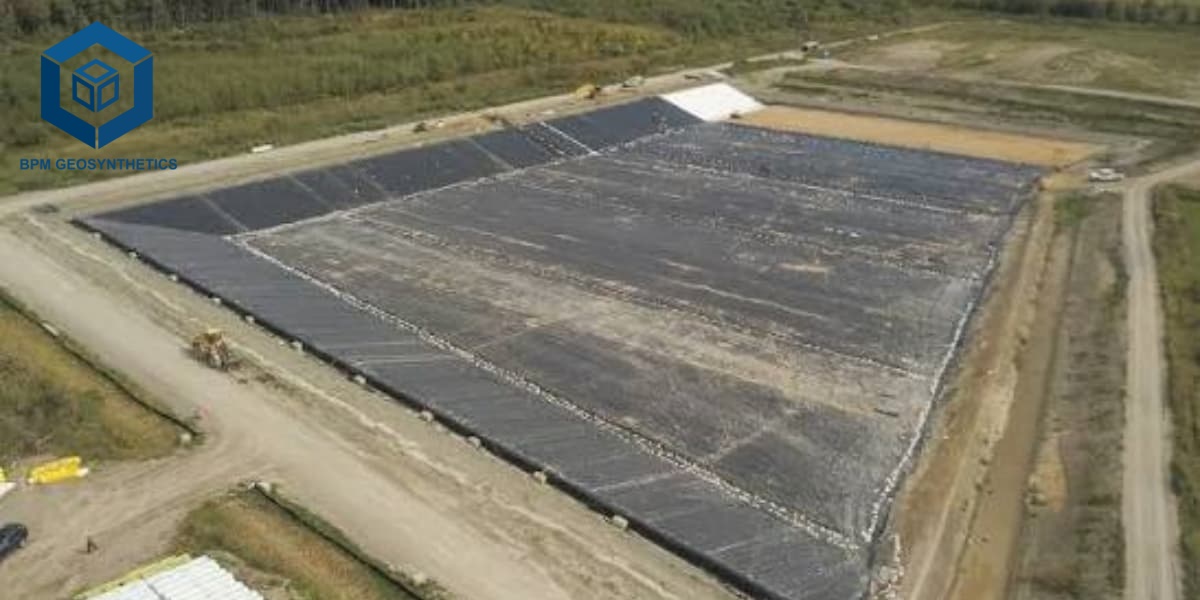
A damliner system is only as effective as its installation. We assist your engineering and construction teams at every phase:
7.1 Site Preparation Guidelines:
Advice on compaction, subgrade cleaning, anchor trench dimensioning, and geotextile cushion placement.
7.2 Welding Parameters & Protocol:
Step-by-step guidance on hot wedge welding parameters, extrusion welding for detail repairs, and field pressure testing procedures.
7.3 Protective Export Packaging:
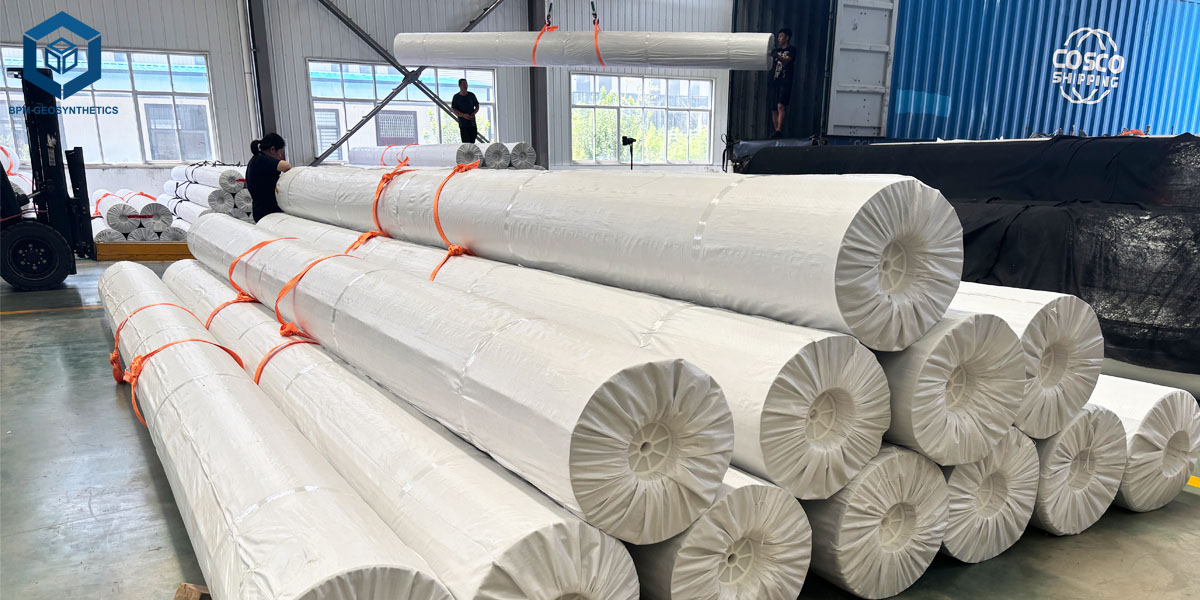
Heavy-duty woven geotextile wrapping with sturdy core tubes to prevent roll deformation and edge damage during international transport.
7.4 On-Site Technical Assistance:
Remote video guidance or on-site welding technician deployment upon request.
8. Damliner Frequently Asked Questions (FAQ)
Q1: What thickness of damliner should I choose for my project?
The suitable damliner thickness depends on water depth, site conditions, expected service life, and application requirements. BPM Geosynthetics provides professional recommendations based on different projects, including farm dams, irrigation reservoirs, and industrial water storage facilities.
Q2: Can BPM Geosynthetics provide customized damliner sizes?
Yes. BPM Geosynthetics offers customized damliner solutions with different thicknesses, widths, lengths, colors, and surface structures. Customized roll sizes help reduce material waste, minimize field welding, and improve installation efficiency.
Q3: What material is used for BPM HDPE damliner?
BPM Geosynthetics HDPE damliner is manufactured using 100% virgin HDPE resin with carbon black, antioxidants, and UV-resistant additives. This ensures excellent durability, chemical resistance, and long-term performance in outdoor water containment applications.
Q4: Does BPM Geosynthetics provide quality inspection and certification?
Yes. BPM Geosynthetics follows strict quality control procedures from raw material selection to final product testing. Damliners can be supplied according to international standards and supported with relevant quality documents for different project requirements.
Q5: Can BPM Geosynthetics support large-scale damliner projects?
Yes. With advanced production capabilities, customized manufacturing options, and global export experience, BPM can supply damliner solutions for projects of different scales, from agricultural ponds to large water reservoirs and industrial containment systems.
Q6: How does BPM Geosynthetics support customers after purchase?
BPM Geosynthetics provides technical assistance, product selection guidance, packaging protection, and installation recommendations to help customers achieve reliable project performance from design to application.
Reliable Damliner Solutions for Your Water Containment Projects
Prevent water loss, safeguard your water storage infrastructure, and optimize project costs with engineered HDPE damliners built to international standards.
Whether you need custom roll dimensions, specialized slope texturing, or technical guidance for an upcoming tender, our team is ready to support your engineering requirements.
Contact The Best Project Material Co., Ltd. (BPM Geosynthetics) Today. Request a Fast Quotation, Free Product Samples, or Technical Data Sheets.