hdpe geomembrane vs lldpe geomembrane
HDPE geomembrane and LLDPE geomembrane are polyethylene-based impermeable liners used in containment and environmental protection projects. HDPE emphasizes stiffness and long-term chemical resistance, while LLDPE focuses on flexibility and high elongation, making each suitable for different engineering and installation conditions.
Technical Parameters and Specifications
The following parameters are commonly referenced by procurement teams and engineering consultants when comparing HDPE geomembrane vs LLDPE geomembrane.
Thickness Range: 0.5–3.0 mm (both types)
Density: HDPE 0.94–0.97 g/cm³; LLDPE 0.915–0.935 g/cm³
Tensile Strength: HDPE ≥15 MPa; LLDPE ≥12 MPa
Elongation at Break: HDPE ≥700%; LLDPE ≥800%
Puncture Resistance: HDPE higher under static loads
Carbon Black Content: 2.0–3.0%
Oxidative Induction Time: ≥100 min (standard)
Service Temperature: -40°C to +60°C
Structure and Material Composition
Although both products are polyethylene liners, their molecular structure differs significantly.
HDPE Geomembrane:
High-density polyethylene resin
Highly crystalline molecular structure
Carbon black and antioxidant package
LLDPE Geomembrane:
Linear low-density polyethylene resin
More branched molecular chains
Enhanced flexibility additives
Manufacturing Process
The manufacturing process for HDPE geomembrane vs LLDPE geomembrane is similar in principle but optimized for different material behaviors.
Raw Material Compounding: Controlled blending of resin and additives
Extrusion: Flat-die or blown-film extrusion lines
Calendering: Thickness control and surface finish
Cooling: Gradual cooling to reduce internal stress
Surface Texturing: Optional single or double-sided texturing
Inspection: Mechanical testing, pinhole detection
Roll Packaging: Labeling, wrapping, and batch tracking
Industry Comparison Table
| Criteria | HDPE Geomembrane | LLDPE Geomembrane |
|---|---|---|
| Flexibility | Moderate | High |
| Chemical Resistance | Excellent | Excellent |
| Stress Crack Resistance | High | Very High |
| Ease of Installation | Lower on complex subgrades | Higher on uneven terrain |
| Typical Service Life | 30–50 years | 25–40 years |
Application Scenarios
Selection between HDPE geomembrane vs LLDPE geomembrane depends on project conditions and stakeholders such as EPC contractors, distributors, and engineering firms.
HDPE Applications: Landfills, mining leach pads, hazardous waste containment
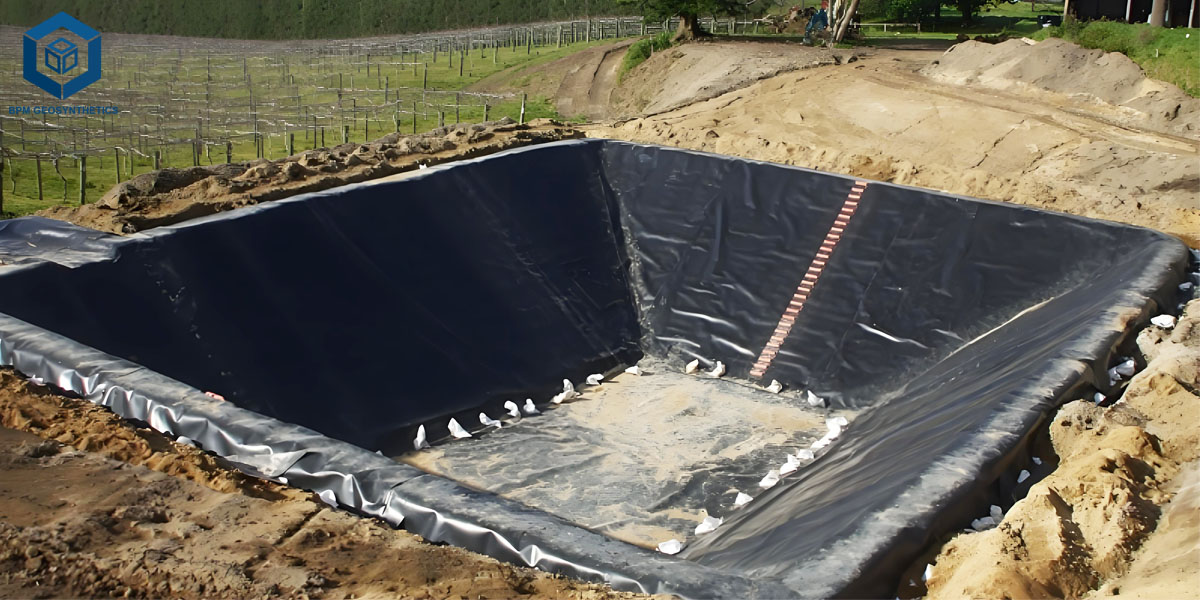
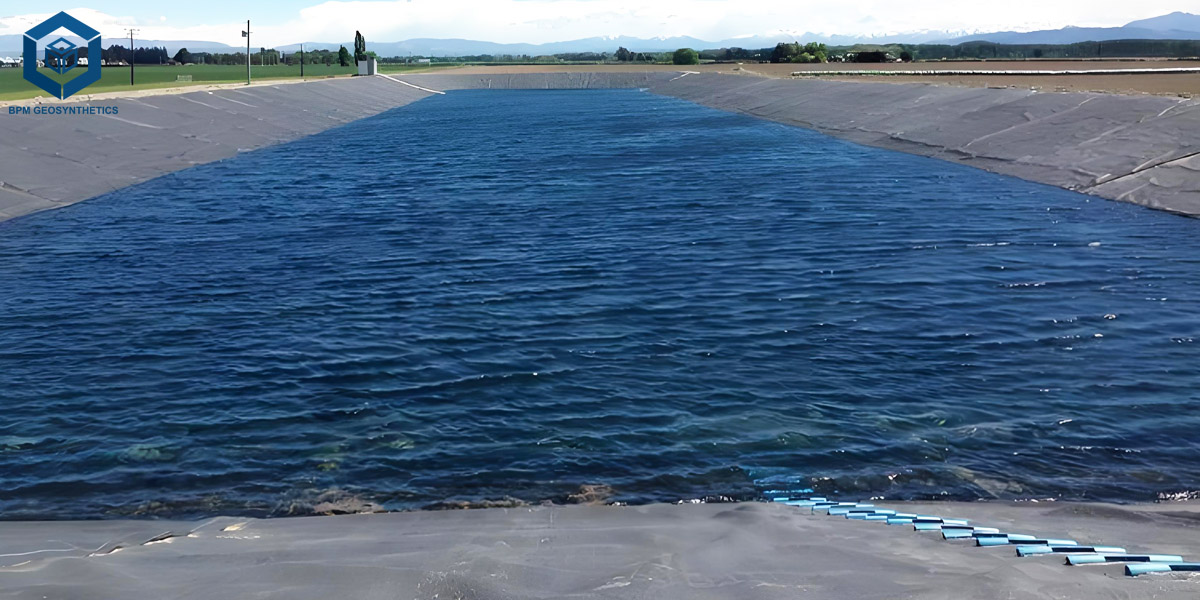
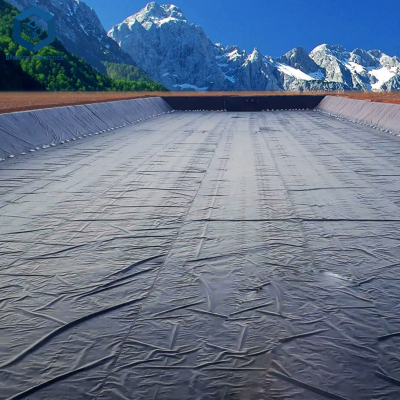
LLDPE Applications: Ponds, canals, covers, projects with differential settlement
Secondary liners and caps where flexibility is required
Core Pain Points and Engineering Solutions
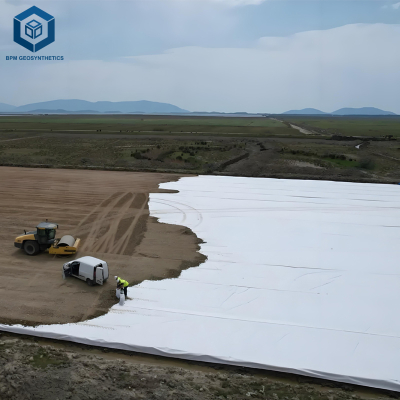
Subgrade movement: Use LLDPE geomembrane to accommodate settlement
High chemical exposure: Specify HDPE geomembrane with verified resistance
Cold weather installation: LLDPE offers improved low-temperature performance
Weld seam reliability: Select material based on installer capability and equipment
Risk Warnings and Mitigation Strategies
Incorrect selection between HDPE geomembrane vs LLDPE geomembrane can introduce long-term risks.
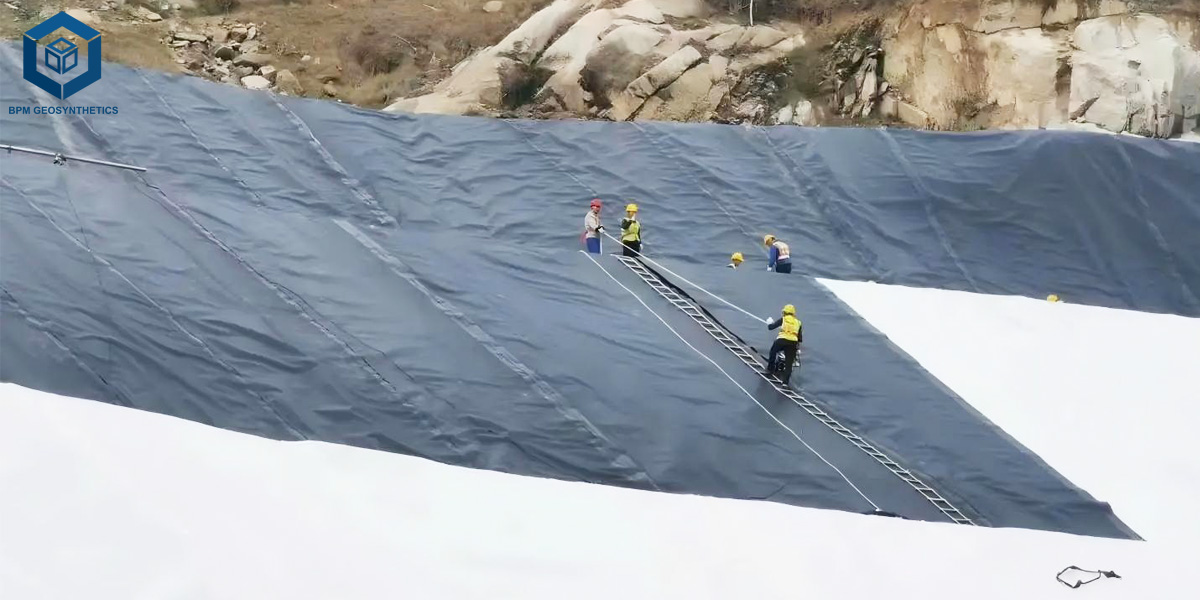
Avoid using thin HDPE on highly irregular subgrades
Prevent UV overexposure without proper stabilization
Verify welding procedures through trial seams
Ensure protective layers for puncture-prone areas
Procurement Selection Guide
Define chemical, thermal, and mechanical exposure
Assess subgrade condition and settlement risk
Determine required thickness and surface texture
Confirm compliance with ASTM and GRI standards
Request full technical datasheets and test reports
Evaluate manufacturer quality control systems
Request project-specific samples if required
Engineering Case Example
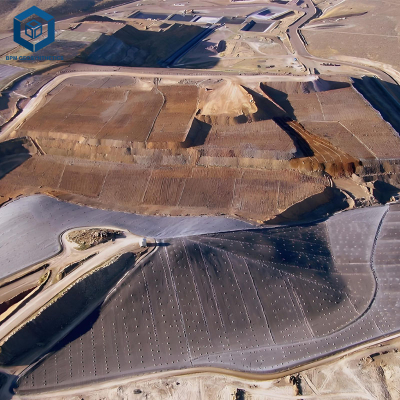
In a mining tailings pond project, HDPE geomembrane was selected for primary containment due to aggressive chemical exposure, while LLDPE geomembrane was installed as a secondary liner over uneven subgrade areas to reduce stress cracking and simplify installation.
Frequently Asked Questions
Q1: Is HDPE stronger than LLDPE?
A: Yes, in tensile strength.Q2: Which is more flexible?
A: LLDPE geomembrane.Q3: Can both be textured?
A: Yes.Q4: Which is better for landfills?
A: HDPE.Q5: Which performs better in cold climates?
A: LLDPE.Q6: Are welding methods the same?
A: Generally yes.Q7: Do both meet ASTM standards?
A: Yes, when properly manufactured.Q8: Which is easier to install?
A: LLDPE.Q9: Can they be combined in one project?
A: Yes.Q10: Is cost significantly different?
A: Usually comparable, project-dependent.
CTA – Technical Inquiry
For quotations, technical datasheets, or engineering samples related to HDPE geomembrane vs LLDPE geomembrane, submit a detailed inquiry including application type, required standards, thickness, and quantities.
E-E-A-T Author Credentials
This article is prepared by a geosynthetics engineering consultant with over 15 years of experience in liner material evaluation, containment system design, and international infrastructure procurement.