HDPE Landfill Liner: The Ultimate Solution for Waste Containment
HDPE Landfill Liner: The Ultimate Solution for Waste Containment
Introduction
In the realm of waste management, effective containment systems are critical to preventing groundwater contamination and ensuring the long-term sustainability of landfills. HDPE Landfill Liners, made from high-density polyethylene (HDPE), are widely regarded as the best solution for waste containment, offering exceptional durability, chemical resistance, and environmental protection.
This article explores the importance of HDPE landfill liners, their applications, manufacturing processes, and factors influencing cost, helping B2B buyers make informed decisions when sourcing and investing in these essential materials.
What is an HDPE Landfill Liner?
Definition and Functionality
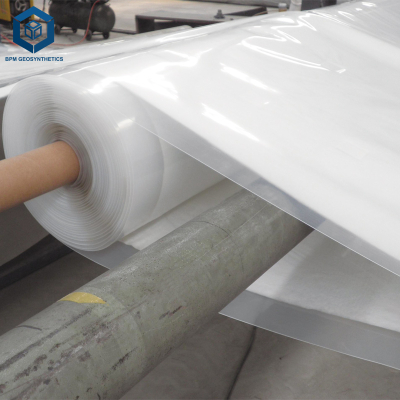
An HDPE landfill liner is a type of geosynthetic material used to prevent the movement of leachate or hazardous waste from landfills into surrounding soil and groundwater. Made from high-density polyethylene, these liners are designed to provide a barrier between waste materials and the environment, ensuring that harmful chemicals and contaminants are contained within the landfill site.
The primary purpose of an HDPE liner is to contain liquids, protect the environment, and reduce the risk of soil and water pollution caused by leachate seepage. HDPE liners are primarily used in municipal solid waste landfills, hazardous waste sites, and mining operations.
Key Features and Benefits
Durability: HDPE liners are designed to last for decades. They are resistant to weathering, UV radiation, and mechanical stress, making them ideal for long-term use in landfill containment.
Chemical Resistance: One of the standout features of HDPE liners is their excellent resistance to a wide range of chemicals, including acids, solvents, and oils.
Low Permeability: HDPE liners have an extremely low permeability rate, often less than 1 × 10⁻⁹ cm/s, ensuring that even toxic liquids cannot pass through.
Environmental Protection: By preventing the infiltration of harmful substances into the surrounding environment, HDPE liners play a crucial role in maintaining soil and groundwater health.
Cost-Effectiveness: HDPE liners are relatively cost-effective compared to other liner materials like clay, offering a good balance of performance and price.
Industry Trends and Market Insights
1. Rising Demand for Waste Management Solutions
The global waste management industry is expected to grow significantly over the next decade. With stricter environmental regulations and an increasing emphasis on sustainable waste disposal methods, demand for HDPE landfill liners is on the rise. Governments and private companies are investing in landfill construction and retrofitting older facilities with advanced containment systems, including HDPE liners.
2. Global Environmental Standards and Regulations
As governments around the world continue to implement stricter environmental regulations regarding landfill construction and waste management, the use of HDPE landfill liners has become a necessity. In many regions, EPA guidelines and other regulatory bodies require the use of impermeable liners in both new landfills and existing sites to reduce the environmental impact of waste.
3. Innovation in HDPE Liner Manufacturing
The development of high-performance HDPE materials, including multi-layered liners and textured surfaces, is expanding the range of applications for landfill containment. Advances in manufacturing technology have led to liners with enhanced puncture resistance, greater flexibility, and improved ease of installation, all of which contribute to a longer-lasting and more effective containment solution.
4. Sustainability Trends
There is also a growing demand for more sustainable waste management solutions. Manufacturers are focusing on using recycled materials to produce HDPE liners, contributing to the reduction of environmental footprints. The increasing preference for eco-friendly solutions is driving innovation in the geosynthetic industry.
Factors Affecting HDPE Landfill Liner Cost
1. Thickness and Quality of Material
The cost of an HDPE landfill liner is influenced by the thickness of the liner. Generally, thicker liners offer greater strength and durability but at a higher price point. The material quality, such as the grade of polyethylene used, also plays a crucial role in determining the cost. Higher-quality HDPE liners, which offer better UV and chemical resistance, will typically cost more.
2. Installation and Site Preparation
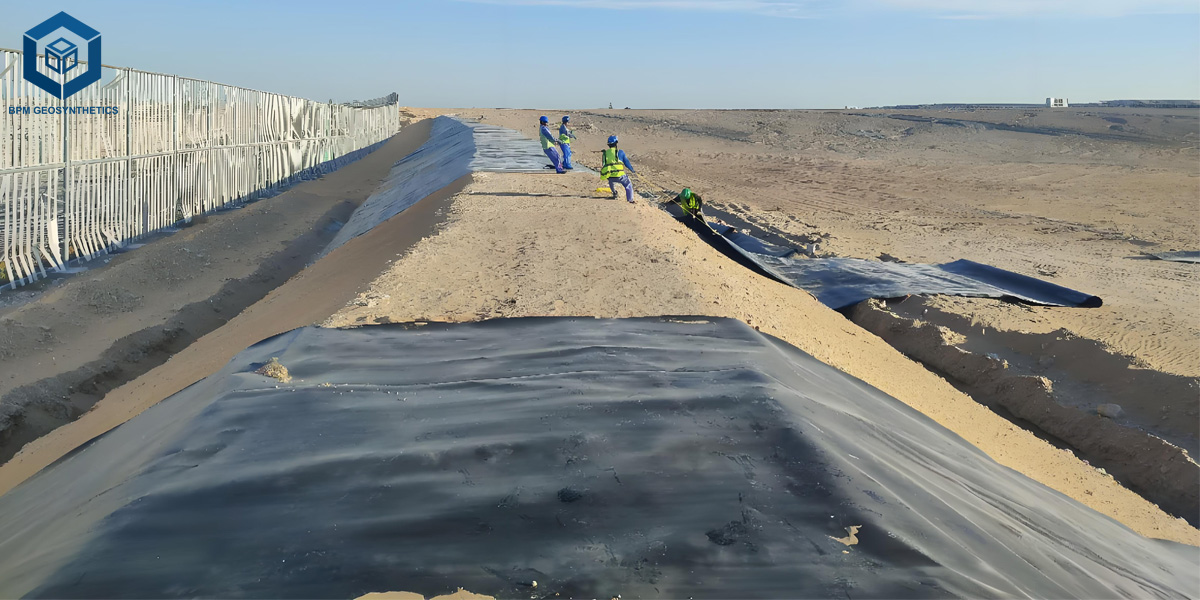
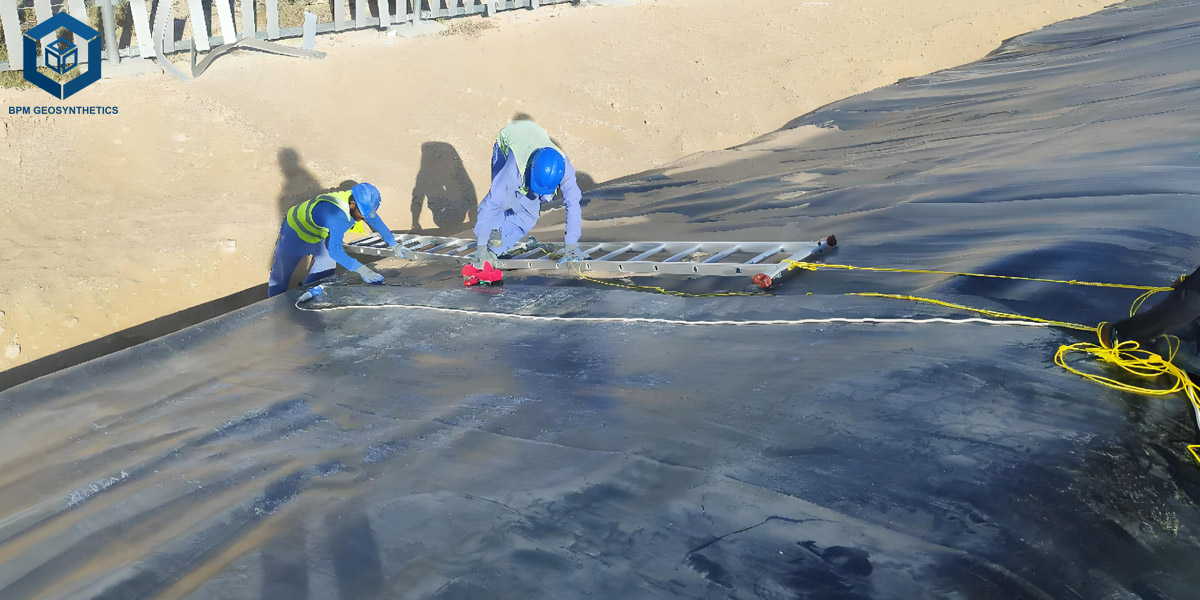
The installation process and site preparation are crucial to ensuring the liner's effectiveness. Factors such as terrain (flat or uneven surfaces), the subgrade condition (e.g., rocky, compacted soil), and the complexity of the landfill design can all influence the overall cost of installation. If the terrain is difficult or requires extensive preparation, costs may increase.
3. Transportation Costs
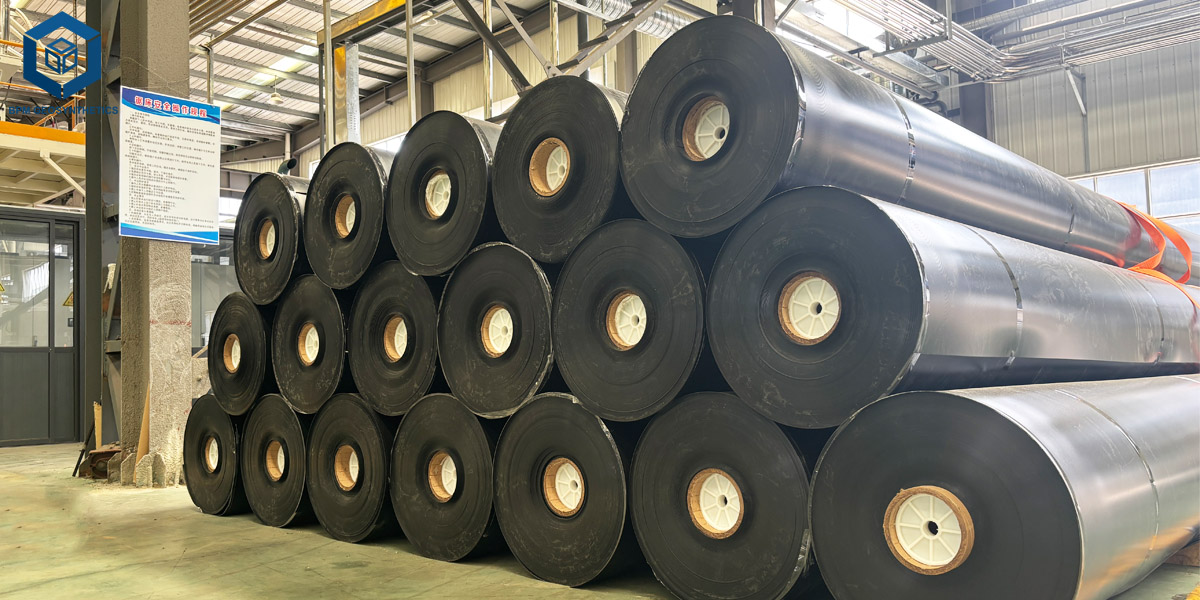
Since HDPE liners are typically sold in large rolls, transportation costs can also impact the overall price. Shipping costs will depend on the size of the order, delivery distance, and the specific logistics requirements of the project. Purchasing from a local supplier can often help reduce these costs.
4. Regulatory Requirements
In some regions, local regulations or environmental standards may require higher-quality liners with enhanced features, such as additional UV resistance or specific thicknesses. These requirements can lead to higher costs, as compliance with local standards is essential.
Applications of HDPE Landfill Liners
1. Municipal Solid Waste Landfills
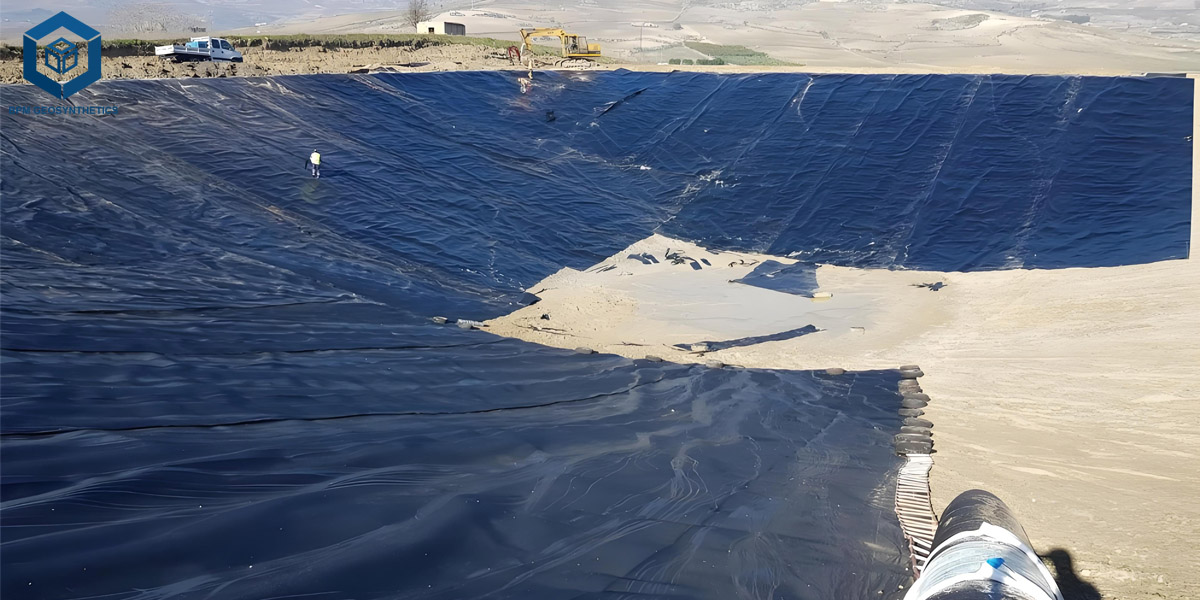
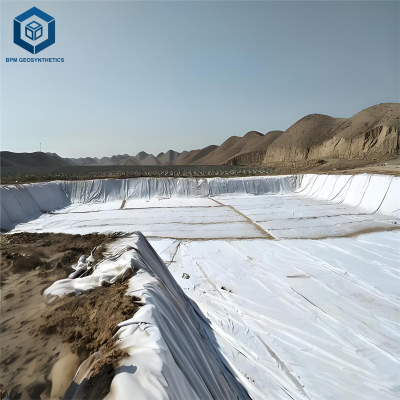
HDPE landfill liners are commonly used in municipal solid waste (MSW) landfills to prevent leachate from contaminating surrounding soil and groundwater. They are integral to landfill base liners and final covers, ensuring that hazardous substances are contained within the landfill cells.
2. Hazardous Waste Sites
For landfills containing hazardous materials, the use of HDPE liners is crucial. These liners provide a barrier against the leakage of dangerous chemicals, such as heavy metals and toxic liquids, into the environment. HDPE liners help meet strict government regulations for hazardous waste disposal.
3. Mining Operations
In the mining industry, HDPE liners are used in heap leach pads, tailings ponds, and other containment systems. These liners provide a durable and chemically resistant barrier that helps prevent toxic leachate from contaminating nearby water sources.
4. Industrial Waste Sites
HDPE liners are also used to line industrial waste containment facilities and water treatment ponds, where there is a need to manage the disposal of hazardous or industrial byproducts. The liners ensure that no harmful substances seep into the ground or surrounding waterways.
Frequently Asked Questions (FAQ)
1. How long do HDPE landfill liners last?
HDPE landfill liners can last for 30 years or more with proper installation and maintenance. Their durability is largely attributed to their resistance to UV radiation, chemicals, and physical stress.
2. Can HDPE landfill liners be recycled?
Yes, HDPE is fully recyclable. After its use in a landfill or other applications, the liner can be processed and used to create new HDPE products.
3. Are HDPE landfill liners effective against all types of contaminants?
HDPE landfill liners offer excellent resistance against most common contaminants, including acids, bases, and solvents. However, for highly aggressive chemicals, such as chlorinated solvents, specialized liners may be required.
4. How thick should an HDPE landfill liner be?
The thickness of an HDPE landfill liner typically ranges from 1.5mm to 3mm, depending on the project requirements and local regulations. Thicker liners provide more robust protection but come at a higher cost.
Conclusion and Call to Action
HDPE landfill liners are an essential part of modern waste management, offering unparalleled protection against leachate contamination and environmental degradation. Their durability, chemical resistance, and cost-effectiveness make them the go-to solution for a wide range of containment applications, from municipal landfills to mining operations.
If you are looking to source high-quality HDPE landfill liners for your next project, we offer a range of durable and compliant liners designed to meet the highest environmental standards.
Contact us today for a consultation, detailed pricing, or further information about how our HDPE landfill liners can protect your project and the environment. Let us help you secure a sustainable future with the right geosynthetic solutions.